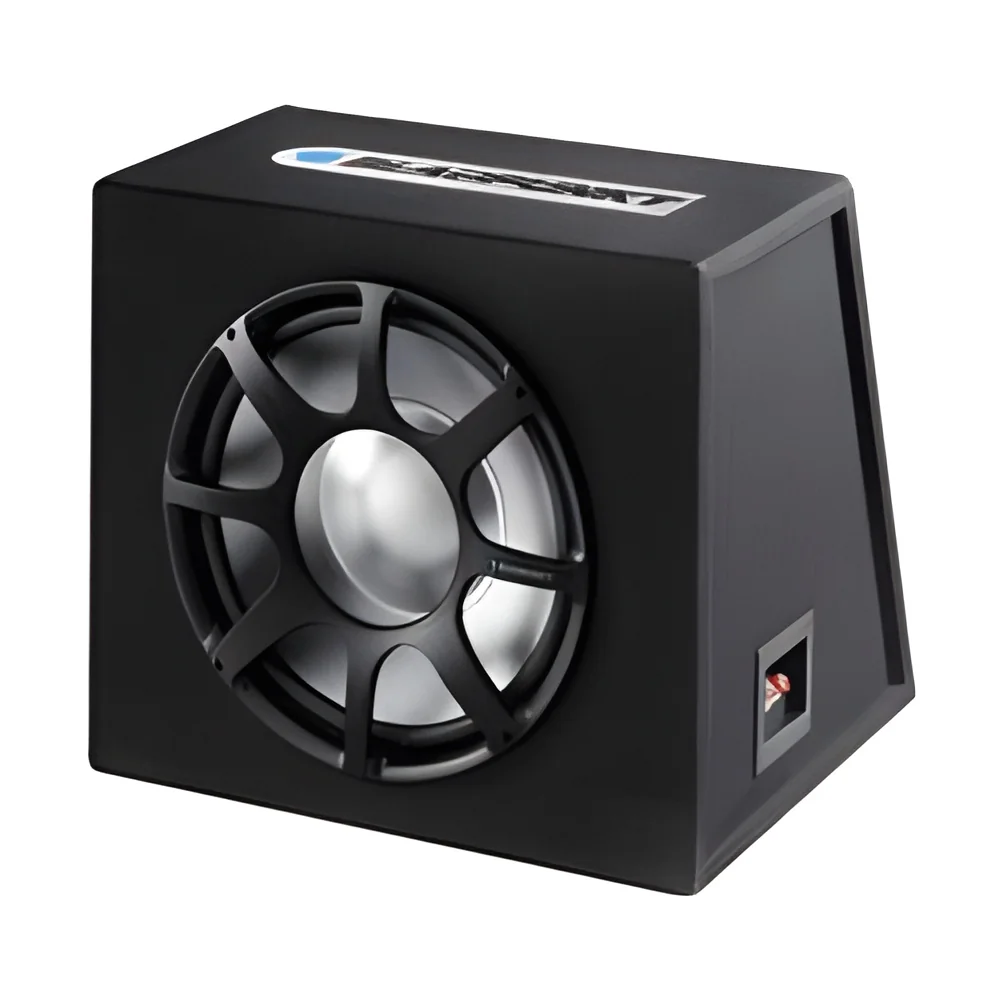
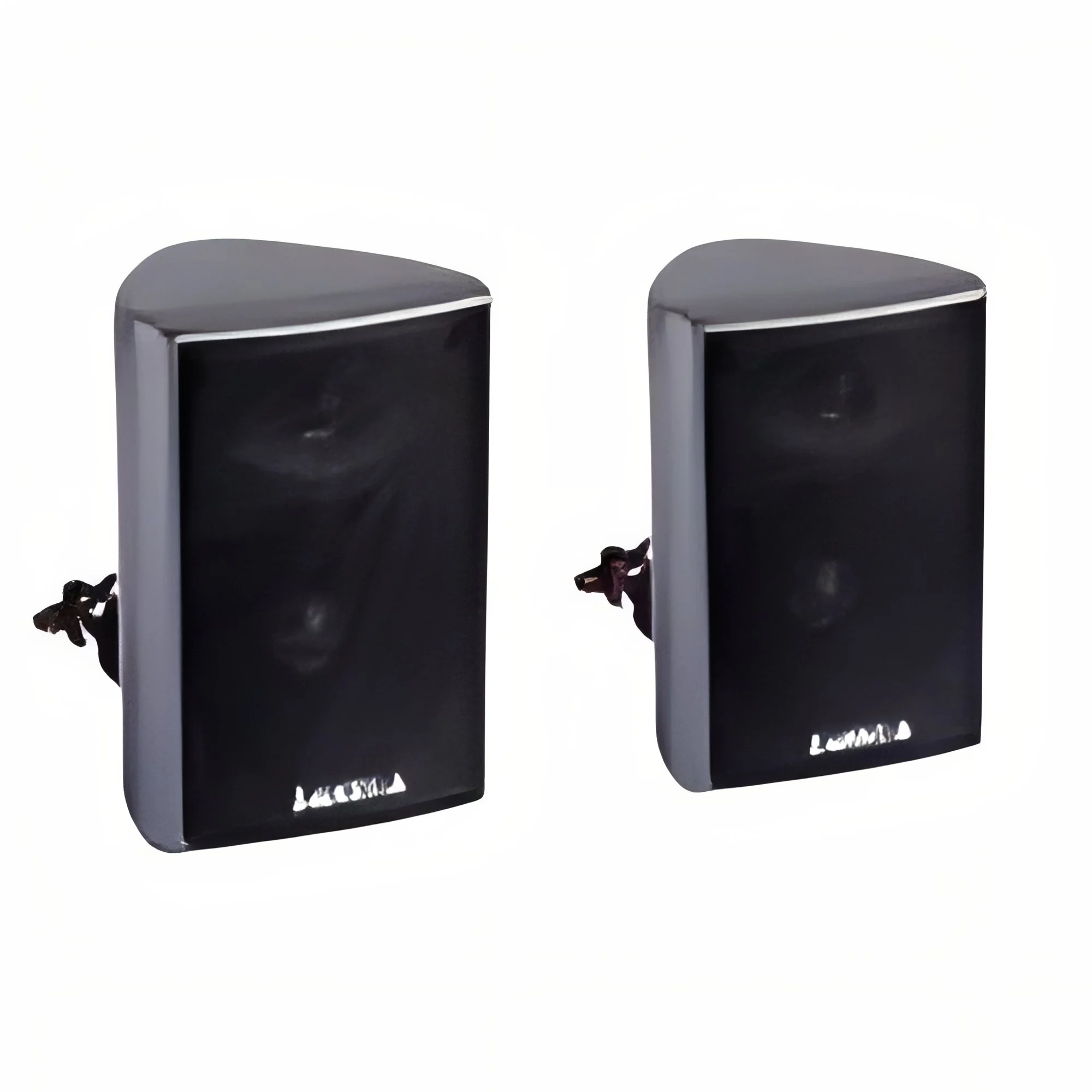
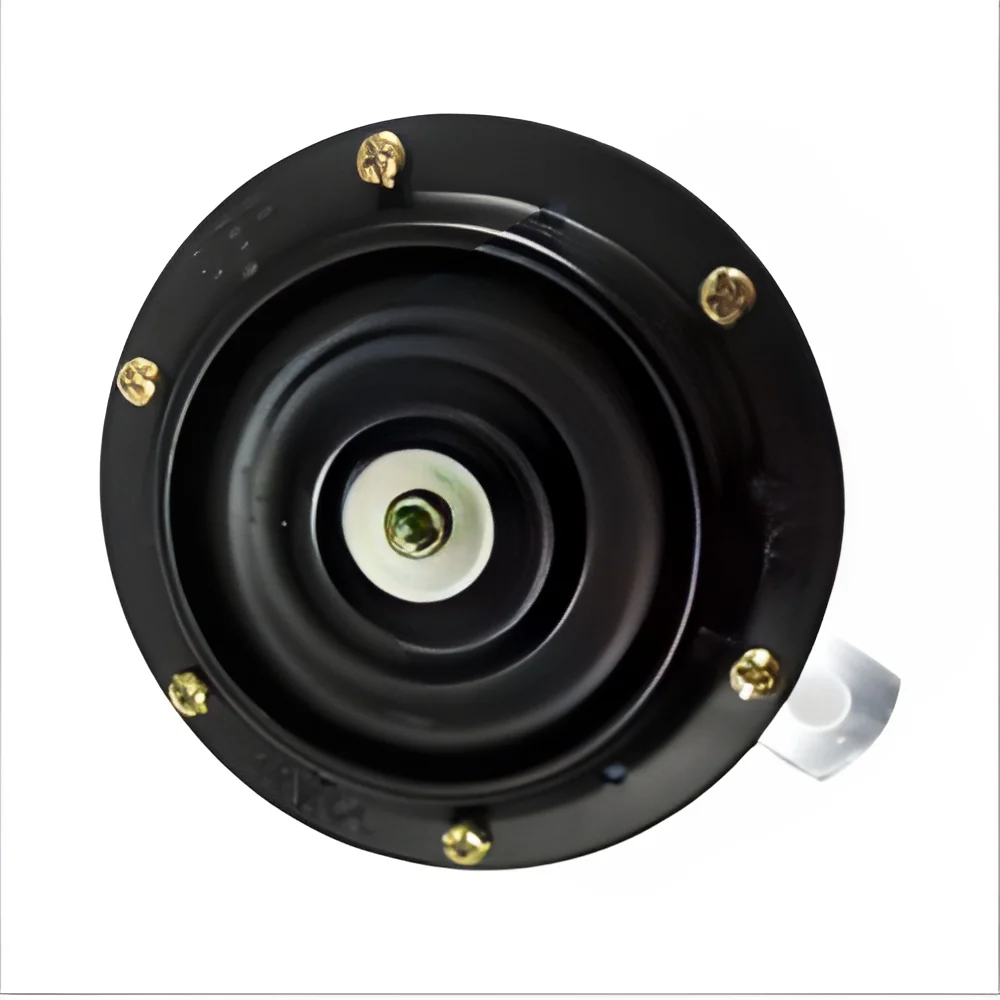
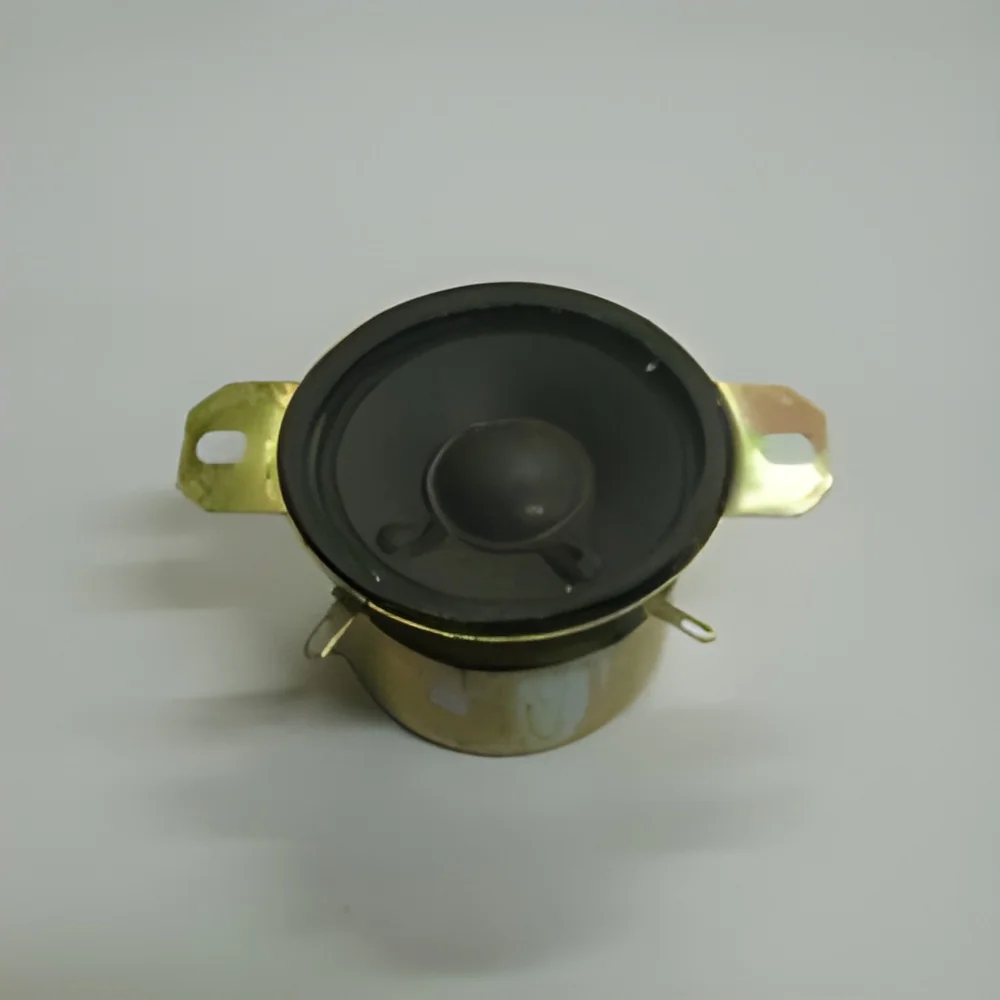
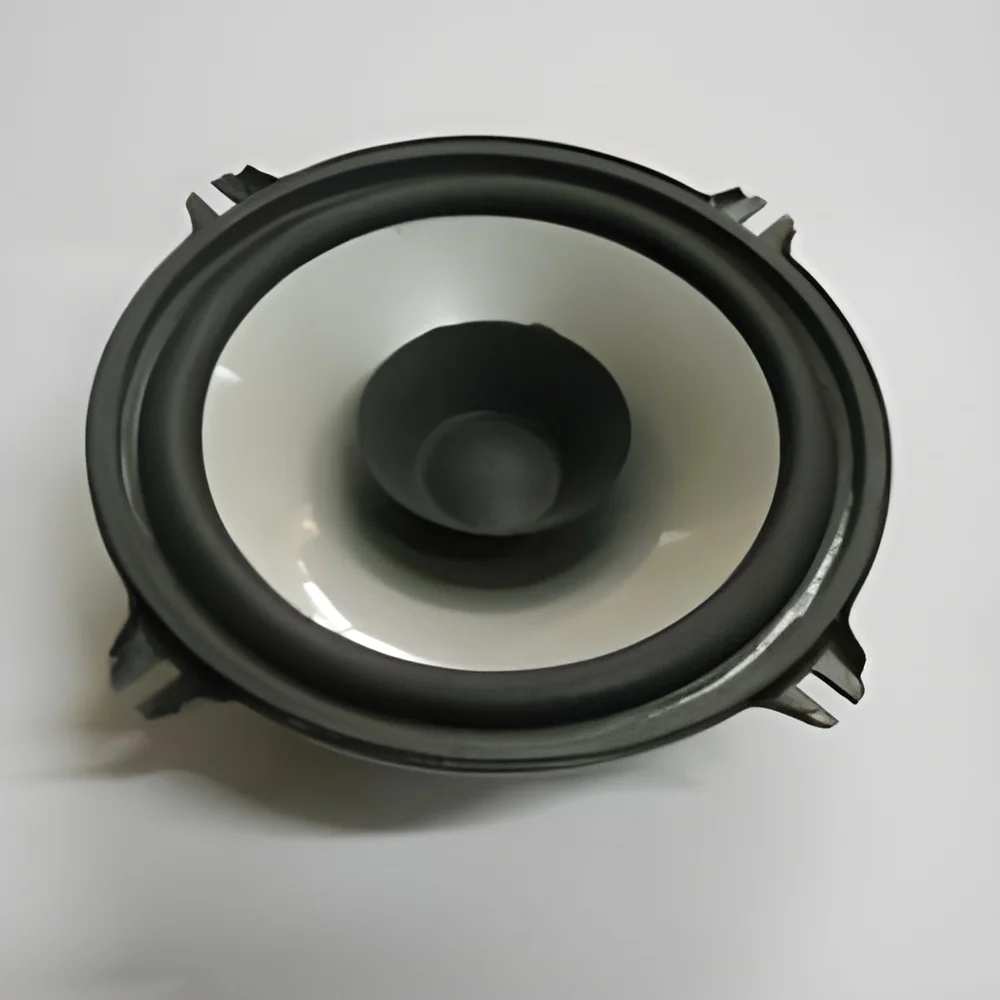
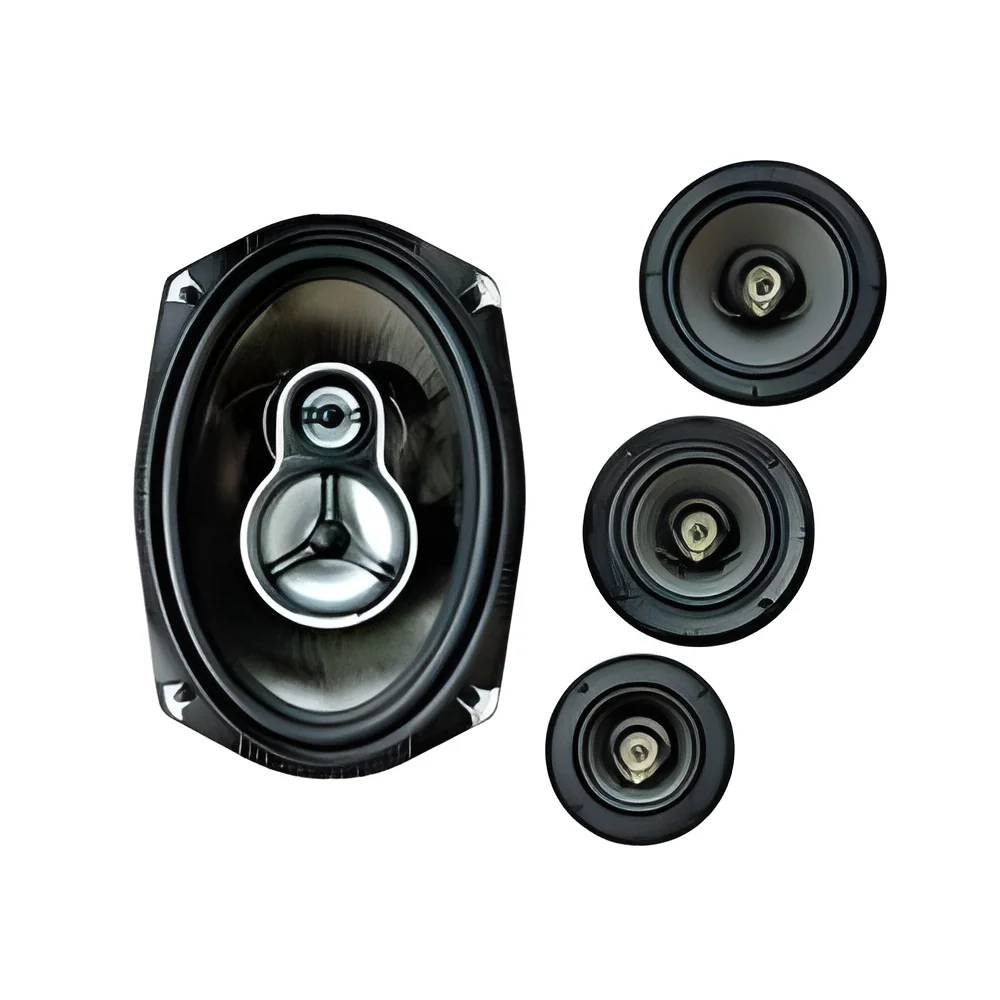
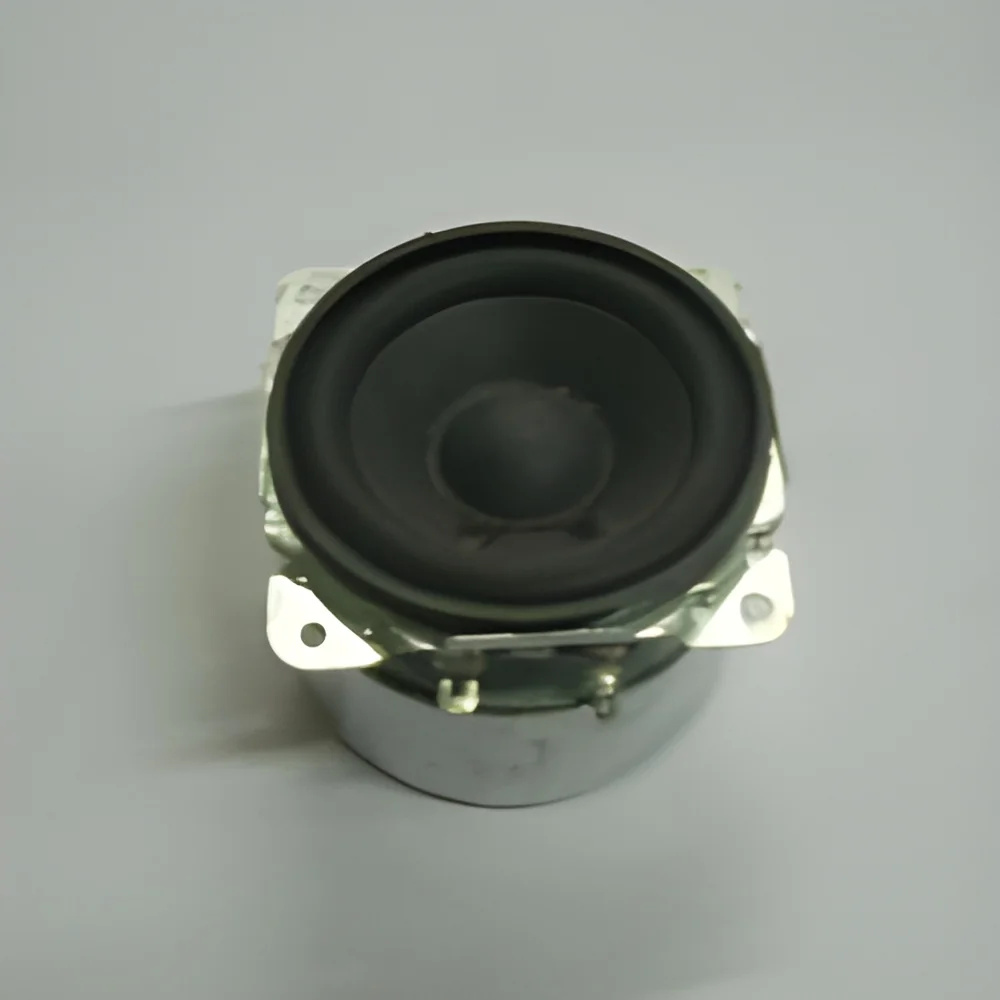
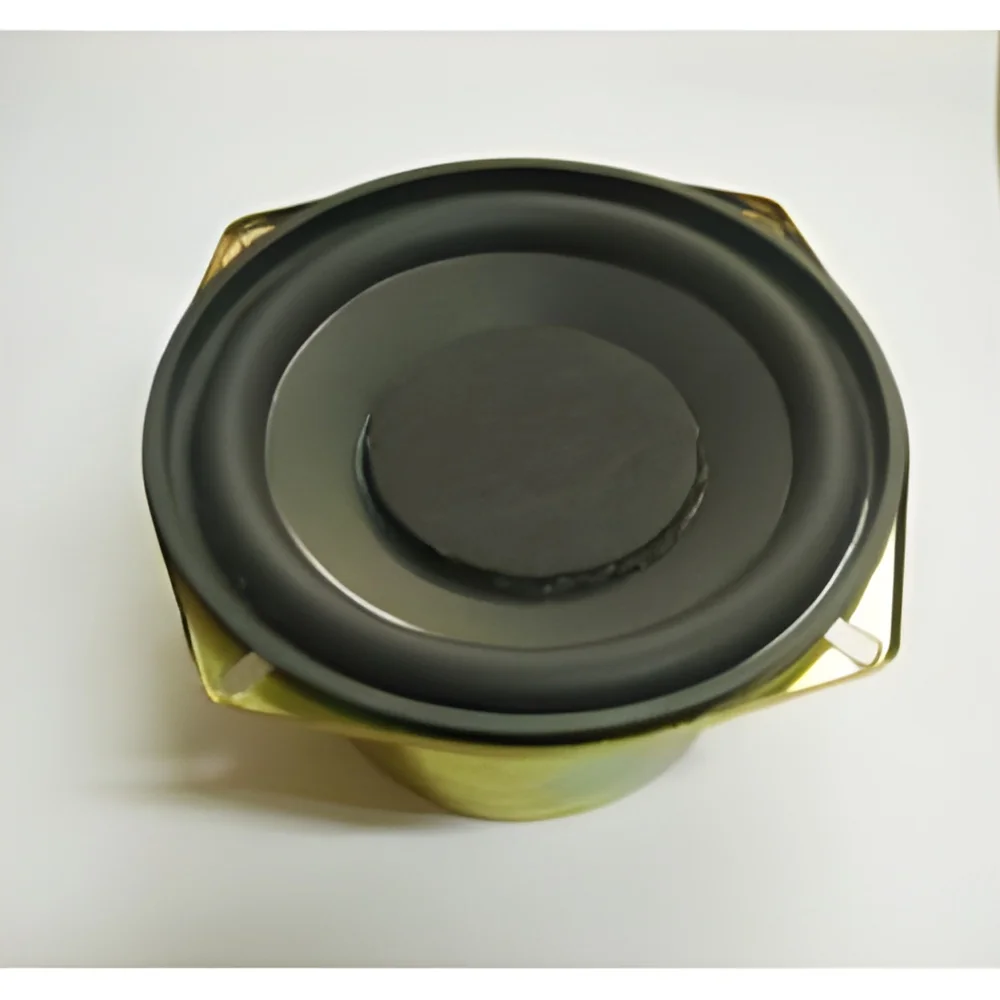
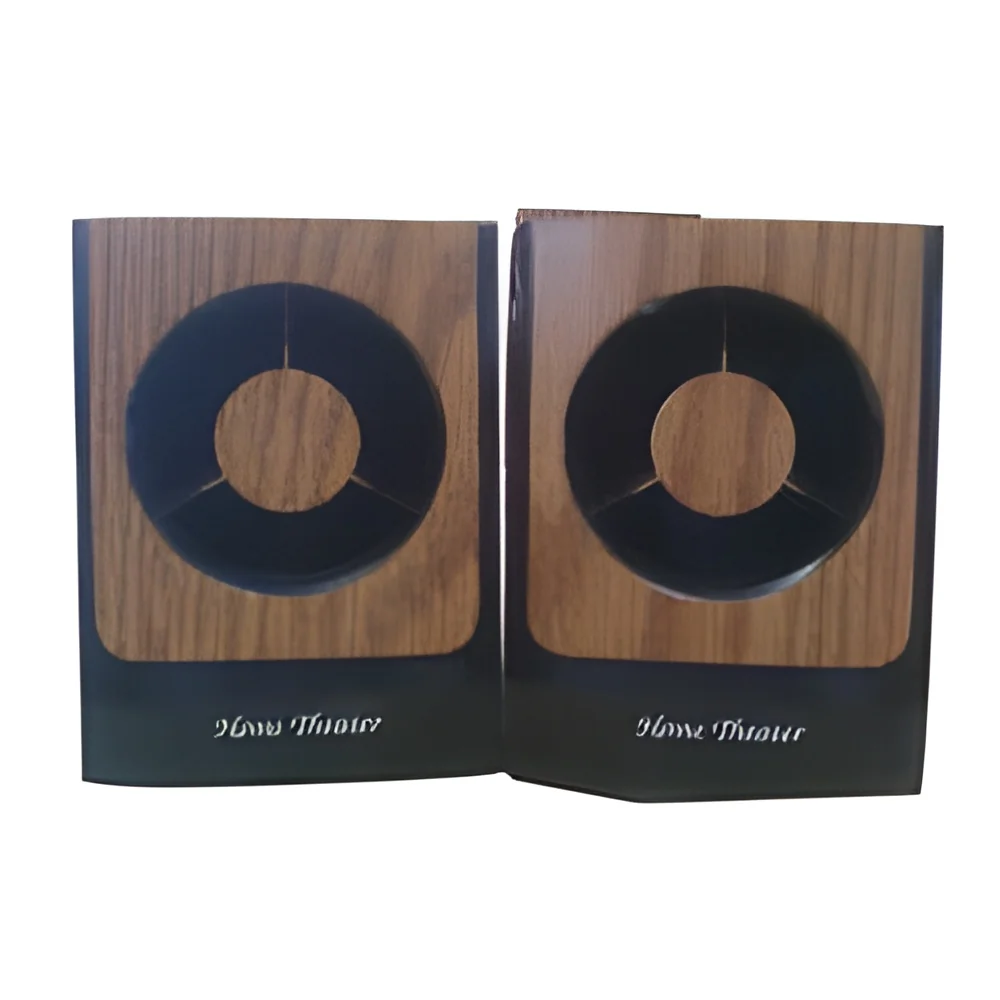
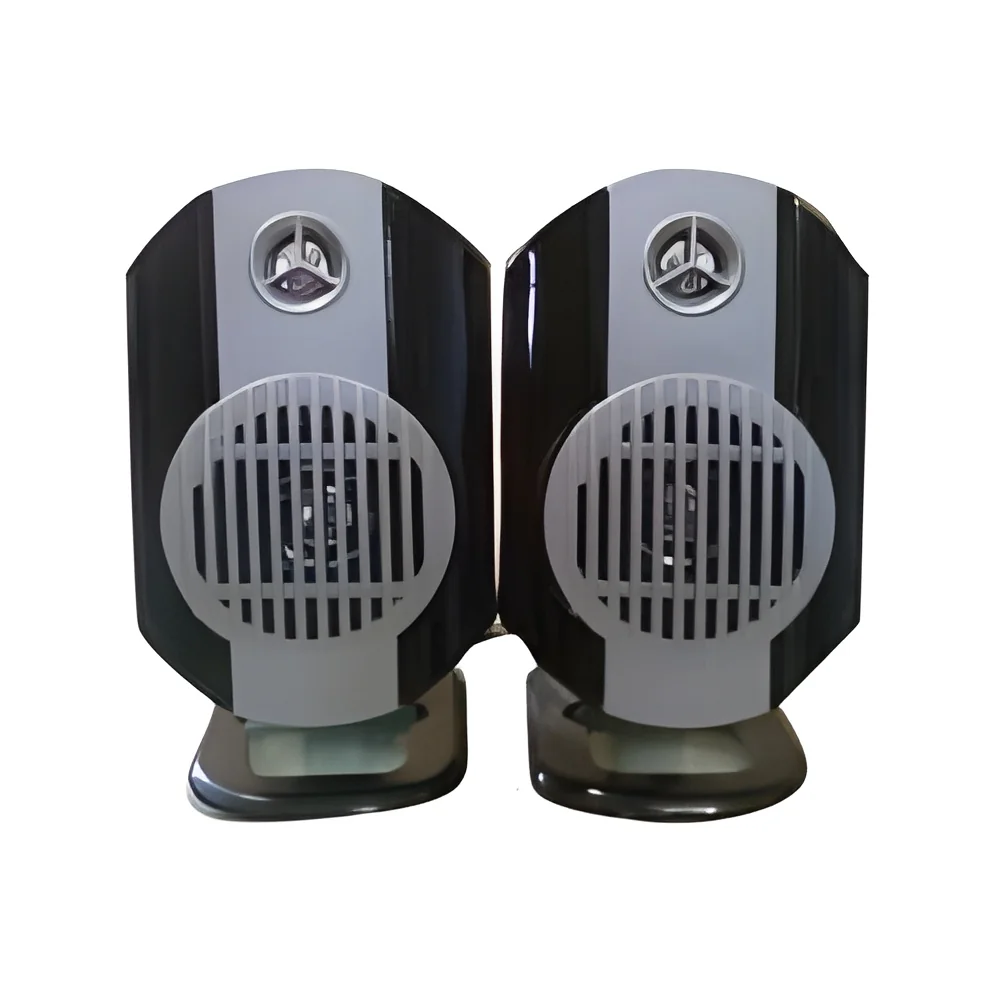
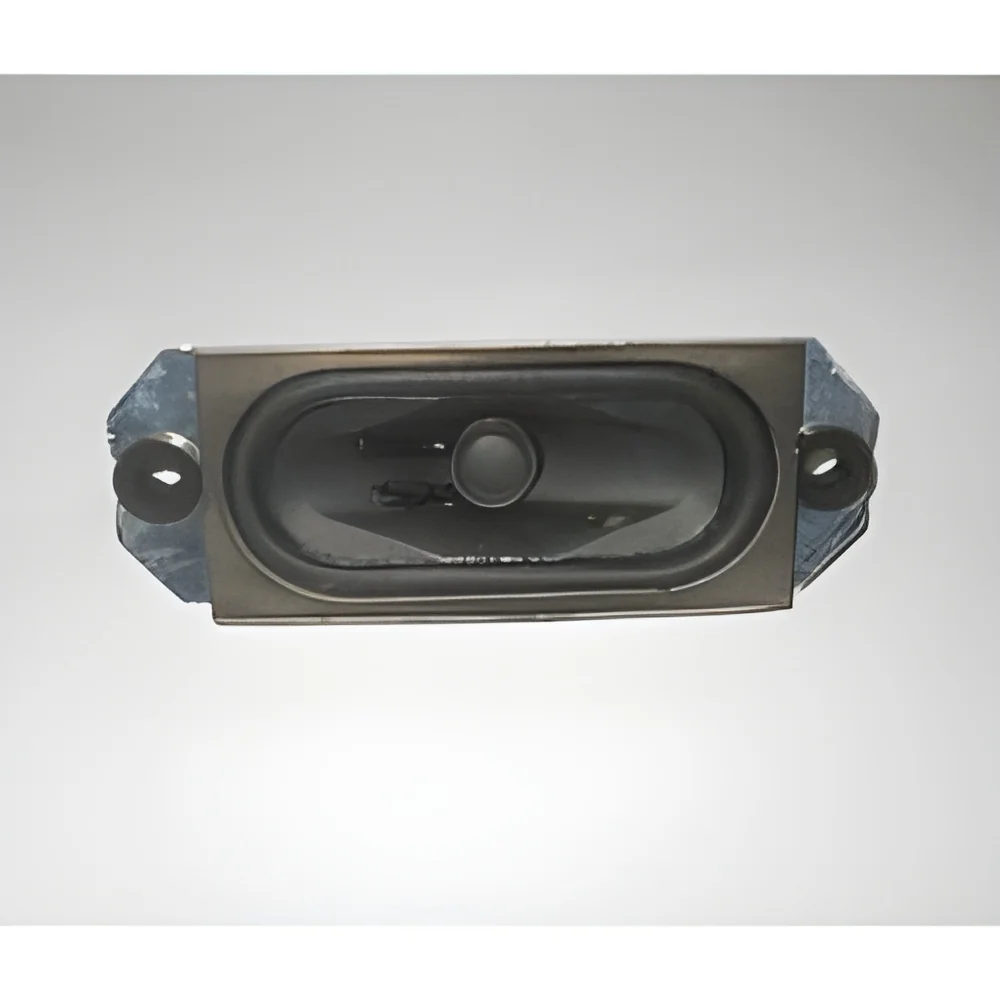
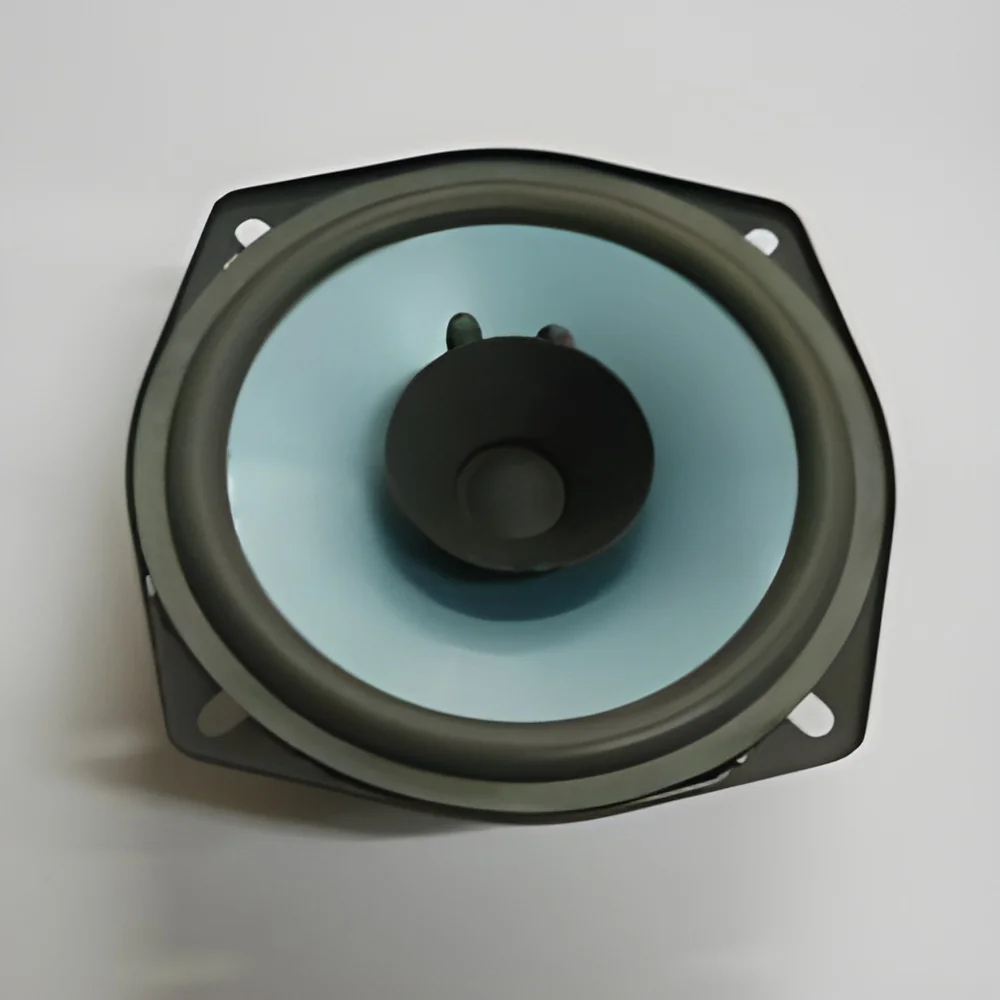
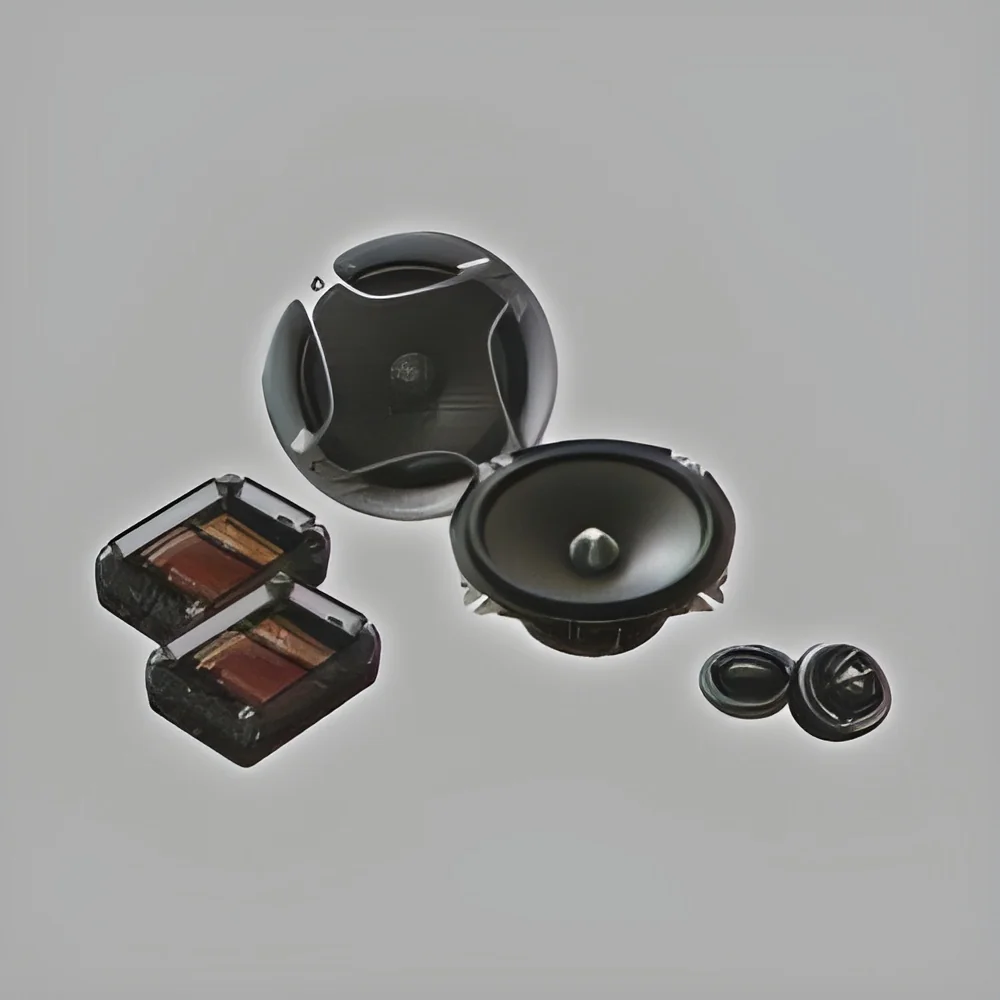
What are Component Speakers?
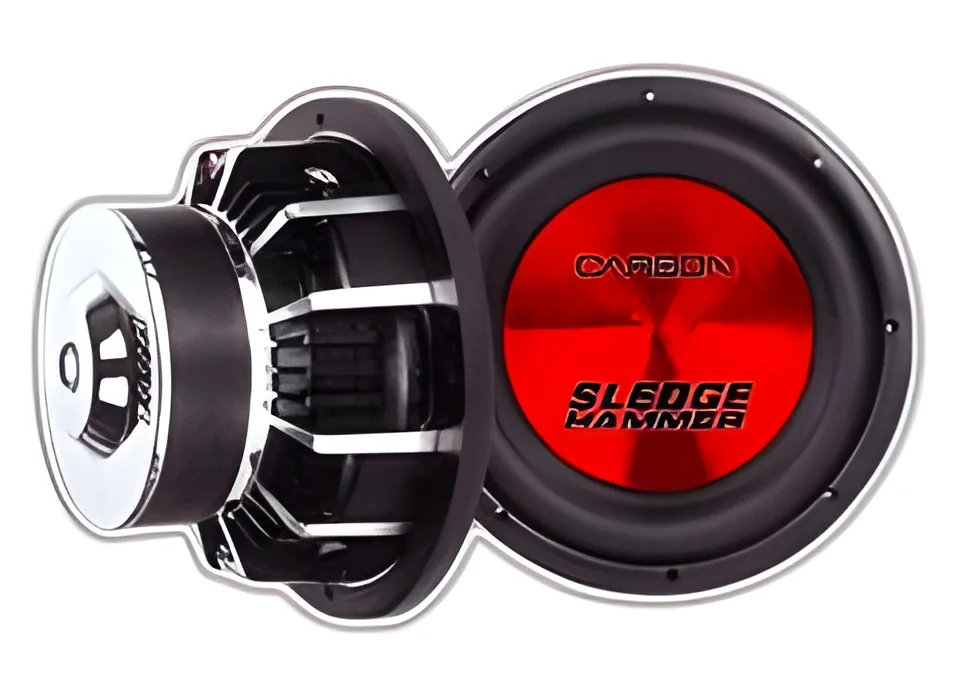
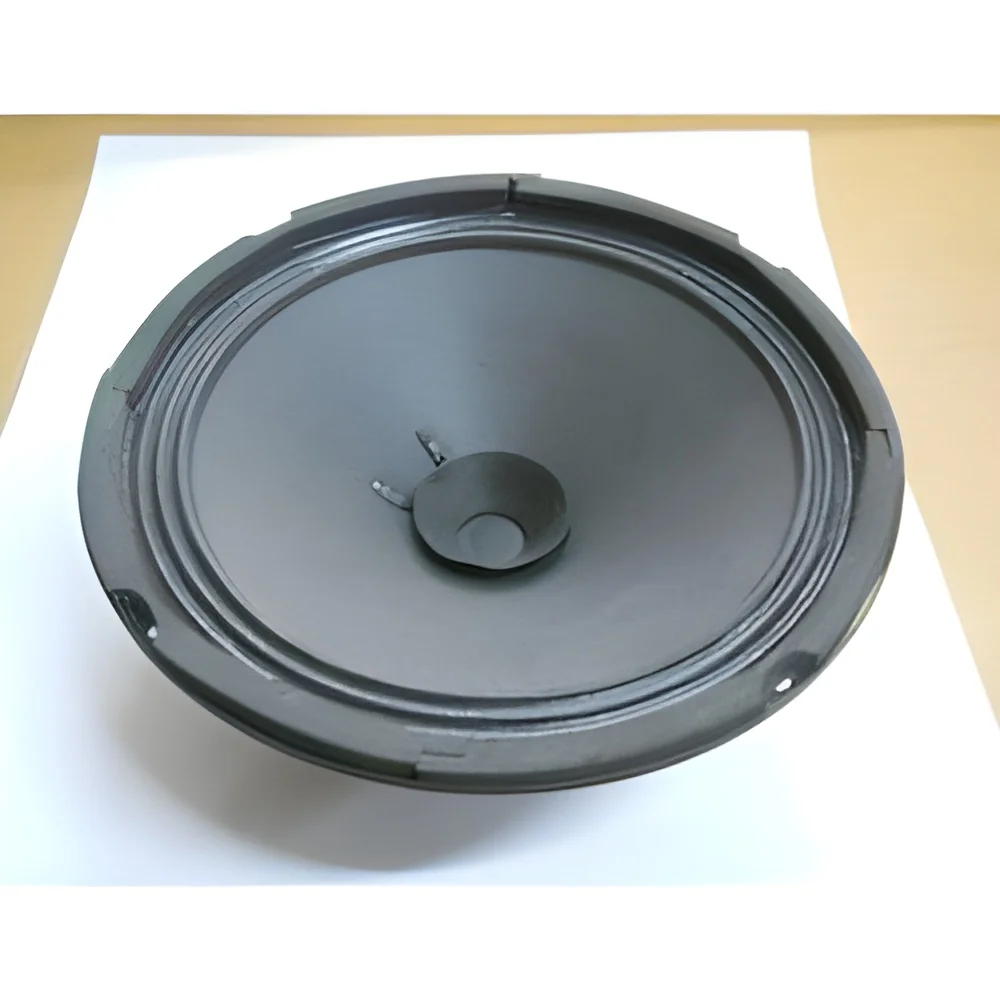
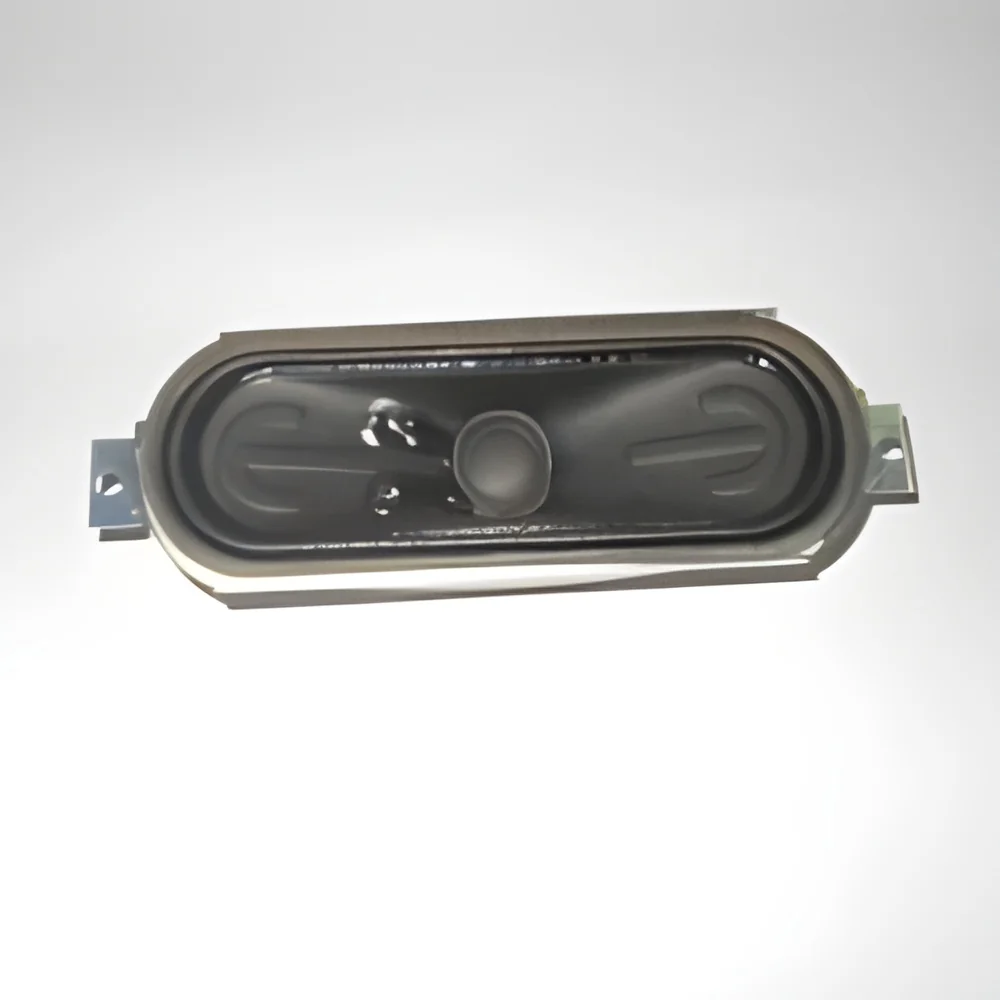
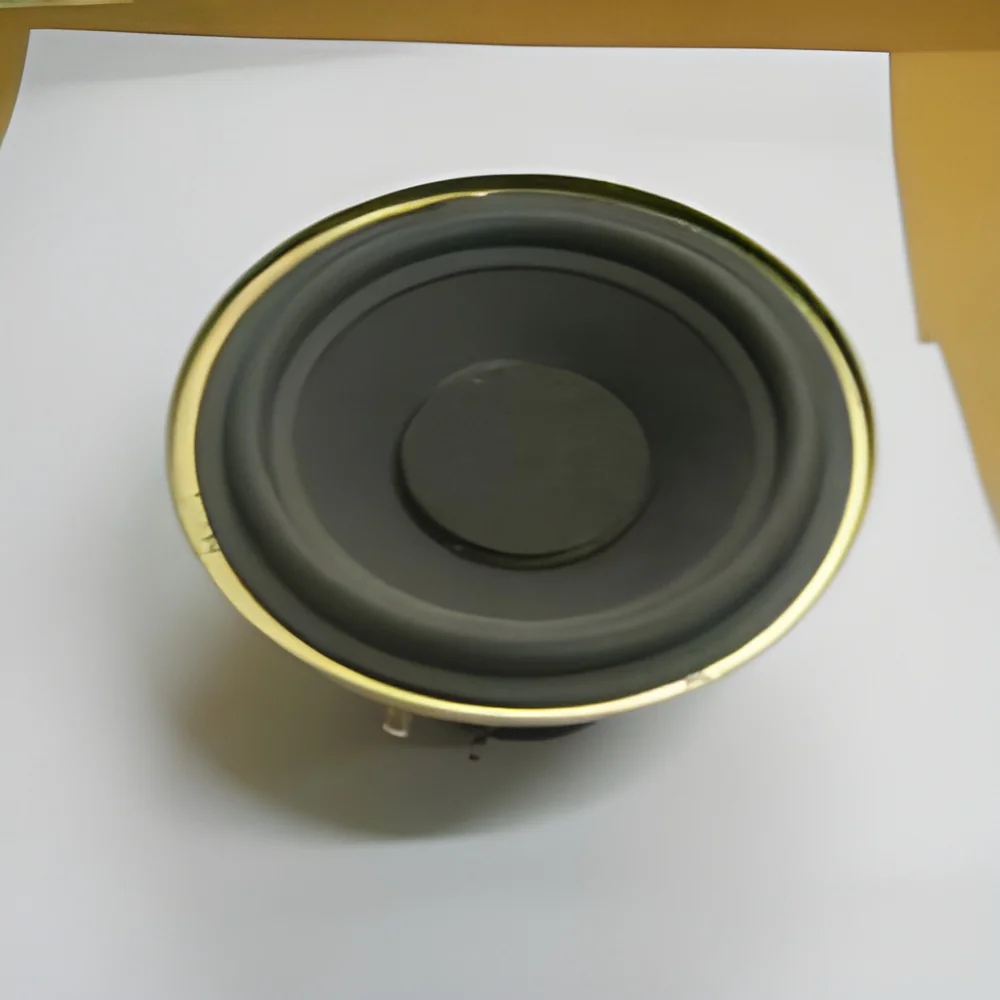
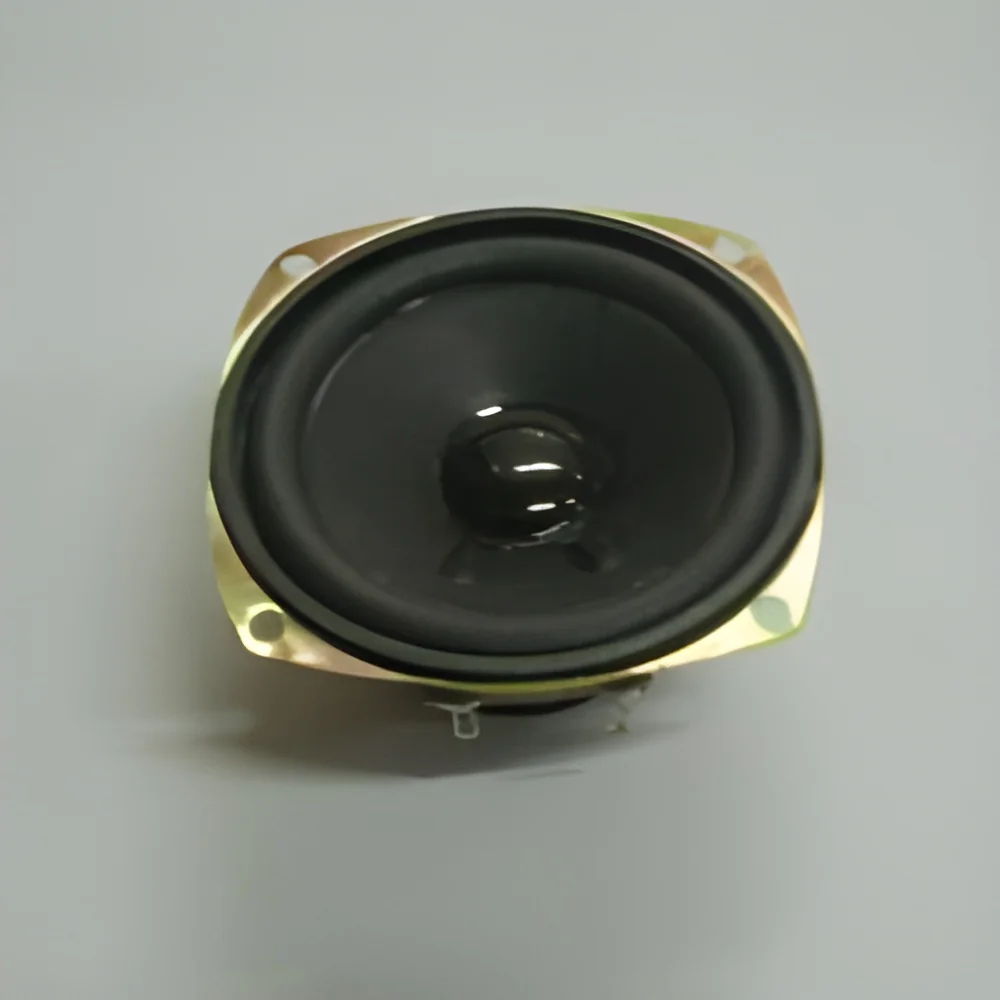
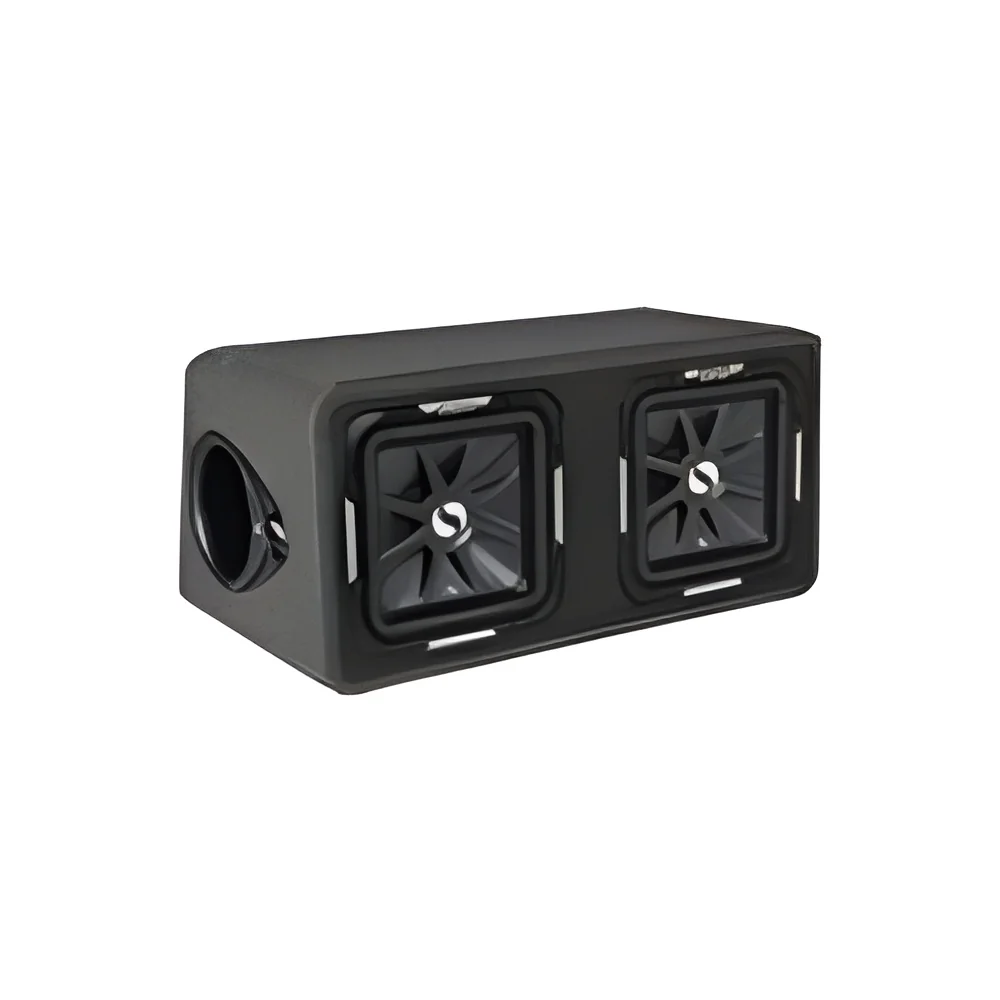
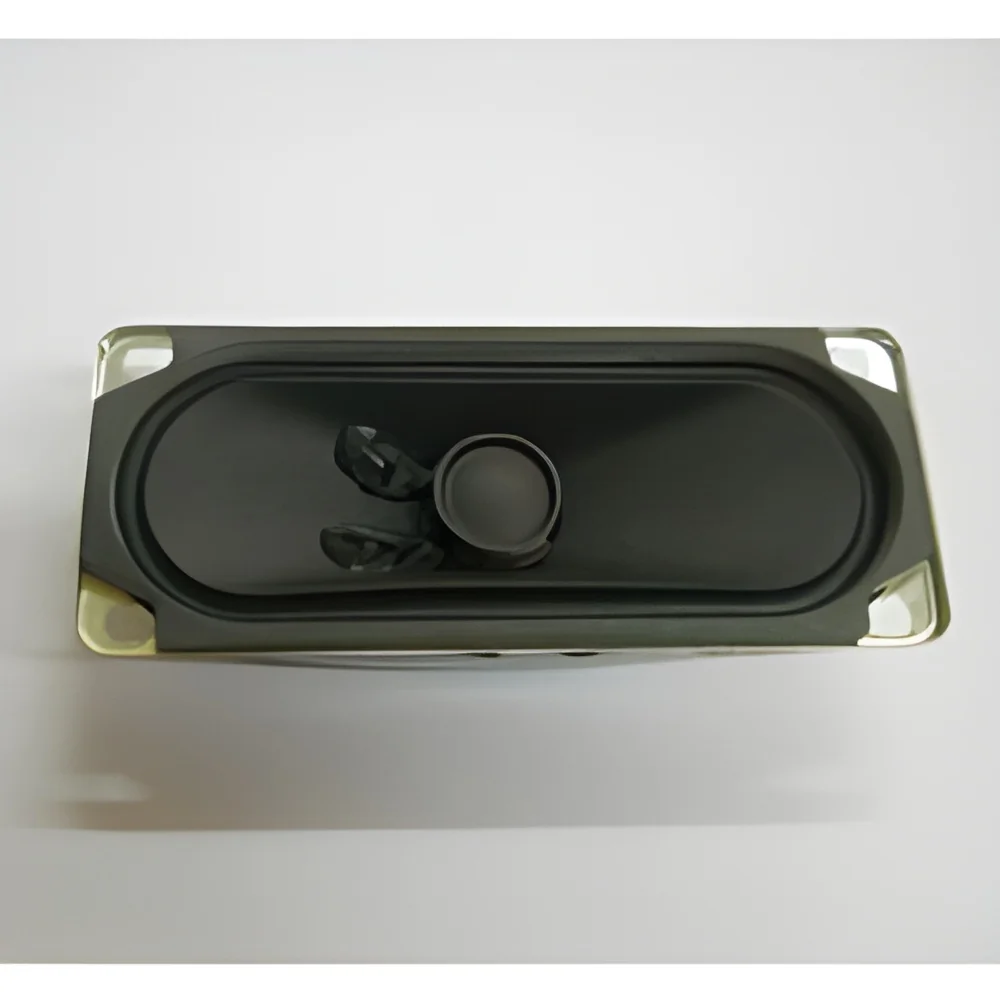
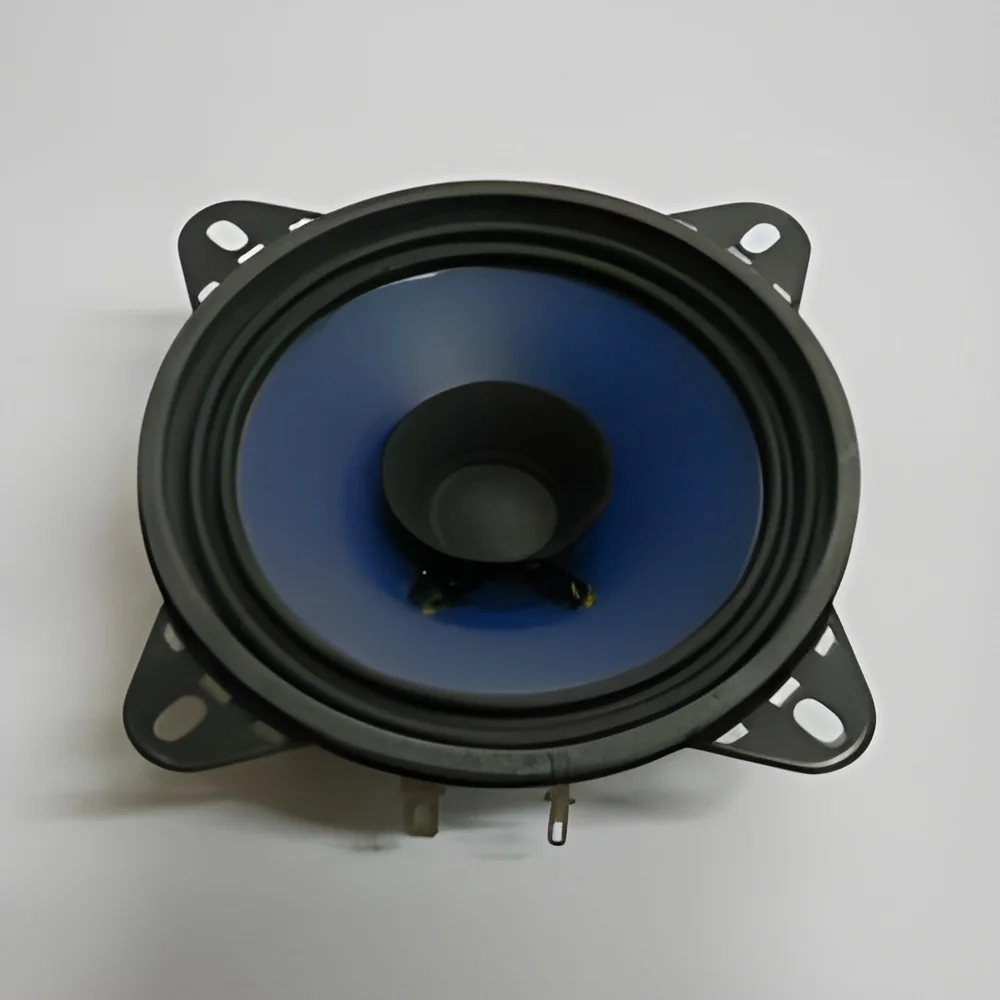
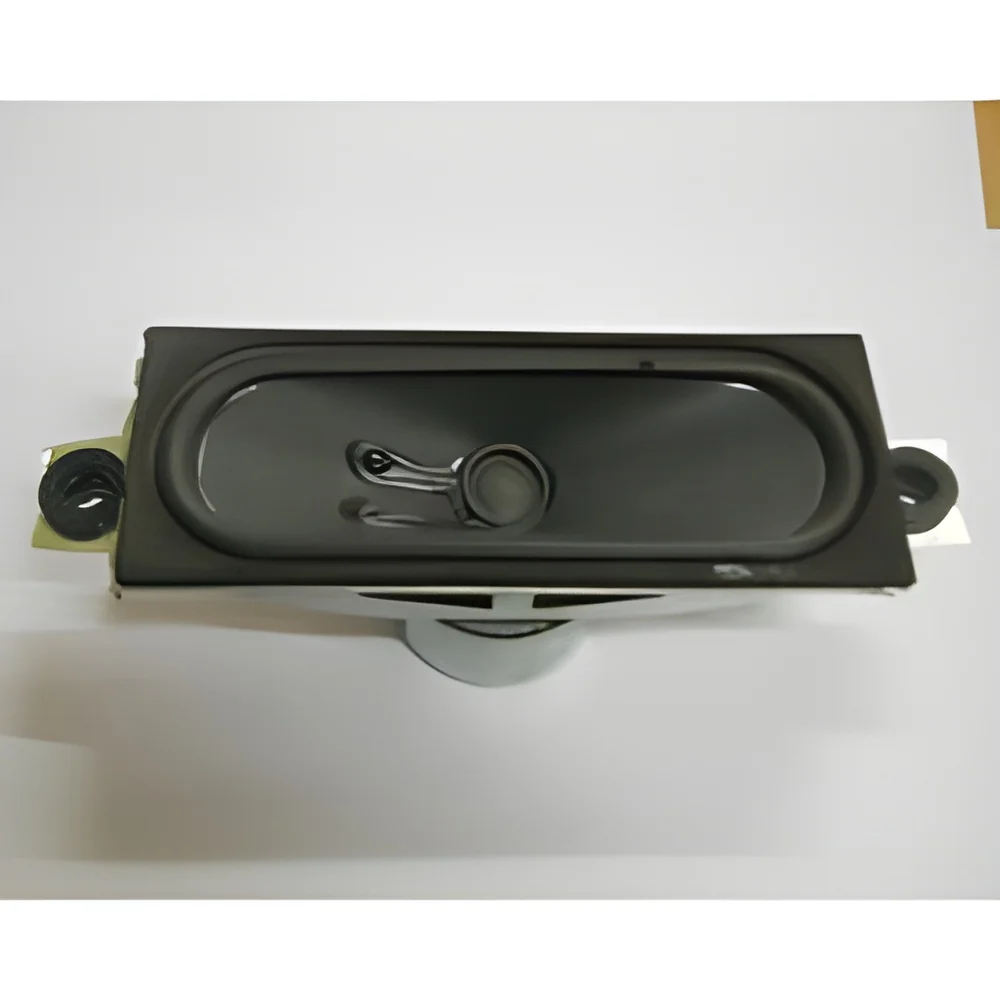
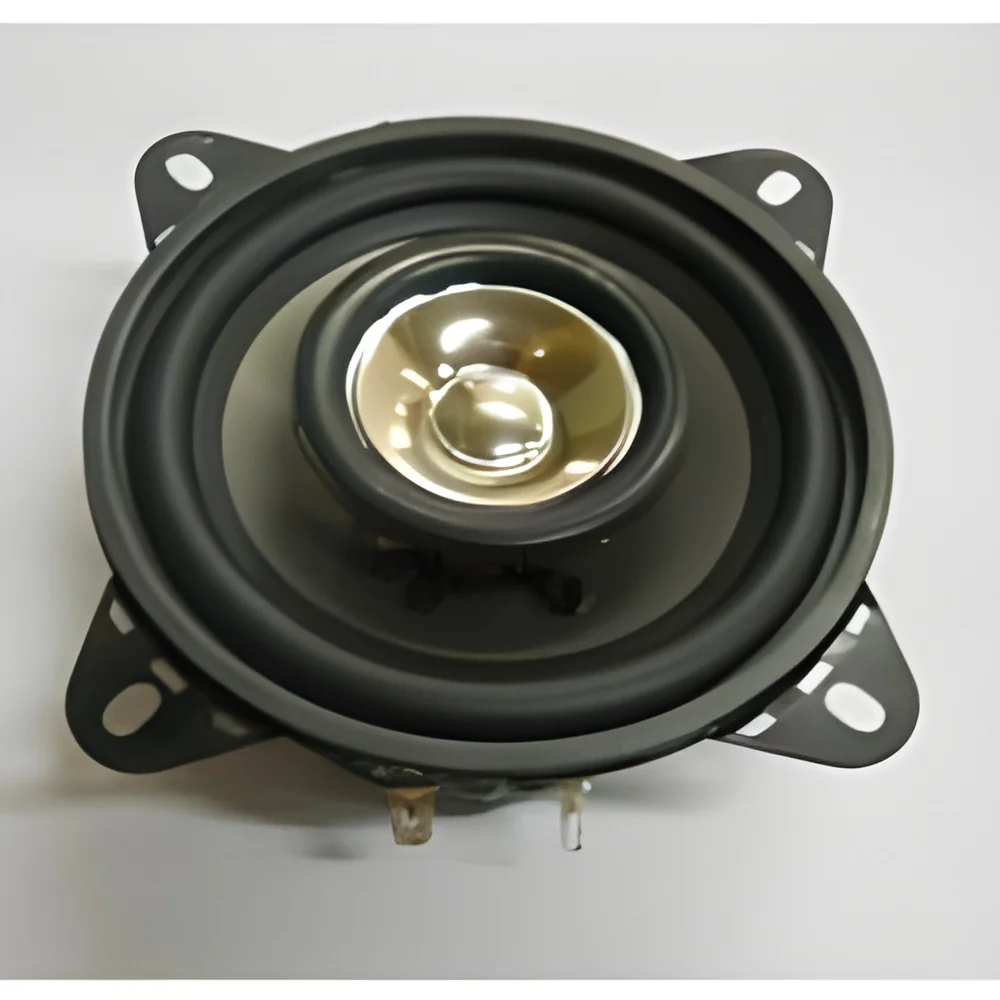
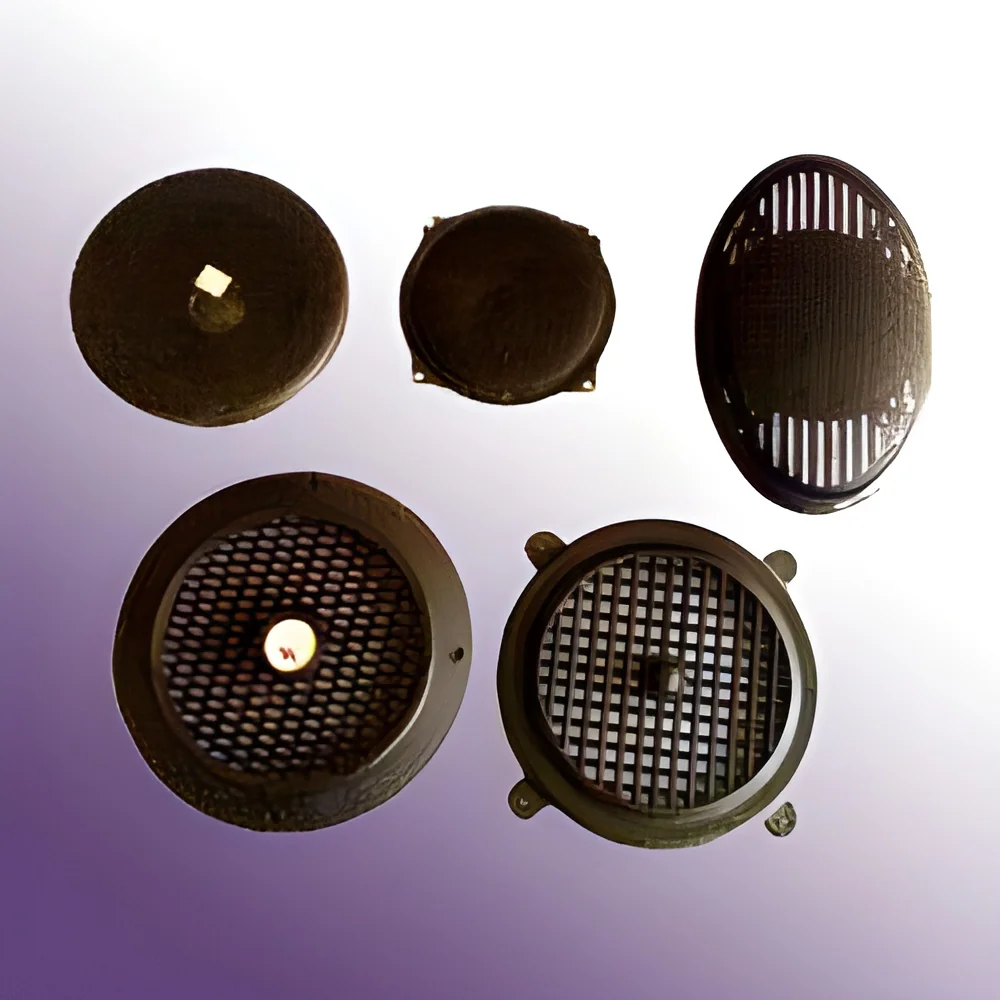
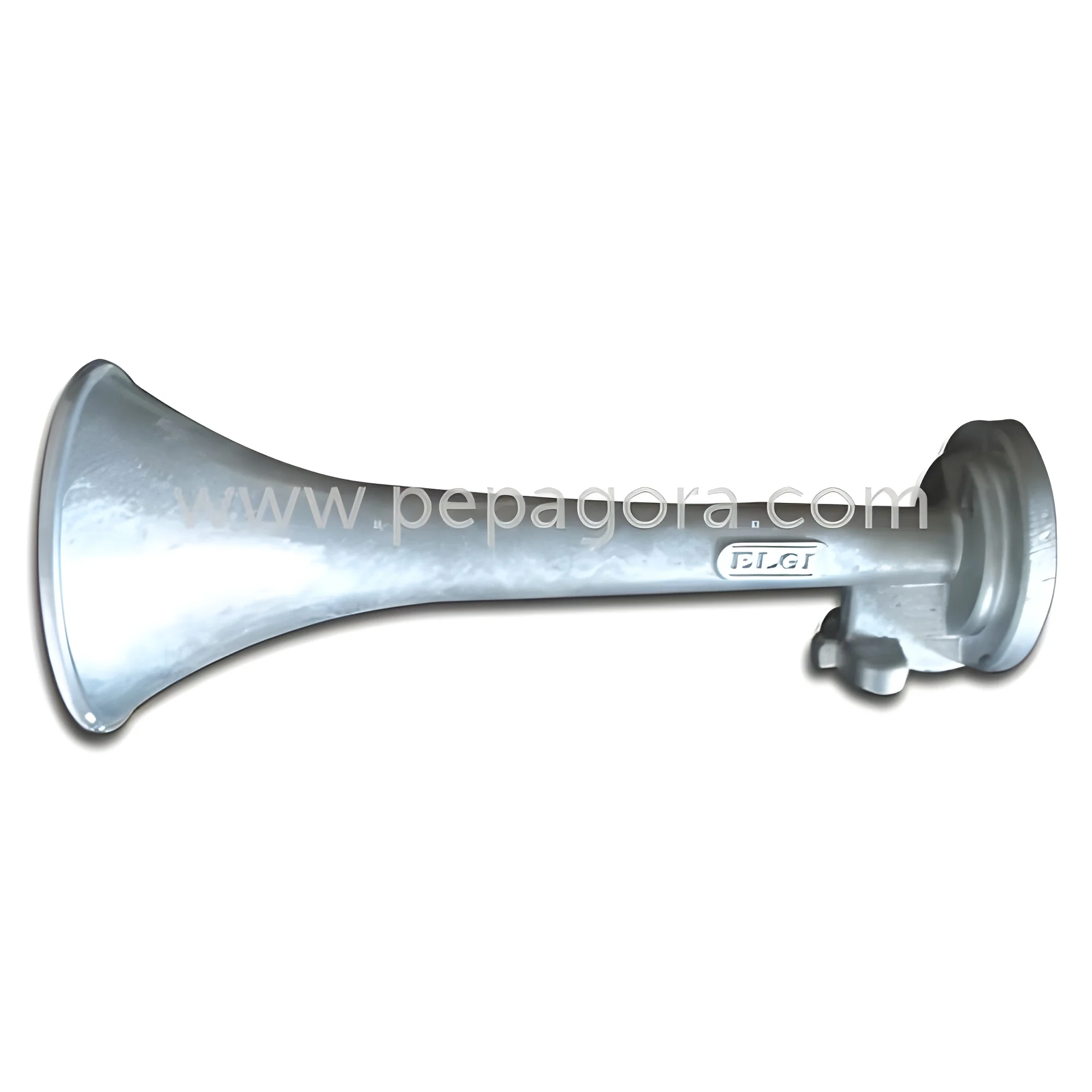
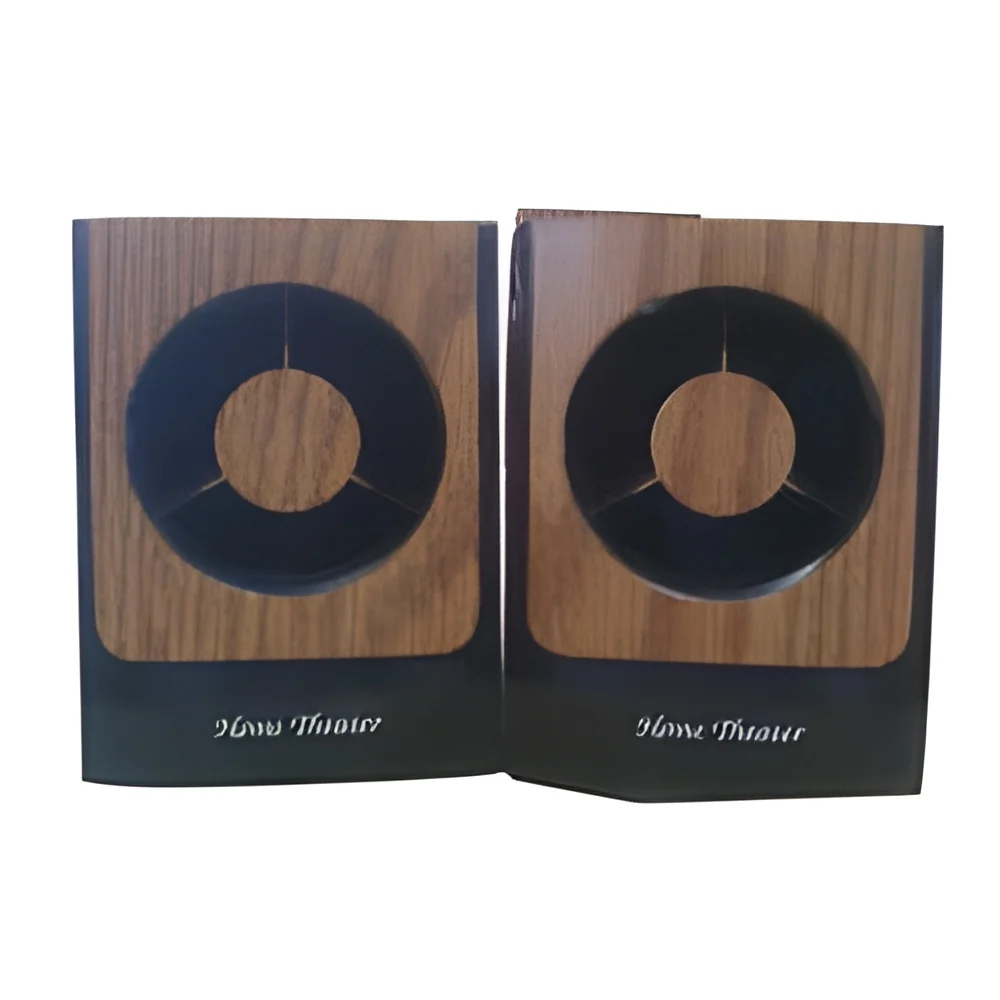
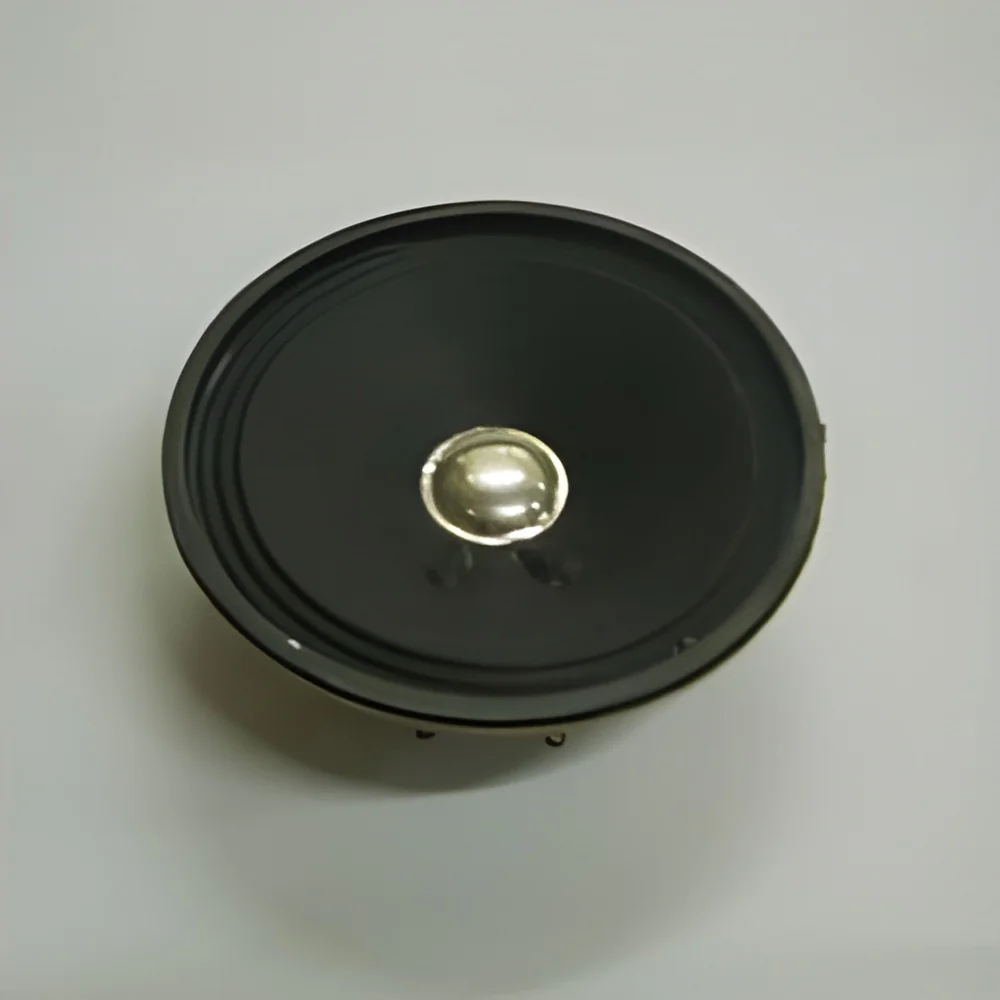
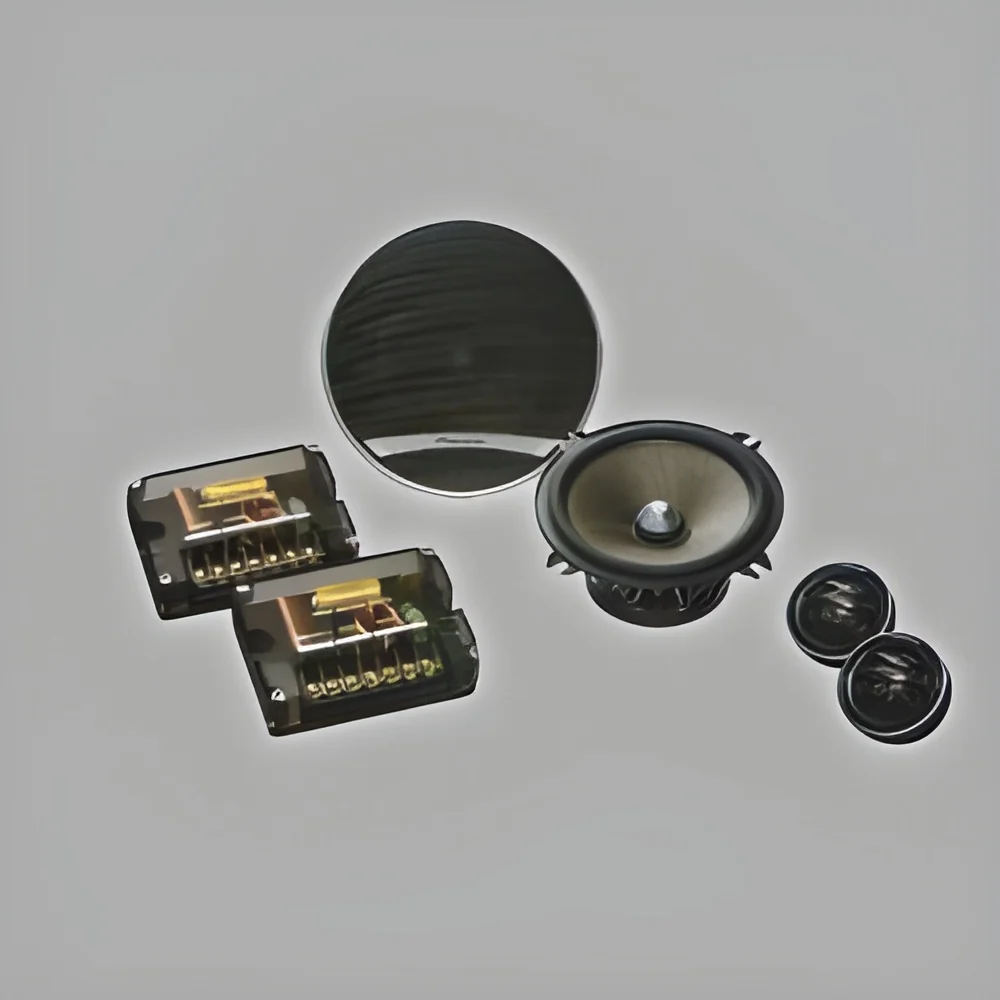
Component speakers are specialized audio systems designed for high-performance sound quality in a variety of applications. Unlike full-range speakers, component speakers separate the audio signals into different frequency ranges, typically utilizing separate woofers, tweeters, and sometimes mid-range drivers. This separation allows for improved clarity and detail in sound reproduction, making them ideal for audiophiles and professional audio applications.
The primary uses of component speakers include automotive sound systems, home theater setups, and commercial audio installations. In the automotive industry, they enhance the in-car listening experience by delivering clear highs and deep lows. In home and commercial audio systems, component speakers are utilized to create immersive sound environments, suitable for both entertainment and professional presentations. Their relevance in the industry is underscored by a growing demand for high-fidelity sound, with many businesses and consumers seeking to upgrade their audio solutions for better performance.
Key Features and Specifications
Component speakers are characterized by several key features that contribute to their superior audio performance. These specifications provide insights into their capabilities and help in comparing different models.
Key specifications include:
1. Frequency Response
- This specification indicates the range of frequencies the speaker can reproduce.
- Typical ranges are from 20 Hz to 20 kHz for full-range audio.
2. Power Handling
- Power handling refers to the maximum power the speaker can handle without distortion or damage.
- Common ratings range from 50 watts to over 300 watts RMS.
3. Sensitivity
- Sensitivity measures how efficiently a speaker converts power into sound.
- Values typically range from 85 dB to 100 dB.
4. Impedance
- Impedance is the electrical resistance of the speaker, affecting compatibility with amplifiers.
- The standard impedance is usually 4 ohms or 8 ohms.
5. Driver Size
- The size of the drivers (woofers and tweeters) impacts sound quality and performance.
- Common sizes for woofers range from 6.5 inches to 8 inches, while tweeters are often 1 inch.
6. Material Quality
- The materials used in the construction of the speaker components influence durability and sound quality.
- High-quality materials include polypropylene cones and silk dome tweeters.
7. Crossover Frequency
- The crossover frequency is where the signal splits between the woofer and tweeter.
- Typical crossover points can range from 2 kHz to 4 kHz.
8. Mounting Depth
- Mounting depth is the space required for installation within a vehicle or structure.
- Standard depths can vary, often between 2.5 to 4 inches.
In summary, understanding these specifications is vital for selecting the right component speakers to meet specific audio needs and preferences.
Common Applications and Use Cases
Component speakers find applications across multiple industries due to their versatile nature and sound quality.
1. Automotive Industry: Component speakers are widely used in vehicles to upgrade factory audio systems. They enhance sound clarity and provide a more immersive listening experience for drivers and passengers.
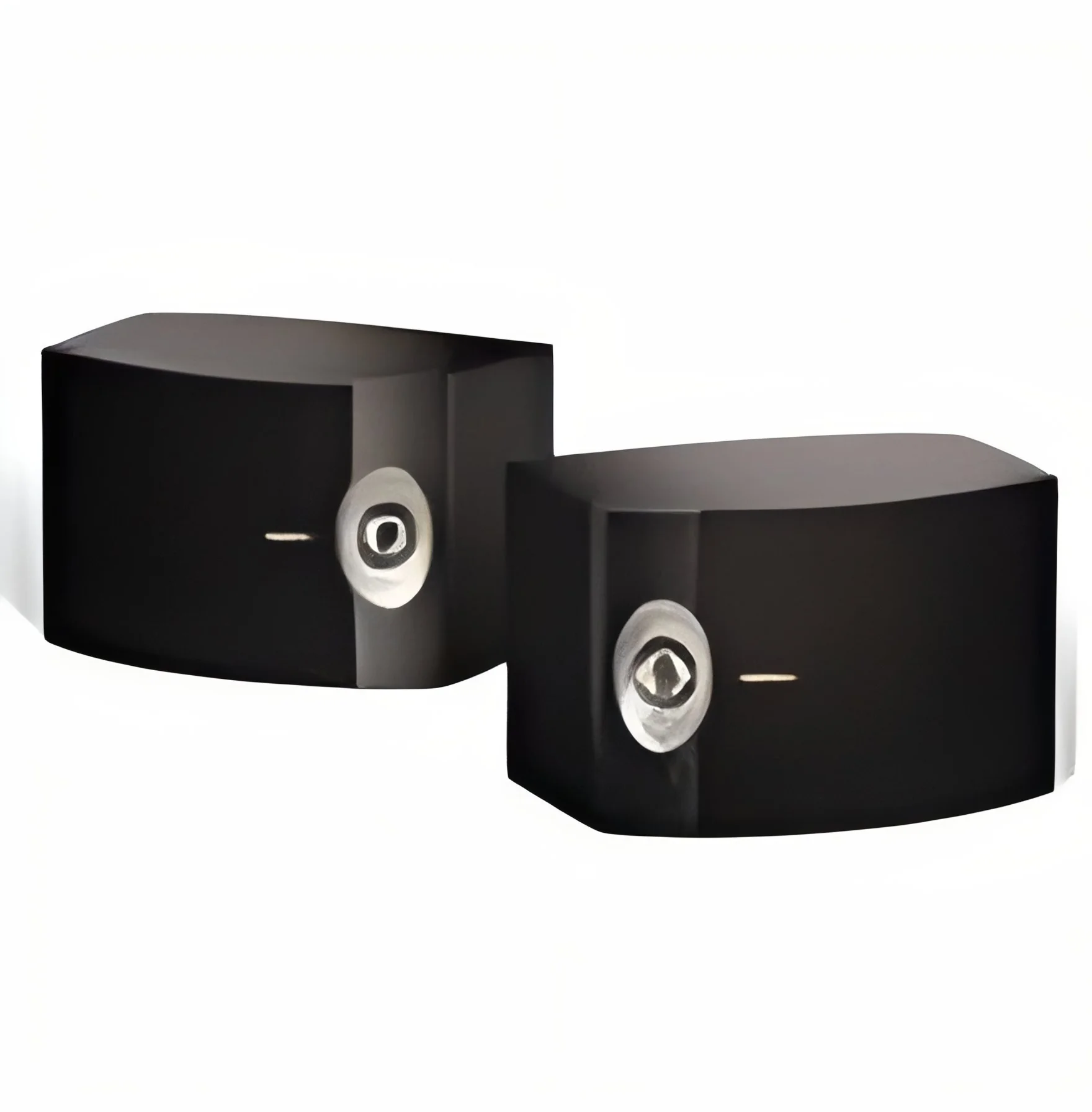
2. Home Audio Systems: In residential settings, component speakers are employed in home theater systems for movie watching and music listening, delivering high-fidelity sound and improving overall audio performance.
3. Professional Audio: In commercial venues such as auditoriums, conference rooms, and live event spaces, component speakers are integral for public address systems and entertainment, ensuring clear sound reproduction for audiences.
4. Marine Applications: Component speakers are used in boats and other marine vessels, designed to withstand harsh environmental conditions while providing quality sound.
5. Hospitality Industry: Hotels and restaurants utilize component speakers in their audio systems to create a pleasant atmosphere for guests, enhancing dining or event experiences.
6. Sports Venues: In stadiums and arenas, component speakers deliver announcements and music, ensuring that sound is evenly distributed throughout large areas.
7. Fitness Centers: Gyms and fitness studios use component speakers to motivate clients during workouts, providing clear and energizing audio.
Product Variants and Subcategories
Component speakers come in various forms to cater to different audio needs and preferences.
Full-Range Component Systems
These systems include separate woofers and tweeters, allowing for a more tailored sound experience. They are designed for users who desire high-quality audio performance in their vehicles or homes.
Component Speaker Kits
These kits often include all necessary components for installation, including crossovers and mounting hardware. Ideal for DIY enthusiasts, they provide versatility and customization options for various audio setups.
Passive vs. Active Components
Passive component speakers rely on external amplifiers for power, while active systems have built-in amplifiers. This distinction allows users to choose based on their specific installation requirements and power preferences.
Benefits and Advantages
Component speakers offer numerous benefits that set them apart from traditional speaker systems.
1. Superior Sound Quality: The separation of frequencies allows for clearer and more detailed sound reproduction, enhancing the listening experience.
2. Customization Options: Component speakers can be tailored to fit specific audio preferences and installation requirements, allowing users to create a personalized audio system.
3. Enhanced Clarity: By using dedicated drivers for different frequencies, component speakers deliver improved clarity, particularly in the high and low ranges.
4. Better Power Handling: Many component speakers can handle higher power levels, which translates to less distortion at higher volumes.
5. Flexibility in Installation: With separate components, users have more flexibility in installation positions, leading to better sound staging and overall performance.
6. Durability: High-quality materials used in component speakers contribute to longer lifespans and the ability to withstand various environmental conditions.
Buying Guide for B2B Buyers
When sourcing component speakers for business needs, it is important to consider several factors to ensure a successful purchase.
1. Quality Assessment: Evaluate the audio quality and performance of speakers by checking specifications and conducting listening tests. Look for reputable brands known for their reliability and sound performance.
2. Supplier Verification: Vet potential suppliers to ensure they have a solid reputation and track record in the industry. Request references and check for certifications that validate their quality standards.
3. Pricing and MOQ: Understand the pricing structure and minimum order quantities for component speakers. This will help in planning budgets and ensuring that the investment aligns with expected returns.
4. Delivery and Lead Times: Inquire about delivery schedules and lead times to ensure timely installation and project completion. Reliable suppliers should offer clear timelines for order fulfillment.
5. Compliance Requirements: Familiarize yourself with any regulatory and compliance standards that apply to audio equipment in your region. Ensuring compliance can prevent potential legal issues and enhance product performance.
Compliance and Certifications
Compliance and certifications are crucial in ensuring the quality and safety of component speakers in various applications.
Many manufacturers adhere to recognized quality standards such as ISO 9001, which outlines requirements for a quality management system. This ensures that products are produced consistently and meet customer expectations.
Additionally, CE certification is an important mark that indicates conformity with health, safety, and environmental protection standards for products sold within the European Economic Area. This certification reassures buyers that the component speakers meet necessary regulatory requirements.
Safety and testing requirements must also be considered, ensuring that speakers are safe for use in intended environments. This includes electrical safety standards and performance testing to confirm durability and reliability.
Regional compliance considerations may vary, so it is essential for buyers to be aware of specific requirements in their respective markets to ensure full compliance with local laws and regulations.
Why Source Component Speakers from Pepagora?
Pepagora offers a trusted platform for sourcing component speakers, providing several key advantages that benefit B2B buyers.
Verified Supplier Network: Pepagora maintains a network of verified suppliers, ensuring that buyers can access reliable products from reputable manufacturers. This verification process enhances buyer confidence and minimizes risks associated with sourcing.
Streamlined RFQ Process: The request for quotation (RFQ) process on Pepagora is designed to be user-friendly, allowing buyers to easily request quotes from multiple suppliers. This increases competition and can result in better pricing and terms.
Trade Assurance and Support: Pepagora provides trade assurance to protect buyers throughout the purchasing process. This includes support for resolving disputes and ensuring that products meet agreed-upon specifications.
Regional Coverage: With a strong presence in India, the GCC, and Southeast Asia, Pepagora offers regional coverage that benefits buyers looking for local suppliers. This geographic reach ensures that buyers can source component speakers efficiently and effectively, tailored to their specific market needs.

 IN
IN