
 IN
INSilent Generators
2 products available
What are Silent Generators?
Key Features and Specifications
Common Applications and Use Cases
Product Variants and Subcategories
Benefits and Advantages
Buying Guide for B2B Buyers
Compliance and Certifications
Why Source Silent Generators from Pepagora?

 India
India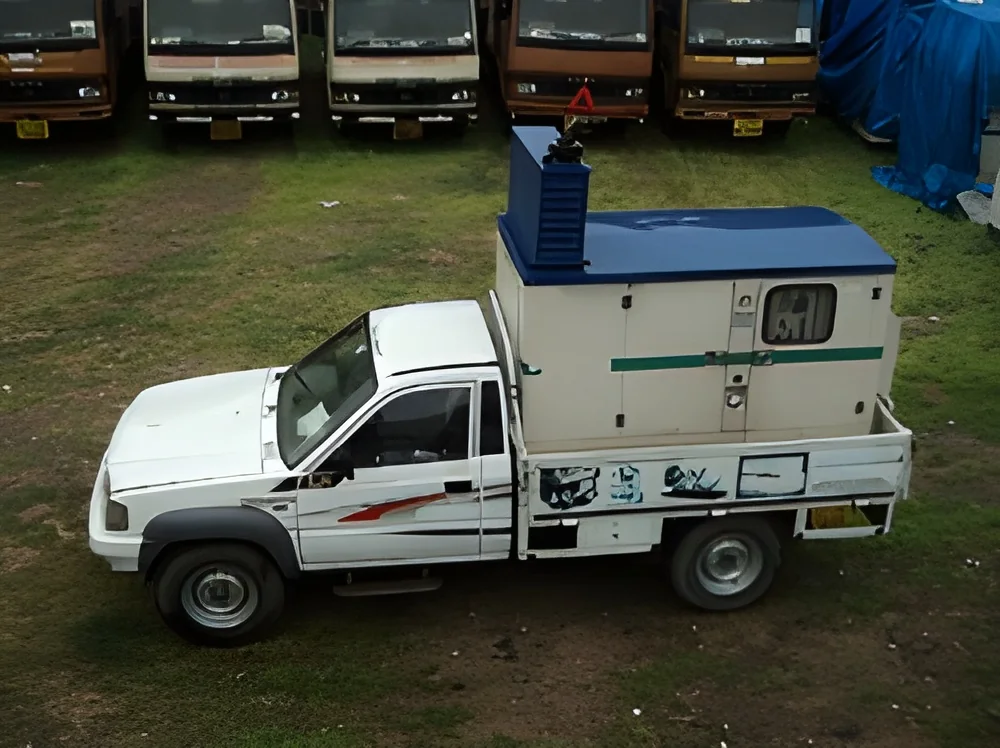

Frequently Asked Questions
What are Silent Generators?
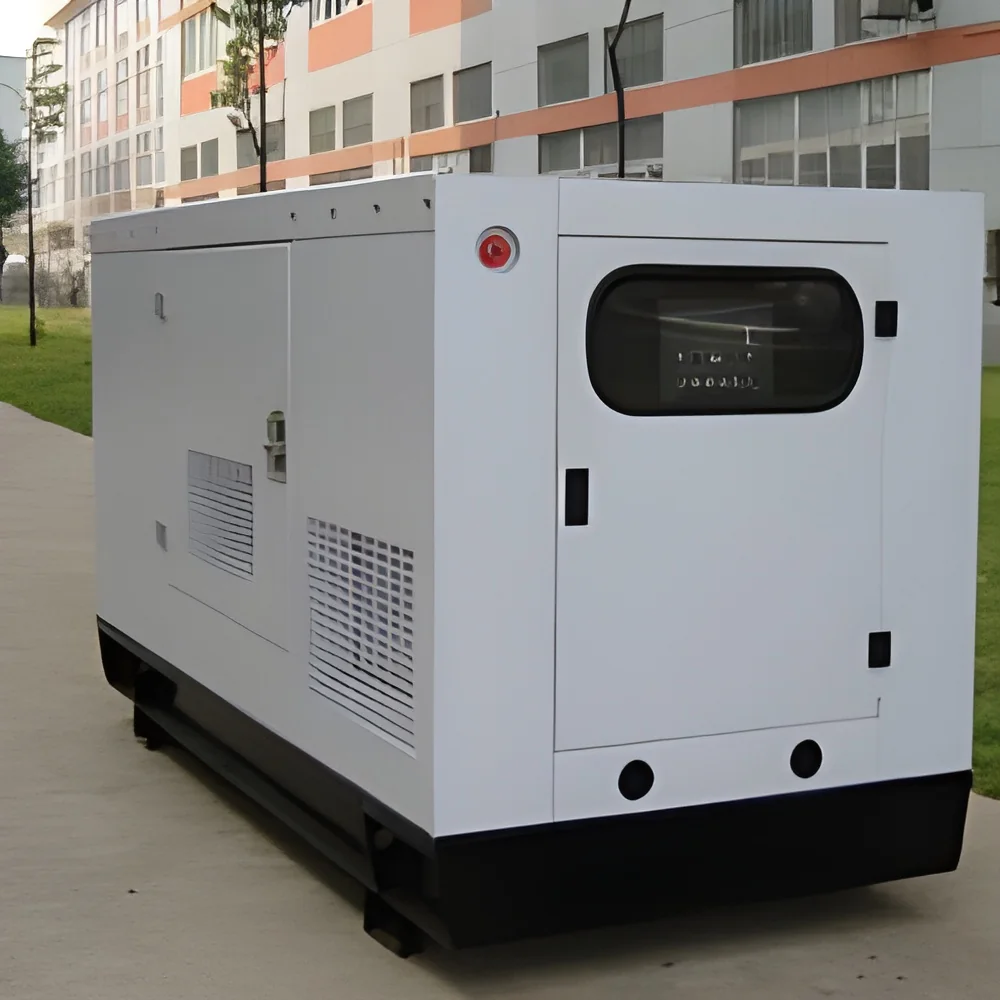
Silent Generators are power generation units designed to operate with minimal noise output, making them suitable for use in residential areas, during events, and in various commercial applications. These generators typically utilize advanced soundproofing technology and quieter engine designs to reduce sound levels while maintaining efficient power generation.
What are the different types of Silent Generators?
Silent Generators can be categorized into various types based on fuel source, including diesel, petrol, and gas-powered generators. Additionally, they can be classified by their application, such as portable silent generators for outdoor use and stationary silent generators for backup power in homes or businesses.
How do I choose the right Silent Generators?
Choosing the right Silent Generators involves assessing your power needs, including the total wattage required by your appliances or equipment. Consider factors such as fuel type, runtime, portability, and noise level specifications to ensure that the generator meets your specific requirements.
What are the standard specifications for Silent Generators?
Standard specifications for Silent Generators typically include power output measured in kilowatts (kW), fuel type, noise level in decibels (dB), and dimensions or weight. Other important specifications may include fuel consumption rates, runtime on a full tank, and additional features like automatic voltage regulation.
What is the price range for Silent Generators?
The price range for Silent Generators can vary widely depending on the brand, specifications, and features. Generally, you can expect prices to start from around INR 25,000 for basic models and can go up to INR 2,00,000 or more for high-capacity, advanced units.
What quality standards apply to Silent Generators?
Silent Generators are subject to various quality standards and certifications that ensure safety, performance, and environmental compliance. In India, manufacturers often adhere to standards set by organizations like the Bureau of Indian Standards (BIS) and may also comply with international standards such as ISO.
Where can I find Silent Generators suppliers in India?
You can find Silent Generators suppliers in India through various channels, including online B2B marketplaces like Pepagora, trade shows, and local industrial suppliers. Researching manufacturer websites and industry directories can also help you locate reputable suppliers.
Can Silent Generators be customized?
Yes, many manufacturers offer customization options for Silent Generators to meet specific customer needs. Customizations may include modifications in power output, design features, and additional functionalities such as remote monitoring and control.
What is the typical minimum order quantity for Silent Generators?
The typical minimum order quantity (MOQ) for Silent Generators can vary by manufacturer and product type. Generally, MOQs can range from one unit for smaller suppliers to larger quantities for bulk orders from major manufacturers.
What is the typical lead time for Silent Generators?
The typical lead time for Silent Generators can range from a few days to several weeks, depending on the supplier, customization requirements, and availability of stock. It is advisable to confirm lead times with the supplier at the time of order placement.
Why Businesses Trust Pepagora
Thousands of companies trust Pepagora to source smarter and sell faster
Expand Your Sales Globally

Source Smarter,Grow Faster
