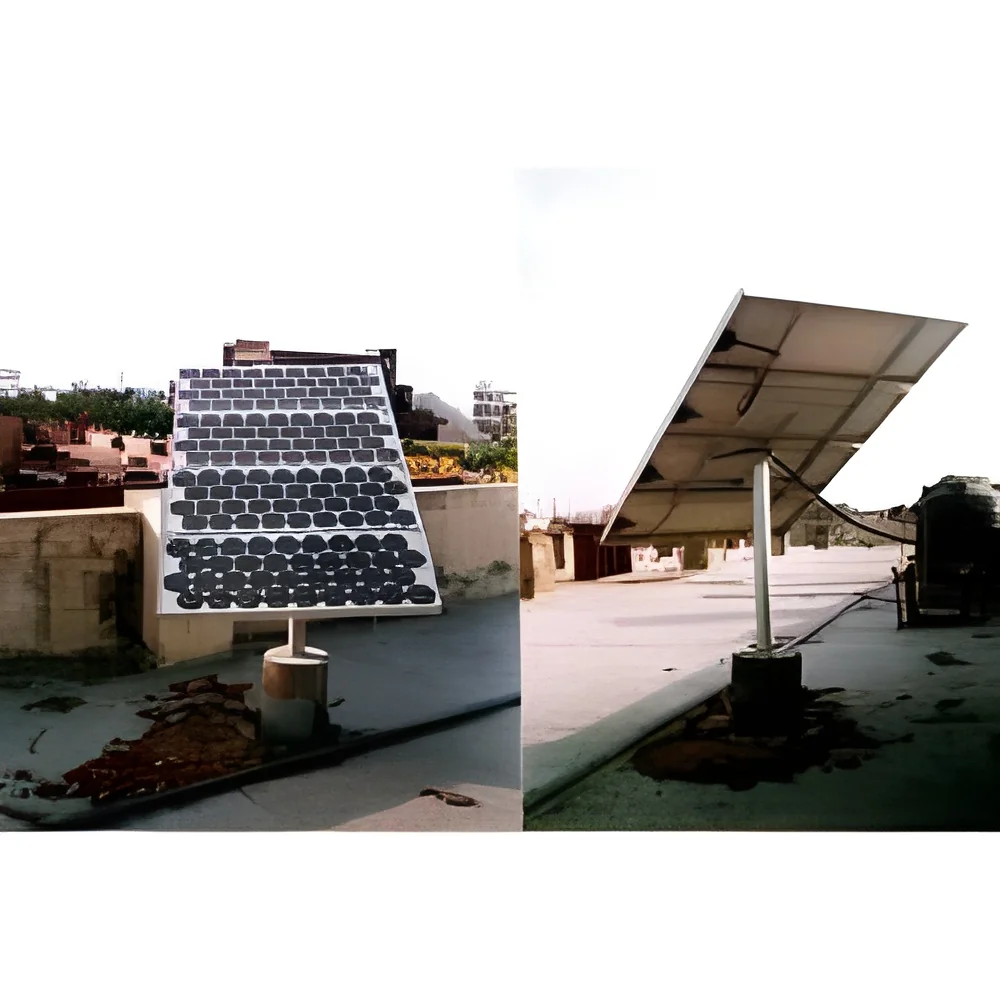
What are Solar Generators?
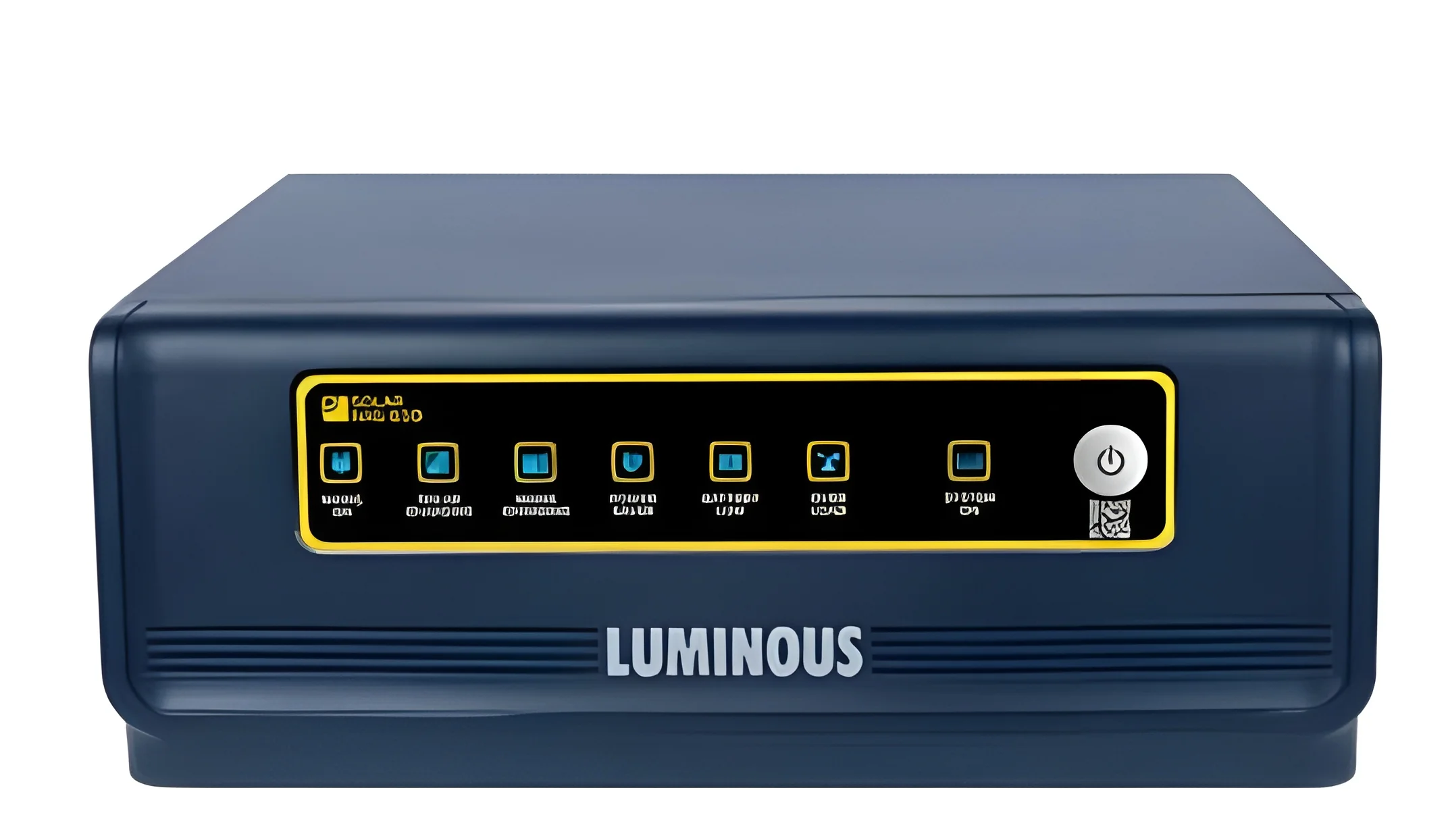
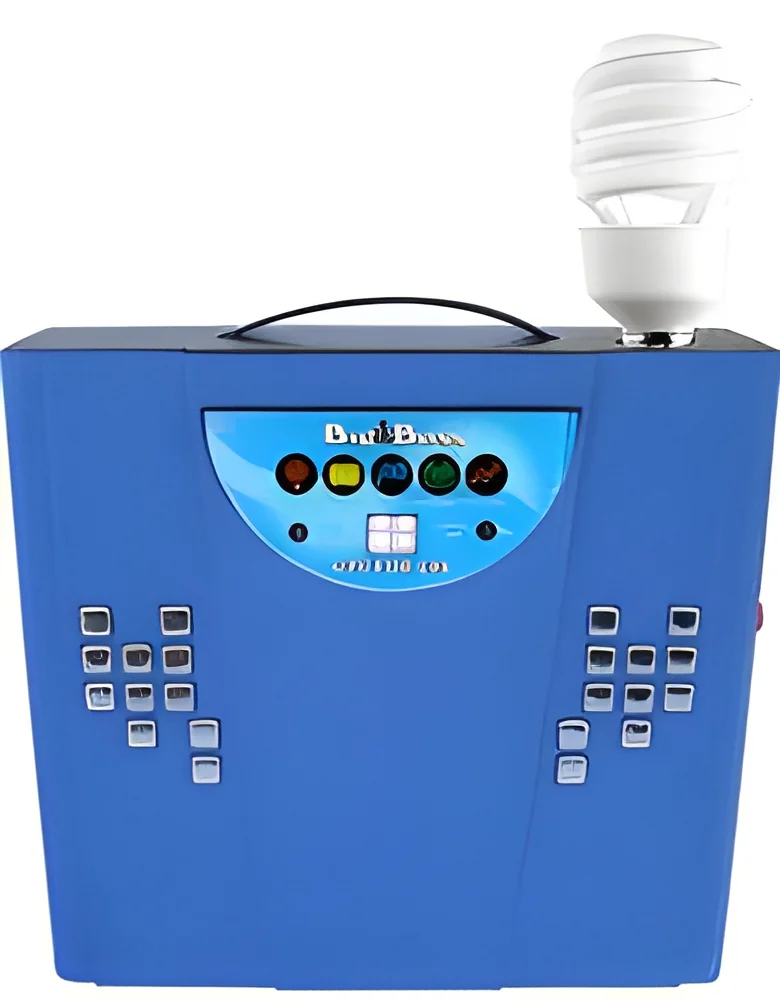
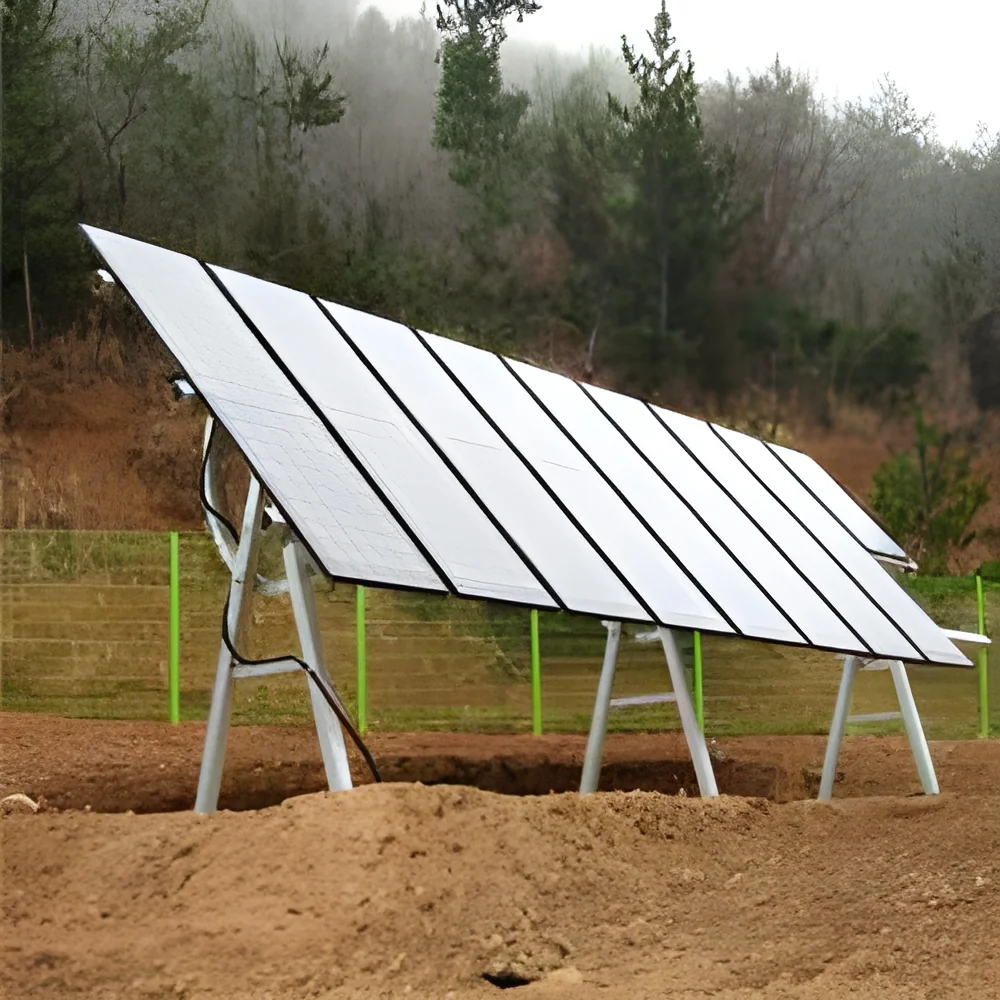
Solar generators are portable power systems that harness solar energy to produce electricity. They consist of solar panels, a battery storage system, and an inverter. The solar panels capture sunlight and convert it into electricity, which is then stored in the battery for later use. The inverter transforms the stored energy into usable power for various devices and equipment.
These generators are becoming increasingly popular in various business applications. They are ideal for remote locations where traditional power sources are unavailable, such as construction sites, outdoor events, and emergency backup situations. Additionally, they provide sustainable energy solutions for businesses looking to reduce their carbon footprint. The growing emphasis on renewable energy sources globally has further propelled the demand for solar generators, making them a relevant product in today’s industrial landscape.
Key Features and Specifications
Solar generators offer a range of features that cater to different energy needs. Here are some key specifications:
1. Power Output
- Typically ranges from 300 watts to 3000 watts.
- Determines the number of devices that can be powered simultaneously.
2. Battery Capacity
- Measured in amp-hours (Ah) or watt-hours (Wh).
- Common capacities range from 200Wh to 3000Wh, impacting the duration of power supply.
3. Charging Time
- Varies based on solar panel size and sunlight availability.
- Can take anywhere from 4 to 12 hours for a full charge.
4. Weight and Portability
- Generally lightweight, ranging from 20 to 50 pounds.
- Designed for easy transportation and setup.
5. Output Ports
- Includes AC, DC, and USB ports.
- Facilitates charging of multiple devices at the same time.
6. Solar Panel Type
- Includes monocrystalline and polycrystalline options.
- Monocrystalline panels are more efficient but usually cost more.
7. Durability
- Built with weather-resistant materials.
- Designed for outdoor use and can withstand various environmental conditions.
8. Warranty
- Manufacturers typically offer warranties ranging from 1 to 5 years.
- Assurance of quality and reliability.
Solar generators are versatile and cater to various energy needs, making them a valuable investment for businesses.
Common Applications and Use Cases
Solar generators serve a wide range of industries and applications.
1. Construction: They provide power for tools and equipment at remote job sites, ensuring continuous operations without reliance on grid power.
2. Events: Ideal for outdoor events, solar generators can supply electricity for sound systems, lighting, and other equipment without the need for fuel generators.
3. Emergency Services: Used as backup power sources during power outages, they ensure critical services remain operational in hospitals, police stations, and fire departments.
4. Agriculture: Farmers utilize solar generators for irrigation systems and to power equipment in off-grid locations.
5. Camping and Outdoor Recreation: They offer a sustainable power source for recreational vehicles and camping trips, allowing users to power appliances and devices.
6. Telecommunications: Used to power communication equipment in remote areas, ensuring connectivity in regions without reliable electricity.
7. Military: Deployed in field operations where traditional power sources are not feasible, providing energy for various military equipment and operations.
Product Variants and Subcategories
Solar generators come in various configurations to meet diverse user demands.
Portable Solar Generators
These compact units are designed for easy transport and are typically used for recreational activities, camping, or emergency backup. They offer sufficient power for small appliances and devices.
Home Solar Generators
Larger and more powerful, these generators are designed for residential use. They can support multiple appliances simultaneously, making them suitable for home backup power solutions.
Commercial Solar Generators
These systems are built for heavy-duty applications in industries like construction and telecommunications. They offer high power output and longer battery life to support demanding energy needs.
Benefits and Advantages
Solar generators provide numerous benefits for businesses and users alike.
1. Renewable Energy Source: They utilize solar energy, which is abundant and free, reducing reliance on fossil fuels.
2. Cost Savings: Although the initial investment can be significant, solar generators often result in lower energy bills and reduced fuel costs over time.
3. Portability: Their lightweight design allows for easy transport, making them ideal for various applications including outdoor activities and emergency situations.
4. Low Maintenance: Solar generators require minimal maintenance compared to traditional generators, reducing ongoing operational costs.
5. Environmental Impact: By using clean energy, businesses can significantly lower their carbon footprint and contribute to sustainability efforts.
6. Energy Independence: They provide a reliable power source in remote locations, allowing businesses to operate without depending on grid electricity.
Buying Guide for B2B Buyers
When sourcing solar generators, several factors should be considered to ensure the right choice.
1. Quality Assessment: Evaluate the materials and construction quality. Look for reputable brands that offer reliable performance and durability.
2. Supplier Verification: Verify suppliers to ensure they have a solid reputation and track record. Consider seeking references or reviews from previous customers.
3. Pricing and MOQ: Understand the pricing structure and minimum order quantities. Compare quotes from different suppliers to find competitive rates.
4. Delivery and Lead Times: Inquire about the estimated delivery times and logistics to ensure timely availability for your projects.
5. Compliance Requirements: Ensure that the solar generators meet local regulations and standards. Check for necessary certifications that ensure quality and safety.
Compliance and Certifications
Solar generators must adhere to specific compliance standards to ensure safety and reliability.
Quality standards such as ISO 9001 guarantee that manufacturers follow established procedures for quality management.
Industry certifications like CE indicate that products meet European safety, health, and environmental protection standards.
Safety and testing requirements are crucial to ensure that the generators operate efficiently and safely. Regular testing ensures that the products can withstand various environmental conditions.
Regional compliance considerations vary, so it is essential for buyers to be aware of local regulations that may impact product specifications or usage.
Why Source Solar Generators from Pepagora?
Pepagora provides a trusted platform for sourcing solar generators with several key advantages.
Verified Supplier Network: Pepagora ensures that all suppliers on the platform are thoroughly vetted, providing buyers with confidence in their sourcing decisions. This rigorous verification process helps to mitigate risks associated with purchasing from unknown vendors.
Streamlined RFQ Process: The platform offers a streamlined request for quotation (RFQ) process, making it easy for buyers to request and compare quotes from multiple suppliers. This efficiency saves time and helps buyers find the best deals for their needs.
Trade Assurance and Support: With built-in trade assurance features, Pepagora protects buyers from potential risks. Support is available to guide users through the purchasing process, ensuring a smooth experience.
Regional Coverage: Pepagora connects buyers with suppliers across India, the GCC, and Southeast Asia. This broad geographic reach facilitates sourcing for businesses operating in diverse markets, allowing them access to high-quality solar generators tailored to their specific needs.

 IN
IN