
 IN
AC Alternators
1 products available
What are AC Alternators?
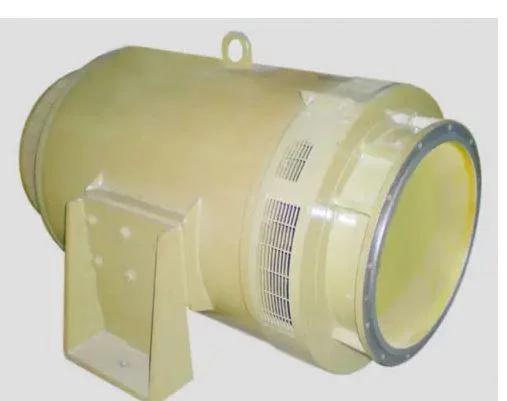
AC alternators are electrical devices that convert mechanical energy into alternating current (AC) electricity through electromagnetic induction. They play a crucial role in generating electrical power for various applications, from small-scale operations to large industrial systems. The core components of an AC alternator include a rotor, stator, and excitation system, which work together to produce a reliable source of electricity.
These alternators are widely utilized in industries such as manufacturing, construction, and renewable energy. They are essential for powering equipment, tools, and machinery, ensuring smooth operational processes. As industries increasingly rely on consistent electrical supply, AC alternators have gained significant importance in maintaining productivity and efficiency. The global market for AC alternators continues to grow, driven by advancements in technology and the demand for sustainable energy solutions.
Key Features and Specifications
AC alternators are equipped with several key features that enhance their performance and reliability. Understanding these specifications is essential for selecting the right alternator for specific applications.
Key specifications include:
1. Power Output
- Typical ranges from small units producing a few kilowatts to large industrial models generating megawatts.
2. Voltage Rating
- Common ratings include 120V, 240V, and 480V, suitable for different applications.
3. Frequency
- Standard operation at 50Hz or 60Hz, depending on regional requirements.
4. Efficiency
- High-efficiency models can exceed 90%, reducing energy losses.
5. Cooling System
- Options include air-cooled and liquid-cooled designs to manage temperature effectively.
6. Rotor Type
- Synchronous and asynchronous rotors offer different operational characteristics.
7. Size and Weight
- Compact models are available for mobile applications, while larger units cater to fixed installations.
8. Control Systems
- Advanced monitoring and control features ensure optimal performance and reliability.
In summary, these specifications highlight the versatility and adaptability of AC alternators, making them suitable for a wide range of applications.
Common Applications and Use Cases
AC alternators serve various industries, providing essential power solutions.
1. Manufacturing: AC alternators are crucial for powering machinery and production lines, ensuring uninterrupted operations.
2. Construction: They are used on job sites to supply electricity for tools, lighting, and equipment.
3. Renewable Energy: Wind and hydroelectric power systems utilize AC alternators to convert mechanical energy into electrical power.
4. Telecommunications: These alternators support backup power systems to maintain service during outages.
5. Transportation: AC alternators are employed in marine and automotive applications for charging batteries and powering electrical systems.
6. Agriculture: They provide energy for irrigation systems and equipment used in farming.
7. Mining: AC alternators power heavy machinery and equipment in challenging environments.
Product Variants and Subcategories
AC alternators come in various configurations to meet diverse operational needs.
Portable AC Alternators
These units are designed for mobility, making them ideal for temporary power solutions at construction sites or outdoor events. They are lightweight and easy to transport, providing reliable electricity in remote locations.
Industrial AC Alternators
These heavy-duty models are built for rigorous applications in manufacturing and large facilities. They offer high power output and durability, capable of handling continuous operations in demanding environments.
Benefits and Advantages
AC alternators offer numerous benefits that enhance their appeal to businesses.
1. Reliability: AC alternators provide a consistent and stable power supply, essential for operational continuity.
2. Versatility: They can be used in various applications, from small-scale to large industrial settings.
3. Efficiency: High-efficiency models minimize energy losses, reducing operational costs.
4. Customization: Many manufacturers offer tailored solutions to meet specific power requirements.
5. Durability: Built with robust materials, AC alternators are designed to withstand harsh conditions and long operational hours.
6. Maintenance: With proper care, these devices can have a long service life, minimizing downtime and repair costs.
Buying Guide for B2B Buyers
When sourcing AC alternators, businesses should consider several critical factors.
1. Quality Assessment: Ensure the alternators meet industry standards for performance and reliability. Look for certifications and quality control processes.
2. Supplier Verification: Vet suppliers through references, reviews, and their track record in delivering quality products. A reputable supplier can ensure timely delivery and support.
3. Pricing and MOQ: Understand the pricing structure and minimum order quantities. Compare different suppliers to find the best value for your needs.
4. Delivery and Lead Times: Confirm delivery schedules and lead times to ensure that your project timelines are met without delays.
5. Compliance Requirements: Be aware of regulatory compliance and safety standards specific to your region and industry. This ensures that the products meet legal and operational requirements.
Compliance and Certifications
AC alternators must adhere to relevant quality standards to ensure safety and reliability. Common standards include ISO 9001, which focuses on quality management systems, and CE certification, indicating compliance with European safety regulations.
Additionally, manufacturers should consider safety and testing requirements to guarantee that their products meet industry benchmarks. Compliance with local and regional regulations, such as those specific to electrical devices, is essential for ensuring safe operation and market acceptance.
Being aware of these compliance standards assists businesses in making informed sourcing decisions and maintaining operational safety.
Why Source AC Alternators from Pepagora?
Pepagora provides a trusted platform for sourcing AC alternators, offering several key advantages to businesses.
Verified Supplier Network: Pepagora partners with reputable suppliers, ensuring that buyers have access to high-quality products. This network undergoes rigorous verification processes to maintain standards.
Streamlined RFQ Process: The platform simplifies the request for quotation process, allowing businesses to receive and compare offers quickly. This efficiency saves time and enhances decision-making.
Trade Assurance and Support: Buyers benefit from trade assurance features that protect their purchases and provide support throughout the sourcing process. This assurance builds confidence in transactions.
Regional Coverage: Pepagora serves a wide geographic area, including India, GCC, and Southeast Asia. This broad reach enables businesses to find local suppliers and reduce shipping times and costs.
By leveraging these advantages, businesses can confidently source AC alternators that meet their operational needs while ensuring quality and reliability.

Frequently Asked Questions
What are AC Alternators?
AC Alternators are electrical devices that convert mechanical energy into alternating current (AC) electrical energy. They are widely used in various applications, including power generation, automotive systems, and industrial equipment.
What are the different types of AC Alternators?
The main types of AC Alternators include synchronous alternators and asynchronous alternators. Synchronous alternators operate at a constant speed while generating electricity, whereas asynchronous alternators can vary their speed based on the load.
How do I choose the right AC Alternators?
When selecting AC Alternators, consider factors such as power output, efficiency, operating speed, and application requirements. Additionally, evaluate the brand reputation and the availability of after-sales support from manufacturers.
What are the standard specifications for AC Alternators?
Standard specifications for AC Alternators typically include voltage rating, frequency, power factor, and efficiency. It's essential to verify these specifications based on the specific requirements of your application.
What is the price range for AC Alternators?
The price of AC Alternators can vary significantly based on their specifications and quality. Generally, prices can range from a few thousand to several lakhs of Indian Rupees, depending on the manufacturer and the features offered.
What quality standards apply to AC Alternators?
AC Alternators are often manufactured following international quality standards such as ISO 9001 and IEC standards. Compliance with these standards ensures reliability, safety, and performance in various applications.
Where can I find AC Alternators suppliers in India?
You can find AC Alternators suppliers in India through B2B marketplaces like Pepagora.com, trade shows, and industry directories. It's advisable to compare multiple suppliers to assess quality and pricing.
Can AC Alternators be customized?
Yes, AC Alternators can be customized based on specific application requirements, such as size, voltage, and power output. Many manufacturers offer customization options to meet the unique needs of their clients.
What is the typical minimum order quantity for AC Alternators?
The typical minimum order quantity (MOQ) for AC Alternators can vary by manufacturer but usually ranges from 10 to 100 units. It's best to check with individual suppliers for their specific MOQ policies.
What is the typical lead time for AC Alternators?
The lead time for AC Alternators varies depending on the supplier and the order size, typically ranging from 2 to 8 weeks. Factors such as customization and stock availability can also affect delivery times.
Why Businesses Trust Pepagora
Thousands of companies trust Pepagora to source smarter and sell faster
Expand Your Sales Globally

Source Smarter,Grow Faster
