What are Industrial Generators?
Industrial generators are powerful machines designed to provide electrical energy in various industrial settings. They convert mechanical energy into electrical energy, typically through the process of combustion or other energy conversion methods. These machines are built to handle large loads, making them essential for operations that require a constant and reliable power supply.
The primary uses of industrial generators range from providing backup power during outages to supplying energy for remote locations where grid access is limited. They are commonly employed in sectors such as construction, manufacturing, telecommunications, and healthcare. Businesses rely on industrial generators to ensure that their operations continue without interruption, thereby enhancing productivity and reducing downtime.
In the current market context, the demand for industrial generators is influenced by factors such as the increasing reliance on uninterrupted power supply, the growth of infrastructure projects, and the need for energy-efficient solutions. As industries evolve, the relevance of generators remains strong, with technological advancements leading to more efficient and environmentally friendly options.
Key Features and Specifications
Industrial generators come with a range of features and specifications tailored to meet the diverse needs of businesses. Understanding these specifications is crucial for selecting the right generator for specific applications.
Key specifications include:
1. Power Output
- Measured in kilowatts (kW) or megawatts (MW)
- Suitable for varying industrial loads
2. Fuel Type
- Diesel, natural gas, or propane
- Influences operational costs and environmental impact
3. Engine Type
- Varies between air-cooled and liquid-cooled systems
- Affects performance and maintenance needs
4. Noise Levels
- Measured in decibels (dB)
- Important for compliance with local regulations
5. Starting System
- Can be manual, electric, or automatic
- Determines ease of use during power outages
6. Control Panel
- Digital display for monitoring performance
- Includes safety features and alarms
7. Size and Weight
- Impacts transportability and installation requirements
- Important for space-constrained environments
8. Runtime Capacity
- Indicates how long the generator can operate on a full tank
- Critical for planning continuous power supply
In summary, understanding these specifications is essential for making informed decisions when selecting an industrial generator that meets specific operational needs.
Common Applications and Use Cases
Industrial generators are widely utilized across various sectors to ensure uninterrupted power supply.
1. Construction: Generators provide essential power for tools and equipment on construction sites, especially in remote locations.
2. Manufacturing: Factories use generators to maintain production processes during power outages, ensuring efficiency and minimizing losses.
3. Telecommunications: Reliable power is crucial for communication towers, making generators vital for maintaining connectivity.
4. Healthcare: Hospitals rely on generators to power critical medical equipment, ensuring patient safety during outages.
5. Events: Large gatherings and outdoor events utilize generators to supply power for lighting, sound systems, and catering equipment.
6. Agriculture: Generators support irrigation systems and other farm operations, particularly in areas without grid access.
7. Mining: In remote mining locations, generators provide necessary power for machinery and site operations.
Product Variants and Subcategories
Industrial generators come in various forms to meet different operational needs.
Diesel Generators
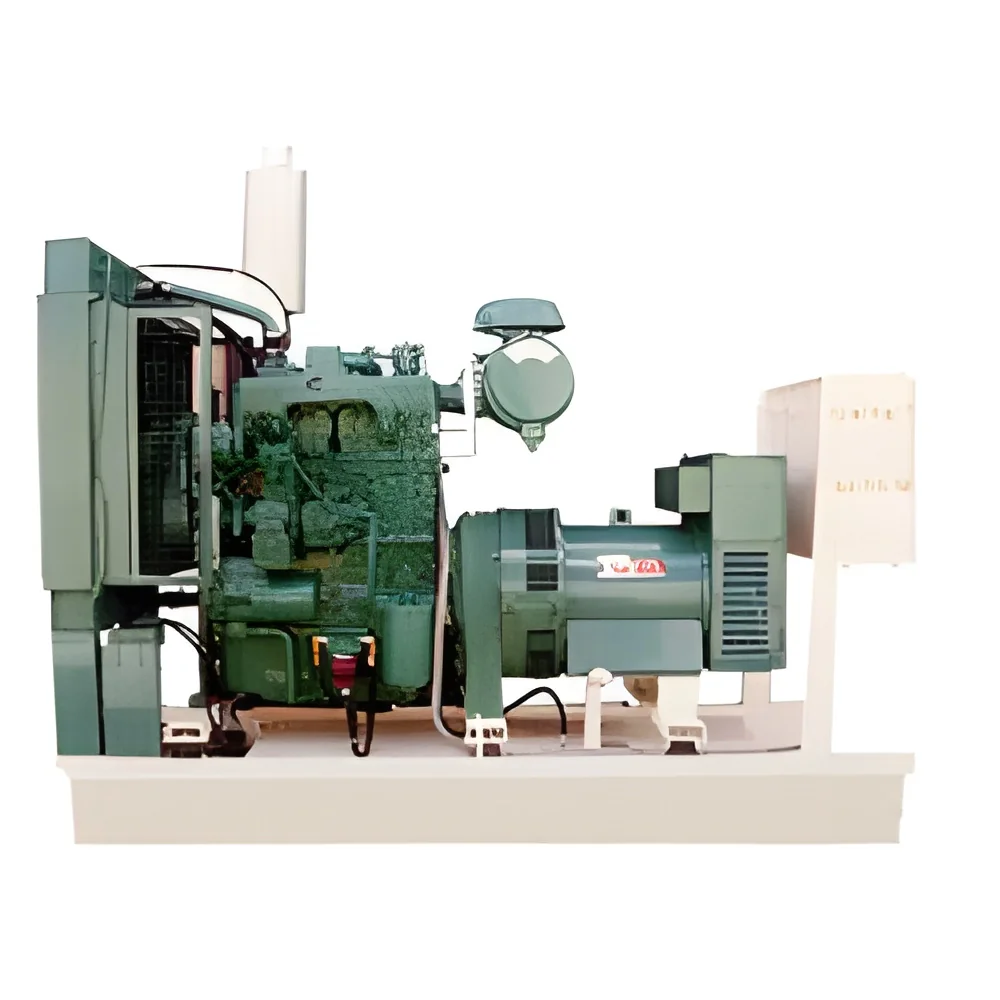
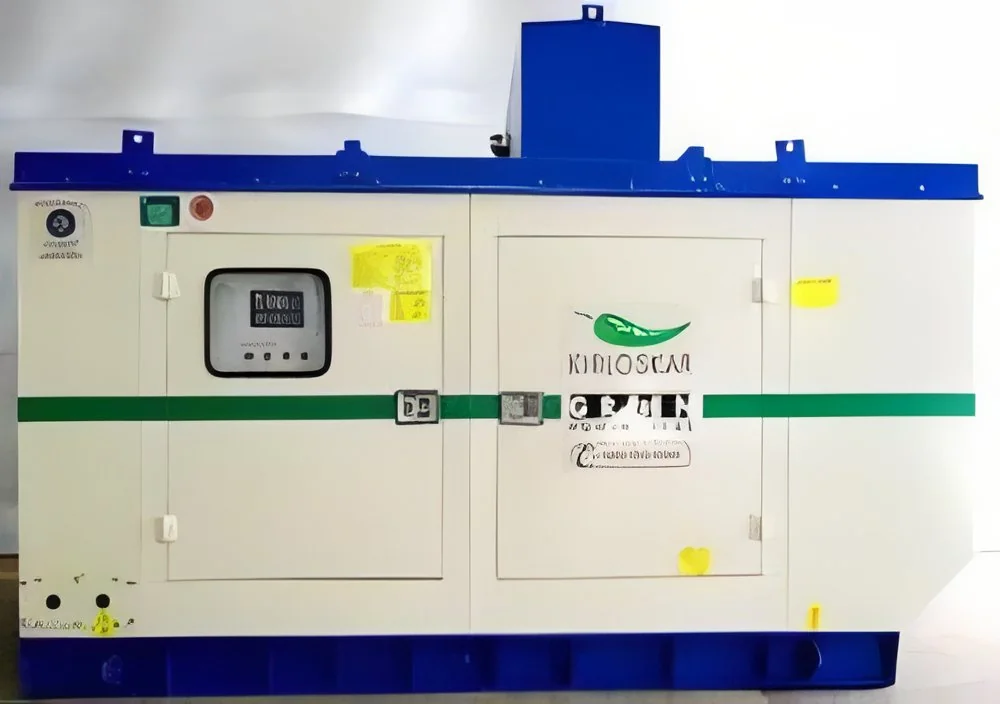
Diesel generators are favored for their fuel efficiency and durability. They are commonly used in construction and manufacturing due to their ability to provide high power output over extended periods.
Natural Gas Generators
Natural gas generators are more environmentally friendly, producing lower emissions. They are often used in facilities seeking to reduce their carbon footprint.
Portable Generators
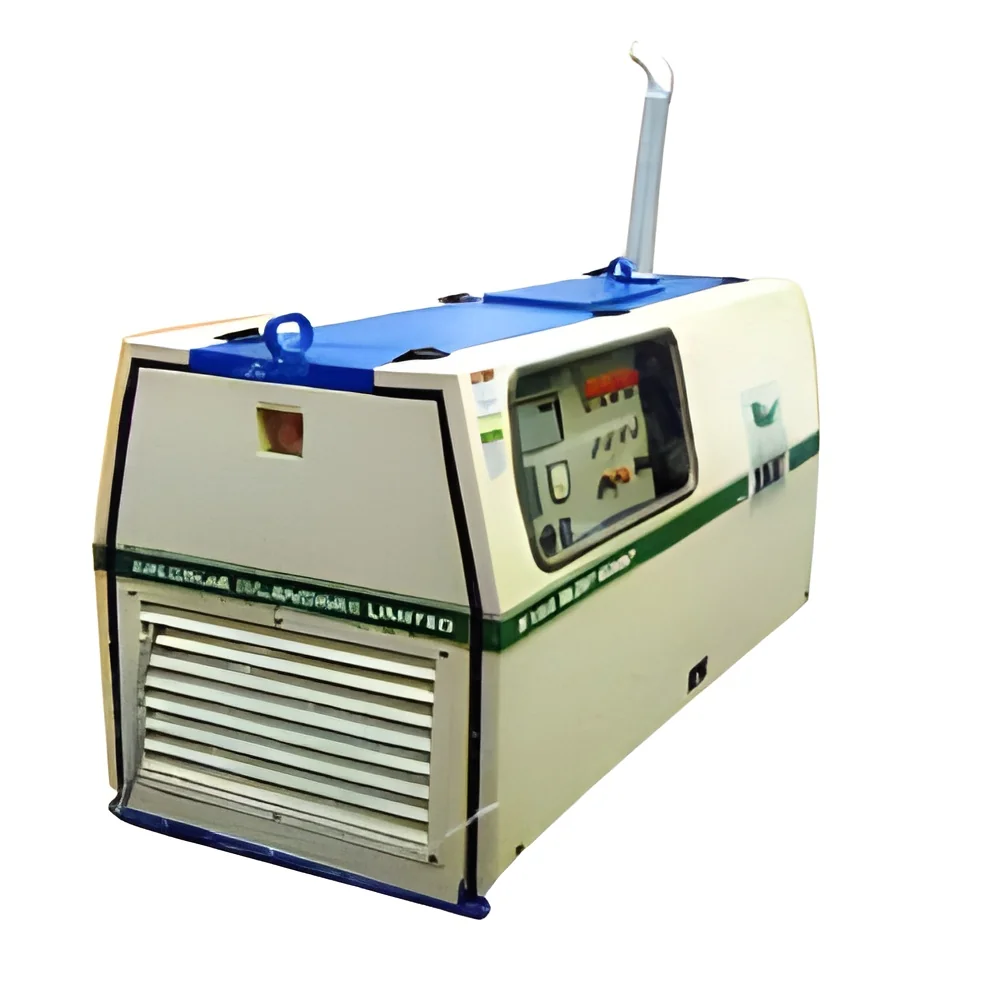
Portable generators offer flexibility and ease of transport. They are ideal for temporary sites or events where power is needed only for short durations.
Benefits and Advantages
Investing in industrial generators offers numerous advantages for businesses.
1. Reliability: Industrial generators provide a backup power source, ensuring operations can continue during outages.
2. Increased Productivity: Continuous power supply minimizes downtime, allowing businesses to maintain productivity levels.
3. Fuel Efficiency: Modern generators are designed to optimize fuel consumption, reducing operational costs.
4. Customization: Many generators can be tailored to meet specific power needs and operational requirements.
5. Scalability: Generators can be scaled to accommodate growing power demands as businesses expand.
6. Environmental Options: With advancements in technology, options for greener generators are increasingly available, helping businesses meet sustainability goals.
Buying Guide for B2B Buyers
When sourcing industrial generators, it is essential for B2B buyers to consider several key factors.
1. Quality Assessment: Evaluate the quality of the generators by reviewing specifications and certifications. Look for reputable manufacturers with a history of reliability.
2. Supplier Verification: It is important to vet suppliers to ensure they have a track record of delivering quality products and providing adequate customer support.
3. Pricing and MOQ: Understand the pricing structure and minimum order quantities (MOQ) to ensure that purchases align with budget constraints.
4. Delivery and Lead Times: Assess the logistics involved in the supply chain, including estimated delivery times, to avoid disruptions in operations.
5. Compliance Requirements: Ensure that the generators meet relevant industry regulations and standards to avoid legal and operational issues.
Compliance and Certifications
Compliance with quality standards is critical for industrial generators. Many manufacturers adhere to ISO 9001, which outlines criteria for quality management systems. This standard ensures consistent quality in production and service delivery.
Additionally, industry certifications such as CE signify that the products meet European health, safety, and environmental protection standards. These certifications provide assurance of the generator's safety and reliability.
Safety and testing requirements are also paramount. Generators must undergo rigorous testing to ensure they operate safely under various conditions. Regional compliance considerations may vary, so buyers should be aware of local regulations that could impact generator use.
Why Source Industrial Generators from Pepagora?
Pepagora is a trusted platform for sourcing industrial generators, offering several key advantages to B2B buyers.
Verified Supplier Network: Pepagora connects buyers with a network of verified suppliers, ensuring that all listed manufacturers meet industry standards for quality and reliability.
Streamlined RFQ Process: The platform simplifies the request for quotation (RFQ) process, allowing buyers to obtain competitive pricing and specifications quickly and efficiently.
Trade Assurance and Support: Pepagora provides trade assurance, offering buyer protection and support throughout the purchasing process to ensure satisfaction and security.
Regional Coverage: With a strong presence in India, the GCC, and Southeast Asia, Pepagora facilitates access to a wide range of industrial generators, catering to diverse regional needs.

 IN
IN