𝗪𝗵𝗮𝘁 𝗮𝗿𝗲 𝗧𝗵𝗿𝗲𝗲 𝗣𝗵𝗮𝘀𝗲 𝗔𝗹𝘁𝗲𝗿𝗻𝗮𝘁𝗼𝗿𝘀?
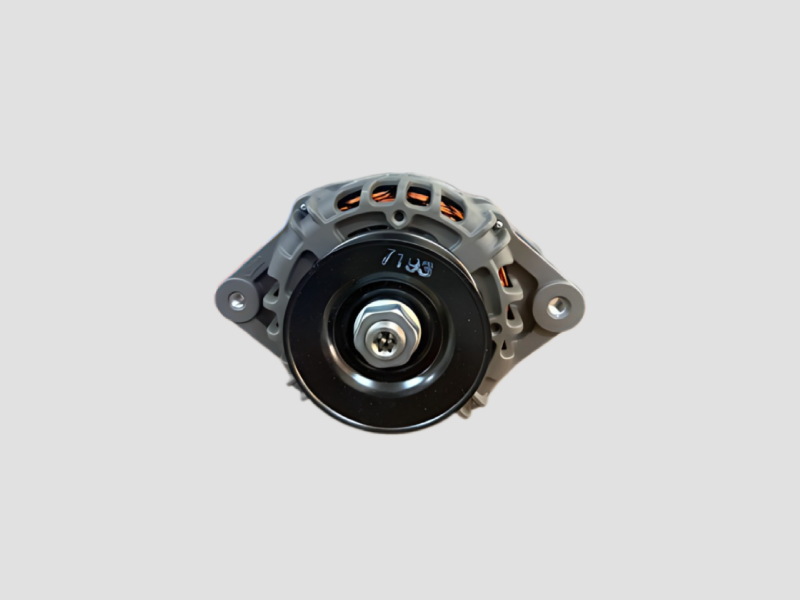
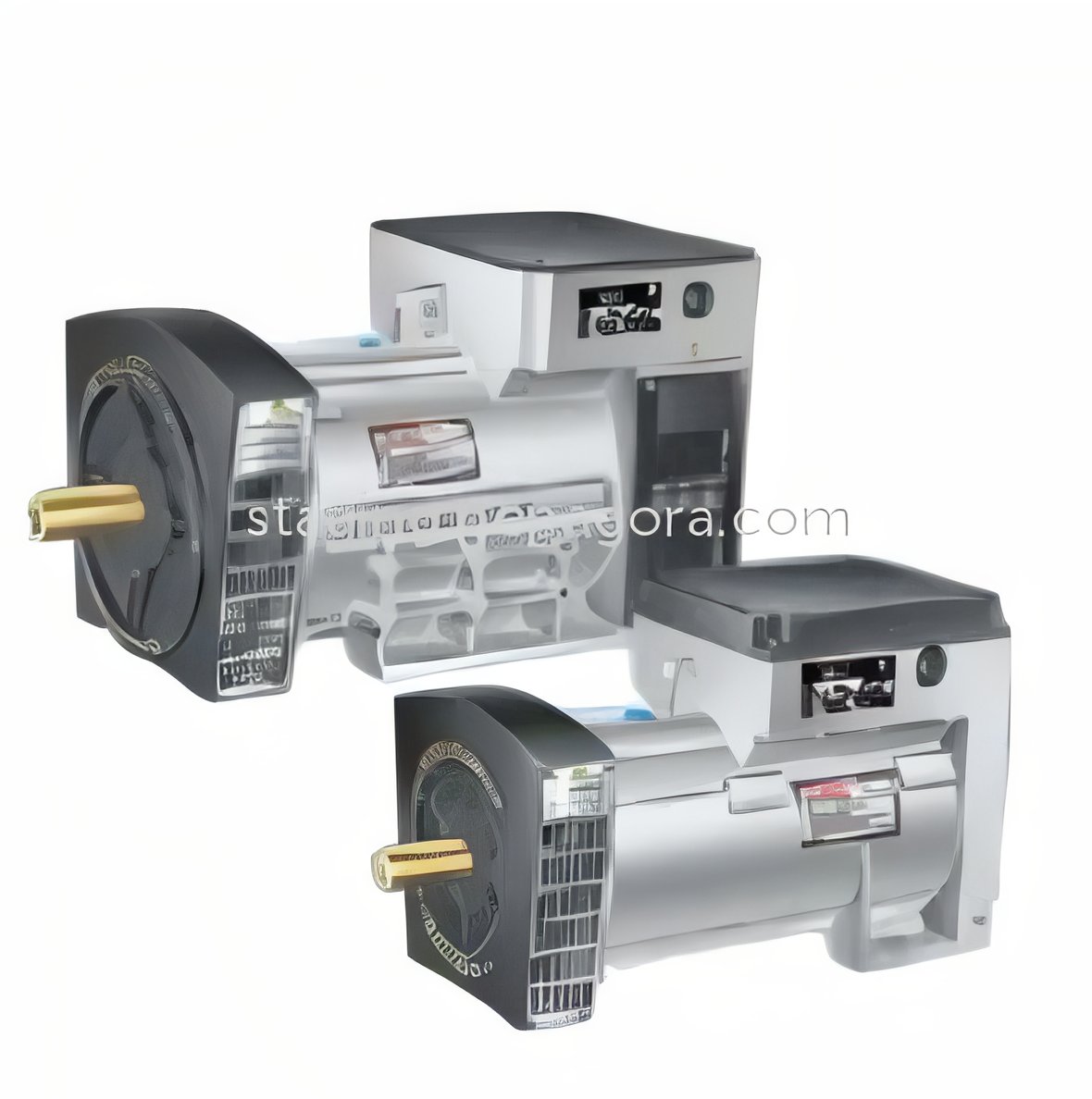
Three phase alternators, also known as synchronous generators, are electrical devices designed to convert mechanical energy into electrical energy using three alternating currents. These alternators operate on the principle of electromagnetic induction, where a rotating magnetic field induces a voltage in the stator windings. The three-phase output results in a more stable and efficient power supply, which is crucial for industrial applications.
These alternators are commonly used in power generation for industrial facilities, commercial buildings, and renewable energy systems. They are essential in providing a reliable power source for motors, lighting systems, and other electrical equipment that require consistent and high-quality electricity. The relevance of three phase alternators in today's industrial landscape cannot be overstated, as they play a pivotal role in enhancing energy efficiency and supporting the ever-growing demand for electricity across various sectors.
𝗞𝗲𝘆 𝗙𝗲𝗮𝘁𝘂𝗿𝗲𝘀 𝗮𝗻𝗱 𝗦𝗽𝗲𝗰𝗶𝗳𝗶𝗰𝗮𝘁𝗶𝗼𝗻𝘀
Three phase alternators come with a variety of features and specifications that make them suitable for diverse applications. Understanding these specifications is crucial for buyers looking to select the right equipment for their needs.
Key specifications include:
1. Rated Power Output
- This specification indicates the maximum power the alternator can deliver.
- Common ranges vary from a few kilowatts to several megawatts.
2. Voltage Rating
- Refers to the electrical potential difference the alternator provides.
- Standard voltage ratings include 400V, 480V, and 600V.
3. Frequency
- This is the number of cycles per second in the electrical output.
- Typical frequencies are 50Hz or 60Hz, depending on regional standards.
4. Efficiency
- Measures how effectively the alternator converts mechanical energy into electrical energy.
- High-efficiency units can exceed 90%.
5. Cooling Method
- Indicates how the alternator dissipates heat during operation.
- Options include air-cooled, water-cooled, and oil-cooled designs.
6. Insulation Class
- Refers to the thermal limits of the alternator's insulation materials.
- Common classes include B, F, and H, with higher classes indicating better heat resistance.
7. Protection Standards
- Specifies the level of protection against dust and moisture.
- Common ratings include IP21, IP23, and IP54.
8. Weight and Dimensions
- Important for installation planning and structural considerations.
- Varies widely based on power output and design.
In summary, understanding the key features and specifications of three phase alternators is essential for selecting the appropriate model for specific industrial applications.
𝗖𝗼𝗺𝗺𝗼𝗻 𝗔𝗽𝗽𝗹𝗶𝗰𝗮𝘁𝗶𝗼𝗻𝘀 𝗮𝗻𝗱 𝗨𝘀𝗲 𝗖𝗮𝘀𝗲𝘀
Three phase alternators are versatile and serve a wide range of industries and applications.
1. Manufacturing: In manufacturing facilities, three phase alternators provide reliable power for machinery, conveyor systems, and robotics.
2. Energy Production: These alternators are used in power plants and renewable energy systems, such as wind and hydroelectric facilities, to generate electricity.
3. Construction: In construction sites, they supply power to tools and equipment, ensuring operations continue without interruption.
4. Mining: They are critical for powering heavy machinery and processing equipment in mining operations.
5. Agriculture: In agricultural applications, three phase alternators are used in irrigation systems and grain processing.
6. Telecommunications: They support backup power systems for telecommunications infrastructure, ensuring connectivity during outages.
7. Data Centers: These alternators provide essential power for data centers, maintaining critical operations and preventing data loss.
𝗣𝗿𝗼𝗱𝘂𝗰𝘁 𝗩𝗮𝗿𝗶𝗮𝗻𝘁𝘀 𝗮𝗻𝗱 𝗦𝘂𝗯𝗰𝗮𝘁𝗲𝗴𝗼𝗿𝗶𝗲𝘀
Three phase alternators come in various designs to cater to different needs and applications.
Standard Alternators
These are the most common types, designed for typical industrial applications. They provide reliable power generation with standard features and specifications.
Brushless Alternators
This variant eliminates the need for brushes, reducing maintenance and wear. They are ideal for applications requiring high reliability and low maintenance.
Portable Alternators
Designed for easy transport, these alternators are suitable for temporary power supply needs, such as events or construction sites.
High-Temperature Alternators
These are specifically engineered to operate in environments with elevated temperatures, making them suitable for industries like oil and gas.
𝗕𝗲𝗻𝗲𝗳𝗶𝘁𝘀 𝗮𝗻𝗱 𝗔𝗱𝘃𝗮𝗻𝘁𝗮𝗴𝗲𝘀
Three phase alternators offer numerous benefits that enhance their value in industrial applications.
1. Improved Efficiency: They typically have higher efficiency rates compared to single-phase systems, leading to lower energy costs.
2. Stable Power Supply: The three-phase output provides a more stable and consistent power supply, reducing the risk of equipment failure.
3. Reduced Maintenance: Many models are designed with low-maintenance features, such as brushless designs, which minimizes downtime.
4. Versatility: Their adaptability allows them to be used across various industries and applications, making them a valuable investment.
5. Scalability: Three phase alternators can be easily scaled up or down based on power requirements, offering flexibility for growing businesses.
6. Enhanced Performance: They support higher loads and are able to power larger equipment, making them suitable for demanding industrial operations.
𝗕𝘂𝘆𝗶𝗻𝗴 𝗚𝘂𝗶𝗱𝗲 𝗳𝗼𝗿 𝗕𝟮𝗕 𝗕𝘂𝘆𝗲𝗿𝘀
When sourcing three phase alternators, there are several critical factors to consider to ensure you make an informed purchase.
1. Quality Assessment: Evaluate the quality of the alternators by checking for certifications and compliance with industry standards. Quality assurance is crucial for reliability and performance.
2. Supplier Verification: Vet potential suppliers to ensure they are reputable and have a history of delivering reliable products. Look for established suppliers with positive customer feedback.
3. Pricing and MOQ: Consider the cost of the alternators and inquire about minimum order quantities. Ensure pricing aligns with your budget while maintaining quality.
4. Delivery and Lead Times: Discuss logistics with suppliers to understand delivery schedules and lead times. Timely delivery is essential for project planning and execution.
5. Compliance Requirements: Ensure the alternators meet any relevant regulatory standards for your industry. Compliance with safety and environmental regulations is mandatory.
𝗖𝗼𝗺𝗽𝗹𝗶𝗮𝗻𝗰𝗲 𝗮𝗻𝗱 𝗖𝗲𝗿𝘁𝗶𝗳𝗶𝗰𝗮𝘁𝗶𝗼𝗻𝘀
Three phase alternators must adhere to various quality standards and certifications to ensure safety and performance.
ISO 9001 is a widely recognized quality management standard that ensures manufacturers maintain consistent quality in their processes. Compliance with this standard demonstrates that the manufacturer has effective quality control measures in place.
CE certification indicates that the product complies with European safety standards. This certification is crucial for products sold in the European market, ensuring they meet specific safety and health requirements.
Additionally, safety and testing requirements dictate that alternators undergo rigorous testing to verify their performance and reliability. These tests often include electrical safety assessments and operational efficiency checks.
Regional compliance considerations may vary, so it's essential to be aware of local regulations that could affect the use of three phase alternators in specific markets.
𝗪𝗵𝘆 𝗦𝗼𝘂𝗿𝗰𝗲 𝗧𝗵𝗿𝗲𝗲 𝗣𝗵𝗮𝘀𝗲 𝗔𝗹𝘁𝗲𝗿𝗻𝗮𝘁𝗼𝗿𝘀 𝗳𝗿𝗼𝗺 𝗣𝗲𝗽𝗮𝗴𝗼𝗿𝗮?
Pepagora offers a trusted platform for sourcing three phase alternators, providing several key advantages for buyers.
Verified Supplier Network: Pepagora connects buyers with a network of verified suppliers, ensuring that you are dealing with reputable manufacturers. This reduces the risk of sourcing low-quality products.
Streamlined RFQ Process: The request for quotation (RFQ) process at Pepagora is designed to be efficient, allowing buyers to receive multiple quotes from different suppliers quickly. This helps in making informed purchasing decisions.
Trade Assurance and Support: Pepagora provides trade assurance to protect buyers against potential risks. This support includes assistance with disputes and ensuring that transactions are secure.
Regional Coverage: With a strong presence in India, the GCC, and Southeast Asia, Pepagora offers extensive regional coverage. This allows buyers to source three phase alternators that meet local requirements and specifications, ensuring smooth operations across various markets.

 IN
IN