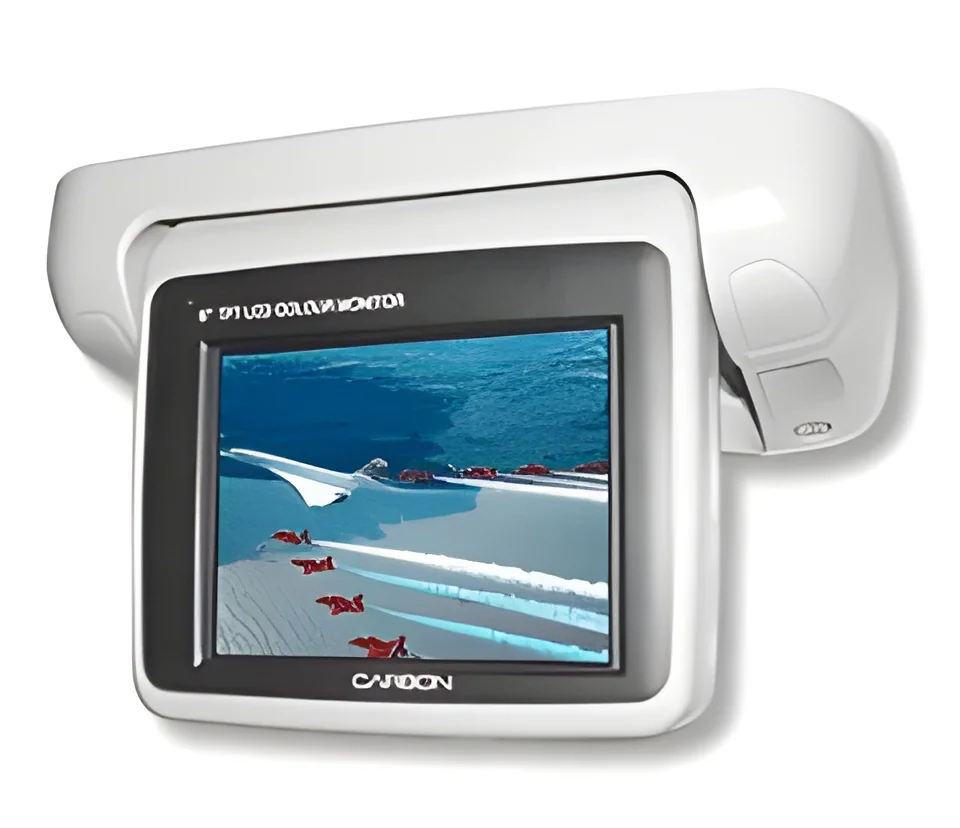
What are Roof-Mounted Flip Screens?
Roof-mounted flip screens are specialized industrial products designed to provide effective screening solutions in various environments. These screens are mounted on rooftops and can be flipped open or closed, allowing for versatile functionality in controlling visibility, ventilation, and light exposure. The design typically incorporates durable materials to withstand outdoor conditions, making them suitable for long-term use in industrial settings.
These screens are primarily used in sectors such as manufacturing, warehousing, and logistics. They serve multiple purposes, including protecting sensitive areas from environmental elements, providing privacy, and managing airflow. Businesses utilize roof-mounted flip screens to enhance operational efficiency and create controlled work environments. Given the increasing need for safety and efficiency in industrial operations, these products hold significant relevance in the market today.
Key Features and Specifications
Roof-mounted flip screens come with several features that contribute to their functionality and versatility. These specifications ensure that the screens meet the diverse needs of various industries.
Key specifications include:
1. Material Composition
- Constructed from high-strength, weather-resistant materials.
- Often made from aluminum or fiberglass for durability.
2. Size Options
- Available in various dimensions to fit different rooftop configurations.
- Custom sizes can also be manufactured as per client requirements.
3. Operation Mechanism
- Features manual or automated flip mechanisms for ease of use.
- Options for remote control operation are available.
4. UV Resistance
- Designed to withstand UV exposure without degrading.
- Helps maintain structural integrity over time.
5. Wind Load Capacity
- Tested to endure specific wind load ratings.
- Ensures stability in high-wind conditions.
6. Installation Requirements
- Can be mounted on various rooftop structures.
- Installation kits may be provided for easy setup.
7. Maintenance Protocol
- Requires minimal maintenance for optimal performance.
- Regular inspections recommended to ensure functionality.
8. Compliance Standards
- Designed to meet industry-specific safety and compliance regulations.
- Adheres to CE certification for quality assurance.
In summary, roof-mounted flip screens offer a range of features that cater to diverse industrial needs, ensuring both functionality and durability.
Common Applications and Use Cases
Roof-mounted flip screens are used across various industries, each leveraging their unique benefits.
1. Manufacturing: In manufacturing facilities, these screens help control airflow and protect sensitive equipment from dust and debris, enhancing operational efficiency.
2. Warehousing: Warehouses utilize roof-mounted flip screens to manage lighting and provide ventilation while ensuring security and privacy for stored goods.
3. Logistics: In logistics hubs, these screens can be used to create controlled environments for loading and unloading, facilitating smoother operations.
4. Agriculture: Greenhouses and agricultural settings use these screens to regulate temperature and protect crops from harsh weather conditions.
5. Commercial Buildings: Roof-mounted screens can enhance aesthetic appeal while providing essential environmental controls in commercial spaces.
6. Energy Sector: In power plants, these screens help manage visibility and airflow, ensuring compliance with safety regulations.
7. Event Spaces: Temporary installations at outdoor events can utilize flip screens for privacy and weather protection.
Product Variants and Subcategories
Roof-mounted flip screens come in various configurations to meet specific operational needs. Each variant is designed with particular features that cater to different applications.
Standard Flip Screen
This variant offers a traditional flip mechanism that is manually operated. It is ideal for environments where simplicity and reliability are paramount.
Automated Flip Screen
Equipped with an automated mechanism, this variant allows for remote operation, making it suitable for large-scale facilities where safety and convenience are critical.
High-Performance Screen
Designed for extreme weather conditions, this variant features enhanced materials and construction. It is perfect for locations exposed to high winds or heavy rainfall.
Benefits and Advantages
Roof-mounted flip screens provide numerous advantages that enhance their appeal to businesses.
1. Versatility: These screens can be adapted for various applications, from ventilation to privacy, making them a multifunctional solution.
2. Durability: Built with robust materials, roof-mounted flip screens are designed to withstand harsh environmental conditions, ensuring longevity.
3. Energy Efficiency: By controlling airflow and light exposure, these screens can contribute to energy savings in climate-controlled environments.
4. Improved Safety: By providing visibility control, they enhance safety in operational areas, minimizing risks associated with environmental hazards.
5. Easy Installation: Many models come with user-friendly installation kits, reducing downtime during setup.
6. Low Maintenance: Roof-mounted flip screens require minimal upkeep, allowing businesses to focus on core operations without disruptions.
Buying Guide for B2B Buyers
When sourcing roof-mounted flip screens, it is essential to consider several factors to ensure the best fit for your needs.
1. Quality Assessment: Evaluate the material quality and construction standards. Look for certifications such as CE to ensure compliance with industry regulations.
2. Supplier Verification: Vet suppliers by reviewing their credentials and past performance. Check for customer testimonials and case studies to assess reliability.
3. Pricing and MOQ: Understand the pricing structures and minimum order quantities. This will help in budgeting and ensuring you meet supplier requirements.
4. Delivery and Lead Times: Discuss logistics and delivery options with suppliers. Ensure that lead times align with your project timelines to avoid delays.
5. Compliance Requirements: Be aware of local and regional compliance needs. Ensure the products meet all necessary safety and operational standards.
Compliance and Certifications
Roof-mounted flip screens must adhere to various quality and safety standards to ensure they are fit for industrial usage. Key certifications include CE, which indicates compliance with European health, safety, and environmental protection standards.
In addition to CE certification, manufacturers may also follow ISO 9001 standards for quality management systems. This ensures consistent product quality and customer satisfaction.
Safety testing is crucial for these products, especially concerning their structural integrity and operational mechanisms. Regular testing helps in identifying potential hazards and ensures that the screens can withstand environmental stresses.
It is also important to consider regional compliance requirements. Different countries may have specific regulations governing the use of industrial products, and adherence to these guidelines is essential for legal and operational efficiency.
Why Source Roof-Mounted Flip Screens from Pepagora?
Pepagora offers a trusted platform for sourcing roof-mounted flip screens, providing several advantages to buyers.
Verified Supplier Network: Pepagora connects buyers with a network of verified suppliers, ensuring access to reputable manufacturers. Each supplier is thoroughly vetted, allowing buyers to make informed decisions with confidence.
Streamlined RFQ Process: The platform features a user-friendly request for quotation (RFQ) system that simplifies the procurement process. Buyers can easily submit their specifications and receive competitive quotes from multiple suppliers.
Trade Assurance and Support: Pepagora prioritizes buyer protection through trade assurance policies. This feature provides peace of mind, ensuring that buyers receive what they pay for in terms of quality and service.
Regional Coverage: With a strong presence in India, the GCC region, and Southeast Asia, Pepagora offers extensive geographic reach. This enables businesses to find local suppliers and reduce logistics costs while ensuring timely delivery.

 IN
IN
 India
India