
 IN
RF Modules
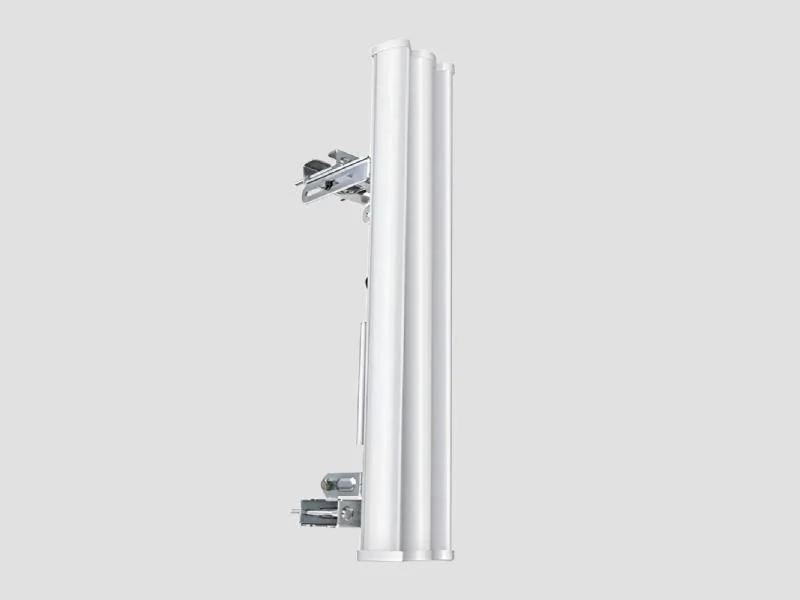
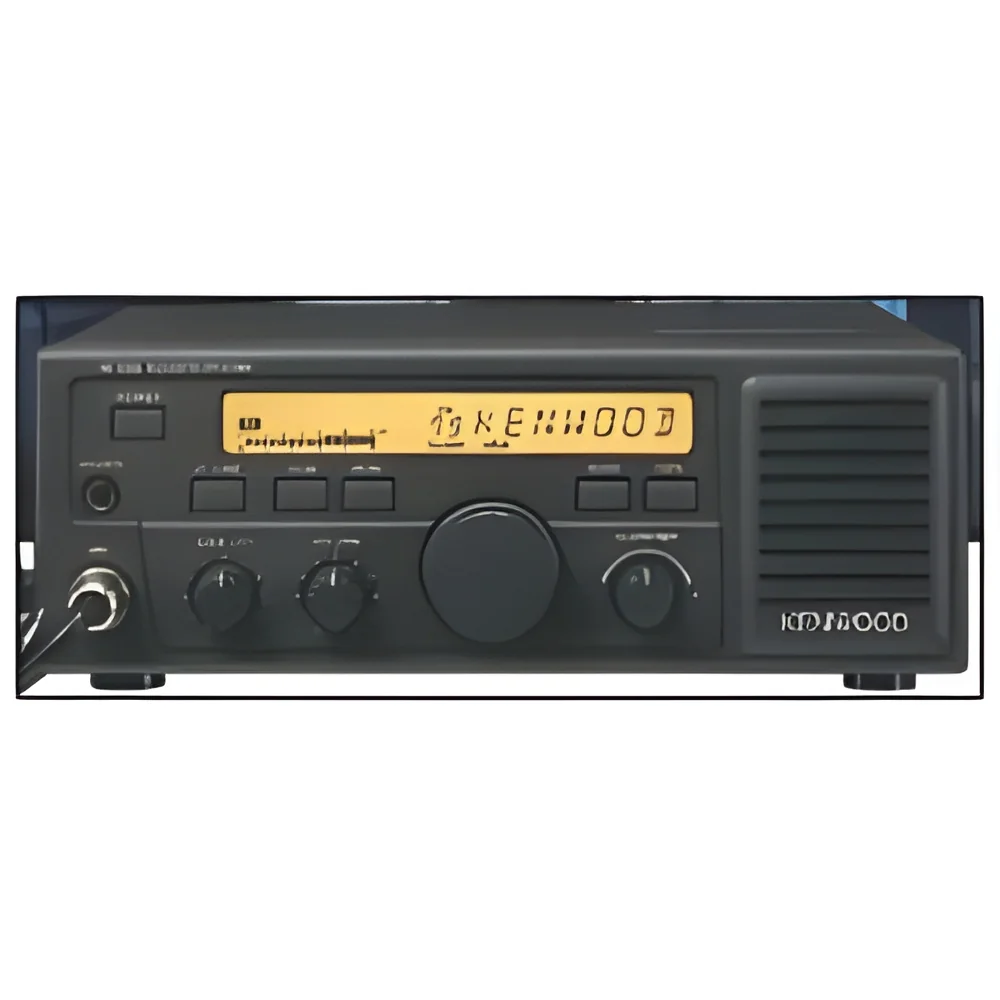
2 products available
What are RF Modules?
RF modules are essential components in wireless communication systems, enabling the transmission and reception of radio frequency signals. These modules integrate various functionalities, allowing devices to communicate over short to medium distances without the need for direct wired connections. RF modules operate by converting digital signals into radio waves, which can then be sent through the air and received by other devices equipped with corresponding modules.
The primary applications of RF modules span multiple industries, including telecommunications, automotive, consumer electronics, and industrial automation. They are commonly used in applications such as remote controls, wireless sensor networks, and IoT devices. As businesses increasingly adopt wireless technologies, the relevance of RF modules continues to grow, driving innovation and development in the field. The market for RF modules is expanding rapidly, fueled by the demand for efficient, flexible, and cost-effective communication solutions.
Key Features and Specifications
RF modules offer a range of features that enhance their performance and usability in various applications. These features are critical for ensuring reliable communication and meeting the specific needs of different industries.
Key specifications include:
1. Transmission Range
- This specification indicates the maximum distance over which the module can effectively transmit signals.
- Typical ranges vary from a few meters to several kilometers, depending on the technology used.
2. Frequency Band
- RF modules operate on specific frequency bands, which can affect their compatibility with other devices.
- Common bands include 433 MHz, 868 MHz, and 915 MHz.
3. Output Power
- The output power defines the strength of the transmitted signal, impacting both range and battery life.
- Output power levels are typically measured in milliwatts (mW).
4. Modulation Type
- Different modulation techniques are used to encode data onto the carrier signal.
- Common methods include Amplitude Shift Keying (ASK), Frequency Shift Keying (FSK), and Phase Shift Keying (PSK).
5. Supply Voltage
- RF modules require specific supply voltages for optimal operation.
- Common supply voltage ranges are between 1.8V to 5.5V.
6. Data Rate
- The data rate indicates how quickly data can be transmitted through the module.
- Rates typically range from a few kilobits per second to several megabits per second.
7. Power Consumption
- This specification is crucial for battery-powered applications, as it affects the operational longevity.
- Power consumption values are usually provided in milliamps (mA).
8. Antenna Type
- The type of antenna used can influence communication range and signal quality.
- Options may include external antennas, integrated antennas, or PCB antennas.
In summary, understanding the key features and specifications of RF modules is essential for selecting the right components for specific applications. These specifications help ensure optimal performance and compatibility with existing systems.
Common Applications and Use Cases
RF modules find applications across diverse industries, highlighting their versatility and importance in modern technology.
1. Telecommunications: RF modules are widely used in mobile phones and base stations to facilitate wireless communication, enabling voice and data transmission.
2. Automotive: In the automotive industry, RF modules play a crucial role in vehicle tracking systems, keyless entry, and remote diagnostics.
3. Consumer Electronics: Devices such as smart home products, wireless speakers, and remote controls utilize RF modules for seamless connectivity and user convenience.
4. Industrial Automation: RF modules are integral in industrial settings for wireless sensor networks, remote monitoring, and control systems, enhancing operational efficiency.
5. Healthcare: In medical devices, RF modules enable wireless patient monitoring, ensuring timely data transmission for better healthcare outcomes.
6. Agriculture: RF modules support precision farming technologies, allowing for real-time data collection and management of agricultural operations.
7. Security Systems: RF modules are key components in alarm systems and surveillance equipment, facilitating wireless communication for enhanced security.
Product Variants and Subcategories
RF modules come in various forms, designed to meet specific requirements across different applications. The diversity of these modules allows for tailored solutions in various industries.
Low-Power RF Modules
These modules are designed for applications where energy efficiency is a priority. They are commonly used in IoT devices and remote sensors, offering extended battery life through low power consumption.
High-Power RF Modules
High-power modules are suited for long-range applications that require stronger transmission capabilities. They are often used in telecommunications and broadcasting where extensive coverage is necessary.
Miniature RF Modules
Miniature versions of RF modules are ideal for compact devices where space is limited. They provide essential functionality without compromising performance, making them popular in consumer electronics.
Integrated RF Modules
These modules feature built-in antennas and additional components, simplifying design and installation. They are useful in applications where ease of integration is critical.
Benefits and Advantages
Choosing RF modules offers numerous advantages for businesses seeking efficient communication solutions.
1. Enhanced Communication Reliability: RF modules provide stable connections over various distances, ensuring consistent performance in different environments.
2. Cost-Effective Solutions: By eliminating the need for wiring, RF modules reduce installation and maintenance costs, making them an economical choice for many applications.
3. Flexibility and Scalability: RF modules can be easily integrated into existing systems, allowing for scalability as business needs grow and evolve.
4. Low Power Consumption: Many RF modules are designed for energy efficiency, extending the operational life of battery-powered devices.
5. Wide Compatibility: RF modules can operate across various frequency bands and modulation types, making them suitable for a broad range of applications.
6. Simplified Installation: With fewer physical connections required, RF modules simplify the installation process, saving time and reducing complexity.
Buying Guide for B2B Buyers
When sourcing RF modules, B2B buyers should consider several key factors to ensure they select the right components for their needs.
1. Quality Assessment: Evaluate the quality of the RF modules by reviewing manufacturer certifications and product reviews. High-quality modules contribute to better performance and reliability.
2. Supplier Verification: Conduct thorough research on potential suppliers. Check for certifications, customer feedback, and their reputation in the industry to ensure you are working with a reliable partner.
3. Pricing and MOQ: Understand the pricing structure and minimum order quantities (MOQ) offered by suppliers. This helps in budgeting and ensures that your purchasing aligns with project requirements.
4. Delivery and Lead Times: Factor in delivery timelines when planning your projects. Ensure that the suppliers can meet your deadlines to avoid disruptions in your operations.
5. Compliance Requirements: Verify that the RF modules meet relevant regulatory and compliance standards for your industry. This is crucial for ensuring safety and legal adherence.
Compliance and Certifications
RF modules must adhere to various quality standards and certifications to ensure they are safe and effective for use in different applications. Key standards include ISO 9001, which focuses on quality management systems, ensuring that manufacturers consistently produce high-quality products.
Industry certifications such as UL and CE are also vital. UL certification indicates that the product meets specific safety standards, while CE marking signifies compliance with European health, safety, and environmental protection standards.
Safety and testing requirements are essential in ensuring that RF modules can operate reliably without posing risks to users or equipment. Additionally, regional compliance considerations may vary, so it is important to be aware of local regulations that may apply to RF module use.
Why Source RF Modules from Pepagora?
Pepagora offers a trusted platform for sourcing RF modules, providing several key advantages to B2B buyers looking for reliable solutions.
Verified Supplier Network: Pepagora has established a network of verified suppliers, ensuring that buyers can access high-quality RF modules from reputable manufacturers. This verification process enhances buyer confidence and reduces the risk of procurement issues.
Streamlined RFQ Process: The platform features an efficient request for quotation (RFQ) system that simplifies the procurement process. Buyers can easily communicate their requirements and receive competitive offers from multiple suppliers.
Trade Assurance and Support: Pepagora provides trade assurance to protect buyers during transactions. This includes support for resolving disputes and ensuring that buyers receive the products as promised.
Regional Coverage: With a focus on markets in India, the GCC, and Southeast Asia, Pepagora offers extensive regional coverage, facilitating access to local suppliers and reducing shipping times. This geographical reach helps businesses source RF modules that meet their specific needs efficiently.


 India

 India
Frequently Asked Questions
What are RF Modules?
RF Modules are electronic components that enable wireless communication by transmitting and receiving radio frequency signals. They are widely used in various applications such as remote controls, IoT devices, and wireless sensor networks.
What are the different types of RF Modules?
There are several types of RF Modules, including transceiver modules, receiver modules, and transmitter modules. They can be further categorized based on their frequency bands, such as 433 MHz, 868 MHz, and 2.4 GHz modules.
How do I choose the right RF Modules?
Choosing the right RF Module depends on factors like the intended application, range requirements, and power consumption. It's important to consider the compatibility with other components and the communication protocol you plan to use.
What are the standard specifications for RF Modules?
Standard specifications for RF Modules typically include parameters such as operating frequency, transmission power, range, data rate, and sensitivity. Additionally, the module's size, power supply requirements, and antenna type are also crucial specifications.
What is the price range for RF Modules?
The price range for RF Modules can vary significantly based on the type and specifications, typically ranging from a few hundred to several thousand Indian Rupees. Bulk purchasing may also offer cost advantages.
What quality standards apply to RF Modules?
Quality standards for RF Modules often include compliance with international certifications such as ISO and RoHS. Manufacturers may also adhere to specific industry standards to ensure reliability and safety during operation.
Where can I find RF Modules suppliers in India?
You can find RF Modules suppliers in India through B2B marketplaces like Pepagora, industry trade shows, or by searching online directories. Networking within industry-specific forums can also help connect you with reputable suppliers.
Can RF Modules be customized?
Yes, many manufacturers offer customization options for RF Modules to meet specific requirements such as frequency, range, and encapsulation. It is advisable to discuss your needs directly with the supplier to explore available customization options.
What is the typical minimum order quantity for RF Modules?
The typical minimum order quantity (MOQ) for RF Modules can vary by supplier and product type, often ranging from 10 to 100 units. It's recommended to check with the manufacturer for their specific MOQ requirements.
What is the typical lead time for RF Modules?
The typical lead time for RF Modules can range from a few days to several weeks, depending on the supplier, availability, and order quantity. It's best to confirm the lead time with the supplier at the time of order.
Why Businesses Trust Pepagora
Thousands of companies trust Pepagora to source smarter and sell faster
Expand Your Sales Globally

Source Smarter,Grow Faster
