
 IN
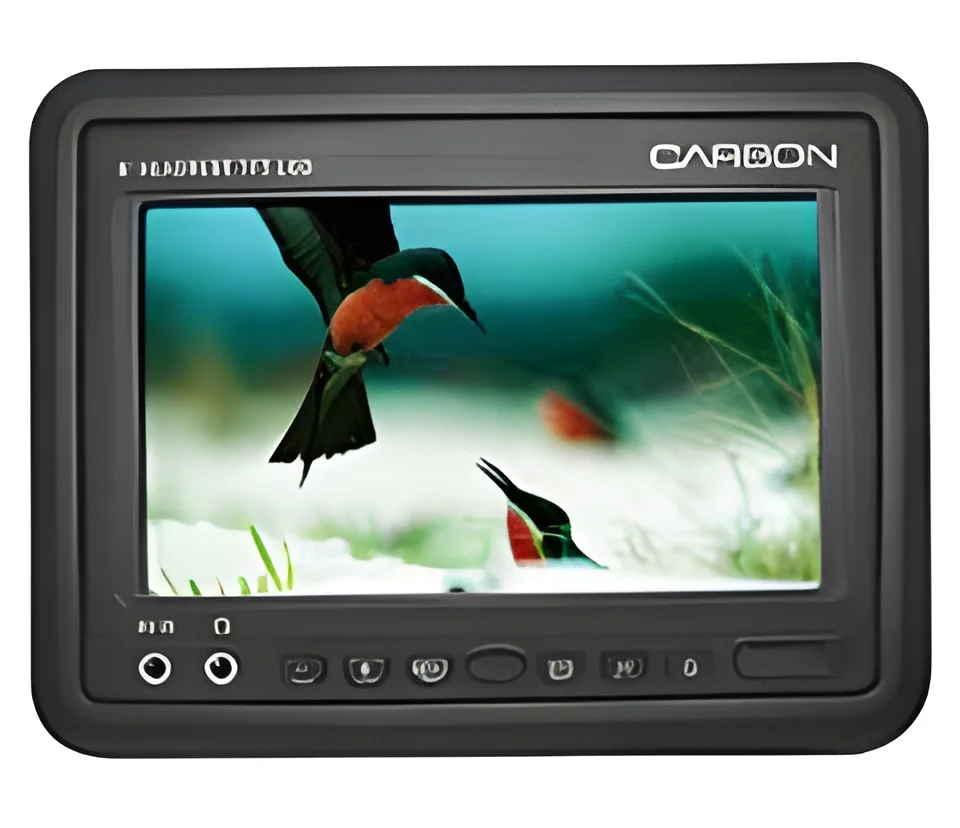
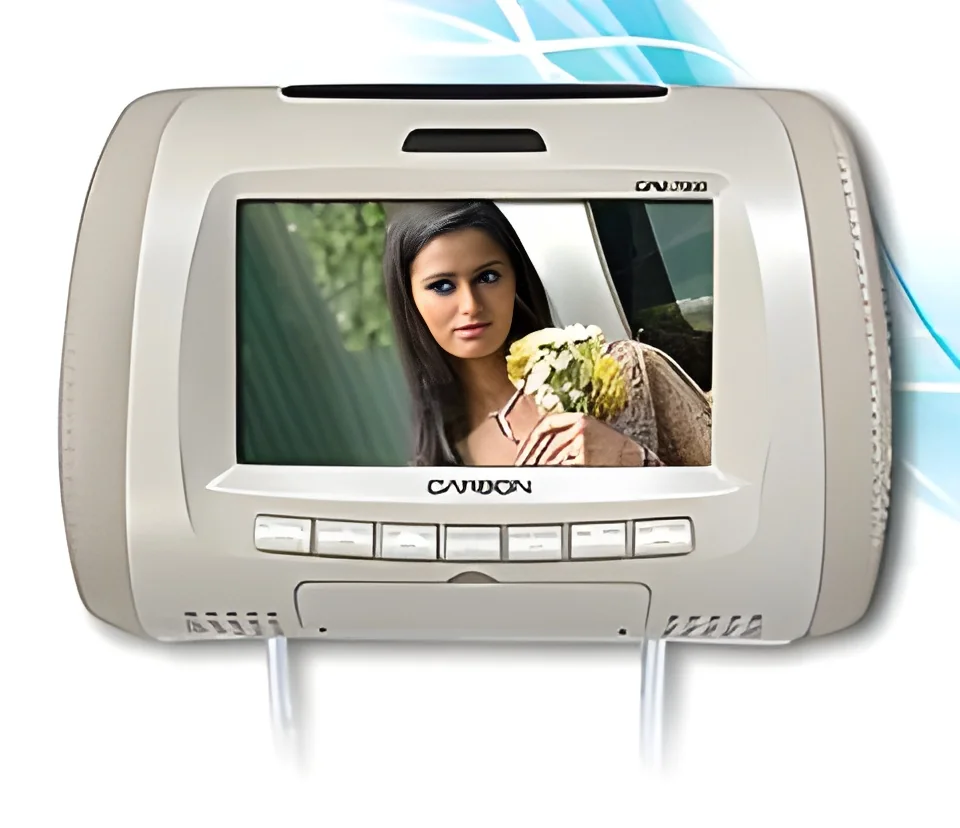
Rear Seat Entertainment Screens
2 products available
What are Rear Seat Entertainment Screens?
Rear Seat Entertainment Screens are advanced multimedia displays designed to enhance passenger experience in vehicles, particularly in the rear seating area. These screens provide entertainment options such as movies, television shows, games, and more. Typically integrated into the back of front seats or mounted on the roof, these screens offer a way to keep passengers engaged during long journeys. They often come equipped with various connectivity options to allow streaming from personal devices or built-in media sources.
The primary use of Rear Seat Entertainment Screens is in the automotive industry, particularly within luxury vehicles, family vans, and fleet vehicles. Businesses such as transportation services, rental companies, and luxury car manufacturers implement these systems to elevate the travel experience for their clients. The relevance of these screens in the industry is growing, driven by consumer demand for in-car entertainment and connectivity. As technology advances, the market for these screens is expanding, with various options available to cater to the needs of different vehicle types and passenger demographics.
Key Features and Specifications
Rear Seat Entertainment Screens come with a multitude of features designed to enhance usability and functionality. These features make them appealing to both manufacturers and end-users. Key specifications can vary based on the model and intended use.
Key specifications include:
1. Screen Size
- Typically ranges from 7 inches to 12 inches diagonally
- Larger screens offer better visibility for passengers
2. Resolution
- Common resolutions include 720p and 1080p
- Higher resolutions provide clearer and more vibrant images
3. Connectivity Options
- HDMI, USB, and wireless connectivity
- Allows integration with smartphones and tablets
4. Audio Output
- Support for Bluetooth and wired headphone connections
- Ensures a private listening experience for passengers
5. Touchscreen Capability
- Many models feature touch capabilities for easy navigation
- Enhances user interaction and control
6. Built-in Media Players
- Some screens come with integrated DVD or Blu-ray players
- Allows playback of physical media without external devices
7. Customization Options
- Various colors and finishes available
- Allows for aesthetic integration with vehicle interiors
In summary, Rear Seat Entertainment Screens feature a range of specifications that cater to various user needs, enhancing the travel experience for passengers.
Common Applications and Use Cases
Rear Seat Entertainment Screens are utilized across numerous industries, catering to diverse passenger needs and enhancing user experience.
1. Automotive Industry: Luxury vehicles and family cars use these screens to keep passengers entertained during long trips, contributing to a comfortable travel environment.
2. Transportation Services: Companies offering chauffeur services or shuttle transportation use these screens to provide entertainment options for clients, enhancing service value.
3. Rental Car Companies: Many rental services equip their vehicles with entertainment screens to attract families and long-distance travelers looking for added comfort.
4. Corporate Fleets: Businesses with company cars use these systems to provide entertainment for employees during travel, making commutes more enjoyable.
5. Hospitality Industry: Hotels may provide shuttle services with vehicles equipped with entertainment screens to enhance guest experience.
6. School Transportation: Buses equipped with entertainment screens can keep students engaged during longer commutes, making travel more enjoyable.
7. Aviation Industry: While not common in all aircraft, some private jets offer rear seat entertainment systems to enhance the travel experience for passengers.
Product Variants and Subcategories
Rear Seat Entertainment Screens come in various models to meet specific needs and preferences.
Standard Model
This model features a single screen with basic functionality, ideal for budget-conscious customers looking for essential entertainment features.
Dual Screen Model
This variant includes two screens, allowing multiple passengers to enjoy different content simultaneously, catering to families or groups.
Portable Model
These screens can be mounted or used independently, providing flexibility for users who travel frequently or need entertainment on the go.
Integrated Model
These screens are built into the vehicle design, offering seamless aesthetics and advanced features, typically found in luxury vehicles.
Benefits and Advantages
Rear Seat Entertainment Screens offer numerous benefits that enhance passenger experiences during travel.
1. Enhanced Passenger Experience: These screens provide entertainment options that make long journeys more enjoyable for passengers.
2. Increased Vehicle Value: Vehicles equipped with entertainment screens can attract more customers, especially in the luxury and rental markets.
3. Customization Potential: Different screen sizes, colors, and features allow vehicles to be tailored to specific customer preferences.
4. Improved Business Image: Transportation companies that offer advanced entertainment options can enhance their brand image and customer satisfaction.
5. Versatile Content Options: With various connectivity options, users can access a wide range of media, catering to different tastes and preferences.
6. Reduced Driver Distraction: Keeping passengers entertained can help minimize distractions, allowing drivers to focus on the road.
Buying Guide for B2B Buyers
When sourcing Rear Seat Entertainment Screens, there are several crucial factors to consider.
1. Quality Assessment: Evaluate the materials and technology used in the screens. Look for durability and performance standards that ensure long-lasting use.
2. Supplier Verification: Vet potential suppliers by checking their industry reputation and product reviews. Ensuring they have a reliable track record is essential.
3. Pricing and MOQ: Understand the cost structure and minimum order quantities required by suppliers to ensure budget compliance.
4. Delivery and Lead Times: Discuss logistics with suppliers to determine delivery schedules and lead times, ensuring timely availability of products.
5. Compliance Requirements: Identify any regulatory standards or certifications such as CE that may apply to the products, ensuring they meet necessary compliance criteria.
Compliance and Certifications
Rear Seat Entertainment Screens must adhere to various quality standards and certifications to ensure safety and performance.
Quality standards such as ISO 9001 ensure that manufacturing processes meet international quality management principles. Compliance with these standards helps guarantee product reliability and customer satisfaction.
In addition to quality standards, industry certifications like CE indicate that the products meet European health, safety, and environmental protection standards. This compliance is essential for products sold in European markets.
Safety and testing requirements are critical, as these screens must be safe for occupants during vehicle operation. Rigorous testing ensures that screens can withstand typical vehicle conditions.
Lastly, regional compliance considerations must be taken into account, as different countries may have specific regulations governing electronic devices in vehicles.
Why Source Rear Seat Entertainment Screens from Pepagora?
Pepagora is an excellent platform for sourcing Rear Seat Entertainment Screens, offering several key advantages to B2B buyers.
Verified Supplier Network: Pepagora connects buyers with a network of verified suppliers, ensuring that manufacturers meet industry standards and customer expectations. This verification process builds trust and confidence in sourcing.
Streamlined RFQ Process: The request for quotation process is designed to be efficient, allowing buyers to compare offers quickly. This helps businesses make informed purchasing decisions without unnecessary delays.
Trade Assurance and Support: Buyers benefit from trade assurance features that protect transactions, providing peace of mind when sourcing products. This support includes assistance with disputes and quality assurance.
Regional Coverage: Pepagora has a broad geographic reach, covering markets like India, the GCC, and Southeast Asia. This coverage ensures that businesses in these regions can access a diverse range of suppliers and products.


Frequently Asked Questions
What are Rear Seat Entertainment Screens?
Rear Seat Entertainment Screens are display systems installed in the back of vehicles to provide entertainment options for passengers. These screens can play movies, games, and other media, enhancing the travel experience, especially on long journeys.
What are the different types of Rear Seat Entertainment Screens?
The different types of Rear Seat Entertainment Screens include overhead mounted screens, headrest mounted screens, and portable screens. Each type varies in installation method and design, catering to different vehicle types and passenger preferences.
How do I choose the right Rear Seat Entertainment Screens?
Choosing the right Rear Seat Entertainment Screens involves considering factors such as screen size, resolution, connectivity options, and compatibility with existing vehicle systems. Additionally, assess the installation requirements and the type of content you wish to display.
What are the standard specifications for Rear Seat Entertainment Screens?
Standard specifications for Rear Seat Entertainment Screens typically include display size (ranging from 7 to 12 inches), resolution (commonly 1080p), connectivity options (like HDMI, USB, and Wi-Fi), and audio capabilities. Ensure that the screens meet your specific needs for media playback.
What is the price range for Rear Seat Entertainment Screens?
The price range for Rear Seat Entertainment Screens can vary widely, typically from INR 10,000 to INR 50,000 or more, depending on the size, features, and brand. Higher-end models with advanced features may command premium prices.
What quality standards apply to Rear Seat Entertainment Screens?
Quality standards for Rear Seat Entertainment Screens generally include safety certifications, durability tests, and performance benchmarks. Look for products that adhere to industry standards to ensure reliability and longevity.
Where can I find Rear Seat Entertainment Screens suppliers in India?
You can find Rear Seat Entertainment Screens suppliers in India through online B2B marketplaces, local automotive accessory stores, and manufacturer websites. Platforms like Pepagora.com can help you connect with reputable suppliers and manufacturers.
Can Rear Seat Entertainment Screens be customized?
Yes, many manufacturers offer customization options for Rear Seat Entertainment Screens, including different sizes, colors, and additional features. Customization may depend on the supplier, so it's advisable to inquire about available options.
What is the typical minimum order quantity for Rear Seat Entertainment Screens?
The typical minimum order quantity (MOQ) for Rear Seat Entertainment Screens can vary by supplier but usually ranges from 10 to 50 units. It's essential to confirm the MOQ with the manufacturer or supplier you choose.
What is the typical lead time for Rear Seat Entertainment Screens?
The typical lead time for Rear Seat Entertainment Screens can range from 2 to 6 weeks, depending on factors such as order size, customization, and supplier location. It's recommended to discuss timelines with your chosen supplier for accurate delivery estimates.
Why Businesses Trust Pepagora
Thousands of companies trust Pepagora to source smarter and sell faster
Expand Your Sales Globally

Source Smarter,Grow Faster
