
 IN
Preventive & Predictive Maintenance
15 products available
What are Preventive & Predictive Maintenance?
Preventive and predictive maintenance are essential strategies employed within various industries to ensure the reliability and longevity of equipment. Preventive maintenance involves routine inspections and servicing of machinery based on time intervals or usage thresholds. This proactive approach aims to prevent unexpected failures by addressing wear and tear before it leads to significant issues. Predictive maintenance, on the other hand, utilizes advanced monitoring techniques and analytics to predict when maintenance should be performed based on actual equipment condition rather than fixed schedules.
These maintenance strategies find applications across several sectors, including manufacturing, transportation, and energy. By implementing preventive and predictive maintenance, businesses can minimize downtime, enhance operational efficiency, and reduce maintenance costs. Industries are increasingly recognizing the necessity of these strategies, given the rising complexity of machinery and the need for continuous operation amid competitive pressures. The market for maintenance solutions is expanding, driven by technological advancements and the growing importance of data-driven decision-making.
Key Features and Specifications
Preventive and predictive maintenance solutions provide a range of features designed to enhance operational efficiency and equipment reliability. These features often include monitoring systems, data analytics, and reporting tools that facilitate informed decision-making.
Key specifications include:
1. Monitoring Systems
- Real-time data collection on equipment performance
- Integration with IoT devices for enhanced visibility
2. Data Analytics
- Predictive algorithms that assess equipment health
- Historical performance analysis for trend identification
3. Reporting Tools
- Customizable reports for maintenance scheduling
- Alerts and notifications for upcoming maintenance tasks
4. User Interface
- Intuitive dashboards for easy navigation
- Mobile accessibility for on-the-go monitoring
5. Integration Capabilities
- Compatibility with existing enterprise systems
- APIs for seamless data exchange
6. Support and Training
- Comprehensive user training programs
- Ongoing technical support for troubleshooting
In summary, the combination of these features provides businesses with the tools they need to implement effective maintenance strategies, ultimately leading to reduced downtime and improved operational efficiency.
Common Applications and Use Cases
Preventive and predictive maintenance strategies are applicable across various industries, each benefiting from tailored solutions.
1. Manufacturing: In manufacturing, these maintenance strategies ensure production lines run smoothly. Regular maintenance checks prevent equipment failures that could halt production, while predictive analytics forecast when machines may need servicing.
2. Transportation: The transportation sector utilizes these strategies to maintain fleet vehicles and logistics equipment. Preventive maintenance schedules help ensure vehicle safety, while predictive tools monitor vehicle performance to predict failures.
3. Energy: In the energy sector, predictive maintenance is crucial for power generation equipment. Monitoring tools assess the condition of turbines and generators, preventing costly outages and improving service reliability.
4. Healthcare: Hospitals and medical facilities apply these maintenance practices to medical equipment. Regular checks ensure devices function correctly, while predictive maintenance minimizes equipment downtime.
5. Agriculture: In agriculture, farmers use predictive maintenance for machinery like tractors and harvesters. This approach allows for timely repairs, maximizing productivity during critical seasons.
Product Variants and Subcategories
Preventive and predictive maintenance solutions can vary significantly depending on the specific needs of different industries. While subcategories are not available, a diversity of features allows for tailored applications.
Basic Monitoring Solutions: These solutions focus on essential monitoring features. They provide real-time data on equipment performance, helping businesses identify issues early.
Advanced Predictive Analytics Tools: These tools utilize machine learning and AI to predict maintenance needs accurately. They analyze vast amounts of data to forecast potential failures, allowing for proactive interventions.
Mobile Maintenance Applications: These applications enable on-the-go monitoring and alerts. They empower maintenance teams to respond quickly to equipment issues, enhancing overall responsiveness.
Benefits and Advantages
Implementing preventive and predictive maintenance offers numerous advantages for organizations seeking to enhance operational efficiency.
1. Reduced Downtime: Scheduled maintenance prevents unexpected equipment failures, minimizing production interruptions.
2. Cost Savings: By avoiding major repairs and extending equipment lifespan, companies can significantly reduce maintenance costs.
3. Enhanced Safety: Regular maintenance checks help ensure equipment operates safely, reducing the risk of accidents.
4. Improved Efficiency: Predictive tools optimize maintenance schedules, ensuring that resources are allocated effectively.
5. Data-Driven Decisions: With real-time monitoring and analytics, businesses can make informed decisions regarding their maintenance strategies.
6. Competitive Advantage: Companies that adopt these practices can differentiate themselves through improved reliability and operational excellence.
Buying Guide for B2B Buyers
When sourcing preventive and predictive maintenance solutions, buyers should consider several critical factors.
1. Quality Assessment: Look for solutions that meet industry standards and provide robust performance data. Evaluate the reliability and durability of the equipment being maintained.
2. Supplier Verification: Vet potential suppliers through references and reviews. Ensure they have a solid track record in providing maintenance solutions.
3. Pricing and MOQ: Understand the pricing structure and any minimum order quantities. Assess whether the cost aligns with your budget and expected return on investment.
4. Delivery and Lead Times: Consider logistics and delivery timelines. Ensure the supplier can meet your operational timelines to avoid disruptions.
5. Compliance Requirements: Be aware of regulatory compliance needs pertinent to your industry. Verify that the maintenance solutions meet these requirements to avoid legal issues.
Compliance and Certifications
Compliance with industry standards and certifications is vital for ensuring the quality and safety of preventive and predictive maintenance solutions. Key standards include ISO 9001, which outlines quality management principles, and CE certification, indicating compliance with EU safety and health regulations.
Safety and testing requirements vary based on equipment and industry but generally focus on ensuring reliability and minimizing risks. Additionally, regional compliance considerations may impact the deployment of maintenance practices, particularly in distinct markets such as North America, Europe, or Asia.
Why Source Preventive & Predictive Maintenance from Pepagora?
Pepagora stands out as a trusted platform for sourcing preventive and predictive maintenance solutions, offering several key advantages.
Verified Supplier Network: Pepagora maintains a rigorous verification process for suppliers, ensuring that buyers have access to reputable and reliable vendors. This network fosters confidence in sourcing decisions.
Streamlined RFQ Process: The Request for Quotation system simplifies the sourcing process. Buyers can easily request quotes from multiple suppliers, facilitating competitive pricing and informed choices.
Trade Assurance and Support: Pepagora provides trade assurance to protect buyers throughout the purchasing process. Comprehensive support ensures that any issues are promptly addressed, enhancing buyer satisfaction.
Regional Coverage: With a broad geographic reach across India, the GCC, and Southeast Asia, Pepagora enables businesses to connect with suppliers in key markets. This regional focus helps buyers find local solutions that meet their specific needs.
In conclusion, sourcing preventive and predictive maintenance solutions from Pepagora offers advantages in quality, efficiency, and reliability, supporting businesses in achieving their operational goals.


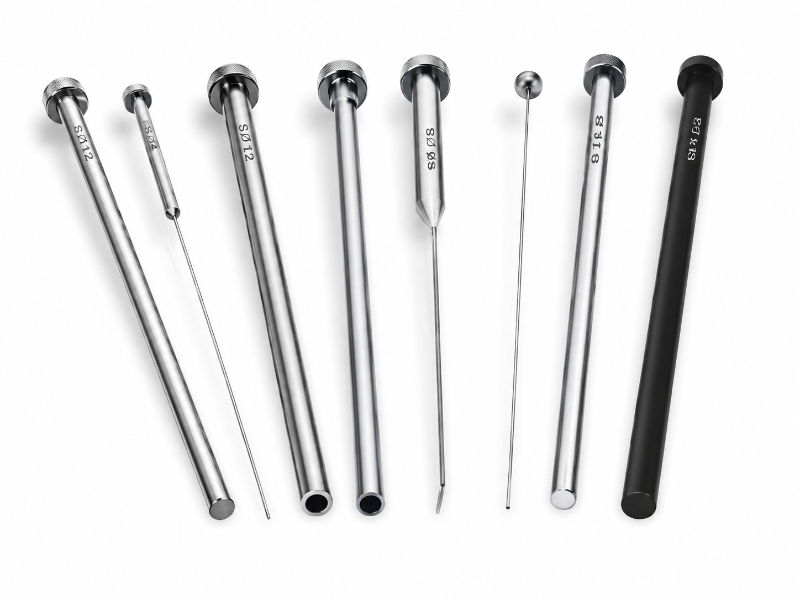
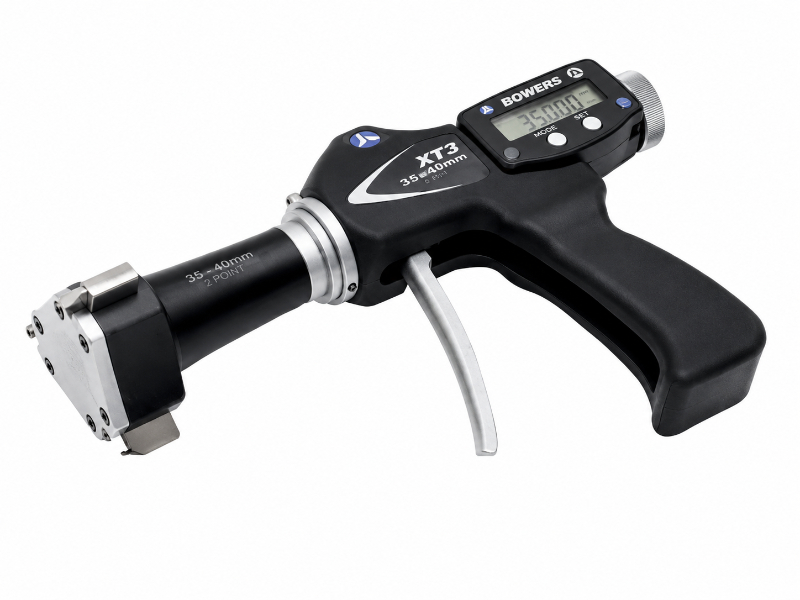

 India
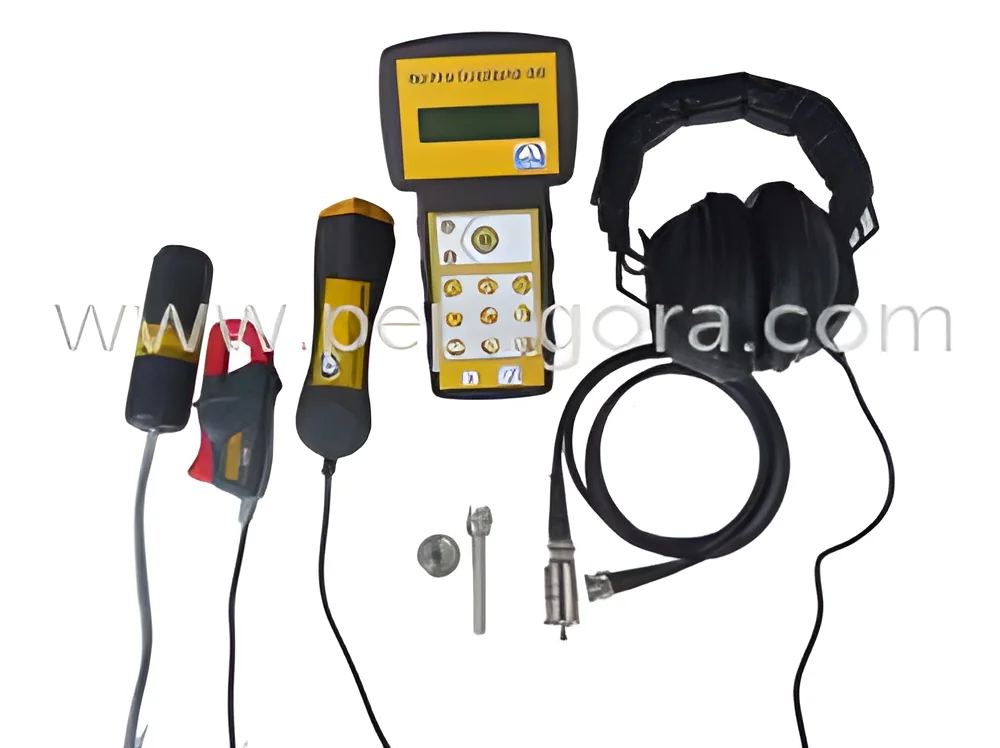

 India
 India
 India
 India
 India

Frequently Asked Questions
What are Preventive & Predictive Maintenance?
Preventive & Predictive Maintenance refers to strategies used to maintain equipment and machinery to prevent unexpected failures. Preventive maintenance involves regularly scheduled inspections and servicing, while predictive maintenance uses data and analytics to predict when maintenance should be performed.
What are the different types of Preventive & Predictive Maintenance?
There are several types of Preventive & Predictive Maintenance, including time-based maintenance, usage-based maintenance, and condition-based maintenance. Each type focuses on different factors such as time intervals, equipment usage, or real-time data monitoring to optimize maintenance schedules.
How do I choose the right Preventive & Predictive Maintenance?
Choosing the right Preventive & Predictive Maintenance involves assessing your specific equipment needs, operational environment, and maintenance goals. It is important to consider factors such as the type of machinery, the criticality of operations, and available resources for implementation.
What are the standard specifications for Preventive & Predictive Maintenance?
Standard specifications for Preventive & Predictive Maintenance generally include guidelines on maintenance frequency, required tools, and procedures for inspections and repairs. These specifications may vary based on equipment type and manufacturer recommendations.
What is the price range for Preventive & Predictive Maintenance?
The price range for Preventive & Predictive Maintenance can vary widely based on the type of service, equipment involved, and the complexity of the maintenance tasks. It is advisable to obtain quotes from multiple suppliers to understand the pricing landscape.
What quality standards apply to Preventive & Predictive Maintenance?
Quality standards for Preventive & Predictive Maintenance often include ISO certifications, industry-specific guidelines, and manufacturer standards. Compliance with these standards ensures that maintenance practices are effective and reliable.
Where can I find Preventive & Predictive Maintenance suppliers in India?
You can find Preventive & Predictive Maintenance suppliers in India through B2B marketplaces like Pepagora, industry trade shows, and online directories. These platforms provide a list of manufacturers and suppliers along with their offerings.
Can Preventive & Predictive Maintenance be customized?
Yes, Preventive & Predictive Maintenance services can often be customized to meet specific operational requirements and equipment needs. Many suppliers offer tailored maintenance plans based on the unique conditions of your facility.
What is the typical minimum order quantity for Preventive & Predictive Maintenance?
The typical minimum order quantity (MOQ) for Preventive & Predictive Maintenance services can vary by supplier and the type of maintenance being offered. It is advisable to check with individual suppliers for their specific MOQ requirements.
What is the typical lead time for Preventive & Predictive Maintenance?
The typical lead time for Preventive & Predictive Maintenance can vary based on the complexity of the service and supplier availability. Generally, it ranges from a few days to several weeks, depending on the specific requirements and scheduling.
Why Businesses Trust Pepagora
Thousands of companies trust Pepagora to source smarter and sell faster
Expand Your Sales Globally

Source Smarter,Grow Faster
