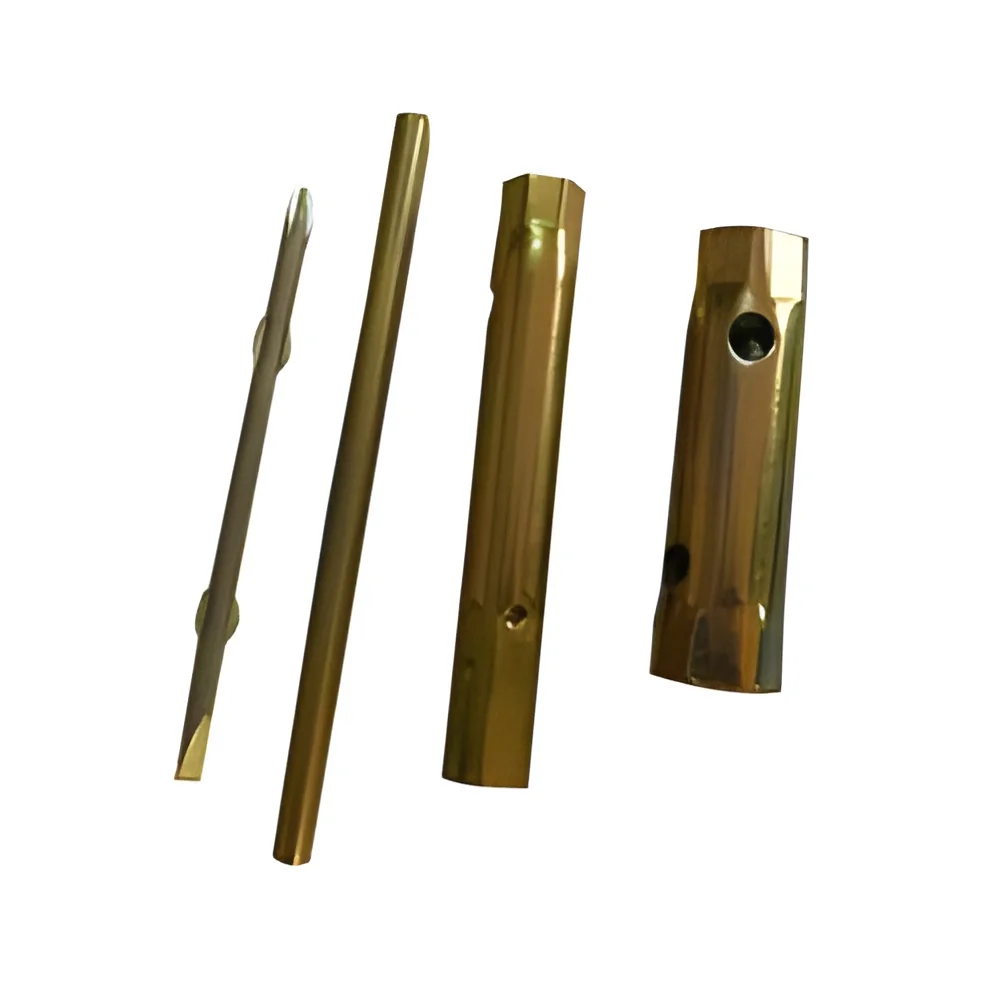
What are Portable Emergency Tool Kits?
Portable Emergency Tool Kits are essential collections of tools and equipment designed to address urgent situations that may arise in various environments. These kits typically include a variety of items such as hand tools, safety gear, and emergency supplies, all housed in a compact and easily transportable case. The primary goal of these kits is to provide immediate assistance in emergency scenarios, whether for repairs, medical needs, or safety measures.
The primary uses of Portable Emergency Tool Kits span a wide range of applications, particularly in industries such as construction, manufacturing, and logistics. Businesses utilize these kits to ensure that their employees are prepared for unexpected incidents, enabling quick responses to emergencies. This preparedness not only enhances workplace safety but also minimizes downtime and potential losses. The relevance of these tool kits has grown in recent years, with increasing recognition of the importance of readiness in both industrial and commercial sectors.
Key Features and Specifications
Portable Emergency Tool Kits are characterized by their versatile functionalities and robust construction. They are designed for ease of use and accessibility. Key specifications highlight the essential features that buyers should consider when selecting a kit for their needs.
Key specifications include:
1. Tool Variety
- A comprehensive selection of tools, including wrenches, screwdrivers, pliers, and utility knives.
- Tools are often made from durable materials to withstand heavy use.
2. Safety Equipment
- Inclusion of safety gear such as gloves, goggles, and first aid supplies.
- Ensures compliance with workplace safety regulations.
3. Portability
- Lightweight design with handles or straps for easy transportation.
- Compact size allows for storage in vehicles or tight spaces.
4. Durability
- Cases made from high-impact resistant materials to protect the contents.
- Waterproof or weather-resistant features may be included.
5. Customization Options
- Ability to tailor the kit contents based on specific business needs.
- Options for branding or labeling for corporate identity.
6. Compliance Standards
- Kits may adhere to industry-specific safety and quality standards.
- Certifications such as CE may be included.
7. User-Friendly Design
- Organized compartments for easy access to tools.
- Clear labeling for quick identification of contents.
In summary, the key features and specifications of Portable Emergency Tool Kits make them indispensable for businesses seeking to enhance their emergency preparedness and ensure worker safety.
Common Applications and Use Cases
Portable Emergency Tool Kits serve various industries, providing tailored solutions for emergency situations.
1. Construction: Workers in the construction industry rely on these kits for quick repairs and safety measures on job sites. Having tools readily available can prevent delays and ensure compliance with safety regulations.
2. Manufacturing: In manufacturing settings, these kits are vital for addressing unforeseen equipment failures. Quick access to tools allows for rapid response to maintenance needs, minimizing production downtime.
3. Logistics: Transportation and logistics companies utilize Portable Emergency Tool Kits for roadside emergencies. Drivers equipped with these kits can handle minor repairs and ensure safety during transit.
4. Healthcare: In healthcare facilities, these kits provide essential first aid supplies and tools for minor medical emergencies. They ensure that staff can respond promptly to patient needs.
5. Automotive: Automotive services and repair shops use these tool kits for on-the-spot repairs. They enhance the efficiency of services provided to customers.
6. Facilities Management: Facilities managers use these kits to address maintenance issues in commercial buildings. Quick fixes can improve operational efficiency and tenant satisfaction.
Product Variants and Subcategories
Portable Emergency Tool Kits come in various configurations to meet the diverse needs of different industries. This product diversity allows businesses to select kits that align with their specific requirements.
Basic Tool Kit
This variant includes essential hand tools and safety items suitable for general-purpose use. It is ideal for small businesses or personal use.
Comprehensive Emergency Kit
This version contains a wider array of tools, first aid supplies, and safety gear. It is designed for larger work sites or businesses with higher safety demands.
Compact Vehicle Kit
Specifically designed for automotive applications, this compact kit includes tools and emergency supplies tailored for roadside assistance. It is perfect for delivery vehicles or service trucks.
Specialized Industry Kit
These kits are customized for specific industries, such as construction or healthcare. They include tools and supplies that cater to particular challenges faced in those sectors.
Benefits and Advantages
Portable Emergency Tool Kits provide numerous benefits that can enhance workplace safety and operational efficiency.
1. Enhanced Safety: Having the right tools and supplies readily available improves workplace safety and enables quick responses to emergencies.
2. Increased Efficiency: These kits minimize downtime by allowing for immediate repairs and solutions, contributing to smoother operations.
3. Cost-Effectiveness: Investing in Portable Emergency Tool Kits can reduce costs associated with accidents and delays, ultimately saving businesses money.
4. Employee Confidence: Workers equipped with emergency tools feel more secure and prepared, leading to higher morale and productivity.
5. Compliance Assurance: These kits help businesses meet safety regulations and standards, reducing the risk of penalties and enhancing their reputation.
6. Customization Flexibility: Businesses can tailor kits to suit their specific needs, ensuring that they have the most relevant tools and supplies for their operations.
Buying Guide for B2B Buyers
When sourcing Portable Emergency Tool Kits, it is essential for B2B buyers to consider several key factors to ensure they make informed purchasing decisions.
1. Quality Assessment: Evaluate the quality of tools and materials included in the kit. Look for reputable brands and products that meet industry standards.
2. Supplier Verification: Conduct thorough vetting of suppliers to ensure they have a reliable track record and positive customer reviews. This helps in establishing trust and reliability.
3. Pricing and MOQ: Understand the pricing structure and minimum order quantities (MOQ) required by suppliers. Compare multiple quotes to find the best value.
4. Delivery and Lead Times: Inquire about delivery timelines and lead times to ensure that the kits can be received when needed, especially in urgent situations.
5. Compliance Requirements: Verify that the kits meet relevant safety and compliance standards for your industry. This may include certifications such as CE or adherence to local regulations.
Compliance and Certifications
Compliance and certifications are crucial for Portable Emergency Tool Kits, ensuring that they meet safety and quality standards required by various industries.
Relevant quality standards, such as ISO 9001, provide guidelines for maintaining high-quality management systems throughout the manufacturing process. This ensures that the products produced are consistent and reliable.
Industry certifications like CE indicate that the products meet European safety standards, providing reassurance to buyers about the safety and reliability of the kits.
Additionally, safety and testing requirements are critical in ensuring that tools and supplies are effective in emergency situations. Regular testing for durability and safety can help maintain compliance with regulations.
Regional compliance considerations may vary, so it is essential for buyers to understand the specific requirements relevant to their geographical location and industry.
Why Source Portable Emergency Tool Kits from Pepagora?
Pepagora provides a trusted platform for sourcing Portable Emergency Tool Kits, offering several key advantages that cater to B2B buyers.
Verified Supplier Network: The platform connects buyers with a network of verified suppliers, ensuring that they are sourcing from reputable and reliable manufacturers. This verification process enhances buyer confidence and reduces the risk of subpar products.
Streamlined RFQ Process: Pepagora simplifies the request for quotation (RFQ) process, allowing buyers to easily compare quotes from multiple suppliers. This efficiency saves time and helps businesses make informed purchasing decisions.
Trade Assurance and Support: Buyers benefit from trade assurance programs that protect their purchases, offering peace of mind in transactions. Support services are also available to assist with any inquiries or issues.
Regional Coverage: With a geographic reach that includes India, the Gulf Cooperation Council (GCC), and Southeast Asia, Pepagora facilitates access to Portable Emergency Tool Kits across diverse markets. This broad coverage allows businesses to source products tailored to their regional needs.
In summary, Pepagora offers a comprehensive and reliable platform for sourcing Portable Emergency Tool Kits, ensuring that B2B buyers can find the right products to enhance their operational readiness and safety.

 IN
IN
 India
India