
 IN
HVAC Tool Kits
2 products available
What are HVAC Tool Kits?
HVAC Tool Kits are specialized sets of tools designed for heating, ventilation, and air conditioning professionals. These kits typically include an array of essential instruments that assist technicians in installation, maintenance, and repair tasks related to HVAC systems. The tools vary in complexity, from basic hand tools to advanced diagnostic equipment, catering to the diverse needs of HVAC service providers.
These tool kits are primarily used in commercial and residential settings for tasks such as system installation, routine maintenance, and troubleshooting. HVAC professionals rely on these tools to ensure systems operate efficiently and to address issues promptly. The market for HVAC tool kits continues to grow, driven by the increasing demand for energy-efficient heating and cooling solutions. As businesses and consumers prioritize comfort and energy savings, well-equipped technicians are essential to meet these needs effectively.
Key Features and Specifications
HVAC Tool Kits come with a variety of features designed to enhance efficiency and ease of use. These features are tailored to meet the specific needs of HVAC professionals, ensuring they have the right tools for every job.
Key specifications include:
1. Comprehensive Tool Set
- Includes essential tools such as wrenches, pliers, screwdrivers, and more
- Typically comprises 20 to 40 different tools depending on the kit
2. Durable Construction
- Tools made from high-quality materials to withstand regular use
- Often features rust-resistant finishes for longevity
3. Portable Case
- Comes in a compact and organized carrying case
- Facilitates easy transportation and storage
4. Specialized Instruments
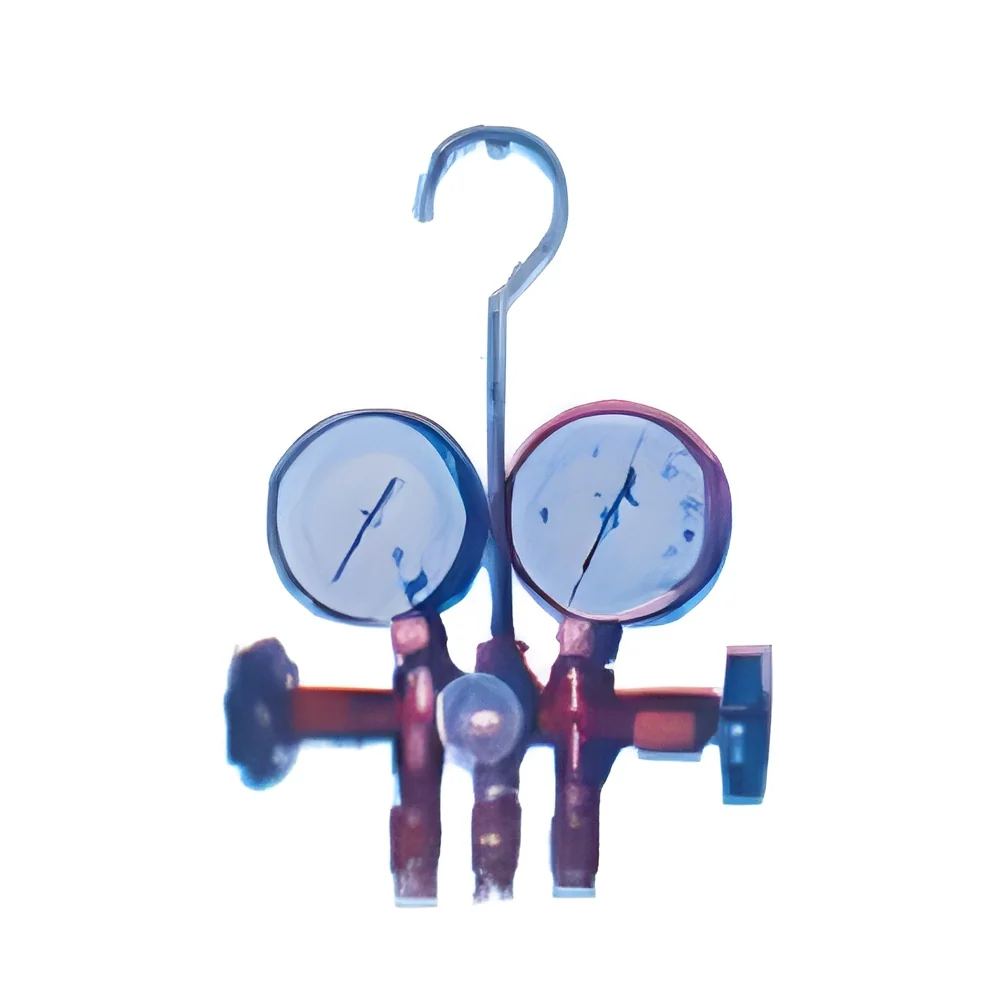
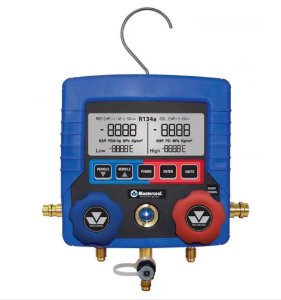
- May include advanced diagnostic tools such as manifold gauges and digital thermometers
- Supports precise measurements for system performance analysis
5. Ergonomic Design
- Tools are designed for comfort to reduce hand fatigue during extended use
- Includes features like cushioned grips and balanced weight distribution
6. Versatile Applications
- Suitable for both residential and commercial HVAC systems
- Can be used for various tasks including installation, repair, and maintenance
7. Easy Maintenance
- Tools designed for simple cleaning and upkeep
- Many components are replaceable to extend the life of the kit
8. Safety Features
- Includes tools with safety mechanisms to prevent accidents
- Often accompanied by instructions for safe handling and use
These specifications ensure that HVAC professionals are well-equipped to handle a broad range of tasks efficiently.
Common Applications and Use Cases
HVAC Tool Kits serve various industries, making them essential for multiple applications.
1. Residential HVAC: Technicians use these kits for installing and maintaining home heating and cooling systems. They ensure optimal performance and energy efficiency in residential settings.
2. Commercial HVAC: In commercial buildings, HVAC professionals rely on tool kits for larger systems that require more extensive installation and maintenance procedures. These tools help maintain air quality and comfort for employees and customers.
3. Industrial HVAC: In manufacturing and industrial environments, tool kits are crucial for maintaining complex HVAC systems that manage temperature and air quality in large facilities.
4. Refrigeration: HVAC Tool Kits are also used in refrigeration applications, where technicians perform installation and repair on cooling systems for food storage and processing.
5. Automotive HVAC: Some HVAC tools are applicable in the automotive industry, where vehicle climate control systems require specialized tools for servicing.
6. Energy Auditing: Technicians conducting energy audits use diagnostic tools from these kits to check system efficiency and recommend improvements.
7. Educational Institutions: HVAC training programs often incorporate these tool kits for students to learn hands-on skills in real-world scenarios.
Product Variants and Subcategories
HVAC Tool Kits come in various configurations to meet specific needs.
Basic HVAC Tool Kit
This variant typically includes essential hand tools such as wrenches, screwdrivers, and pliers. It is ideal for entry-level technicians needing the basics for routine maintenance and installation.
Advanced HVAC Tool Kit
This kit includes specialized tools like manifold gauges and digital thermometers. It is designed for experienced technicians who perform more complex diagnostics and repairs.
Compact HVAC Tool Kit
Aimed at professionals who need portability, this variant includes a selection of essential tools in a compact case. It is suited for technicians working in tight spaces or on the go.
Custom HVAC Tool Kit
Some suppliers offer customizable kits where users can select tools based on their specific requirements. This flexibility caters to unique job demands and preferences.
Benefits and Advantages
HVAC Tool Kits provide numerous advantages to professionals in the field.
Key benefits include:
1. Comprehensive Solutions: These kits contain a wide range of tools, ensuring technicians have everything they need for various tasks.
2. Time Efficiency: With all necessary tools in one place, technicians can complete jobs faster, reducing downtime for clients.
3. Improved Accuracy: Specialized instruments in the kits enable precise measurements, leading to better diagnostics and repairs.
4. Cost-Effectiveness: Purchasing a complete tool kit is often more economical than buying individual tools separately.
5. Increased Safety: High-quality tools with safety features minimize the risk of accidents and injuries on the job.
6. Enhanced Professionalism: Well-equipped technicians can provide better service, boosting their reputation and client satisfaction.
Buying Guide for B2B Buyers
When sourcing HVAC Tool Kits, consider several critical factors to ensure you make an informed decision.
1. Quality Assessment: Evaluate the quality of tools based on material, durability, and user reviews. High-quality tools lead to better performance and longevity.
2. Supplier Verification: Research potential suppliers by checking their credentials, customer feedback, and industry reputation. Reliable suppliers are essential for obtaining quality products.
3. Pricing and MOQ: Understand the pricing structure and minimum order quantity (MOQ) requirements. Compare prices across different suppliers to find the best value.
4. Delivery and Lead Times: Confirm the expected lead times for delivery and consider logistics when planning your purchases. Timely delivery is crucial for maintaining operations.
5. Compliance Requirements: Ensure the tools meet relevant safety and regulatory standards. This includes certifications like CE, which can impact your purchase decisions.
Compliance and Certifications
HVAC Tool Kits are subject to several compliance and certification standards that ensure quality and safety in the industry.
Relevant quality standards such as ISO 9001 ensure that products meet international management and quality assurance benchmarks. This standard signifies that a manufacturer maintains consistent quality in their products and services.
Industry certifications, such as the CE mark, indicate compliance with European health, safety, and environmental protection standards. This certification is essential for tools sold in European markets, assuring buyers of their safety and reliability.
Safety and testing requirements are critical in the HVAC industry, as the tools must perform effectively and safely in various environments. Regular testing and adherence to safety standards protect both technicians and clients.
Regional compliance considerations may vary depending on local regulations. It is essential for buyers to understand their specific regional requirements to ensure that the HVAC Tool Kits they purchase are compliant.
Why Source HVAC Tool Kits from Pepagora?
Pepagora provides a trusted platform for sourcing HVAC Tool Kits with several key advantages that benefit B2B buyers.
Verified Supplier Network: Pepagora boasts a network of verified suppliers, ensuring that buyers can trust the quality and reliability of the products offered. This verification process helps mitigate the risks associated with sourcing from unknown vendors.
Streamlined RFQ Process: The platform features an efficient Request for Quotation (RFQ) system, allowing buyers to easily obtain quotes from multiple suppliers. This process simplifies decision-making and helps buyers secure competitive pricing.
Trade Assurance and Support: Pepagora offers trade assurance, providing buyers with protection during the transaction process. This assurance gives peace of mind, knowing that there is support available should issues arise.
Regional Coverage: With a broad geographic reach, Pepagora connects buyers with suppliers in India, the GCC region, and Southeast Asia. This extensive network allows buyers to find local suppliers, reducing shipping times and costs while supporting regional businesses.

Frequently Asked Questions
What are HVAC Tool Kits?
HVAC Tool Kits are specialized sets of tools designed for the installation, maintenance, and repair of heating, ventilation, and air conditioning (HVAC) systems. These kits typically include essential tools such as wrenches, gauges, and thermometers that are specifically tailored for HVAC applications.
What are the different types of HVAC Tool Kits?
There are several types of HVAC Tool Kits available, catering to various needs. Common types include basic maintenance kits, installation kits, and specialized kits for refrigerant handling or ductwork. Each type is designed to provide the necessary tools for specific HVAC tasks.
How do I choose the right HVAC Tool Kits?
Choosing the right HVAC Tool Kits depends on the specific tasks you need to perform. Consider factors such as the type of HVAC systems you work with, the tools included in the kit, and your level of expertise. Assessing your needs will help you select a kit that provides the most value.
What are the standard specifications for HVAC Tool Kits?
Standard specifications for HVAC Tool Kits can vary, but they typically include durable tools made from high-quality materials, ergonomic designs for comfort, and a range of tools for different applications. It's important to check the specifications of individual kits to ensure they meet industry standards.
What is the price range for HVAC Tool Kits?
The price range for HVAC Tool Kits can vary widely based on the quality, number of tools, and brand. Generally, you can expect prices to range from a few thousand to several tens of thousands of Indian Rupees. Investing in a quality kit may result in better long-term performance.
What quality standards apply to HVAC Tool Kits?
HVAC Tool Kits are subject to various quality standards that ensure safety and performance. These standards may include compliance with ISO certifications, adherence to specific manufacturing guidelines, and testing for durability. It's essential to choose kits that meet recognized quality benchmarks.
Where can I find HVAC Tool Kits suppliers in India?
You can find HVAC Tool Kits suppliers in India through various channels, including online marketplaces like Pepagora, trade exhibitions, and industry directories. Researching suppliers and reading reviews can help you identify reliable manufacturers and distributors.
Can HVAC Tool Kits be customized?
Yes, many suppliers offer customization options for HVAC Tool Kits to meet specific requirements. Customization may include adding or removing tools, adjusting tool sizes, or branding the kit with your company's logo. It's advisable to discuss your needs with the supplier.
What is the typical minimum order quantity for HVAC Tool Kits?
The typical minimum order quantity (MOQ) for HVAC Tool Kits can vary by supplier and the specific kit. Generally, MOQs can range from a few kits to larger quantities, depending on the supplier's policies. It's best to confirm MOQs directly with the supplier.
What is the typical lead time for HVAC Tool Kits?
The typical lead time for HVAC Tool Kits varies based on factors such as supplier location, customization requests, and current inventory levels. Generally, you can expect lead times to range from a few days to several weeks. Always check with the supplier for the most accurate timelines.
Why Businesses Trust Pepagora
Thousands of companies trust Pepagora to source smarter and sell faster
Expand Your Sales Globally

Source Smarter,Grow Faster
