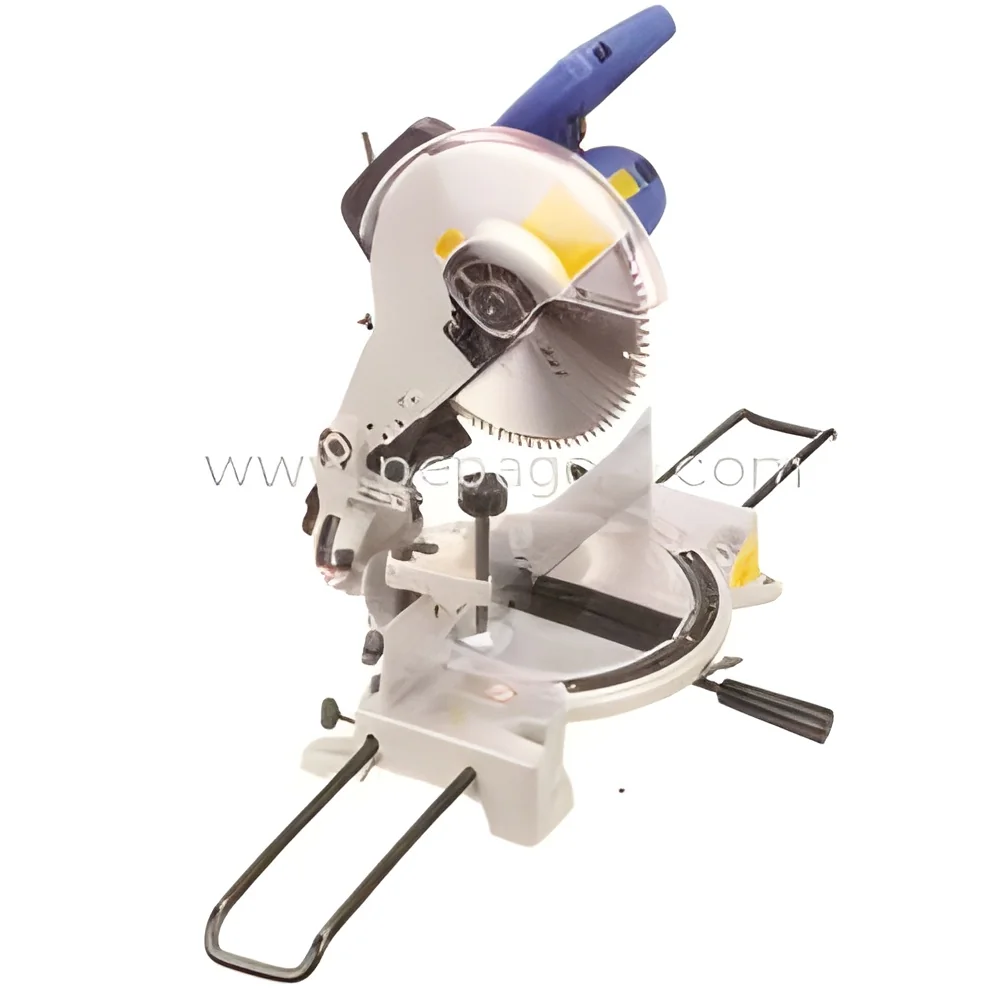
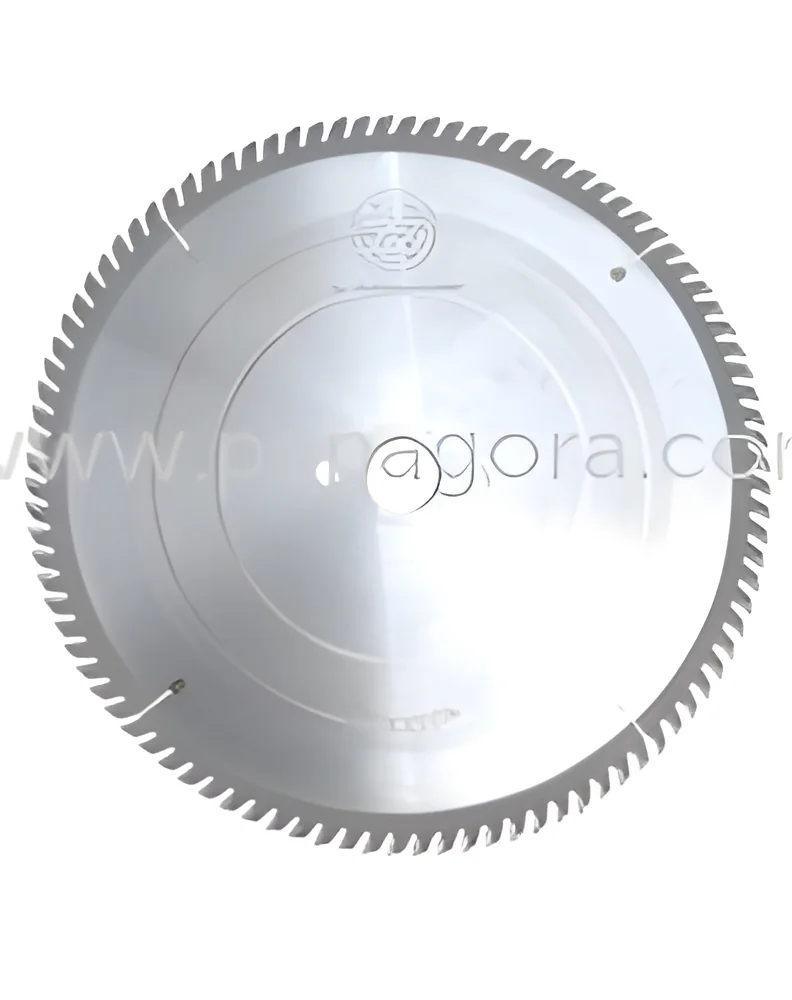
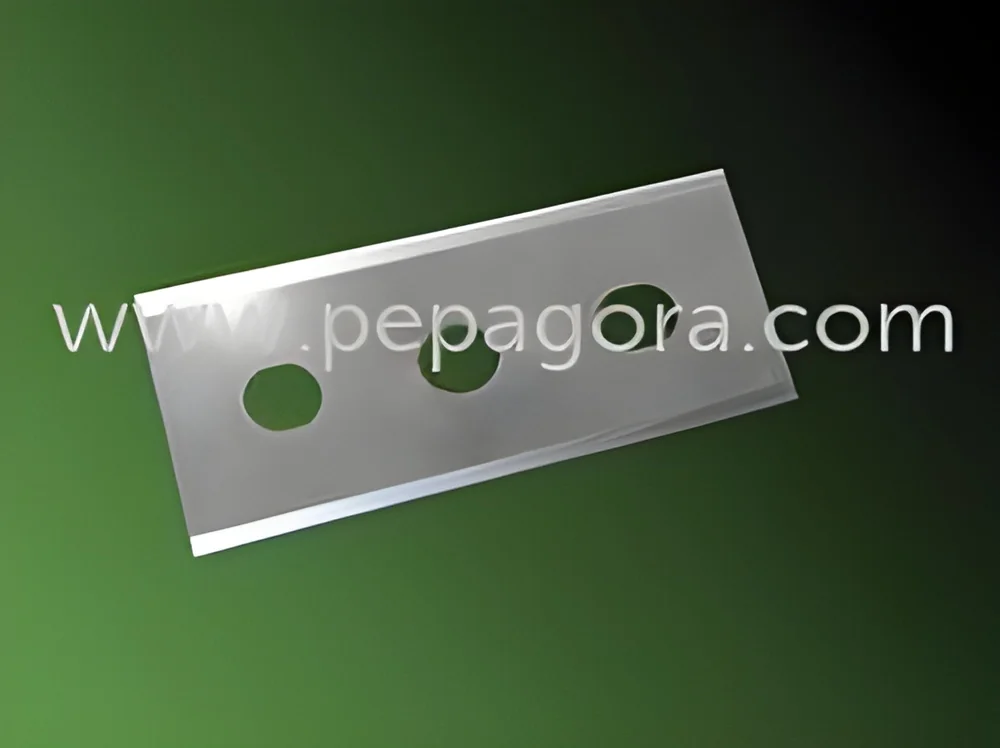
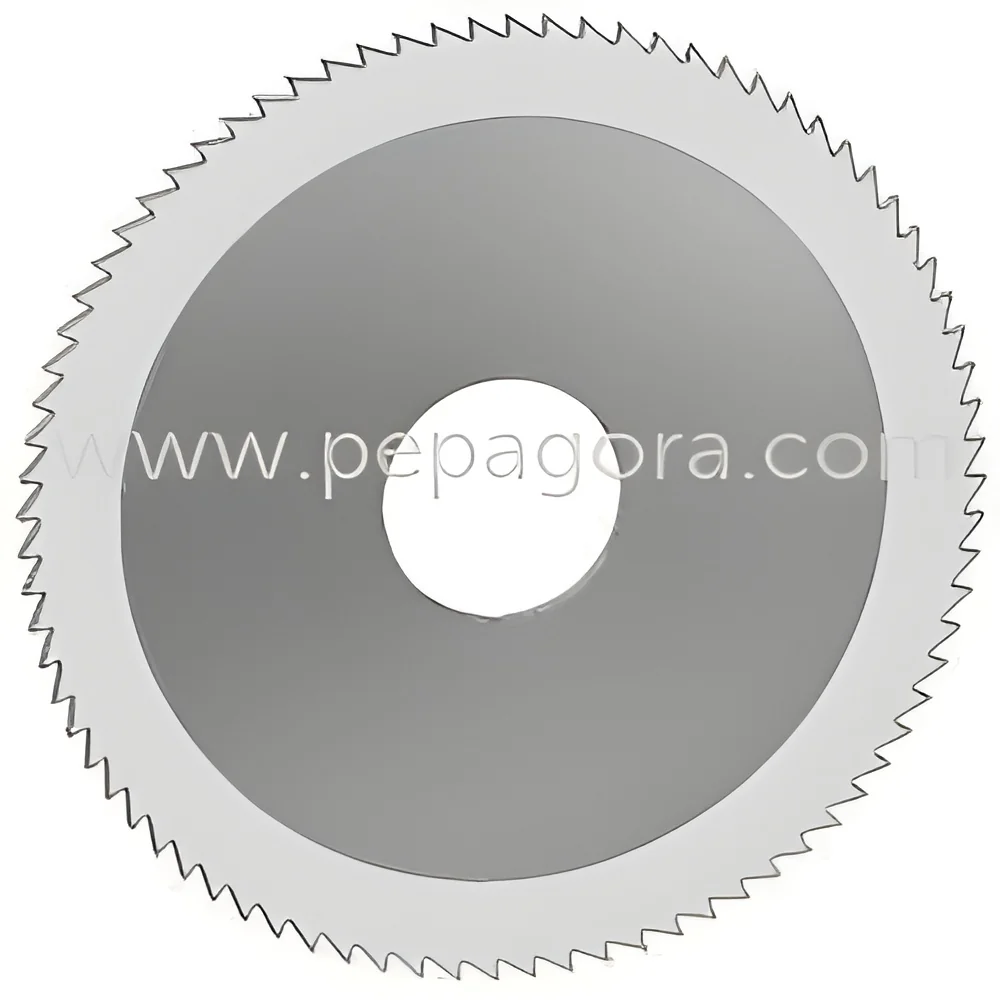
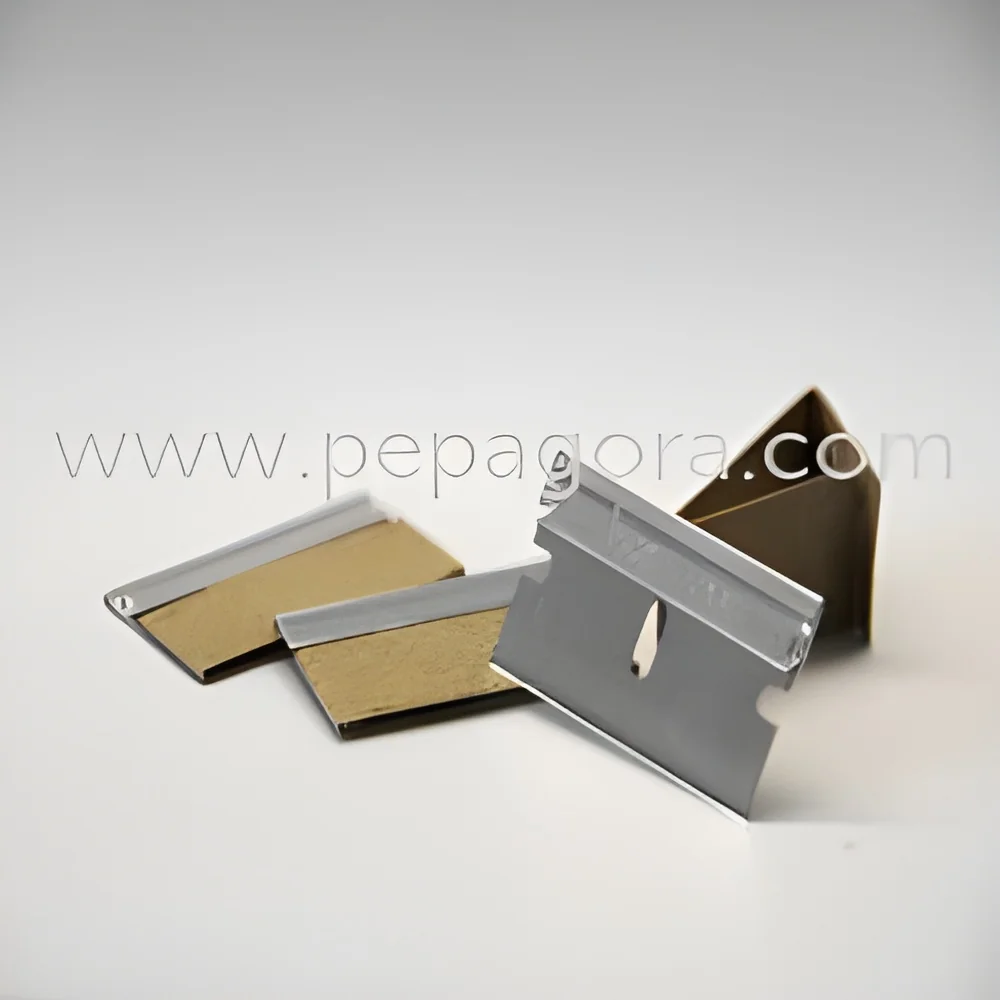
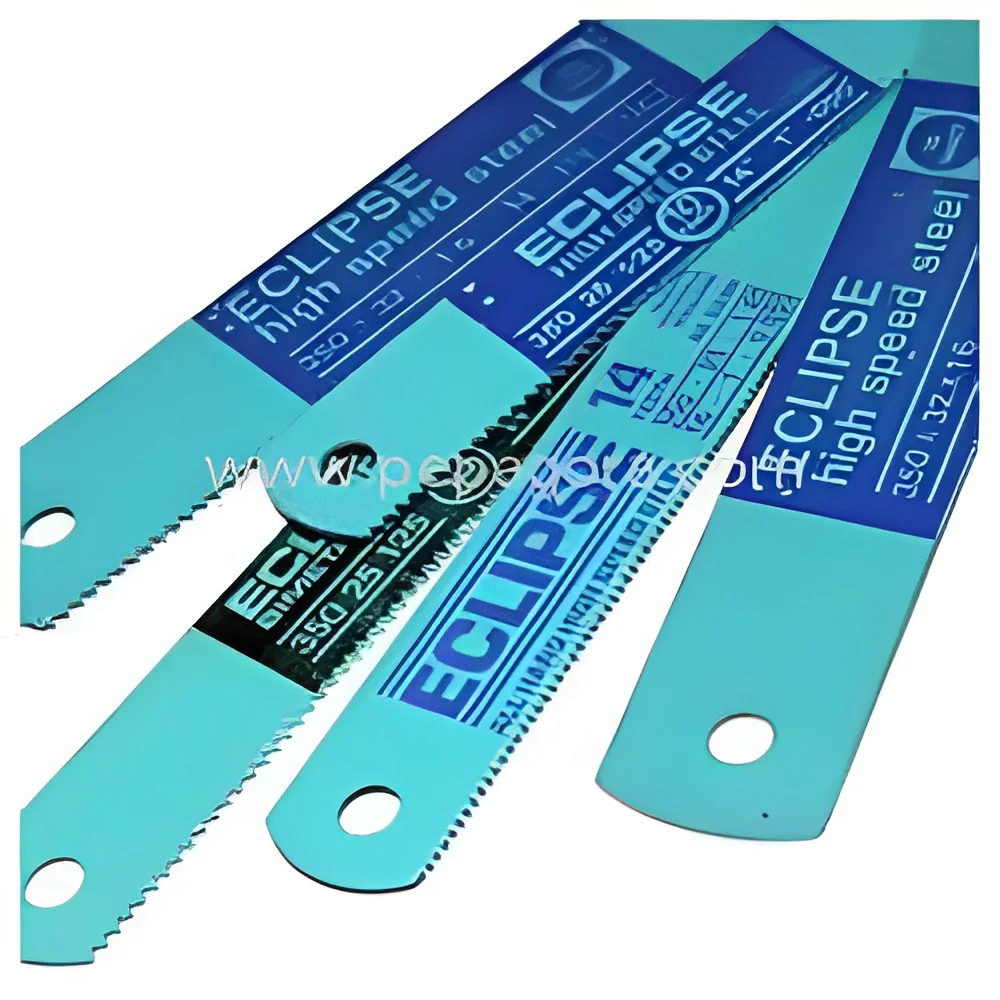
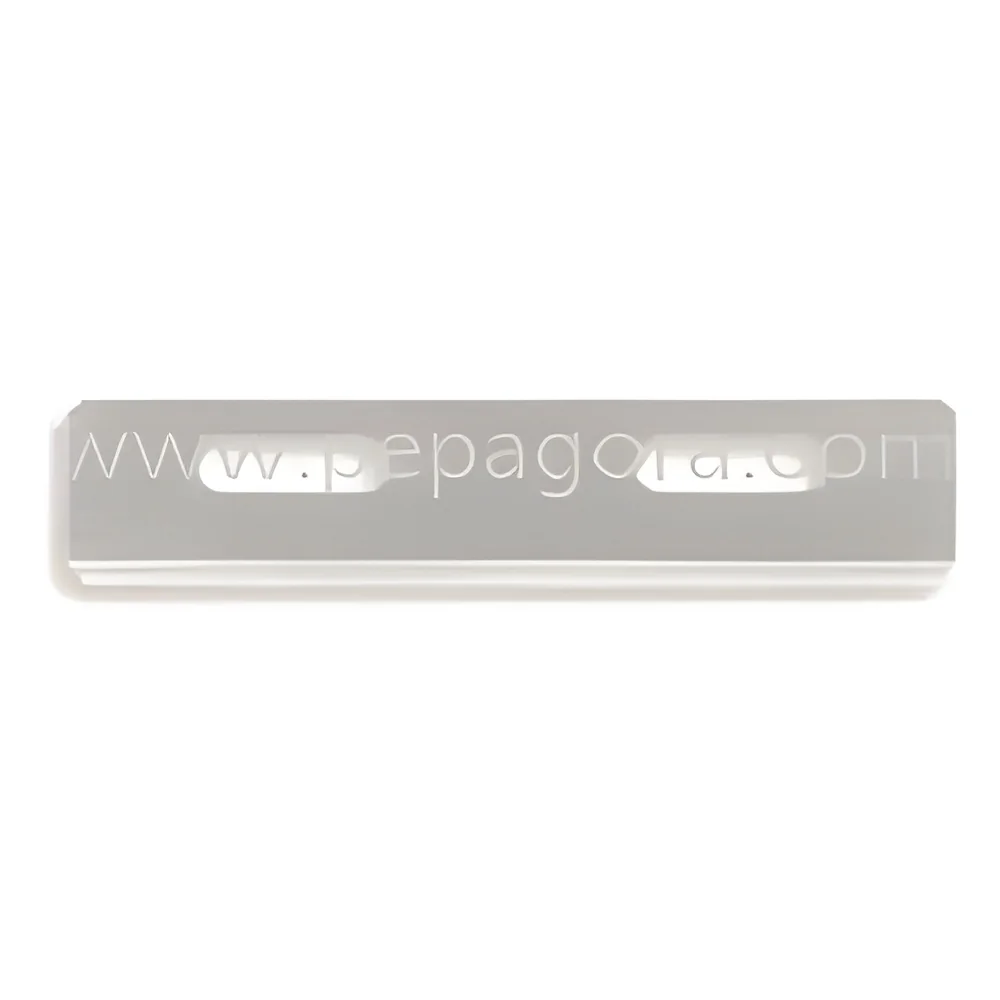
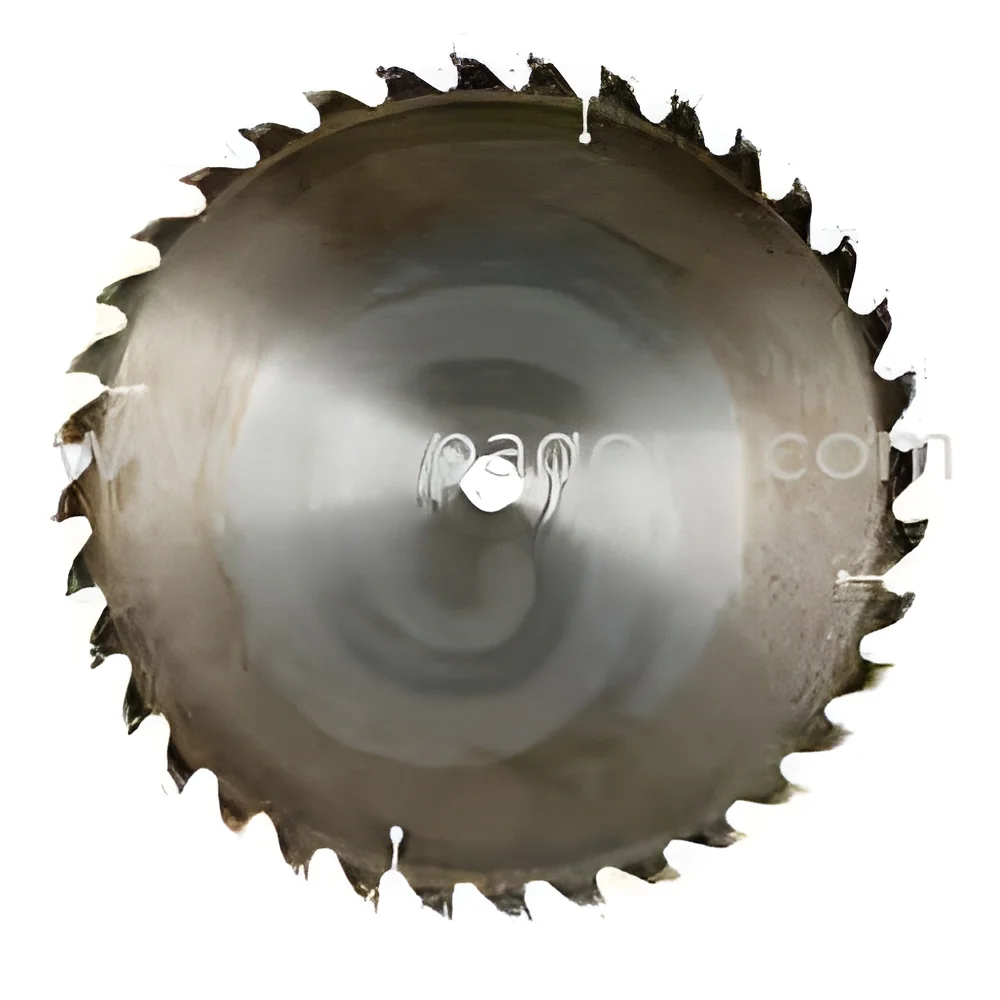
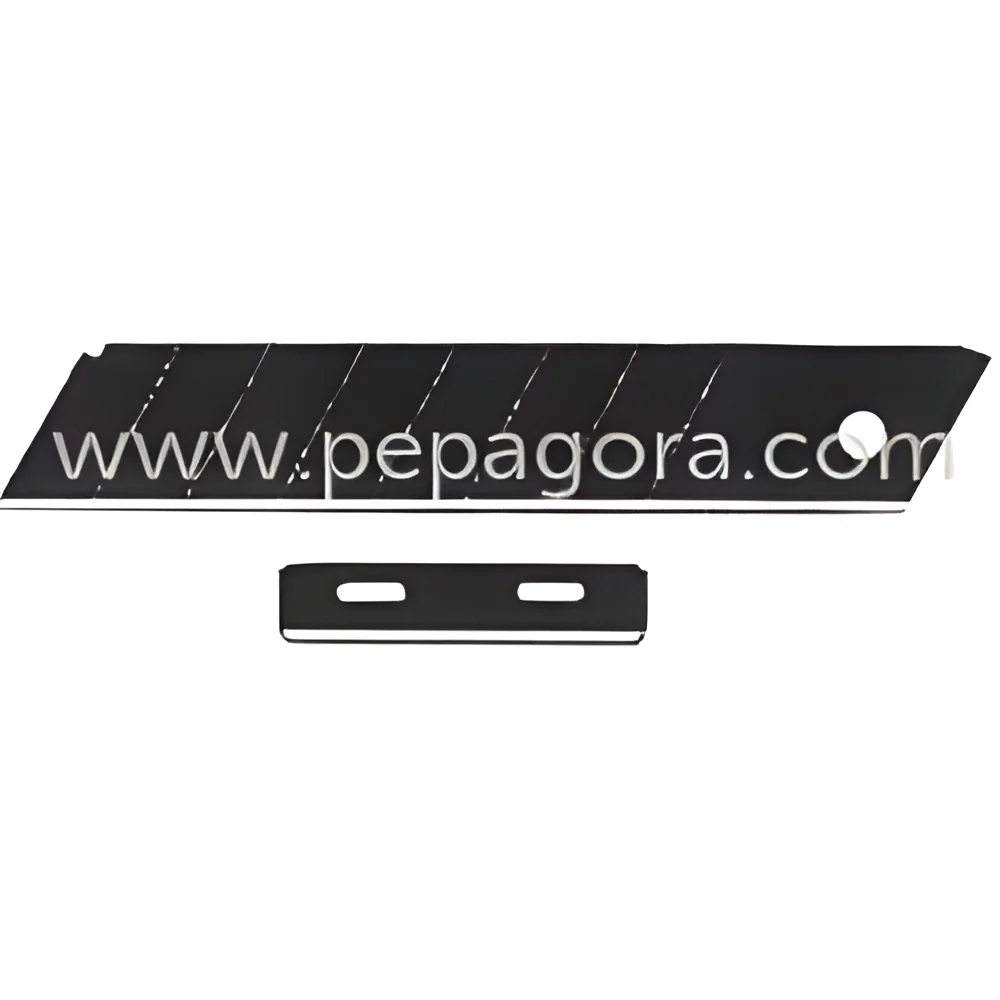
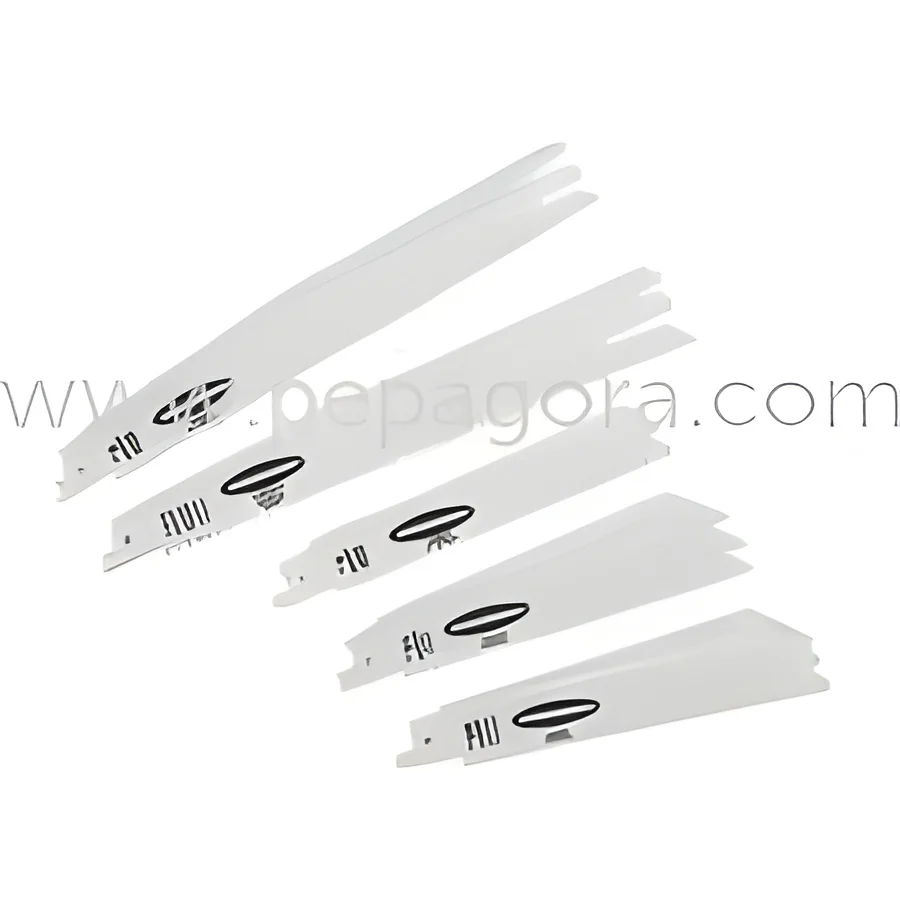
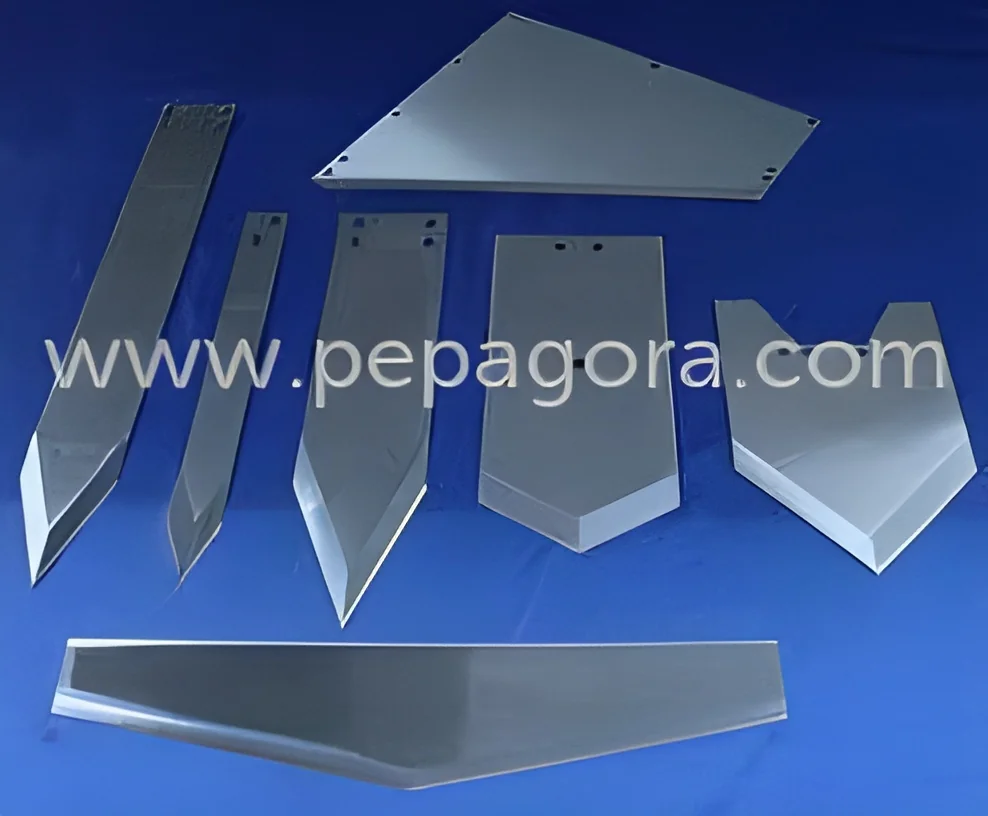
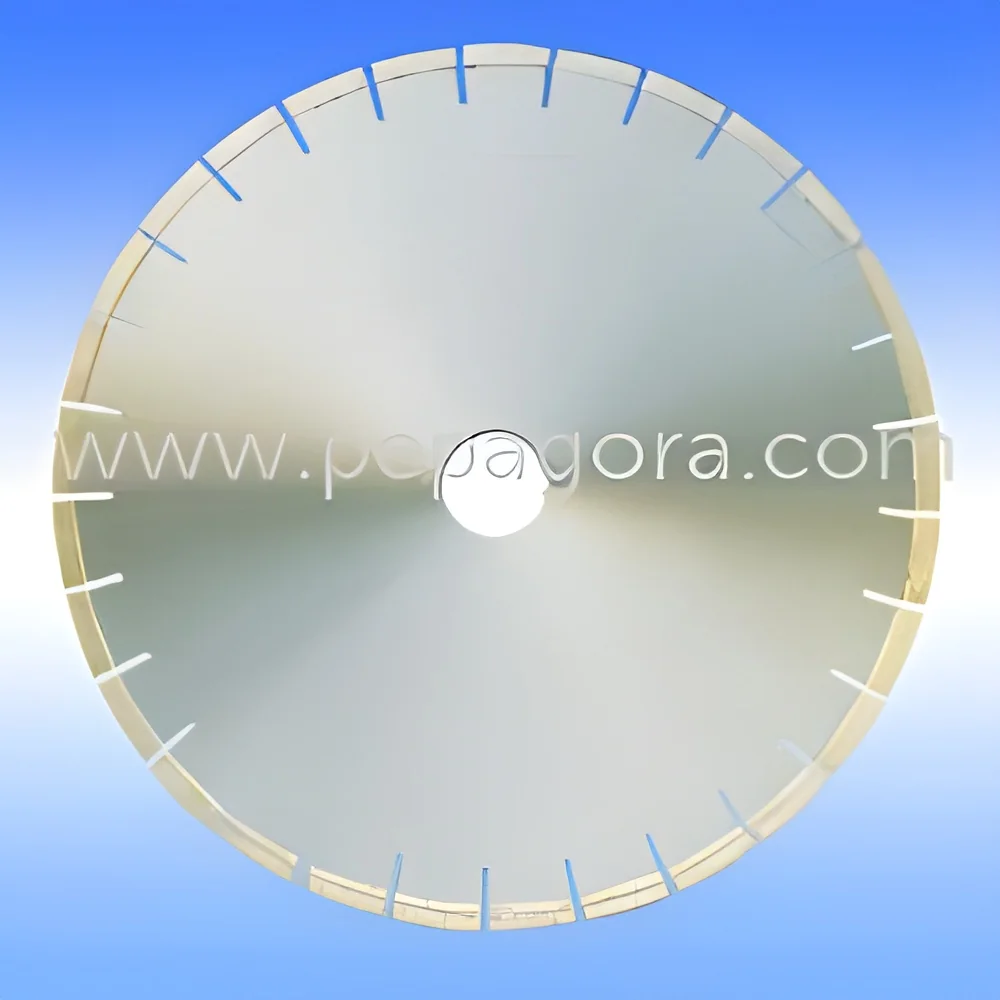
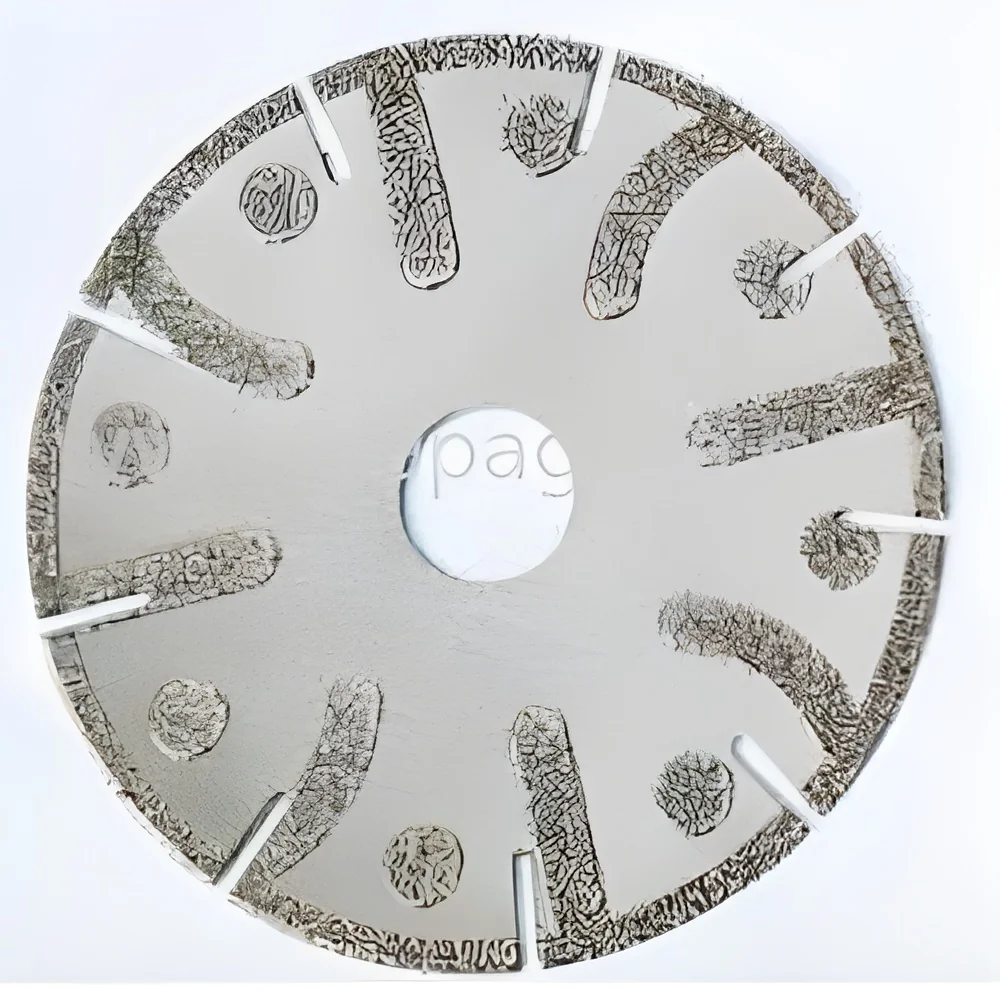
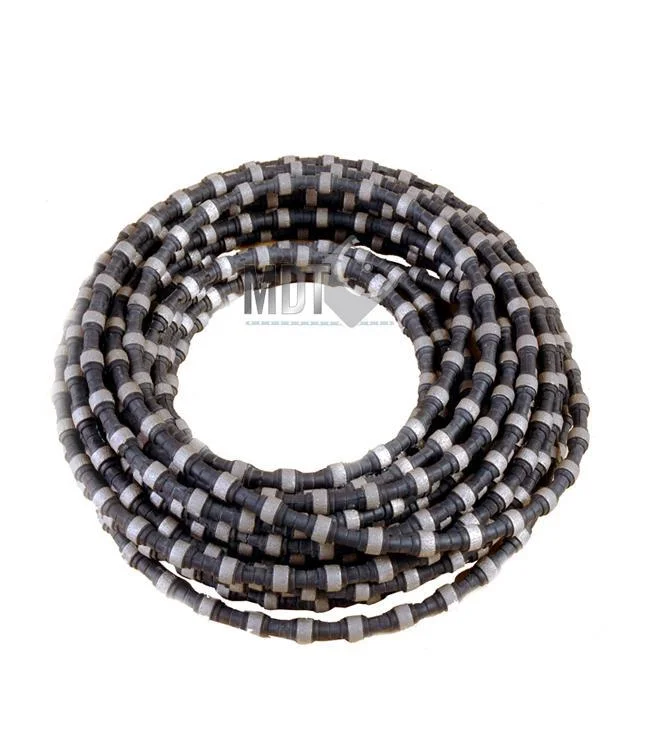
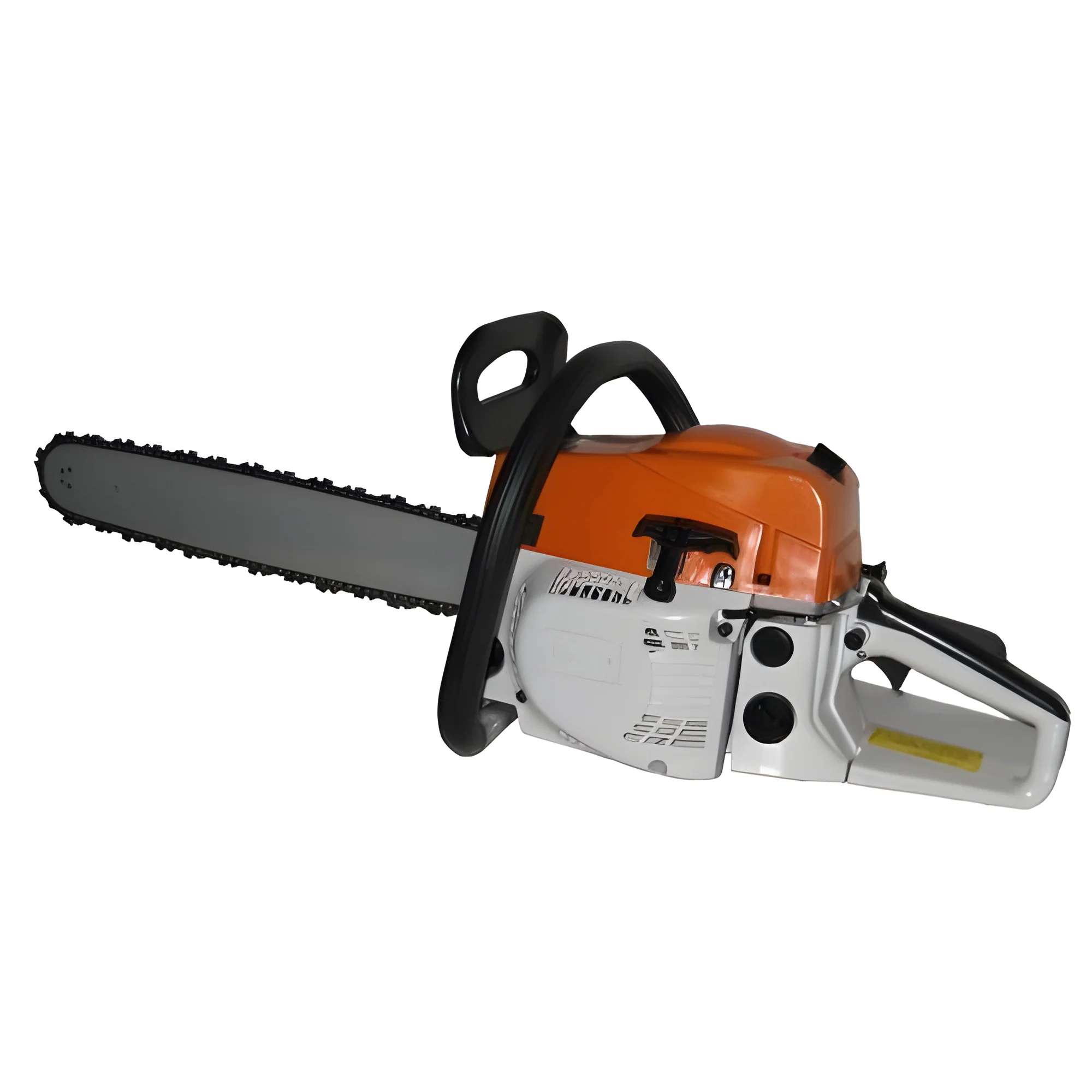
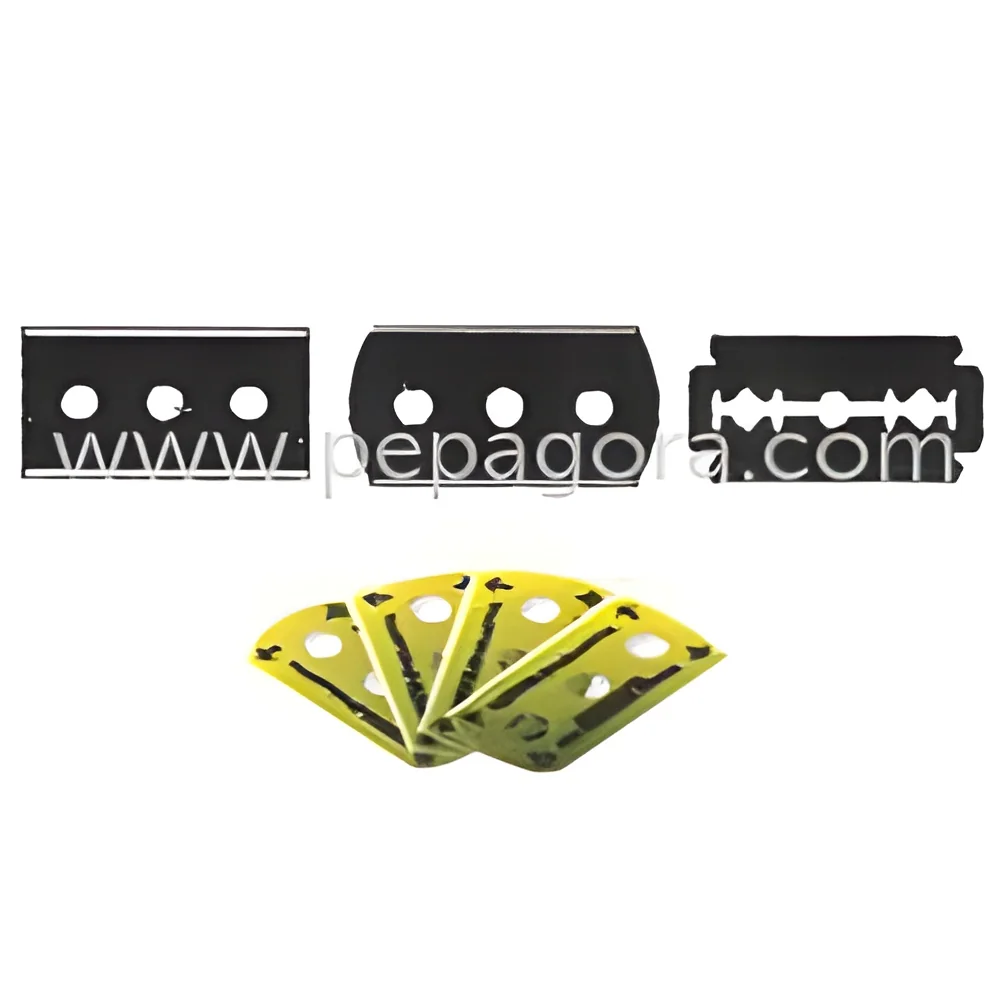
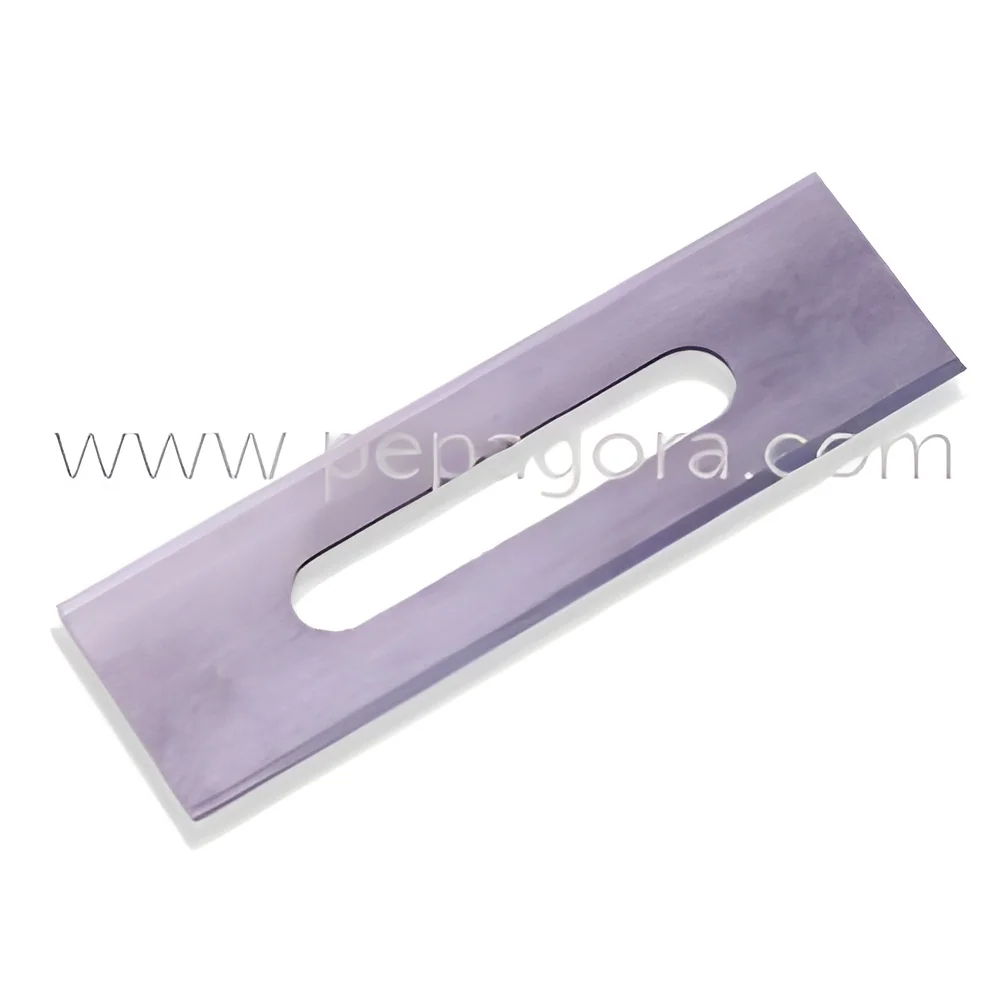
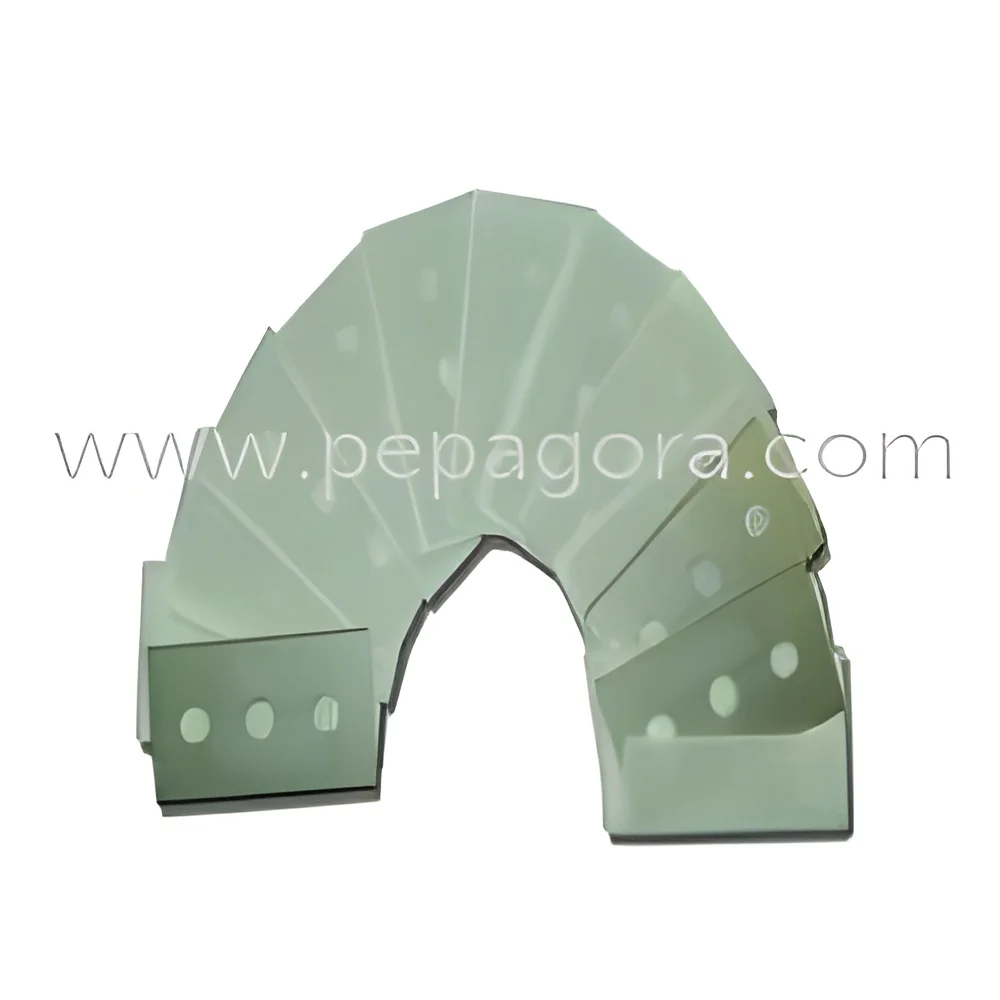
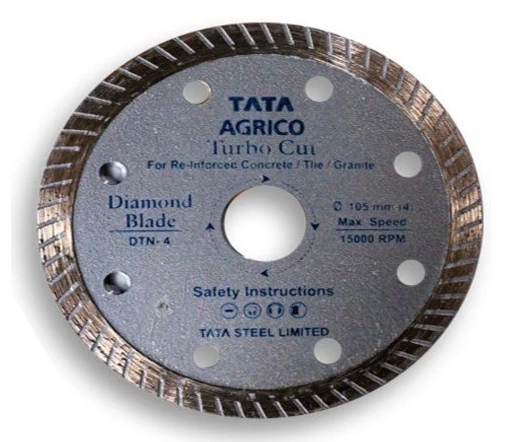
What are Saw Blade Sets?
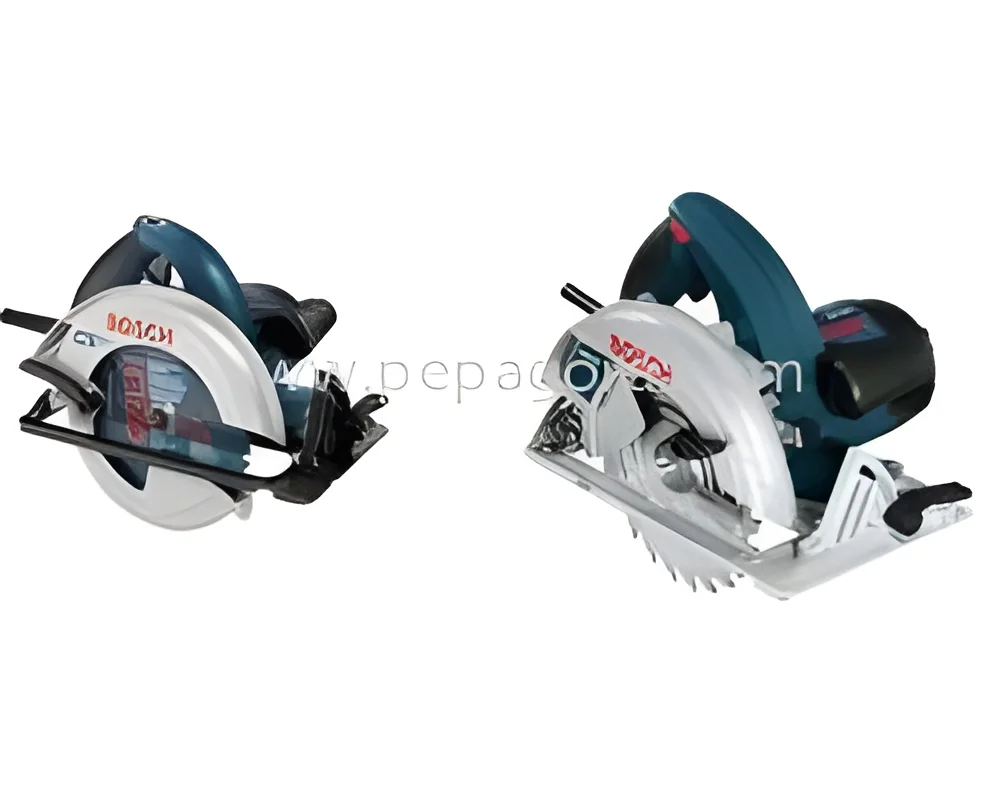
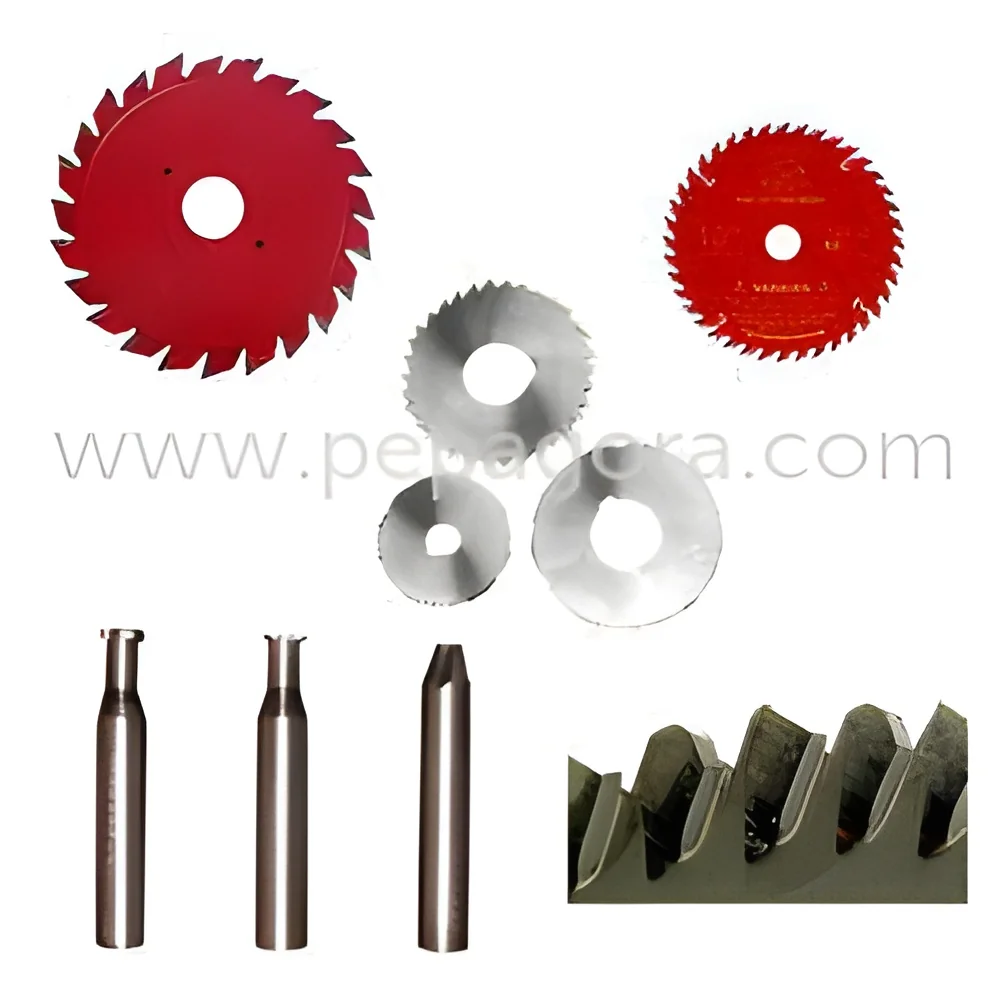
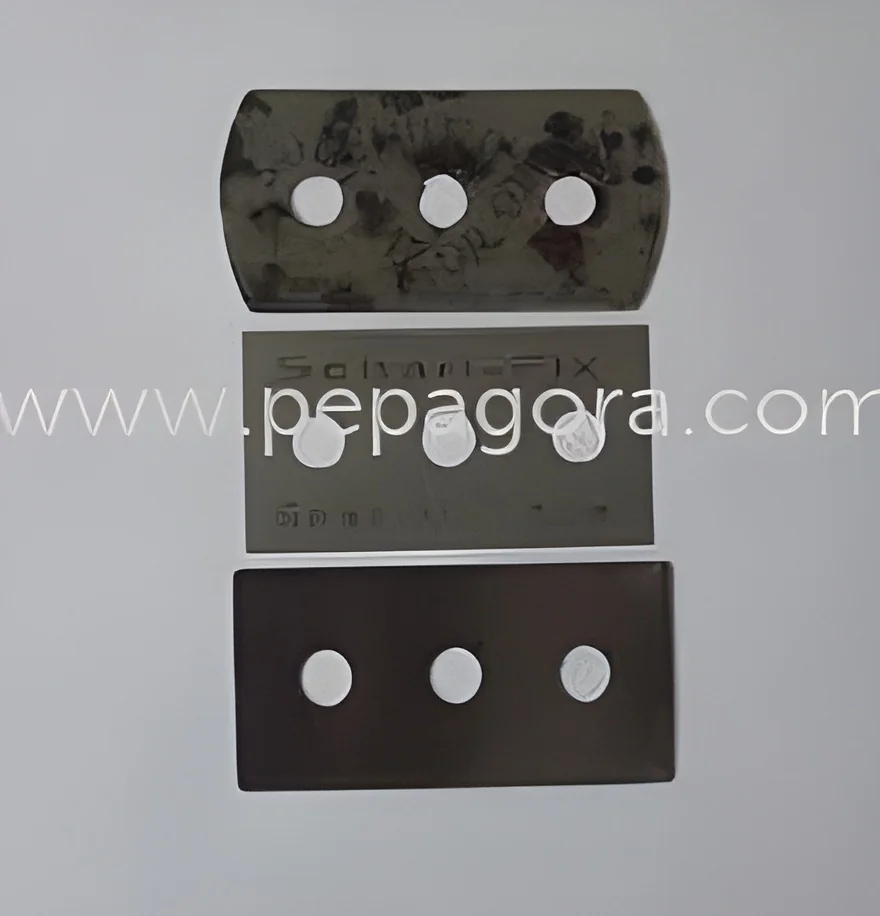
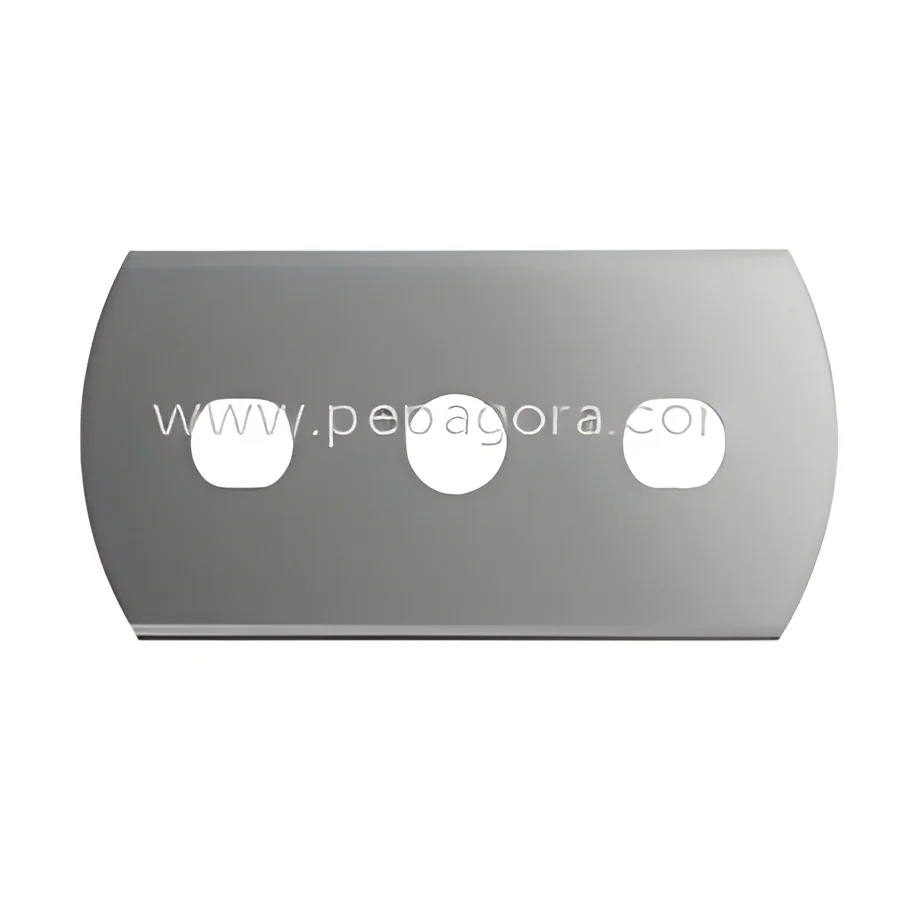
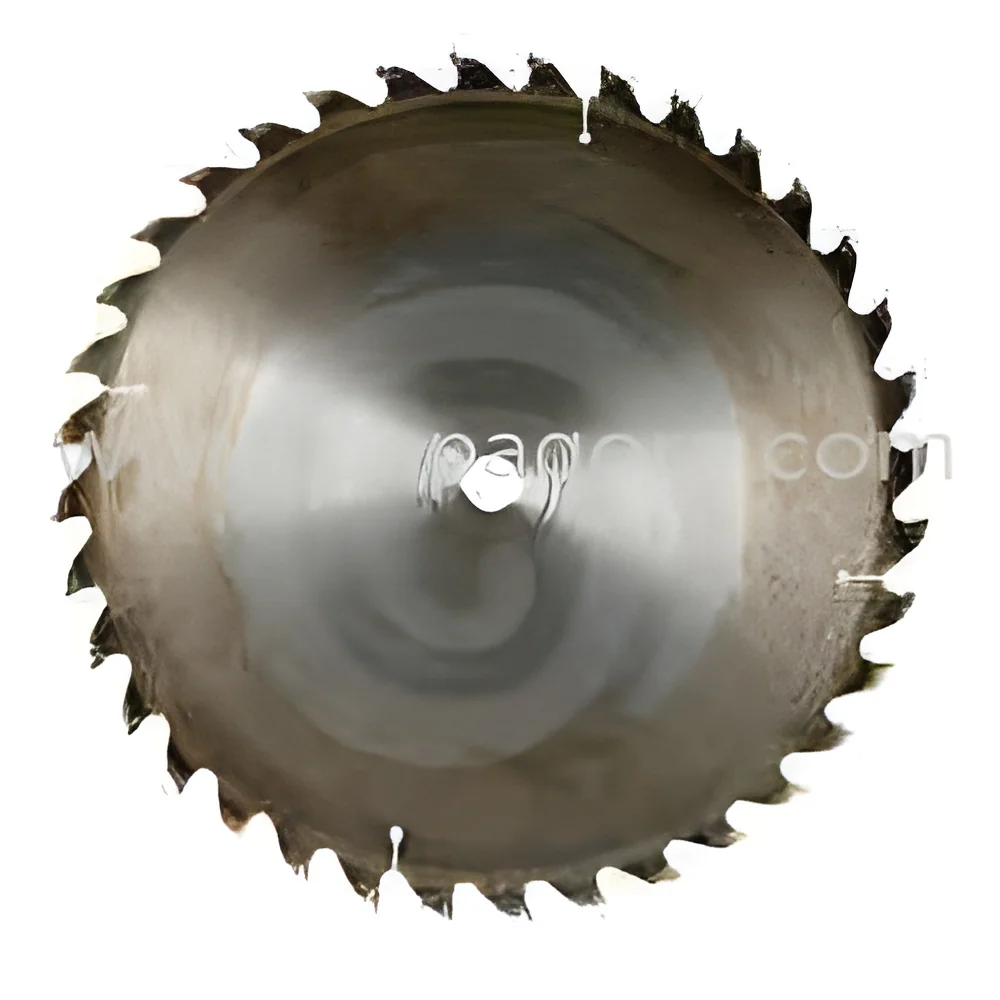
Saw Blade Sets are collections of blades designed for cutting various materials, including wood, metal, plastic, and composites. These sets typically come with multiple blade types and sizes, allowing users to tackle a wide range of cutting tasks efficiently. Each blade is engineered for specific applications, ensuring optimal performance and longevity. Saw Blade Sets are essential tools for professionals in industries such as construction, manufacturing, and woodworking.
The primary uses of Saw Blade Sets span various business applications. In the construction industry, they are employed for framing, cabinetry, and flooring projects. Manufacturers utilize these blades for precision cutting in assembly lines, while woodworking shops rely on them for intricate designs and finishes. The versatility of Saw Blade Sets makes them indispensable for businesses seeking to enhance productivity and maintain high-quality standards.
In the current market context, the demand for Saw Blade Sets is driven by advancements in materials and machining technologies. As industries evolve, the need for specialized cutting solutions increases. This trend highlights the importance of selecting the right Saw Blade Sets to meet specific operational requirements, ensuring efficiency and cost-effectiveness.
Key Features and Specifications
Saw Blade Sets are characterized by several key features and specifications that enhance their performance and suitability for various applications. Understanding these specifications is crucial for selecting the right set for your needs.
Key specifications include:
1. Blade Material
- Common materials include high-speed steel, carbide-tipped, and bi-metal.
- Each material offers different durability and cutting capabilities.
2. Tooth Count
- The number of teeth on a blade affects the finish quality and cutting speed.
- Higher tooth counts provide smoother finishes, while lower counts are better for fast cuts.
3. Blade Diameter
- Available in various diameters, typically ranging from 4 inches to 12 inches.
- The diameter influences the depth of cut and the type of saw used.
4. Kerf Width
- Refers to the width of the cut made by the blade.
- Thinner kerfs result in less material waste and faster cuts.
5. Arbor Size
- The size of the hole in the center of the blade for fitting onto saws.
- Common sizes include 5/8 inch and 1 inch.
6. Cutting Speed
- Measured in revolutions per minute (RPM), indicating optimal performance.
- Important for matching the blade with the saw's capabilities.
7. Coating
- Some blades come with coatings to reduce friction and extend life.
- Coatings like Teflon can enhance performance in specific materials.
8. Compatibility
- Ensures that the blades fit various saw types, such as table saws or miter saws.
- Important for versatility in applications.
Overall, these specifications play a vital role in determining the effectiveness of Saw Blade Sets in different cutting scenarios.
Common Applications and Use Cases
Saw Blade Sets find applications in a wide range of industries, making them versatile tools for professionals.
1. Construction: In construction, Saw Blade Sets are used for cutting framing materials, installing cabinetry, and flooring applications. Their precision ensures structural integrity and aesthetic finishes.
2. Manufacturing: In manufacturing, these sets are essential for high-volume production lines. They facilitate accurate cuts on various materials, contributing to efficient assembly processes.
3. Woodworking: Woodworkers rely on Saw Blade Sets for intricate designs and finishing touches. The variety of blade types allows for creative freedom and precision in crafting.
4. Metalworking: In metalworking, specialized blades are used for cutting ferrous and non-ferrous metals. This application requires blades that can withstand high temperatures and wear.
5. HVAC: Professionals in HVAC use Saw Blade Sets to cut ductwork and components. The ability to cut through different materials makes these sets invaluable in installation and repair tasks.
6. Automotive: In the automotive industry, blades are used for cutting body panels and other components. Precision cutting is crucial to ensure proper fitting and assembly.
7. Furniture Making: Furniture manufacturers utilize Saw Blade Sets for both functional and decorative cuts. The right blades help achieve the desired design while maintaining structural strength.
Product Variants and Subcategories
Saw Blade Sets are diverse, offering various options to meet specific cutting needs. Each variant is tailored to a particular application or material type.
General Purpose Blade Set
These sets include a range of blades suitable for cutting wood, plastic, and light metals. They are designed for versatility and are ideal for general use in workshops.
Specialty Blade Set
Specialty sets feature blades designed for specific materials, such as laminate or composite materials. They are engineered to provide optimal performance for these unique cutting needs.
Thin Kerf Blade Set
This variant focuses on minimizing material waste with thinner blade designs. Ideal for projects where precision and efficiency are paramount, these blades offer faster cutting speeds.
Rip Blade Set
Rip blades are specifically designed for cutting along the grain of wood. Their design enhances cutting efficiency for lumber processing and woodworking applications.
Crosscut Blade Set
Crosscut blades are optimized for cutting across the grain, providing a smooth finish. These are essential for achieving clean cuts in woodworking projects.
Benefits and Advantages
Choosing the right Saw Blade Sets offers several advantages that can enhance operational efficiency and project outcomes.
1. Enhanced Precision: High-quality blades ensure accurate cuts, reducing material wastage and minimizing errors in projects.
2. Increased Productivity: With the right blade for each task, workers can complete jobs faster, improving overall productivity and turnaround times.
3. Versatility: A diverse set of blades allows users to tackle various materials and applications, making Saw Blade Sets a valuable addition to any toolkit.
4. Cost Efficiency: Investing in quality Saw Blade Sets can lead to long-term savings by reducing the need for frequent replacements and minimizing downtime.
5. Improved Safety: Using blades that are specifically designed for their intended applications reduces the risk of accidents and injuries on the job.
6. Simplified Maintenance: Many modern blades come with coatings that reduce friction, making them easier to maintain and prolonging their lifespan.
Buying Guide for B2B Buyers
When sourcing Saw Blade Sets, several factors should be considered to ensure the best fit for your operational needs.
1. Quality Assessment: Look for reputable manufacturers that adhere to industry standards. Assess blade materials and construction quality to ensure durability and performance.
2. Supplier Verification: Vet suppliers thoroughly to ensure they have a track record of reliability and quality. Check for reviews and certifications that validate their credibility.
3. Pricing and MOQ: Understand the pricing structure and minimum order quantities (MOQ) required by suppliers. Compare prices across different suppliers to find the best deal.
4. Delivery and Lead Times: Inquire about shipping options and lead times. Timely delivery is crucial for maintaining project schedules and avoiding delays.
5. Compliance Requirements: Ensure that the Saw Blade Sets meet relevant compliance and safety standards. This may include certifications such as CE and adherence to ISO standards.
Compliance and Certifications
Compliance with industry standards and certifications is vital for ensuring the safety and reliability of Saw Blade Sets. Relevant quality standards such as ISO 9001 set benchmarks for manufacturing processes, ensuring consistent quality and performance.
Industry certifications like CE indicate that the products meet European safety and health regulations. These certifications are essential for building trust with customers and ensuring that the products are safe for use.
Safety and testing requirements are critical in the manufacturing of Saw Blade Sets. Rigorous testing ensures that blades can withstand the demands of various cutting applications while minimizing risks of failure.
Regional compliance considerations may vary based on local regulations. Understanding these requirements is essential for businesses operating in different geographic areas to ensure compliance with safety and quality standards.
Why Source Saw Blade Sets from Pepagora?
Pepagora provides a trusted platform for sourcing Saw Blade Sets, offering several key advantages for B2B buyers.
Firstly, the verified supplier network ensures that businesses can connect with reputable manufacturers. This network is built on stringent vetting processes, providing peace of mind regarding the quality and reliability of the products.
Secondly, the streamlined RFQ process allows buyers to submit requests for quotations easily. This system simplifies the procurement process, enabling businesses to compare options efficiently and make informed purchasing decisions.
Trade assurance and support further enhance the buyer experience. Pepagora offers protection for transactions, ensuring that buyers receive what they expect while providing assistance throughout the purchasing process.
Lastly, Pepagora's regional coverage extends across India, the GCC, and Southeast Asia. This geographic reach allows businesses to access a wide range of suppliers and products, facilitating smoother logistics and better market alignment.
With these advantages, Pepagora stands out as a valuable resource for sourcing high-quality Saw Blade Sets tailored to various operational needs.

 IN
IN