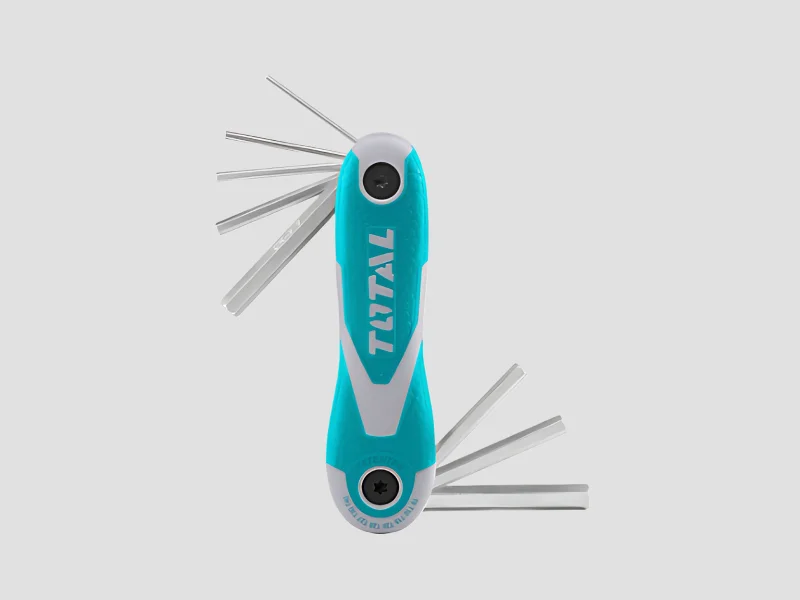
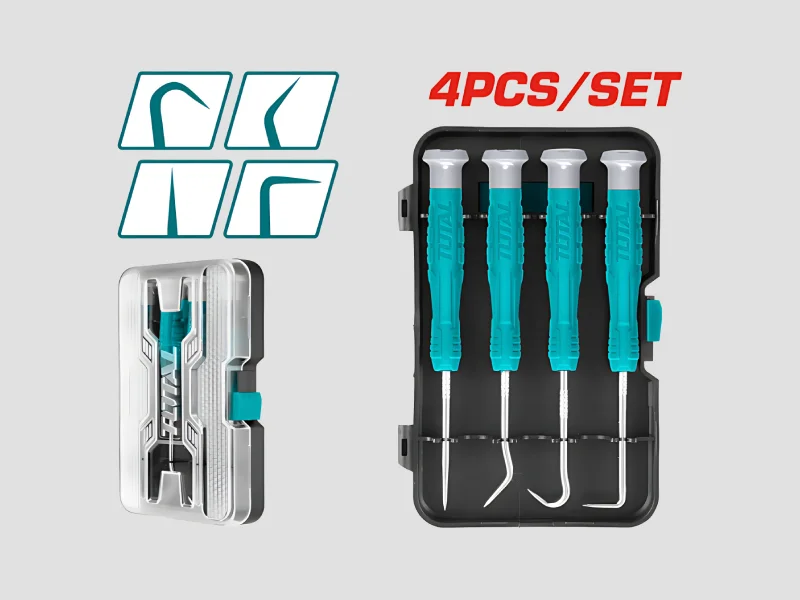
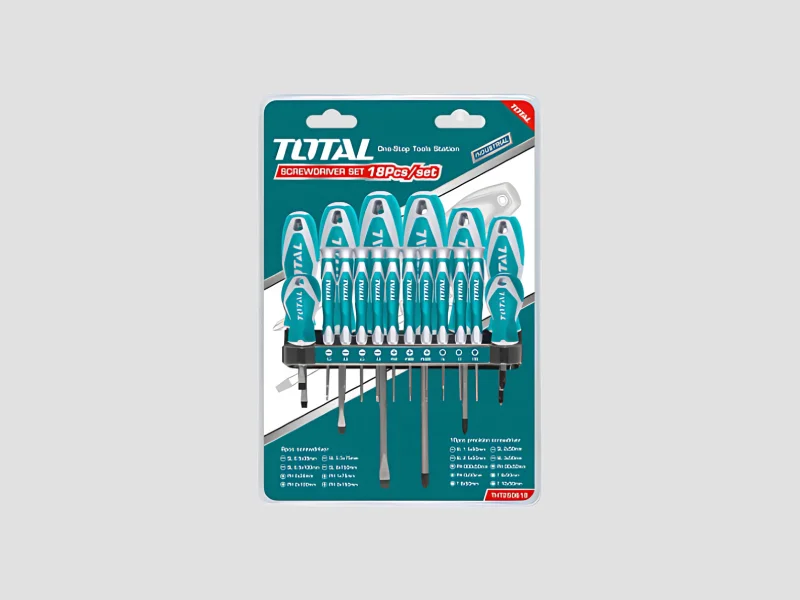
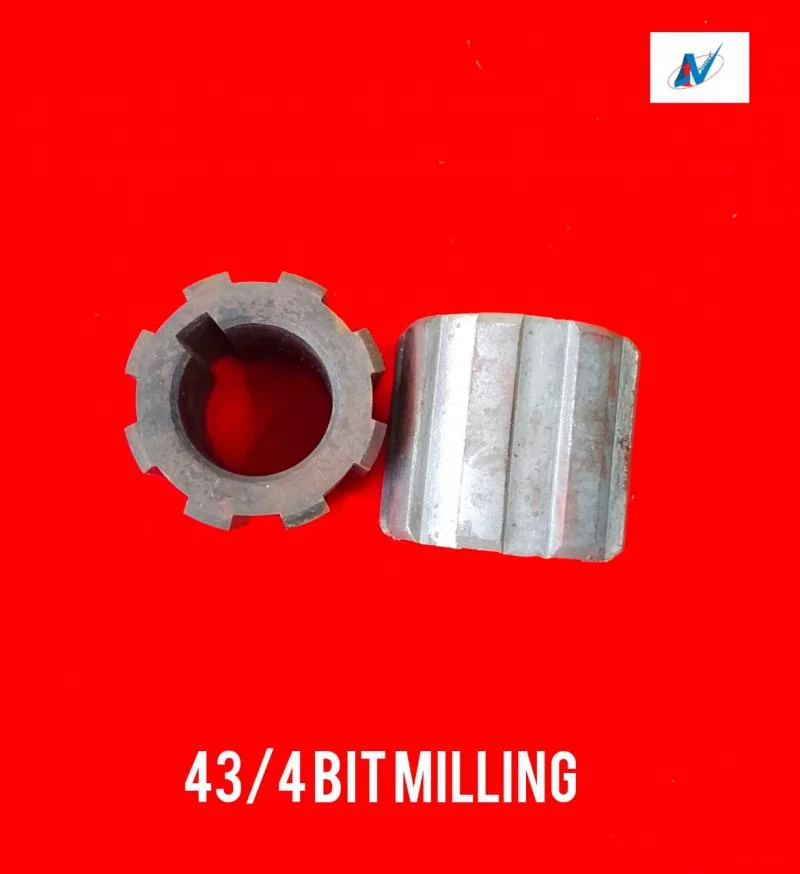
𝗪𝗵𝗮𝘁 𝗮𝗿𝗲 𝗧𝗼𝗼𝗹 𝗞𝗶𝘁𝘀 & 𝗦𝗲𝘁𝘀?
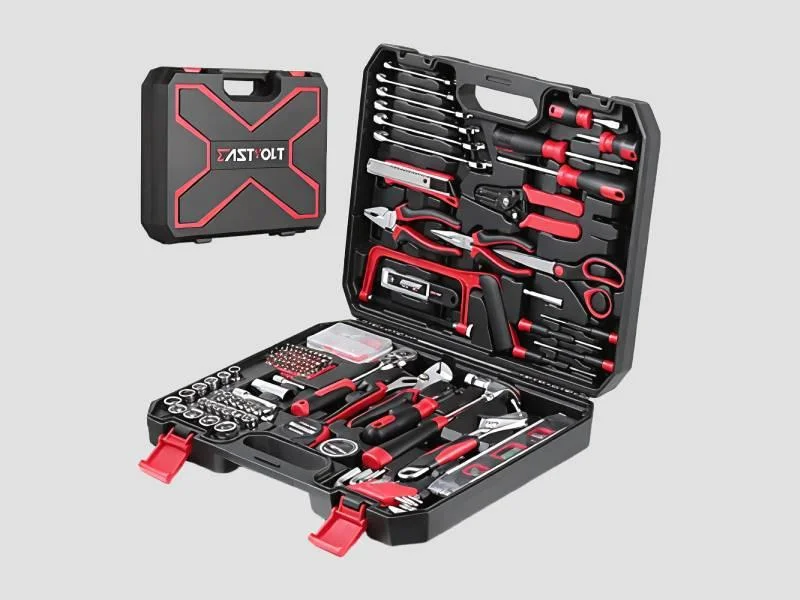
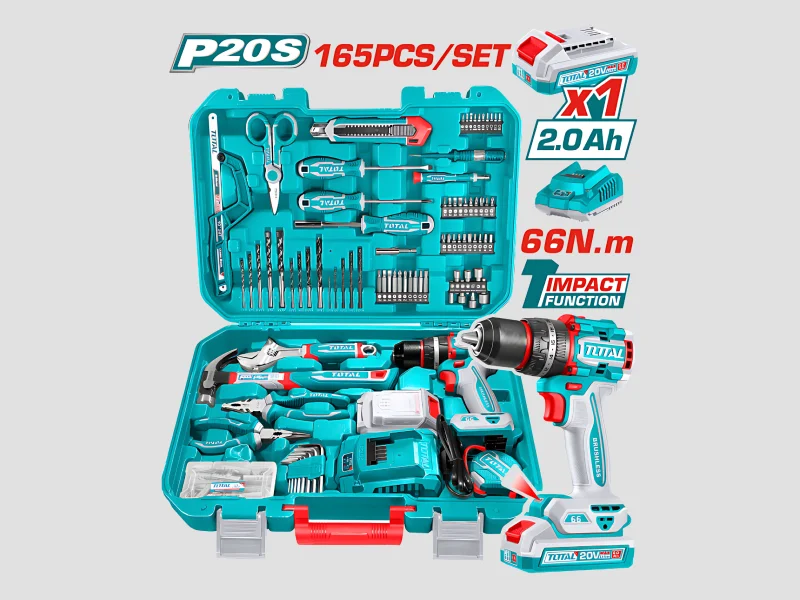
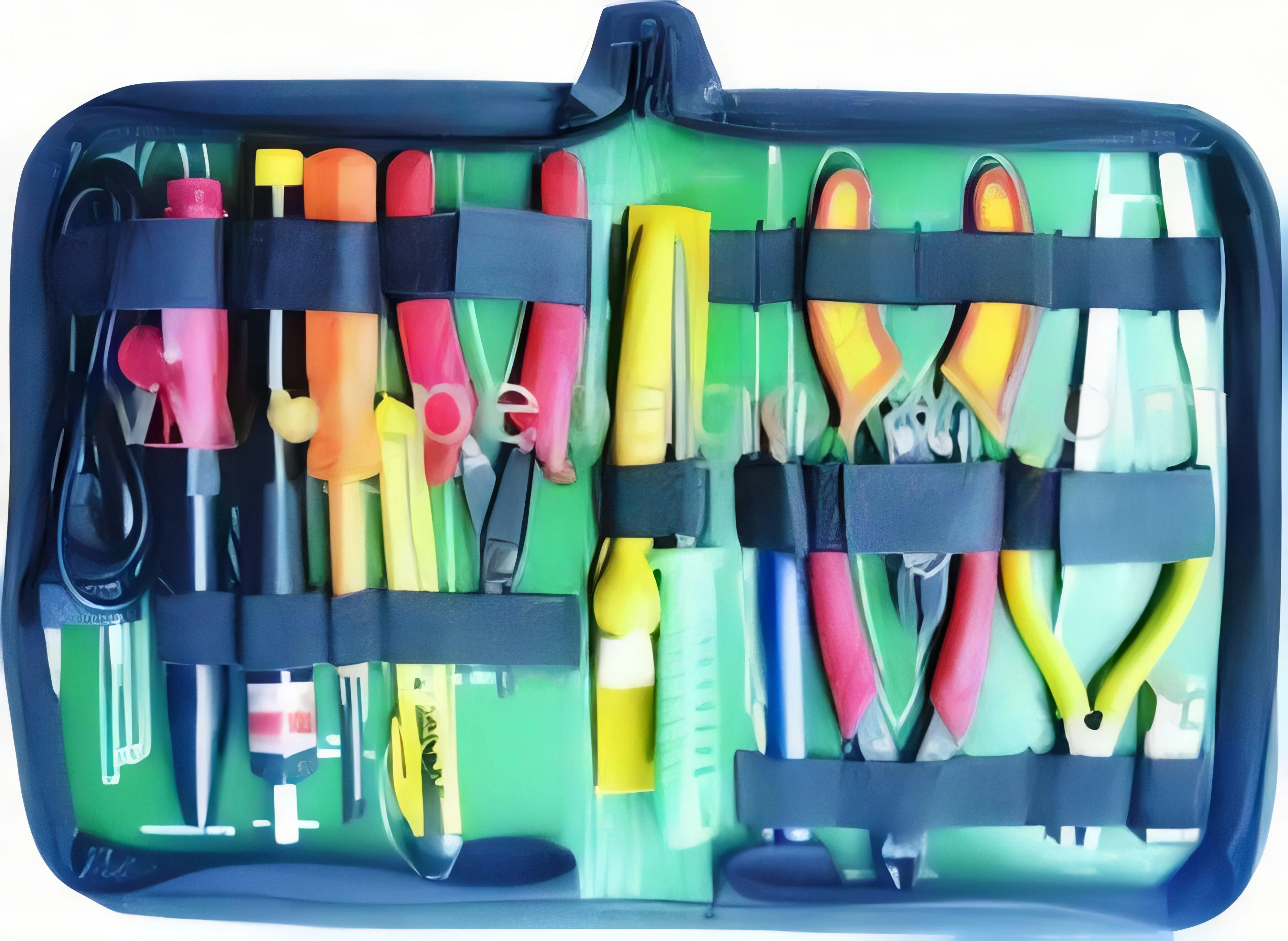
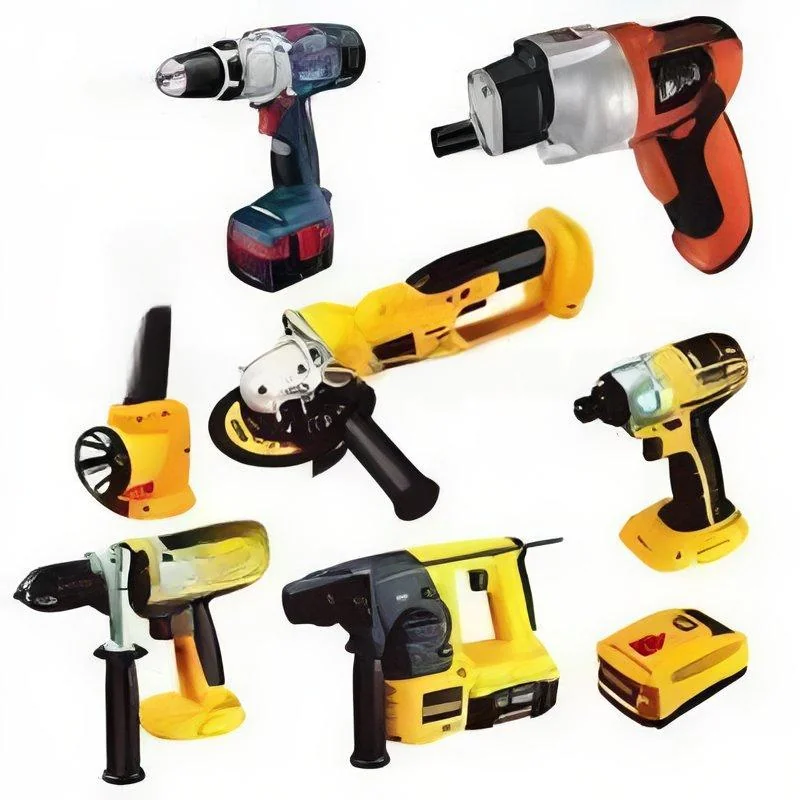
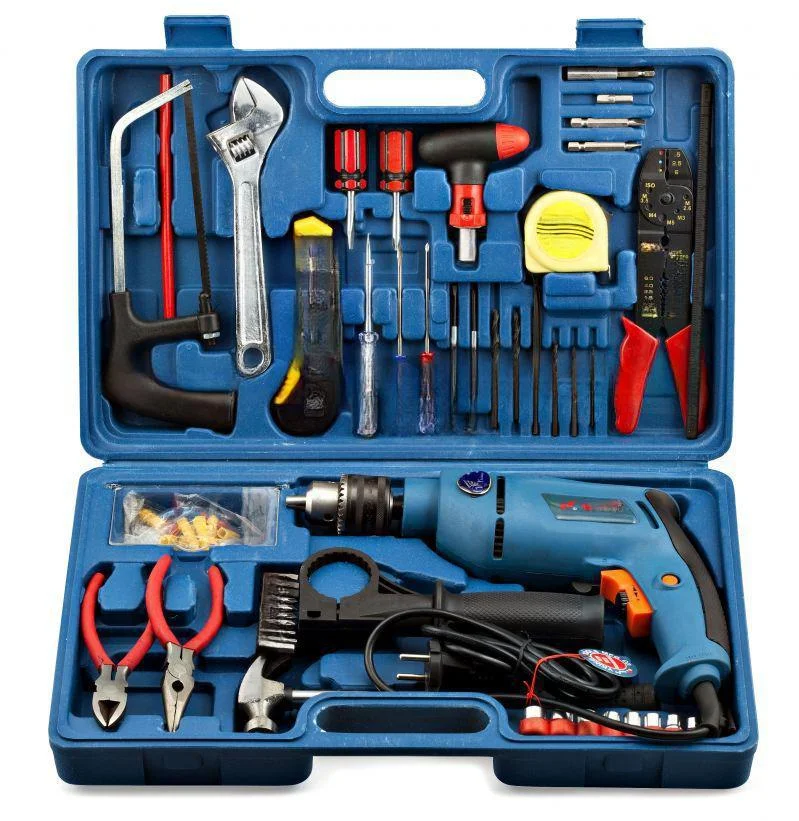
Tool kits and sets are collections of tools designed for specific tasks or trades. They typically include a variety of hand tools, power tools, and accessories that cater to both general and specialized applications. Tool kits can vary significantly in size and complexity, from simple sets suited for home use to comprehensive collections intended for industrial purposes. These kits are often organized in a portable case or box, making them convenient for storage and transport.
In a business context, tool kits are essential for maintenance, assembly, repair, and construction activities across various sectors. They assist technicians, engineers, and craftsmen in executing their tasks efficiently and accurately. Tool kits are commonly used in industries such as manufacturing, automotive, construction, and electrical work, where having the right tool on hand can significantly enhance productivity.
Given the growing demand for efficient and reliable tools, the market for tool kits has expanded considerably. Businesses increasingly seek comprehensive solutions that combine multiple tools and accessories in one package. This trend reflects a broader shift towards operational efficiency and cost-effectiveness in industrial settings.
𝗞𝗲𝘆 𝗙𝗲𝗮𝘁𝘂𝗿𝗲𝘀 𝗮𝗻𝗱 𝗦𝗽𝗲𝗰𝗶𝗳𝗶𝗰𝗮𝘁𝗶𝗼𝗻𝘀
Tool kits and sets are characterized by several key features and specifications that make them suitable for various applications. Understanding these specifications helps businesses select the right tools for their needs.
Key specifications include:
1. Tool Material
- Tools are commonly made from steel, chrome vanadium, or other durable materials.
- Variations in material can affect strength, durability, and resistance to corrosion.
2. Number of Pieces
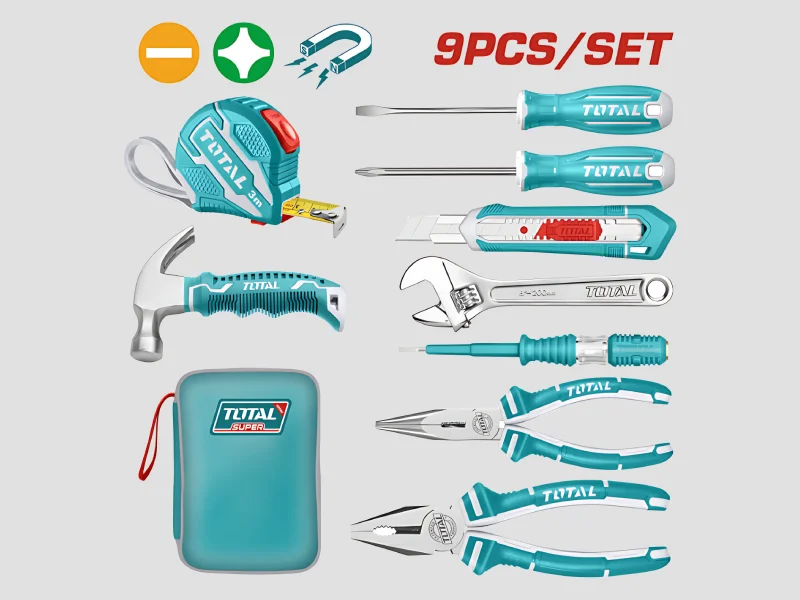
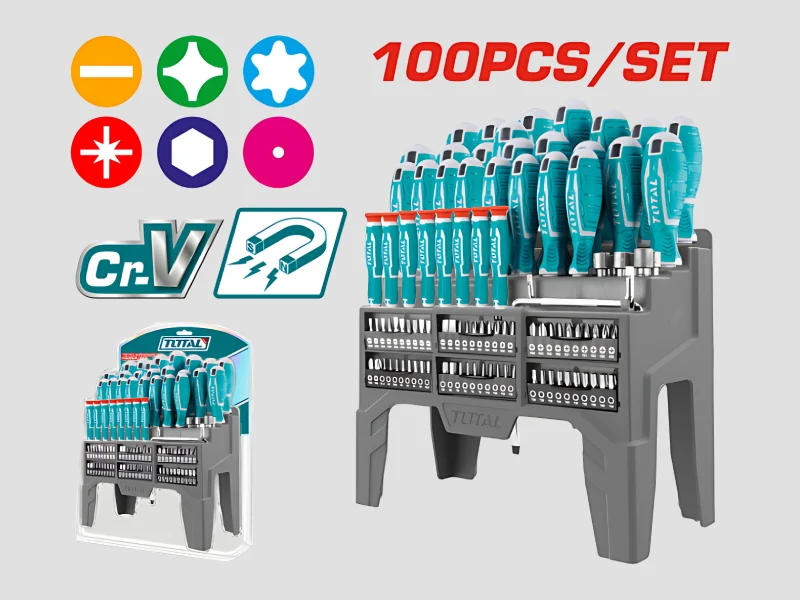
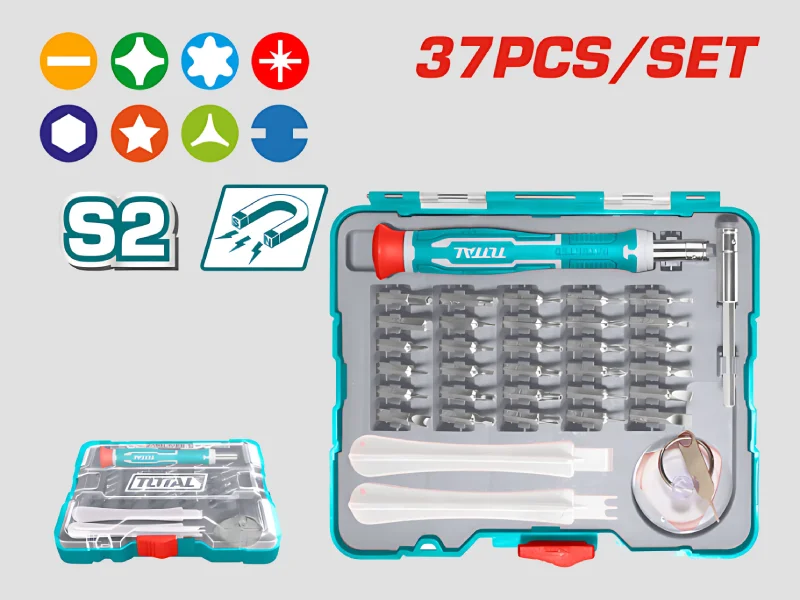
- Tool kits can range from small sets with 5-10 pieces to extensive kits with over 100 tools.
- The number of pieces often correlates with the intended application and industry.
3. Tool Types Included
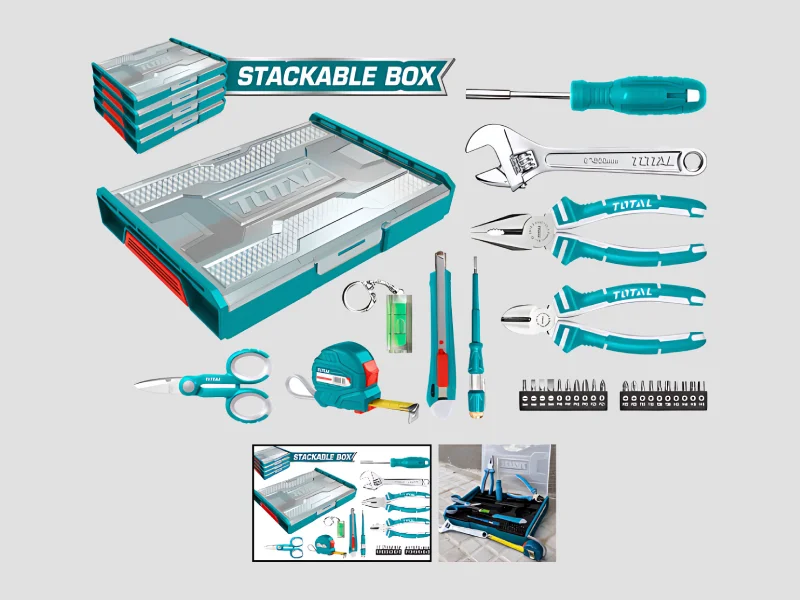
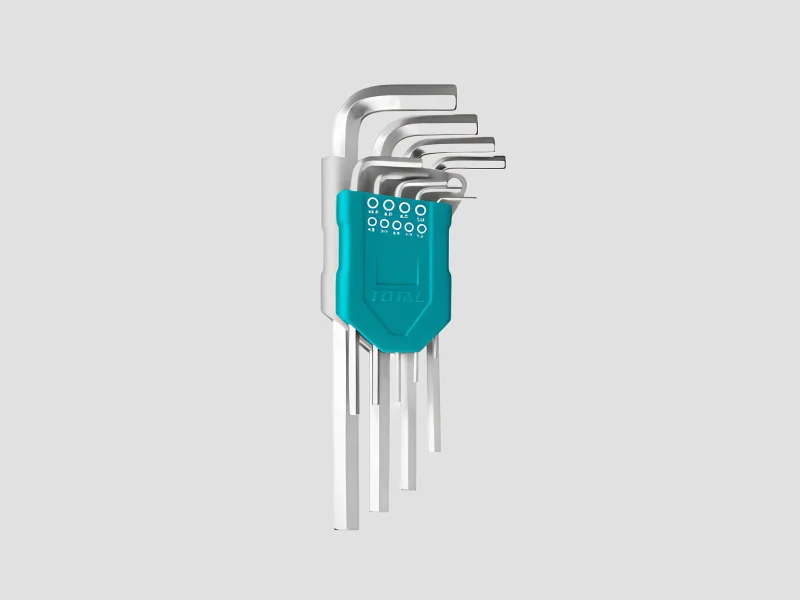
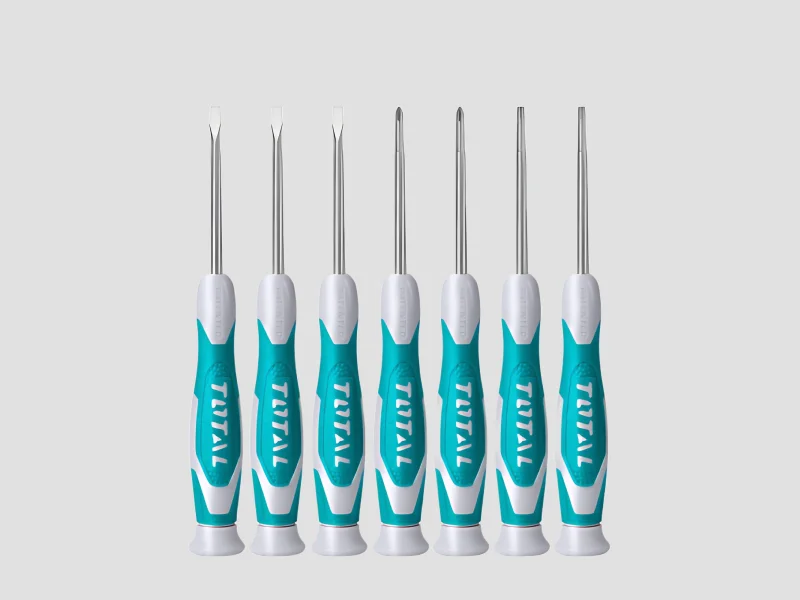
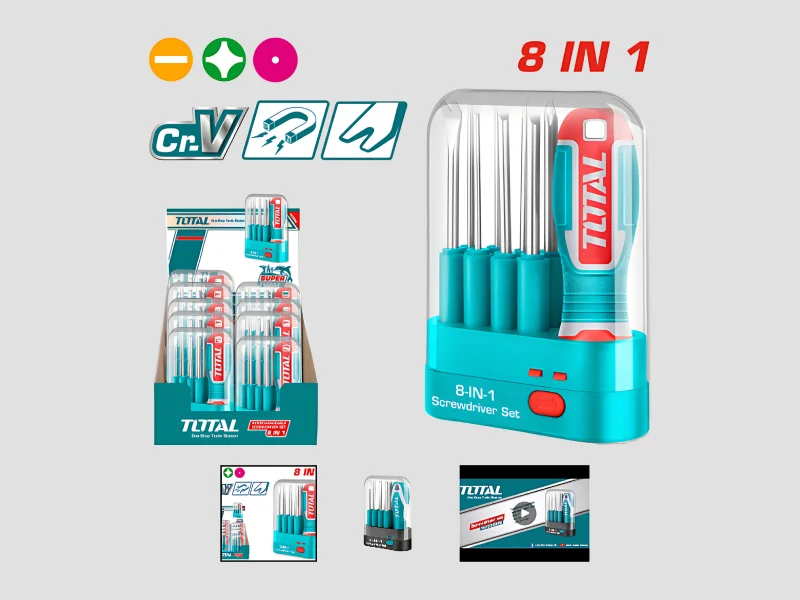
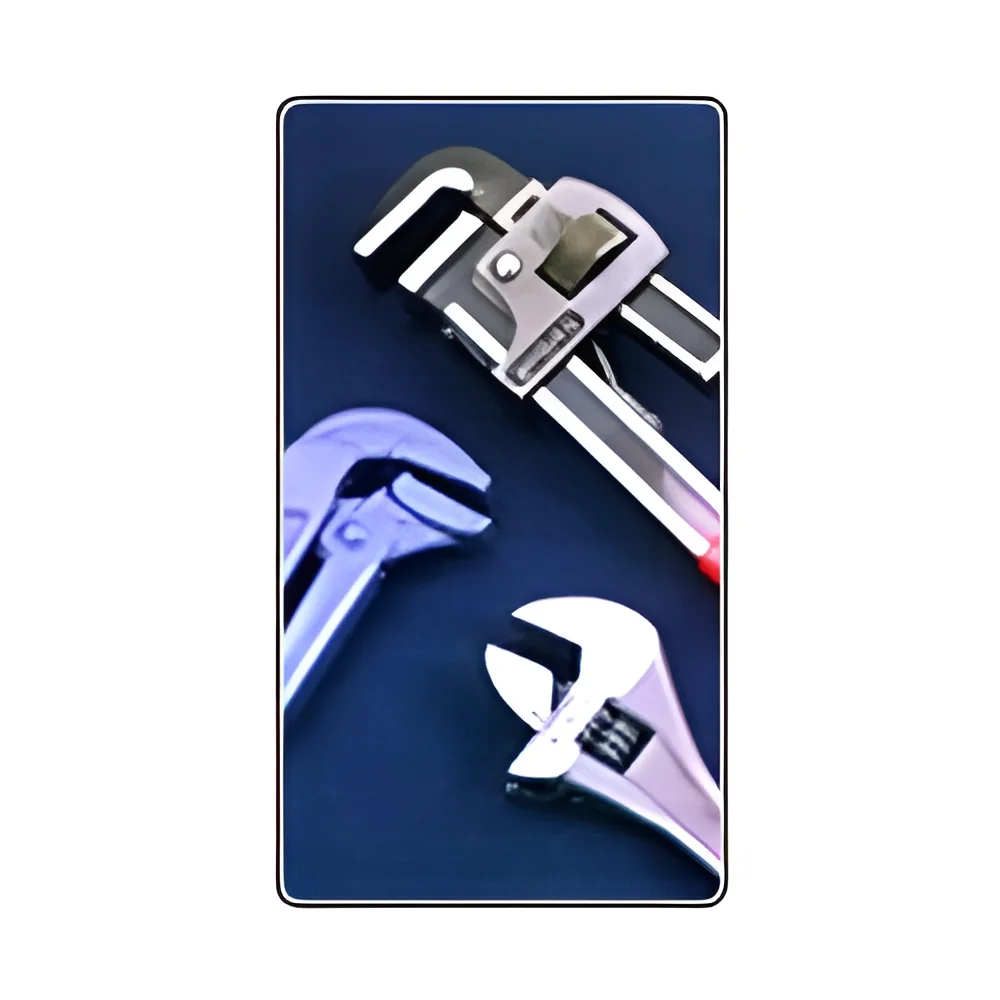
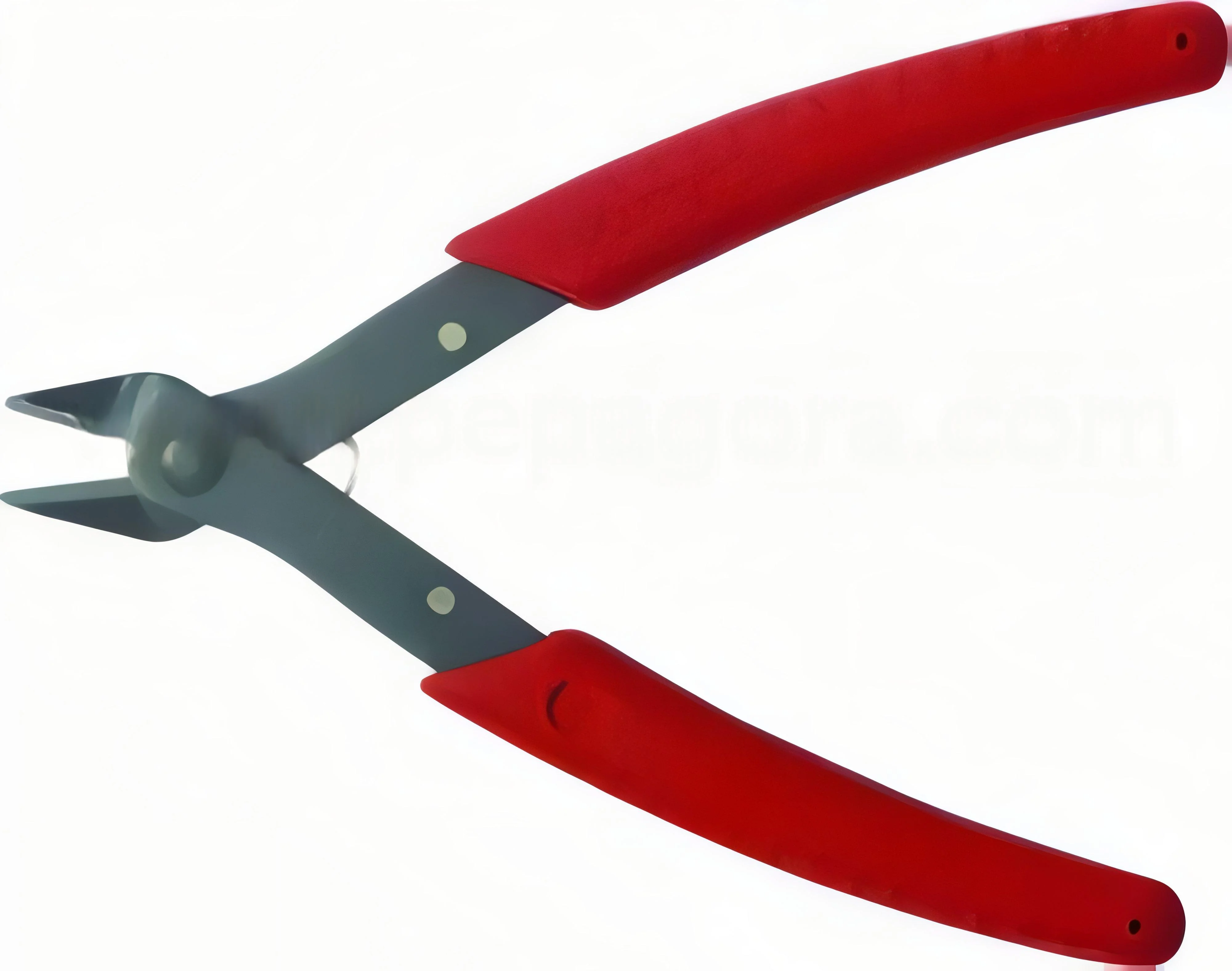
- Kits may include wrenches, screwdrivers, pliers, hammers, and more.
- The variety of tools allows for versatility in handling different tasks.
4. Case Type
- Tool kits may come in hard cases, soft bags, or portable toolboxes.
- The case type impacts portability and storage efficiency.
5. Warranty and Support
- Many tool kits include warranties covering defects or workmanship issues.
- Warranty length can indicate the manufacturer's confidence in their product.
6. Weight and Size
- The overall weight and size of the kit can determine ease of transport.
- Smaller kits may be more suitable for mobile technicians.
7. Organization Features
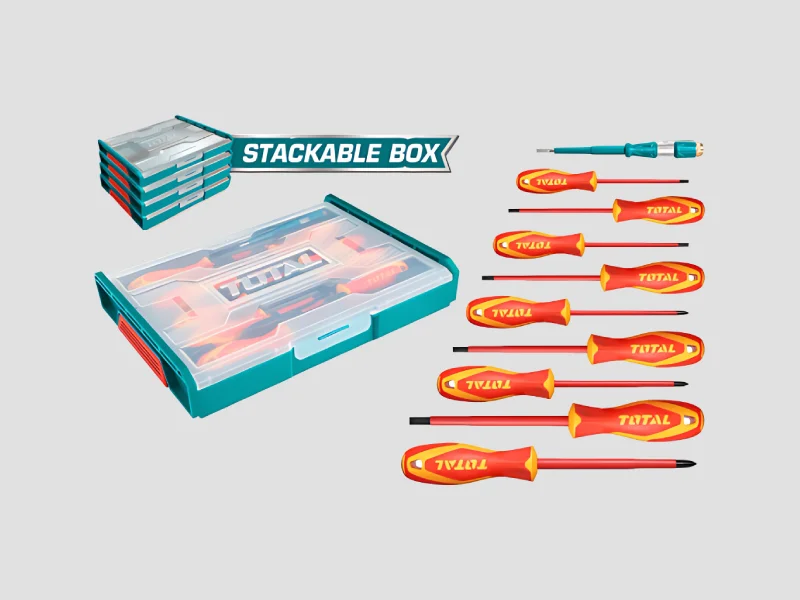
- Some kits include compartments or organizers for easy access to tools.
- Effective organization can reduce time spent searching for tools.
8. Certification
- Compliance with standards such as CE indicates quality and safety.
- Certified tools are often considered more reliable for professional use.
In summary, understanding these specifications allows businesses to make informed decisions when selecting tool kits and sets that meet their operational requirements.
𝗖𝗼𝗺𝗺𝗼𝗻 𝗔𝗽𝗽𝗹𝗶𝗰𝗮𝘁𝗶𝗼𝗻𝘀 𝗮𝗻𝗱 𝗨𝘀𝗲 𝗖𝗮𝘀𝗲𝘀
Tool kits and sets find applications across a wide range of industries, each with unique requirements.
1. Manufacturing: Tool kits are essential for assembly lines, allowing workers to quickly access the necessary tools for production tasks.
2. Automotive: Mechanics use specialized tool kits for vehicle repairs and maintenance, including wrenches, sockets, and diagnostic tools.
3. Construction: Builders rely on comprehensive tool kits for various tasks, from framing to finishing, ensuring they have the right tools for every phase of a project.
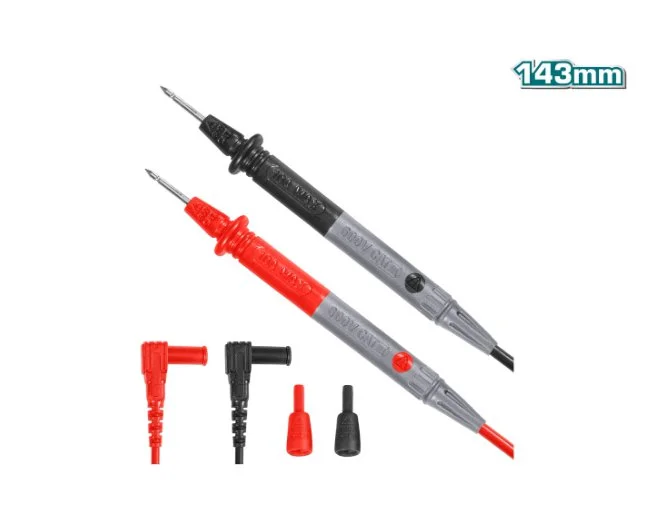
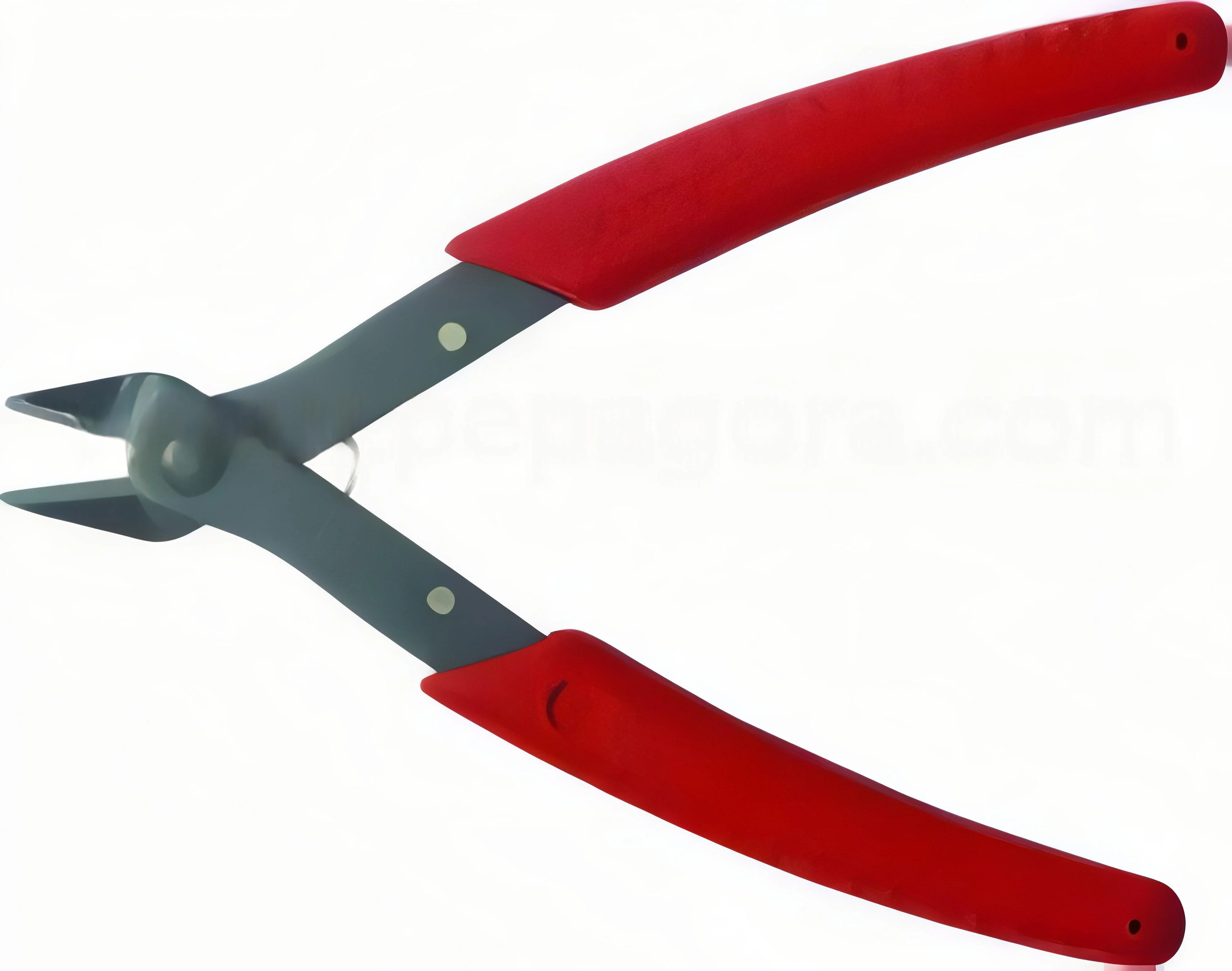
4. Electrical: Electricians use tool kits that include wire strippers, pliers, and screwdrivers specifically designed for electrical work.
5. Plumbing: Plumbers benefit from kits that contain pipe wrenches, fittings, and seals tailored for plumbing tasks.
6. HVAC: Technicians in heating, ventilation, and air conditioning use tool kits with specialized tools for installation and repair.
7. Home Improvement: DIY enthusiasts often utilize general-purpose tool kits for various home projects, such as furniture assembly and minor repairs.
𝗣𝗿𝗼𝗱𝘂𝗰𝘁 𝗩𝗮𝗿𝗶𝗮𝗻𝘁𝘀 𝗮𝗻𝗱 𝗦𝘂𝗯𝗰𝗮𝘁𝗲𝗴𝗼𝗿𝗶𝗲𝘀
The diversity of tool kits and sets allows businesses to choose the most appropriate variant for their specific tasks.
Basic Tool Kit
This variant typically includes essential hand tools such as screwdrivers, pliers, and wrenches. It is ideal for general maintenance and repairs, making it suitable for both residential and commercial use.
Professional Tool Set
Designed for specialized trades, this set includes advanced tools and accessories tailored for specific applications. It is often used by technicians in fields such as automotive or electrical work.
Compact Tool Kit
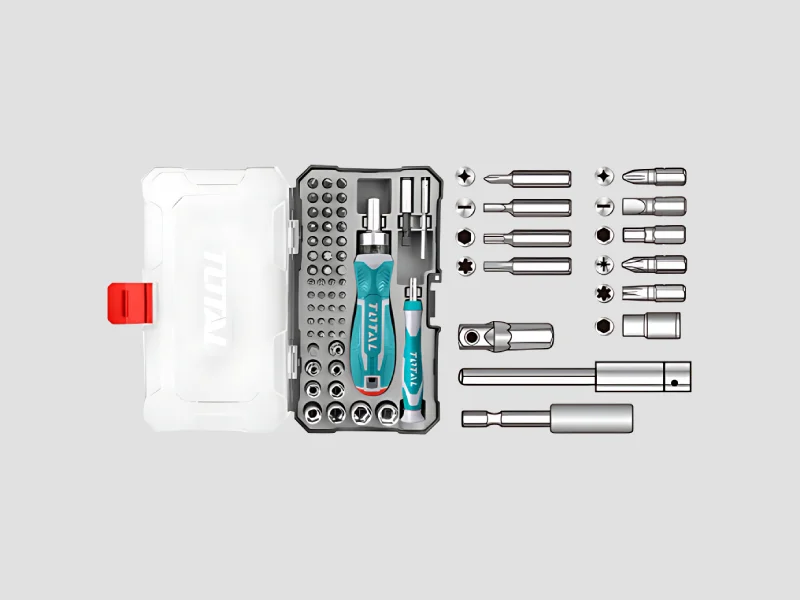
A compact variant is designed for portability, featuring a selection of essential tools in a lightweight case. It is ideal for mobile technicians or fieldwork, ensuring that crucial tools are always on hand.
𝗕𝗲𝗻𝗲𝗳𝗶𝘁𝘀 𝗮𝗻𝗱 𝗔𝗱𝘃𝗮𝗻𝘁𝗮𝗴𝗲𝘀
Sourcing tool kits and sets provides numerous advantages for businesses.
1. Cost-Effective: Purchasing a complete tool kit often proves more economical than acquiring tools individually, saving businesses money in the long run.
2. Convenience: Tool kits offer a comprehensive solution in one package, reducing the time spent searching for individual tools.
3. Versatility: A well-rounded tool kit includes various tools, making it suitable for multiple applications across different trades.
4. Increased Efficiency: Having the right tools readily available allows workers to complete tasks more quickly and with greater accuracy.
5. Quality Assurance: Many tool kits come with warranties, ensuring that businesses can rely on the quality and durability of the tools.
6. Safety Compliance: Certified tool kits meet industry standards, enhancing workplace safety and reducing liability risks.
𝗕𝘂𝘆𝗶𝗻𝗴 𝗚𝘂𝗶𝗱𝗲 𝗳𝗼𝗿 𝗕𝟮𝗕 𝗕𝘂𝘆𝗲𝗿𝘀
When sourcing tool kits and sets, businesses should consider several key factors to ensure they make informed decisions.
1. Quality Assessment: Evaluate the materials and construction of the tools to ensure they meet professional standards. High-quality tools can withstand heavy use and last longer.
2. Supplier Verification: It is crucial to vet suppliers to ensure reliability and product quality. Look for suppliers with positive reviews and a track record of delivering on time.
3. Pricing and MOQ: Understand the pricing structure and minimum order quantities (MOQ) from suppliers. This will help businesses budget effectively and avoid unnecessary costs.
4. Delivery and Lead Times: Confirm the logistics and expected delivery timelines. This ensures that tools arrive when needed, minimizing delays in operations.
5. Compliance Requirements: Check for any regulatory requirements that may apply to the tools being sourced. Compliance with safety standards is essential for workplace safety.
𝗖𝗼𝗺𝗽𝗹𝗶𝗮𝗻𝗰𝗲 𝗮𝗻𝗱 𝗖𝗲𝗿𝘁𝗶𝗳𝗶𝗰𝗮𝘁𝗶𝗼𝗻𝘀
Tool kits and sets are subject to various quality standards and certifications that ensure they meet safety and performance criteria.
ISO 9001 is a widely recognized quality management standard that indicates a company's commitment to maintaining high-quality products and services. Compliance with this standard can enhance a business's credibility in the market.
CE certification is essential for tool kits sold in the European market, ensuring that they meet health, safety, and environmental protection requirements. This certification is crucial for businesses looking to expand their operations internationally.
Safety and testing requirements vary by industry but often include assessments of tool durability, performance, and user safety. Manufacturers must adhere to these standards to ensure their products are safe for professional use.
Regional compliance considerations may also apply based on local regulations. Businesses must stay informed about these requirements to avoid legal issues and ensure their tools are suitable for their specific market.
𝗪𝗵𝘆 𝗦𝗼𝘂𝗿𝗰𝗲 𝗧𝗼𝗼𝗹 𝗞𝗶𝘁𝘀 & 𝗦𝗲𝘁𝘀 𝗳𝗿𝗼𝗺 𝗣𝗲𝗽𝗮𝗴𝗼𝗿𝗮?
Pepagora provides a trusted platform for sourcing tool kits and sets, offering several advantages for B2B buyers.
Verified Supplier Network: Pepagora connects buyers with a network of verified suppliers, ensuring that businesses can source high-quality tools with confidence. This verification process minimizes the risks associated with purchasing from unknown vendors.
Streamlined RFQ Process: The platform features a user-friendly request for quotation (RFQ) system that simplifies the procurement process. Buyers can easily compare quotes from multiple suppliers, making it easier to find the best deal.
Trade Assurance and Support: Pepagora offers trade assurance to protect buyers from potential risks associated with sourcing. This support provides peace of mind and reinforces the platform's commitment to customer satisfaction.
Regional Coverage: With a presence in India, the GCC, and Southeast Asia, Pepagora offers extensive regional coverage. This geographic reach allows businesses to access a diverse range of suppliers and products, catering to their specific needs.

 IN
IN