
 IN
DIY Tool Kits
1 products available
What are DIY Tool Kits?
DIY Tool Kits are comprehensive collections of tools designed for various do-it-yourself projects. These kits typically include essential hand tools, power tools, and accessories tailored for specific tasks. They are created to provide users with the necessary equipment to successfully complete projects without the need for professional assistance. DIY Tool Kits are particularly popular among hobbyists, home improvement enthusiasts, and small businesses looking to perform maintenance or repair tasks.
The primary uses of DIY Tool Kits vary widely, ranging from home renovations and repairs to crafting and automotive work. Businesses often utilize these kits for maintenance tasks, ensuring employees have the right tools on hand for repairs or installations. The versatility of these kits makes them valuable in various sectors, including construction, manufacturing, and retail. As the DIY culture continues to grow, the demand for DIY Tool Kits has surged, making them a relevant product in today's market.
Key Features and Specifications
DIY Tool Kits come with a variety of features that cater to different needs. They are designed for ease of use, portability, and durability. The specifications can vary based on the intended use and target market, ensuring that buyers can choose a kit that meets their specific requirements.
Key specifications include:
1. Tool Variety
- A diverse range of tools is included, such as screwdrivers, pliers, wrenches, and saws.
- Kits may also include power tools like drills and sanders.
2. Material Quality
- Tools are typically made from high-quality steel or other durable materials.
- This ensures longevity and resistance to wear and tear.
3. Case Design
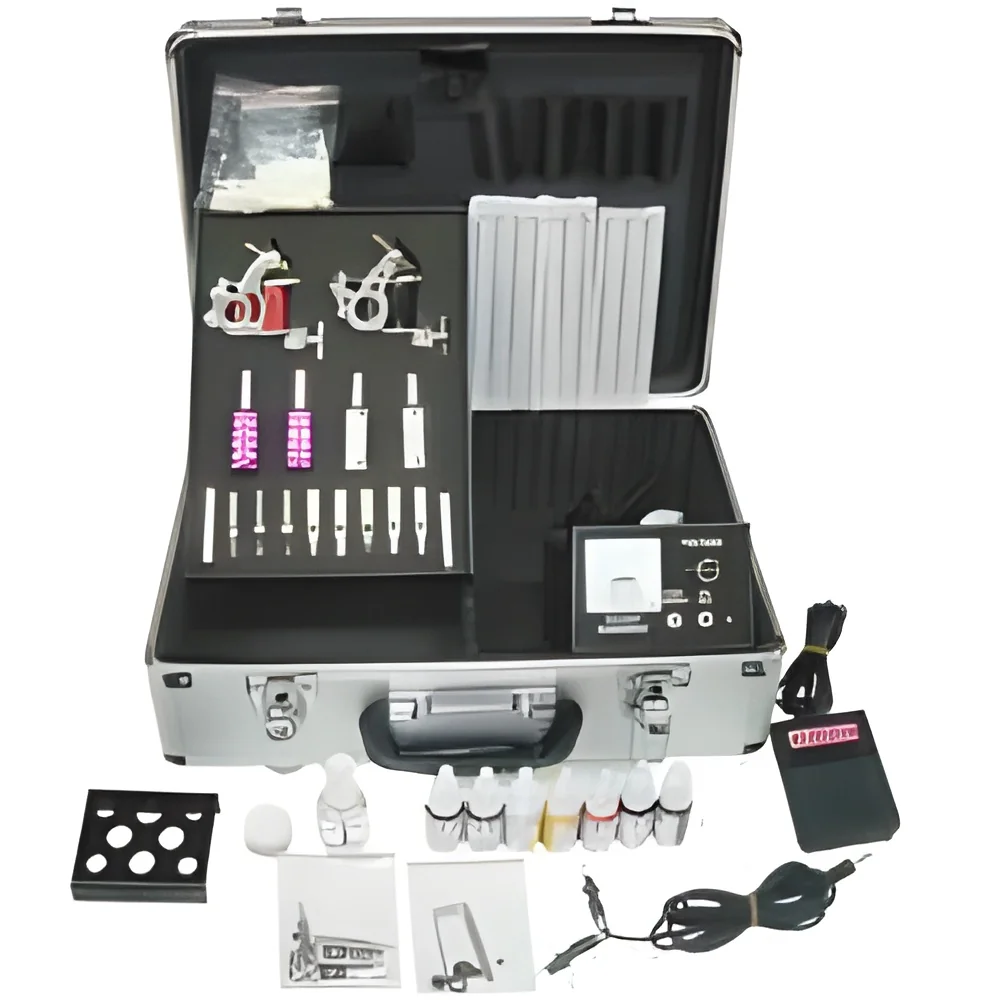
- Most kits come in a sturdy carrying case for easy storage and transport.
- Cases may include compartments for organized tool placement.
4. Weight
- The overall weight of the kit varies, generally making it portable but still robust.
- Lighter kits are suited for casual users, while heavier ones cater to professional use.
5. Warranty
- Many manufacturers provide warranties on tools, reflecting quality assurance.
- Warranties can range from one year to lifetime coverage.
6. Customization Options
- Some kits offer customizable components for specific project needs.
- Buyers may select tools based on their preferences.
7. User Instructions
- Most kits include manuals or guides to assist users in tool operation.
- This is especially beneficial for beginners.
In summary, DIY Tool Kits are designed with a focus on versatility and durability, making them essential for various applications. Buyers should consider the specifications that best fit their needs to ensure optimal performance.
Common Applications and Use Cases
DIY Tool Kits are used across multiple industries, offering practical solutions for a range of applications.
1. Construction: Professionals use DIY Tool Kits for on-site repairs and installations. These kits enable workers to handle unexpected issues quickly, enhancing productivity.
2. Automotive: Mechanics often rely on DIY Tool Kits for vehicle maintenance. The tools included help in tasks such as oil changes, tire rotations, and minor repairs.
3. Home Improvement: Homeowners utilize DIY Tool Kits for renovation projects. From assembling furniture to fixing plumbing issues, these kits are invaluable for completing tasks independently.
4. Crafting: Hobbyists in arts and crafts use DIY Tool Kits for various projects. The tools allow for creativity from woodworking to creating intricate designs.
5. Electrical Work: Technicians use specialized DIY Tool Kits for electrical installations. These kits contain tools necessary for wiring, circuit testing, and repairs.
6. HVAC: HVAC technicians rely on DIY Tool Kits for servicing heating and cooling systems. The right tools ensure efficient repairs and maintenance.
7. Landscaping: Gardeners and landscapers use DIY Tool Kits for maintenance and installation of garden features. Tools assist in planting, trimming, and shaping landscapes.
Product Variants and Subcategories
DIY Tool Kits come in various forms to meet the diverse needs of users. Each variant is tailored for specific tasks or industries, ensuring that buyers can find the right kit for their projects.
Home Repair Kit
This variant includes basic tools like hammers, screwdrivers, and pliers, ideal for general household repairs. It is perfect for homeowners looking to tackle small projects.
Automotive Repair Kit
Designed specifically for car maintenance, this kit includes wrenches, sockets, and pliers tailored for automotive tasks. It is suitable for both professionals and DIY enthusiasts.
Electrical Tool Kit
This variant features tools necessary for electrical work, such as wire strippers, testers, and pliers. It is essential for electricians and DIYers working on electrical installations.
Crafting Tool Kit
Aimed at hobbyists, this kit includes specialized tools for crafting projects, such as precision knives and cutting mats. It supports creativity in various artistic endeavors.
Heavy-Duty Construction Kit
Suited for construction professionals, this kit contains robust tools designed for heavy use. It includes power tools and hand tools that withstand rigorous conditions.
Benefits and Advantages
DIY Tool Kits offer numerous advantages that make them appealing to both individuals and businesses.
1. Cost-Effective: Purchasing a kit is often more economical than buying tools individually. This saves money for businesses and DIY enthusiasts alike.
2. Convenience: All essential tools are included in one package, making it easy to tackle projects without searching for individual items. This convenience enhances efficiency.
3. Versatility: DIY Tool Kits are designed for multiple applications, allowing users to complete various tasks. This versatility makes them a valuable investment.
4. Quality Assurance: Many kits come from reputable manufacturers, ensuring high-quality tools that are built to last. This reliability is important for professional use.
5. Accessibility: With easy-to-use tools and instructional materials, DIY Tool Kits are accessible for users of all skill levels. This encourages more people to engage in DIY projects.
6. Organization: The included carrying case helps keep tools organized and protected. This reduces the risk of loss and damage, enhancing longevity.
Buying Guide for B2B Buyers
When sourcing DIY Tool Kits for business use, several factors should be considered to ensure the right selection.
1. Quality Assessment: Evaluate the materials and durability of the tools. Look for reputable brands with positive reviews to ensure the tools can withstand regular use.
2. Supplier Verification: Vet potential suppliers to confirm their reliability. Check for customer feedback, business history, and compliance with industry standards.
3. Pricing and MOQ: Consider the overall cost and minimum order quantities. Negotiate pricing structures to ensure you receive the best value for bulk purchases.
4. Delivery and Lead Times: Discuss logistics with suppliers to understand delivery times. Timely delivery is crucial for maintaining project schedules.
5. Compliance Requirements: Ensure that the tools meet any relevant regulatory standards. This may include safety certifications or environmental considerations, depending on your industry.
Compliance and Certifications
Compliance and certification are critical factors in the manufacturing and distribution of DIY Tool Kits. Relevant quality standards such as ISO 9001 ensure that products meet consistent quality and performance criteria. These standards are essential for maintaining customer trust and satisfaction.
Industry certifications like CE indicate that products comply with European health, safety, and environmental protection legislation. This certification can be a significant factor for businesses operating in regulated markets.
Safety and testing requirements are also paramount. DIY Tool Kits should undergo rigorous testing to ensure user safety and tool reliability. This includes assessments for electrical safety, tool durability, and ergonomic design.
Regional compliance considerations may vary. Buyers should be aware of local regulations that affect tool usage and safety standards, ensuring that their products meet necessary criteria.
Why Source DIY Tool Kits from Pepagora?
Pepagora provides a trusted platform for sourcing DIY Tool Kits, offering several key advantages to buyers.
Verified Supplier Network: Pepagora connects buyers with a network of verified suppliers. This reduces the risk associated with sourcing and ensures that buyers receive quality products from reputable manufacturers.
Streamlined RFQ Process: The request for quotation process is user-friendly, allowing buyers to easily obtain competitive pricing and product options. This simplifies the procurement process.
Trade Assurance and Support: Pepagora offers trade assurance for buyers, providing protection against fraud and ensuring that orders are fulfilled as promised. This support helps build confidence in online purchasing.
Regional Coverage: Pepagora has a wide geographic reach, including markets in India, the GCC, and Southeast Asia. This extensive network ensures that buyers can find the right products regardless of their location.

Frequently Asked Questions
What are DIY Tool Kits?
DIY Tool Kits are collections of tools and accessories designed for do-it-yourself projects. They typically include essential items such as screwdrivers, pliers, wrenches, and other hand tools, making them suitable for both beginners and experienced users.
What are the different types of DIY Tool Kits?
There are various types of DIY Tool Kits available, including basic hand tool kits, specialized kits for specific projects like woodworking or plumbing, and multi-tool kits that combine several tools into one. Additionally, some kits may also include power tools for more advanced tasks.
How do I choose the right DIY Tool Kits?
Selecting the right DIY Tool Kit depends on the type of projects you plan to undertake and your skill level. Consider the tools included, their quality, and whether the kit meets your specific needs, such as home repairs, crafting, or automotive work.
What are the standard specifications for DIY Tool Kits?
Standard specifications for DIY Tool Kits typically include tool types, materials used, and included accessories. It's important to check for durability, ergonomic design, and any certifications that ensure quality and safety.
What is the price range for DIY Tool Kits?
The price range for DIY Tool Kits varies widely based on the brand, quality, and contents of the kit. Generally, you can expect prices to range from a few hundred to several thousand Indian Rupees.
What quality standards apply to DIY Tool Kits?
Quality standards for DIY Tool Kits often include compliance with international safety and performance standards. Many manufacturers will adhere to ISO certifications or other relevant industry benchmarks to ensure their tools are safe and reliable.
Where can I find DIY Tool Kits suppliers in India?
You can find DIY Tool Kits suppliers in India through various online B2B marketplaces like Pepagora.com, trade shows, and local hardware stores. Researching potential suppliers and checking reviews can help you identify reputable manufacturers.
Can DIY Tool Kits be customized?
Yes, many manufacturers offer customization options for DIY Tool Kits. This can include adding specific tools, branding the kits, or tailoring the contents based on customer requirements.
What is the typical minimum order quantity for DIY Tool Kits?
The typical minimum order quantity (MOQ) for DIY Tool Kits can vary by supplier, but it generally ranges from 10 to 100 units. It's advisable to check with specific manufacturers for their MOQ policies.
What is the typical lead time for DIY Tool Kits?
The typical lead time for DIY Tool Kits can range from a few days to several weeks, depending on the supplier, customization options, and order quantity. Always confirm lead times with the supplier during the ordering process.
Why Businesses Trust Pepagora
Thousands of companies trust Pepagora to source smarter and sell faster
Expand Your Sales Globally

Source Smarter,Grow Faster
