What are Permanent Hair Dyes?
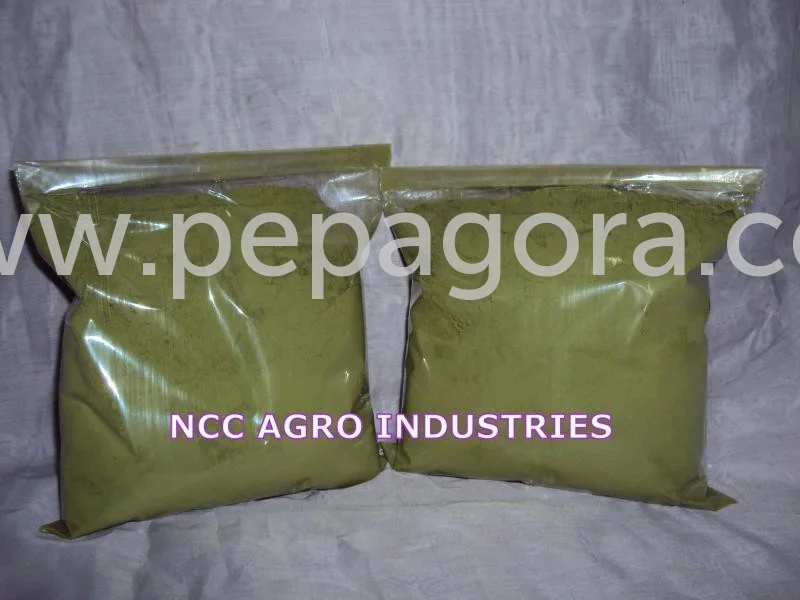
Permanent hair dyes are chemical products designed to alter the natural color of hair for an extended period. Unlike temporary or semi-permanent dyes, which wash out after several shampoos, permanent dyes penetrate the hair shaft and provide long-lasting color. They typically contain a combination of ammonia, developers, and pigments, allowing for a wide range of shades and finishes. The chemical process involved in permanent hair dyeing ensures that the color remains vibrant and resistant to fading.
These products are primarily used in professional salons, but they are also available for at-home use. Many consumers seek permanent hair dyes for reasons such as covering gray hair, changing hair color for fashion purposes, or achieving a specific look. Businesses in the beauty industry, including salons and retail beauty supply stores, rely on permanent hair dyes to meet the demands of their clientele. The market for these products is significant, driven by trends in personal grooming and self-expression.
The relevance of permanent hair dyes in the beauty industry is underscored by their consistent demand and innovation. As consumers increasingly seek high-quality products with minimal damage to hair, manufacturers are focusing on developing dyes that are gentler and more nourishing. This aligns with broader trends towards sustainability and health-conscious beauty products, making permanent hair dyes an essential category in the personal care market.
Key Features and Specifications
Permanent hair dyes come with several key features that make them appealing to both businesses and consumers. Understanding these specifications is crucial for choosing the right product for specific applications.
Key specifications include:
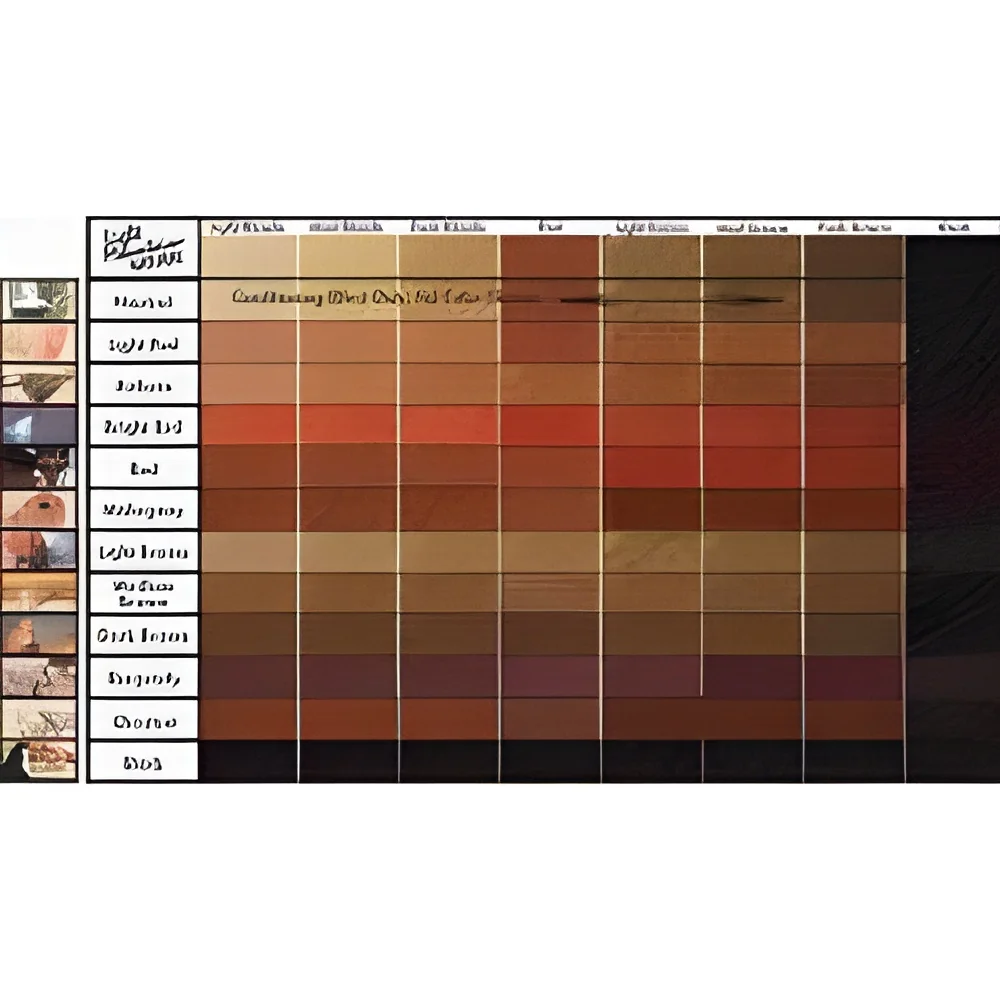
1. Color Range
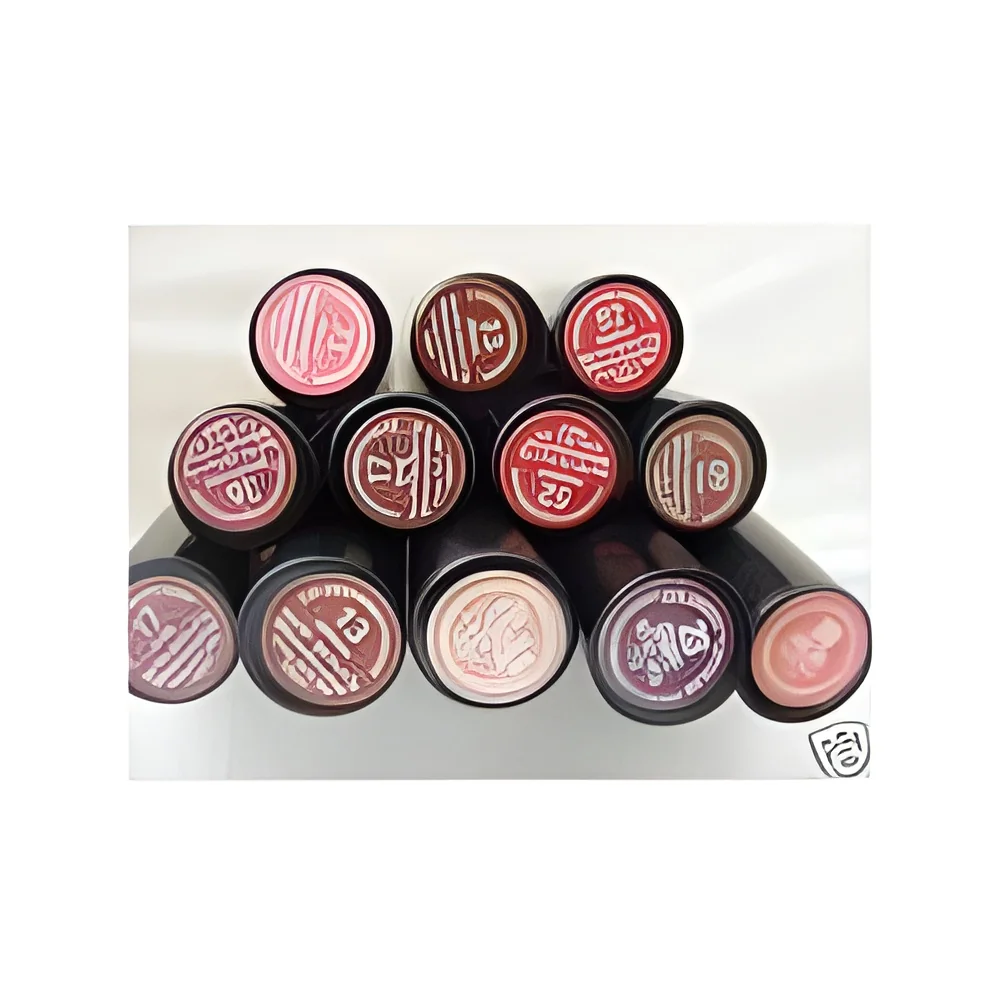
- Available in a wide variety of shades, from natural colors to vibrant fashion hues.
- Options for customization to suit individual preferences.
2. Ammonia-Free Options
- Formulations designed to minimize damage to hair while providing effective color change.
- Suitable for sensitive scalps and for clients seeking gentler solutions.
3. Developer Strength
- Typically available in different volumes (e.g., 10, 20, 30, 40 volume).
- Higher volumes provide more lift and stronger color change.
4. Longevity
- Designed to last until the hair grows out or is cut, with minimal fading.
- Some products include fade-resistant technology.
5. Application Method
- Available in cream, liquid, or gel forms to accommodate different application techniques.
- Some formulations are designed for easy at-home use.
6. Conditioning Ingredients
- Often include added conditioners or oils to nourish the hair during the dyeing process.
- Helps maintain hair health and shine post-application.
7. Safety and Compliance
- Must meet safety standards and regulations for cosmetic products.
- Should include clear instructions for safe use.
8. Packaging Options
- Available in various sizes, from single-use packets to larger professional sizes.
- Eco-friendly packaging options are increasingly available.
These features highlight the versatility and adaptability of permanent hair dyes, catering to a range of consumer needs and preferences.
Common Applications and Use Cases
Permanent hair dyes find applications across various industries, reflecting their importance in personal grooming and beauty services.
1. Beauty Salons: Salons use permanent hair dyes to offer clients a range of color services, including gray coverage and creative color applications.
2. Retail Beauty Supply Stores: These stores stock permanent hair dyes for consumers looking to color their hair at home, providing both professional and DIY options.
3. Film and Theatre: Professionals in the entertainment industry use permanent hair dyes to create specific character looks, requiring reliable and long-lasting color.
4. Fashion and Modeling: Models and fashion professionals often change their hair color frequently for photo shoots and runway shows, relying on permanent dyes for vibrant results.
5. Cosmetology Schools: Training programs use permanent hair dyes to educate students on the techniques and skills needed for professional hair coloring.
6. Personal Care: Individual consumers use permanent hair dyes for various personal reasons, including self-expression and enhancing their appearance.
7. Hair Care Brands: Companies developing hair care products often create complementary items designed for use with permanent hair dyes, such as shampoos and conditioners.
Product Variants and Subcategories
Permanent hair dyes come in a variety of formulations and styles to meet diverse consumer needs and preferences.
Cream Permanent Hair Dyes
These are thick formulations that provide excellent coverage and are easy to apply. They often contain conditioning ingredients for improved hair health during the dyeing process.
Liquid Permanent Hair Dyes
These dyes are typically more fluid and can be easier to distribute evenly through the hair. They are often used in professional salon settings for precise application.
Gel Permanent Hair Dyes
Gels offer a unique texture that can adhere well to hair, making them ideal for intricate color techniques. They are popular among stylists for their ease of use.
Ammonia-Free Permanent Hair Dyes
These formulations are designed for individuals with sensitive scalps or those looking for less damaging options. They allow for vibrant color without the harsh effects of ammonia.
Natural and Organic Permanent Hair Dyes
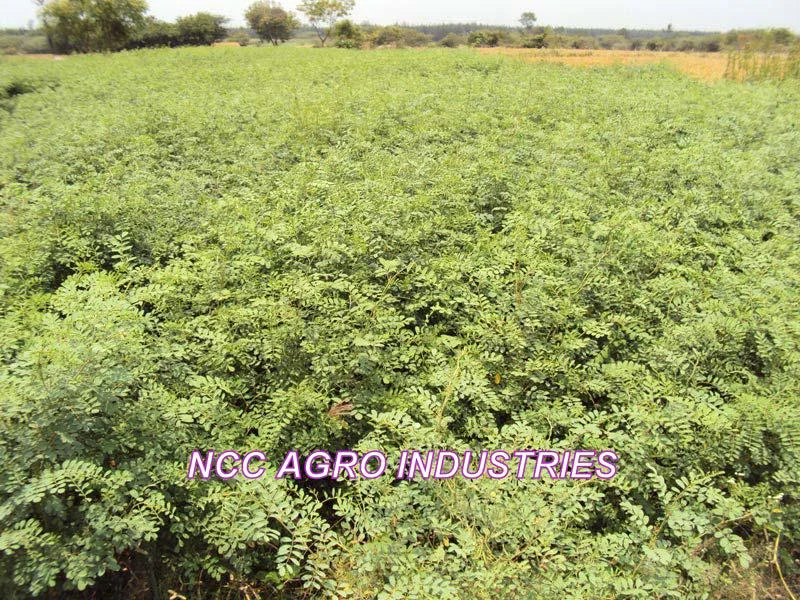
These products are made from plant-based ingredients and aim to provide a more environmentally friendly option for consumers. They appeal to those seeking greener beauty solutions.
Benefits and Advantages
Choosing permanent hair dyes comes with numerous advantages that appeal to businesses and consumers alike.
Key benefits include:
1. Long-Lasting Color: Permanent hair dyes offer enduring results, reducing the need for frequent reapplication.
2. Versatile Color Options: A wide range of shades allows for customization, meeting the diverse preferences of clients.
3. Effective Gray Coverage: These dyes effectively cover gray hair, providing a more youthful appearance.
4. Professional Results: When applied correctly, permanent dyes can achieve salon-quality results at home or in professional settings.
5. Conditioning Properties: Many formulations include nourishing ingredients, promoting healthier hair after coloring.
6. Increased Confidence: A new hairstyle can boost self-esteem and personal expression, making permanent hair dyes a popular choice.
Buying Guide for B2B Buyers
When sourcing permanent hair dyes, businesses should consider several important factors to ensure they select the right products.
1. Quality Assessment: Evaluate the quality of the dyes by reviewing ingredients, performance, and user feedback. High-quality dyes should deliver consistent results and meet safety standards.
2. Supplier Verification: Vet suppliers by checking their credentials, certifications, and reputation in the market. Reliable suppliers should provide documentation and references.
3. Pricing and MOQ: Understand the pricing structure and minimum order quantities (MOQs) of potential suppliers. Compare costs to ensure competitive pricing while maintaining quality.
4. Delivery and Lead Times: Inquire about delivery schedules and lead times to avoid disruptions in supply. Suppliers should provide clear timelines for order fulfillment.
5. Compliance Requirements: Ensure that products meet local and international regulatory requirements. This includes safety testing, labeling, and adherence to cosmetic standards.
Compliance and Certifications
Permanent hair dyes must adhere to various compliance standards and certifications to ensure safety and efficacy.
Relevant quality standards include ISO 9001, which focuses on quality management systems, and HACCP, which is critical for ensuring product safety in cosmetics. Compliance with Good Distribution Practice (GDP) is also essential to maintain product integrity throughout the supply chain.
Industry certifications, such as CE marking, indicate that the products meet European health, safety, and environmental protection standards. This certification is crucial for businesses operating in or exporting to the European market.
Safety and testing requirements are paramount in the development of permanent hair dyes. Products must undergo rigorous testing to assess their safety for consumer use, including patch tests to avoid allergic reactions.
Regional compliance considerations may vary, so businesses should familiarize themselves with local regulations regarding cosmetic products. This ensures that the products they offer are compliant with the applicable laws in their markets.
Why Source Permanent Hair Dyes from Pepagora?
Pepagora provides a trusted platform for sourcing permanent hair dyes, offering various key advantages that benefit B2B buyers.
Verified Supplier Network: Pepagora connects businesses with a verified network of suppliers, ensuring reliability and quality in sourcing. Each supplier is vetted for their credentials and product offerings.
Streamlined RFQ Process: The platform features an easy-to-navigate Request for Quotation (RFQ) system, allowing buyers to quickly obtain pricing and information from multiple suppliers, facilitating informed decision-making.
Trade Assurance and Support: Pepagora offers trade assurance to protect buyers throughout the procurement process. This includes support for disputes and guarantees for product quality.
Regional Coverage: With a strong presence in India, GCC, and Southeast Asia, Pepagora provides extensive regional coverage, making it easier for businesses to source permanent hair dyes tailored to their market needs. The platform’s geographic reach ensures access to a diverse range of products and suppliers.

 IN
IN