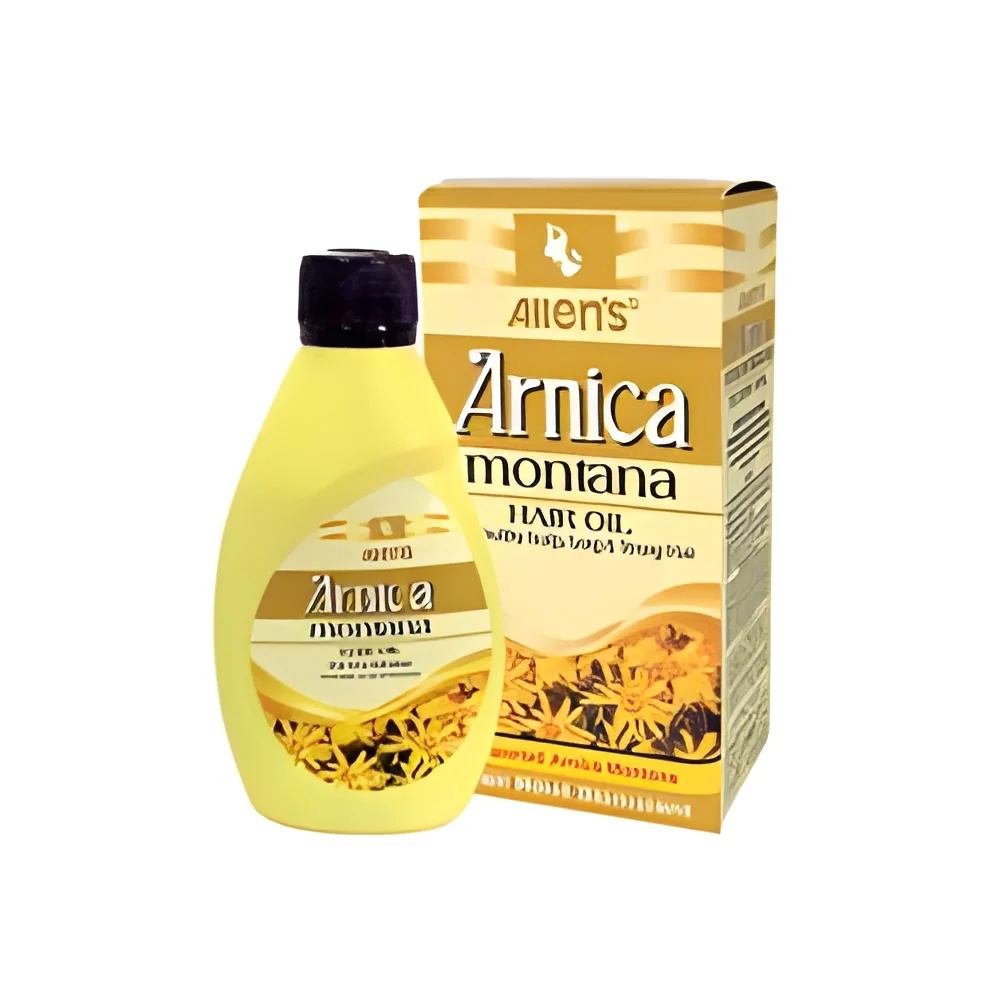
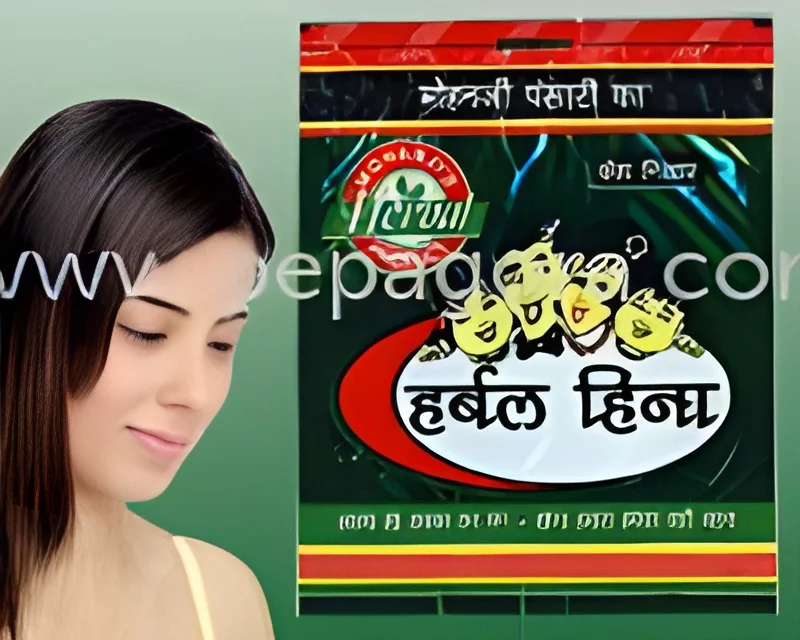
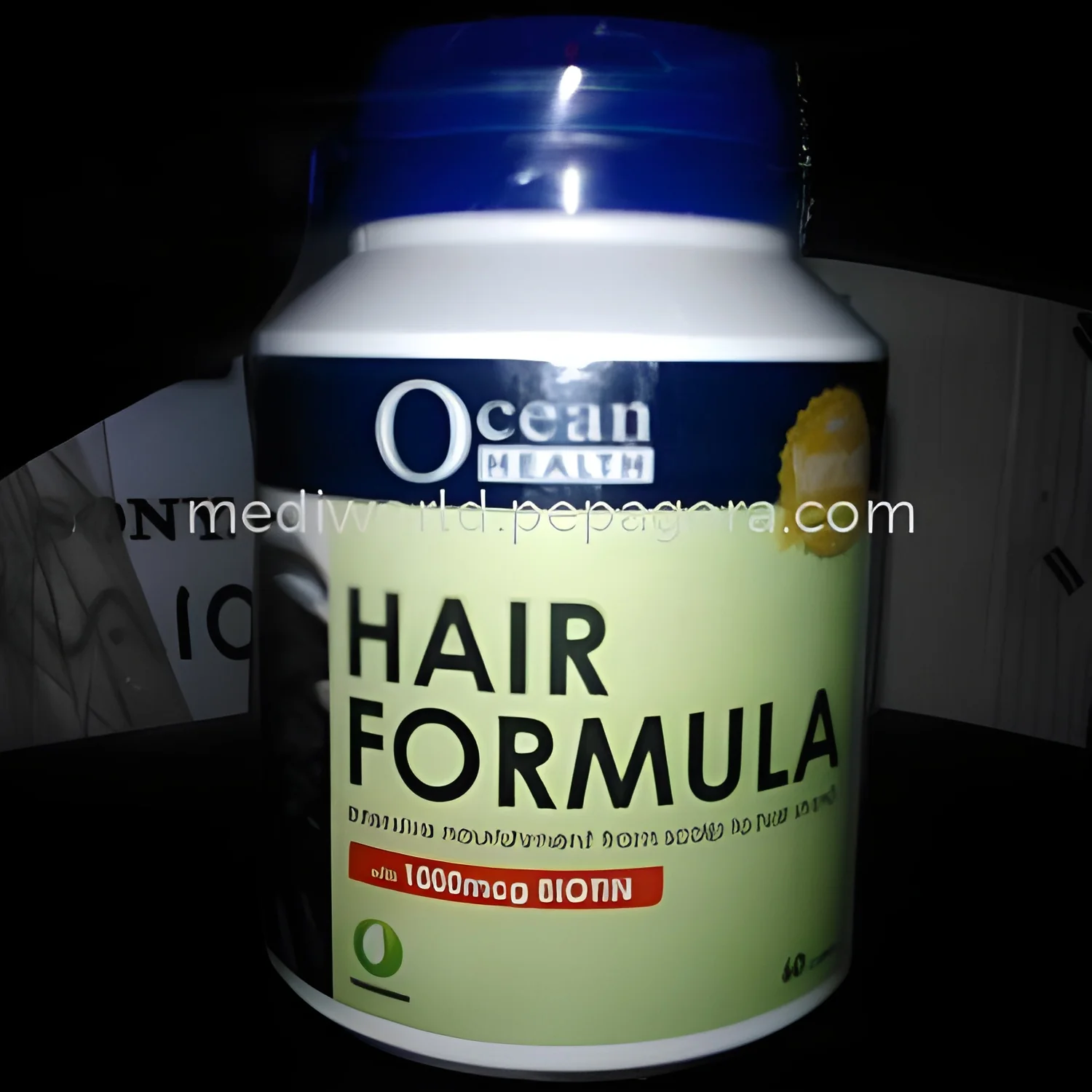
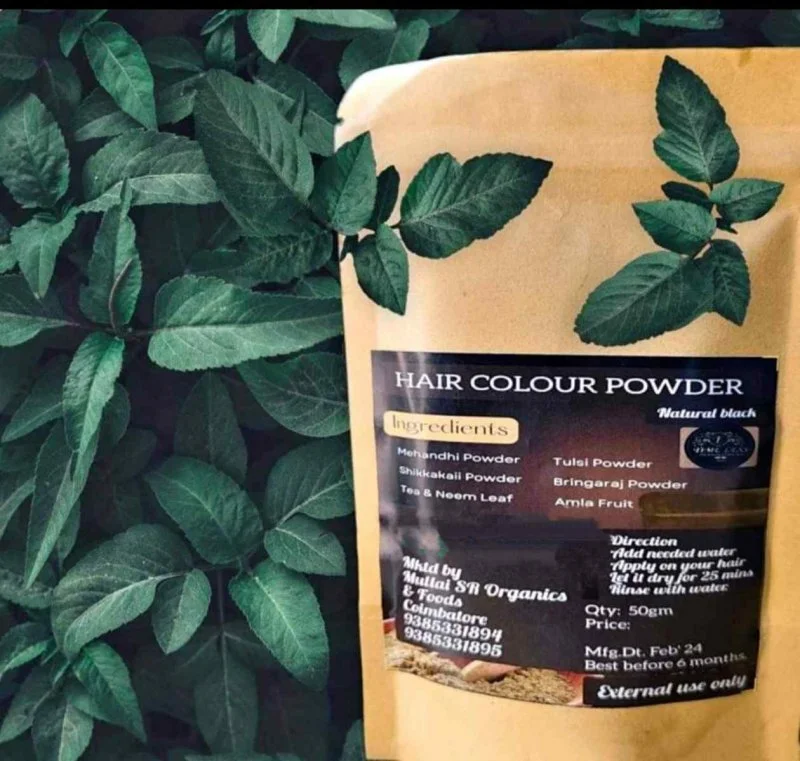
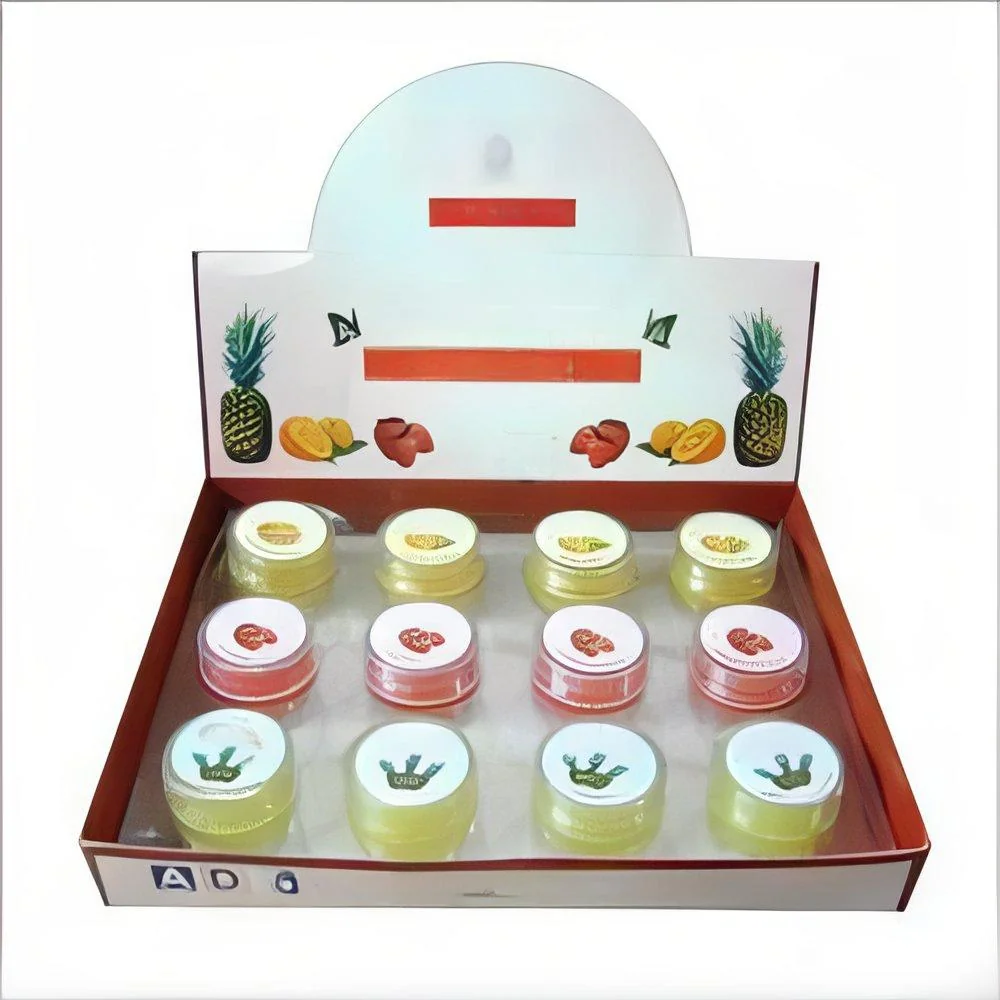
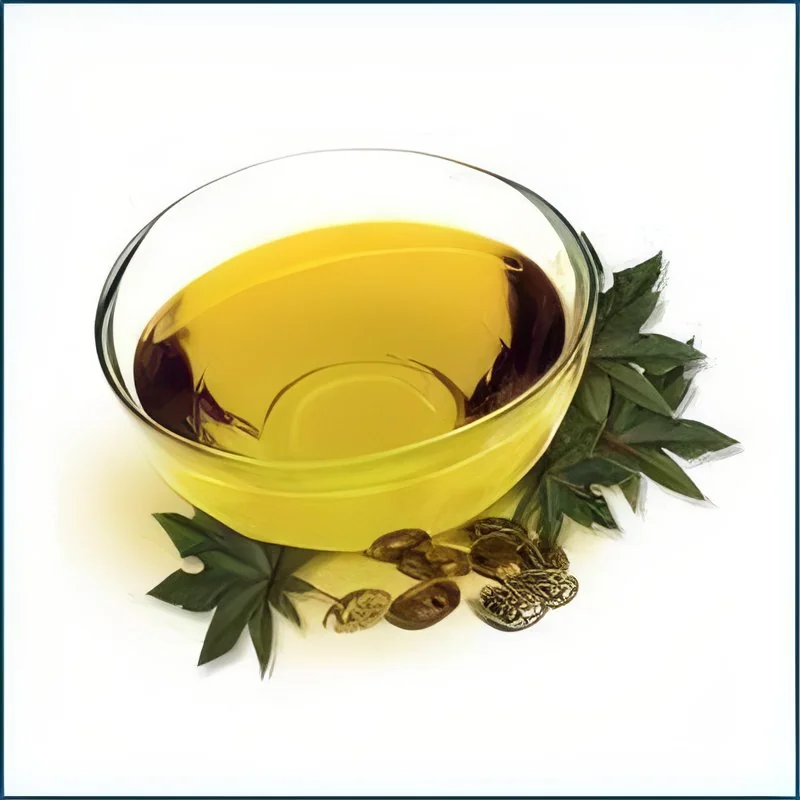
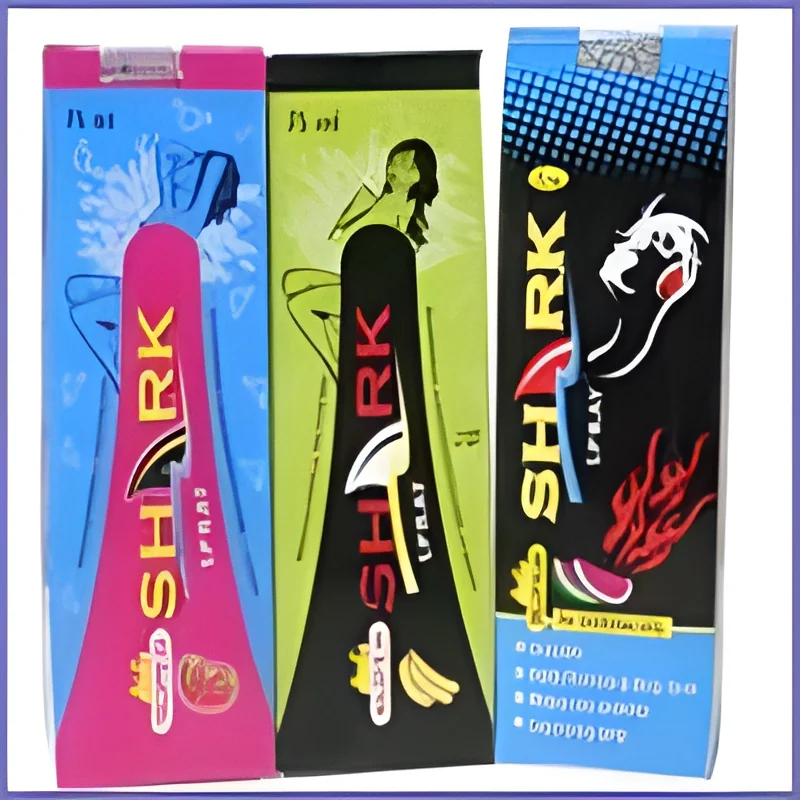
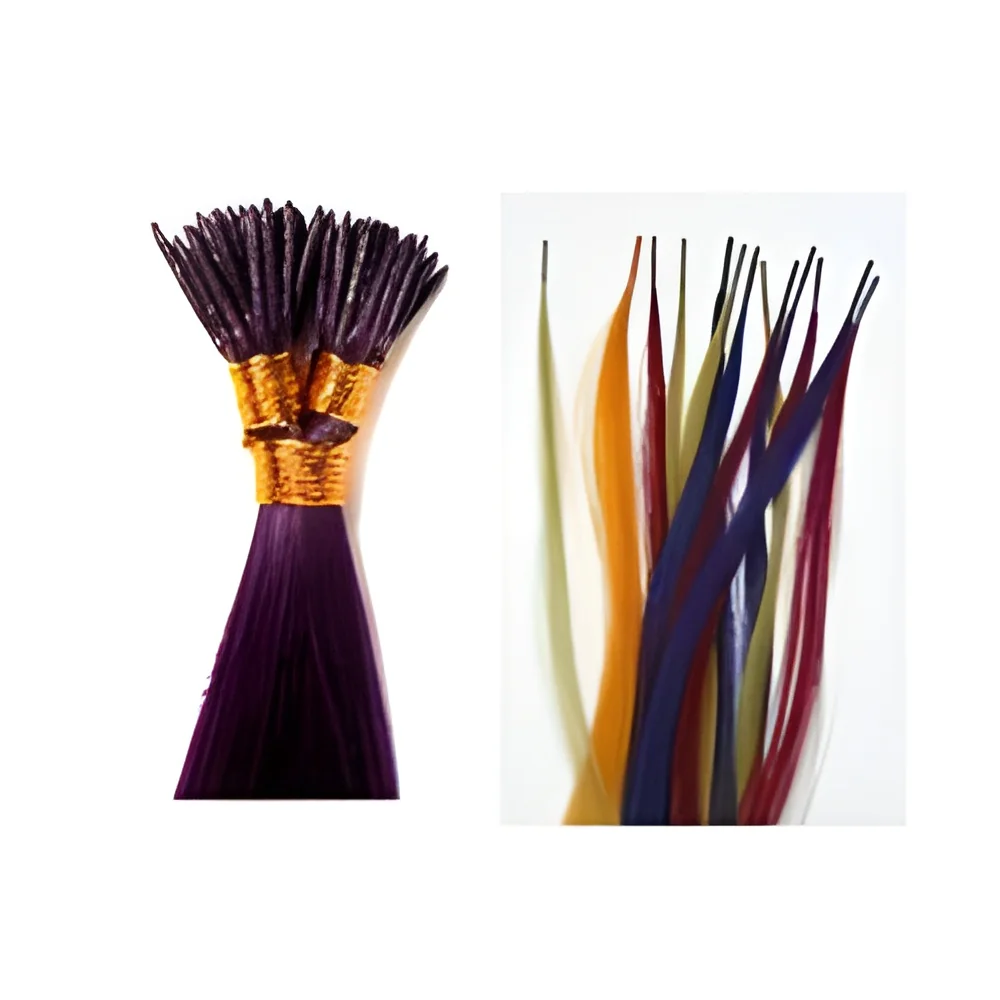
𝗪𝗵𝗮𝘁 𝗮𝗿𝗲 𝗛𝗮𝗶𝗿 𝗖𝗮𝗿𝗲 𝗣𝗿𝗼𝗱𝘂𝗰𝘁𝘀?
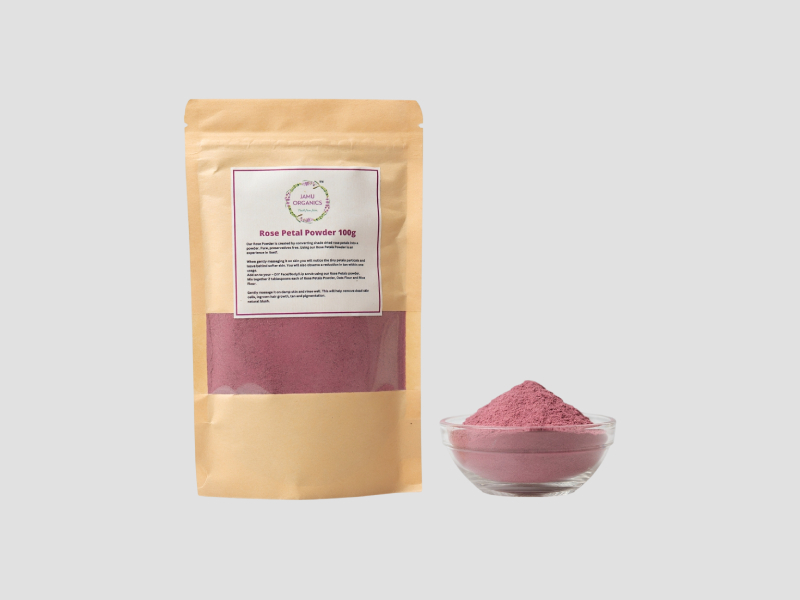
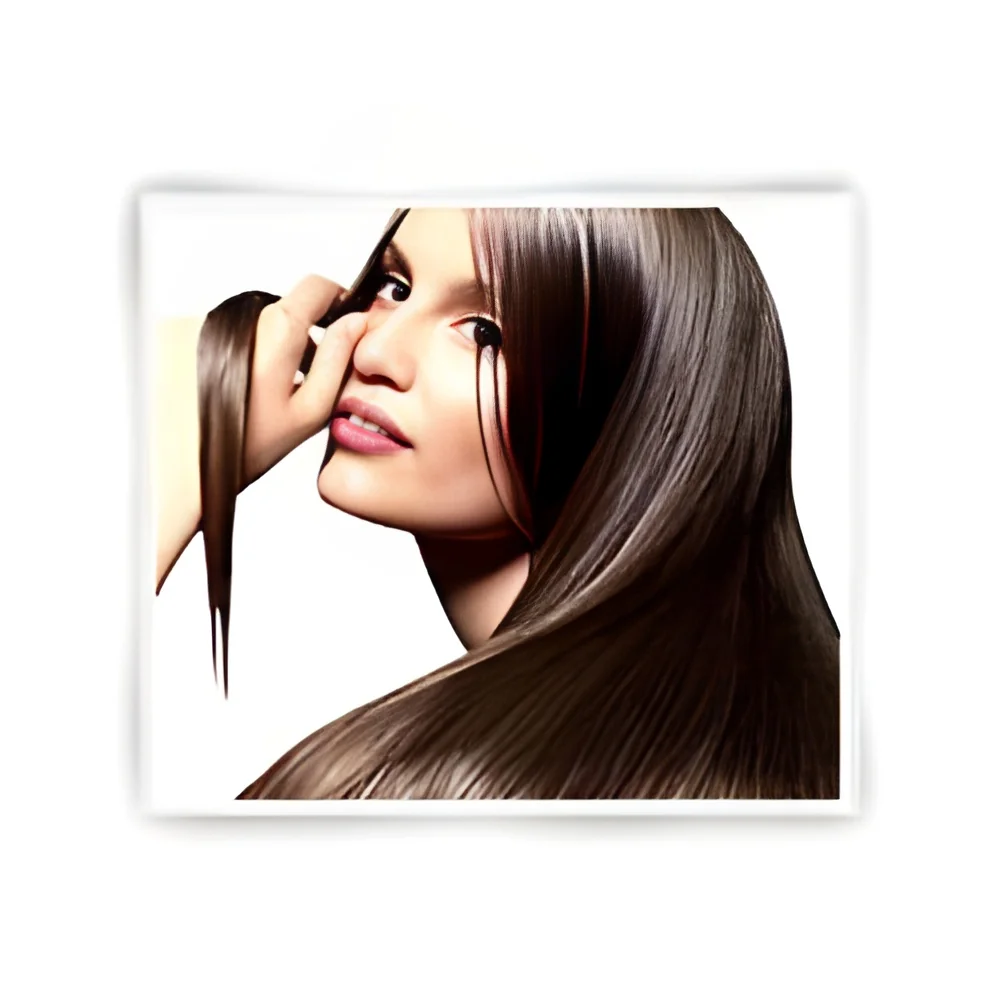
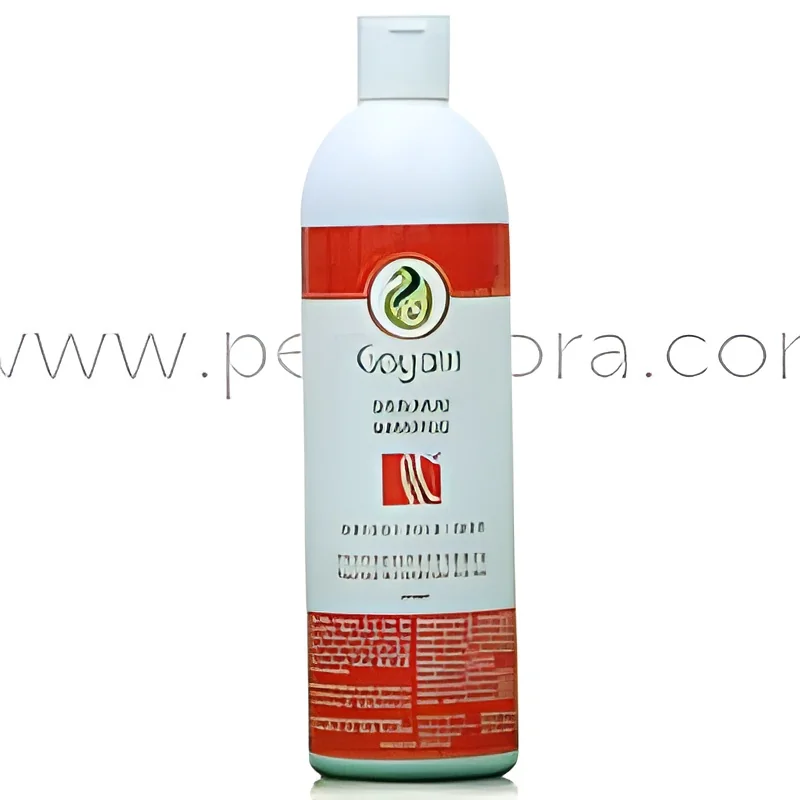
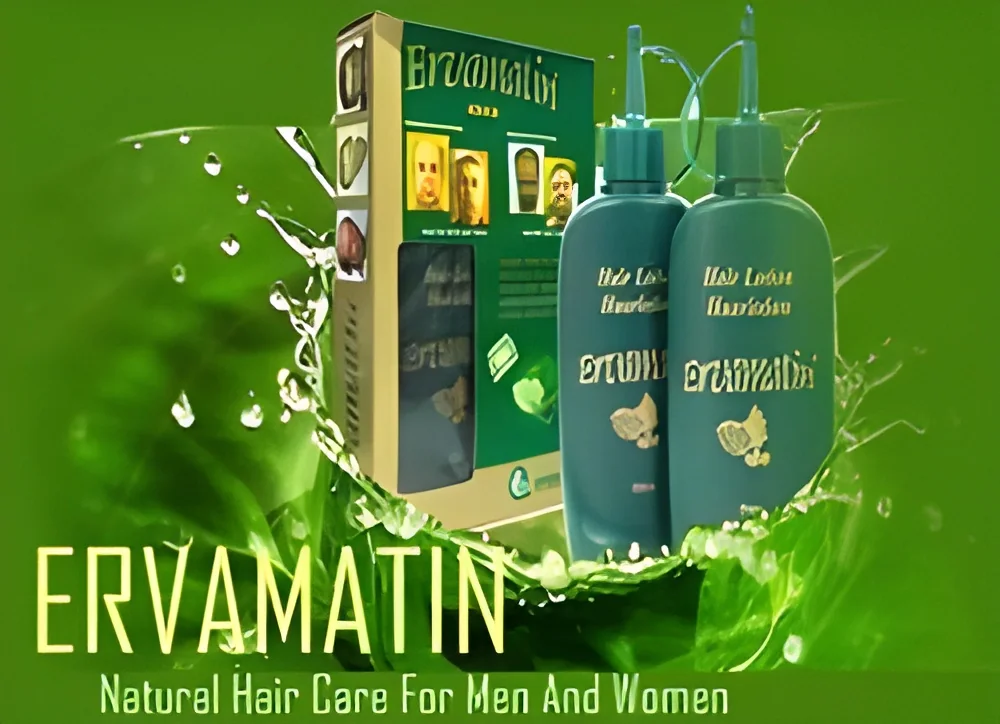
Hair care products are a specialized category of items designed to maintain, enhance, and improve the quality of hair. These products encompass a broad range of formulations, including shampoos, conditioners, hair masks, styling gels, and oils. Each product is designed to address various hair types and concerns, from dryness and frizz to volume and shine. The formulations often contain a blend of active ingredients that nourish the hair and scalp, promoting healthier hair growth and appearance.
In a business context, hair care products are primarily used in salons, spas, and retail environments. Salons utilize these products to provide services, while retailers offer them to consumers for home use. The demand for hair care products has seen significant growth, driven by increasing consumer awareness about personal grooming and self-care. This industry continues to evolve with trends focusing on natural ingredients and sustainable practices, making it a relevant and dynamic part of the beauty and personal care market.
𝗞𝗲𝘆 𝗙𝗲𝗮𝘁𝘂𝗿𝗲𝘀 𝗮𝗻𝗱 𝗦𝗽𝗲𝗰𝗶𝗳𝗶𝗰𝗮𝘁𝗶𝗼𝗻𝘀
Hair care products come with various features and specifications that cater to different needs and preferences. Understanding these specifications can help businesses make informed choices when sourcing products.
Key specifications include:
1. Ingredients
- Formulations may include natural oils, proteins, vitamins, and botanical extracts.
- Products may be free from sulfates, parabens, and artificial colors.
2. Application Type
- Products may come in various forms such as liquids, creams, or sprays.
- Certain products are designed for specific applications, such as leave-in conditioners or deep conditioning masks.
3. Hair Type Compatibility
- Products may be formulated for specific hair types including straight, wavy, curly, or coily.
- Some products target specific issues like color-treated hair or oily scalp.
4. Packaging Options
- Hair care products can be available in various sizes and packaging types.
- Options may include travel-sized bottles, refill pouches, or bulk containers.
5. Fragrance and Sensory Attributes
- Many products feature unique fragrances enhancing the user experience.
- Sensory attributes may include texture and absorption rate.
6. Shelf Life
- Shelf life can vary, typically ranging from 12 to 36 months.
- Proper storage conditions can affect the longevity of the product.
7. Eco-Friendliness
- Many brands focus on sustainable packaging and ingredients.
- Certifications may include organic or cruelty-free designations.
Overall, these specifications help businesses align their offerings with consumer preferences and industry standards.
𝗖𝗼𝗺𝗺𝗼𝗻 𝗔𝗽𝗽𝗹𝗶𝗰𝗮𝘁𝗶𝗼𝗻𝘀 𝗮𝗻𝗱 𝗨𝘀𝗲 𝗖𝗮𝘀𝗲𝘀
Hair care products find applications across several industries, each with specific needs and preferences.
1. Salon Industry: Salons utilize a range of hair care products to provide professional services, including treatments for damaged hair and styling products for various occasions.
2. Retail Sector: Retailers offer hair care products for consumers seeking at-home solutions, providing a variety of brands and formulations to meet diverse hair needs.
3. Hospitality Industry: Hotels and spas often provide high-quality hair care products as part of their guest amenities, enhancing the overall guest experience.
4. Health and Wellness: Some hair care products are formulated with natural ingredients that promote scalp health and hair growth, appealing to wellness-focused consumers.
5. E-commerce: Online platforms allow for a broader marketplace, connecting consumers with niche hair care brands and products that may not be available locally.
6. Beauty Influencers: Influencers and content creators frequently collaborate with brands to promote hair care products, driving trends and consumer interest.
7. Education: Cosmetology schools use hair care products for training purposes, teaching students about different formulations and proper application techniques.
𝗣𝗿𝗼𝗱𝘂𝗰𝘁 𝗩𝗮𝗿𝗶𝗮𝗻𝘁𝘀 𝗮𝗻𝗱 𝗦𝘂𝗯𝗰𝗮𝘁𝗲𝗴𝗼𝗿𝗶𝗲𝘀
Hair care products are diverse, offering a wide variety of options to cater to different hair needs. This diversity allows businesses to tailor their offerings to specific market segments.
Shampoos
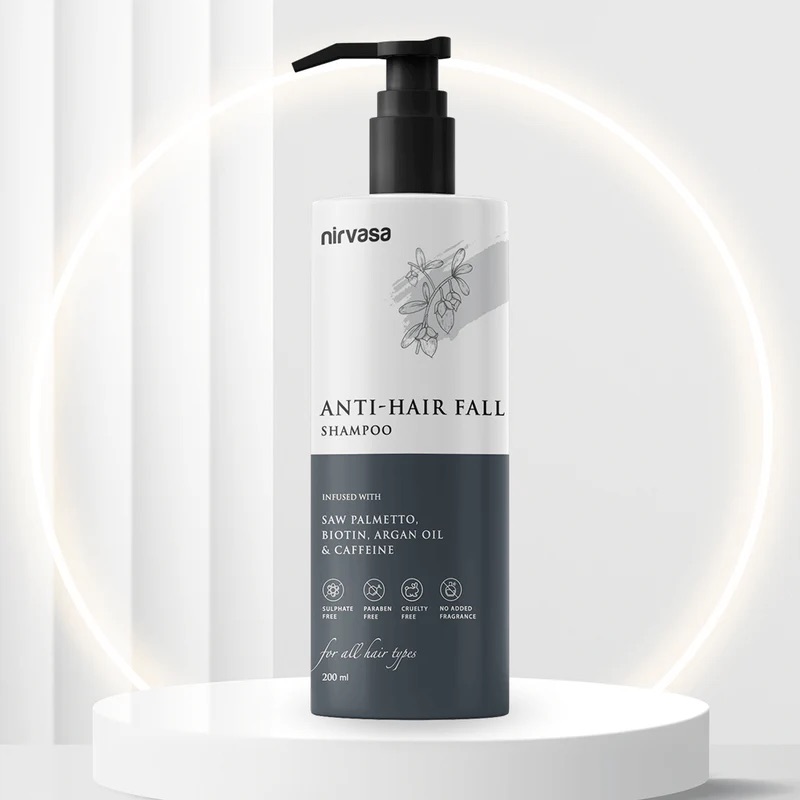
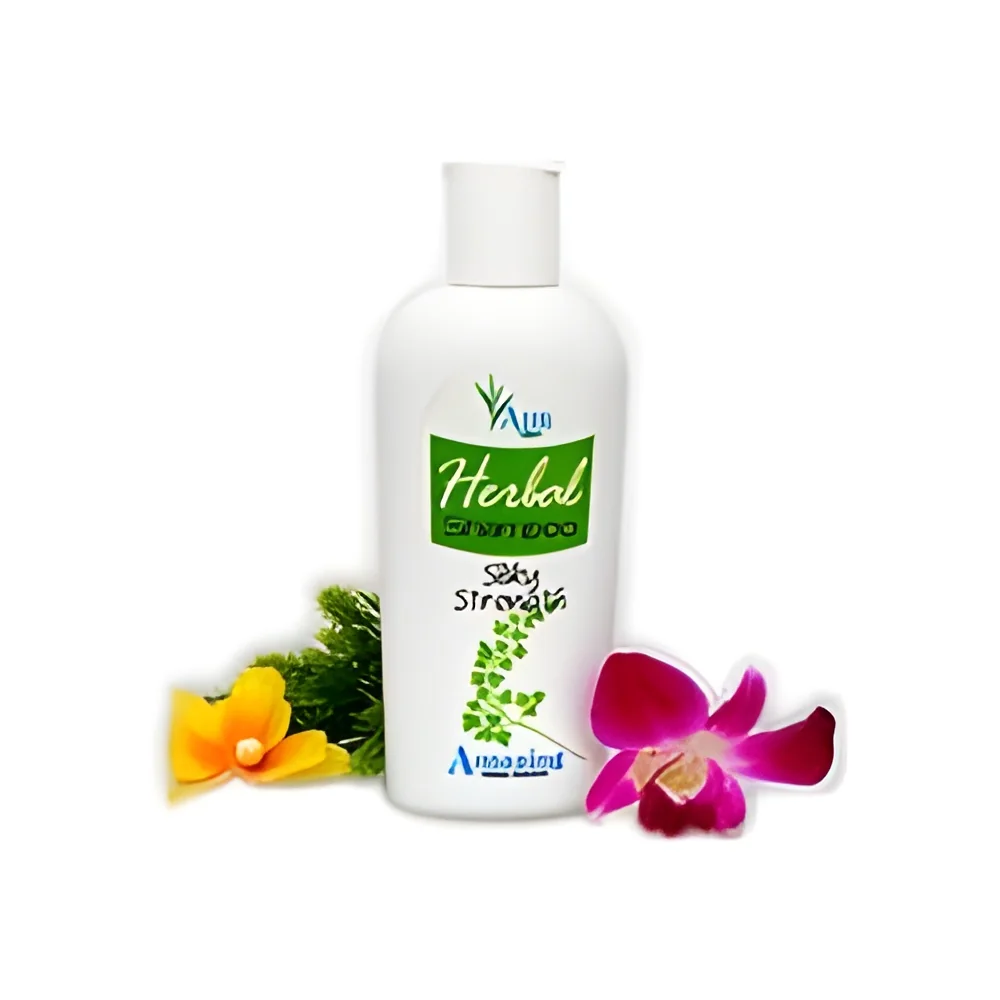
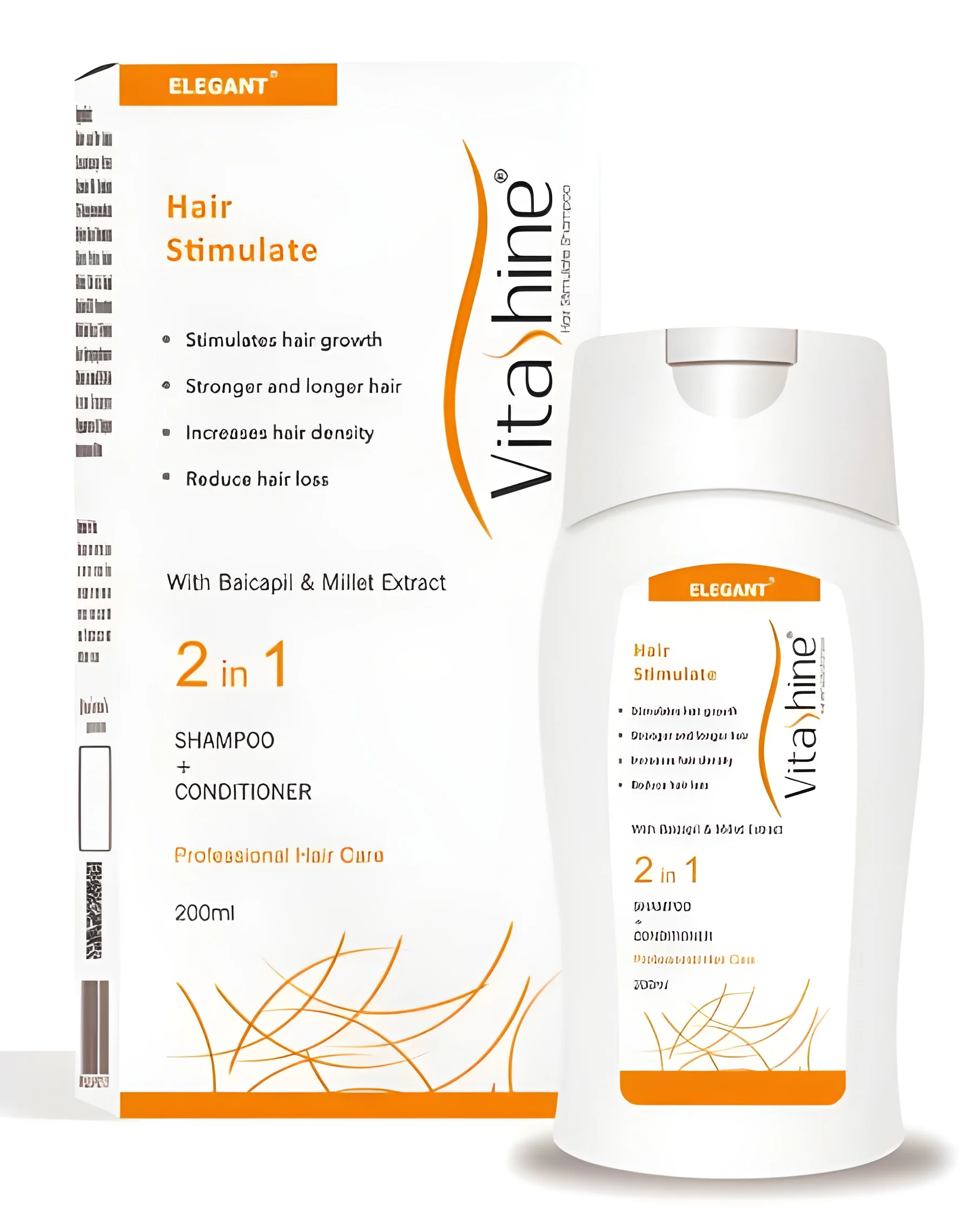
These are cleansing products designed to remove dirt, oil, and product buildup. Variants may include moisturizing, volumizing, or clarifying shampoos tailored to specific hair concerns.
Conditioners
Conditioners help to hydrate and detangle hair after washing. They come in numerous formulations, including leave-in conditioners and deep conditioning treatments for enhanced moisture.
Styling Products
This category includes gels, mousses, and sprays that help achieve desired hairstyles. Features may include hold strength and finish type, such as matte or shiny.
Hair Treatments
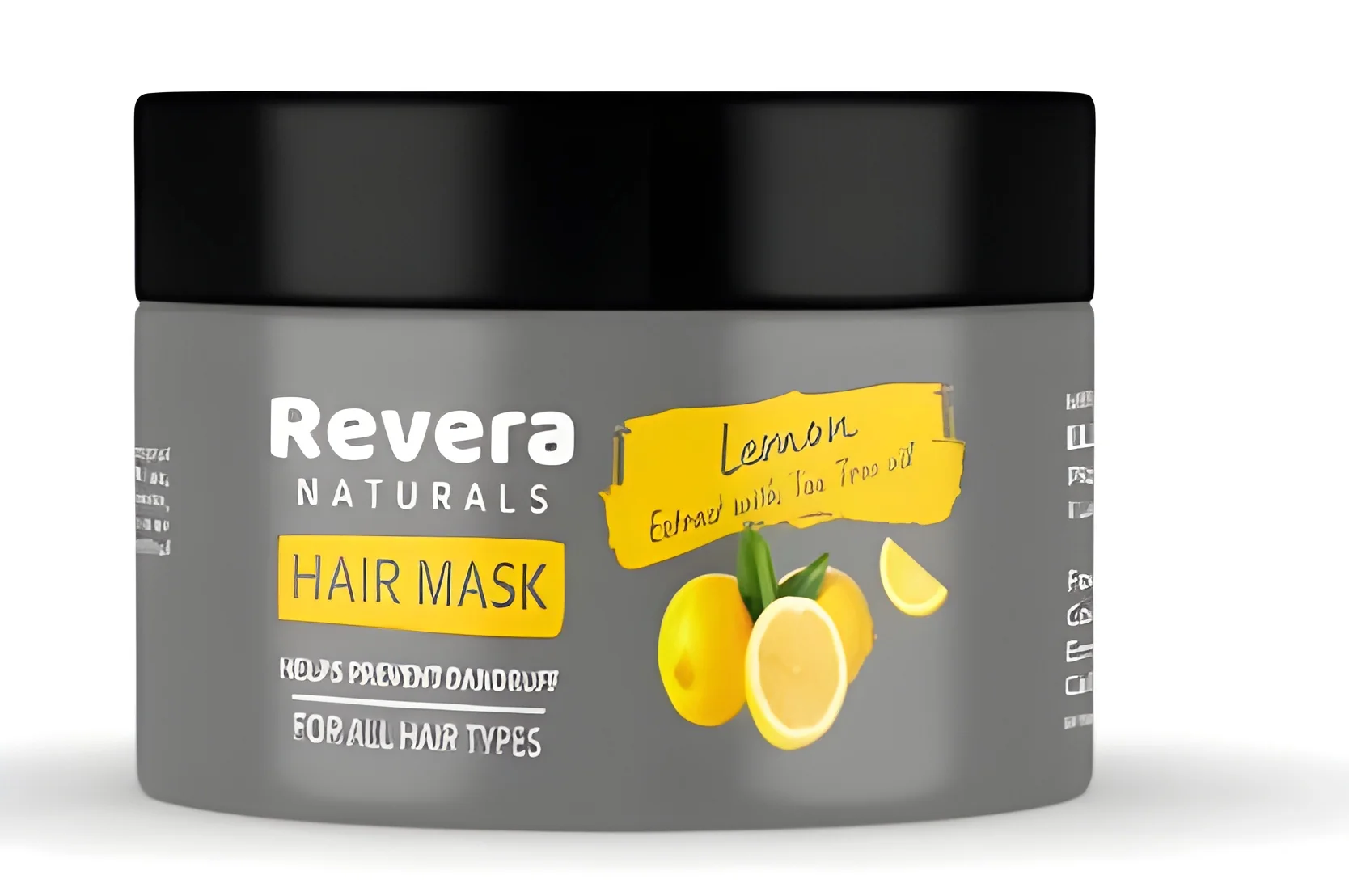
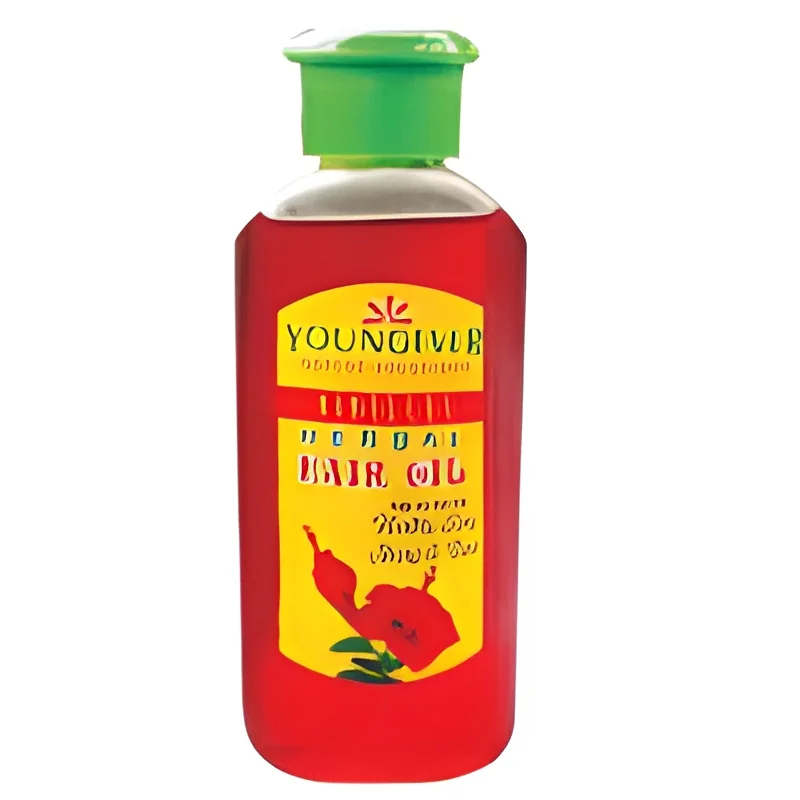
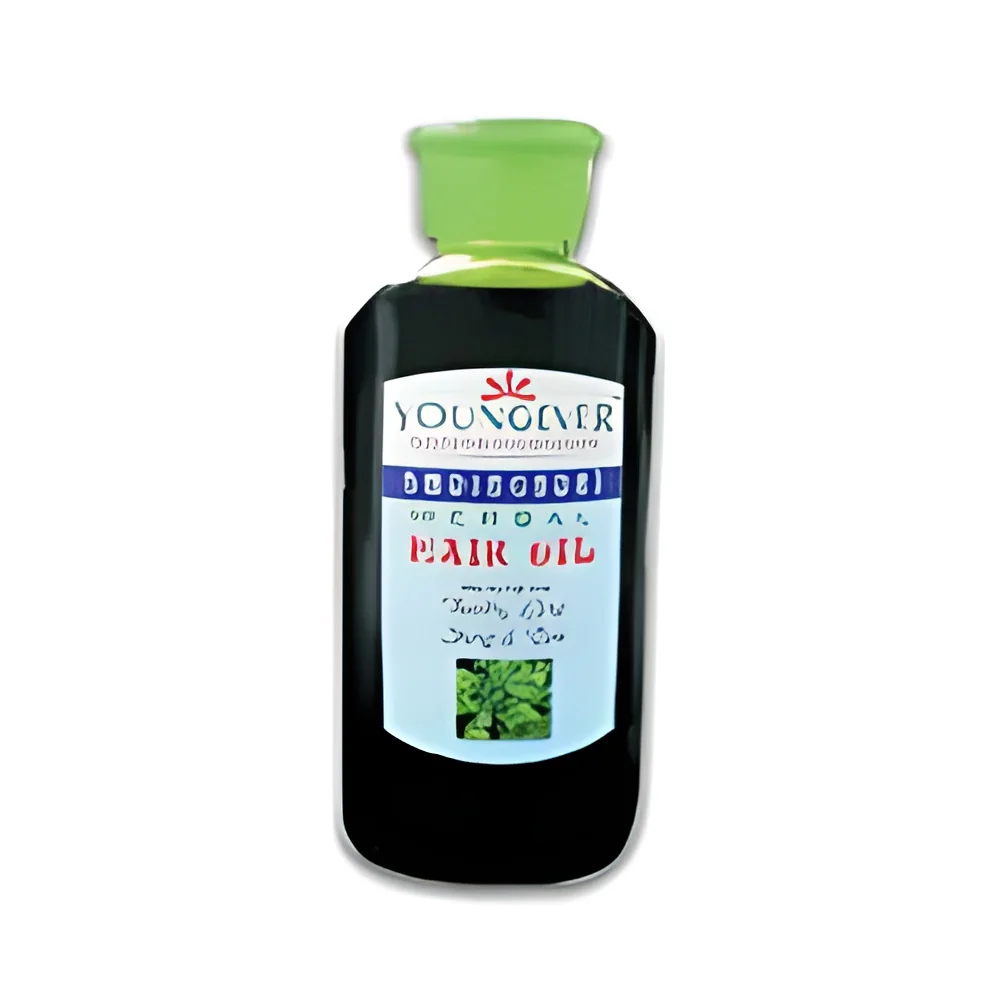
These products, such as masks and oils, target specific hair issues like damage, dryness, or frizz. Many treatments are enriched with concentrated active ingredients for maximum efficacy.
𝗕𝗲𝗻𝗲𝗳𝗶𝘁𝘀 𝗮𝗻𝗱 𝗔𝗱𝘃𝗮𝗻𝘁𝗮𝗴𝗲𝘀
Using high-quality hair care products offers numerous benefits that can enhance hair health and appearance.
1. Improved Hair Health: Regular use of appropriate hair care products can lead to stronger, healthier hair by providing necessary nutrients.
2. Enhanced Appearance: These products can improve shine, manageability, and overall hair aesthetics, making hair look well-groomed.
3. Customization: Businesses can choose products tailored to their specific audience or clientele, ensuring that they meet diverse hair care needs.
4. Brand Loyalty: Offering high-quality hair care products can foster customer loyalty, as consumers often prefer trusted brands that deliver consistent results.
5. Market Trends: Staying updated with the latest trends in hair care can attract a broader customer base, especially among younger demographics.
6. Sustainability: Many consumers are leaning towards eco-friendly products, so offering sustainable options can differentiate a brand in a competitive market.
𝗕𝘂𝘆𝗶𝗻𝗴 𝗚𝘂𝗶𝗱𝗲 𝗳𝗼𝗿 𝗕𝟮𝗕 𝗕𝘂𝘆𝗲𝗿𝘀
When sourcing hair care products, it is essential for B2B buyers to consider several critical factors to ensure they make informed decisions.
1. Quality Assessment: Evaluating product quality is vital. Buyers should look for reputable brands that comply with industry standards and conduct thorough testing.
2. Supplier Verification: It is important to vet suppliers to ensure they have a good track record. Buyers should check for certifications and customer reviews to confirm reliability.
3. Pricing and MOQ: Understanding the pricing structure and minimum order quantities can help buyers manage costs effectively. It's essential to balance quality with budget constraints.
4. Delivery and Lead Times: Buyers should inquire about logistics, including shipping options and delivery timelines, to ensure timely availability of products.
5. Compliance Requirements: Buyers need to be aware of regulatory requirements in their region, including safety and labeling standards that must be met by hair care products.
𝗖𝗼𝗺𝗽𝗹𝗶𝗮𝗻𝗰𝗲 𝗮𝗻𝗱 𝗖𝗲𝗿𝘁𝗶𝗳𝗶𝗰𝗮𝘁𝗶𝗼𝗻𝘀
Compliance and certifications are crucial in the hair care industry, ensuring that products meet safety and quality standards. Key quality standards include ISO 9001, which outlines requirements for a quality management system, and HACCP, focusing on food safety principles applicable to certain hair care ingredients.
Industry certifications like CE mark indicate compliance with European health, safety, and environmental protection standards, which can enhance marketability. Safety testing is also fundamental, ensuring that products are free from harmful substances and allergens.
Regional compliance considerations may vary, so businesses need to stay informed about local regulations that govern the formulation and sale of hair care products. This diligence helps in maintaining product integrity and consumer trust.
𝗪𝗵𝘆 𝗦𝗼𝘂𝗿𝗰𝗲 𝗛𝗮𝗶𝗿 𝗖𝗮𝗿𝗲 𝗣𝗿𝗼𝗱𝘂𝗰𝘁𝘀 𝗳𝗿𝗼𝗺 𝗣𝗲𝗽𝗮𝗴𝗼𝗿𝗮?
Pepagora offers a reliable platform for businesses seeking hair care products, providing numerous advantages that facilitate a seamless sourcing experience.
Verified Supplier Network: Pepagora features a robust network of verified suppliers, ensuring that buyers can connect with reputable manufacturers known for quality products.
Streamlined RFQ Process: The platform's Request for Quotation system simplifies the procurement process, allowing buyers to request product information and pricing quickly and efficiently.
Trade Assurance and Support: Pepagora prioritizes buyer protection through trade assurance policies, providing an additional layer of security for transactions and fostering trust between buyers and suppliers.
Regional Coverage: With a strong presence in India, the GCC, and Southeast Asia, Pepagora offers extensive regional coverage, making it easier for businesses to access diverse hair care products tailored to local market needs.

 IN
IN