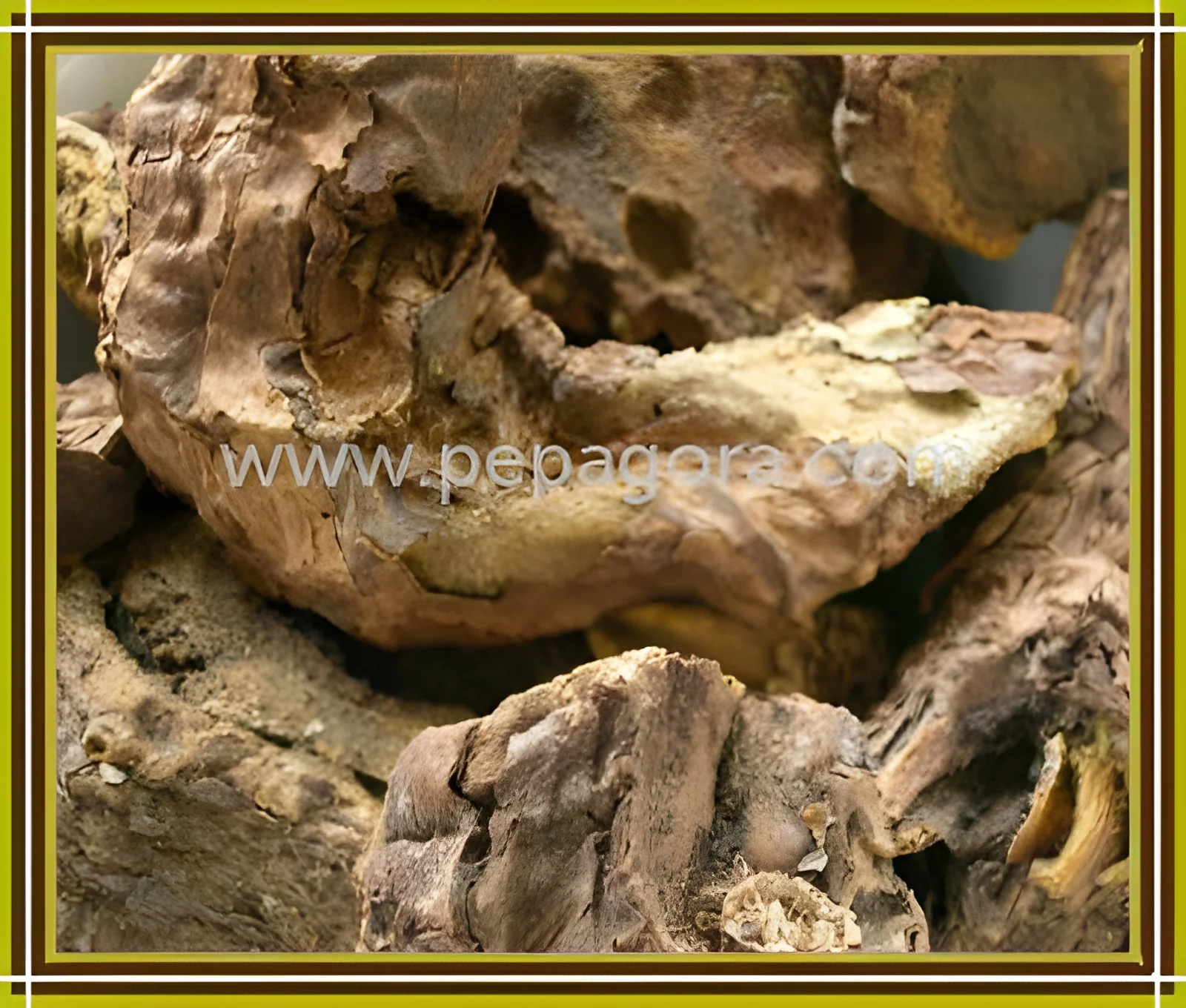
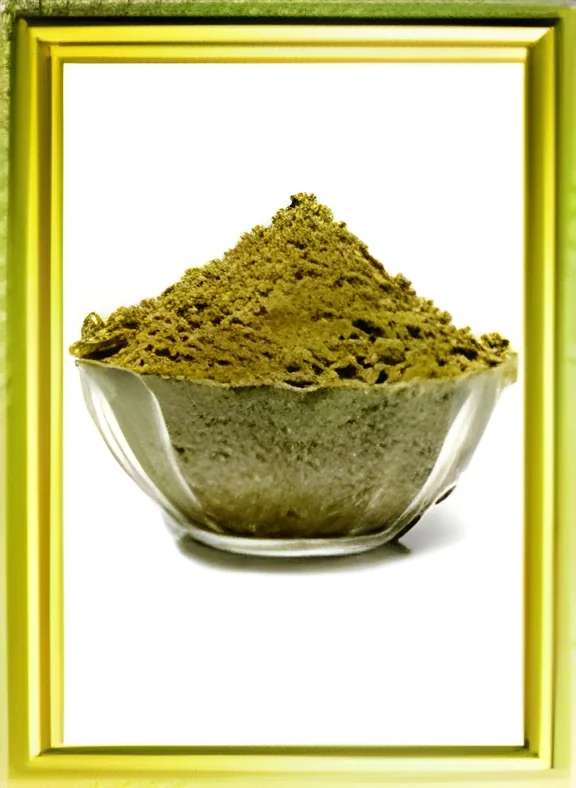
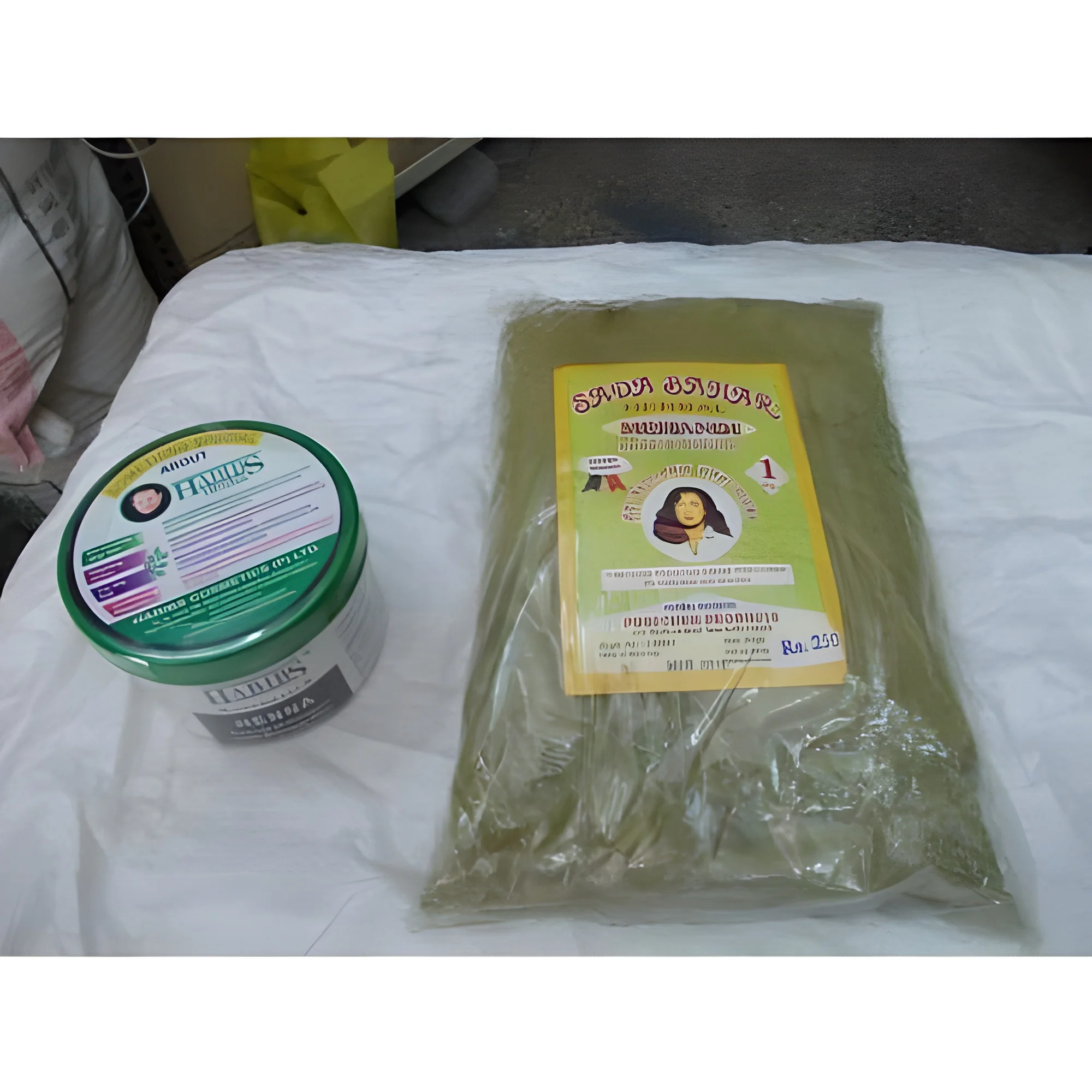
What are Henna & Herbal Color Powders?
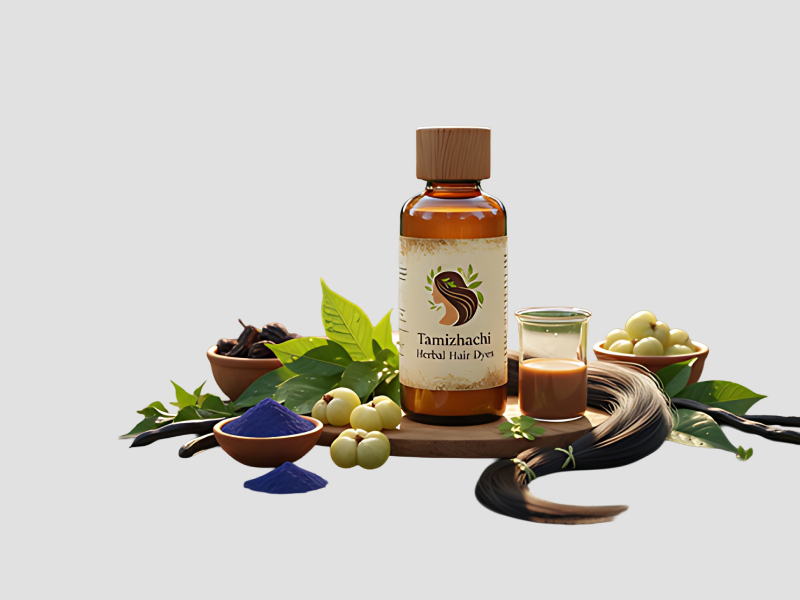
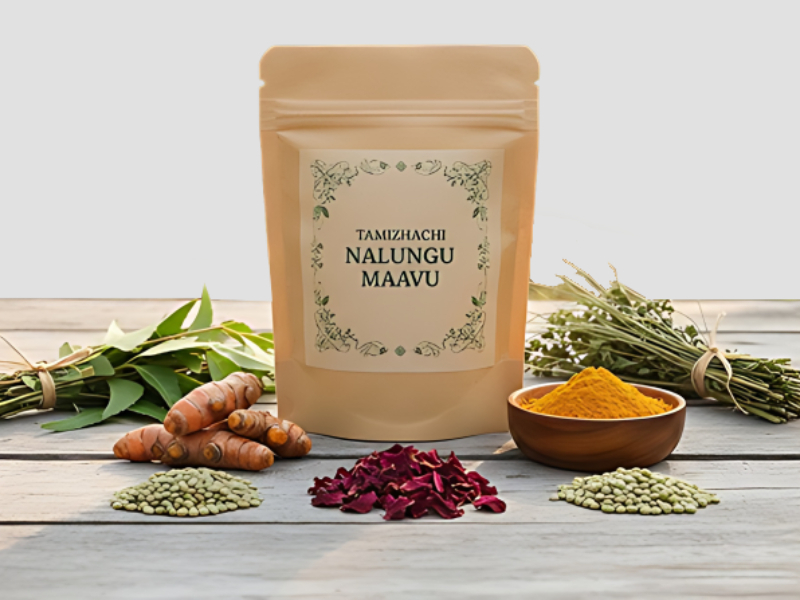
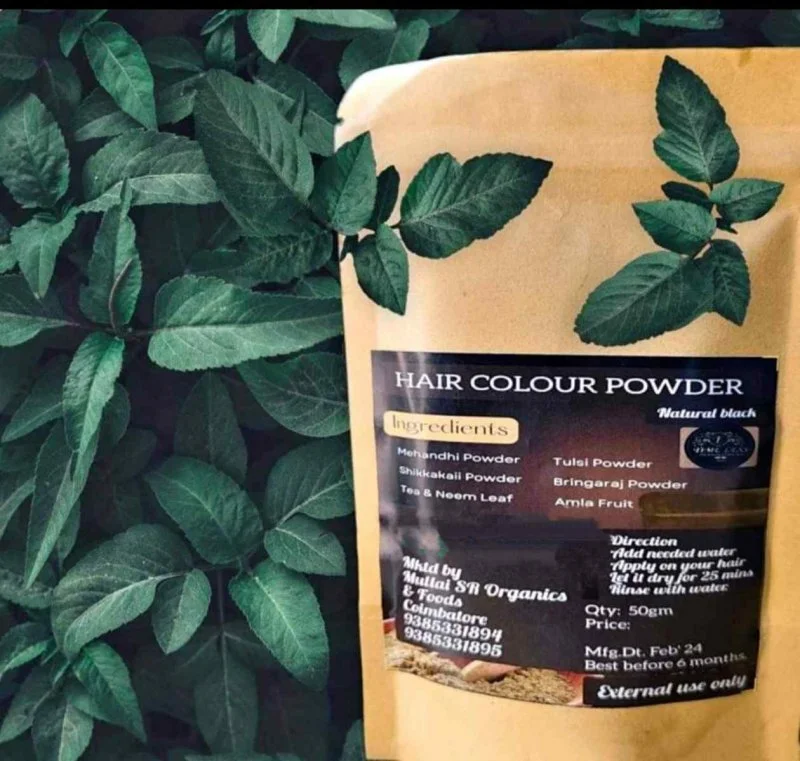
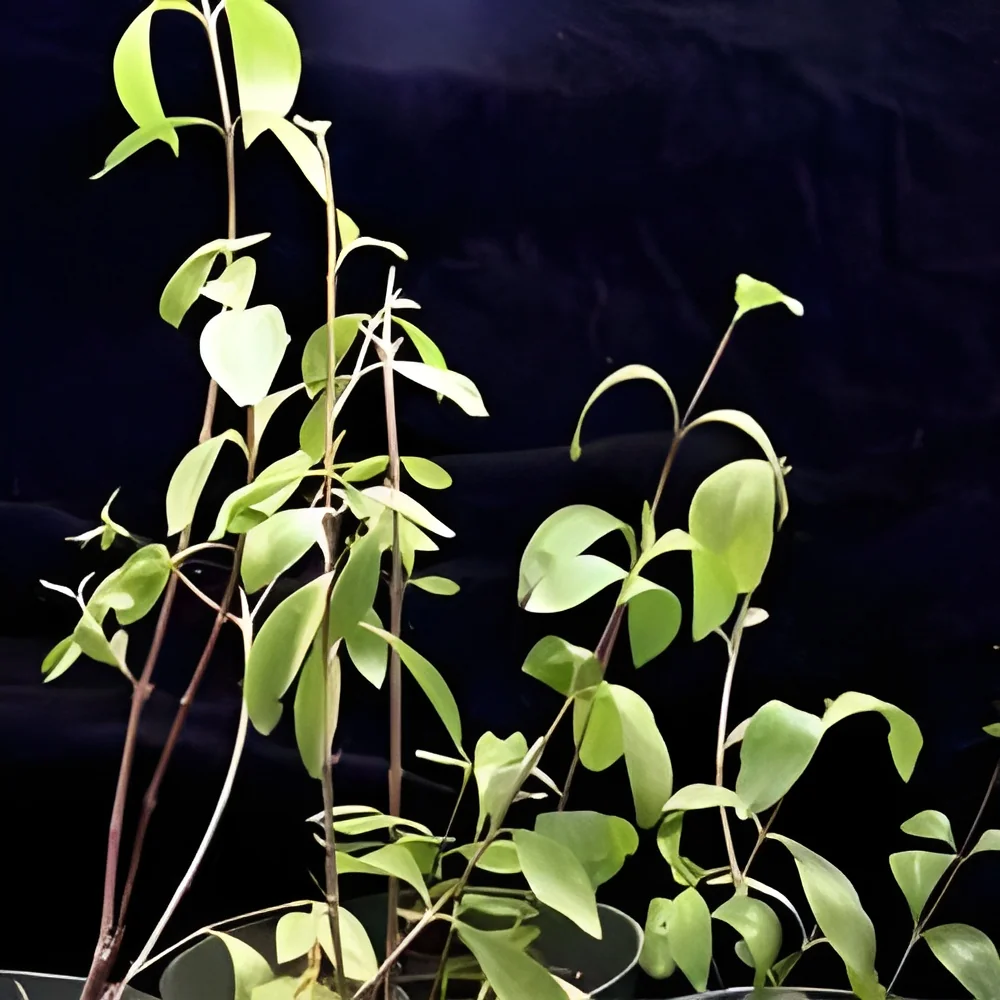
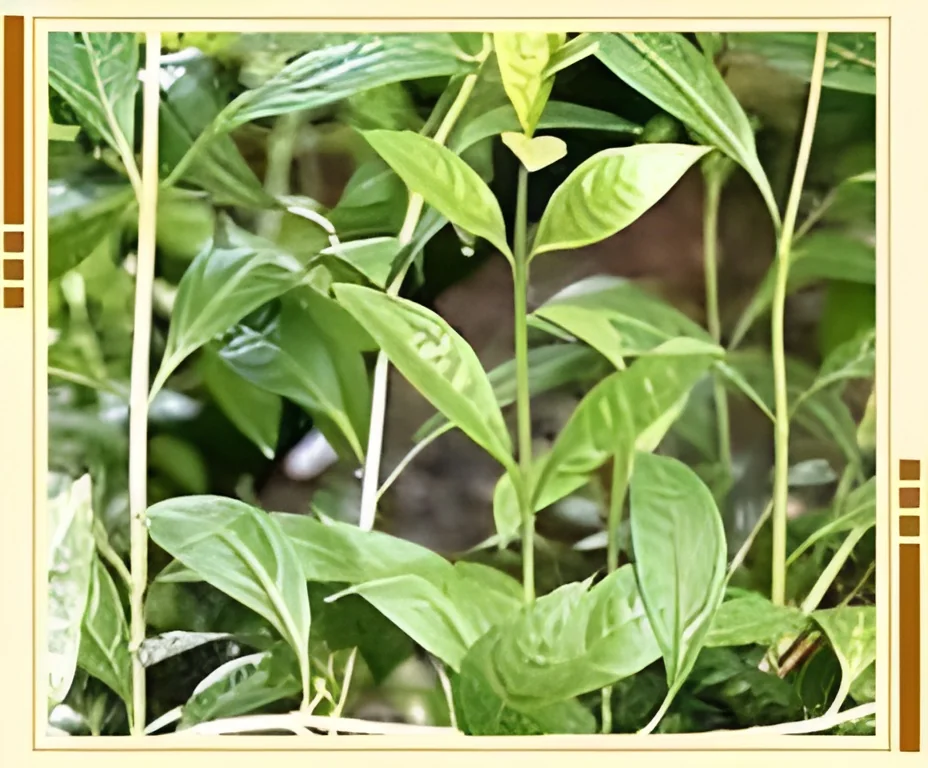
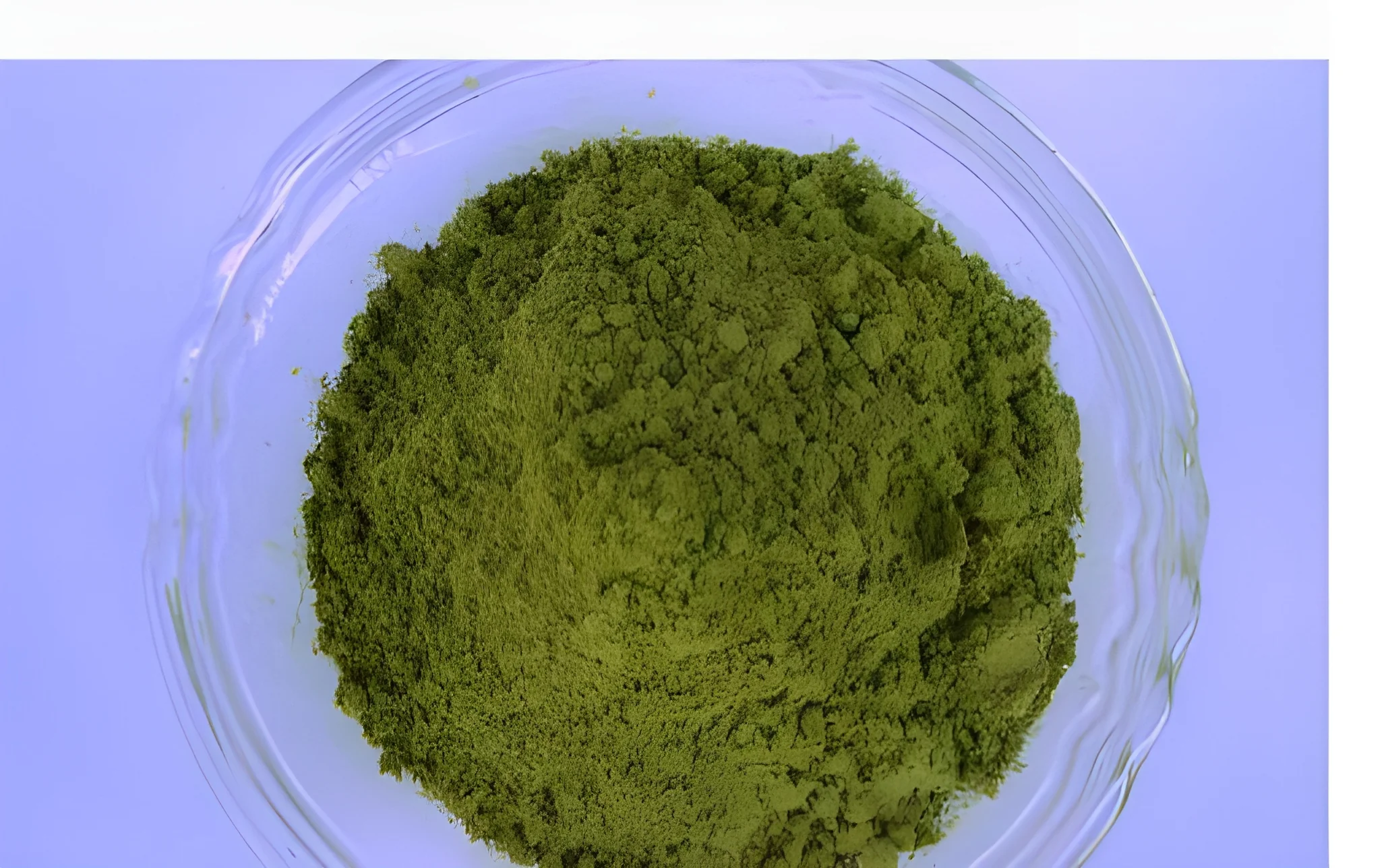
Henna and herbal color powders are natural dyes derived from plant sources, primarily used for hair and body art. Henna, specifically from the Lawsonia inermis plant, produces a reddish-brown hue, while other herbal powders may offer a range of colors, such as black, brown, and even vibrant shades depending on the plant used. These powders are a popular choice for consumers seeking natural alternatives to synthetic dyes, appealing to those who prioritize organic and eco-friendly products.
The primary applications of henna and herbal color powders are in the beauty and personal care industries, where they are used for hair coloring and body art designs. Additionally, they are utilized in various cultural traditions, particularly in South Asian, Middle Eastern, and African communities for ceremonies and celebrations. The growing demand for natural beauty products has increased the relevance of these powders in the global market, leading to innovations and new products that cater to diverse consumer preferences.
The industry context is characterized by a rising trend towards sustainable and chemical-free products. As consumers become more health-conscious and environmentally aware, the market for henna and herbal color powders continues to expand, making them a valuable product for businesses in the beauty and personal care sectors.
Key Features and Specifications
Henna and herbal color powders come with a variety of features and specifications that cater to different applications and consumer preferences. These specifications are crucial for businesses looking to source these products effectively.
Key specifications include:
1. Color Range
- Various colors available, including red, brown, black, and others
- Custom blends possible for specific customer needs
2. Purity Levels
- High purity levels ensure better color payoff
- Typically above 99% for premium products
3. Packaging Options
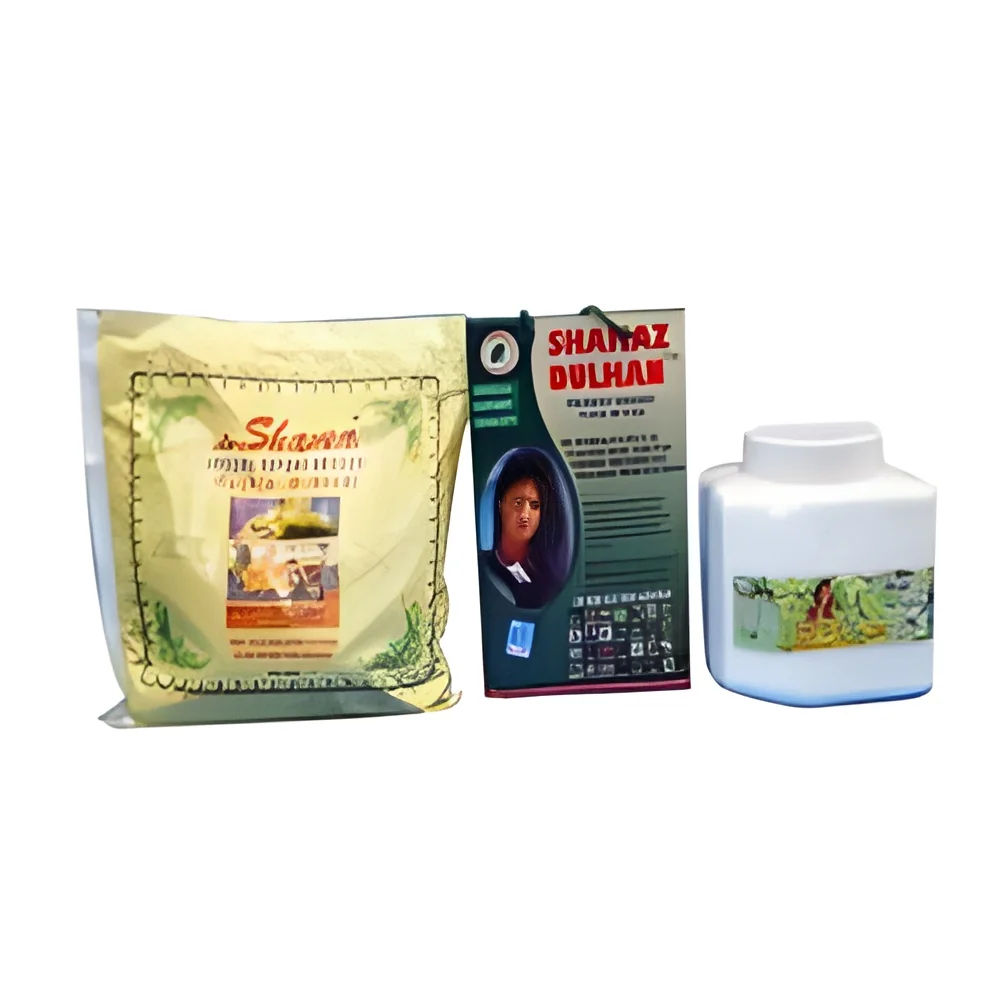
- Available in bulk, retail, and custom packaging
- Common sizes include 100g, 500g, and 1kg bags
4. Shelf Life
- Generally 2 years if stored properly
- Recommendations for storage in cool, dry places
5. Application Methods
- Suitable for use in hair dyeing, body art, and cosmetic formulations
- Easy to mix with water or other natural ingredients
6. Sourcing Standards
- Sourced from reputable suppliers following ethical harvesting practices
- Compliance with international safety standards
7. Certifications
- CE certification indicating compliance with European health and safety standards
- Other certifications as required by specific markets
In summary, understanding these features and specifications allows businesses to make informed decisions while sourcing henna and herbal color powders, ensuring high quality and marketability.
Common Applications and Use Cases
Henna and herbal color powders serve a diverse range of industries, each with specific applications that leverage their natural properties.
1. Beauty and Personal Care: These powders are widely used in hair dyes and cosmetic products. They offer a natural alternative to synthetic dyes, appealing to eco-conscious consumers.
2. Body Art: Henna is predominantly used for temporary body art, particularly in cultural celebrations like weddings and festivals. Its natural origin makes it a preferred choice for skin applications.
3. Textile Industry: Some herbal powders are used as natural dyes in textiles, providing a sustainable option for fabric coloration without harmful chemicals.
4. Food Industry: Certain herbal powders are utilized as natural colorants and flavoring agents in food products, enhancing both visual appeal and taste.
5. Pharmaceuticals: Herbal powders may be incorporated into herbal medicines and supplements, leveraging their natural properties for health benefits.
6. Craft and DIY Projects: Many consumers engage with henna and herbal powders for crafting purposes, including homemade cosmetics and personal art.
7. Education and Workshops: Businesses may offer workshops on henna application and herbal dyeing techniques, promoting cultural practices alongside product use.
Product Variants and Subcategories
Henna and herbal color powders come in various variants, each tailored to specific applications and customer needs.
Natural Henna Powder
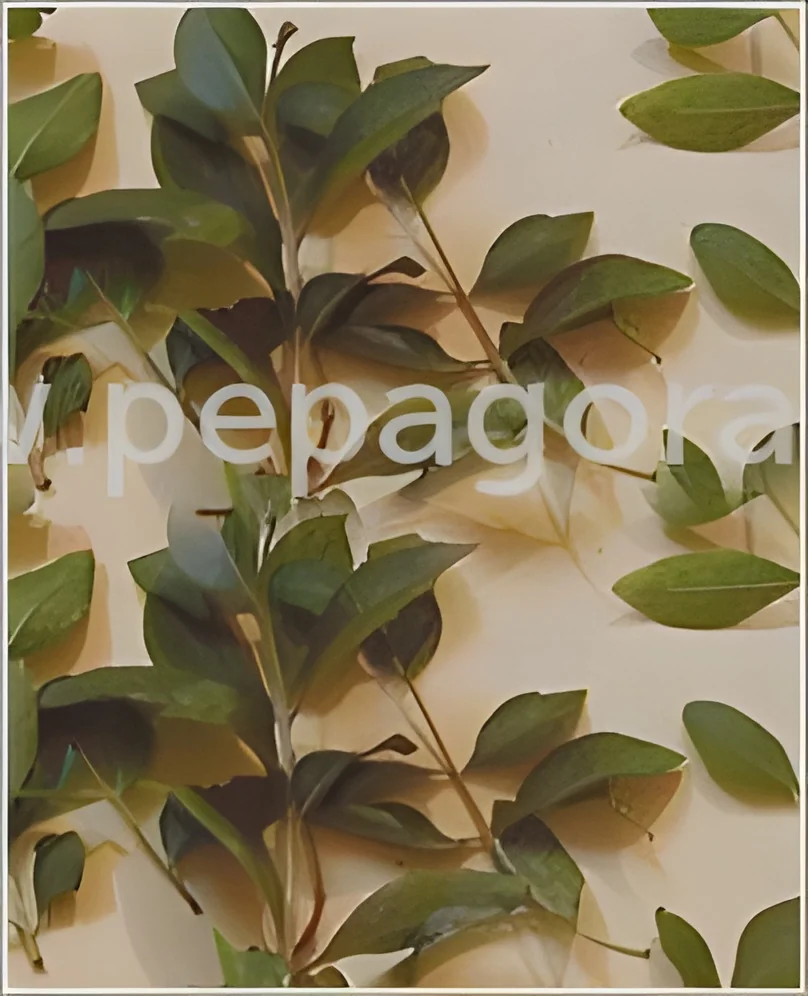
This variant is made from the leaves of the Lawsonia inermis plant. It is known for its vibrant red-brown color and is widely used for hair and body art. Its natural properties ensure safety and effectiveness for users seeking organic solutions.
Indigo Powder
Indigo powder is derived from the Indigofera plant and is often used in conjunction with henna to achieve darker shades of brown and black. This variant is popular among those looking to achieve deeper hair colors while maintaining a natural approach.
Amla Powder
Amla, or Indian gooseberry, is known for its health benefits and is often combined with henna for added nourishment. It enhances the conditioning properties of henna, making it beneficial for hair health and shine.
Brahmi Powder
Brahmi powder is another herbal variant that is often mixed with other powders. It is known for promoting hair growth and reducing hair fall, making it a valuable addition to henna formulations.
Benefits and Advantages
Henna and herbal color powders offer numerous benefits that make them appealing to businesses and consumers alike.
1. Natural Ingredients: These powders are derived from plants, ensuring a chemical-free alternative for hair and body applications. This aligns with the growing consumer preference for natural products.
2. Skin-Friendly: Henna is generally safe for most skin types, reducing the risk of allergic reactions often associated with synthetic dyes. This makes it suitable for a wider audience.
3. Versatile Applications: The powders can be used in various ways, from hair dyeing to body art, textiles, and even food coloring. This versatility expands market opportunities for businesses.
4. Long-lasting Color: Henna provides a rich, lasting color that can endure for weeks, appealing to customers looking for durability in their hair products.
5. Conditioning Properties: Many herbal powders, such as amla and brahmi, offer added benefits to hair, promoting health and shine while coloring.
6. Eco-Friendly: Sourcing henna and herbal powders typically involves sustainable practices, which resonate with environmentally conscious consumers.
Buying Guide for B2B Buyers
When sourcing henna and herbal color powders, B2B buyers should consider several important factors to ensure quality and reliability.
1. Quality Assessment: It is essential to evaluate the quality of the powders through sampling and testing. Buyers should look for purity levels and consistency in color and texture.
2. Supplier Verification: Vetting suppliers is crucial to ensure they follow ethical sourcing and production practices. Buyers should check for certifications and customer reviews to gauge reliability.
3. Pricing and MOQ: Understanding the pricing structure and minimum order quantities (MOQ) is important for budget planning. Buyers should compare quotes from multiple suppliers for the best deals.
4. Delivery and Lead Times: Logistics play a key role in supply chain management. Buyers should inquire about delivery times and shipping options to avoid delays in production.
5. Compliance Requirements: It is vital to ensure that the products meet relevant regulatory standards and certifications, particularly if selling in specific markets. Compliance with safety and quality regulations is necessary for market entry.
Compliance and Certifications
Henna and herbal color powders must adhere to several relevant quality standards and certifications to ensure safety and efficacy in the market.
ISO 9001: This is a widely recognized quality management standard that ensures consistent quality in manufacturing processes. Suppliers should ideally be certified to this standard to guarantee product reliability.
HACCP: The Hazard Analysis and Critical Control Points certification focuses on food safety management. While primarily relevant for food-related applications, it reflects a commitment to high safety standards.
CE Certification: This indicates that the product meets European health, safety, and environmental protection standards. It is crucial for gaining access to the European market.
Testing Requirements: Regular testing for contaminants and quality assurance is essential for maintaining product integrity. This includes microbiological testing and chemical analyses.
Regional Compliance: Depending on the target market, compliance with local regulations and standards is necessary. Buyers should ensure that products meet the specific requirements of their region to avoid legal issues.
Why Source Henna & Herbal Color Powders from Pepagora?
Pepagora provides a trusted platform for sourcing henna and herbal color powders, offering several key advantages for businesses in need of these products.
Verified Supplier Network: Pepagora has established a verified network of suppliers who are committed to quality and ethical practices. This helps buyers feel confident in their sourcing choices.
Streamlined RFQ Process: The platform allows for a streamlined request for quotation (RFQ) process, enabling buyers to easily compare prices and specifications from multiple suppliers, saving time and effort.
Trade Assurance and Support: Pepagora offers trade assurance and support, providing buyers with protection throughout the purchasing process. This includes assistance with logistics and compliance.
Regional Coverage: With a strong presence in India, the GCC, and Southeast Asia, Pepagora ensures that businesses can access a diverse range of henna and herbal color powders suited to their market needs. This regional reach enhances sourcing opportunities for buyers across various industries.

 IN
IN