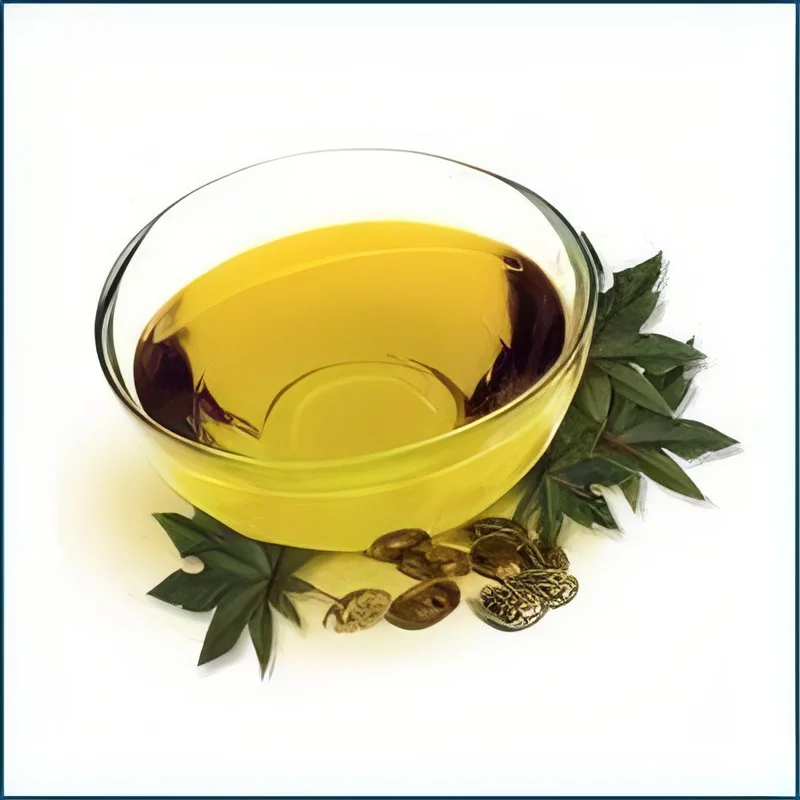
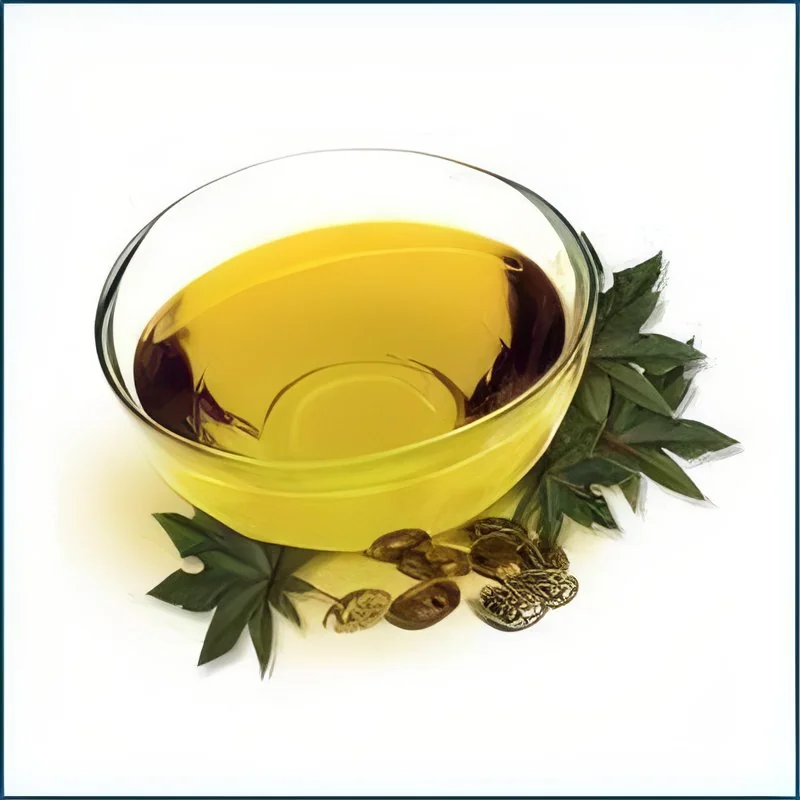
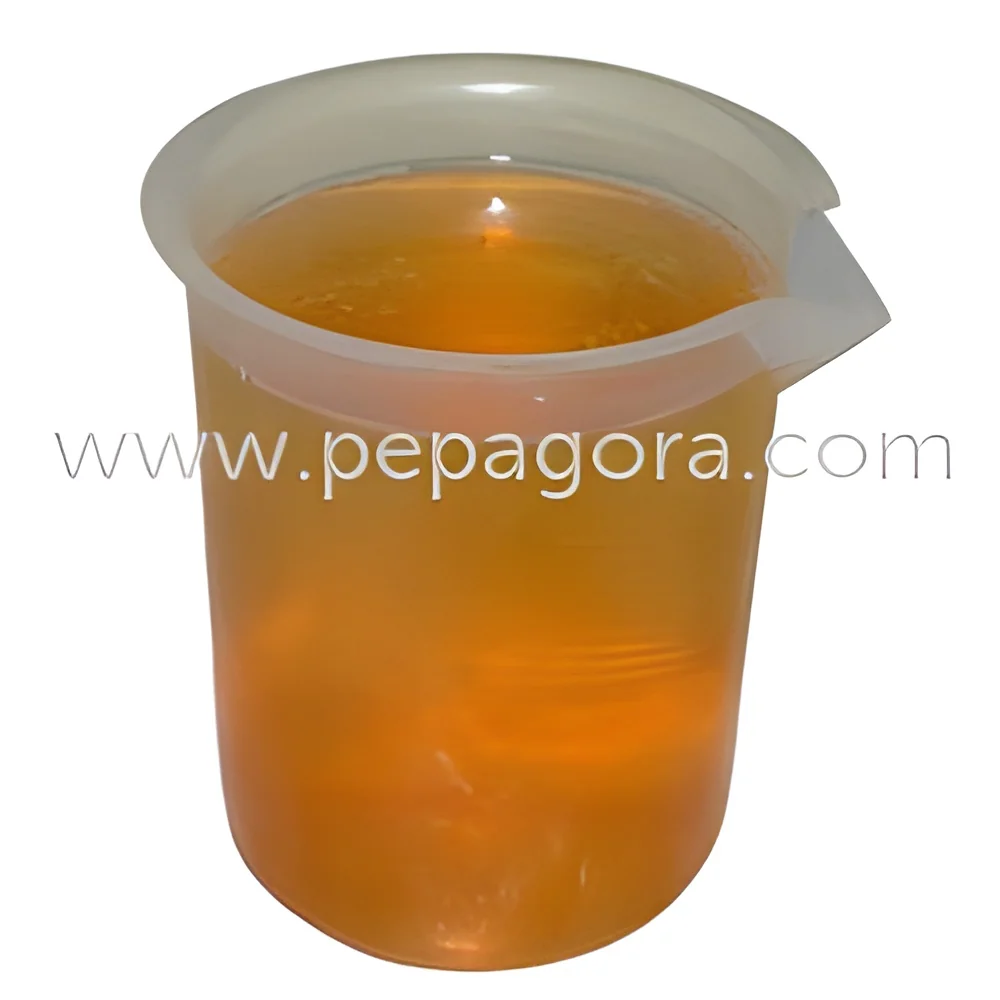
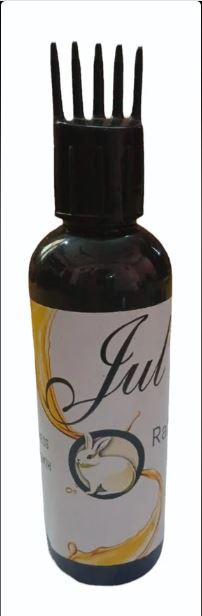
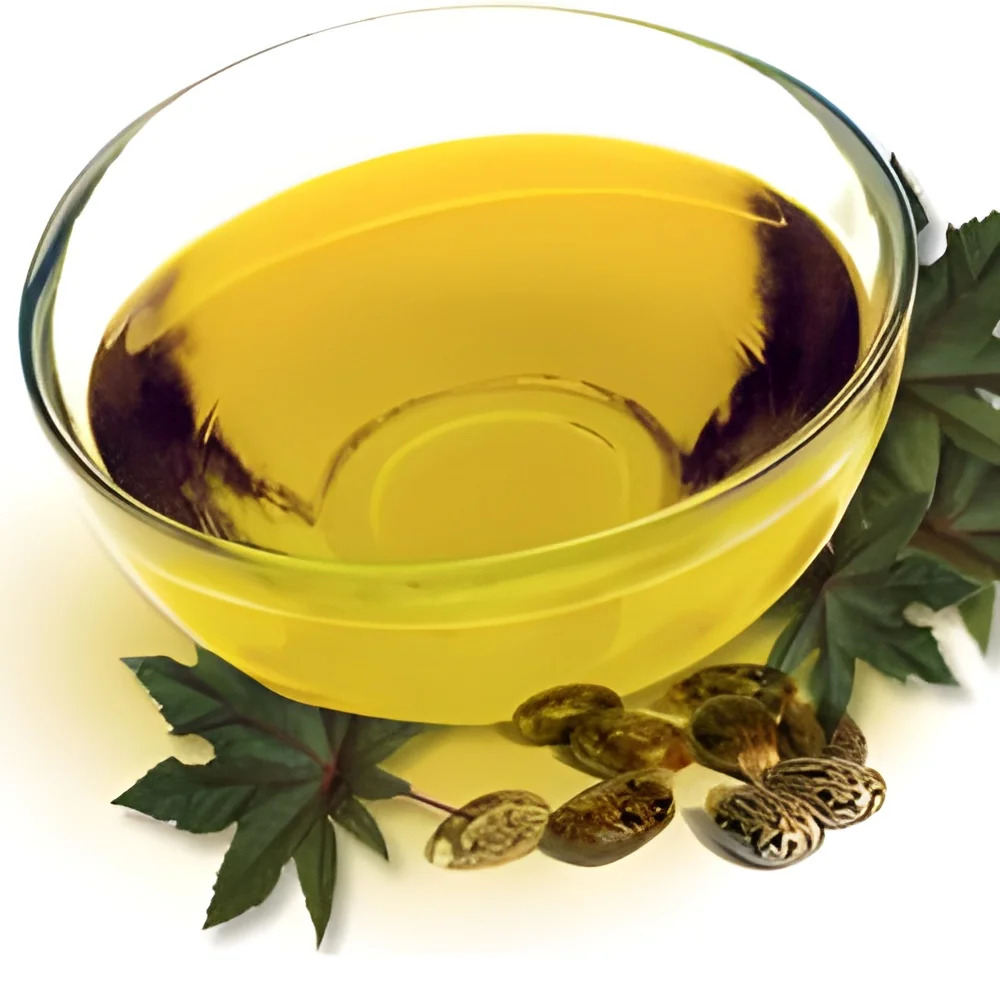
What are Hair Oils (Coconut, Argan, Castor, Herbal)?
Hair oils are natural oils derived from various plants, primarily used for hair care and nourishment. These oils, including coconut, argan, castor, and herbal blends, are rich in nutrients and fatty acids that promote healthy hair growth, enhance shine, and prevent damage. They are often used in beauty and personal care products, catering to both individual consumers and salons.
The primary uses of hair oils extend beyond simple moisturization. Businesses utilize these oils for various applications, from cosmetic formulations to therapeutic treatments. Hair oils serve as key ingredients in shampoos, conditioners, and serums, offering benefits like hydration, frizz control, and scalp health. With the rise in demand for natural and organic products, the market for hair oils is growing rapidly, offering significant opportunities for manufacturers and suppliers.
In today's beauty industry, hair oils have gained relevance due to the increasing consumer preference for natural products. The global market is witnessing a trend towards sustainability and clean beauty, driving businesses to invest in high-quality hair oils. Companies that source and provide these oils can leverage their benefits to enhance product offerings and meet emerging consumer demands.
๐๐ฒ๐ ๐๐ฒ๐ฎ๐๐๐ฟ๐ฒ๐ ๐ฎ๐ป๐ฑ ๐ฆ๐ฝ๐ฒ๐ฐ๐ถ๐ณ๐ถ๐ฐ๐ฎ๐๐ถ๐ผ๐ป๐
Hair oils come with a variety of features that cater to different hair types and needs. Understanding these specifications is essential for businesses looking to source high-quality products.
Key specifications include:
1. Composition
- Natural plant-based ingredients
- Varies by type (e.g., coconut is high in lauric acid, argan is rich in vitamin E)
2. Viscosity
- Varies for different oils
- Affects application and absorption rates
3. Shelf Life
- Typically ranges from 12 to 24 months
- Depends on storage conditions and packaging
4. Packaging Options
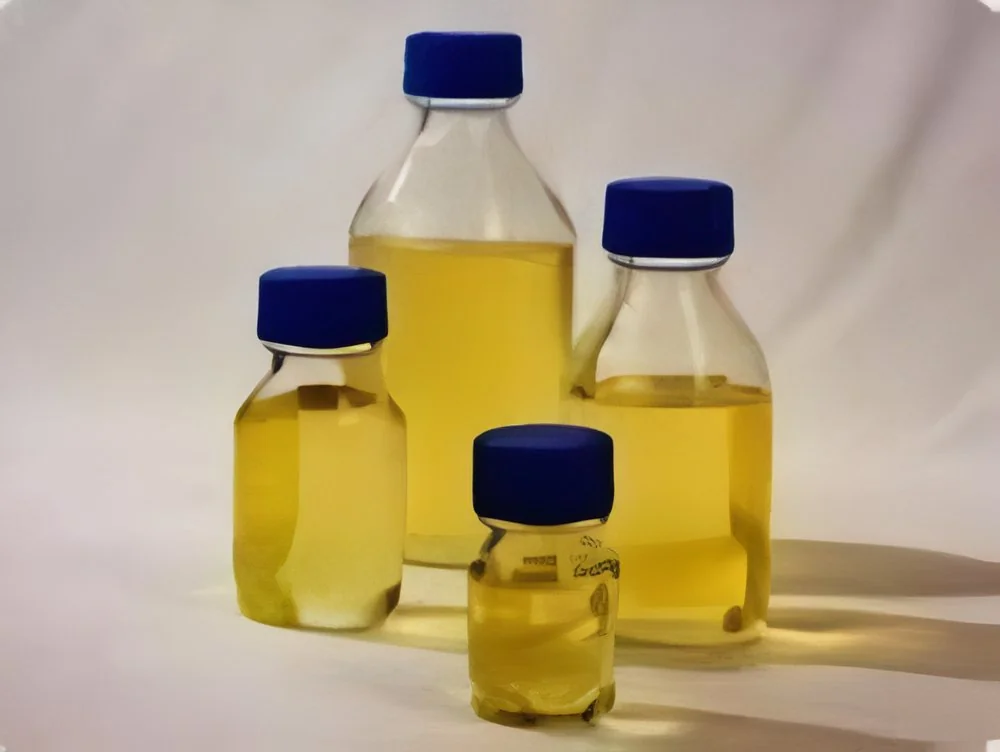
- Available in bottles, jars, and bulk containers
- Size options may vary from small retail to large industrial quantities
5. Extraction Method
- Cold-pressed vs. refined
- Cold-pressed retains more nutrients
6. Certifications
- May include CE and organic certifications
- Important for compliance in various markets
In summary, understanding the key features and specifications of hair oils is crucial for B2B buyers to ensure they select the right products for their needs.
๐๐ผ๐บ๐บ๐ผ๐ป ๐๐ฝ๐ฝ๐น๐ถ๐ฐ๐ฎ๐๐ถ๐ผ๐ป๐ ๐ฎ๐ป๐ฑ ๐จ๐๐ฒ ๐๐ฎ๐๐ฒ๐
Hair oils are versatile products used across multiple industries. They serve a variety of applications that benefit both consumers and businesses.
1. Cosmetics Industry: Hair oils are commonly used in formulations for shampoos, conditioners, and styling products, enhancing the overall effectiveness of these items.
2. Spa and Wellness: Many wellness centers incorporate hair oils into their treatments for scalp massages and hair rejuvenation therapies, promoting relaxation and hair health.
3. Retail: Beauty retailers offer hair oils as standalone products, targeting consumers seeking natural hair care solutions.
4. Salon Services: Salons utilize hair oils during treatments for deep conditioning and styling, providing clients with luxurious experiences.
5. Health and Wellness: Some health brands focus on the therapeutic benefits of hair oils, promoting them as part of holistic self-care routines.
6. E-commerce: Online platforms have become significant channels for distributing hair oils, catering to a global audience interested in natural beauty products.
๐ฃ๐ฟ๐ผ๐ฑ๐๐ฐ๐ ๐ฉ๐ฎ๐ฟ๐ถ๐ฎ๐ป๐๐ ๐ฎ๐ป๐ฑ ๐ฆ๐๐ฏ๐ฐ๐ฎ๐๐ฒ๐ด๐ผ๐ฟ๐ถ๐ฒ๐
The diversity of hair oils allows businesses to select products that best meet their needs.
Coconut Oil: This variant is known for its moisturizing properties and ability to penetrate the hair shaft. It helps reduce protein loss and is ideal for dry or damaged hair.
Argan Oil: Rich in antioxidants and essential fatty acids, argan oil is popular for its nourishing and smoothing qualities. It is often used in serums and leave-in conditioners.
Castor Oil: Known for promoting hair growth, castor oil is thick and can be used as a treatment for thinning hair. It also adds shine and moisture.
Herbal Oil Blends: These oils combine various herbs and plants, offering unique benefits tailored to specific hair types. They often include ingredients like rosemary and neem for additional nourishment.
๐๐ฒ๐ป๐ฒ๐ณ๐ถ๐๐ ๐ฎ๐ป๐ฑ ๐๐ฑ๐๐ฎ๐ป๐๐ฎ๐ด๐ฒ๐
Using hair oils offers numerous benefits that enhance hair health and appearance.
1. Deep Nourishment: Hair oils penetrate the hair and scalp, delivering essential nutrients that promote healthy growth.
2. Moisture Retention: They help lock in moisture, preventing dryness and brittleness, especially in harsh climates.
3. Damage Protection: Hair oils can shield against environmental damage, UV rays, and heat styling, maintaining overall hair integrity.
4. Improved Manageability: Regular use can lead to smoother, more manageable hair, reducing frizz and tangles.
5. Scalp Health: Many hair oils have anti-inflammatory properties that promote a healthy scalp, addressing issues like dandruff.
6. Natural Ingredients: Sourcing hair oils made from natural ingredients aligns with the growing consumer preference for clean and sustainable beauty products.
๐๐๐๐ถ๐ป๐ด ๐๐๐ถ๐ฑ๐ฒ ๐ณ๐ผ๐ฟ ๐๐ฎ๐ ๐๐๐๐ฒ๐ฟ๐
When sourcing hair oils, businesses should consider several key factors to ensure they select the right products.
1. Quality Assessment: Evaluate the quality of hair oils by reviewing ingredient sourcing and extraction methods. Look for oils that are cold-pressed or organic for maximum benefits.
2. Supplier Verification: It is crucial to vet suppliers thoroughly. Check for certifications, customer reviews, and compliance with industry standards to ensure reliability.
3. Pricing and MOQ: Understand the pricing structure and minimum order quantities (MOQ) required by suppliers. This will help in budgeting and inventory planning.
4. Delivery and Lead Times: Consider the logistics involved in sourcing hair oils, including shipping times and delivery reliability to avoid disruptions in your supply chain.
5. Compliance Requirements: Familiarize yourself with the regulatory needs for hair oils in your target market. Ensure that the products comply with relevant safety and quality standards.
๐๐ผ๐บ๐ฝ๐น๐ถ๐ฎ๐ป๐ฐ๐ฒ ๐ฎ๐ป๐ฑ ๐๐ฒ๐ฟ๐๐ถ๐ณ๐ถ๐ฐ๐ฎ๐๐ถ๐ผ๐ป๐
Compliance with quality standards and certifications is critical in the hair oils market. Adhering to these standards ensures product safety and regulatory compliance.
Relevant quality standards such as ISO 9001 are essential for maintaining quality management systems. Companies must demonstrate consistent quality processes to gain customer trust.
Industry certifications like CE signify compliance with European safety and health directives, making products more marketable in international markets.
Safety and testing requirements often include assessments for allergens and impurities, ensuring that products are safe for consumer use.
Additionally, regional compliance considerations may vary. Businesses should be aware of specific regulations in their operational areas, particularly concerning natural and organic products.
Why Source Hair Oils (Coconut, Argan, Castor, Herbal) from Pepagora?
Pepagora offers a trusted platform for sourcing hair oils, providing several key advantages that benefit B2B buyers.
Verified Supplier Network: Pepagora connects buyers with a network of verified suppliers, ensuring quality products and reliable partnerships. Each supplier is vetted to maintain high standards.
Streamlined RFQ Process: The platform features an efficient Request for Quotation (RFQ) system, allowing buyers to easily request quotes from multiple suppliers. This simplifies the sourcing process and promotes competitive pricing.
Trade Assurance and Support: Pepagora provides trade assurance, protecting buyers from potential risks. Dedicated support teams are available to assist with inquiries and issues, promoting a smooth purchasing experience.
Regional Coverage: With a strong presence in India, the GCC, and Southeast Asia, Pepagora offers extensive geographic reach. This allows businesses to source hair oils tailored to regional preferences and market trends.