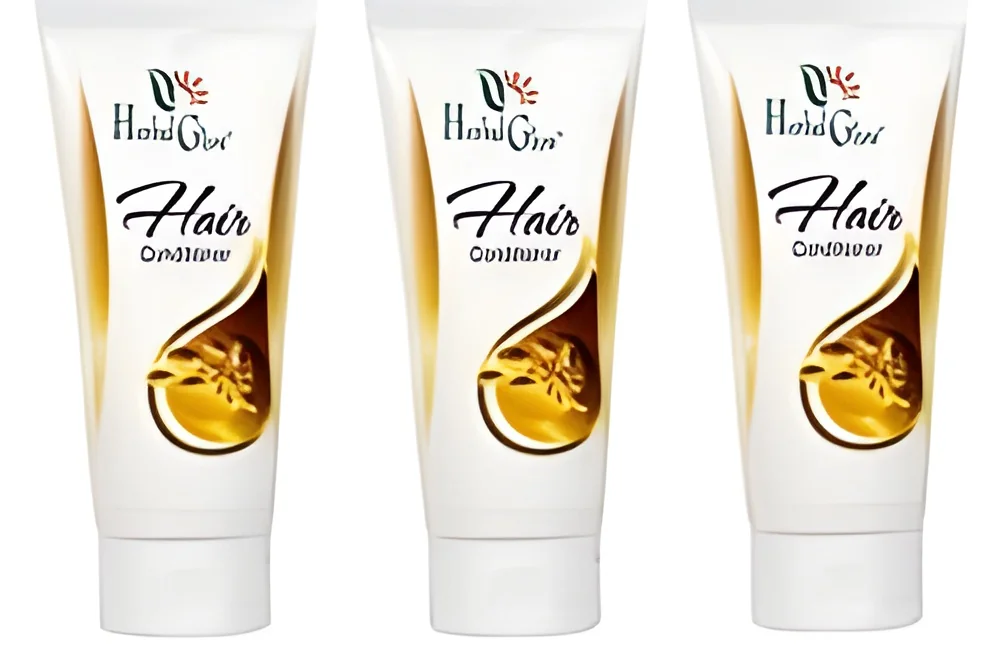
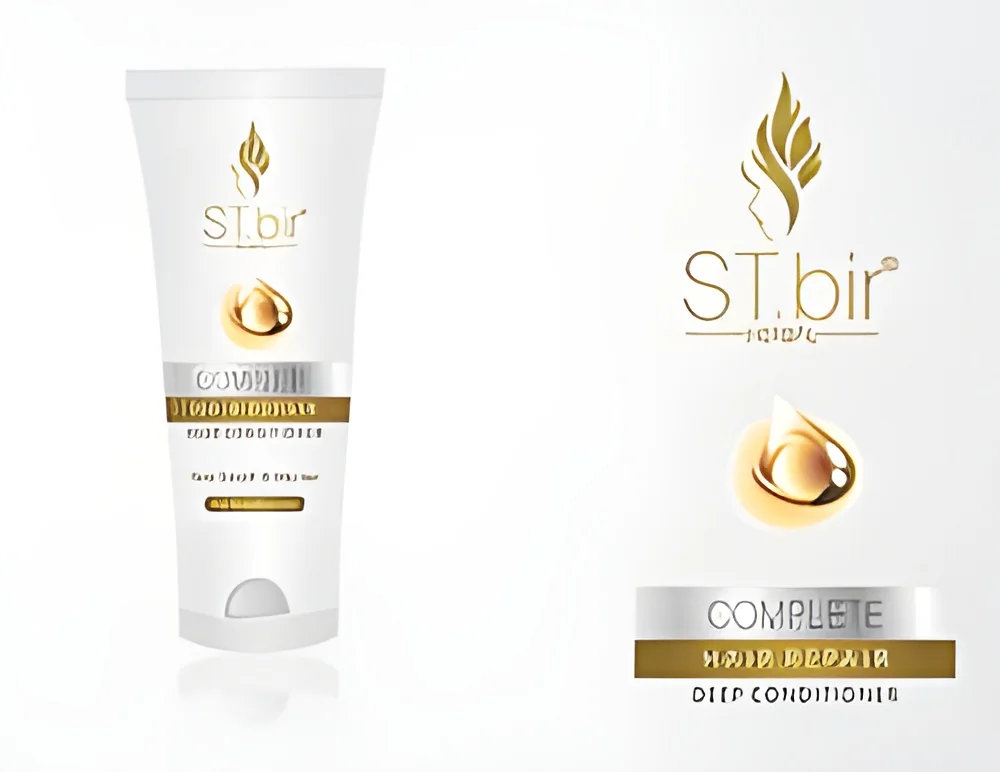
Key Features and Specifications
Conditioners (Moisturizing, Protein-Infused) offer a range of features designed to improve hair quality. Understanding these specifications can help businesses choose the right products for their needs.
Key specifications include:
1. Moisture Content
- Levels of hydration provided by the conditioner
- Typically ranges from 30% to 60% moisture content
2. Protein Composition
- Types of proteins used (e.g., keratin, wheat protein)
- Concentration levels can vary from 1% to 10%
3. pH Balance
- Ideal pH range for hair care products
- Usually between 4.5 and 5.5 for optimal hair health
4. Compatibility with Hair Types
- Suitable for various hair types (e.g., curly, straight, color-treated)
- Can include formulations designed for specific needs
5. Absorption Rate
- How quickly the conditioner is absorbed into the hair
- Influences effectiveness and can vary by formulation
6. Fragrance Options
- Variety of scents available
- Can enhance user experience and appeal
7. Packaging Sizes
- Available in multiple sizes (e.g., retail, professional, bulk)
- Common sizes include 250ml, 500ml, and 1 liter
8. Shelf Life
- Typical duration before the product expires
- Often ranges from 12 to 36 months depending on formulation
In summary, selecting the right conditioner requires careful consideration of these specifications to ensure it meets the needs of both the business and its customers.
Common Applications and Use Cases
Conditioners (Moisturizing, Protein-Infused) find applications across various industries, catering to diverse customer needs.
1. Beauty Salons: Salons utilize these conditioners to provide clients with deep conditioning treatments that enhance hair health and shine.
2. Retail Beauty Products: Retailers offer a wide range of conditioners to consumers looking to improve their hair care routine at home.
3. Professional Hair Care: Professional-grade conditioners are used in high-end salons to deliver superior results and maintain customer loyalty.
4. Spa Services: Spas often include moisturizing and protein-infused conditioners in their treatments to promote relaxation and hair rejuvenation.
5. Hospitality: Hotels and resorts provide quality conditioners in their amenities to enhance guest experience and satisfaction.
6. Hair Restoration Clinics: Clinics focused on hair restoration utilize specialized conditioners to support hair growth and recovery.
7. E-commerce Platforms: Online retailers stock various conditioners to meet the growing demand for hair care solutions.
Product Variants and Subcategories
Conditioners (Moisturizing, Protein-Infused) come in various formulations to cater to specific hair needs and preferences.
Moisturizing Conditioner
This variant is designed to provide intense hydration, making it ideal for dry and damaged hair. It typically contains natural oils and humectants to lock in moisture and prevent further damage.
Protein-Infused Conditioner
This type focuses on strengthening hair through the inclusion of proteins such as keratin or silk. It is particularly beneficial for weak or over-processed hair, helping to reduce breakage and improve overall resilience.
Sulfate-Free Conditioner
This variant is formulated without harsh sulfates, making it suitable for sensitive scalps and color-treated hair. It gently cleanses while maintaining moisture levels.
Leave-In Conditioner
Leave-in conditioners provide ongoing hydration and protection throughout the day. They are ideal for individuals who require extra moisture without the need for rinsing.
Deep Conditioning Treatment
These intensive conditioners are used for specific treatments, often requiring a longer application time to allow for deep penetration and repair of damaged hair.
Benefits and Advantages
Conditioners (Moisturizing, Protein-Infused) offer several advantages for hair care.
1. Improved Manageability: Conditioners make hair easier to comb and style, reducing tangles and frustration.
2. Enhanced Moisture Retention: They help keep hair hydrated, preventing dryness and brittleness.
3. Strengthened Hair Structure: Protein-infused formulas reinforce hair strands, reducing breakage and damage.
4. Increased Shine: Conditioners promote a healthy shine, enhancing the overall appearance of hair.
5. Frizz Control: They help tame frizz, especially in humid conditions, resulting in smoother hair.
6. Tailored Solutions: With various formulations available, businesses can find specific conditioners that meet unique customer needs.
Buying Guide for B2B Buyers
When sourcing Conditioners (Moisturizing, Protein-Infused), businesses should consider several key factors to ensure they make informed purchasing decisions.
1. Quality Assessment: Evaluate the ingredient quality and formulation effectiveness. Look for reputable brands that provide detailed product information and testing results.
2. Supplier Verification: Ensure suppliers are reliable and have a proven track record in the industry. Check references and reviews from other businesses.
3. Pricing and MOQ: Understand the pricing structure and minimum order quantities. Compare prices across different suppliers to find the best value while considering quality.
4. Delivery and Lead Times: Assess the supplier’s ability to meet delivery schedules. Timely delivery is crucial for maintaining inventory and meeting customer demand.
5. Compliance Requirements: Be aware of any regulatory standards that apply to the conditioners being sourced. Ensure that products comply with safety and quality standards specific to your region.
Compliance and Certifications
Conditioners (Moisturizing, Protein-Infused) must adhere to various compliance and certification standards to ensure quality and safety.
Relevant quality standards include ISO 9001, which ensures that manufacturers maintain consistent quality management systems. Compliance with HACCP (Hazard Analysis and Critical Control Points) may also be essential for ensuring product safety in the manufacturing process.
Industry certifications such as CE mark can indicate that products meet European health and safety standards. This certification is crucial for businesses looking to enter international markets.
Safety and testing requirements should also be a priority. Conditioners must undergo rigorous testing to ensure they are free from harmful substances and safe for consumer use.
Regional compliance considerations may vary, requiring businesses to be aware of local regulations regarding cosmetics and personal care products.
Why Source Conditioners (Moisturizing, Protein-Infused) from Pepagora?
Pepagora offers a trusted platform for sourcing Conditioners (Moisturizing, Protein-Infused), delivering several key advantages to B2B buyers.
Verified Supplier Network: Pepagora ensures that all suppliers are thoroughly vetted, providing buyers with peace of mind. This network includes reputable manufacturers known for their quality products.
Streamlined RFQ Process: The platform simplifies the request for quotation process, allowing buyers to quickly compare prices and specifications from multiple suppliers. This efficiency saves time and enhances decision-making.
Trade Assurance and Support: Buyers benefit from trade assurance policies that protect their purchases. Pepagora offers support throughout the buying process, ensuring a smooth transaction.
Regional Coverage: Pepagora has a strong presence across India, the GCC, and Southeast Asia, making it easier for businesses in these regions to access a wide variety of conditioners to suit their specific needs.

 IN
IN