
 IN
Microwave-Safe Containers
2 products available
What are Microwave-Safe Containers?
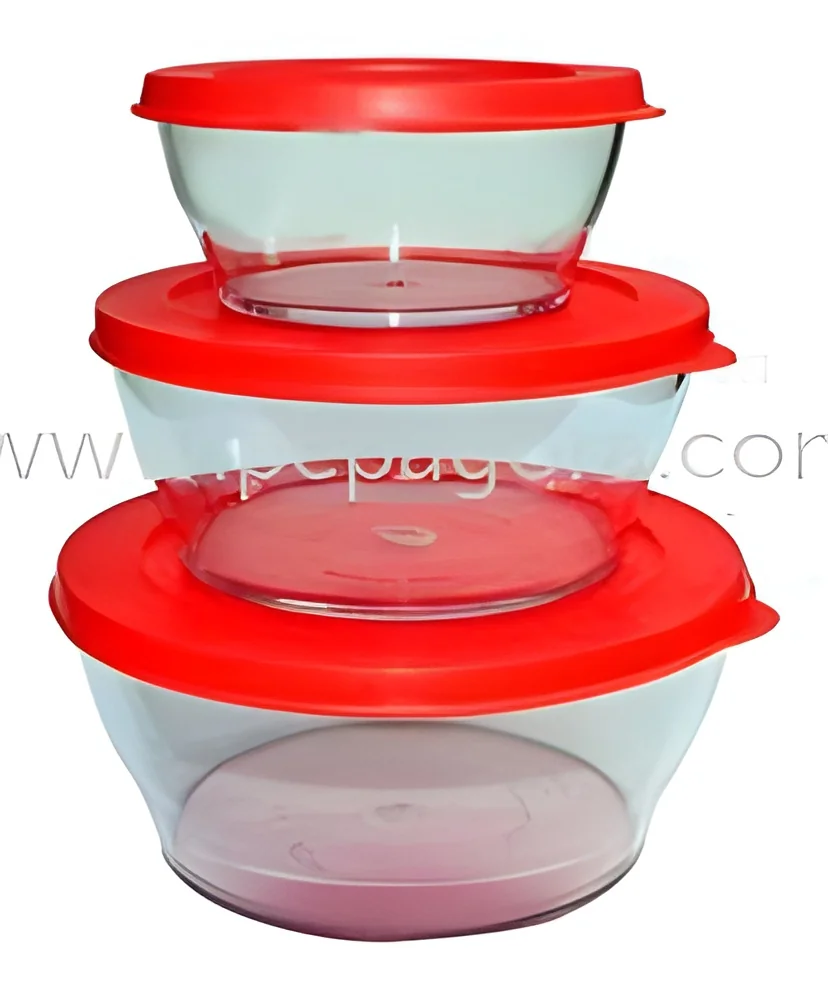
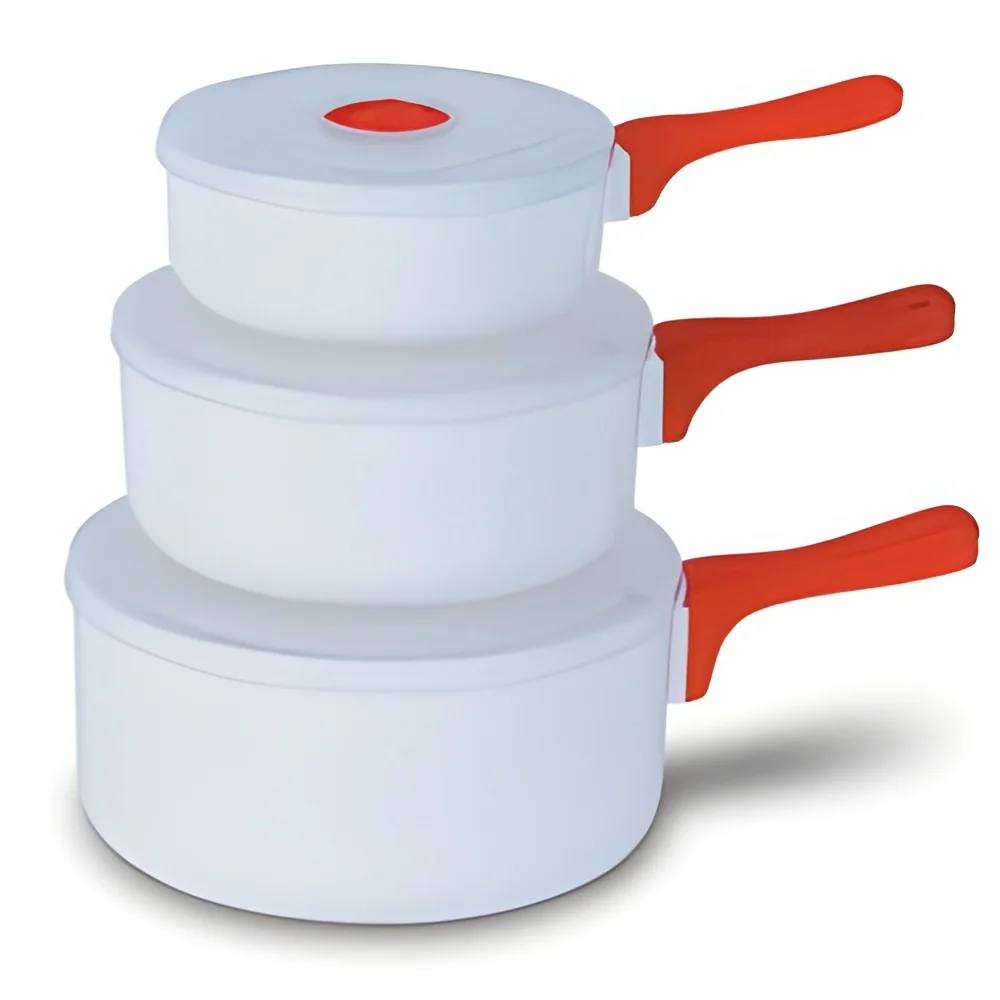
Microwave-safe containers are specifically designed to withstand the heat and energy produced by microwave ovens without compromising their structural integrity. These containers are manufactured from materials that do not release harmful chemicals when heated and are able to endure high temperatures. This makes them suitable for reheating, cooking, and storing food in microwave ovens.
The primary uses of microwave-safe containers span across various industries, including food service, hospitality, and food processing. Businesses utilize these containers for meal preparation, storage, and delivery, ensuring that food maintains its quality and safety during reheating. Their ability to facilitate quick and efficient cooking processes makes them essential in catering services and restaurants, where time and food safety are critical.
In today's market, the demand for microwave-safe containers is on the rise due to increasing consumer preference for convenient meal solutions. As more people seek ready-to-eat meals, businesses are investing in reliable packaging solutions that ensure food safety and compliance with health regulations. Industries that prioritize quality and safety standards are more inclined to adopt microwave-safe containers as part of their operations.
Key Features and Specifications
Microwave-safe containers come with various features that enhance their utility and safety. Understanding these specifications can help businesses select the right products for their needs.
Key specifications include:
1. Material Composition
- Typically made from BPA-free plastic, glass, or silicone
- Resistant to heat and thermal shock
2. Temperature Resistance
- Can withstand temperatures typically ranging from -40°C to 120°C
- Suitable for both freezing and microwaving
3. Size Options
- Available in a variety of sizes from small individual servings to large family-sized containers
- Custom sizes may be available upon request
4. Lid Types
- Comes with airtight and leak-proof lids
- Some options include vented lids for steaming
5. Dishwasher Safe
- Many containers are safe for use in dishwashers for easy cleaning
- Check specific product instructions for cleaning guidelines
6. Stackable Design
- Containers designed for efficient storage
- Helps save space in refrigerators and kitchens
7. Certifications
- Often certified as food safe by relevant health authorities
- CE certification indicating compliance with European safety standards
These features collectively enhance the functionality and safety of microwave-safe containers, making them a valuable asset for any food-related business.
Common Applications and Use Cases
Microwave-safe containers find applications across multiple industries, providing versatile solutions for food storage and preparation.
1. Food Service: In restaurants and catering businesses, these containers are used for meal prep and delivery, allowing customers to easily reheat their meals without transferring to other dishes.
2. Meal Prep Services: Companies that offer meal prep subscriptions utilize microwave-safe containers to ensure that meals can be conveniently reheated while maintaining quality.
3. Food Manufacturing: In food processing plants, microwave-safe containers are used for packaging ready-to-eat meals that require safe heating.
4. Healthcare: Hospitals and care facilities use these containers for patient meal delivery, ensuring safe and convenient food options for patients with dietary restrictions.
5. Retail: Grocery stores offer pre-packaged meals in microwave-safe containers, catering to the growing demand for convenience among consumers.
6. Educational Institutions: Schools and colleges use these containers for meal programs, providing students with easy-to-reheat meal options.
7. Home Use: Consumers use microwave-safe containers for meal prep, leftovers, and storing food items, contributing to household efficiency.
Product Variants and Subcategories
Microwave-safe containers come in various forms to meet different needs and preferences.
Plastic Microwave-Safe Containers
These containers are lightweight and durable, making them ideal for both commercial and home use. They often come with airtight lids that prevent spills and preserve food freshness.
Glass Microwave-Safe Containers
Glass options provide a more sustainable choice, as they can be reused many times. They are great for reheating and serving food, and they do not stain or retain odors.
Silicone Microwave-Safe Containers
Silicone containers are flexible and can easily be collapsed for storage. They are typically resistant to temperature extremes and are perfect for steaming food in the microwave.
Benefits and Advantages
Microwave-safe containers offer numerous benefits for businesses and consumers alike.
1. Safety: These containers are designed to withstand high temperatures without releasing harmful substances, ensuring food safety.
2. Convenience: They allow for quick reheating and cooking, significantly reducing preparation times in busy kitchens.
3. Versatility: Suitable for a range of applications, from meal prep to food storage, these containers cater to diverse needs.
4. Cost-Effectiveness: Durable and reusable, microwave-safe containers reduce the need for single-use packaging, offering long-term savings.
5. Compliance: Many options meet health and safety standards, providing peace of mind for businesses concerned about regulatory compliance.
6. Easy Maintenance: Most microwave-safe containers are dishwasher safe, making them easy to clean and maintain.
Buying Guide for B2B Buyers
When sourcing microwave-safe containers, businesses should consider several critical factors to ensure they make informed purchasing decisions.
1. Quality Assessment: Evaluate the materials used in production to ensure they meet safety and durability standards. Look for certifications that verify the container's compliance with health regulations.
2. Supplier Verification: Research potential suppliers to verify their reliability and reputation in the market. Check for reviews and testimonials from other businesses.
3. Pricing and MOQ: Understand the cost structures and minimum order quantities set by suppliers. Consider bulk purchasing options for cost savings.
4. Delivery and Lead Times: Discuss logistics with suppliers to determine delivery schedules and lead times, ensuring that they align with your operational needs.
5. Compliance Requirements: Be aware of any regional regulations that may impact the procurement of microwave-safe containers. Ensure that products comply with local health and safety standards.
Compliance and Certifications
Microwave-safe containers must adhere to various quality standards and certifications to ensure their safety and efficacy in food storage and preparation. Key standards include ISO 9001 for quality management systems, which helps ensure consistent product quality.
Additionally, HACCP principles may be applied to the production process, focusing on food safety management and risk assessment. Compliance with Good Distribution Practices (GDP) is also essential to maintain product integrity throughout the supply chain.
Most microwave-safe containers are CE certified, indicating that they meet European Union safety, health, and environmental protection standards. This certification is vital for businesses operating in or exporting to EU markets.
Finally, businesses should be aware of regional compliance considerations, which may differ based on local regulations. Understanding these requirements is crucial for maintaining operational compliance and ensuring consumer safety.
Why Source Microwave-Safe Containers from Pepagora?
Pepagora offers a reliable platform for sourcing microwave-safe containers, providing businesses with numerous key advantages.
Verified Supplier Network: Pepagora connects buyers with a network of verified suppliers, ensuring that all products meet stringent quality and safety standards.
Streamlined RFQ Process: The platform simplifies the request for quotation (RFQ) process, allowing businesses to quickly obtain competitive pricing and product specifications from multiple suppliers.
Trade Assurance and Support: Buyers benefit from trade assurance, ensuring protection throughout the purchasing process. This support builds trust and confidence in supplier relationships.
Regional Coverage: Pepagora's extensive reach across India, the GCC, and Southeast Asia ensures that businesses have access to a diverse range of microwave-safe containers, catering to local market needs while maintaining high standards of quality and compliance.


Frequently Asked Questions
What are Microwave-Safe Containers?
Microwave-Safe Containers are specially designed storage containers that can withstand the heat generated during microwave cooking. They are made from materials that do not release harmful chemicals when heated and are safe for food storage and reheating.
What are the different types of Microwave-Safe Containers?
There are several types of Microwave-Safe Containers, including glass, plastic, and ceramic. Each type has its own benefits; for example, glass containers are durable and do not stain, while plastic containers are lightweight and often come with secure lids.
How do I choose the right Microwave-Safe Containers?
When choosing Microwave-Safe Containers, consider the material, size, and shape that best fits your needs. It's important to check for microwave-safe symbols and ensure the containers can handle high temperatures without warping or melting.
What are the standard specifications for Microwave-Safe Containers?
Standard specifications for Microwave-Safe Containers include heat resistance, non-toxicity, and durability. They should also be easy to clean and fit various microwave sizes and shapes.
What is the price range for Microwave-Safe Containers?
The price range for Microwave-Safe Containers can vary significantly based on material and size. Typically, you can expect prices to range from INR 100 to INR 2000 or more, depending on the brand and features.
What quality standards apply to Microwave-Safe Containers?
Microwave-Safe Containers must comply with food safety standards and regulations set by authorities such as the Food Safety and Standards Authority of India (FSSAI). They should also be tested for heat resistance and non-reactivity with food.
Where can I find Microwave-Safe Containers suppliers in India?
You can find Microwave-Safe Containers suppliers in India through online B2B marketplaces like Pepagora, trade shows, or industry-specific directories. These platforms offer a wide range of suppliers and manufacturers for various needs.
Can Microwave-Safe Containers be customized?
Yes, many manufacturers offer customization options for Microwave-Safe Containers. This can include alterations in size, shape, color, and branding to meet specific customer requirements.
What is the typical minimum order quantity for Microwave-Safe Containers?
The typical minimum order quantity (MOQ) for Microwave-Safe Containers can vary by supplier, but it generally ranges from 100 to 500 units. It's advisable to check with individual suppliers for their specific MOQs.
What is the typical lead time for Microwave-Safe Containers?
The typical lead time for Microwave-Safe Containers varies based on order size and supplier capacity, but it usually ranges from 2 to 4 weeks. For customized orders, lead times may be longer, so it's best to confirm with the supplier.
Why Businesses Trust Pepagora
Thousands of companies trust Pepagora to source smarter and sell faster
Expand Your Sales Globally

Source Smarter,Grow Faster
