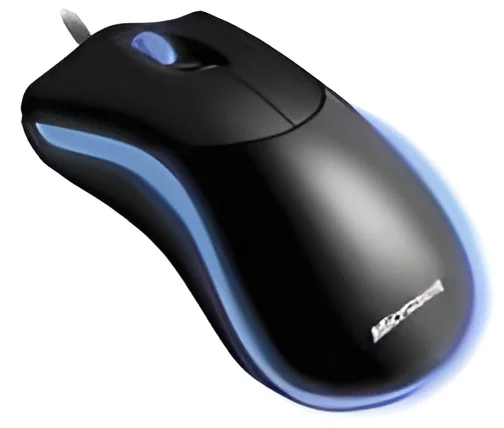
Key Features and Specifications
Mice come with a variety of features and specifications that cater to different user needs. Understanding these specifications is crucial for selecting the right mouse for specific applications.
Key specifications include:
1. Connection Type
- Wired: Connects via USB, offering stable connectivity.
- Wireless: Uses Bluetooth or RF technology for freedom of movement.
2. DPI (Dots Per Inch)
- A measure of sensitivity, with higher DPI allowing for faster cursor movement.
- Typical ranges are between 800 to 16000 DPI.
3. Ergonomics
- Design focuses on comfort to reduce strain during prolonged use.
- Options include ambidextrous designs and sculpted shapes.
4. Battery Life (for Wireless Mice)
- Varies based on usage and technology, typically lasting from weeks to months on a single charge.
5. Programmable Buttons
- Additional buttons that can be customized for specific functions to enhance user efficiency.
6. Material and Build Quality
- Durable materials ensure longevity and resistance to wear and tear.
7. Compatibility
- Supports various operating systems, including Windows, macOS, and Linux.
8. Customization Software
- Allows users to adjust settings, including sensitivity and button configurations.
With a wide array of features, selecting the right mouse can significantly impact user experience and productivity.
Common Applications and Use Cases
Mice are utilized across multiple industries, offering tailored solutions for various applications.
1. Office Environments: Mice are essential tools for administrative tasks, enabling efficient data entry, document editing, and communication.
2. Graphic Design: Designers rely on high-DPI mice for precise control in software applications, enhancing creativity and productivity.
3. Gaming: Specialized gaming mice offer high responsiveness and customizable features to enhance gameplay experience.
4. Manufacturing: Mice are used in CAD software for design and modeling, ensuring accuracy in technical drawings.
5. Healthcare: Medical professionals use mice for navigating electronic health records and patient management systems.
6. Education: Instructors and students use mice to interact with educational software, facilitating learning and collaboration.
7. Remote Work: With the rise of remote work, mice are crucial for maintaining productivity in home office setups.
Product Variants and Subcategories
Mice come in several variants, catering to different user preferences and applications.
Ergonomic Mouse
This variant is designed with comfort in mind, featuring shapes that support natural hand positioning. Ideal for users who spend long hours on the computer, these mice help reduce the risk of repetitive strain injuries.
Gaming Mouse
Designed for gamers, this mouse features high DPI settings, customizable buttons, and RGB lighting. It delivers precision and speed, enhancing the overall gaming experience.
Travel Mouse
Compact and lightweight, this mouse is perfect for on-the-go professionals. It often includes wireless connectivity for ease of use while traveling.
Vertical Mouse
This innovative design promotes a natural wrist position, reducing strain. It is particularly beneficial for users with wrist discomfort or those seeking ergonomic solutions.
Benefits and Advantages
Choosing the right mouse can provide several advantages for users and businesses alike.
1. Increased Productivity: A well-designed mouse can enhance navigation speed and efficiency, leading to improved work output.
2. Comfort: Ergonomically designed mice reduce strain, allowing users to work longer without discomfort.
3. Versatility: With a variety of models available, users can select mice that fit their specific needs, whether for office work, gaming, or design.
4. Customization: Many mice offer programmable buttons and software, enabling users to tailor their devices to their workflows.
5. Wireless Convenience: Wireless mice provide freedom of movement, reducing clutter and improving workspace organization.
6. Enhanced Precision: High-DPI models allow for finer control, making them suitable for detailed tasks such as graphic design or gaming.
Buying Guide for B2B Buyers
When sourcing Mice (Wired & Wireless), it is important for businesses to consider several key factors to ensure they make informed purchases.
1. Quality Assessment: Evaluate the build quality and materials of the mouse to ensure durability and reliability over time.
2. Supplier Verification: Conduct thorough research to verify suppliers' credentials and reviews to ensure they provide high-quality products.
3. Pricing and MOQ: Consider the cost of the mice and minimum order quantities to align with budget constraints and operational needs.
4. Delivery and Lead Times: Assess suppliers' logistics capabilities to ensure timely delivery of products, which is crucial for maintaining workflow.
5. Compliance Requirements: Ensure that the mice meet relevant industry standards and certifications, which can vary by region.
Compliance and Certifications
Compliance and certifications are critical factors when sourcing Mice (Wired & Wireless). Adhering to relevant quality standards ensures that products meet established benchmarks for performance and safety.
ISO 9001 is a widely recognized quality management standard that focuses on maintaining effective processes and enhancing customer satisfaction. Manufacturers of mice often pursue this certification to demonstrate their commitment to quality.
In addition to ISO standards, CE certification indicates that products meet European safety, health, and environmental protection requirements. This certification is crucial for accessing European markets.
Safety and testing requirements are also essential in ensuring that mice do not pose risks to users. Manufacturers typically subject their products to rigorous testing to comply with safety regulations.
Regional compliance considerations may vary, so it is important to understand local regulations and standards that apply to the target market.
Why Source Mice (Wired & Wireless) from Pepagora?
Pepagora provides a trusted platform for sourcing Mice (Wired & Wireless), offering several key advantages to B2B buyers.
Verified Supplier Network: Pepagora has established a comprehensive network of verified suppliers, ensuring that buyers can access high-quality products with confidence.
Streamlined RFQ Process: The platform simplifies the request-for-quotation process, allowing buyers to quickly obtain competitive pricing and product information from multiple suppliers.
Trade Assurance and Support: Pepagora offers buyer protection through trade assurance policies, providing peace of mind during transactions and ensuring that buyers receive the products they expect.
Regional Coverage: With a strong presence in India, the GCC, and Southeast Asia, Pepagora ensures that buyers can source Mice (Wired & Wireless) from reputable suppliers within their geographic region, facilitating smoother logistics and communication.

 IN
IN
 India
India