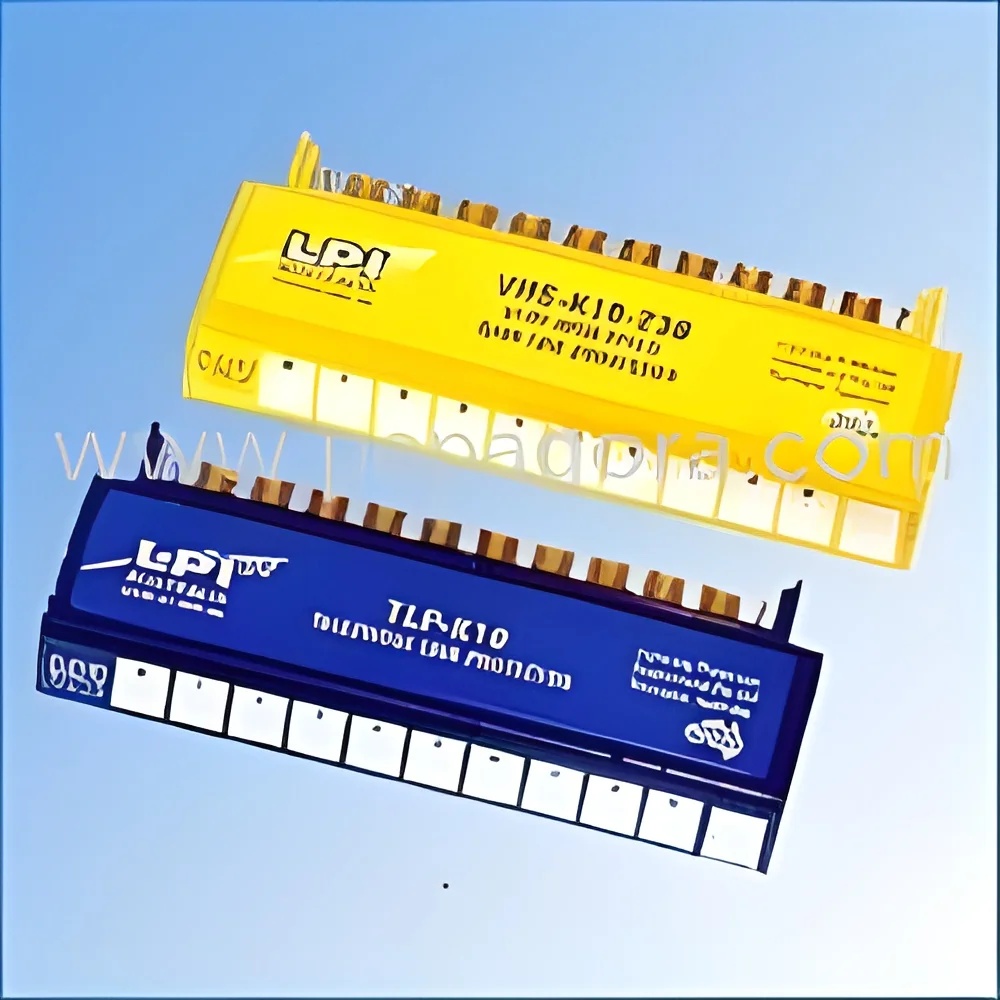
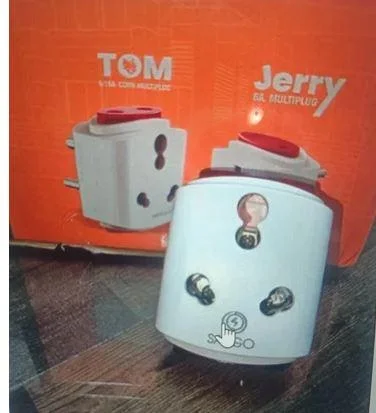
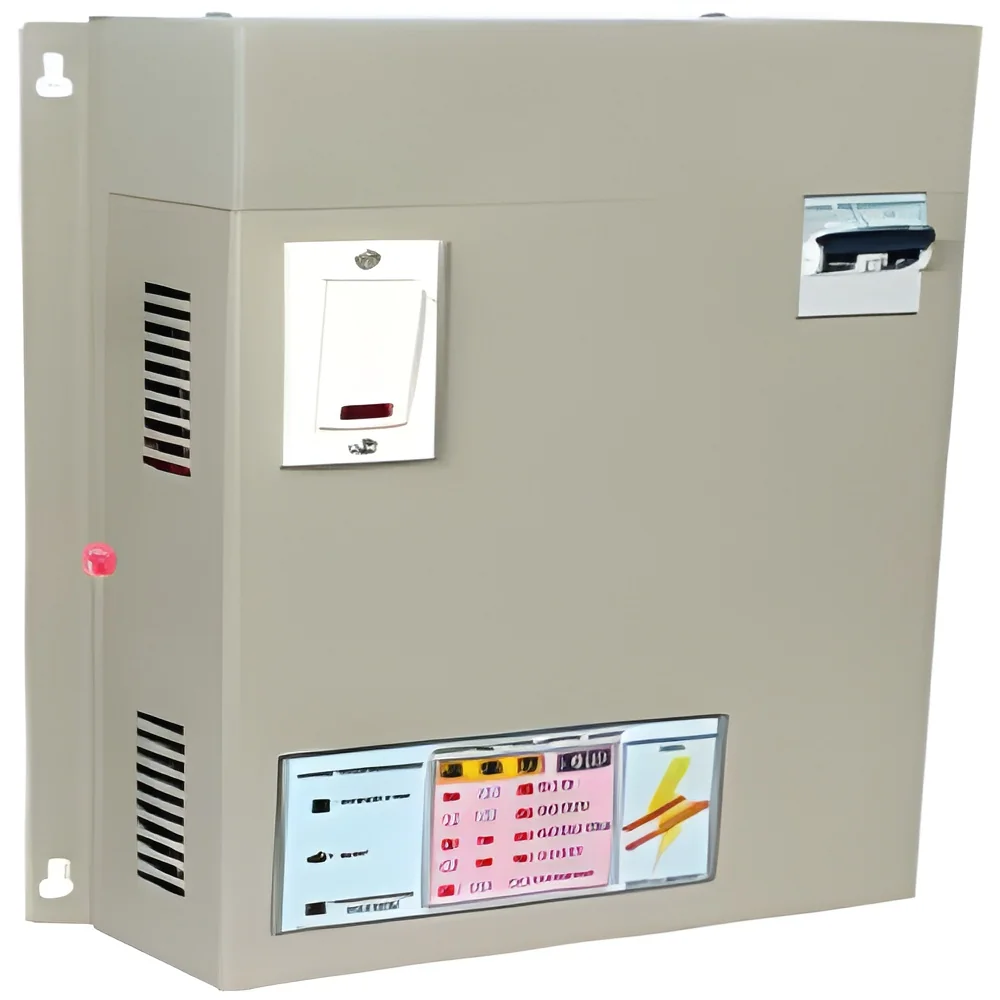
What are Surge Protectors & Power Strips?
Surge protectors and power strips are essential electrical devices used to manage power supply to multiple devices while safeguarding them from voltage spikes. Surge protectors are designed specifically to absorb excess voltage, protecting connected devices from damage caused by power surges. Power strips, on the other hand, allow multiple electrical devices to be powered from a single outlet, offering convenience and flexibility in managing power connections.
These devices are commonly used in various business environments such as offices, industrial settings, and retail locations. Surge protectors are particularly crucial in areas where sensitive electronic equipment is in use, as they help prevent costly damage from unexpected power fluctuations. Power strips are ideal for providing additional outlets for devices like computers, printers, and other office equipment. In today's technology-driven world, the demand for surge protectors and power strips continues to grow, reflecting their relevance across multiple industries.
Key Features and Specifications
Surge protectors and power strips come with a variety of features designed to enhance their functionality and safety. Understanding these specifications is critical for selecting the right product for specific applications.
Key specifications include:
1. Surge Protection Rating
- Measured in joules, this rating indicates how much energy the surge protector can absorb before failing.
- A higher joule rating provides better protection.
2. Number of Outlets
- The number of devices that can be connected at once.
- Common configurations include 4, 6, or 8 outlets.
3. Maximum Load Capacity
- Expressed in amperes (A) or watts (W), this specification indicates the total power the strip can handle safely.
- Ensures devices do not exceed the power limit.
4. Response Time
- The time it takes for the surge protector to react to a power surge.
- Faster response times provide better protection.
5. Indicator Lights
- Visual indicators that show the operational status of the surge protector.
- Commonly includes power and protection status lights.
6. Safety Features
- Includes features like thermal fuses, circuit breakers, and child safety covers.
- Ensures user safety and device protection.
7. Cord Length
- The length of the power cord can affect installation and usage flexibility.
- Longer cords offer more placement options.
8. Mounting Options
- Some power strips come with mounting brackets for easy installation on walls or desks.
- Enhances space management in work environments.
These specifications help ensure that businesses select the appropriate surge protectors and power strips for their needs.
Common Applications and Use Cases
Surge protectors and power strips serve a wide range of industries and applications.
1. IT and Data Centers: Surge protectors are crucial for protecting sensitive servers and networking equipment from voltage spikes that can cause data loss or hardware failure.
2. Manufacturing: Power strips are commonly used on factory floors to power tools and machinery, allowing for efficient operation in production lines.
3. Retail: Surge protectors are utilized to safeguard point-of-sale systems and other electronic devices from power surges, ensuring uninterrupted service.
4. Education: Classrooms and laboratories often use power strips to provide multiple outlets for computers and projectors, enhancing learning environments.
5. Healthcare: Surge protectors are critical in hospitals to protect medical devices and equipment from electrical interruptions, ensuring patient safety.
6. Home Offices: With the rise of remote work, power strips and surge protectors are essential for home setups, providing safe and convenient power management.
7. Hospitality: Hotels and restaurants use these devices to accommodate guest electronics and maintain operational equipment without risking damage from power fluctuations.
Product Variants and Subcategories
Surge protectors and power strips come in various forms to meet different business needs. Their diverse designs cater to specific applications and environments.
Basic Surge Protector: This variant provides essential surge protection with multiple outlets. It is ideal for home offices and small businesses looking for straightforward power management.
Surge Protector with USB Ports: This variant includes built-in USB ports for charging devices like smartphones and tablets. It is perfect for modern workplaces where mobile device usage is prevalent.
Heavy-Duty Power Strip: Designed for industrial applications, this variant offers robust construction and high load capacity. It is suitable for powering machinery and equipment in manufacturing facilities.
Smart Surge Protector: This advanced variant includes features like Wi-Fi connectivity for monitoring energy usage and controlling devices remotely. It is ideal for tech-savvy environments.
Benefits and Advantages
Investing in surge protectors and power strips offers numerous advantages for businesses.
1. Equipment Protection: Surge protectors reduce the risk of damage to valuable electronic devices, extending their lifespan.
2. Increased Convenience: Power strips allow multiple devices to be powered from a single outlet, reducing clutter and improving workspace organization.
3. Cost Savings: By protecting equipment from damage, businesses can avoid costly repairs or replacements.
4. Enhanced Safety: Many surge protectors come with safety features that prevent overheating and electrical fires, ensuring a safer work environment.
5. Flexibility: The variety of options available allows businesses to choose products tailored to their specific needs and environments.
6. Improved Productivity: By providing reliable power supply and management, these devices help maintain operational efficiency.
Buying Guide for B2B Buyers
When sourcing surge protectors and power strips, businesses should consider several key factors to ensure they make informed decisions.
1. Quality Assessment: Look for products that meet established standards and have a good reputation for performance and reliability. Checking for certifications can also indicate quality.
2. Supplier Verification: Vet potential suppliers to ensure they are reputable and can provide the necessary support and service after the sale. Reviews and references can help in the assessment.
3. Pricing and MOQ: Understand the pricing structure and minimum order quantities. Compare prices among suppliers to ensure competitive rates while considering quality.
4. Delivery and Lead Times: Inquire about logistics to ensure timely delivery. Knowing lead times helps in planning and avoiding disruptions in operations.
5. Compliance Requirements: Ensure the products meet relevant safety and regulatory standards. This is crucial for maintaining compliance within specific industries.
Compliance and Certifications
Surge protectors and power strips must adhere to various compliance and certification standards to ensure safety and reliability.
ISO 9001 is a quality management standard that ensures products are manufactured consistently and meet customer expectations. This certification is essential for suppliers in the electrical products industry.
CE certification indicates compliance with European health, safety, and environmental protection standards. Products that carry this mark are recognized as meeting rigorous safety requirements.
Safety and testing requirements are critical, as surge protectors must be tested for performance under different electrical conditions. This testing ensures they function effectively during power surges.
Regional compliance considerations may vary, so it is important for businesses to understand the specific regulations applicable in their geographic area, particularly when operating across borders.
Why Source Surge Protectors & Power Strips from Pepagora?
Pepagora offers a trusted platform for sourcing surge protectors and power strips, providing several significant advantages for B2B buyers.
Verified Supplier Network: Pepagora maintains a network of verified suppliers, ensuring that businesses can find reliable products that meet their quality standards and requirements.
Streamlined RFQ Process: The platform offers a streamlined request for quotation process, making it easy for buyers to obtain competitive pricing and quickly compare options from different suppliers.
Trade Assurance and Support: Pepagora provides buyer protection through trade assurance, ensuring that transactions are secure and that buyers receive the products as specified.
Regional Coverage: With a strong presence in India, the GCC, and Southeast Asia, Pepagora offers extensive geographic coverage, enabling businesses to source products efficiently in these regions.

 IN
IN