
 IN
External Hard Drives
13 products available
What are External Hard Drives?
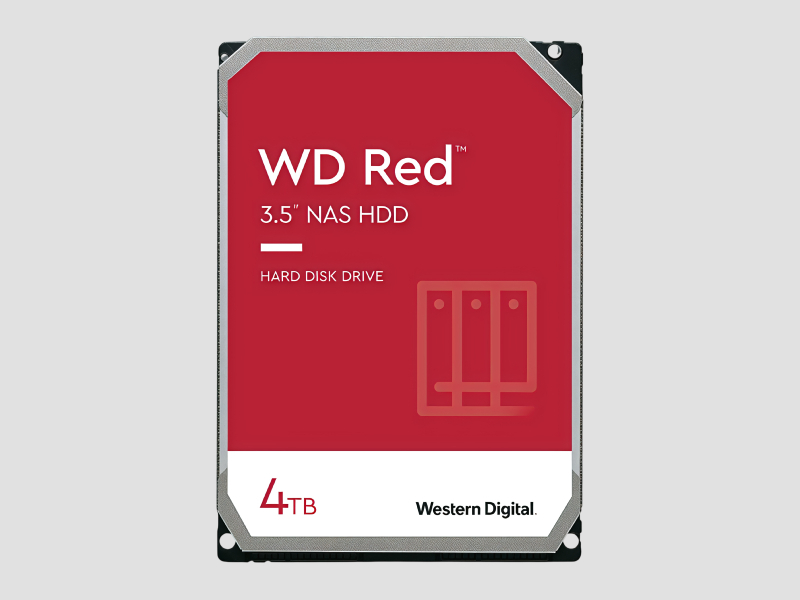
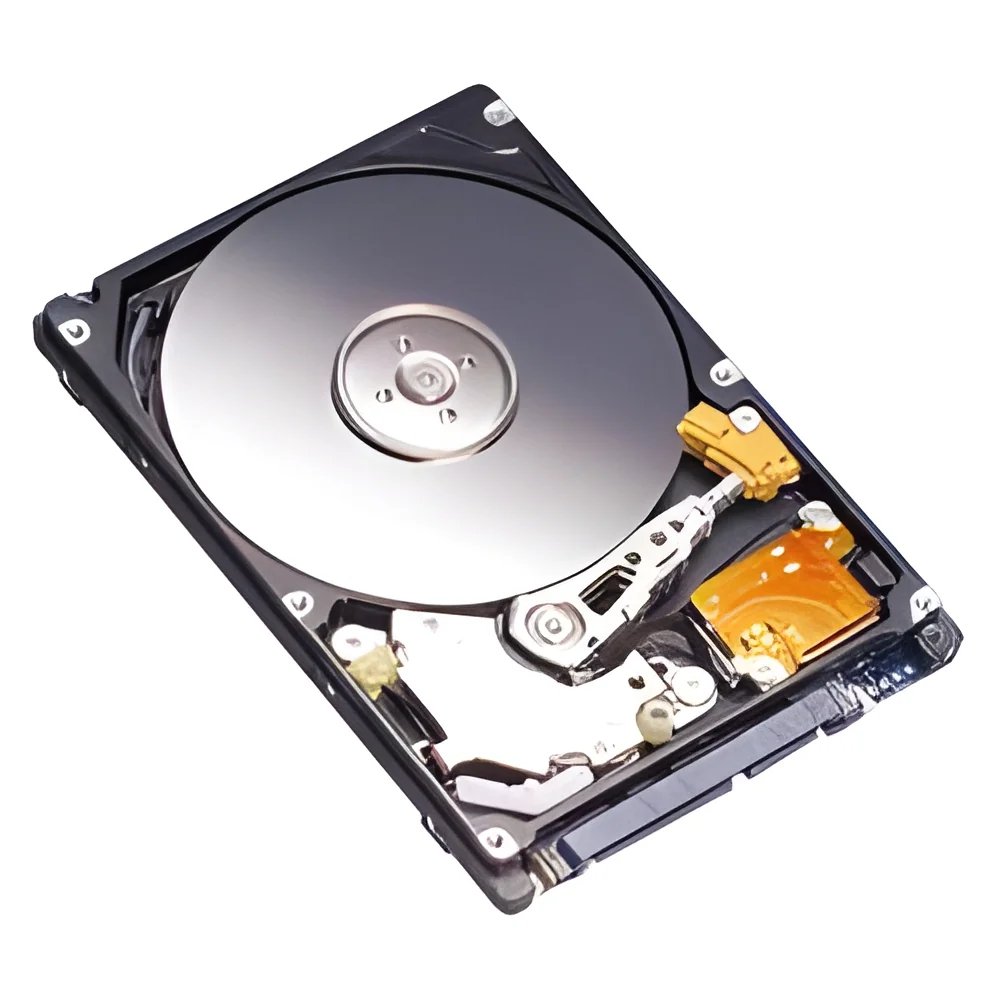
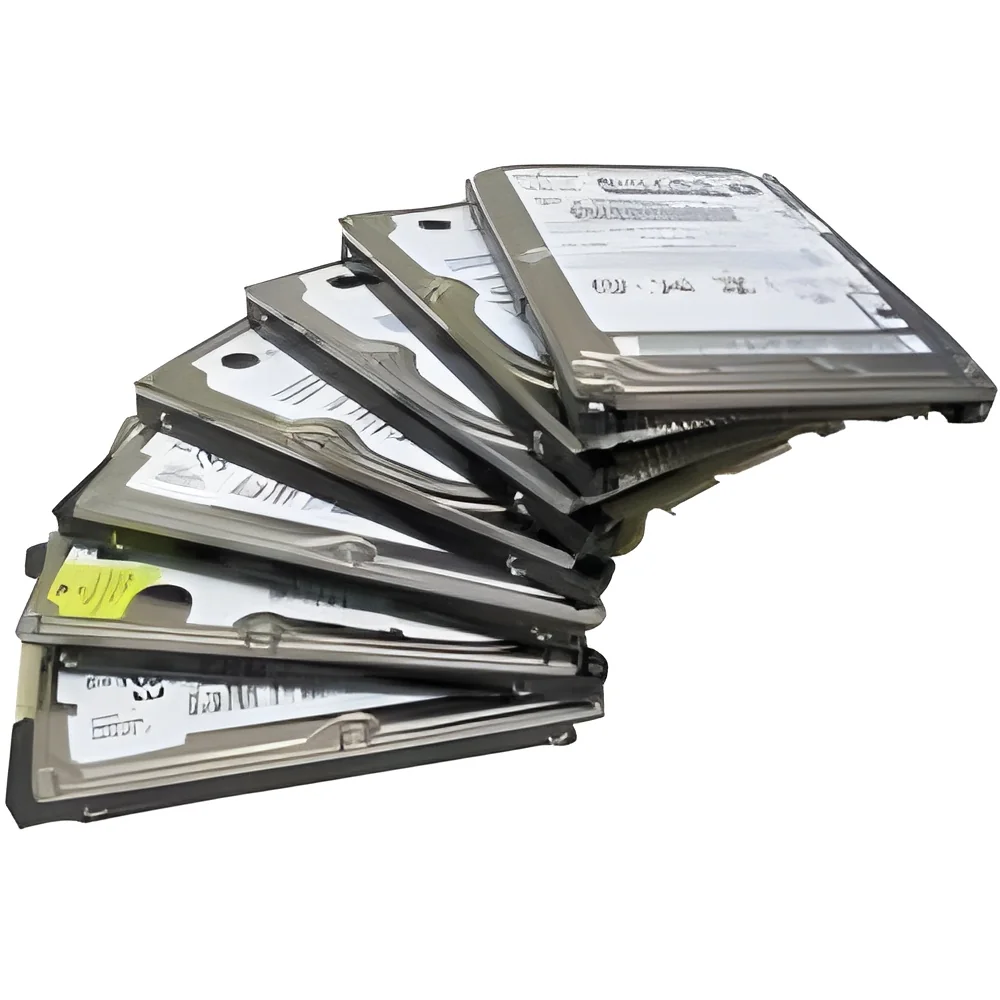
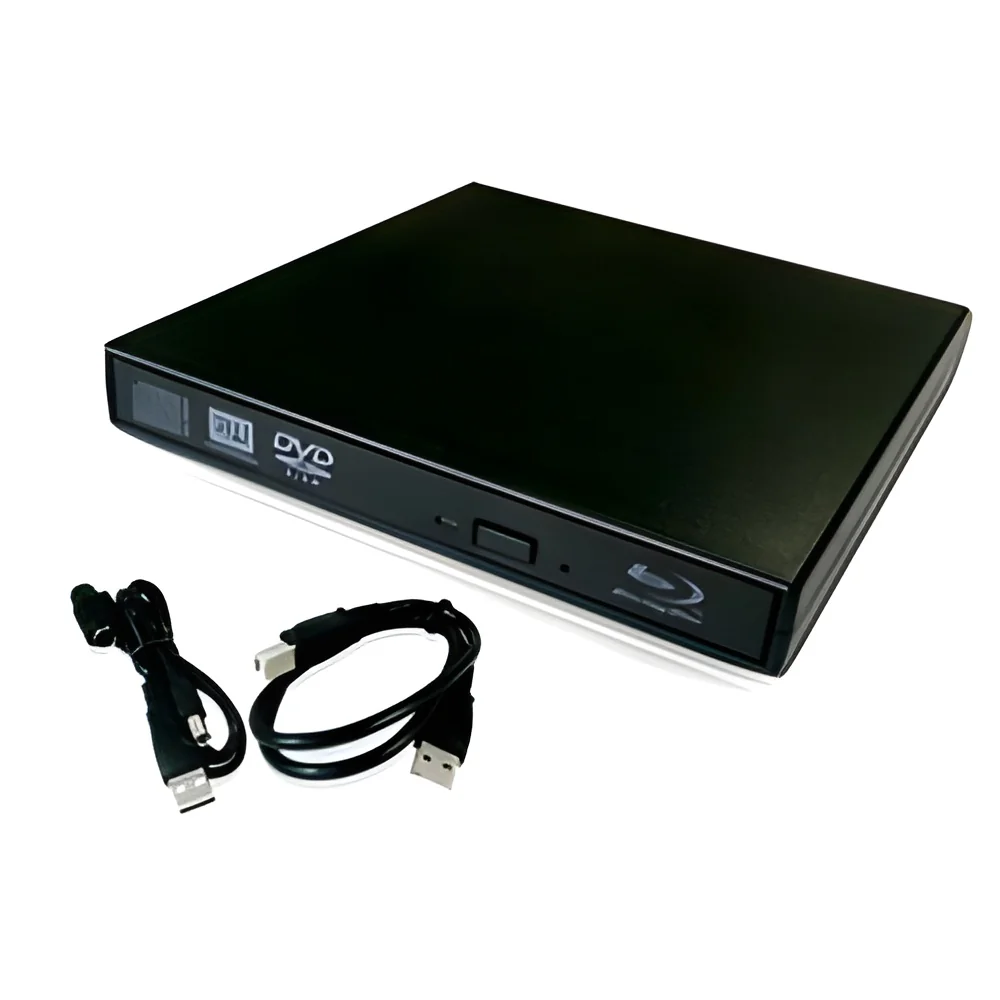
External hard drives are portable storage devices that connect to computers and other electronic devices via USB or other interfaces. They provide additional storage capacity beyond what is available on internal drives, making them essential tools for data backup, transfer, and archiving. With the ability to store vast amounts of data, external hard drives serve various purposes, from everyday consumer use to specialized applications in professional environments.
In the business landscape, external hard drives are widely used for data backup and recovery, ensuring that critical information is protected from loss. They are particularly valuable in industries where large files are commonplace, such as media production, engineering, and healthcare. By providing a reliable means to store and transfer data, external hard drives play a crucial role in operational efficiency and data management strategies. As the demand for data storage continues to grow, the external hard drive market remains robust, with advancements in technology driving innovation and enhancing performance.
Key Features and Specifications
External hard drives come equipped with a range of features designed to enhance usability and performance. These specifications vary widely, catering to different user needs and applications.
Key specifications include:
1. Storage Capacity
- Available in various sizes, typically ranging from 500 GB to 10 TB or more
2. Connection Interface
- Commonly use USB 3.0, USB-C, or Thunderbolt for fast data transfer speeds
3. Data Transfer Speed
- Speeds can vary, with USB 3.0 offering up to 5 Gbps and Thunderbolt providing even faster options
4. Form Factor
- Available in portable and desktop sizes, with portable drives being more compact and lightweight
5. Durability Features
- Some models offer rugged designs to withstand drops and environmental conditions
6. Encryption and Security
- Many drives include hardware encryption for added data protection
7. Compatibility
- Generally compatible with both Windows and Mac operating systems, though some may require formatting
8. Backup Software
- Many external hard drives come with bundled software for automated backup solutions
In summary, understanding these specifications helps buyers choose the right external hard drive to meet their specific needs.
Common Applications and Use Cases
External hard drives are versatile tools used across a variety of industries.
1. Media and Entertainment: External hard drives are commonly used by filmmakers and photographers for storing large video and image files. They provide an efficient way to transfer and back up high-resolution content.
2. Information Technology: IT professionals utilize external hard drives for data recovery and backup solutions. They are crucial for maintaining data integrity and system restorations.
3. Healthcare: In healthcare settings, external hard drives are employed to securely store and transfer patient records and medical imaging files, ensuring compliance with data protection regulations.
4. Education: Educational institutions use external hard drives to store course materials, research data, and student projects, facilitating easy access and sharing.
5. Financial Services: Financial institutions rely on external hard drives to archive sensitive documents and transaction records, providing a secure storage solution.
6. Construction and Engineering: In these sectors, external hard drives are used for storing large project files, CAD designs, and technical documentation, enabling collaboration among teams.
7. Personal Use: From storing music and videos to backing up personal files, external hard drives are popular among individuals for personal data management.
Product Variants and Subcategories
External hard drives come in various forms to suit different user needs. Each variant offers unique features and applications.
Portable External Hard Drives: These drives are compact and lightweight, making them ideal for users who need to carry data on the go. They often come with protective casing and are designed for durability.
Desktop External Hard Drives: Larger in size, these drives typically offer higher storage capacities and are suitable for users who require substantial data storage at a fixed location, such as offices or studios.
High-Performance External Hard Drives: Designed for professionals working with large files, these drives provide faster data transfer speeds and often include features like RAID configurations for enhanced data protection.
Benefits and Advantages
External hard drives offer numerous advantages for both personal and professional users.
1. Increased Storage Capacity: They provide a quick solution to expand storage space without the need for internal upgrades.
2. Data Backup and Recovery: External hard drives are essential for safeguarding data, providing an easy way to back up important files and recover them when needed.
3. Portability: Many external drives are lightweight and easy to carry, allowing users to transport data conveniently.
4. Cost-Effectiveness: Compared to cloud storage solutions, external hard drives can be more economical for large data storage needs.
5. Security Features: Many models include encryption and password protection, ensuring data confidentiality.
6. Easy Setup and Use: External hard drives are typically plug-and-play devices, making them user-friendly for all levels of technical expertise.
Buying Guide for B2B Buyers
When sourcing external hard drives for business use, several factors should be carefully considered.
1. Quality Assessment: Evaluate the build quality and reliability of the drives. Look for reputable brands known for durability and performance.
2. Supplier Verification: It is essential to vet suppliers to ensure they provide high-quality products and have a reliable track record.
3. Pricing and MOQ: Consider the pricing structure and minimum order quantities (MOQ) to ensure they align with budget and volume requirements.
4. Delivery and Lead Times: Understand the logistics involved, including shipping times and availability, to ensure timely delivery of products.
5. Compliance Requirements: Be aware of any regulatory standards or certifications that may apply to the drives based on industry or geographical location.
Compliance and Certifications
External hard drives must adhere to several quality standards and certifications to ensure reliability and safety.
ISO 9001 is a widely recognized quality management standard that applies to the manufacturing process of many electronic products, including external hard drives. Compliance with this standard indicates that the manufacturer maintains consistent quality in their production processes.
CE certification is essential for products sold in the European market, demonstrating compliance with health, safety, and environmental protection standards. This certification assures buyers that the external hard drives meet necessary regulatory requirements.
Safety and testing requirements may vary by region, but manufacturers often conduct rigorous testing to ensure that their products are safe for use and meet industry standards.
Regional compliance considerations may include adherence to local regulations regarding electronic waste and recycling, as well as specific import/export restrictions.
Why Source External Hard Drives from Pepagora?
Pepagora provides a trusted platform for sourcing external hard drives, offering several key advantages for businesses.
Verified Supplier Network: Pepagora connects buyers with a network of verified suppliers, ensuring that all products meet high-quality standards. This verification process helps mitigate risks associated with sourcing from unknown suppliers.
Streamlined RFQ Process: The platform facilitates a simplified request for quotation (RFQ) process, allowing buyers to quickly obtain competitive pricing from multiple suppliers. This efficiency saves time and effort in the procurement process.
Trade Assurance and Support: Pepagora offers trade assurance, providing buyers with protection against potential issues during the transaction. Their dedicated support team is available to assist with any concerns or inquiries.
Regional Coverage: With a strong presence in India, the GCC, and Southeast Asia, Pepagora ensures that buyers can access a wide range of external hard drives suited for various regional needs. This geographic reach enhances the availability of products and services tailored to specific markets.



Frequently Asked Questions
What are External Hard Drives?
External Hard Drives are portable storage devices that connect to a computer or laptop via USB or other interfaces. They provide additional storage capacity for backups, file transfers, and data storage beyond the internal hard drive.
What are the different types of External Hard Drives?
The main types of External Hard Drives include traditional hard disk drives (HDDs) and solid-state drives (SSDs). HDDs are generally larger and offer more storage at a lower cost, while SSDs provide faster data access speeds and are more durable due to the lack of moving parts.
How do I choose the right External Hard Drives?
Choosing the right External Hard Drive depends on your storage needs, budget, and intended use. Consider factors such as storage capacity, speed (RPM for HDDs, read/write speeds for SSDs), physical size, and whether you require features like data encryption or ruggedness.
What are the standard specifications for External Hard Drives?
Standard specifications for External Hard Drives include storage capacity (ranging from a few hundred gigabytes to several terabytes), connection interfaces (USB 2.0, 3.0, or Thunderbolt), and data transfer speeds. Additionally, dimensions and weight may vary based on the type and design of the drive.
What is the price range for External Hard Drives?
The price range for External Hard Drives can vary significantly based on type and capacity. Generally, you can expect to pay anywhere from INR 3,000 to INR 20,000 or more, depending on the features and brand.
What quality standards apply to External Hard Drives?
Quality standards for External Hard Drives include adherence to industry specifications such as ISO certifications and compliance with safety regulations. Additionally, manufacturers may implement rigorous testing procedures to ensure durability and data integrity.
Where can I find External Hard Drives suppliers in India?
You can find External Hard Drives suppliers in India through B2B marketplaces such as Pepagora.com, electronics trade shows, and industry directories. Additionally, researching online reviews and ratings can help identify reputable suppliers.
Can External Hard Drives be customized?
Yes, many manufacturers offer customization options for External Hard Drives, including branding, storage capacity, and design features. It is advisable to discuss your specific requirements with suppliers to explore available customization options.
What is the typical minimum order quantity for External Hard Drives?
The typical minimum order quantity (MOQ) for External Hard Drives can vary by supplier but usually ranges from 10 to 100 units. It is best to check with individual manufacturers or suppliers for their specific MOQ policies.
What is the typical lead time for External Hard Drives?
The typical lead time for External Hard Drives generally ranges from 7 to 14 days for standard orders. However, this may vary based on the supplier, order size, and customization requirements, so it is advisable to confirm with your supplier.
Why Businesses Trust Pepagora
Thousands of companies trust Pepagora to source smarter and sell faster
Expand Your Sales Globally

Source Smarter,Grow Faster
