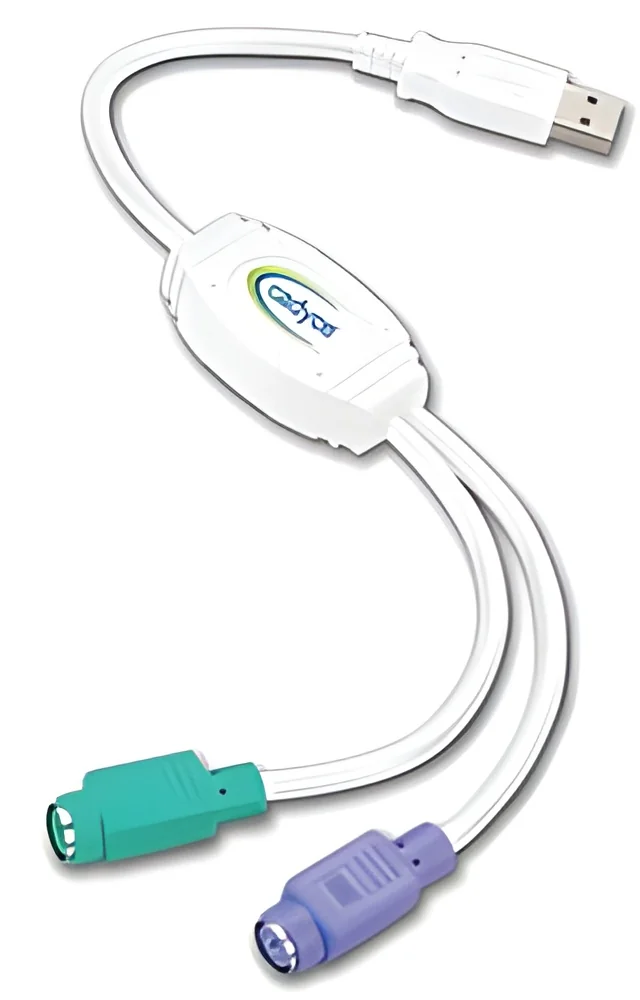
What are Card Readers & Hubs?
Card readers and hubs are essential electronic devices used to facilitate data transfer and communication between various digital storage formats and computing systems. A card reader is designed to read data from memory cards, such as SD cards or microSD cards, allowing users to access and transfer files. Hubs, on the other hand, serve as connection points that enable multiple devices to connect to a single port, expanding the capabilities of computers and other electronic devices.
These devices find primary applications in various business settings, including photography, data management, and multimedia production. For example, photographers use card readers to quickly transfer images from their cameras to computers. Additionally, businesses often utilize USB hubs to connect multiple peripherals, such as printers, external drives, and keyboards, to enhance productivity. As industries increasingly rely on digital data, the demand for reliable card readers and hubs continues to grow.
In today’s market, card readers and hubs are relevant across multiple sectors, including technology, entertainment, and education. As more devices adopt various card formats, businesses must keep up with the evolving requirements for data transfer. The continuous advancement of technology also means that these devices are becoming faster and more efficient, making them indispensable tools in a modern business environment.
Key Features and Specifications
Card readers and hubs come equipped with several features that enhance their functionality and usability. Understanding these specifications is crucial for selecting the right device for specific needs.
Key specifications include:
1. Compatibility
- Compatibility with various memory card formats, such as SD, microSD, CF, etc.
- Ensures seamless integration with different devices.
2. Data Transfer Speed
- Defined by USB standards (e.g., USB 2.0, USB 3.0, USB-C).
- Higher speeds enable faster file transfers.
3. Number of Ports
- Varies based on hub designs, typically ranging from 2 to 10 ports.
- Allows multiple devices to connect simultaneously.
4. Power Supply
- Some hubs offer powered USB ports for charging devices.
- Ensures adequate power supply for high-demand peripherals.
5. Build Quality
- Constructed from durable materials for longevity.
- Design features may include heat resistance and anti-slip surfaces.
6. Size and Portability
- Compact designs for easy transport and storage.
- Ideal for on-the-go professionals.
7. LED Indicators
- Visual signals to indicate power and data transfer status.
- Enhances user awareness of device functionality.
8. Plug-and-Play Functionality
- No additional drivers required for installation.
- Simplifies the setup process for users.
These features collectively enhance user experience, making card readers and hubs a vital part of many business operations.
Common Applications and Use Cases
Card readers and hubs serve various industries with distinct applications.
1. Photography: Photographers utilize card readers to quickly transfer images from cameras to computers, streamlining their workflow during shoots and post-production.
2. Data Management: Businesses rely on card readers to manage data stored on multiple formats, facilitating efficient data transfer and backup processes.
3. Multimedia Production: In video and audio production environments, hubs allow multiple devices to connect, enhancing collaboration and productivity during projects.
4. Education: Educational institutions use card readers in computer labs to enable students to easily access and transfer files during lessons.
5. Retail: Retailers implement card readers for inventory management, allowing easy access to product information stored on memory cards.
6. Healthcare: Medical professionals use card readers to access patient data from portable storage devices, ensuring timely and accurate information retrieval.
7. IT Services: IT departments use hubs to connect various devices for testing and troubleshooting, ensuring operational efficiency in technical environments.
Product Variants and Subcategories
Card readers and hubs come in various designs to cater to different user needs.
USB Card Reader
This variant typically supports multiple memory card formats and connects via USB. It is ideal for photographers and videographers seeking quick data transfers.
Multi-Port USB Hub
Designed to expand USB connectivity, this hub allows multiple devices to connect, making it suitable for offices requiring enhanced device integration.
Wireless Card Reader
This variant offers wireless connectivity, allowing users to access files without physical connections. It is great for mobile professionals needing flexibility.
High-Speed Card Reader
Focused on speed, this card reader supports high-speed data transfer for users who require quick access to large files, such as photographers working with high-resolution images.
Benefits and Advantages
Choosing the right card readers and hubs offers several advantages to businesses.
Key benefits include:
1. Enhanced Productivity: Faster data transfers and multiple device connections streamline workflows, allowing teams to focus on their core tasks.
2. Versatility: Compatibility with various memory card formats and devices makes these products suitable for diverse business applications.
3. Cost-Effectiveness: Investing in high-quality card readers and hubs reduces the need for multiple devices, saving costs in the long run.
4. Improved Data Management: Easy access to stored data simplifies backup and retrieval processes, enhancing overall data management.
5. Portability: Compact designs allow users to easily transport devices, making them ideal for professionals on the go.
6. Reliable Performance: High-quality materials and construction ensure longevity and reliability, minimizing the risk of device failure.
Buying Guide for B2B Buyers
When sourcing card readers and hubs, businesses should consider several critical factors to ensure they make informed purchasing decisions.
1. Quality Assessment: Evaluate the build quality and durability of the device to ensure it meets operational demands. Look for products from reputable manufacturers with positive reviews.
2. Supplier Verification: Vet suppliers to confirm their reliability and product quality. Request references and check for certifications to ensure they meet industry standards.
3. Pricing and MOQ: Understand the price range for card readers and hubs, taking note of the minimum order quantities to align with budget constraints and operational needs.
4. Delivery and Lead Times: Inquire about delivery schedules and lead times to manage inventory effectively. Ensure suppliers can meet your timeline requirements.
5. Compliance Requirements: Confirm that the products comply with relevant industry standards and certifications to avoid regulatory issues. This may include safety and quality certifications.
Compliance and Certifications
Compliance with industry standards and regulations is vital for card readers and hubs to ensure safety and reliability. Key quality standards include ISO 9001, which sets criteria for quality management systems. This certification helps businesses ensure that products meet customer and regulatory requirements.
Additionally, CE certification indicates that products comply with European Union safety, health, and environmental protection standards. This certification is essential for businesses operating in or exporting to the EU market.
Safety and testing requirements also play a crucial role in ensuring that devices function properly without posing risks to users. Manufacturers should conduct thorough testing to guarantee that their products meet safety standards.
Regional compliance considerations may vary, with specific regulations applicable in different countries. Businesses must stay informed about these regulations to ensure compliance and avoid potential legal issues.
Why Source Card Readers & Hubs from Pepagora?
Pepagora provides a trusted platform for sourcing card readers and hubs, offering several key advantages to B2B buyers.
Verified Supplier Network: Pepagora partners with trusted suppliers who undergo a rigorous verification process. This ensures that buyers receive high-quality products from reliable sources.
Streamlined RFQ Process: The platform simplifies the request for quotation process, allowing buyers to compare multiple suppliers efficiently. This feature saves time and helps businesses make informed decisions.
Trade Assurance and Support: Pepagora offers trade assurance, protecting buyers from potential issues during transactions. This support enhances buyer confidence and ensures a smooth purchasing experience.
Regional Coverage: With a strong presence in key markets such as India, the GCC, and Southeast Asia, Pepagora provides extensive geographic reach. This enables businesses to access a wide range of products and suppliers tailored to their regional needs.

 IN
IN