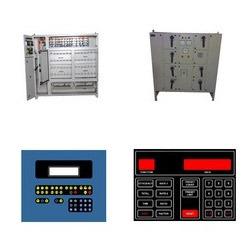
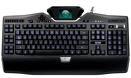
What are Keyboards (Wired & Wireless)?
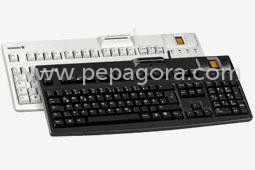
Keyboards, both wired and wireless, are essential input devices used to communicate with computers and other electronic devices. A wired keyboard connects directly to a device via a USB port or similar interface, providing a stable connection. In contrast, a wireless keyboard uses Bluetooth or other wireless technology to communicate, offering users greater flexibility and reducing cable clutter.
These devices are utilized across various business environments, including offices, manufacturing plants, and remote work setups. They provide the necessary interface for data entry, programming, and control of software applications. Keyboards are increasingly integrated into specialized equipment in industries such as healthcare, education, and finance, where they play a crucial role in enhancing productivity and efficiency.
In the current market, the demand for both wired and wireless keyboards continues to grow, driven by advancements in technology and the increasing adoption of remote working practices. The rise of ergonomic designs and customizable features has further stimulated consumer interest, making keyboards a vital component of modern-day computing equipment.
𝗞𝗲𝘆 𝗙𝗲𝗮𝘁𝘂𝗿𝗲𝘀 𝗮𝗻𝗱 𝗦𝗽𝗲𝗰𝗶𝗳𝗶𝗰𝗮𝘁𝗶𝗼𝗻𝘀
Keyboards come with an array of features tailored to different user needs. When selecting a keyboard, it is essential to consider key specifications that impact performance and usability.
Key specifications include:
1. Connection Type
- Wired or wireless connection options
- Compatibility with various operating systems
2. Key Switch Type
- Mechanical, membrane, or scissor-switch types
- Differing tactile feedback and actuation force
3. Layout
- Standard QWERTY layout or custom layouts available
- Compact designs for portability
4. Ergonomics
- Design features aimed at reducing strain
- Adjustable height and wrist support
5. Battery Life (for wireless keyboards)
- Duration of use before recharging or battery replacement
- Power-saving features and indicators
6. Additional Features
- Backlighting options for low-light environments
- Programmable keys for custom functions
7. Build Quality
- Materials used for durability and feel
- Resistance to spills and dust
8. Size and Weight
- Dimensions for portability and desk space
- Weight considerations for travel
In summary, understanding these specifications helps buyers select the right keyboard that meets their needs and enhances their productivity.
𝗖𝗼𝗺𝗺𝗼𝗻 𝗔𝗽𝗽𝗹𝗶𝗰𝗮𝘁𝗶𝗼𝗻𝘀 𝗮𝗻𝗱 𝗨𝘀𝗲 𝗖𝗮𝘀𝗲𝘀
Keyboards serve various industries, each with specific applications that enhance workflow and efficiency.
1. Office Environments: Keyboards are fundamental tools for data entry, email communication, and document creation, supporting daily office tasks.
2. Education: In classrooms, keyboards facilitate learning through typing exercises, programming courses, and online research, aiding both teachers and students.
3. Healthcare: Medical professionals rely on keyboards for electronic health records management, ensuring accurate patient data entry and retrieval.
4. Manufacturing: Keyboards are integrated into machinery for control systems and programming, allowing operators to manage complex processes effectively.
5. IT and Software Development: Programmers use specialized keyboards to write and edit code, with features that enhance coding efficiency and comfort.
6. Gaming: Gaming keyboards have unique features such as customizable macros and RGB lighting, catering to the gaming community's demands for performance and aesthetics.
7. Remote Work: With the rise of telecommuting, keyboards have become essential for home office setups, impacting productivity and comfort.
𝗣𝗿𝗼𝗱𝘂𝗰𝘁 𝗩𝗮𝗿𝗶𝗮𝗻𝘁𝘀 𝗮𝗻𝗱 𝗦𝘂𝗯𝗰𝗮𝘁𝗲𝗴𝗼𝗿𝗶𝗲𝘀
The keyboard market offers a variety of options to cater to different user preferences and requirements.
Mechanical Keyboards
Mechanical keyboards are favored for their tactile feedback, durability, and customizable features. They are commonly used by gamers and professionals who require precision in their typing and extensive use of keyboards.
Membrane Keyboards
Membrane keyboards are known for their quiet operation and lightweight design. They are often found in office environments where noise reduction is essential.
Compact Keyboards
Compact keyboards are designed for portability and space-saving. They are ideal for users who travel frequently or work in limited desk spaces.
Wireless Keyboards
Wireless keyboards eliminate cable clutter, allowing for flexible workstation setups. They are popular in both home and office environments.
𝗕𝗲𝗻𝗲𝗳𝗶𝘁𝘀 𝗮𝗻𝗱 𝗔𝗱𝘃𝗮𝗻𝘁𝗮𝗴𝗲𝘀
Choosing the right keyboard comes with numerous benefits that enhance user experience and productivity.
1. Enhanced Productivity: Keyboards designed for comfort and efficiency can lead to faster typing speeds and fewer errors.
2. Ergonomic Support: Many keyboards feature ergonomic designs that help reduce strain, promoting better posture and comfort during prolonged use.
3. Customization: A variety of models offer programmable keys and customizable layouts, allowing users to tailor their keyboard experience to their specific needs.
4. Flexibility: Wireless options provide the freedom to work from various locations without being tethered to a desk.
5. Durability: High-quality keyboards are built to withstand heavy use, reducing the need for frequent replacements.
6. Advanced Features: Many keyboards come with backlighting, multimedia controls, and additional functionalities, enhancing overall user engagement.
𝗕𝘂𝘆𝗶𝗻𝗴 𝗚𝘂𝗶𝗱𝗲 𝗳𝗼𝗿 𝗕𝟮𝗕 𝗕𝘂𝘆𝗲𝗿𝘀
When sourcing Keyboards (Wired & Wireless), it is crucial for B2B buyers to consider several key factors to ensure they make informed purchasing decisions.
1. Quality Assessment: Buyers should evaluate the build quality and performance of keyboards, looking for user reviews and ratings to gauge reliability.
2. Supplier Verification: It is important to vet suppliers for credibility, ensuring they provide quality products and adhere to industry standards.
3. Pricing and MOQ: Buyers should compare prices across different suppliers and consider minimum order quantities to find the best deal while meeting their needs.
4. Delivery and Lead Times: Understanding the logistics of delivery times and shipping costs is essential for planning and inventory management.
5. Compliance Requirements: Buyers should be aware of any regulatory needs related to quality standards and certifications, ensuring the products meet necessary guidelines.
𝗖𝗼𝗺𝗽𝗹𝗶𝗮𝗻𝗰𝗲 𝗮𝗻𝗱 𝗖𝗲𝗿𝘁𝗶𝗳𝗶𝗰𝗮𝘁𝗶𝗼𝗻𝘀
Keyboards (Wired & Wireless) are subject to various quality standards and certifications that ensure safety and performance.
ISO 9001 is a relevant quality standard that focuses on effective quality management systems. Compliance with this standard indicates that a manufacturer has processes in place to ensure consistent product quality.
CE marking is another essential certification for keyboards sold in Europe, indicating that the product meets EU safety, health, and environmental protection requirements. This compliance is critical for market access.
Safety and testing requirements must also be met to ensure that keyboards do not pose risks to users. This includes electrical safety tests and assessments for durability.
Regional compliance considerations vary by location, and it is crucial for manufacturers and suppliers to understand local regulations to ensure adherence and avoid potential penalties.
Why Source Keyboards (Wired & Wireless) from Pepagora?
Pepagora provides a trusted platform for sourcing Keyboards (Wired & Wireless), offering multiple advantages for B2B buyers.
Verified Supplier Network: Pepagora features a comprehensive network of verified suppliers, ensuring that buyers can trust the quality and reliability of the products they purchase. This reduces the risk of sourcing from unknown entities.
Streamlined RFQ Process: The Request for Quotation (RFQ) system simplifies the procurement process, allowing buyers to easily compare offers and select the best value for their needs. This efficiency helps businesses save time and focus on their core activities.
Trade Assurance and Support: Pepagora offers trade assurance that protects buyers' investments, providing peace of mind during transactions. Additionally, dedicated support is available to assist buyers with any inquiries or issues.
Regional Coverage: With a strong presence in India, the GCC, and Southeast Asia, Pepagora ensures that buyers have access to a wide range of products and suppliers tailored to their regional needs. This broad geographic reach enhances sourcing options and efficiency.

 IN
IN
 India
India