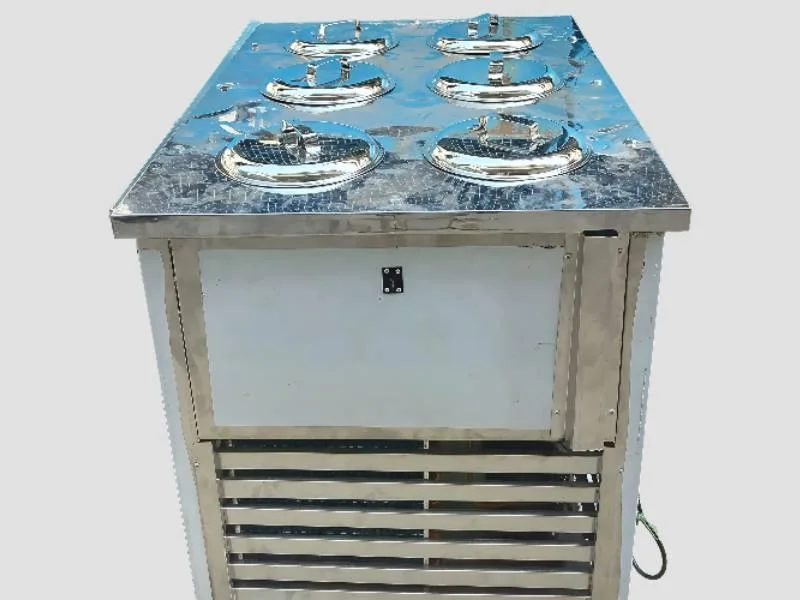
What are Juices & Cold Beverages?
Juices and cold beverages are liquid products derived from fruits, vegetables, and other natural ingredients. They are typically served chilled and are known for their refreshing taste and nutritional benefits. Juices are often extracted from fresh produce through methods like pressing or blending, while cold beverages can include a wider range of products such as flavored waters, sodas, or iced teas. These products are popular in both consumer markets and commercial settings, providing hydration and flavor.
In business applications, juices and cold beverages are essential in various food service sectors, including restaurants, cafes, and catering services. They play a significant role in beverage menus and are often paired with meals or served as standalone refreshments. The market for these products is continuously evolving, driven by consumer demand for healthier options, unique flavors, and convenient packaging.
The industry relevance of juices and cold beverages is substantial, with a growing emphasis on natural ingredients and sustainability. As consumers become more health-conscious, businesses are adapting their offerings to include organic and low-sugar options. The global market for juices and cold beverages is projected to expand, reflecting trends in health, wellness, and convenience.
Key Features and Specifications
Juices and cold beverages come with several key features that cater to diverse consumer preferences and business needs. Understanding these specifications is crucial for buyers looking to source high-quality products for their operations.
Key specifications include:
1. Flavor Variety
- A wide range of flavors, including citrus, berry, tropical, and vegetable-based options.
- Availability of seasonal or limited-edition flavors.
2. Packaging Options
- Various packaging formats, including bottles, cartons, and cans.
- Options for single-serve or bulk packaging to meet different distribution needs.
3. Nutritional Content
- Information on calories, sugar content, and vitamins.
- Options for fortified beverages with added nutrients.
4. Shelf Life
- Typically ranges from several months to up to a year, depending on the product and preservatives used.
- Importance of proper storage conditions to maintain quality.
5. Production Methods
- Cold-pressed, pasteurized, or not from concentrate options available.
- Emphasis on preserving natural flavors and nutrients.
6. Customization Options
- Ability to tailor flavors and formulations for specific customer requirements.
- Opportunities for private labeling and branding.
7. Regulatory Compliance
- Adherence to food safety and quality standards.
- Certifications such as CE for product safety.
8. Environmental Considerations
- Use of recyclable or sustainable packaging materials.
- Commitment to eco-friendly production practices.
In summary, understanding the features and specifications of juices and cold beverages is essential for businesses seeking to meet consumer demands while ensuring compliance with industry standards.
Common Applications and Use Cases
Juices and cold beverages are versatile products used across multiple industries. Their applications vary based on the target market and specific customer needs.
1. Food Service: Restaurants and cafes utilize juices and cold beverages as essential menu items. They enhance dining experiences and cater to various taste preferences.
2. Hospitality: Hotels and resorts offer a range of refreshing beverages to guests, often featuring local or seasonal fruits to create signature drinks.
3. Retail: Grocery stores and specialty shops stock a variety of juices and cold beverages, appealing to health-conscious consumers looking for convenient, on-the-go options.
4. Catering: Event planners incorporate juices and cold beverages into catering menus, providing diverse choices for different events and occasions.
5. Health and Wellness: Gyms and wellness centers often offer cold beverages as part of their nutrition programs, promoting hydration and recovery.
6. Beverage Manufacturing: Companies producing juices and cold beverages serve as suppliers for various sectors, including retail, food service, and health-focused businesses.
7. School and Institutions: Educational institutions serve juices and cold beverages in cafeterias, promoting healthier drink options for students.
Product Variants and Subcategories
Juices and cold beverages come in a variety of formats and styles, catering to diverse consumer preferences. This product diversity enables businesses to find options that best fit their needs.
Fruit Juice
This variant includes 100% fruit juices made from fresh produce. They are rich in vitamins and provide natural flavors without added sugars. Common applications include breakfast menus and health-oriented retail.
Sparkling Beverages
These are carbonated drinks that can be flavored or unflavored. They are popular in social settings and often paired with snacks. Their refreshing nature makes them a staple in many food service establishments.
Iced Teas
Iced teas come in various flavors and can be sweetened or unsweetened. They are a popular choice for cafes and restaurants, especially during warmer months, appealing to health-conscious consumers.
Smoothies
Smoothies blend fruits and vegetables into a thick, nutritious drink. They are often served in health-focused cafes and gyms, catering to customers looking for meal replacements or energy boosters.
Cold Brew Coffee
This variant includes cold coffee beverages that are brewed using cold water. They are popular among coffee enthusiasts and are often marketed as a smoother alternative to hot coffee.
Benefits and Advantages
Sourcing high-quality juices and cold beverages offers numerous advantages for businesses. These benefits can be critical in maintaining customer satisfaction and driving sales.
1. Health Benefits: Many juices and cold beverages are rich in vitamins and minerals, contributing to a healthier lifestyle for consumers.
2. Flavor Variety: A wide range of flavors allows businesses to cater to diverse customer preferences, enhancing their product offerings.
3. Convenience: Ready-to-drink options provide customers with quick and easy refreshment solutions, making them ideal for on-the-go consumption.
4. Customization: The ability to tailor flavors and formulations helps businesses create unique products that stand out in the market.
5. Seasonal Appeal: Seasonal flavors can attract consumers looking for novelty, helping businesses capitalize on trends.
6. Profit Margins: With proper sourcing and branding, juices and cold beverages can offer significant profit margins for retailers and food service providers.
Buying Guide for B2B Buyers
When sourcing juices and cold beverages, it is essential for B2B buyers to consider various factors to ensure they make informed purchasing decisions.
1. Quality Assessment: Buyers should evaluate the quality of products based on taste, freshness, and nutritional content. Conducting taste tests and reviewing nutritional information can aid in this assessment.
2. Supplier Verification: It is crucial to vet potential suppliers by checking their track record, certifications, and customer feedback. This helps ensure reliability and product quality.
3. Pricing and MOQ: Buyers should compare prices and understand minimum order quantities (MOQ) to find the best deals that align with their budget and sales goals.
4. Delivery and Lead Times: Understanding delivery schedules and lead times is vital for inventory management. Buyers should communicate their needs clearly to suppliers.
5. Compliance Requirements: Buyers must ensure that products meet local regulations and safety standards. Familiarity with compliance requirements helps avoid potential legal issues.
Compliance and Certifications
Compliance with industry standards and certifications is critical for juices and cold beverages. Several relevant quality standards exist to ensure product safety and quality.
ISO 9001 is a widely recognized standard for quality management systems. Companies that comply with ISO 9001 demonstrate their commitment to continuous improvement and customer satisfaction.
HACCP (Hazard Analysis and Critical Control Points) is a systematic approach to food safety. It identifies potential hazards in the production process and implements controls to minimize risks.
CE certification indicates that products meet European health, safety, and environmental protection standards. This certification is essential for suppliers looking to enter the European market.
In addition to these standards, products may need to undergo safety and testing requirements to ensure they meet regulatory guidelines. Regional compliance considerations, such as local food safety laws, must also be taken into account during sourcing.
Why Source Juices & Cold Beverages from Pepagora?
Pepagora provides a trusted platform for sourcing juices and cold beverages, offering key advantages that benefit B2B buyers.
Verified Supplier Network: Pepagora connects buyers with a network of verified suppliers, ensuring reliable sourcing of high-quality products. This reduces the risk associated with partnering with unknown suppliers.
Streamlined RFQ Process: The request for quotation (RFQ) process is designed to be efficient, allowing buyers to receive timely quotes and compare options easily. This streamlines the procurement process.
Trade Assurance and Support: Pepagora offers trade assurance, providing buyers with protection against potential issues. Their support team is available to assist with any inquiries or concerns.
Regional Coverage: With a focus on markets in India, the GCC, and Southeast Asia, Pepagora ensures that buyers have access to a diverse range of products tailored to regional tastes and preferences.

 IN
IN