
 IN
Biscuits, Cookies & Snacks
8 products available
What are Biscuits, Cookies & Snacks?
Biscuits, cookies, and snacks are popular food products that cater to a wide range of consumer preferences. Biscuits are typically baked goods that are crisp and can be sweet or savory. Cookies are often softer and chewier, usually made with flour, sugar, butter, and various flavorings. Snacks encompass a broader category, including chips, pretzels, and other quick bites meant for on-the-go consumption. These products are enjoyed across various settings, from casual snacking to formal events.
In a business context, biscuits, cookies, and snacks are utilized in numerous applications, including food service, retail, and catering. They are often served as part of meal offerings, included in gift baskets, or used as promotional items. The versatility of these products allows businesses to cater to diverse markets, from corporate events to casual gatherings. The growing trend of snacking has made these items increasingly relevant, as consumers seek convenient and enjoyable food options.
The market for biscuits, cookies, and snacks is dynamic and competitive, with a focus on innovation and quality. As consumer preferences shift towards healthier and more sustainable options, manufacturers are adapting their product lines to meet these demands. This evolving landscape presents opportunities for businesses to differentiate themselves and capture market share.
Key Features and Specifications
When considering biscuits, cookies, and snacks, several key features and specifications are important for B2B buyers. These specifications ensure that the products meet quality and safety standards while catering to consumer preferences.
Key specifications include:
1. Ingredient Quality
- Use of high-quality, natural ingredients
- No artificial flavors or preservatives
2. Flavor Profiles
- Variety of flavors available, such as chocolate, vanilla, and fruit
- Options for savory flavors, including cheese and herbs
3. Packaging Options
- Different packaging sizes for bulk or retail
- Eco-friendly packaging materials available
4. Shelf Life
- Extended shelf life for longer storage
- Options for freshness preservation
5. Nutritional Information
- Clear labeling of nutritional content
- Options for low-calorie or gluten-free varieties
6. Customization
- Ability to customize flavors and packaging
- Options for private labeling
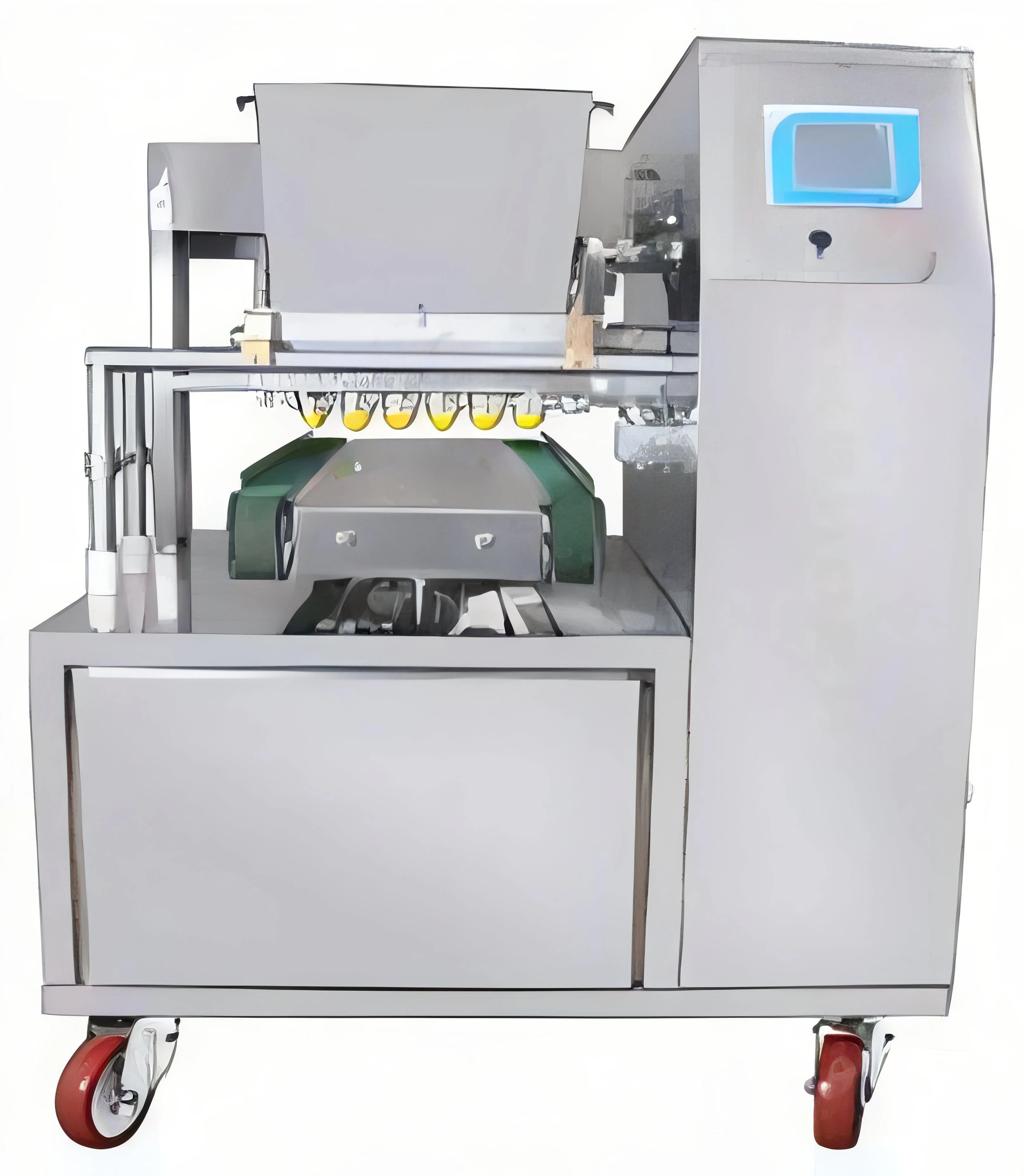
7. Production Capacity
- Scalable production capabilities
- Flexibility to meet varying order sizes
8. Compliance with Standards
- Adherence to local and international food safety regulations
- Certifications such as CE and HACCP
In summary, understanding these key features and specifications helps businesses select the right products that align with their needs and customer expectations.
Common Applications and Use Cases
Biscuits, cookies, and snacks serve various industries, enhancing their versatility and market appeal.
1. Hospitality Industry: Biscuits and cookies are frequently used in hotels and restaurants as complimentary items for tea and coffee service, improving guest experiences.
2. Retail: Supermarkets and convenience stores stock a wide range of snacks to cater to impulse buyers, providing options for all ages and preferences.
3. Corporate Gifts: Businesses often include gourmet biscuits and cookies in gift baskets for clients and employees, promoting goodwill and appreciation.
4. Education: Schools and universities use packaged snacks as part of meal programs, providing convenient options for students.
5. Healthcare: Hospitals and care facilities offer snacks to patients and visitors, focusing on nutritional value and dietary restrictions.
6. Catering Services: Event planners incorporate biscuits and snacks into catering menus for events, enhancing the overall dining experience.
7. Food Service Distribution: Distributors supply snacks and biscuits to various food service operators, ensuring a steady supply to meet demand.
Product Variants and Subcategories
The diversity of biscuits, cookies, and snacks allows for various product variants catering to different consumer tastes and needs.
Classic Biscuits
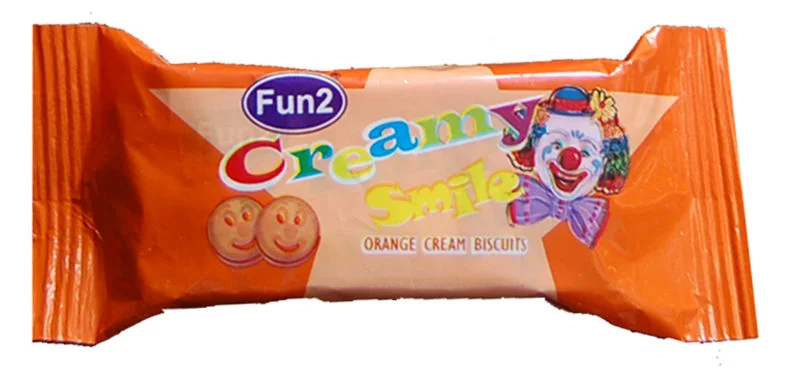
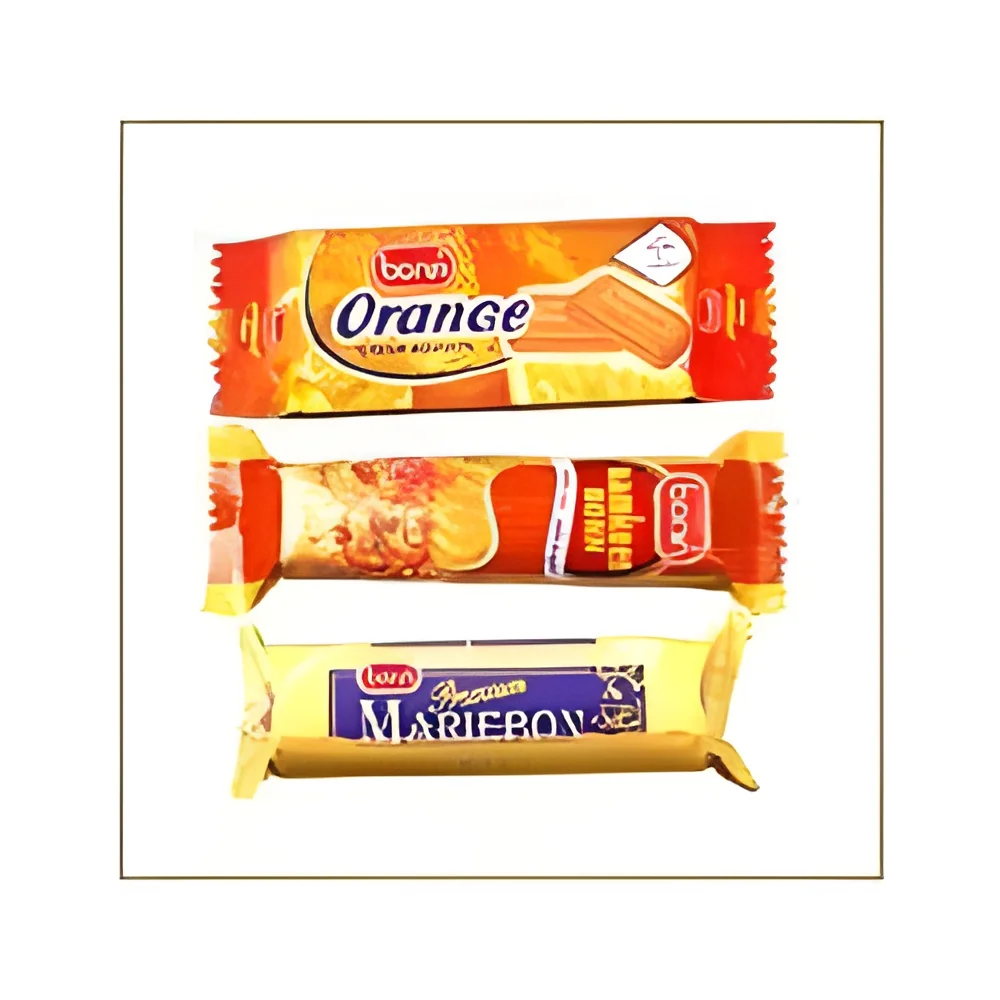
These are traditional baked goods, often enjoyed with tea or coffee. They feature a crunchy texture and can come in various flavors, making them a staple in many households.
Gourmet Cookies
Gourmet cookies offer unique flavors and high-quality ingredients. They are often larger and more indulgent, targeting the premium market segment.
Savory Snacks
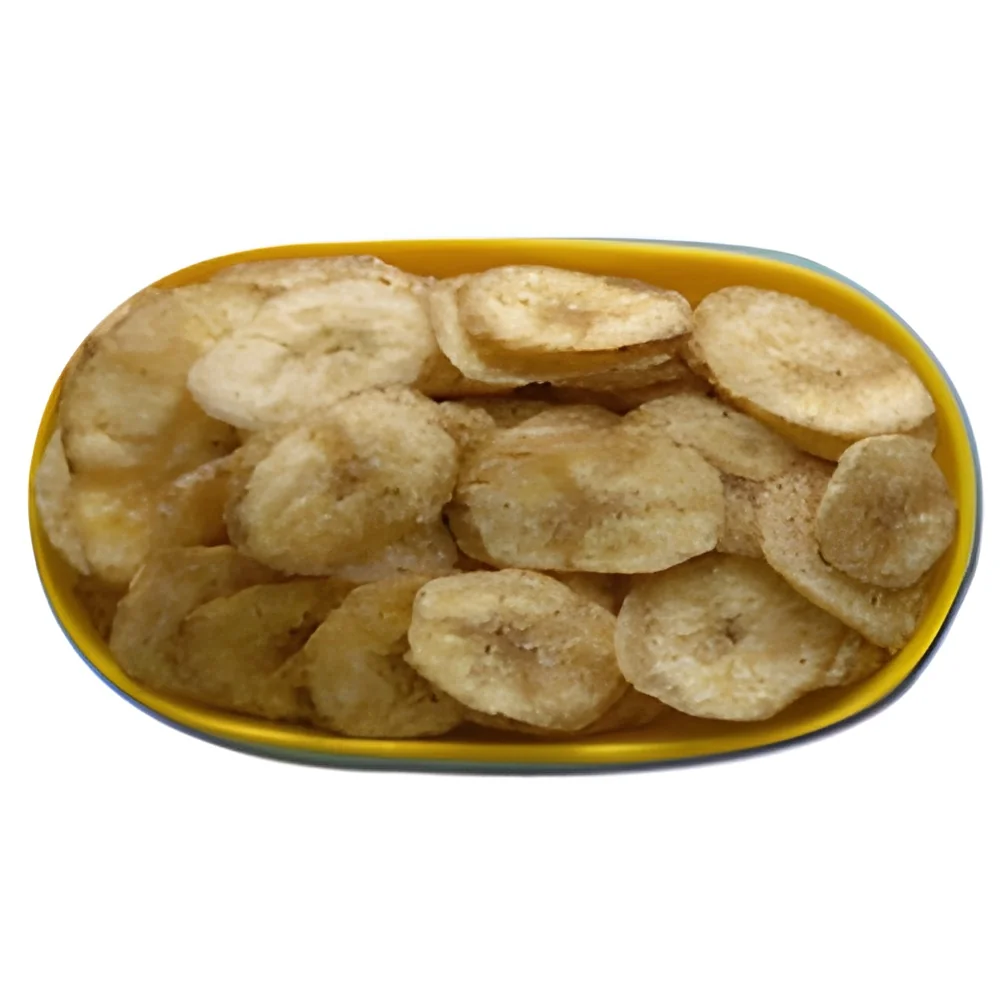
Savory snacks include items like cheese-flavored crackers and pretzels. They cater to those who prefer non-sweet options, providing a balanced snacking experience.
Health-Conscious Snacks
These snacks focus on nutritional benefits, such as low-calorie or high-protein options. They appeal to consumers seeking healthier alternatives without sacrificing taste.
Seasonal Variants
Specialty biscuits and cookies are often produced during holidays or festive occasions, featuring seasonal flavors and themed packaging to attract consumers.
Benefits and Advantages
Sourcing biscuits, cookies, and snacks provides several benefits for businesses looking to enhance their offerings.
1. Versatile Product Range: A wide variety of flavors and types ensures that businesses can cater to diverse customer preferences.
2. High Demand: The growing trend of snacking creates consistent consumer demand, allowing businesses to maintain steady sales.
3. Easy to Store: Many snacks have a long shelf life and are easy to store, making inventory management more efficient.
4. Potential for Customization: Businesses can tailor products to meet specific customer needs, enhancing brand loyalty.
5. Suitable for Multiple Channels: These products can be sold through various channels, including retail, food service, and online platforms.
6. Opportunities for Innovation: Continuous product development in flavors and health-oriented options allows businesses to stay competitive.
Buying Guide for B2B Buyers
When sourcing biscuits, cookies, and snacks, it is essential for buyers to consider several factors to ensure they make informed decisions.
1. Quality Assessment: Evaluate the quality of ingredients and production processes. Look for suppliers that adhere to high manufacturing standards and provide certifications.
2. Supplier Verification: Conduct thorough background checks on potential suppliers to ensure their reliability and capability to fulfill orders.
3. Pricing and MOQ: Understand the pricing structure and minimum order quantities (MOQ) to ensure alignment with budget and inventory requirements.
4. Delivery and Lead Times: Confirm estimated delivery times and logistics capabilities to avoid disruptions in supply chains.
5. Compliance Requirements: Ensure that products meet local regulations and industry standards, including safety certifications, to mitigate risks.
Compliance and Certifications
Compliance with industry standards and certifications is crucial for biscuits, cookies, and snacks. These products must adhere to quality management systems such as ISO 9001, which ensures consistency in production quality.
Additionally, Hazard Analysis and Critical Control Points (HACCP) certification is important for food safety, identifying and managing potential hazards in the food production process. Compliance with Good Distribution Practice (GDP) ensures that food products are stored and transported under appropriate conditions.
Regional compliance considerations may vary, necessitating awareness of local food safety regulations and requirements. Ensuring all these aspects are met not only protects consumers but also builds trust in the brand.
Why Source Biscuits, Cookies & Snacks from Pepagora?
Pepagora provides a trusted platform for sourcing biscuits, cookies, and snacks, offering several key advantages for B2B buyers.
Verified Supplier Network: Pepagora connects buyers with a network of verified suppliers, ensuring that all partners meet high standards of quality and reliability. This reduces the risk associated with sourcing and helps businesses maintain consistency in their offerings.
Streamlined RFQ Process: The platform features a user-friendly request for quotation (RFQ) system, allowing buyers to easily compare prices and terms from multiple suppliers. This transparency helps businesses make informed purchasing decisions.
Trade Assurance and Support: Pepagora offers trade assurance programs that protect buyers from potential risks. This includes support for disputes and guarantees that suppliers deliver as promised, enhancing buyer confidence.
Regional Coverage: With a strong presence in India, the Gulf Cooperation Council (GCC), and Southeast Asia, Pepagora provides extensive geographic reach. This enables businesses to access a diverse range of products and suppliers, catering to various market needs.

Frequently Asked Questions
What are Biscuits, Cookies & Snacks?
Biscuits, Cookies & Snacks are a variety of baked goods that are typically sweet and can be enjoyed as a treat or snack. Biscuits are often crisp and can be savory or sweet, while cookies tend to be softer and denser. Snacks encompass a broader range of items that may include chips, crackers, and other munchies.
What are the different types of Biscuits, Cookies & Snacks?
There are several types of Biscuits, Cookies & Snacks, including chocolate chip cookies, digestive biscuits, cream-filled biscuits, and savory crackers. Snacks can vary widely, ranging from potato chips to trail mix and granola bars. Each type caters to different taste preferences and occasions.
How do I choose the right Biscuits, Cookies & Snacks?
Choosing the right Biscuits, Cookies & Snacks depends on factors such as taste, dietary restrictions, and the occasion. Consider the preferences of your target audience and any specific health considerations, such as gluten-free or low-sugar options. Sampling different varieties can also help in making an informed decision.
What are the standard specifications for Biscuits, Cookies & Snacks?
Standard specifications for Biscuits, Cookies & Snacks may include ingredients, texture, size, and packaging requirements. They should adhere to food safety regulations and labeling standards as specified by local authorities. It is also important to consider shelf life and storage conditions.
What is the price range for Biscuits, Cookies & Snacks?
The price range for Biscuits, Cookies & Snacks can vary widely depending on the type, brand, and packaging size. Generally, prices can start from a few rupees for basic products to several hundred rupees for premium or specialty items. Bulk purchasing may offer additional cost advantages.
What quality standards apply to Biscuits, Cookies & Snacks?
Quality standards for Biscuits, Cookies & Snacks typically include compliance with food safety regulations, ingredient quality, and consistency in production. Certifications such as ISO, FSSAI, and HACCP may apply, ensuring that products meet safety and quality benchmarks for consumer consumption.
Where can I find Biscuits, Cookies & Snacks suppliers in India?
You can find Biscuits, Cookies & Snacks suppliers in India through B2B marketplaces like Pepagora, trade shows, and industry directories. Online platforms allow you to compare different suppliers based on products, prices, and reviews. Additionally, local food manufacturers and distributors can be valuable resources.
Can Biscuits, Cookies & Snacks be customized?
Yes, Biscuits, Cookies & Snacks can often be customized to meet specific branding or dietary requirements. Customizations may include flavor variations, packaging designs, and ingredient adjustments. It is advisable to discuss customization options with manufacturers or suppliers during the ordering process.
What is the typical minimum order quantity for Biscuits, Cookies & Snacks?
The typical minimum order quantity (MOQ) for Biscuits, Cookies & Snacks can vary by supplier but often ranges from 100 to 1000 units. Factors influencing the MOQ include the type of product, customization requirements, and packaging. Communication with suppliers will provide clarity on their specific MOQ policies.
What is the typical lead time for Biscuits, Cookies & Snacks?
The typical lead time for Biscuits, Cookies & Snacks can vary based on order size and customization options, but it generally ranges from 1 to 4 weeks. Factors such as production schedules, ingredient availability, and shipping logistics can impact the lead time. It is advisable to confirm lead times with suppliers during the ordering process.
Why Businesses Trust Pepagora
Thousands of companies trust Pepagora to source smarter and sell faster
Expand Your Sales Globally

Source Smarter,Grow Faster
