What are Bottled Water?
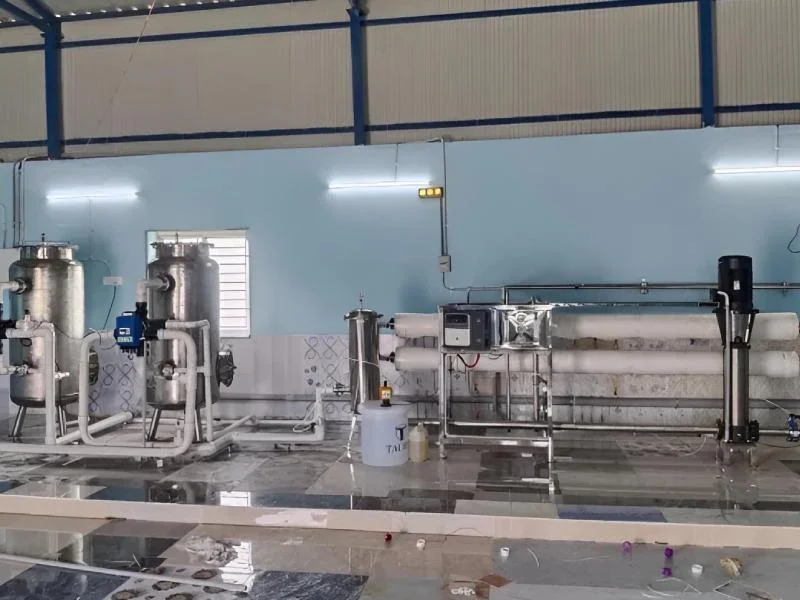
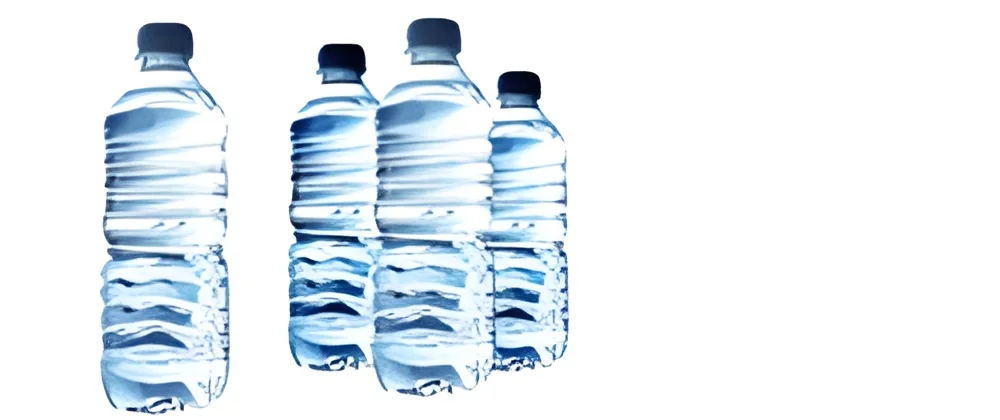
Bottled water is water that has been packaged in bottles for consumption. It can originate from various sources, including springs, wells, or municipal supplies. The water is typically filtered and treated to remove impurities, ensuring safety and quality. Bottled water is widely available in various sizes and packaging options, catering to different consumer needs.
In the business context, bottled water serves numerous purposes. It is essential for hydration in workplaces, events, and public spaces. Many businesses offer bottled water as an amenity for employees and clients, enhancing their overall experience. The demand for bottled water continues to grow, fueled by health trends and the convenience it provides.
The bottled water industry is significant, with a competitive market landscape. Companies are constantly innovating to meet consumer preferences and regulatory standards. As awareness of health and wellness increases, bottled water remains a relevant product across various sectors.
Key Features and Specifications
Bottled water is characterized by several key features and specifications that ensure its quality and usability. These specifications help buyers understand the product's suitability for their needs.
Key specifications include:
1. Source of Water
- Bottled water can originate from springs, wells, or municipal sources.
- Each source has distinct mineral content and taste profiles.
2. Purification Process
- Typical methods include reverse osmosis, distillation, or filtration.
- Ensures the removal of contaminants and pathogens.
3. Packaging Options
- Available in various sizes, including 500ml, 1 liter, and 5-gallon bottles.
- Options for plastic or glass containers are common.
4. Shelf Life
- Typically ranges from 1 to 2 years depending on storage conditions.
- Proper sealing and storage are crucial for maintaining freshness.
5. Mineral Content
- Varies by brand and source, affecting taste and nutritional value.
- Common minerals include calcium, magnesium, and potassium.
6. pH Level
- Generally falls between 6.5 and 8.5.
- Affects taste and perceived quality.
7. Regulatory Compliance
- Must meet local and international safety standards.
- Regular testing is required to ensure safety.
8. Certifications
- Common certifications include CE and compliance with health regulations.
- Certifications provide assurance of quality and safety.
In summary, understanding these key features and specifications is vital for businesses looking to purchase bottled water. It helps ensure that the product meets both quality standards and consumer expectations.
Common Applications and Use Cases
Bottled water has diverse applications across various industries. It is a versatile product that caters to different business needs.
1. Corporate Offices: Bottled water is often provided in workplace settings to enhance employee hydration and wellbeing. Companies may use dispensers for ease of access.
2. Events and Catering: Bottled water is a staple at events, conferences, and catering services. It is convenient for guests and complements food offerings.
3. Healthcare Facilities: Hospitals and clinics provide bottled water to patients and visitors, ensuring access to clean drinking water.
4. Educational Institutions: Schools and universities often include bottled water in their vending services and cafeteria options to promote healthy choices.
5. Hospitality Sector: Hotels and restaurants serve bottled water as part of their beverage menus, enhancing guest experience and satisfaction.
6. Fitness Centers: Gyms and fitness studios provide bottled water to keep members hydrated during workouts, often selling it on-site.
7. Retail: Grocery stores and convenience shops offer a wide range of bottled water products to meet consumer demand.
Product Variants and Subcategories
Bottled water comes in various forms to cater to different preferences and applications. While specific subcategories may not be available, several common variants exist.
Spring Water
This type comes from natural springs and retains its mineral content. Spring water is favored for its taste and perceived health benefits.
Purified Water
Purified water undergoes extensive filtration processes to remove contaminants. It is often used in food service and healthcare applications.
Mineral Water
This variant contains natural minerals and is often marketed for its health benefits. Mineral water is popular in restaurants and wellness-focused establishments.
Sparkling Water
Sparkling water is carbonated and provides a refreshing alternative to still water. It is commonly found in restaurants and bars.
Flavored Water
Flavored bottled water offers a variety of tastes, appealing to consumers looking for alternatives to sugary beverages. It is marketed towards health-conscious individuals.
Benefits and Advantages
Sourcing bottled water offers several advantages for businesses and consumers alike. Understanding these benefits can help inform purchasing decisions.
Key benefits include:
1. Convenience: Bottled water is easy to transport and store, making it ideal for various settings, from offices to events.
2. Quality Assurance: Bottled water often undergoes rigorous testing and meets safety standards, providing peace of mind for consumers.
3. Hydration Promotion: Providing bottled water encourages hydration, which can improve overall health and productivity in workplace environments.
4. Versatile Options: With numerous sizes and types available, businesses can select bottled water that fits their specific needs and preferences.
5. Brand Differentiation: Offering premium bottled water can enhance a brand's image and cater to health-conscious consumers.
6. Accessibility: Bottled water can be easily distributed and accessed in locations where tap water may not be available or safe to drink.
Buying Guide for B2B Buyers
When sourcing bottled water, several factors should be considered to ensure the best choice for business needs. A structured approach will help streamline the purchasing process.
1. Quality Assessment: Evaluate the quality of bottled water by reviewing the source, purification methods, and mineral content. Ensure it meets your standards.
2. Supplier Verification: Research and verify potential suppliers to ensure they comply with industry regulations and have a good reputation for quality.
3. Pricing and MOQ: Understand the pricing structure and minimum order quantity (MOQ) requirements. Compare quotes from different suppliers to find the best deal.
4. Delivery and Lead Times: Discuss logistics and expected lead times for delivery. Ensure that the supplier can meet your timeline for receiving products.
5. Compliance Requirements: Familiarize yourself with local and regional regulations regarding bottled water to ensure compliance with health and safety standards.
Compliance and Certifications
Bottled water must adhere to various compliance and certification standards to ensure safety and quality. These standards play a crucial role in the industry.
Relevant quality standards include ISO 9001, which focuses on quality management systems, and HACCP, which addresses food safety protocols. Compliance with Good Distribution Practice (GDP) ensures that bottled water is safely handled and transported.
Industry certifications such as CE are essential for demonstrating compliance with European safety standards. These certifications help build trust among consumers and businesses.
Safety and testing requirements are also critical, with regular assessments needed to ensure that bottled water meets health standards. This includes testing for contaminants and ensuring proper labeling.
Regional compliance considerations may vary, so it is essential for suppliers to stay updated on local regulations. This ensures that bottled water products are safe for consumption in different markets.
Why Source Bottled Water from Pepagora?
Pepagora offers a reliable platform for sourcing bottled water, providing several key advantages that support B2B buyers.
Verified Supplier Network: Pepagora has established a robust network of verified suppliers. This ensures that buyers can access high-quality bottled water from reputable sources.
Streamlined RFQ Process: The request for quotation (RFQ) process on Pepagora is designed to be efficient and user-friendly. Buyers can easily submit their requirements and receive competitive quotes from multiple suppliers.
Trade Assurance and Support: Pepagora provides trade assurance to protect buyers during transactions. This includes support in case of disputes, ensuring a secure purchasing experience.
Regional Coverage: With a strong presence in India, the GCC, and Southeast Asia, Pepagora offers extensive geographic coverage. This allows buyers to source bottled water conveniently, regardless of their location.
In conclusion, sourcing bottled water through Pepagora not only simplifies the purchasing process but also enhances trust and reliability in the supply chain.

 IN
IN