What are Packaged Tea & Coffee?
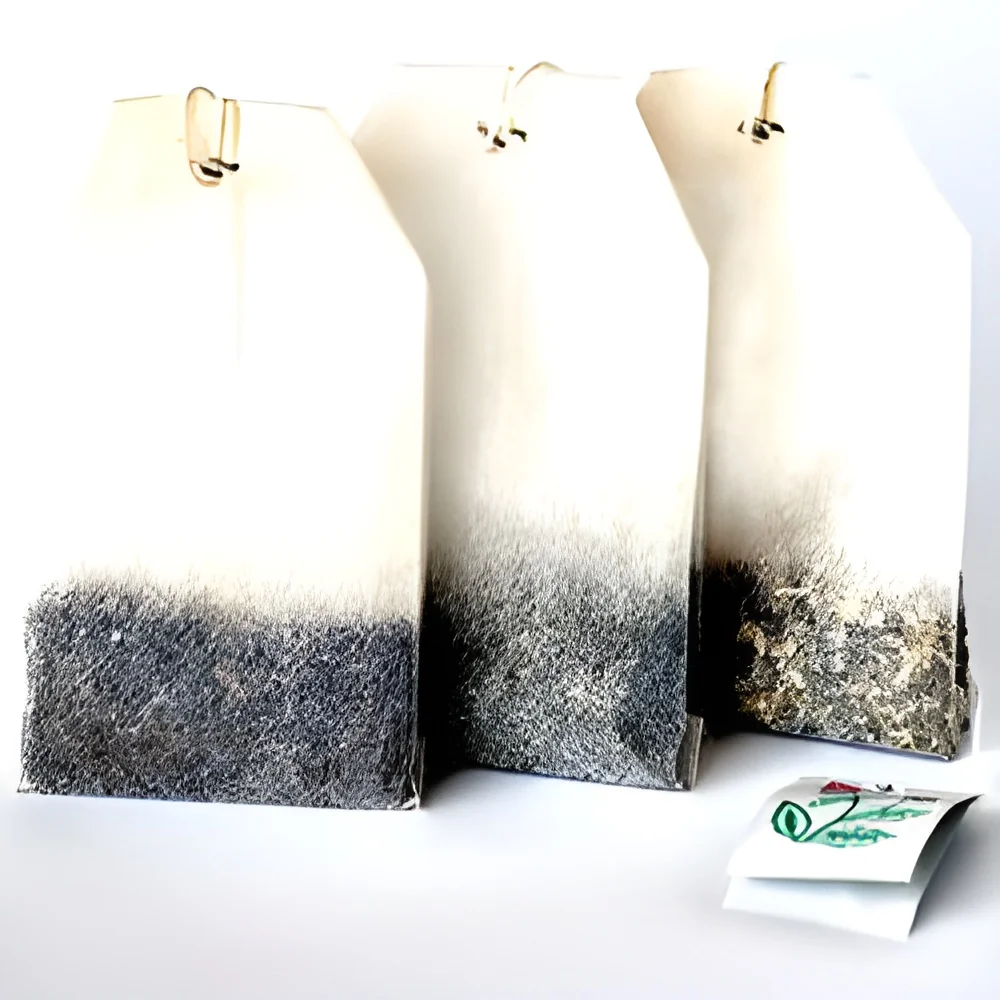
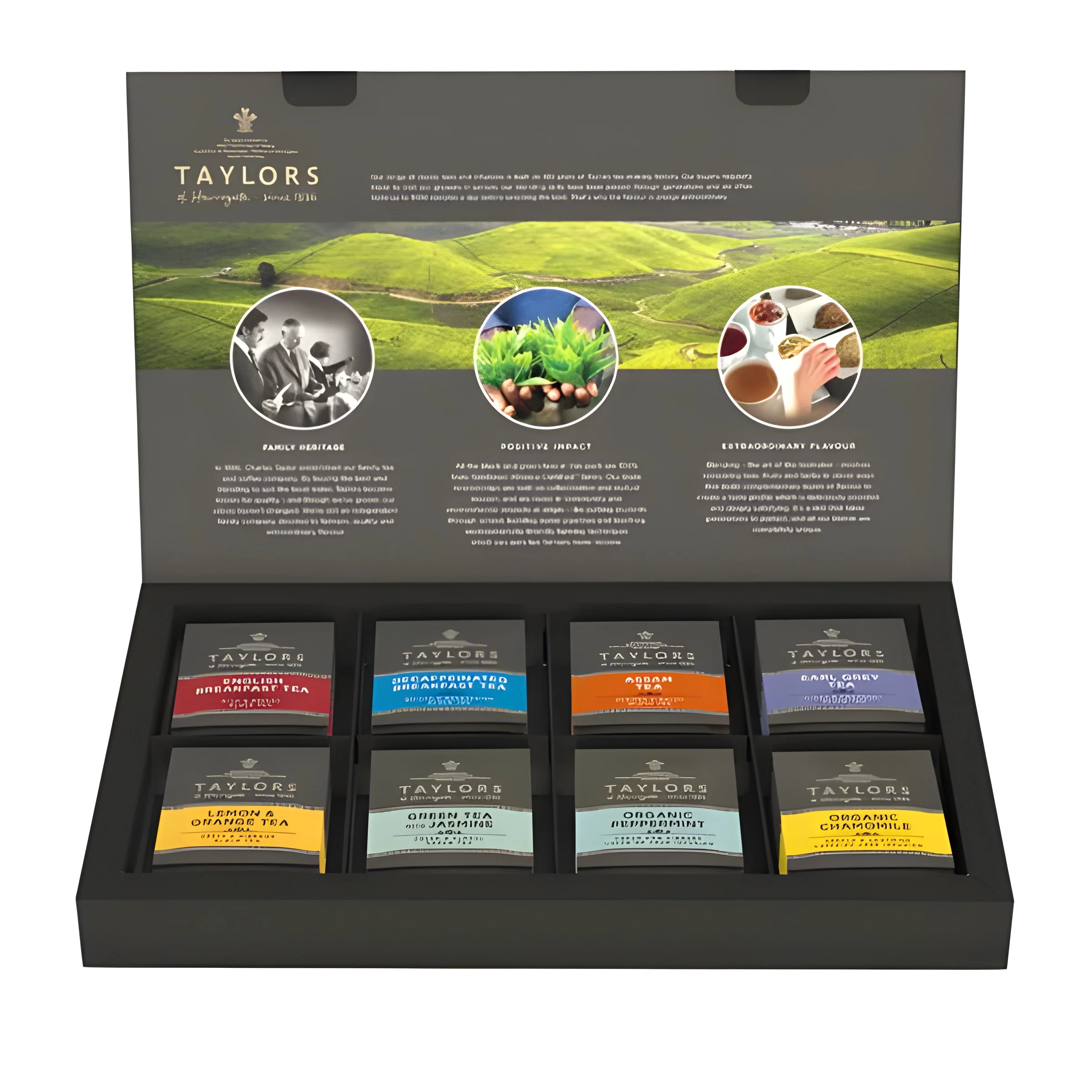
Packaged tea and coffee refer to commercially prepared beverages that are pre-packaged for consumer use. This includes a variety of forms such as loose leaf tea, tea bags, ground coffee, and instant coffee. These products are designed to offer convenience and consistency in flavor, allowing consumers to easily prepare their drinks without the need for extensive preparation or equipment.
In a business context, packaged tea and coffee are widely used in various settings, including cafes, restaurants, offices, and hotels. These products are popular due to their ease of use and the ability to cater to diverse customer preferences. The growing trend of specialty beverages has led to an increased demand for high-quality packaged tea and coffee, reflecting consumer interest in unique flavors and sourcing practices.
The packaged tea and coffee market is significant within the broader food and beverage industry. As health consciousness rises among consumers, there is a notable shift towards premium, organic, and sustainably sourced products. This trend presents opportunities for businesses to differentiate themselves by offering unique blends and high-quality options, making the understanding of market needs crucial for suppliers.
Key Features and Specifications
Packaged tea and coffee come with a range of features and specifications that cater to consumer preferences and business needs. When evaluating these products, it is essential to understand their key specifications to make informed purchasing decisions.
Key specifications include:
1. Type of Beverage
- Options include black tea, green tea, herbal tea, ground coffee, and instant coffee.
- Each type offers distinct flavors and brewing methods.
2. Packaging Options
- Available in bulk, single-serve packets, or retail-ready packaging.
- Packaging materials can vary, impacting freshness and shelf life.
3. Flavor Profiles
- Diverse flavor options are available, including classic blends, flavored varieties, and seasonal specials.
- Flavor profiles can cater to specific consumer tastes and trends.
4. Shelf Life
- Typically ranges from 6 months to 2 years, depending on packaging and type.
- Proper storage conditions can extend shelf life.
5. Caffeine Content
- Varies by product; options available for both caffeinated and decaffeinated beverages.
- Important for consumers with specific dietary preferences.
6. Certifications
- Products may include certifications such as organic, fair trade, or CE.
- Certifications ensure adherence to quality and ethical sourcing standards.
7. Origin
- Source of tea leaves or coffee beans can affect flavor and quality.
- Regions known for specific growing conditions can enhance product uniqueness.
In summary, understanding these specifications is critical for businesses looking to source packaged tea and coffee that aligns with consumer demands and quality standards.
Common Applications and Use Cases
Packaged tea and coffee serve a wide range of industries and applications. Understanding these use cases can help businesses effectively target their offerings.
1. Hospitality Industry: Hotels and restaurants use packaged tea and coffee to enhance guest experiences. Offering high-quality beverages can elevate service standards and customer satisfaction.
2. Office Environments: Many companies provide packaged tea and coffee in break rooms to promote employee well-being and satisfaction. This can lead to improved productivity and morale.
3. Retail Sector: Grocery stores and specialty shops stock a variety of packaged tea and coffee to meet consumer demands for convenience and quality. These products often attract health-conscious shoppers.
4. Food Service: Cafes and catering services rely on packaged beverages to simplify operations. Consistent quality and flavor are essential for maintaining customer loyalty.
5. E-commerce: Online retailers have capitalized on the growing demand for specialty beverages. They offer a wide selection of packaged tea and coffee, making it easy for consumers to explore new options.
6. Health and Wellness: Nutrition-focused companies may offer herbal teas and specialty coffees that promote specific health benefits. This aligns with consumer trends towards wellness products.
7. Events and Catering: Packaged tea and coffee are popular choices for events, providing guests with convenient beverage options. This can include conferences, weddings, and corporate gatherings.
Product Variants and Subcategories
The diversity of packaged tea and coffee products allows businesses to cater to various consumer preferences and market demands. This variety includes different types of tea and coffee, each with unique characteristics.
Black Tea
Black tea is fully oxidized, offering a robust flavor and higher caffeine content. It is commonly consumed as a standalone drink or used as a base for flavored varieties like Earl Grey.
Green Tea
Green tea is less processed and retains more antioxidants. It is known for its delicate flavor and health benefits, making it a popular choice among health-conscious consumers.
Herbal Tea
Herbal teas are caffeine-free and can include a variety of herbs, flowers, and spices. They are often marketed for their health benefits, such as relaxation or digestive support.
Ground Coffee
Ground coffee is versatile and can be brewed using various methods. It appeals to coffee enthusiasts who prefer a fresh brew at home or work.
Instant Coffee
Instant coffee offers convenience and quick preparation, making it ideal for on-the-go consumers. It is available in various flavor profiles and brands.
Benefits and Advantages
Sourcing packaged tea and coffee provides numerous benefits for businesses in various sectors. Understanding these advantages can help in making informed purchasing decisions.
Key benefits include:
1. Consistency: Packaged products ensure uniform quality and flavor, which is essential for maintaining customer satisfaction.
2. Convenience: Easy preparation and storage make packaged tea and coffee ideal for both personal and commercial use.
3. Variety: The wide range of options allows businesses to cater to diverse consumer tastes and preferences.
4. Cost-Effectiveness: Bulk purchasing of packaged products can lead to significant cost savings for businesses.
5. Branding Opportunities: Unique blends and packaging can enhance brand identity and appeal to niche markets.
6. Quality Assurance: Many packaged products come with certifications, ensuring compliance with quality and safety standards.
Buying Guide for B2B Buyers
When sourcing packaged tea and coffee, businesses should consider several key factors to ensure they make the right choices.
1. Quality Assessment: Evaluate products based on taste, aroma, and freshness. Request samples to assess quality before making bulk purchases.
2. Supplier Verification: Research suppliers' backgrounds, reviews, and certifications. This helps ensure you are working with reputable companies.
3. Pricing and MOQ: Understand the pricing structure and minimum order quantities. This will help manage your budget and inventory effectively.
4. Delivery and Lead Times: Confirm the supplier's ability to meet your delivery requirements. Timely delivery is crucial for maintaining stock levels.
5. Compliance Requirements: Be aware of any regional regulations and standards that apply to packaged tea and coffee. Ensure that products meet necessary safety and quality certifications.
Compliance and Certifications
Compliance and certifications play a crucial role in the packaged tea and coffee industry. Adhering to relevant quality standards ensures that products meet consumer expectations and regulatory requirements.
ISO 9001 is a widely recognized standard that focuses on quality management systems. Companies involved in the production and distribution of packaged tea and coffee can benefit from adhering to these principles to enhance operational efficiency and customer satisfaction.
HACCP (Hazard Analysis and Critical Control Points) is essential for food safety. This systematic approach helps identify potential hazards in food production and ensures that safety measures are in place throughout the supply chain.
Compliance with GDP (Good Distribution Practices) is also vital. It ensures that products are handled, stored, and transported under appropriate conditions to maintain their quality.
In addition to these standards, certification marks such as CE indicate that products meet specific European safety and health requirements. Companies should also consider regional compliance, as regulations may vary across different markets, necessitating a thorough understanding of local laws.
Why Source Packaged Tea & Coffee from Pepagora?
Pepagora provides a trusted platform for sourcing packaged tea and coffee, offering several key advantages that benefit B2B buyers.
Verified Supplier Network: Pepagora connects businesses with a network of verified suppliers. This ensures that buyers can source from reputable companies, reducing risk and enhancing product quality.
Streamlined RFQ Process: The request for quotation system allows buyers to easily compare offers from multiple suppliers. This transparency helps businesses make informed purchasing decisions.
Trade Assurance and Support: Pepagora offers trade assurance to protect buyers throughout the purchasing process. This support builds trust and confidence in sourcing decisions.
Regional Coverage: With a significant presence in India, the GCC, and Southeast Asia, Pepagora provides businesses with access to a diverse range of suppliers and products. This regional coverage facilitates effective sourcing and logistics.

 IN
IN