What are Paper Cups & Plastic Tumblers?
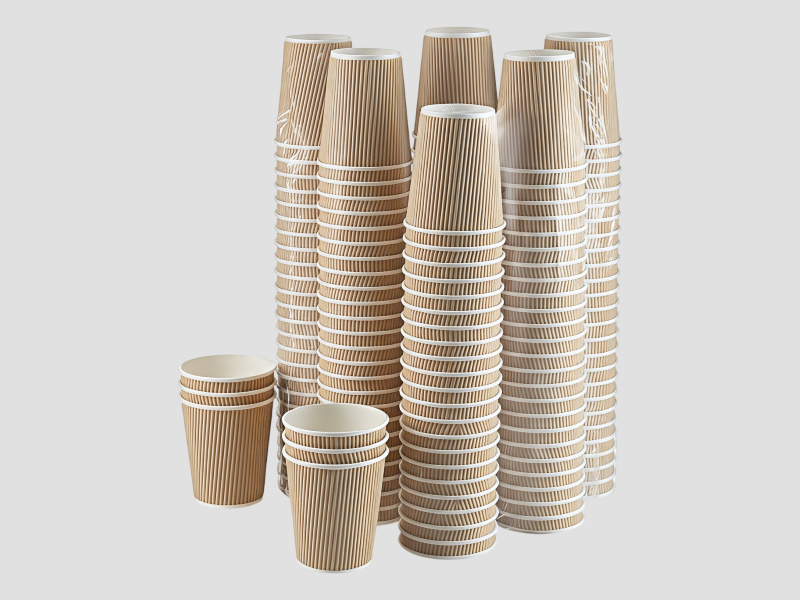
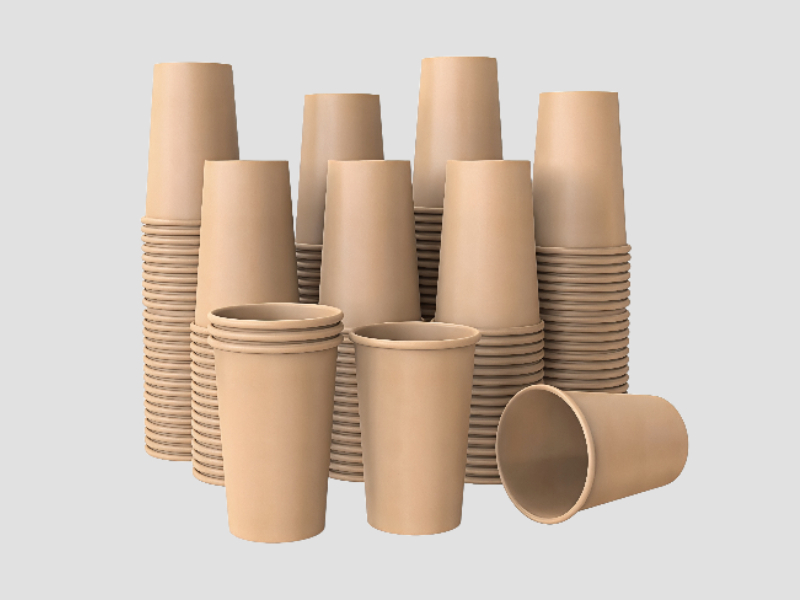
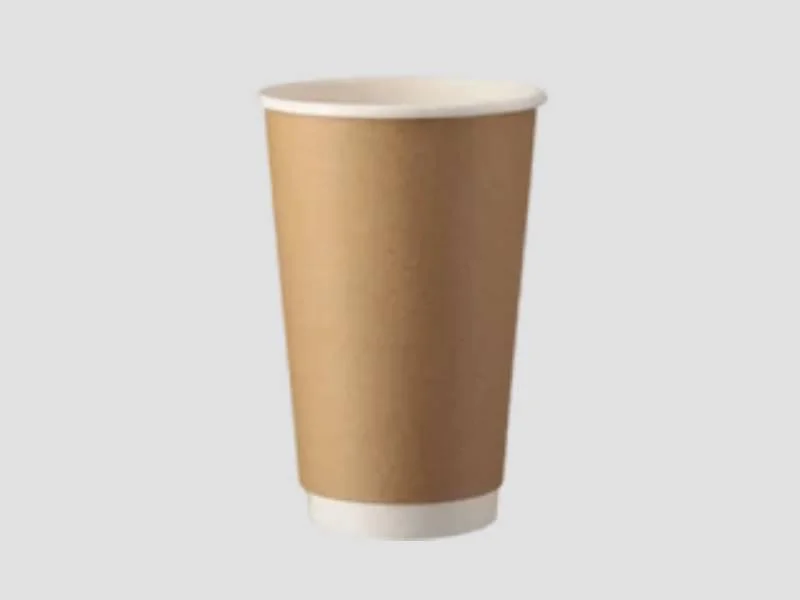
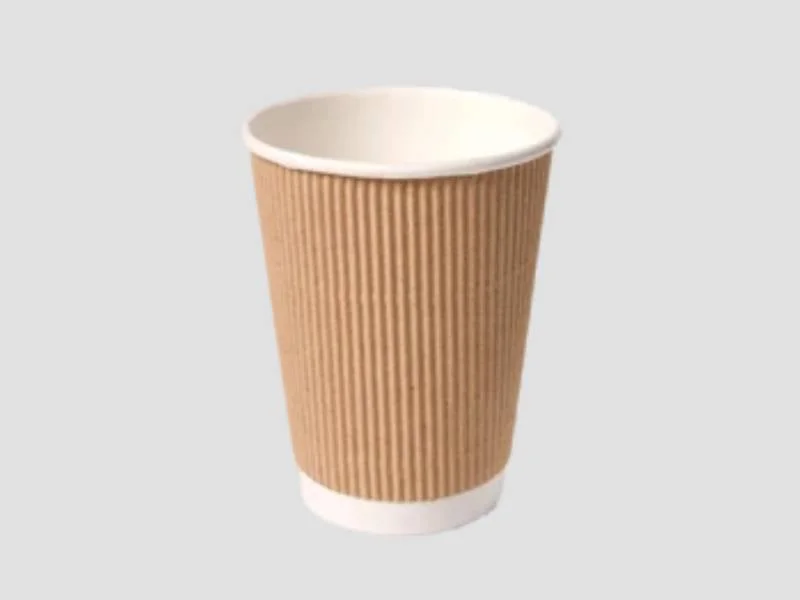
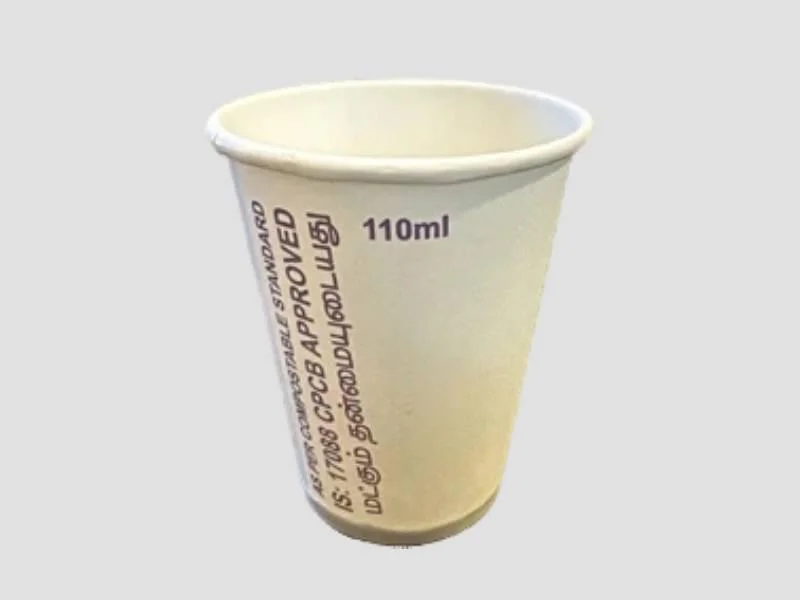
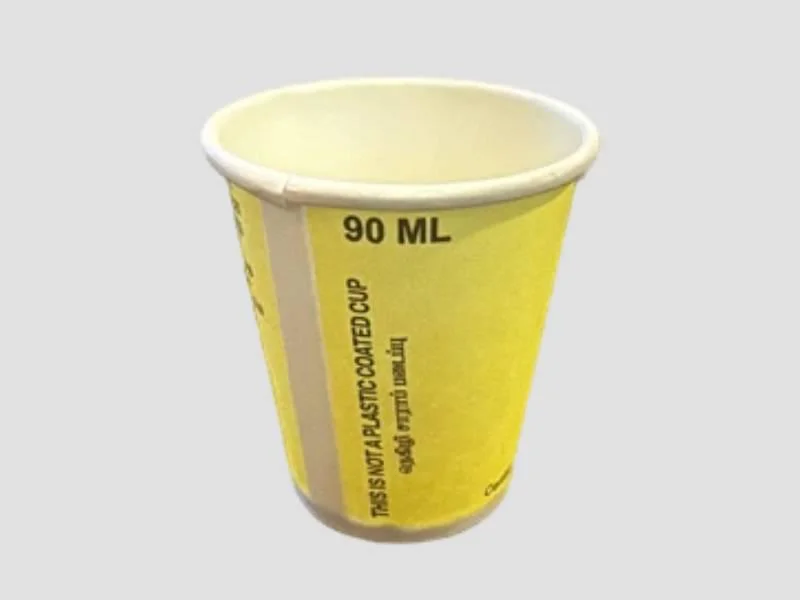
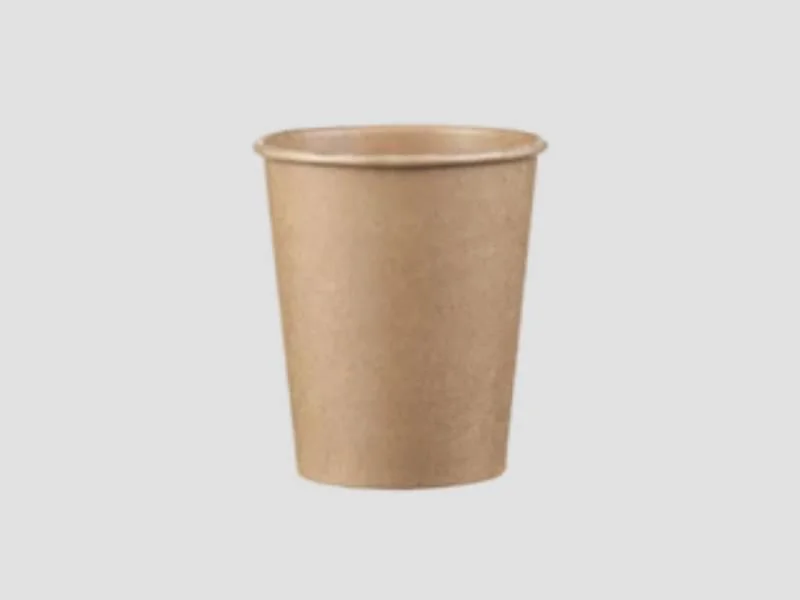
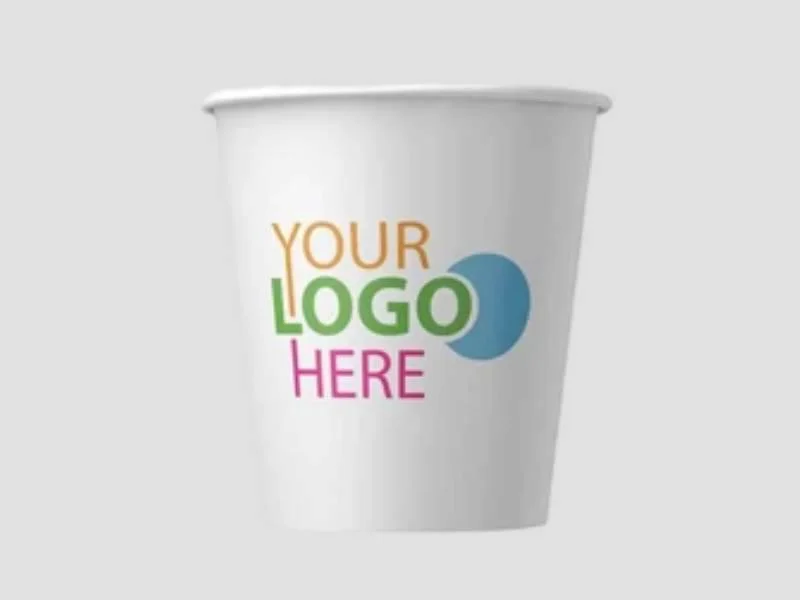
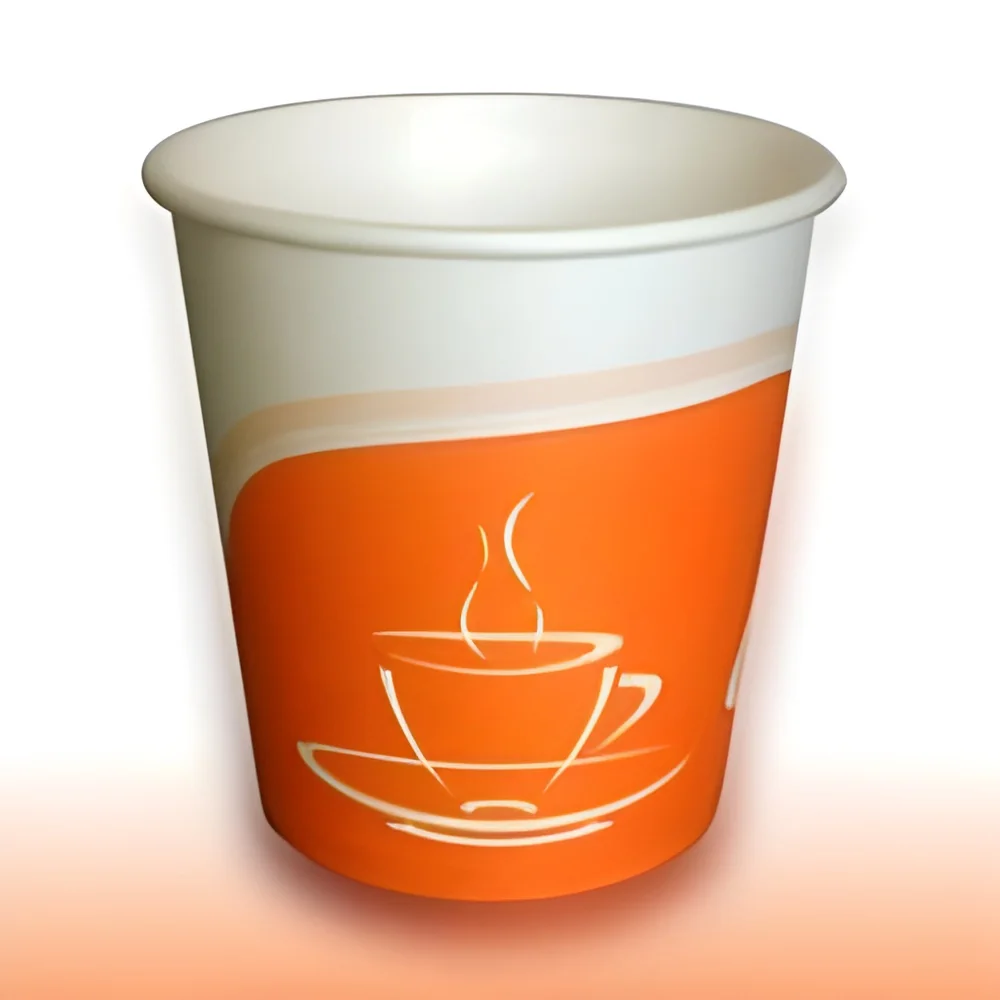
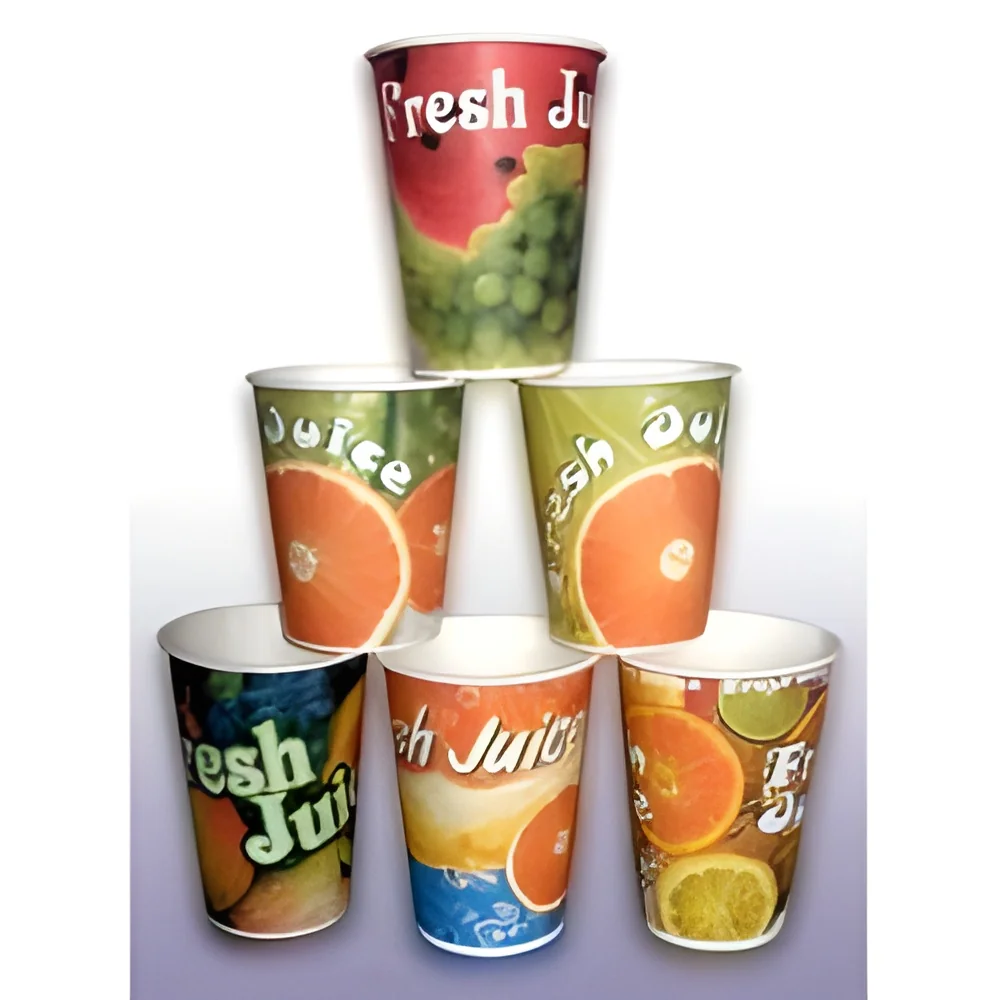
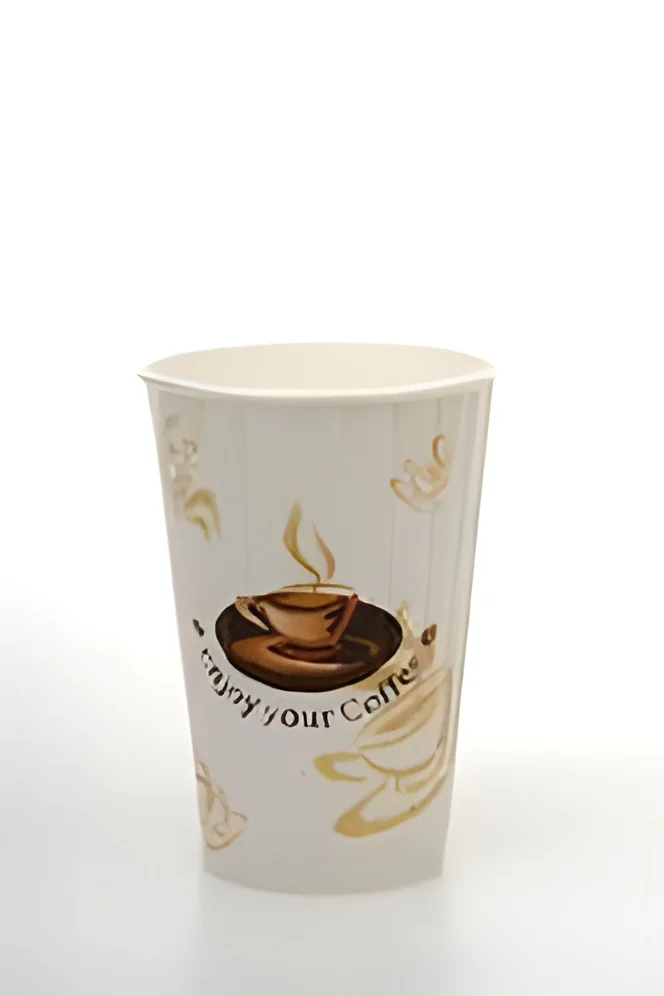
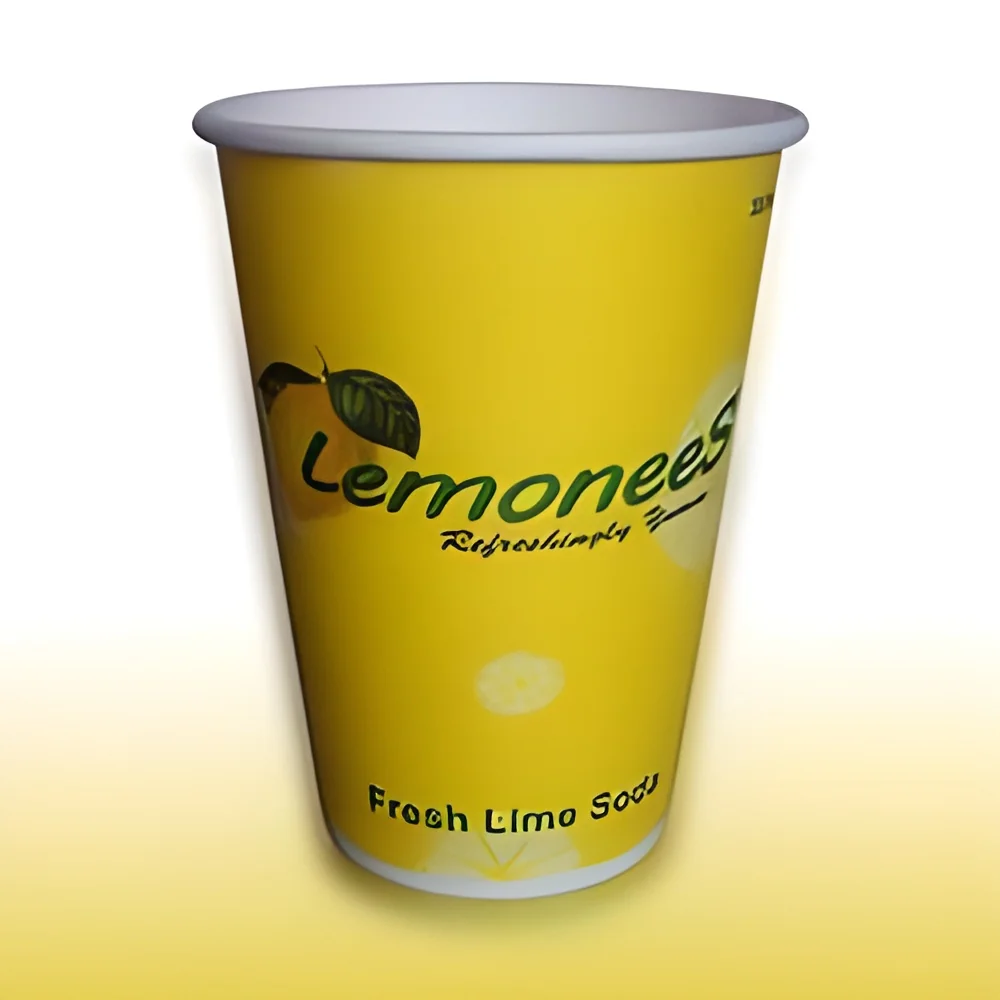
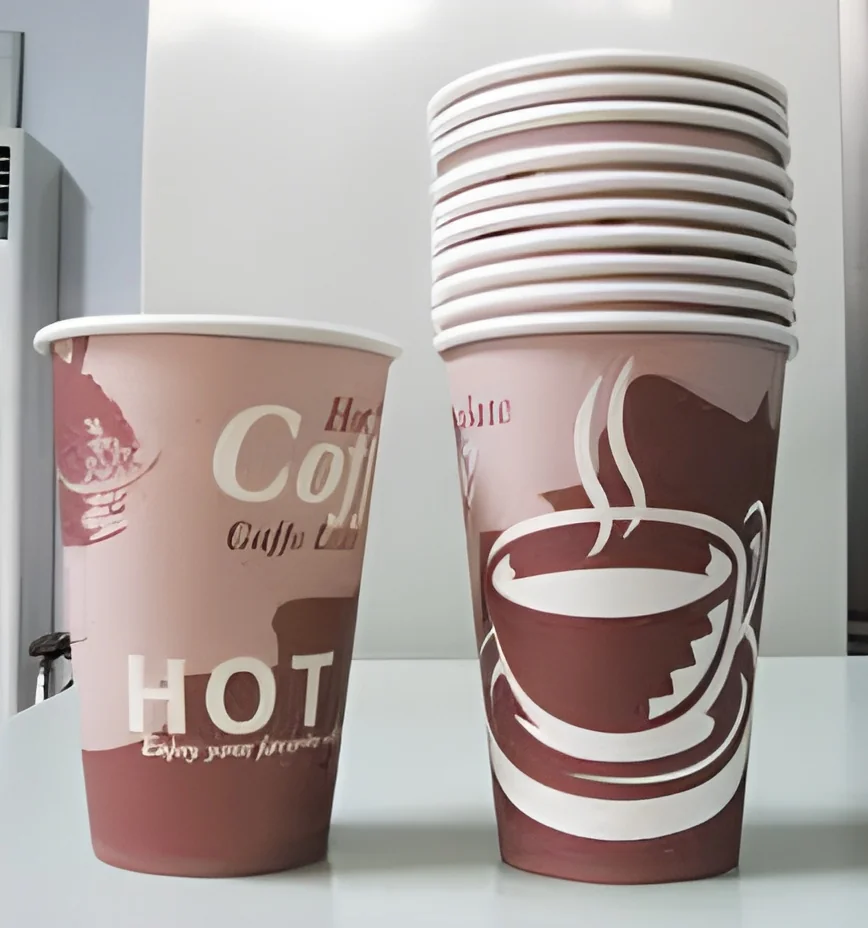
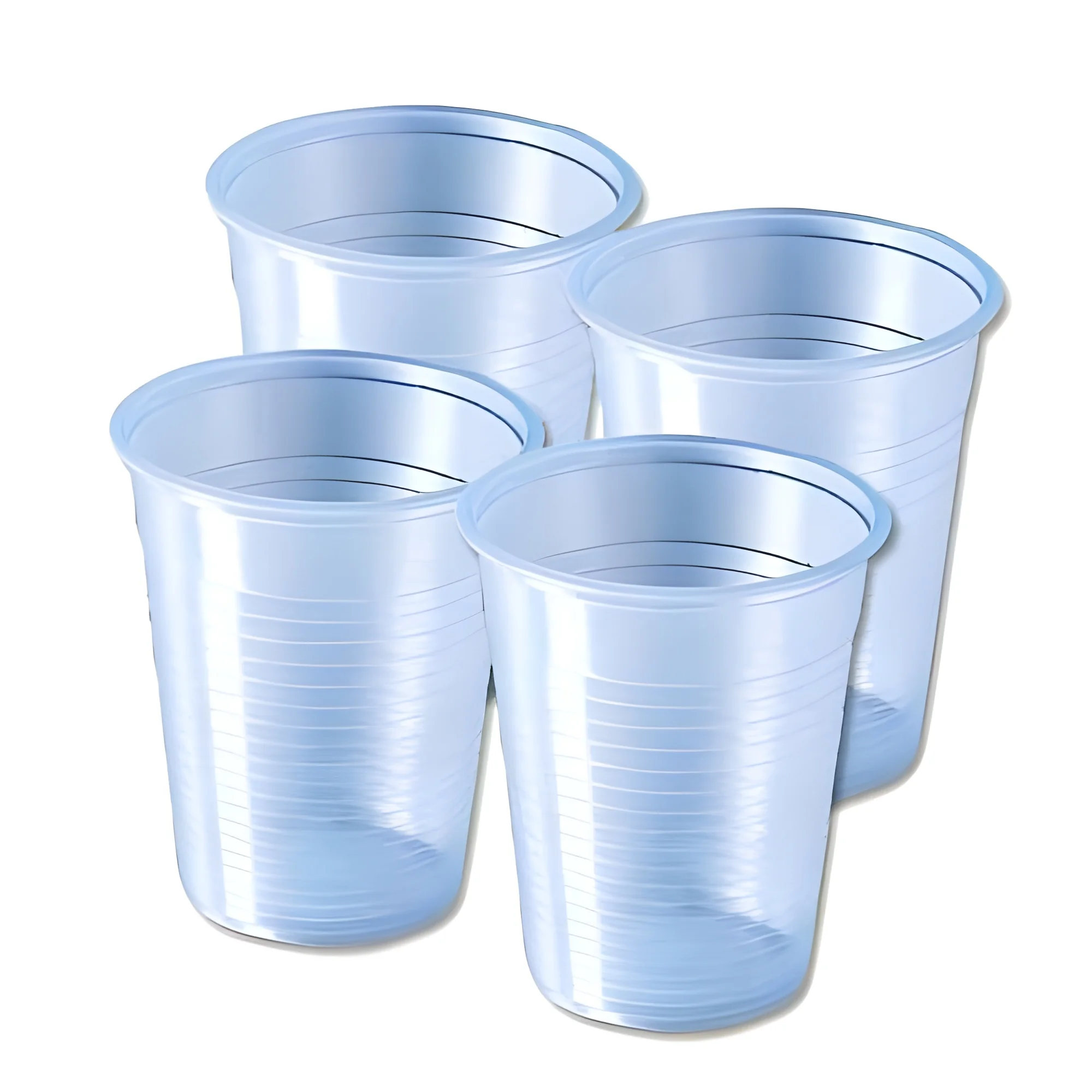
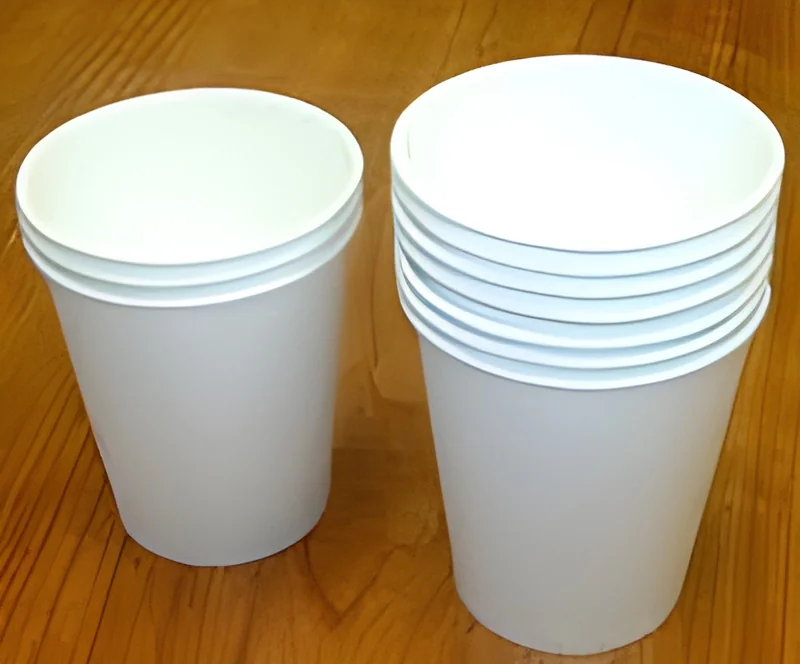
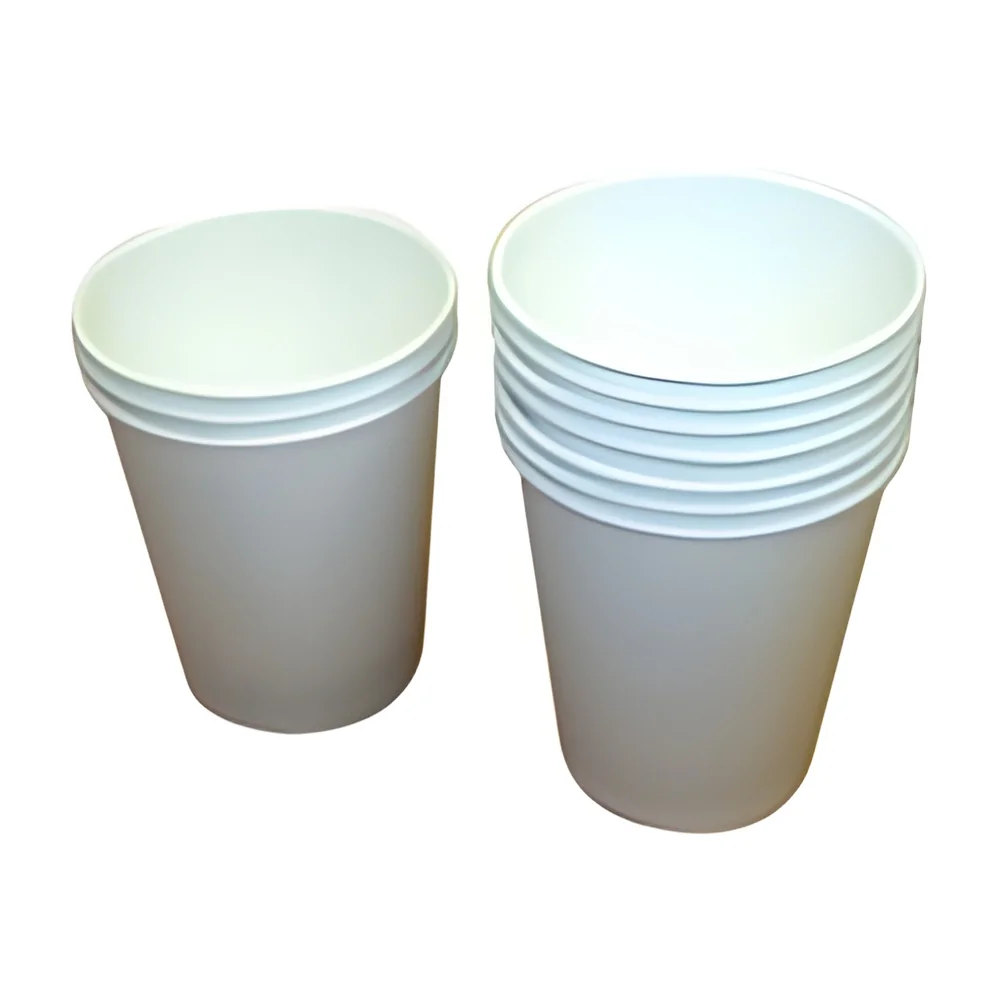
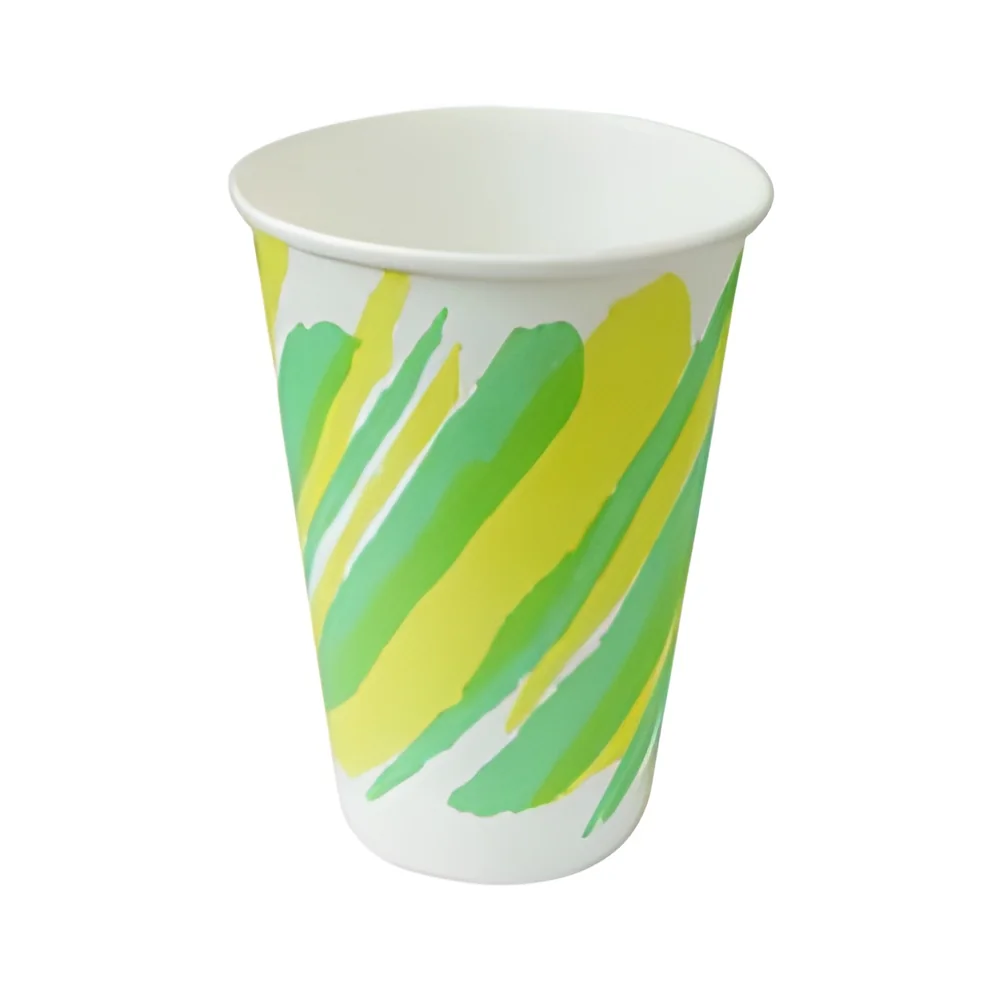
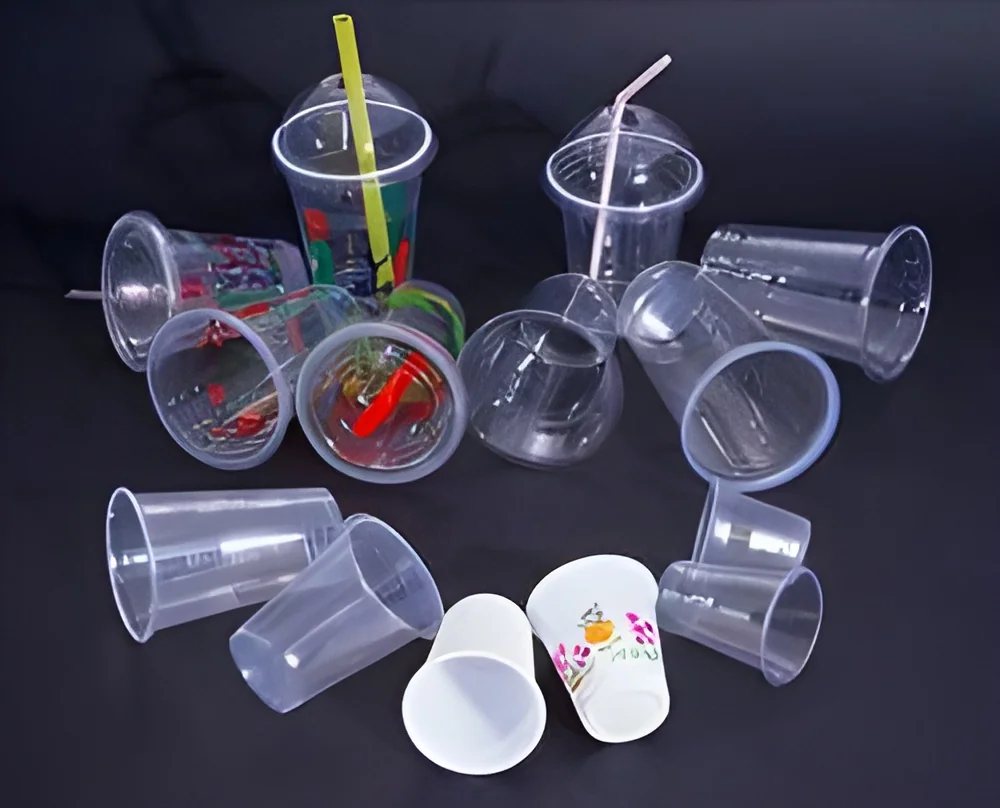
Paper cups and plastic tumblers are disposable beverage containers widely used in various settings, including restaurants, cafes, and events. Paper cups are typically made from paperboard and offer a sustainable option for serving hot or cold beverages. They are often lined with a thin layer of plastic to prevent leaks and maintain temperature. Plastic tumblers, on the other hand, are made from durable plastic materials and are suitable for both hot and cold drinks. They are designed for repeated use in some cases, while others are single-use, catering to different consumer needs.
These products find extensive applications in the food and beverage industry, where convenience and hygiene are paramount. Businesses such as coffee shops, fast-food outlets, and catering services rely on paper cups and plastic tumblers to serve drinks efficiently. Additionally, they are popular in events like weddings, parties, and corporate gatherings, where disposable options are preferred to minimize cleanup. The demand for these products continues to grow as more consumers seek out convenient and eco-friendly solutions for their beverage needs.
In the market context, the paper cup and plastic tumbler industry is evolving due to increasing environmental concerns and regulations. Many manufacturers are now focusing on producing biodegradable or recyclable options to meet consumer expectations and comply with environmental laws. This trend is driving innovation and competitiveness within the industry, making it essential for businesses to stay informed about the latest offerings and standards.
Key Features and Specifications
Paper cups and plastic tumblers come with various features that enhance their functionality and usability. Understanding these specifications is crucial for businesses looking to make informed purchasing decisions.
Key specifications include:
1. Material Composition
- Paper cups are typically made from paperboard with a polyethylene lining.
- Plastic tumblers are often made from polypropylene or polystyrene.
2. Capacity Options
- Available in various sizes, commonly ranging from 8 oz to 24 oz for paper cups.
- Plastic tumblers can also vary in size, with options from 12 oz to 32 oz.
3. Temperature Resistance
- Paper cups can withstand temperatures of up to 200°F for short periods.
- Plastic tumblers are suitable for both hot and cold beverages, with some designs able to resist heat up to 180°F.
4. Eco-Friendly Options
- Many paper cups are now available in biodegradable or compostable materials.
- Some plastic tumblers are recyclable, reducing their environmental impact.
5. Customization Potential
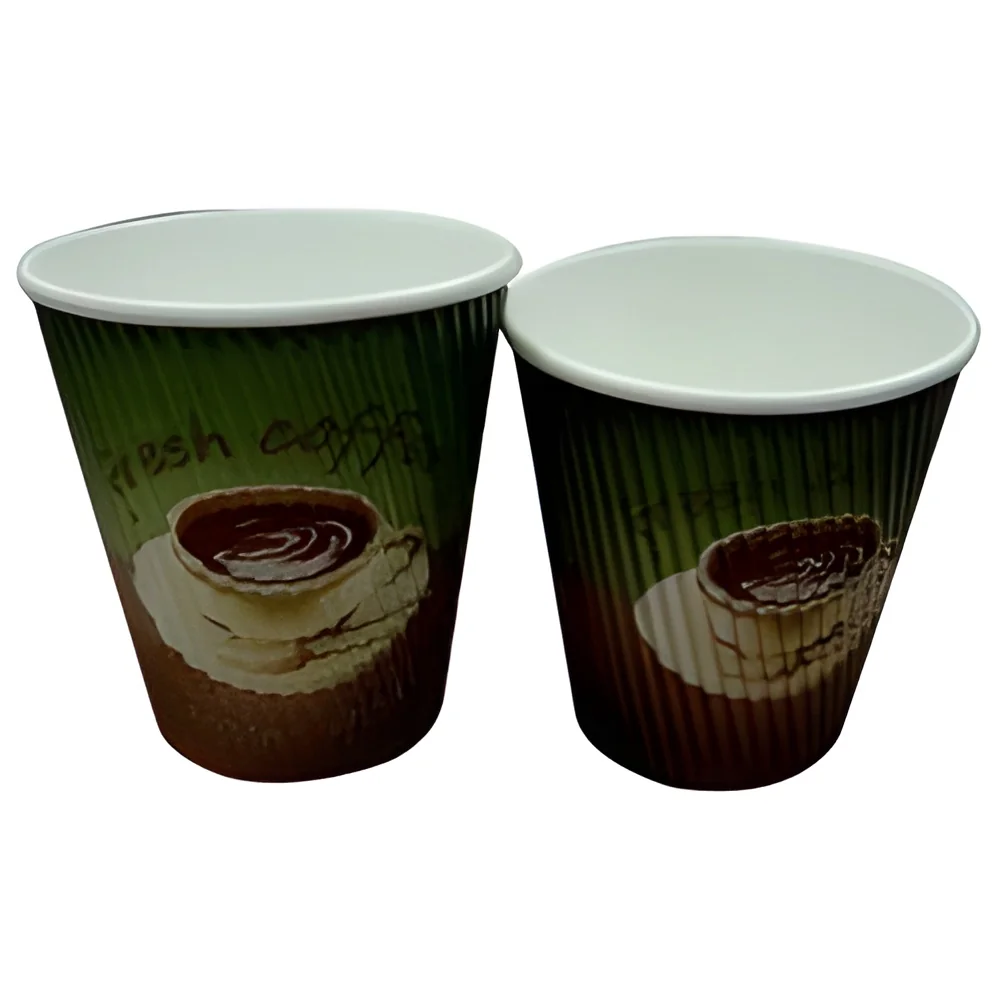
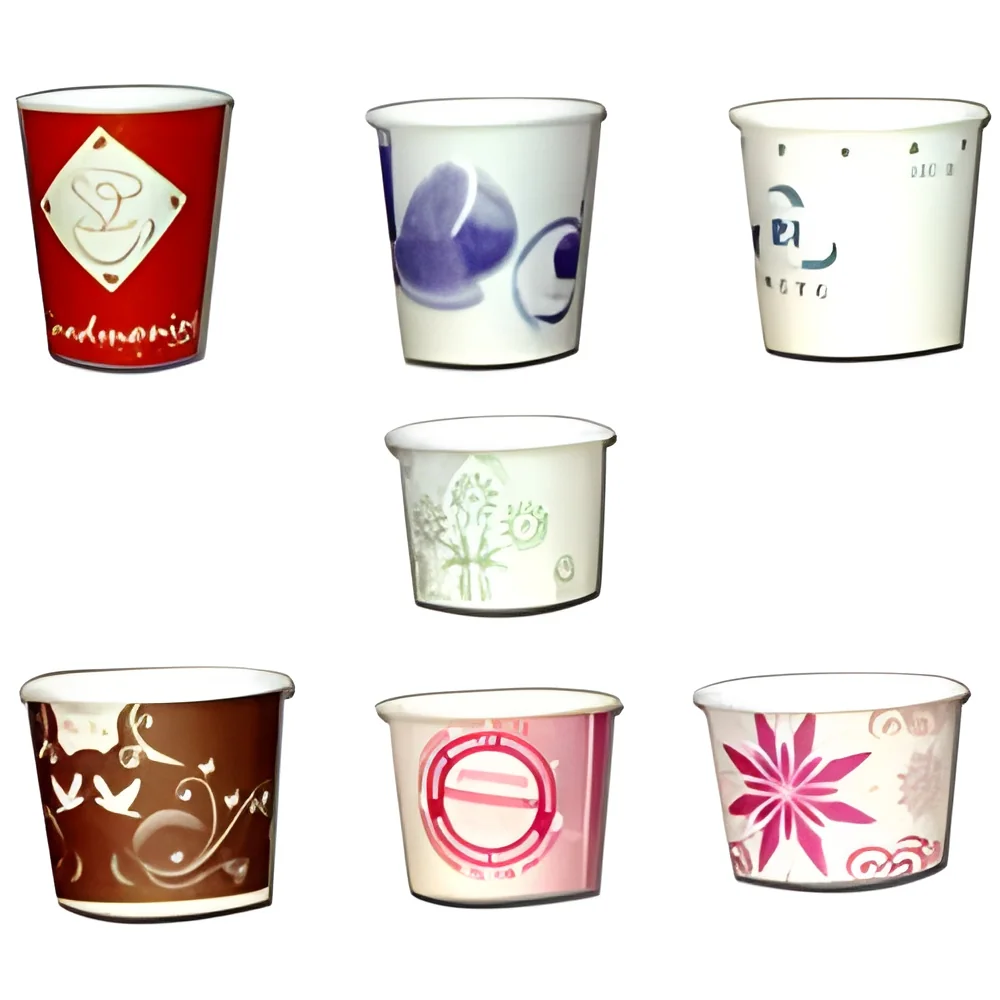
- Paper cups can be printed with custom designs and logos for branding purposes.
- Plastic tumblers can also be customized, though options may vary by supplier.
6. Leak Resistance
- Paper cups are lined to prevent leaks, making them suitable for liquid containment.
- Plastic tumblers are designed with secure seals or lids to minimize spills.
7. Safety Certifications
- Many products meet safety standards such as CE certification.
- Compliance with food safety regulations is essential for both product types.
In summary, when choosing paper cups and plastic tumblers, businesses should consider a range of features and specifications that align with their operational needs and sustainability goals.
Common Applications and Use Cases
Paper cups and plastic tumblers are versatile products used across numerous industries.
1. Food Service Industry: These products are essential in restaurants and cafes for serving beverages. Paper cups are commonly used for coffee and tea, while plastic tumblers are popular for iced drinks and smoothies.
2. Events and Catering: Disposable cups and tumblers are ideal for parties, weddings, and corporate events. They offer convenience for guests while minimizing cleanup efforts for hosts.
3. Retail Settings: Many convenience stores and gas stations use paper cups for takeout coffee and beverages. Plastic tumblers are also used for soft drinks and other on-the-go options.
4. Educational Institutions: Schools and colleges often provide paper cups for drink stations and vending machines. Plastic tumblers are commonly used in cafeterias for student meals.
5. Sports and Recreation: Various sporting events utilize disposable cups and tumblers for refreshments. They are lightweight and easy to distribute to large crowds.
6. Healthcare Facilities: Many hospitals and clinics use paper cups for serving drinks to patients and visitors. Plastic tumblers are also used in waiting areas for convenience.
7. Hospitality Industry: Hotels and motels frequently provide paper cups in guest rooms for coffee and tea service. Plastic tumblers are often used in pool areas and lounges.
Product Variants and Subcategories
Paper cups and plastic tumblers come in a diverse range of variants to meet different customer needs.
Hot Beverage Paper Cups
These cups are specifically designed to hold hot liquids. They often have a thicker wall and insulation to prevent burns, making them ideal for coffee, tea, and hot chocolate.
Cold Beverage Plastic Tumblers
These tumblers are made from durable plastic and designed for icy drinks. They often feature double-walled construction to keep beverages cold for longer periods.
Compostable Paper Cups
This variant is made from environmentally friendly materials that break down over time. They are suitable for businesses looking to promote sustainability.
Reusable Plastic Tumblers
These tumblers are designed for repeated use and are often made from high-quality plastics. They are popular in settings where customers may return to fill up drinks multiple times.
Benefits and Advantages
Using paper cups and plastic tumblers offers several advantages for businesses.
1. Convenience: These products are lightweight and easy to store, making them perfect for quick service environments.
2. Hygiene: Single-use options help to maintain hygiene standards, reducing the risk of contamination.
3. Customization: Businesses can personalize cups and tumblers with logos or designs, enhancing brand visibility.
4. Cost-Effective: Disposable options eliminate the need for dishwashing, saving time and labor costs.
5. Versatility: Suitable for a wide range of beverages, these products can cater to diverse customer preferences.
6. Environmental Options: Many manufacturers now offer eco-friendly choices, aligning with sustainability goals.
Buying Guide for B2B Buyers
When sourcing paper cups and plastic tumblers, businesses should consider several important factors.
1. Quality Assessment: Evaluate the materials used and look for certifications that ensure safety and performance. High-quality products will enhance customer satisfaction.
2. Supplier Verification: Vet suppliers for reliability and reputation. Look for reviews and certifications that demonstrate their commitment to quality.
3. Pricing and MOQ: Understand the pricing structures and minimum order quantities (MOQ) to ensure the products fit within your budget.
4. Delivery and Lead Times: Discuss logistics with suppliers to confirm delivery schedules and ensure timely availability of products.
5. Compliance Requirements: Ensure that the products meet local and international safety and environmental regulations, as non-compliance can lead to legal issues.
Compliance and Certifications
Compliance with quality standards is critical in the paper cup and plastic tumbler industry. Relevant standards include ISO 9001, which ensures quality management systems are in place. HACCP (Hazard Analysis Critical Control Point) is essential for food safety, ensuring that products are safe for consumption. Good Distribution Practices (GDP) also apply, focusing on proper handling and storage of food-related products.
Industry certifications, such as CE marking, indicate that products meet European safety, health, and environmental protection standards. These certifications help businesses build trust with consumers and comply with regulations.
Additionally, safety and testing requirements should be adhered to, including checks for chemical migration and physical durability. Regional compliance considerations may vary, so businesses should remain aware of local regulations governing disposable foodservice products.
Why Source Paper Cups & Plastic Tumblers from Pepagora?
Pepagora offers a trusted platform for sourcing paper cups and plastic tumblers with numerous advantages for B2B buyers.
Verified Supplier Network: Pepagora connects buyers with a network of verified suppliers, ensuring quality and reliability. This network is crucial for businesses seeking trustworthy sources for their products.
Streamlined RFQ Process: The platform features an easy-to-use Request for Quotation (RFQ) system that simplifies the procurement process. Buyers can efficiently compare offers and select the best options.
Trade Assurance and Support: Pepagora provides trade assurance, protecting buyers from potential risks. The platform offers support throughout the buying process, ensuring a smooth experience.
Regional Coverage: With a strong presence in India, the GCC, and Southeast Asia, Pepagora caters to a diverse market. This regional coverage allows businesses to access various suppliers and products tailored to their needs.

 IN
IN