What are Inverter Generators?
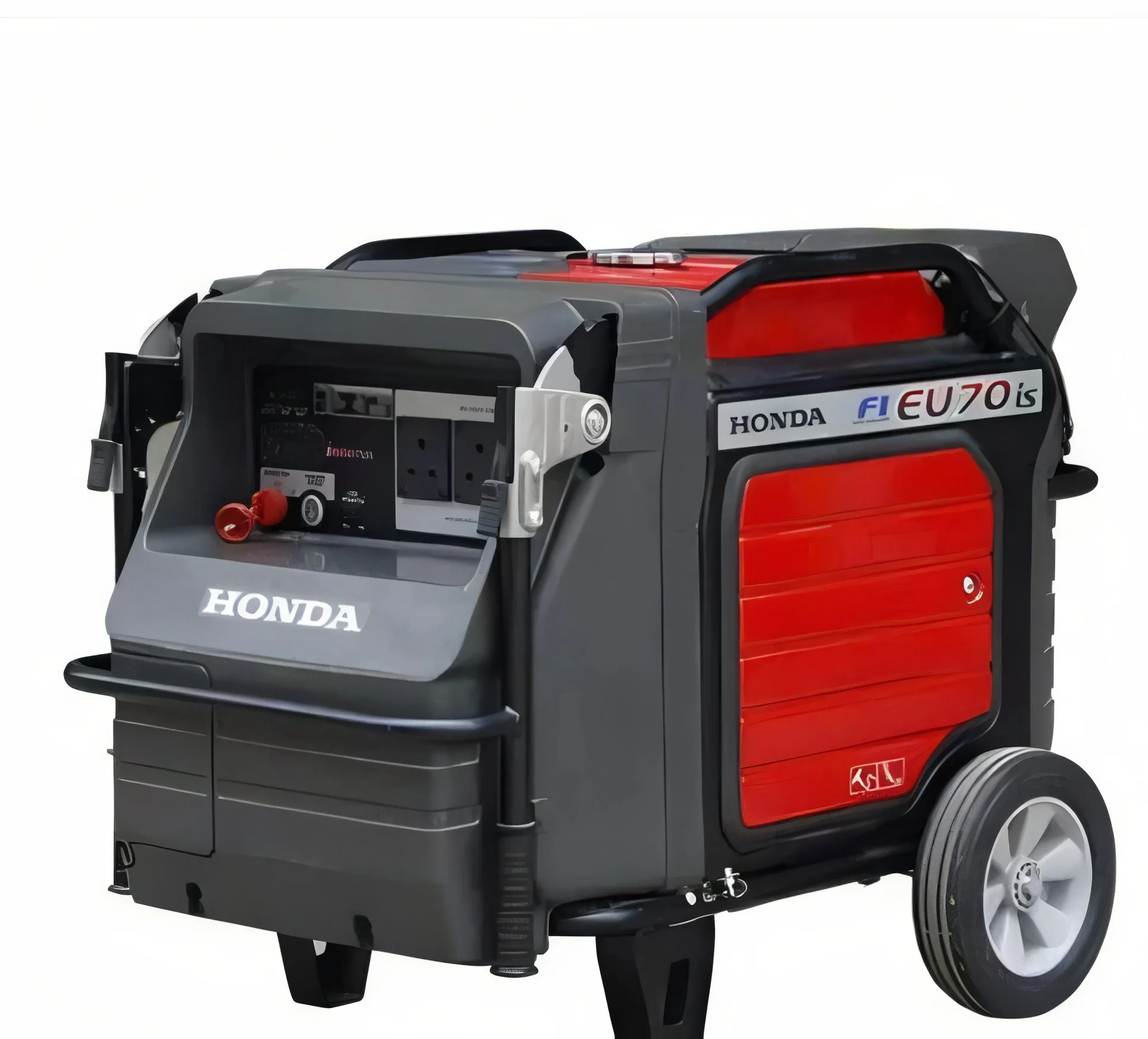
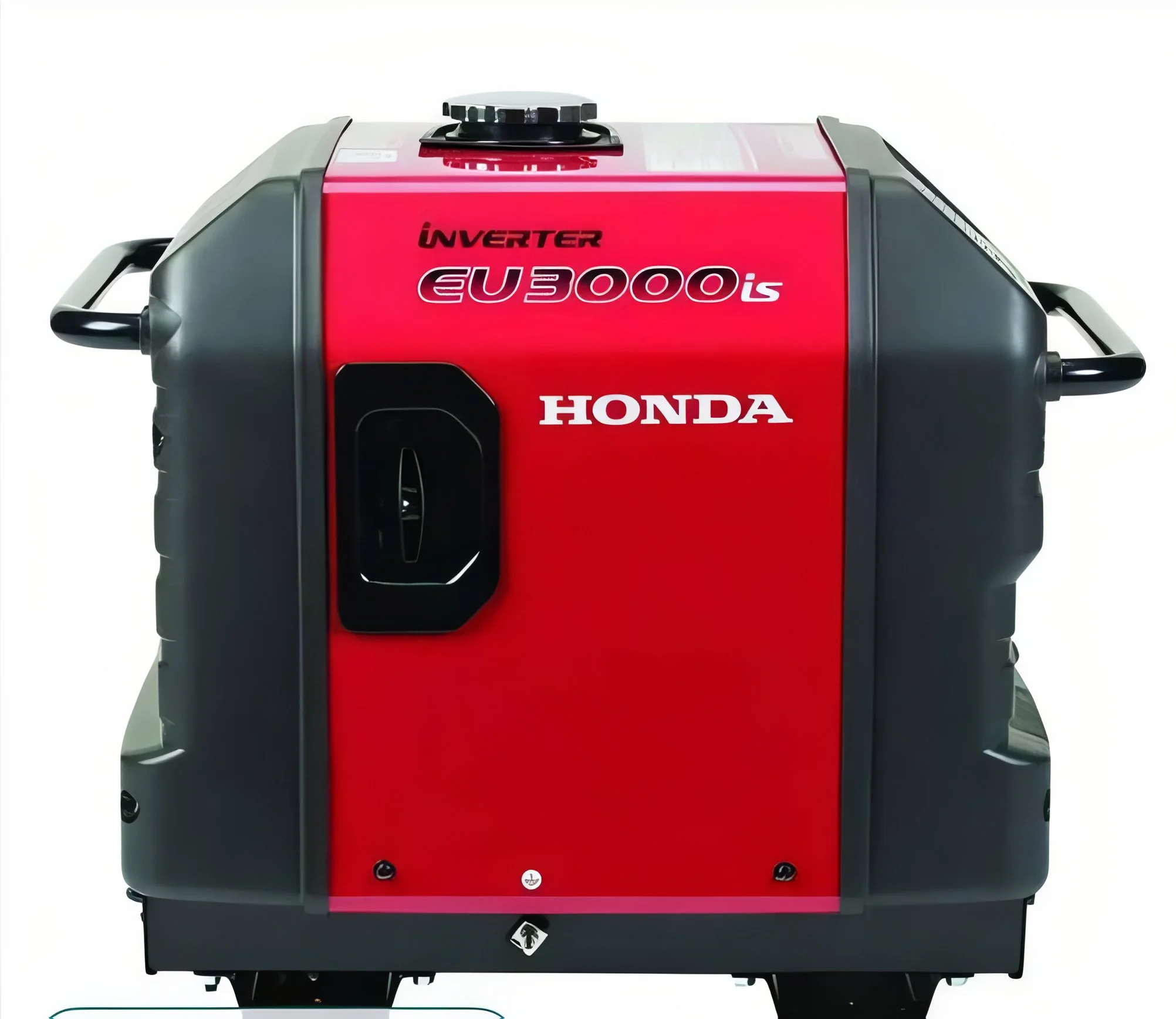
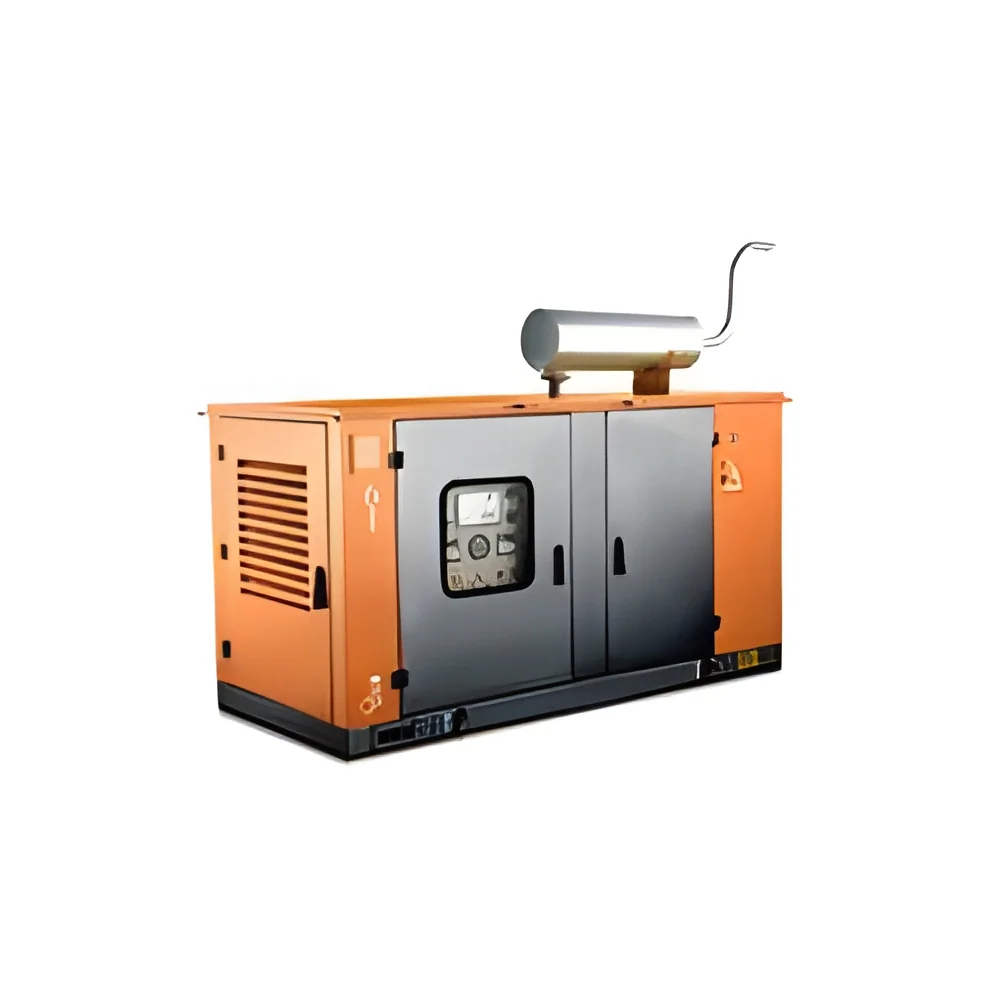
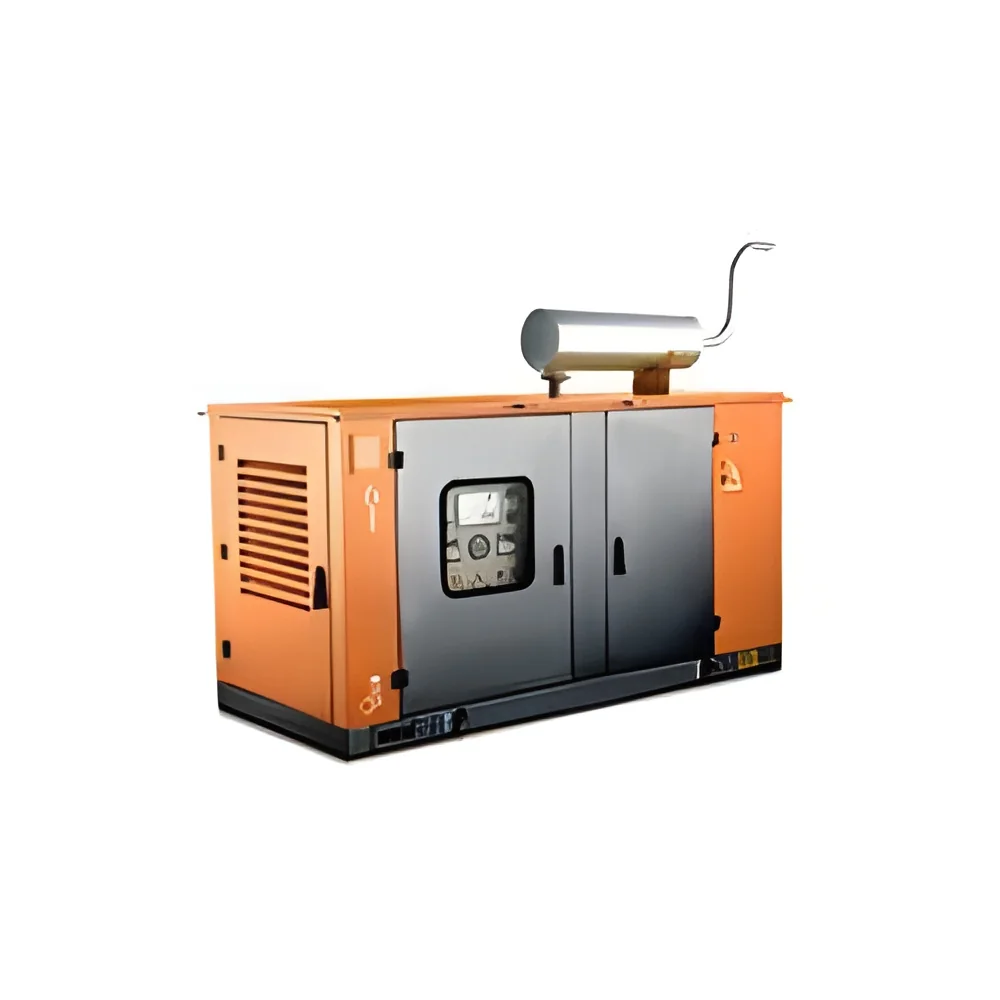
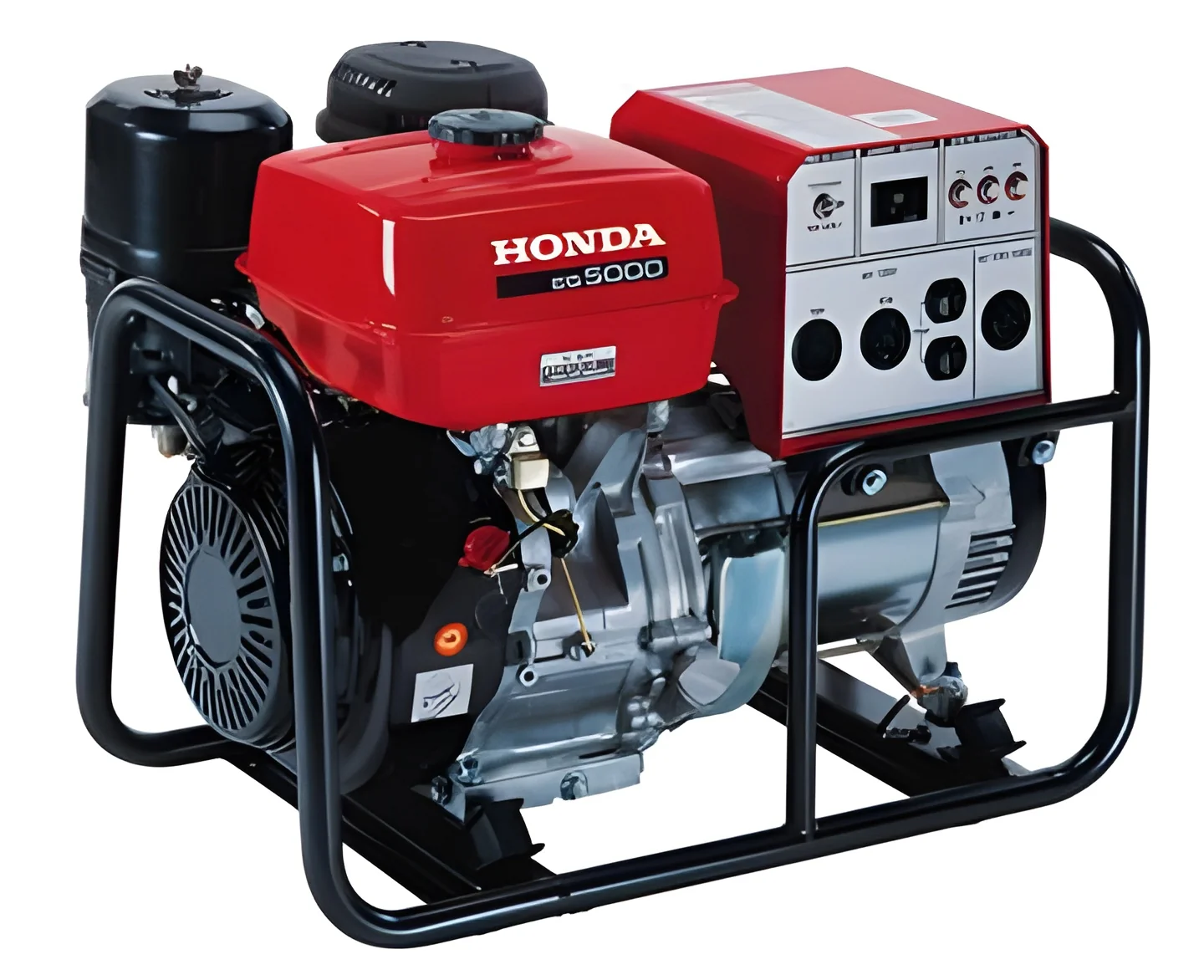
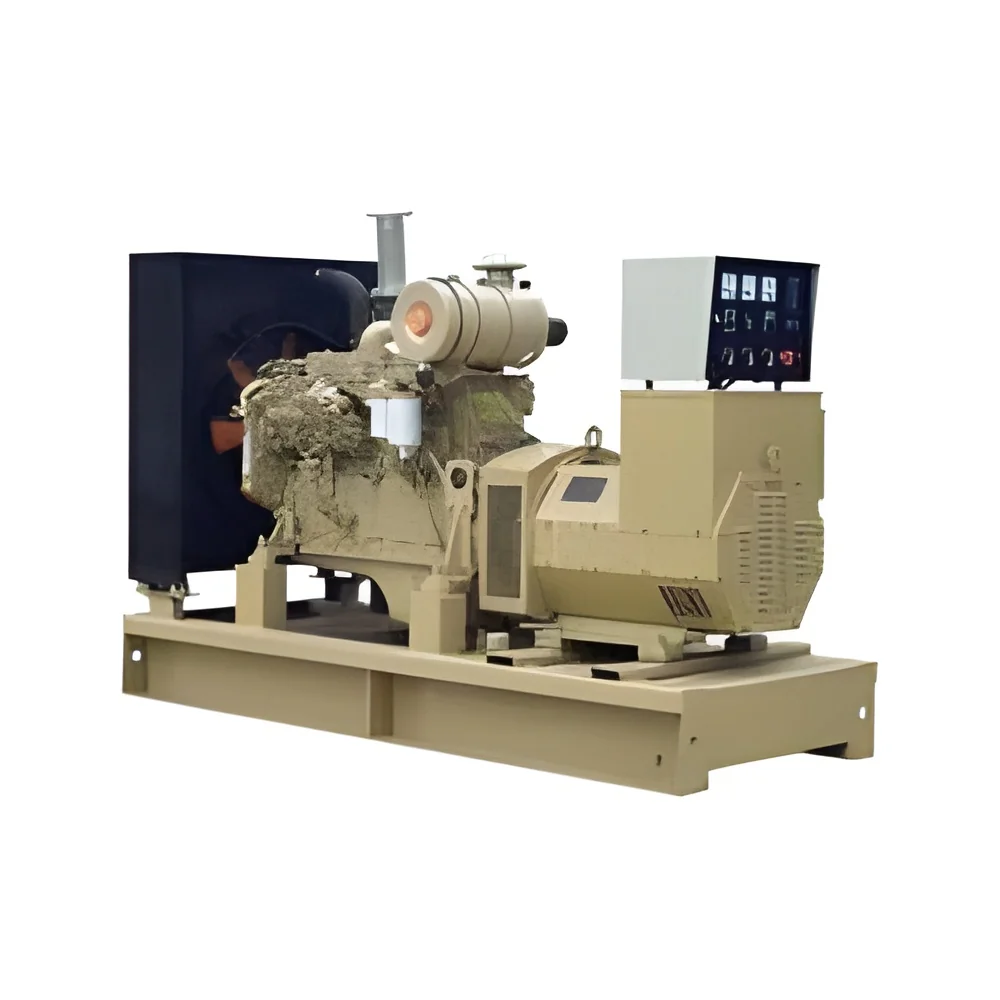
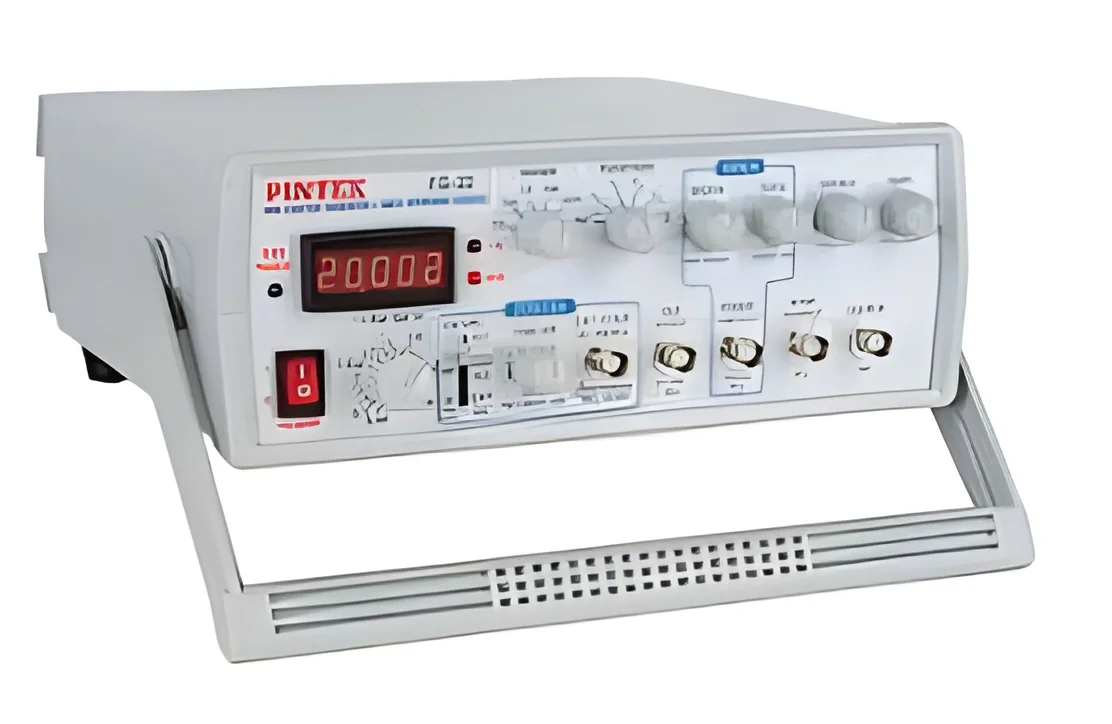
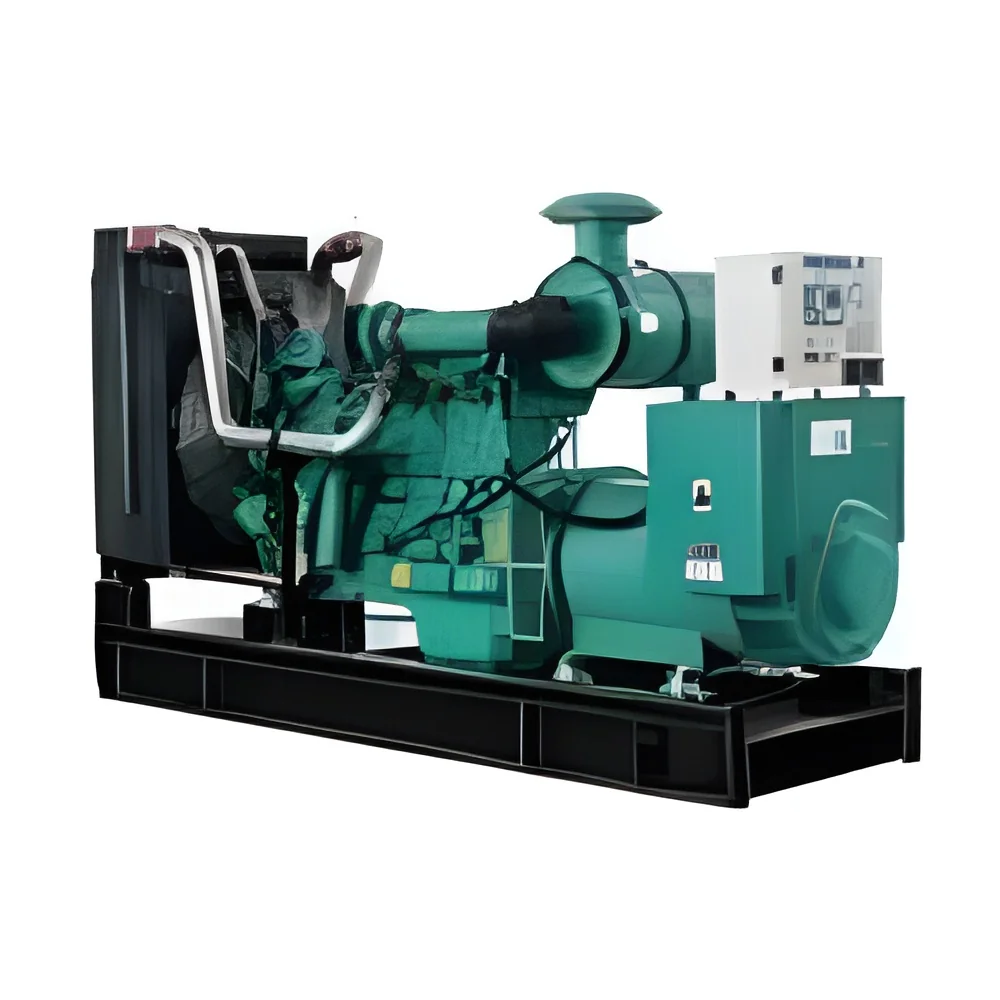
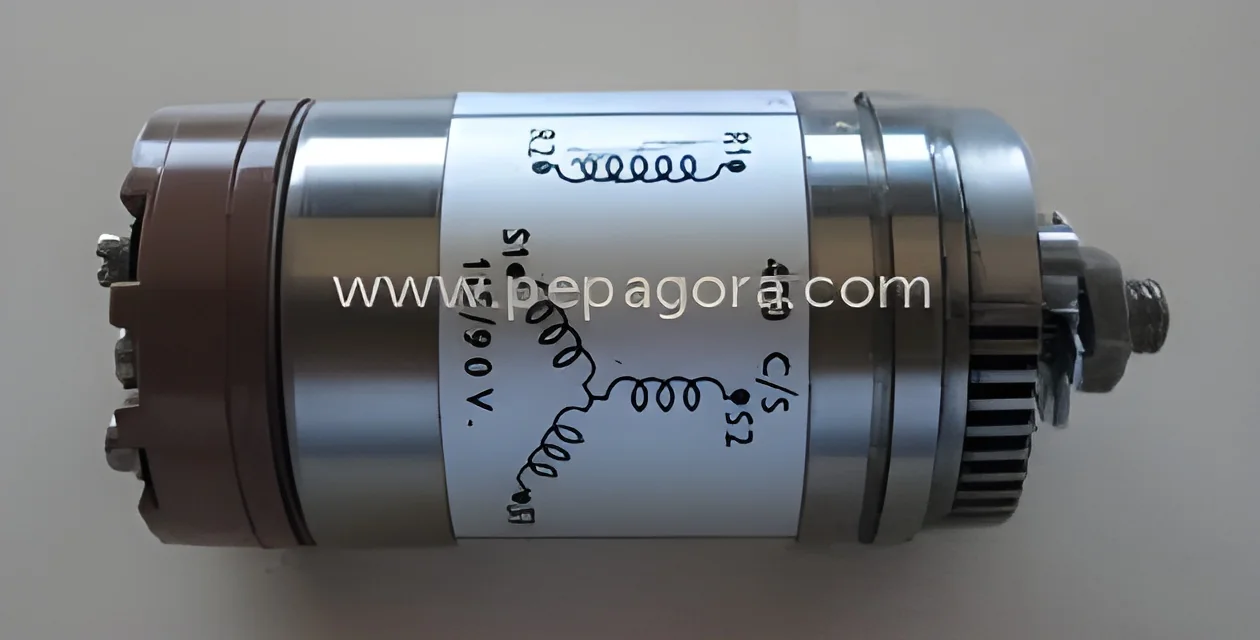
Inverter generators are a type of portable power source that converts DC (direct current) into AC (alternating current). This conversion process allows them to provide clean and stable electricity, making them ideal for sensitive electronic devices. Unlike traditional generators, inverter generators produce a consistent power output that varies in response to the load, which enhances fuel efficiency and reduces noise levels.
These generators are widely used in various business applications, including outdoor events, construction sites, and as backup power sources for homes and businesses. They are particularly valuable in scenarios where reliable electricity is essential, but access to conventional power sources is limited. As industries increasingly rely on portable power solutions, the demand for inverter generators continues to grow, highlighting their relevance in today's market.
Key Features and Specifications
Inverter generators come with several features that make them suitable for a variety of applications. Their design and specifications cater to the needs of both consumers and businesses. Below are some key specifications of inverter generators:
1. Power Output
- Typically ranges from 1,000 watts to 4,000 watts
- Suitable for powering small appliances to larger equipment
2. Fuel Type
- Commonly powered by gasoline or propane
- Offers flexibility based on user preference and availability
3. Noise Level
- Operates at a decibel level between 50 to 60 dB
- Quieter than conventional generators, making them ideal for residential areas
4. Portability
- Lightweight and compact design for easy transportation
- Many models include built-in handles or wheels
5. Runtime
- Generally provides 5 to 12 hours of continuous operation on a single tank
- Varies based on load and fuel type
6. Parallel Capability
- Some models allow for parallel operation
- Enables users to connect two generators for increased power output
7. Eco-Friendly Features
- Many models come with eco-mode options
- Reduces fuel consumption and emissions during low power use
Inverter generators are designed to deliver reliable power while being efficient and environmentally friendly.
Common Applications and Use Cases
Inverter generators serve various industries, providing tailored solutions for specific needs.
1. Construction Industry: Inverter generators are essential on job sites for powering tools and equipment. Their portability allows for easy movement across sites, and their quiet operation minimizes disruption.
2. Events and Entertainment: Many outdoor events rely on inverter generators to power sound systems, lighting, and catering equipment. Their compact size and low noise make them ideal for festivals and gatherings.
3. Emergency Backup Power: Businesses and homeowners utilize inverter generators as backup power sources during outages. Their ability to run sensitive electronics without risk of damage is a major advantage.
4. Camping and Outdoor Activities: Inverter generators support recreational activities by providing power for appliances, lights, and charging devices in remote locations.
5. Telecommunications: These generators are used to ensure continuous power for communication systems in remote areas, enhancing connectivity and reliability.
Product Variants and Subcategories
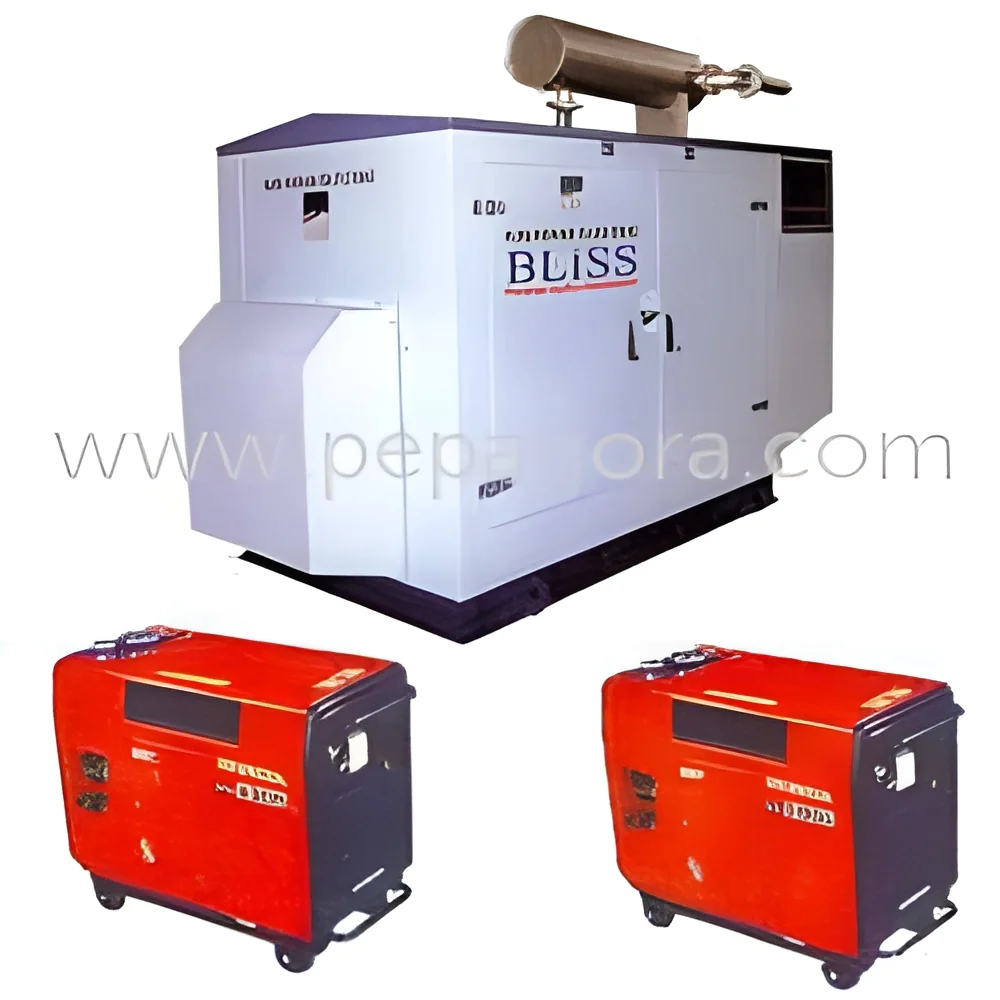
Inverter generators come in various models to cater to different needs and preferences.
Compact Inverter Generators
These generators are designed for lightweight portability and ease of use. They are perfect for casual users such as campers and tailgaters who require power for small appliances.
High-Output Inverter Generators
These models are built for more demanding applications, providing higher wattage to support larger equipment and tools. Ideal for construction sites and heavy-duty use, they balance power and portability.
Dual-Fuel Inverter Generators
These versatile generators can operate on both gasoline and propane. This flexibility allows users to switch fuel types based on availability or preference, enhancing convenience and efficiency.
Benefits and Advantages
Inverter generators offer numerous benefits that make them an attractive choice for businesses and consumers alike.
1. Clean Power Supply: Inverter generators provide stable and clean electricity, protecting sensitive electronics from damage.
2. Fuel Efficiency: Their ability to adjust power output based on demand leads to better fuel consumption compared to traditional generators.
3. Quiet Operation: The lower noise levels make them suitable for use in residential areas and during events, minimizing disturbances.
4. Portability: Lightweight designs facilitate easy transport, making them ideal for outdoor and remote applications.
5. Versatile Applications: Inverter generators can be used across various industries, from construction to entertainment, enhancing their utility.
6. Eco-Friendly: Many models feature eco-mode settings that reduce emissions and fuel consumption, appealing to environmentally conscious users.
Buying Guide for B2B Buyers
When sourcing inverter generators, several factors should be considered to ensure the best fit for your needs.
1. Quality Assessment: Evaluate the quality of the inverter generators based on manufacturer reputation and product reviews. Look for models that meet industry standards to ensure reliability.
2. Supplier Verification: Conduct thorough research to vet potential suppliers. Check their credentials, customer feedback, and service history to ensure they are reputable.
3. Pricing and MOQ: Understand the price range of inverter generators and inquire about the minimum order quantity (MOQ). This will help you budget accordingly and assess the feasibility of bulk purchases.
4. Delivery and Lead Times: Discuss logistics and delivery options with suppliers. Knowing the lead times will help you plan your operations without delays.
5. Compliance Requirements: Ensure that the inverter generators meet local and regional compliance standards, including safety and environmental regulations.
Compliance and Certifications
Inverter generators must adhere to various quality and safety standards to ensure they are safe and reliable for use. Relevant standards include ISO 9001, which focuses on quality management systems, and CE certification, which indicates compliance with European health, safety, and environmental protection standards.
Additionally, safety requirements often include testing for electrical safety and performance. Regional compliance considerations may vary, so it is essential to understand local regulations regarding emissions and noise levels. Ensuring compliance with these standards not only enhances product reliability but also builds consumer trust.
Why Source Inverter Generators from Pepagora?
Pepagora provides a trusted platform for sourcing inverter generators with several key advantages.
Verified Supplier Network: Pepagora connects buyers with a network of verified suppliers, ensuring that all vendors meet high standards of quality and reliability. This reduces the risk of purchasing subpar products.
Streamlined RFQ Process: The request for quotation (RFQ) process on Pepagora is designed to be user-friendly and efficient. Buyers can easily compare quotes from multiple suppliers, helping them make informed purchasing decisions.
Trade Assurance and Support: Pepagora offers trade assurance, providing buyers with protection against order issues and ensuring a smooth transaction. Their support team is available to assist with any inquiries or concerns.
Regional Coverage: With a strong presence in India, the GCC, and Southeast Asia, Pepagora offers extensive regional coverage. This allows buyers to access a diverse range of products and suppliers, catering to various market needs.

 IN
IN



 India
India