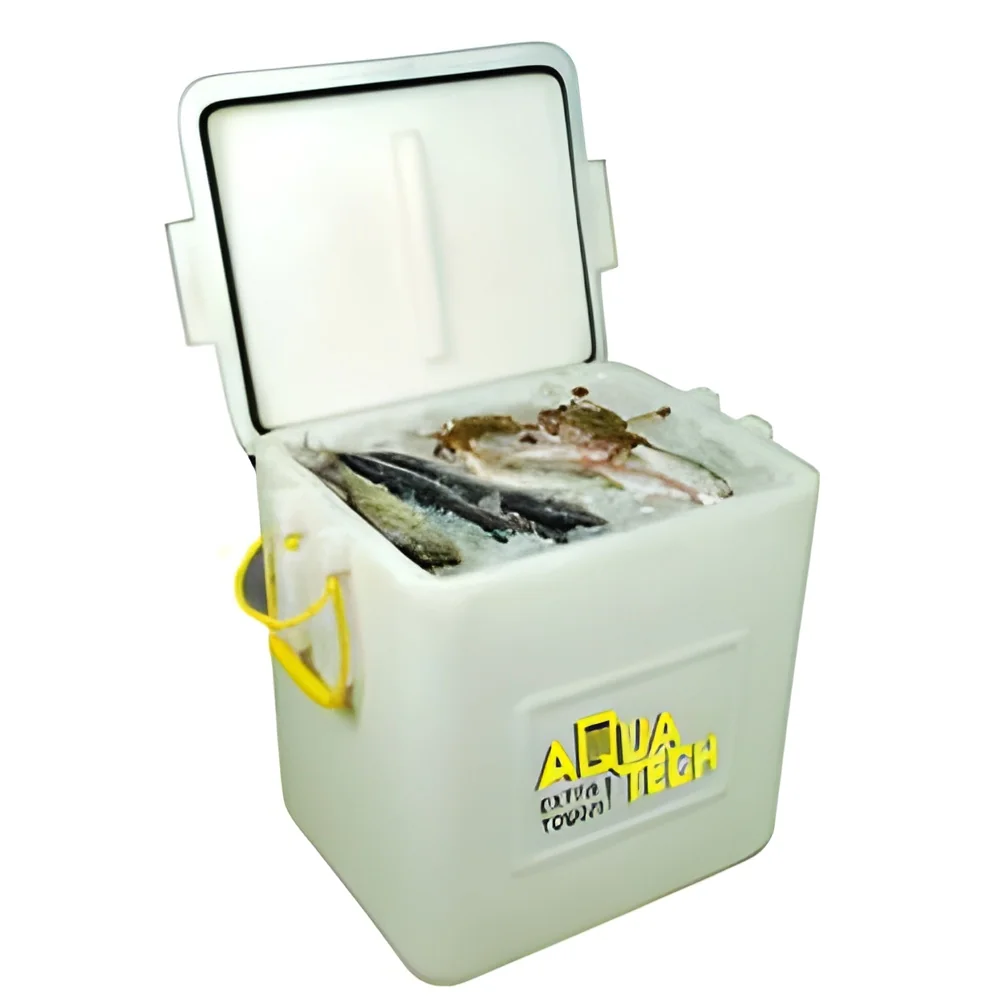
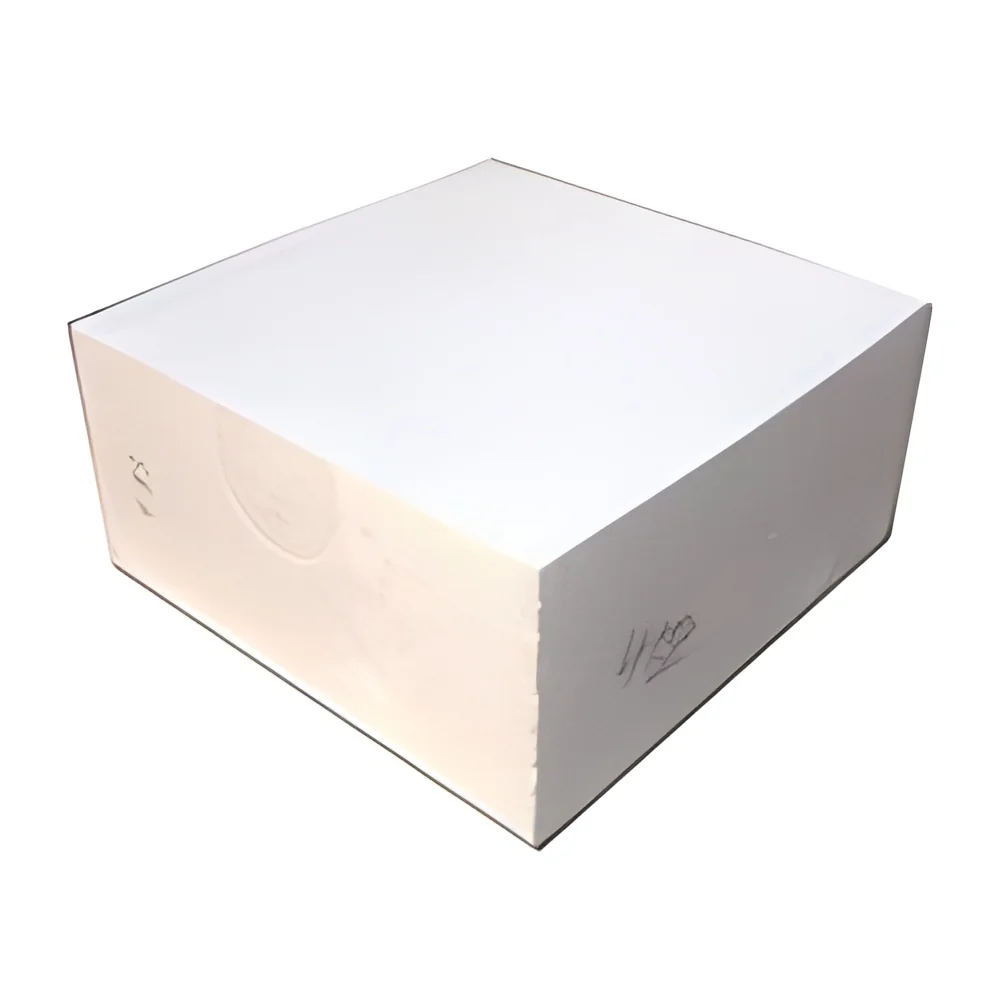
What are Insulated Shipping Boxes?
Insulated shipping boxes are specially designed containers that maintain stable temperatures for temperature-sensitive goods during transit. These boxes utilize insulating materials that prevent heat transfer, ensuring that the contents remain at the desired temperature, whether hot or cold. They are essential in preserving the quality and safety of perishable items, pharmaceuticals, and other sensitive products that require controlled environments.
In the business context, insulated shipping boxes are primarily used by companies in sectors such as food and beverage, pharmaceuticals, and electronics. They play a critical role in supplying products that need to be kept at specific temperatures, particularly during long-distance transportation. Businesses rely on these boxes to meet consumer expectations for quality, compliance with health regulations, and to minimize waste due to spoilage or temperature exposure.
The relevance of insulated shipping boxes in the current market cannot be understated. As global trade increases, the demand for effective shipping solutions that cater to delicate and time-sensitive products rises. Industries are increasingly prioritizing packaging that not only protects their goods but also contributes to sustainability and cost-effectiveness.
Key Features and Specifications
Insulated shipping boxes come with a range of features and specifications tailored to meet various shipping needs. These specifications ensure that the boxes perform effectively in preserving temperatures and protecting contents during transit.
Key specifications include:
1. Insulation Material
- Common materials include expanded polystyrene (EPS) and polyurethane (PU)
- These materials provide high thermal resistance
2. Temperature Retention
- Designed to maintain temperatures for extended periods
- Typical retention time can range from hours to days depending on the insulation quality
3. Size Variability
- Available in various sizes to accommodate different products
- Custom sizes can often be requested based on client needs
4. Weight Capacity
- Each box has a specified weight capacity
- Important for ensuring safe transport of goods
5. Durability
- Constructed to withstand rough handling during shipping
- Resistant to moisture and damage
6. Eco-Friendly Options
- Some boxes are made from recyclable materials
- Supports businesses in achieving sustainability goals
7. Seal Integrity
- Features secure sealing mechanisms to prevent temperature loss
- Ensures that boxes are tamper-proof during transit
8. Compliance Certifications
- Many boxes meet industry standards such as CE and UL
- Important for ensuring safety and reliability in shipping
In summary, insulated shipping boxes are a vital solution for companies needing to transport temperature-sensitive items safely and efficiently. Understanding their specifications helps buyers select the right product for their shipping needs.
Common Applications and Use Cases
Insulated shipping boxes serve a variety of industries, each with specific applications that benefit from temperature control.
1. Food and Beverage: Insulated boxes are critical for transporting perishable food items, ensuring they remain fresh during delivery. They are commonly used for shipping frozen goods, dairy products, and fresh produce.
2. Pharmaceuticals: These boxes are essential for maintaining the efficacy of temperature-sensitive medications and vaccines. They ensure that these products are kept within required temperature ranges throughout the shipping process.
3. Electronics: Insulated shipping is important for sensitive electronic components that may be affected by temperature fluctuations. These boxes protect items such as circuit boards and batteries during transit.
4. Cosmetics: Many cosmetic products require temperature control to prevent damage. Insulated boxes help maintain product integrity during shipping, particularly in hotter climates.
5. Floral Arrangements: Florists use insulated boxes to ship cut flowers, ensuring they remain fresh and vibrant upon arrival. Temperature control is crucial for maintaining the quality of floral products.
6. Biotechnology: Companies in biotech often ship samples and research materials that require strict temperature adherence. Insulated shipping boxes provide the necessary protection.
7. Chemical Products: Certain chemicals need to be kept at stable temperatures to avoid degradation. Insulated boxes ensure safe transport while adhering to regulatory requirements.
Product Variants and Subcategories
Insulated shipping boxes come in various configurations to meet diverse shipping needs. This diversity allows businesses to select the best option for their specific applications.
Standard Insulated Shipping Boxes: These are the most commonly used boxes, designed for general temperature-sensitive items. They are versatile and suitable for a wide range of applications across multiple industries.
Custom Insulated Shipping Solutions: For businesses with unique requirements, custom solutions offer tailored sizes and insulation types. These boxes can be designed to meet specific temperature retention needs and product dimensions.
Reusable Insulated Boxes: Some companies opt for reusable options that allow for multiple uses. These boxes are often more durable and can lead to cost savings over time.
Thermal Blankets: While not a box, thermal blankets are used in conjunction with insulated boxes for added temperature control. They provide an extra layer of insulation for long shipments.
Benefits and Advantages
Investing in insulated shipping boxes offers numerous advantages for businesses involved in transporting temperature-sensitive goods.
1. Preservation of Product Quality: Insulated boxes maintain the required temperature, ensuring that items arrive in optimal condition. This is particularly important for perishable goods.
2. Compliance with Regulations: Many industries have strict regulations regarding the transport of temperature-sensitive items. Insulated shipping boxes help businesses comply with these standards.
3. Reduced Waste: By preventing spoilage, insulated shipping boxes help reduce waste and save costs associated with lost products. This is beneficial for both the environment and the bottom line.
4. Enhanced Customer Satisfaction: Delivering products in perfect condition enhances customer trust and satisfaction. This can lead to repeat business and positive referrals.
5. Versatile Applications: The ability to transport a wide range of products makes insulated shipping boxes a versatile solution for various industries. They can adapt to different shipping scenarios.
6. Increased Efficiency: Businesses can optimize their supply chain by using insulated shipping boxes, reducing the need for additional refrigeration during transit.
Buying Guide for B2B Buyers
When sourcing insulated shipping boxes, buyers should consider several critical factors to ensure they select the right product for their needs.
1. Quality Assessment: Evaluate the quality of materials used in the boxes. Look for certifications and standards that indicate reliability and effectiveness in temperature retention.
2. Supplier Verification: Research suppliers and check for their reputation in the market. Reliable suppliers should provide references and have a history of satisfactory service.
3. Pricing and MOQ: Understand the pricing structure and minimum order quantities (MOQ). This information is essential for budgeting and planning inventory.
4. Delivery and Lead Times: Assess the supplier's delivery capabilities and lead times to ensure timely shipments. This is vital for maintaining production schedules.
5. Compliance Requirements: Confirm that the boxes meet relevant industry regulations and standards. This is crucial for the successful transport of temperature-sensitive goods.
Compliance and Certifications
Compliance and certifications for insulated shipping boxes are critical to ensuring product safety and quality. Various quality standards apply to these products.
ISO 9001 is one of the key quality management standards that many manufacturers of insulated shipping boxes adhere to. This certification ensures that the manufacturing processes meet international quality benchmarks.
Additionally, industry-specific certifications such as HACCP (Hazard Analysis and Critical Control Points) and GDP (Good Distribution Practices) are essential for businesses dealing with food and pharmaceuticals. These standards help ensure that products are handled safely throughout the supply chain.
Safety and testing requirements are also crucial, as manufacturers must regularly test their products for durability and thermal performance. This testing helps identify potential failures before products reach the market.
Regional compliance considerations may vary, and businesses must ensure that their insulated shipping boxes meet local regulations concerning packaging and transportation.
Why Source Insulated Shipping Boxes from Pepagora?
Pepagora offers a trusted platform for sourcing insulated shipping boxes, providing several key advantages that benefit B2B buyers.
Verified Supplier Network: Pepagora connects buyers with a network of verified suppliers. Each supplier undergoes a thorough vetting process to ensure product quality and reliability.
Streamlined RFQ Process: The platform simplifies the request for quotation (RFQ) process, allowing buyers to easily compare prices and specifications from multiple suppliers. This efficiency helps businesses make informed purchasing decisions.
Trade Assurance and Support: Pepagora provides trade assurance features that protect buyers from potential risks associated with transactions. This support builds confidence in sourcing insulated shipping boxes.
Regional Coverage: With a strong presence in regions such as India, the GCC, and Southeast Asia, Pepagora facilitates easy access to suppliers in these areas. This geographic reach ensures that buyers can find suitable solutions tailored to their specific market needs.

 IN
IN
 India
India