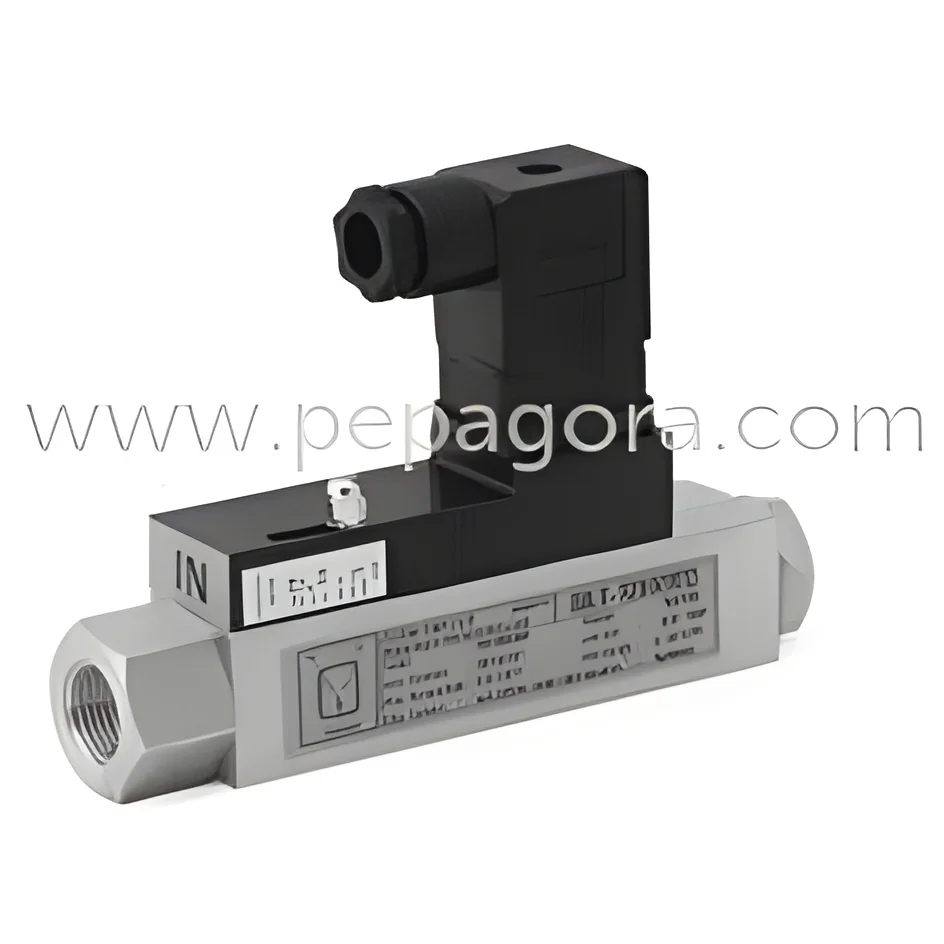
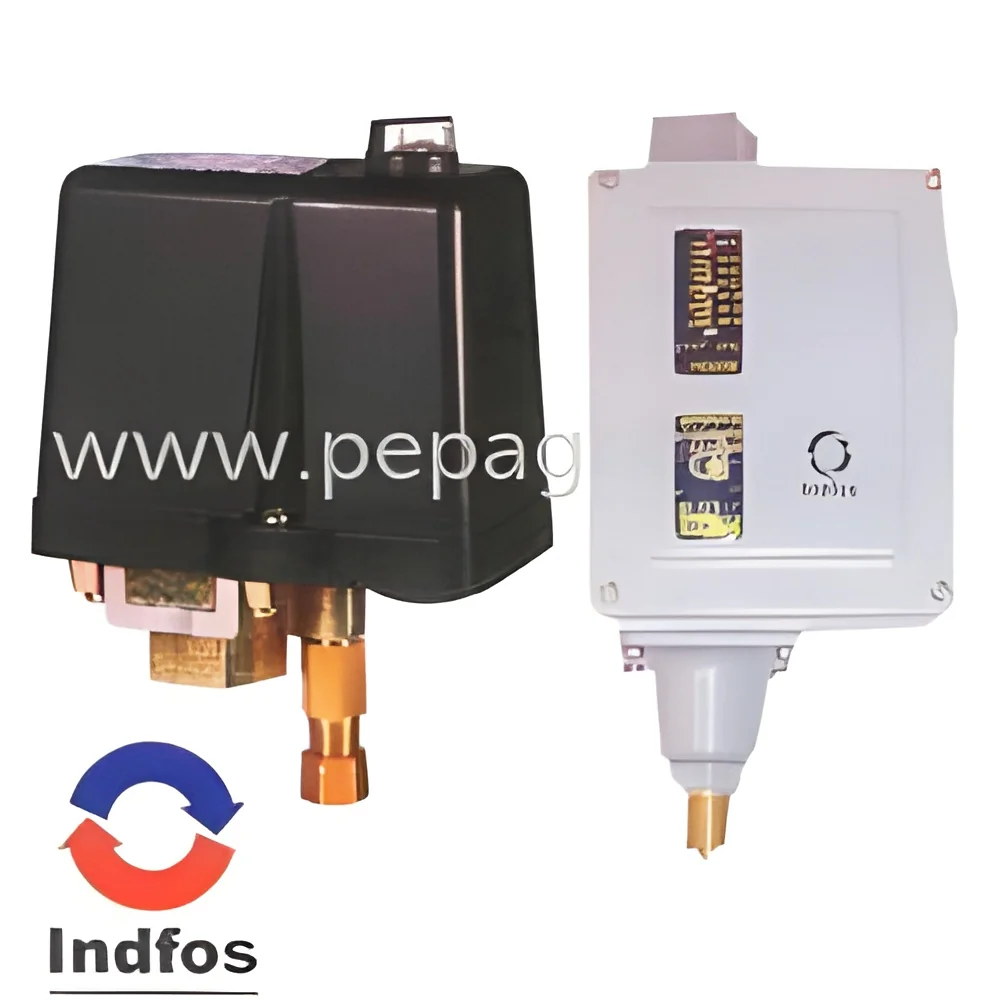
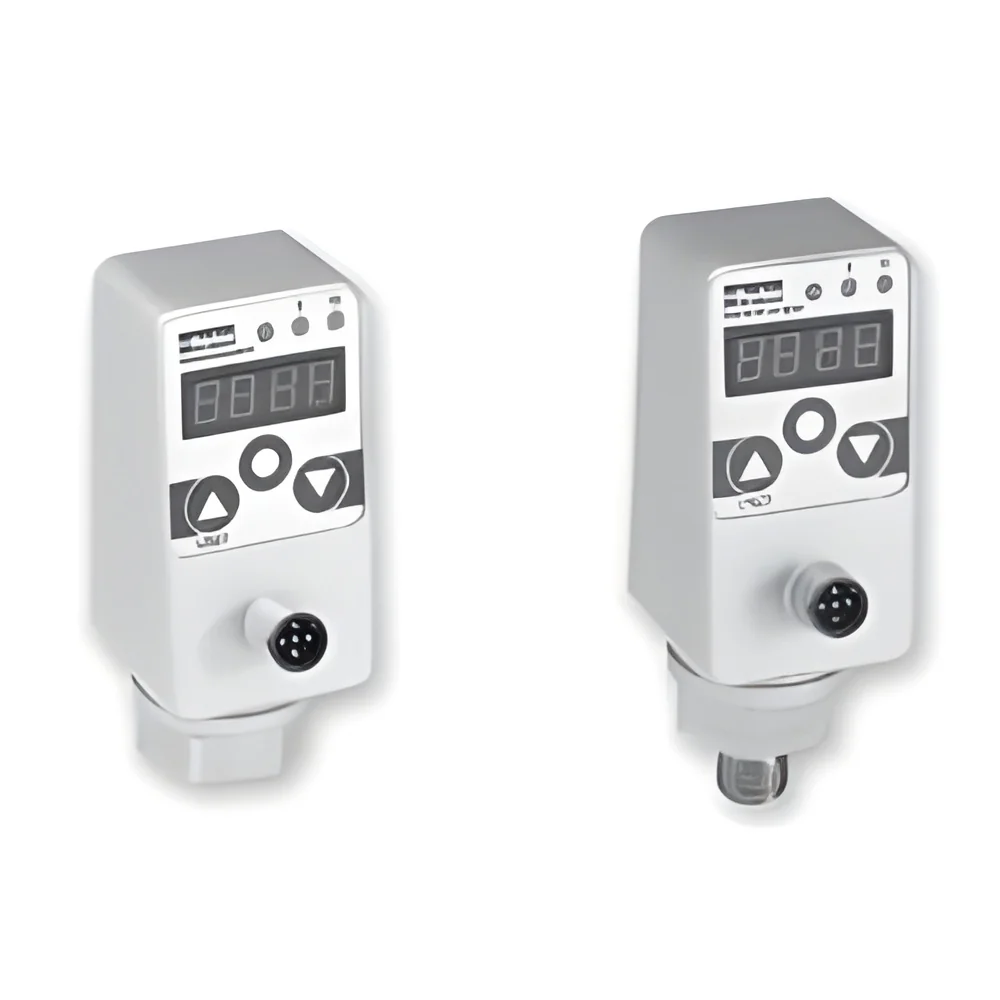
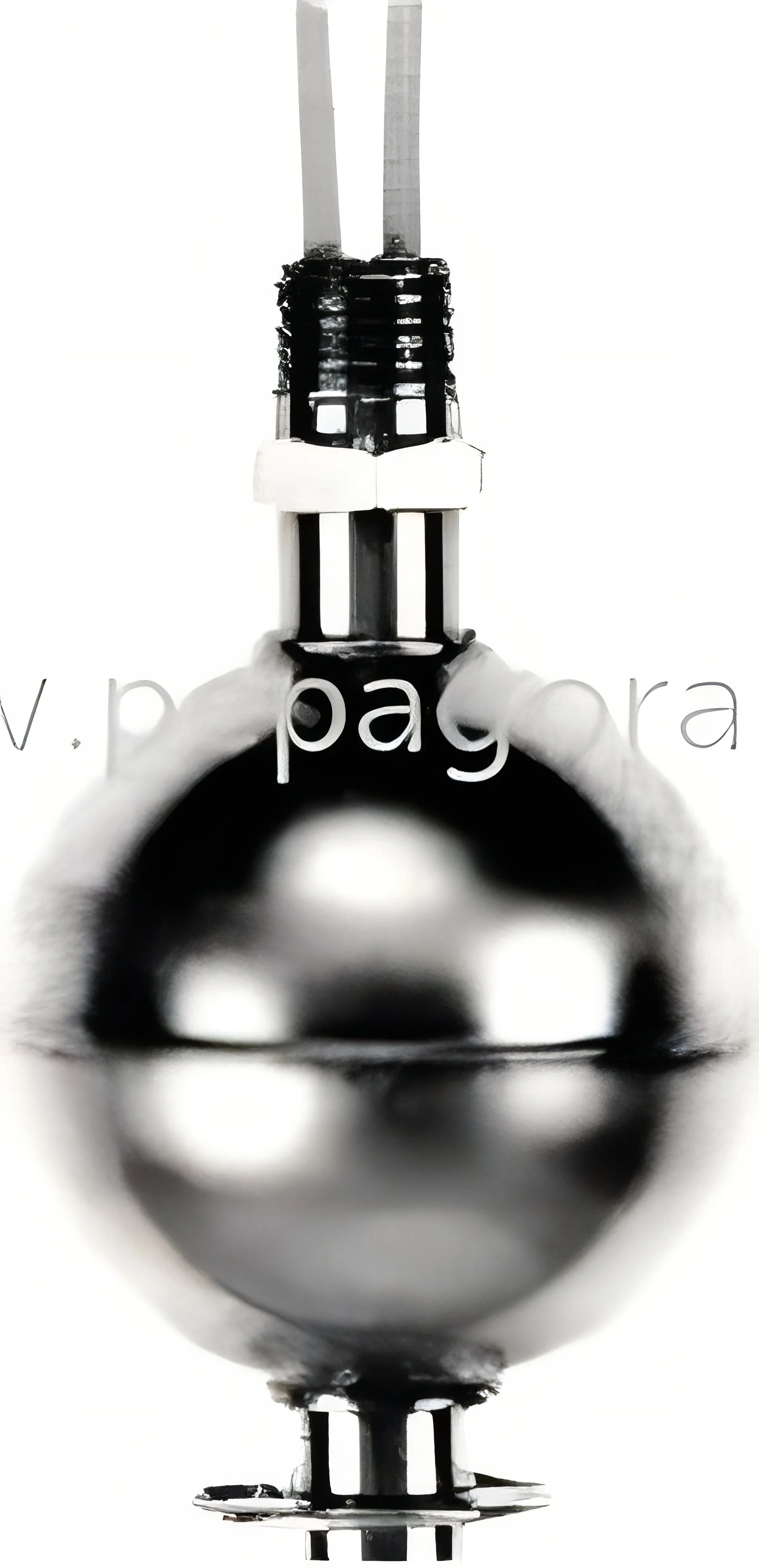
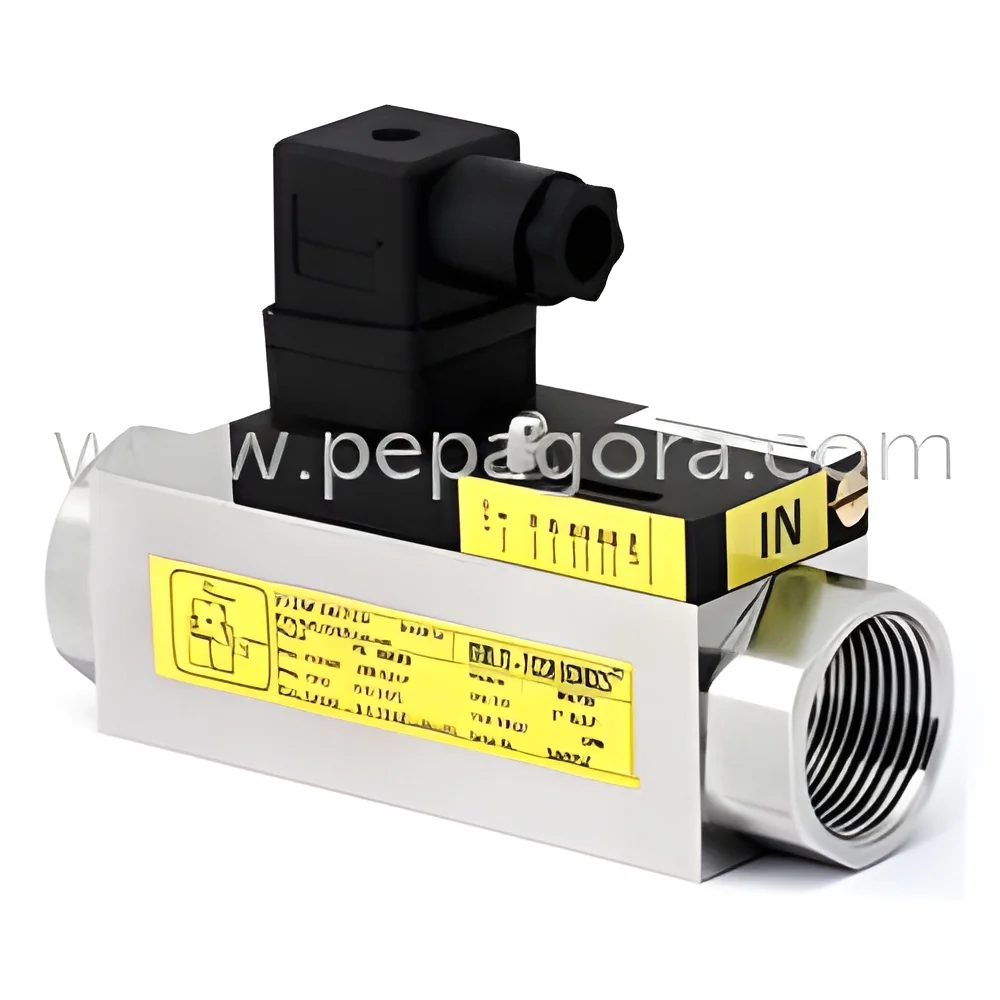
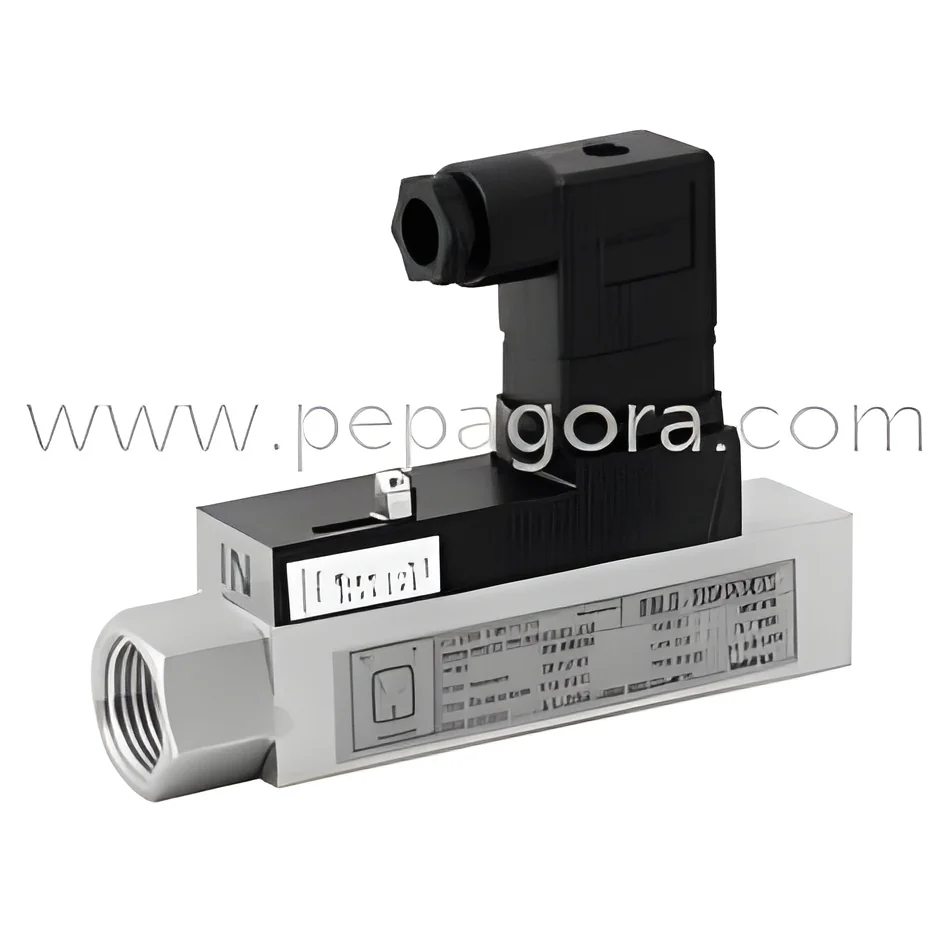
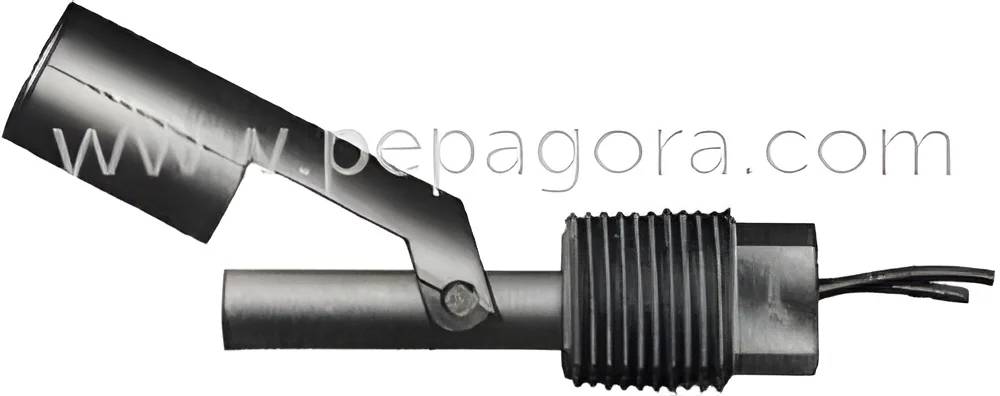
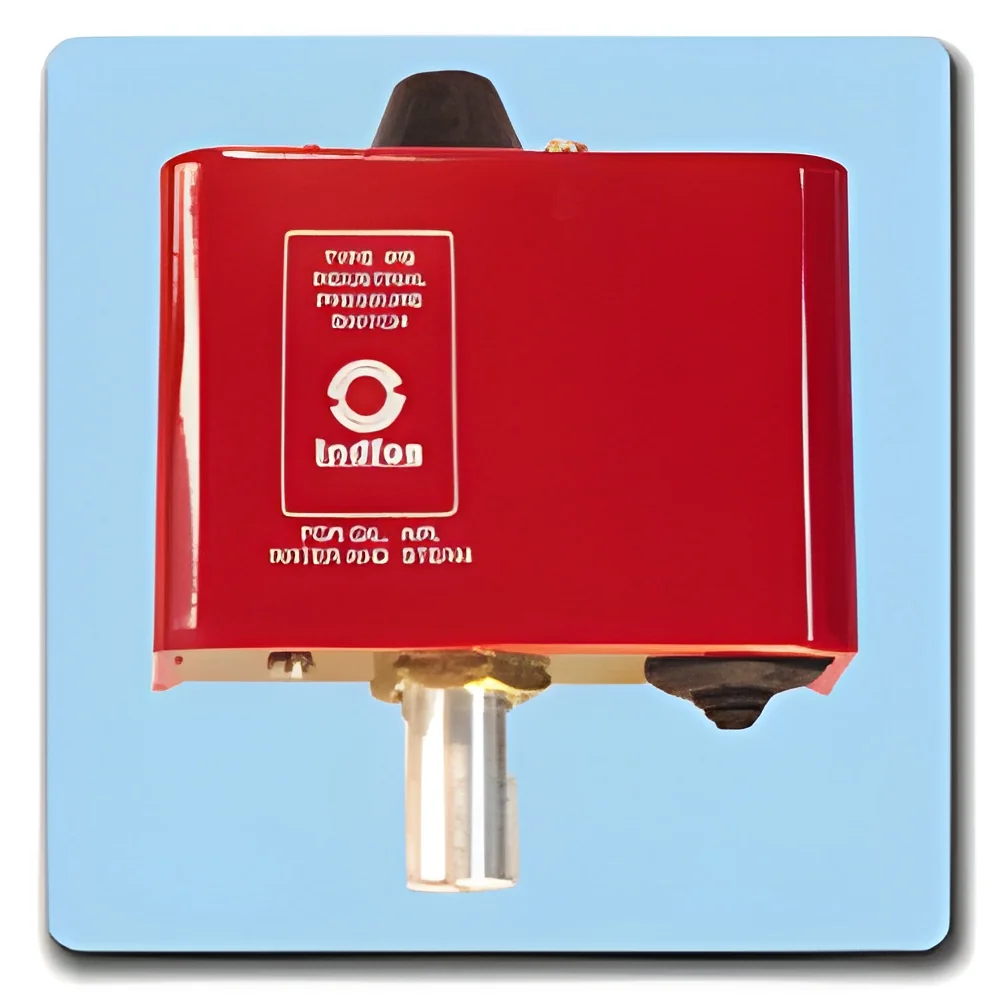
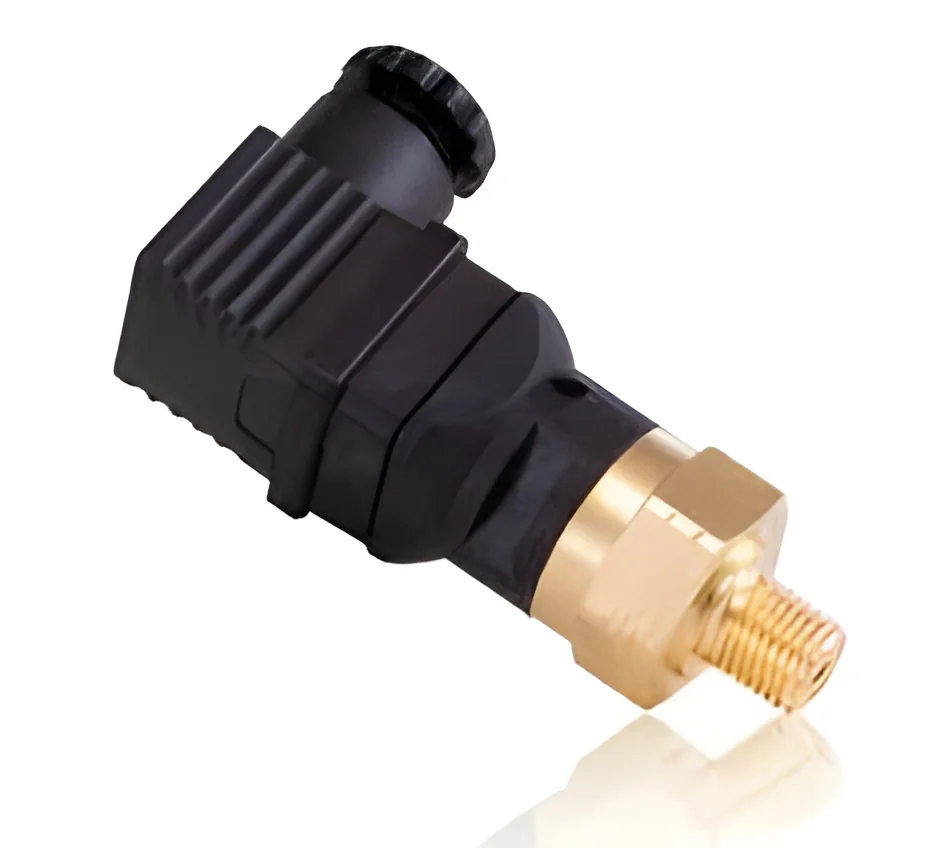
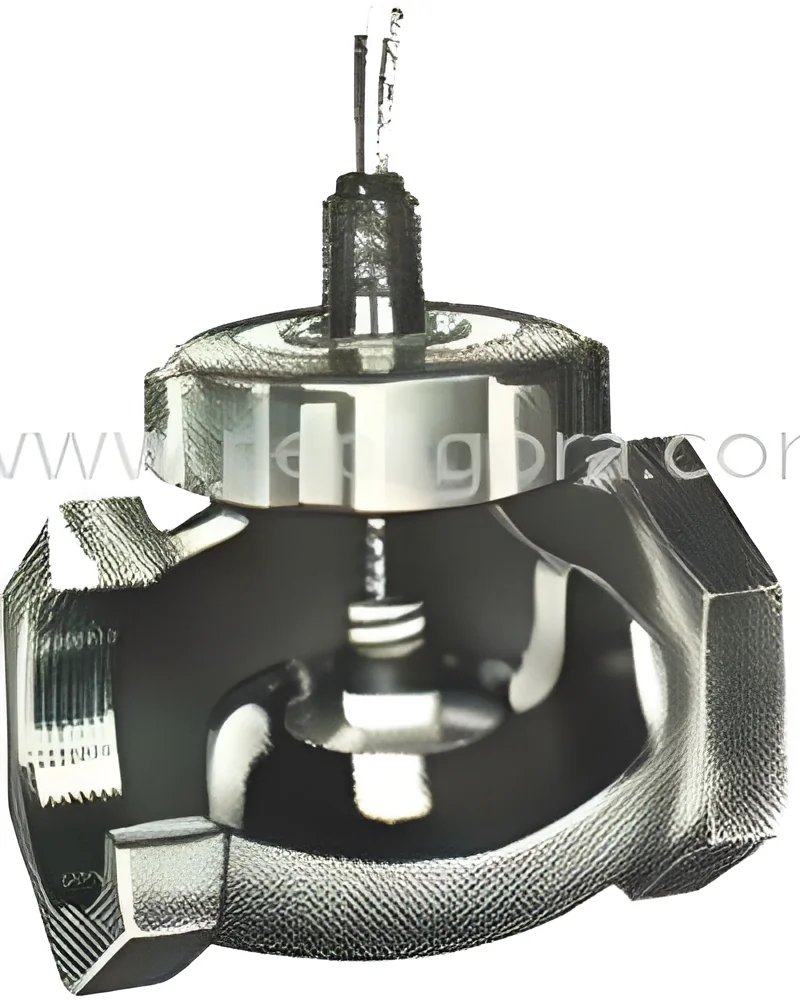
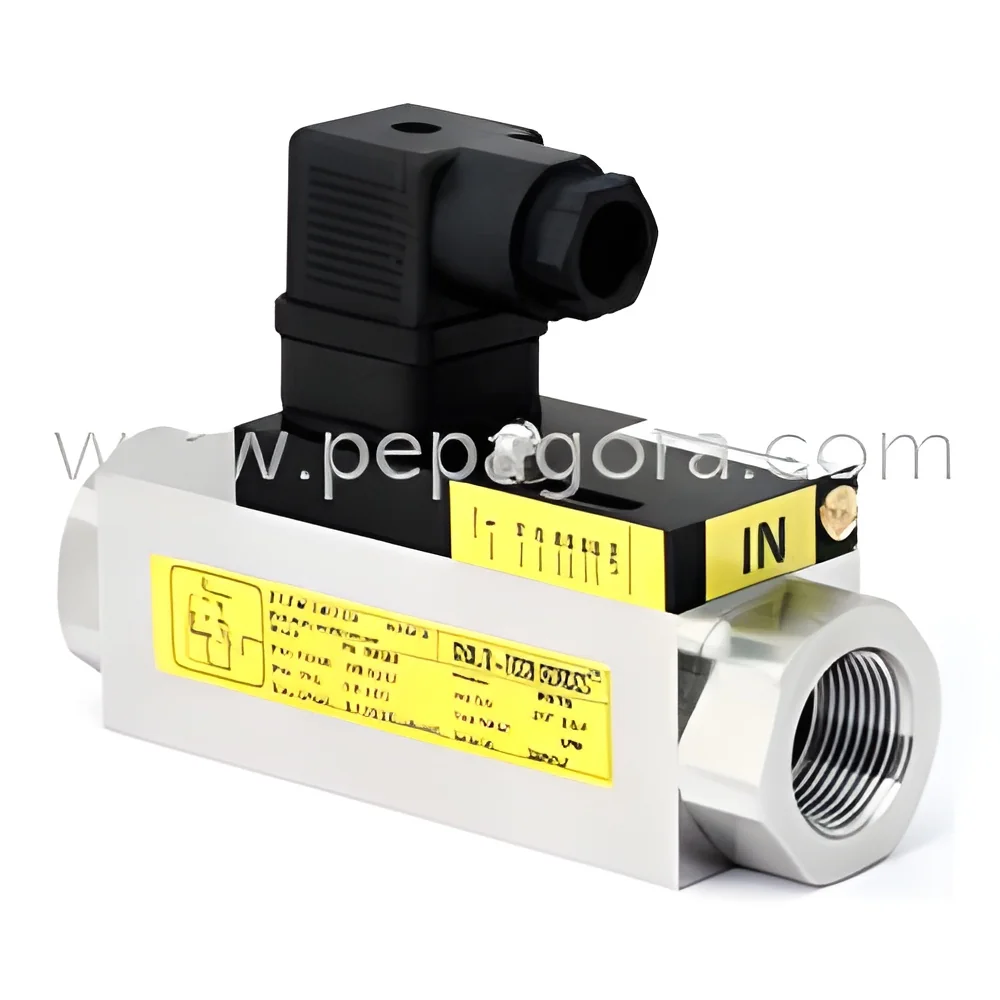
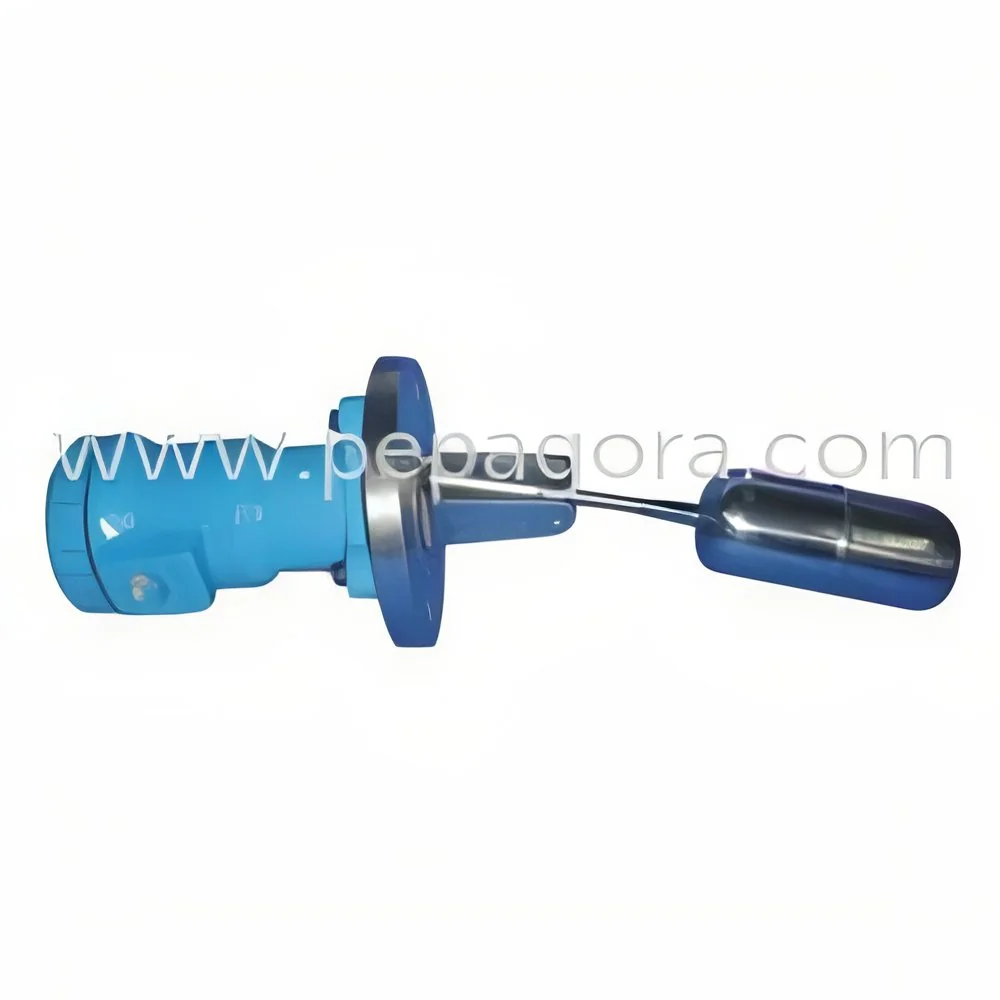
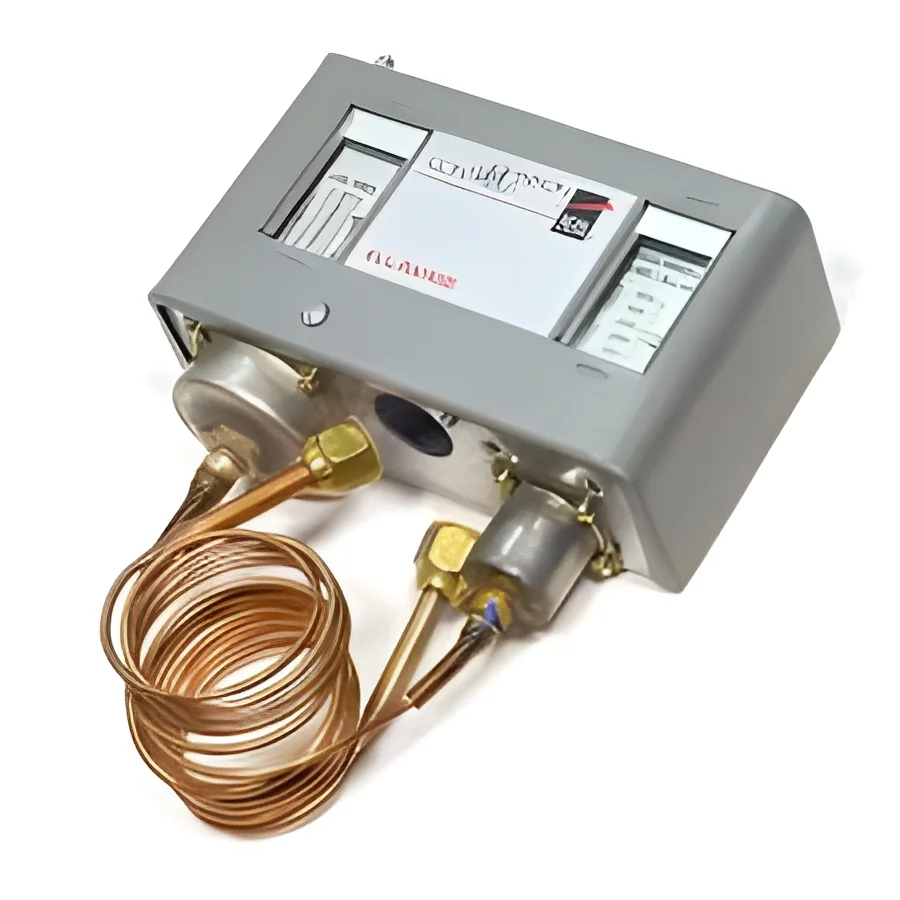
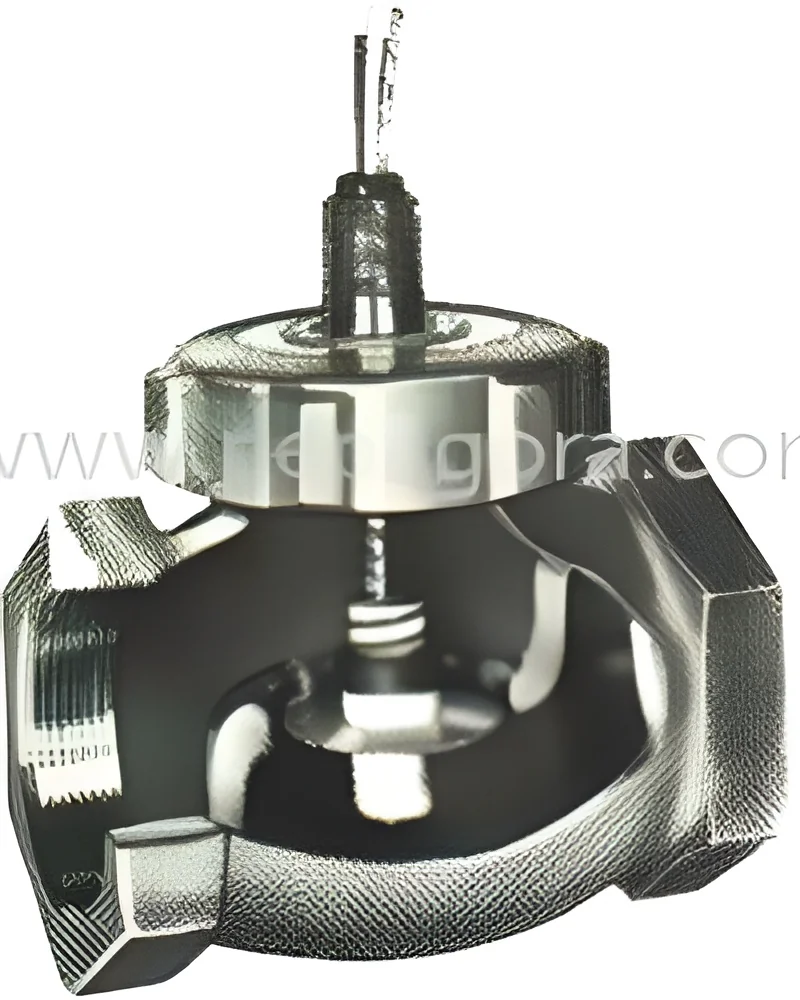
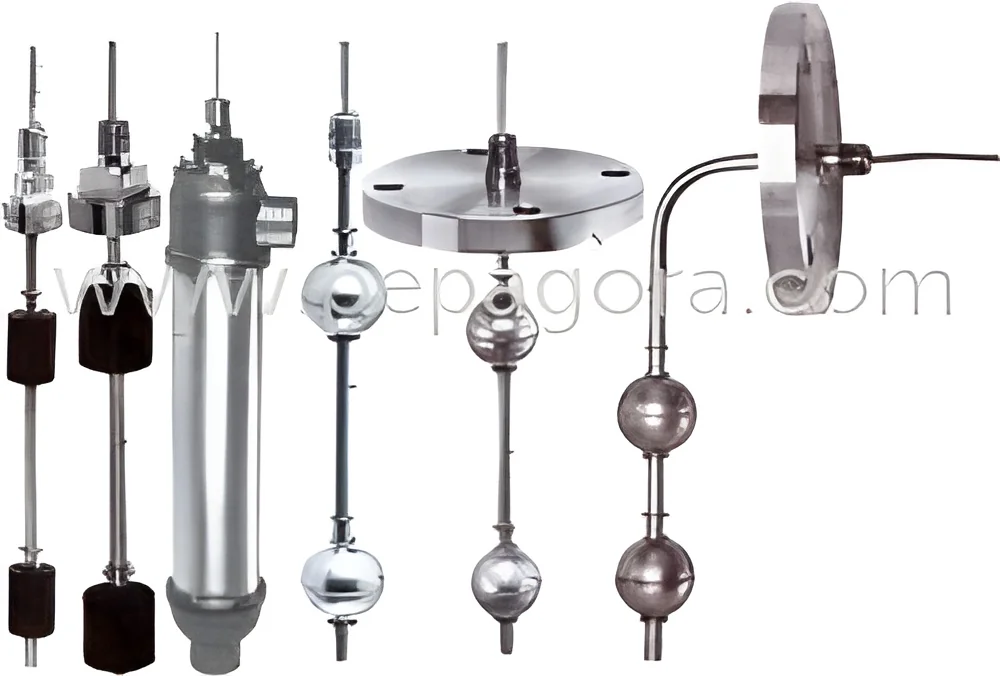
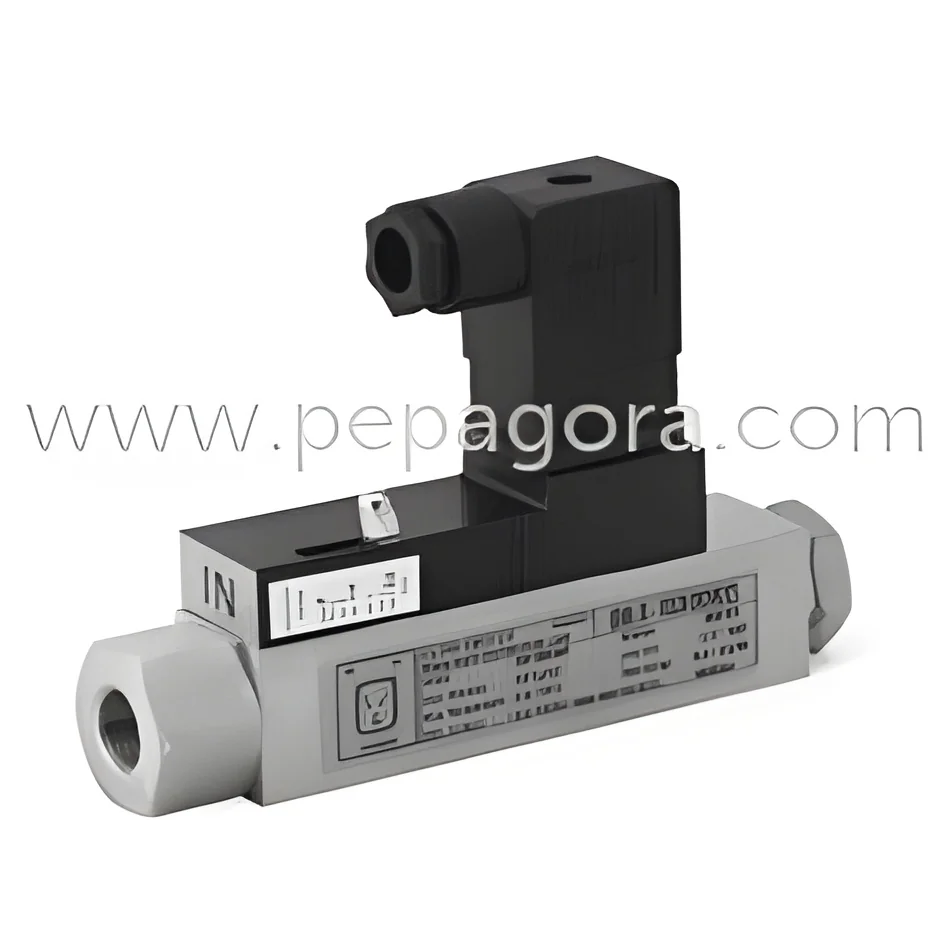
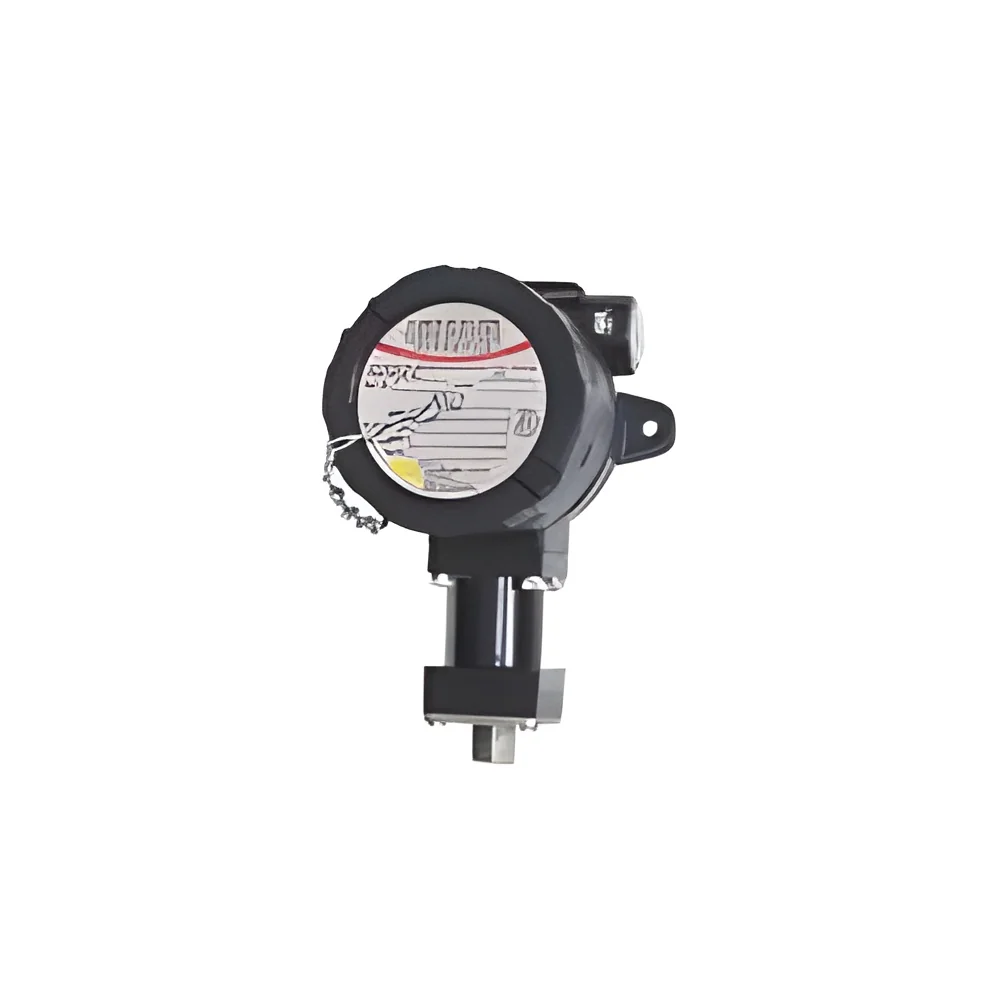
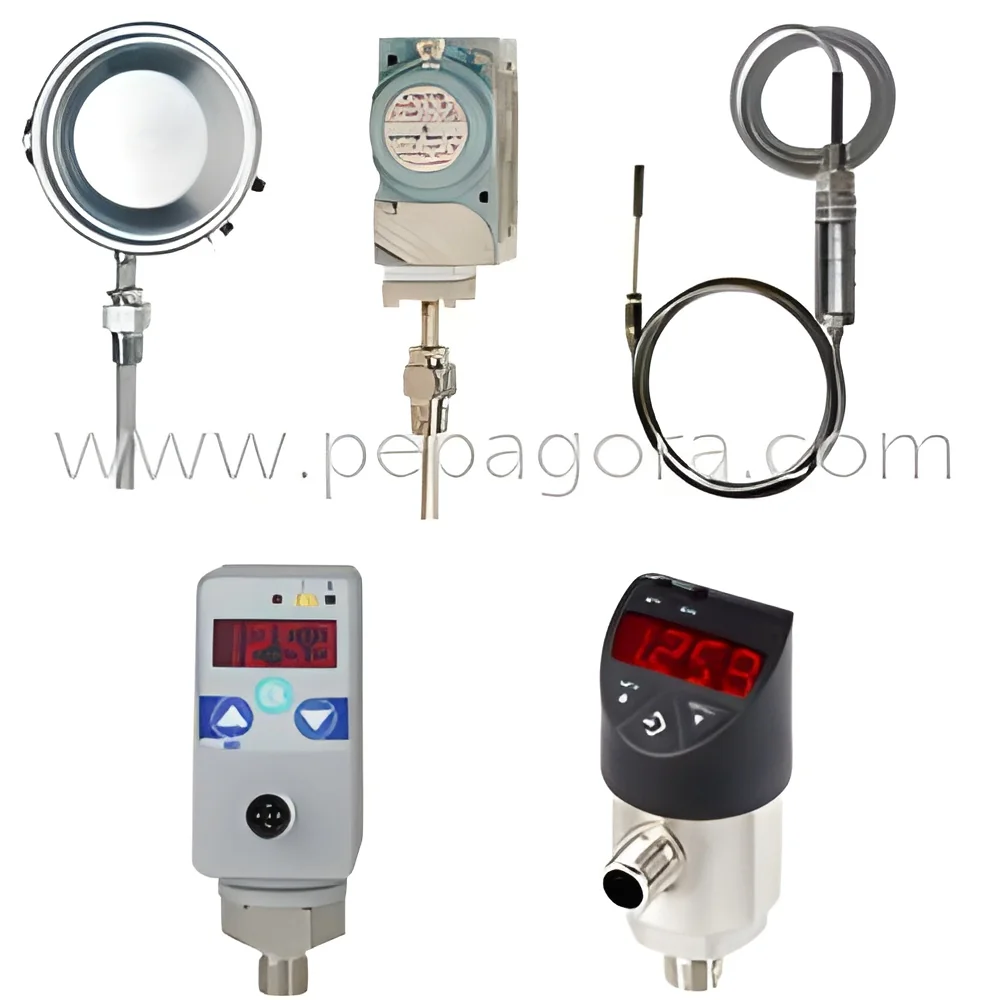
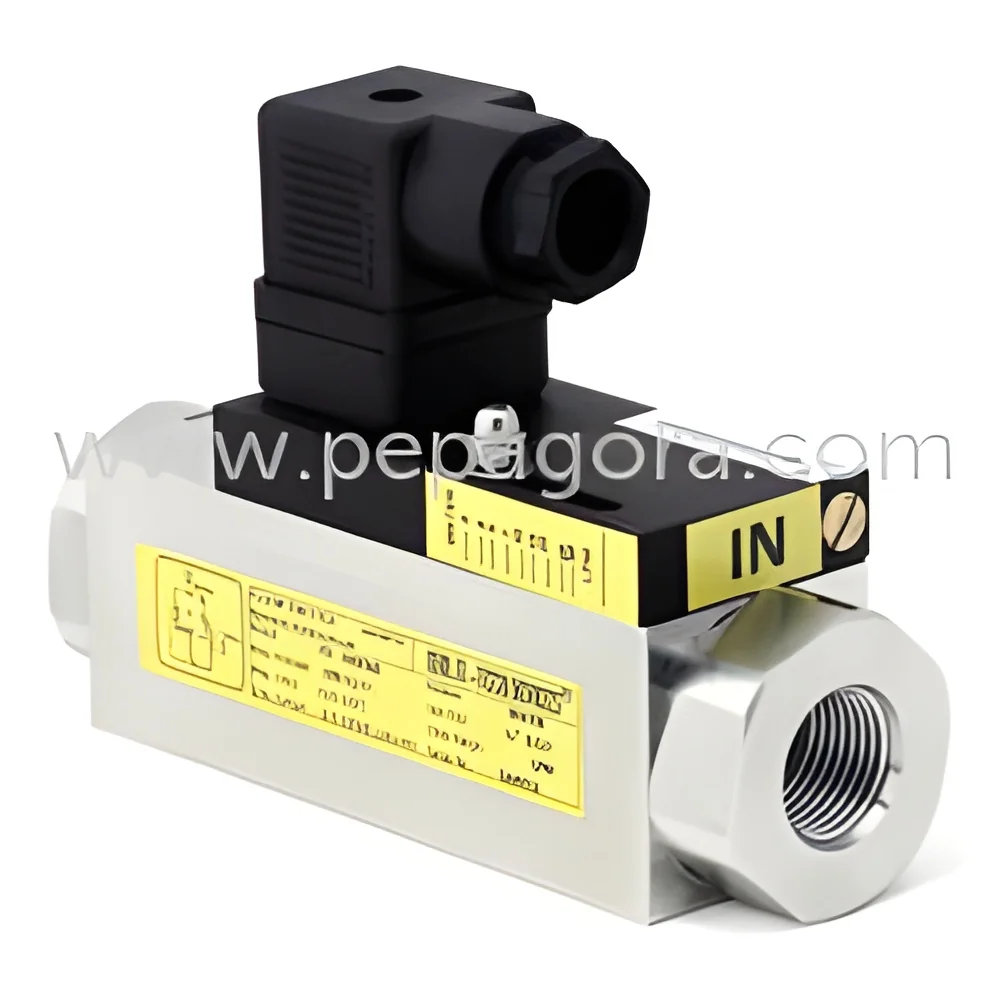
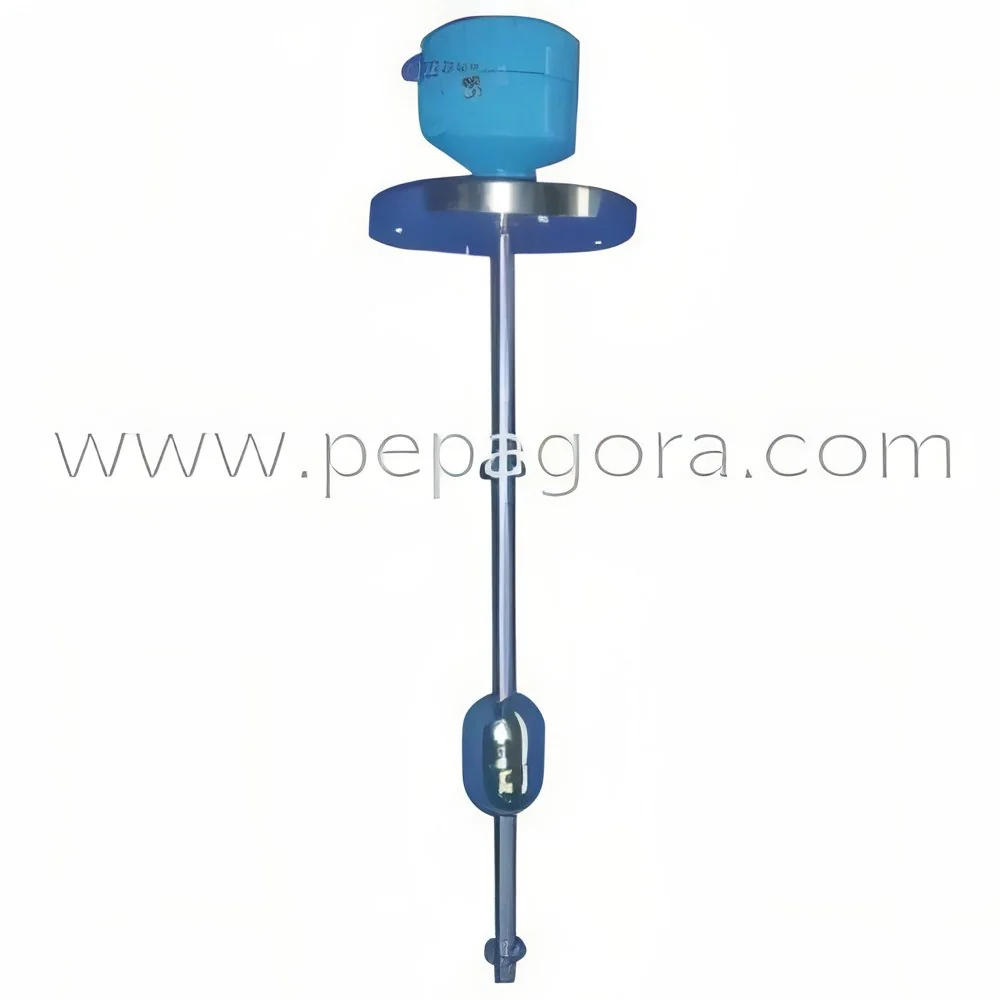
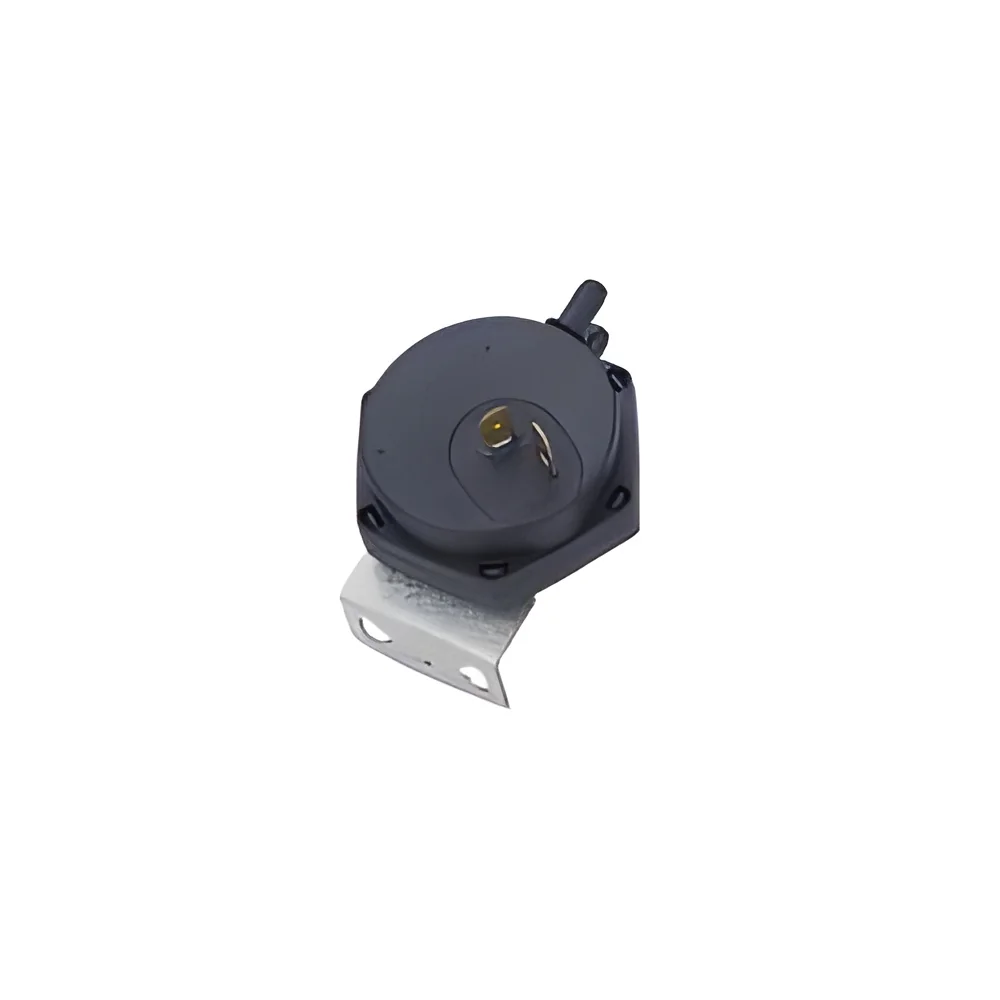
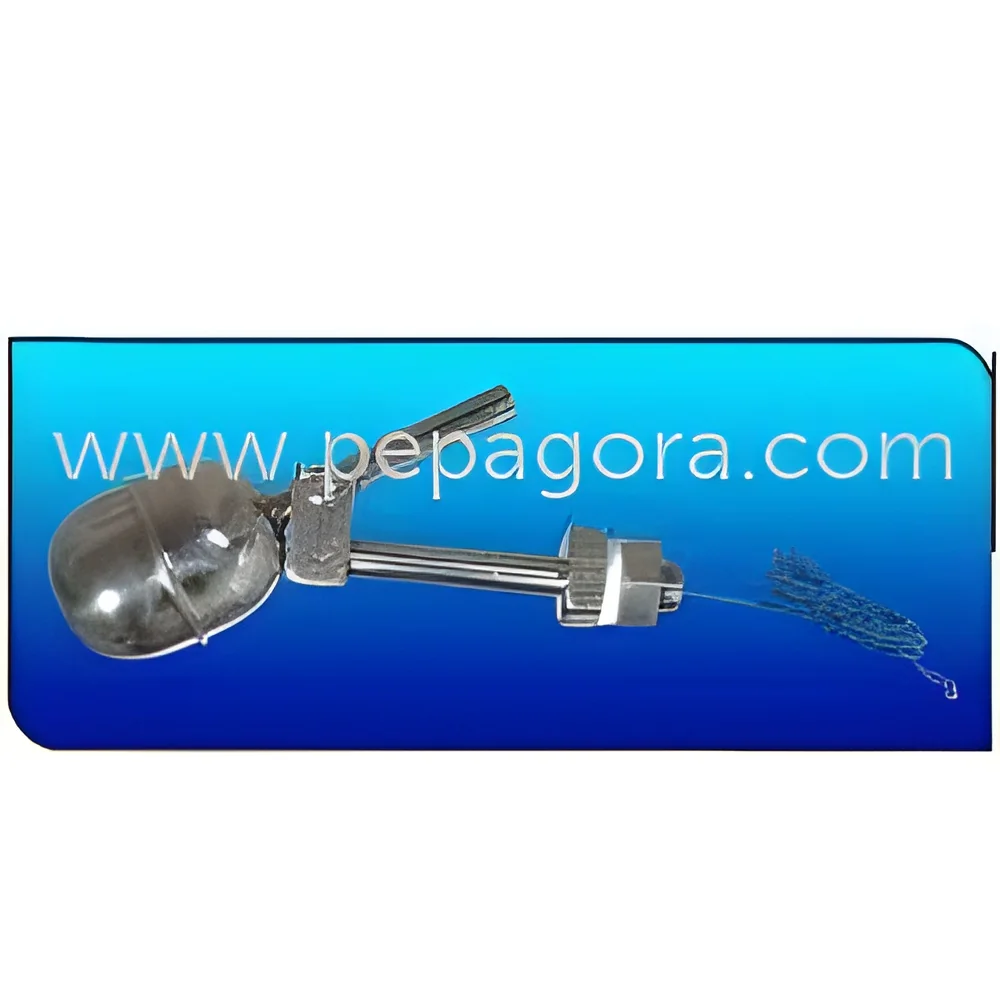
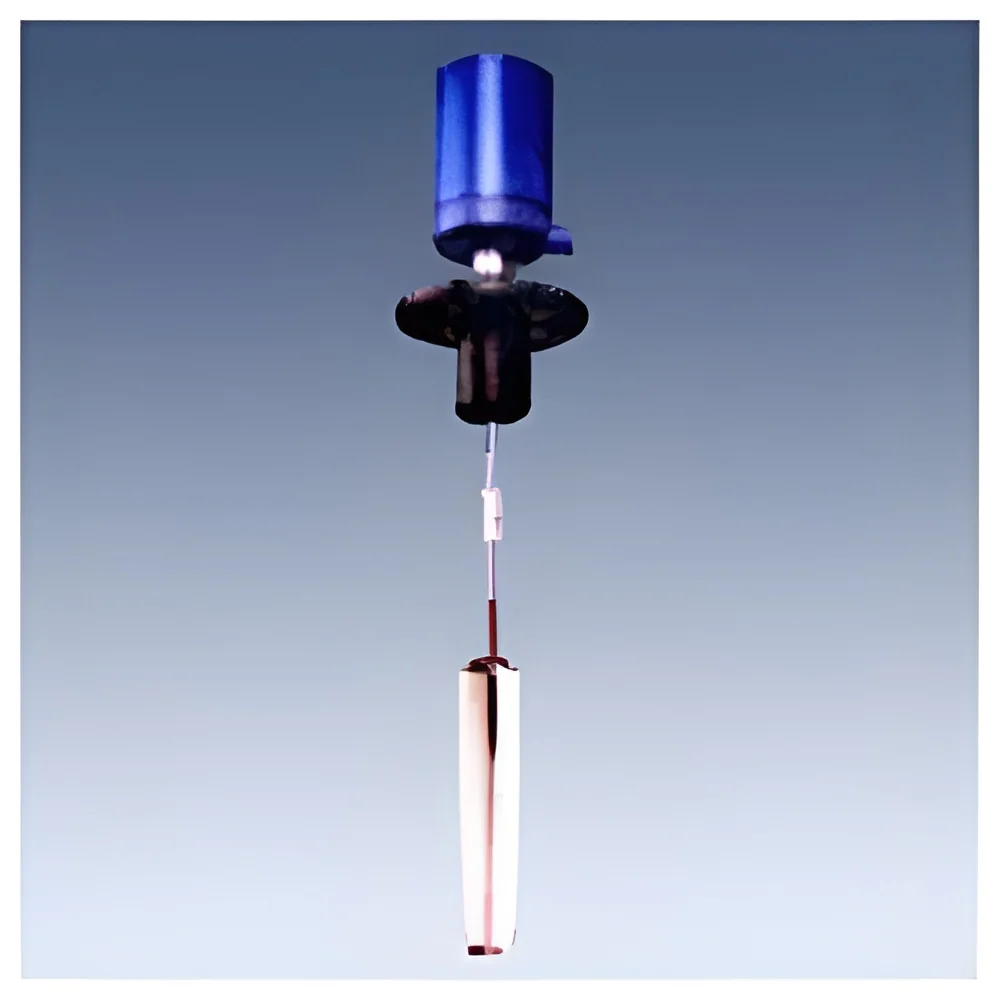
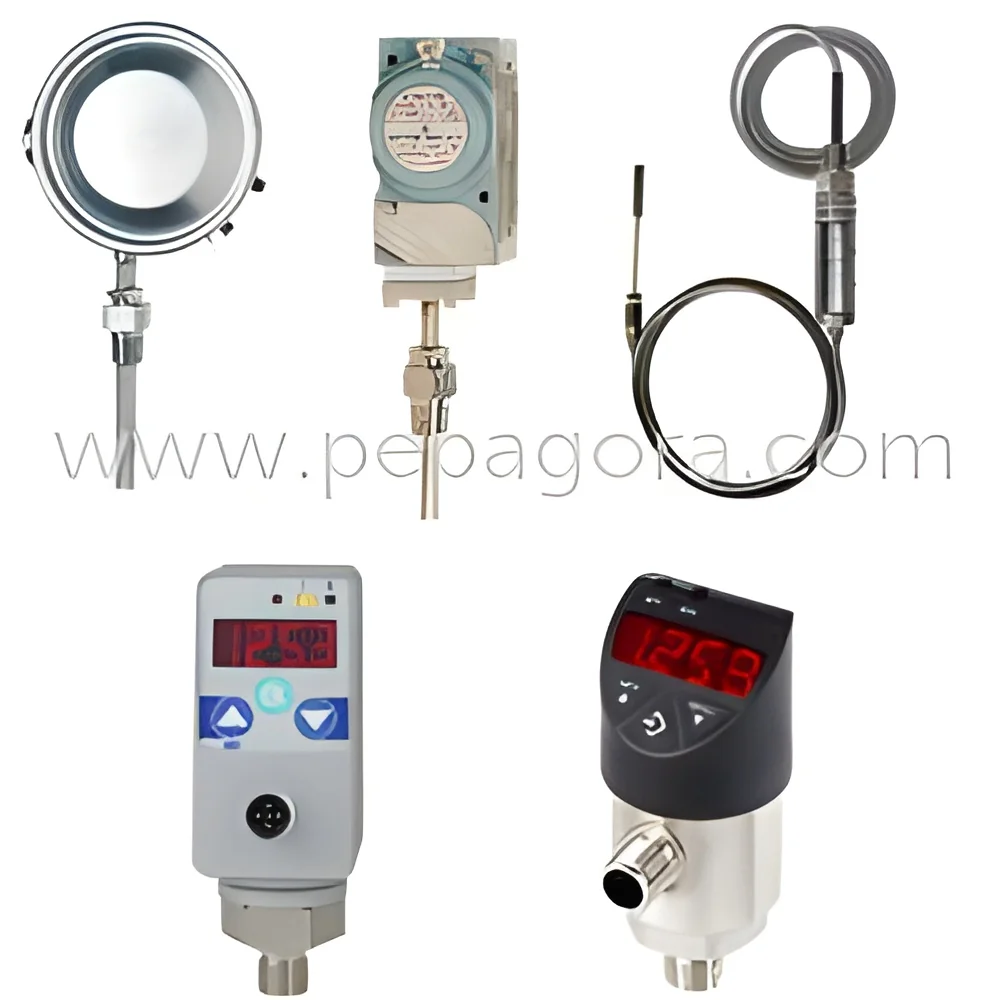
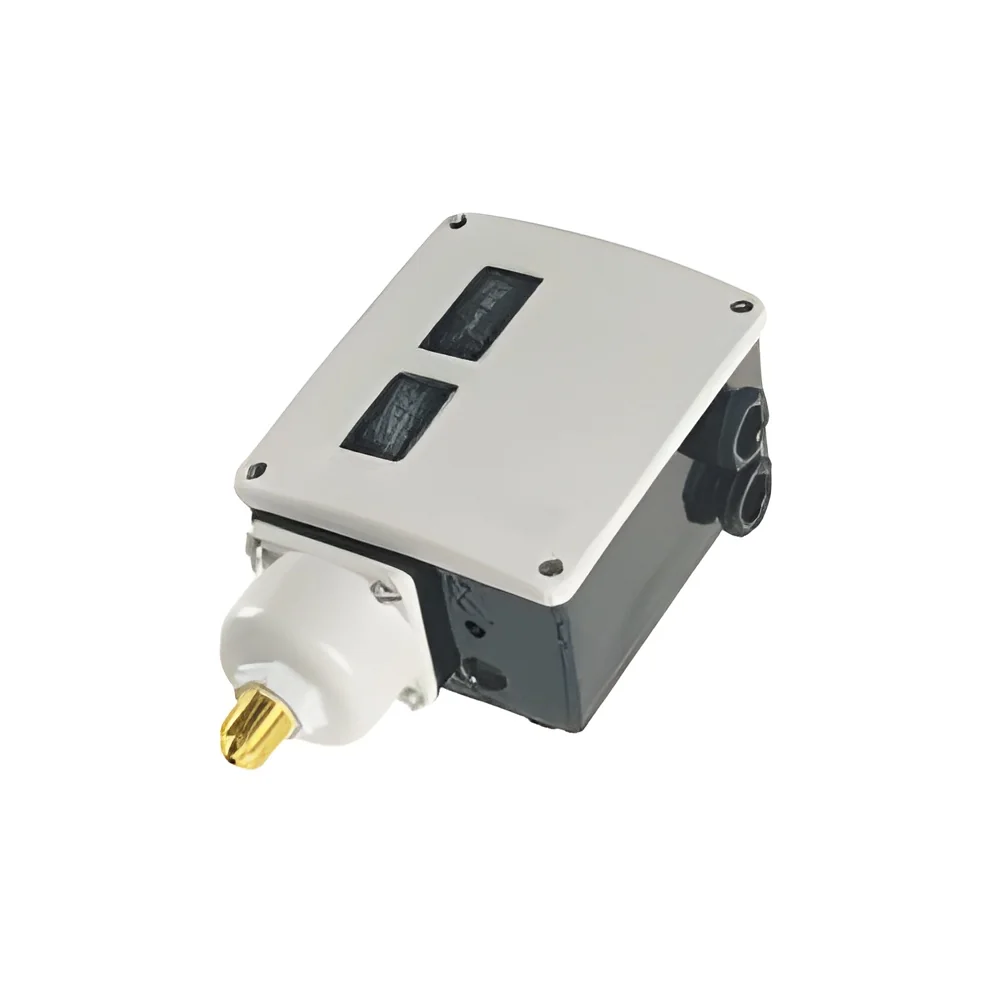
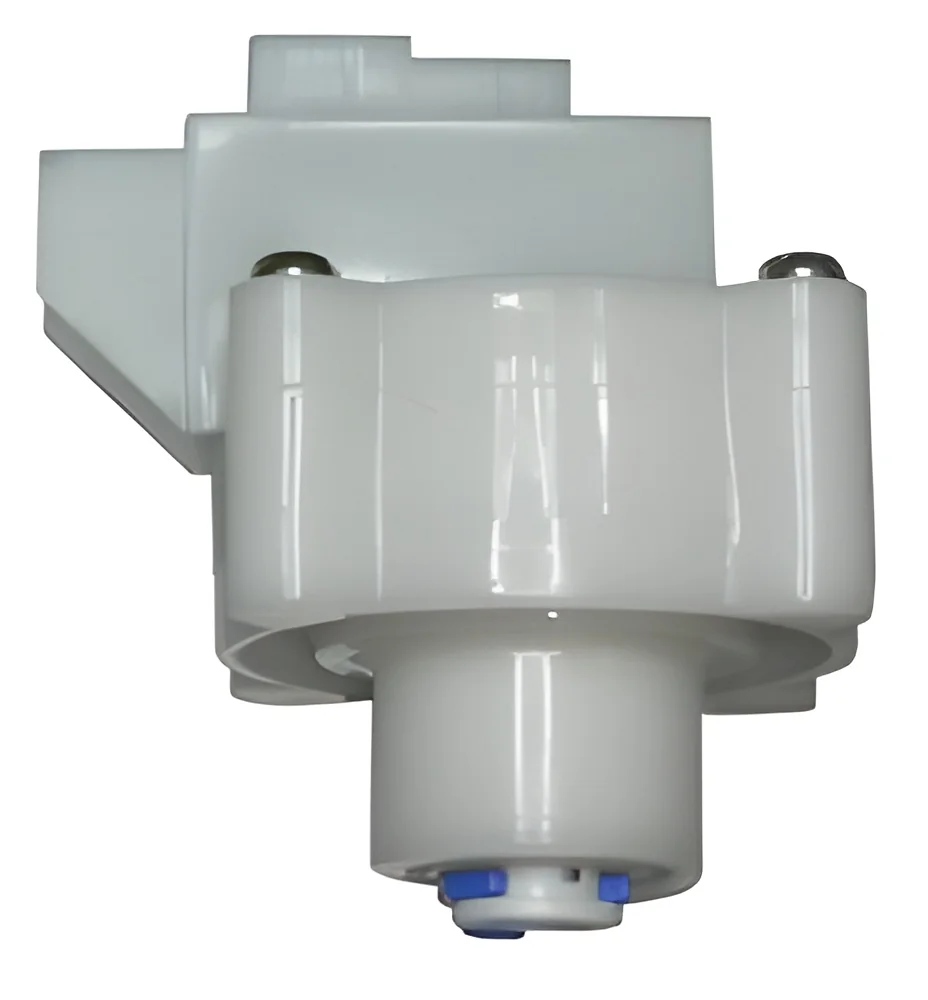
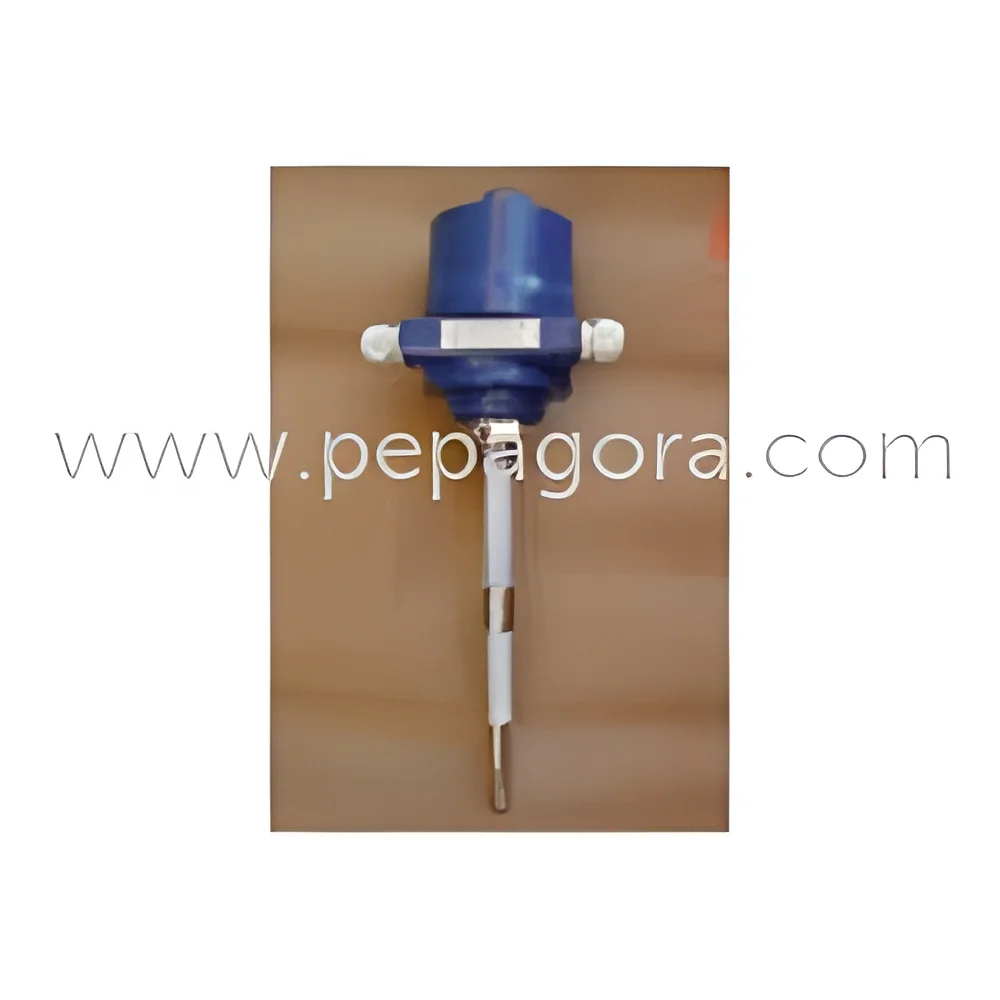
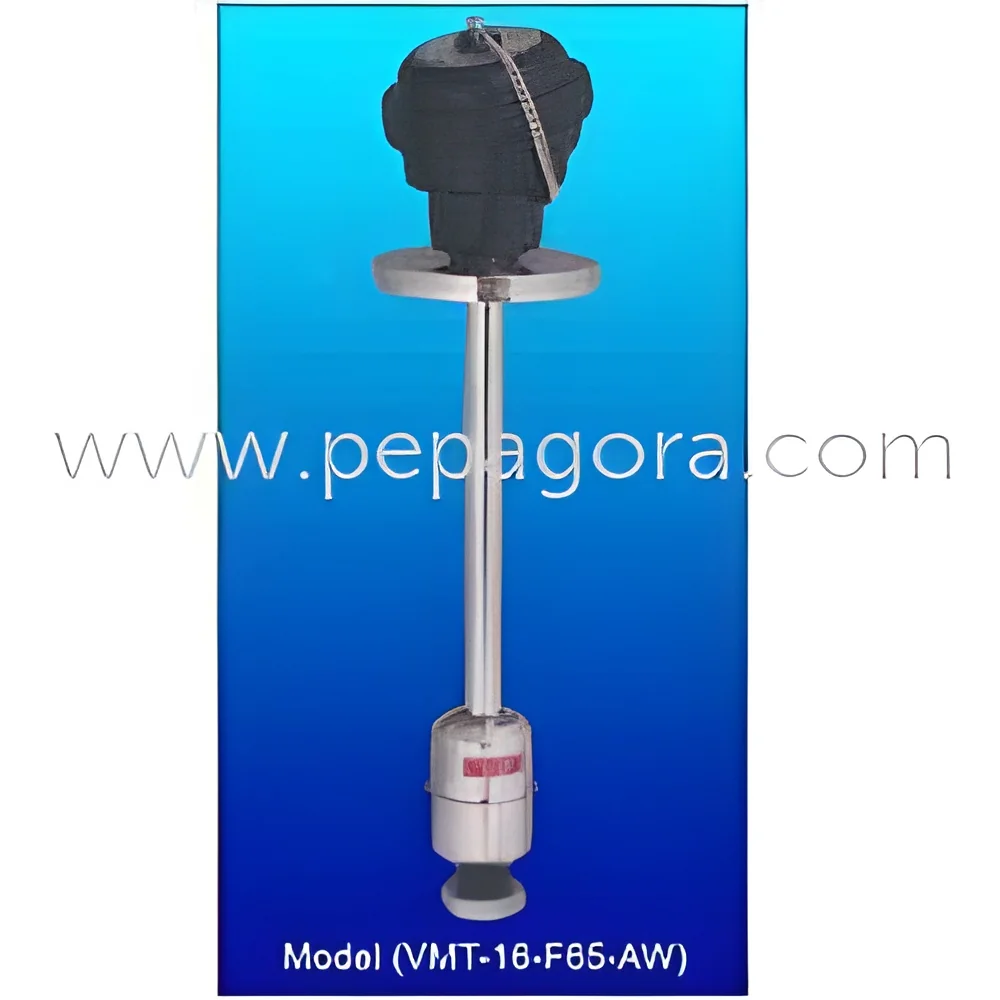
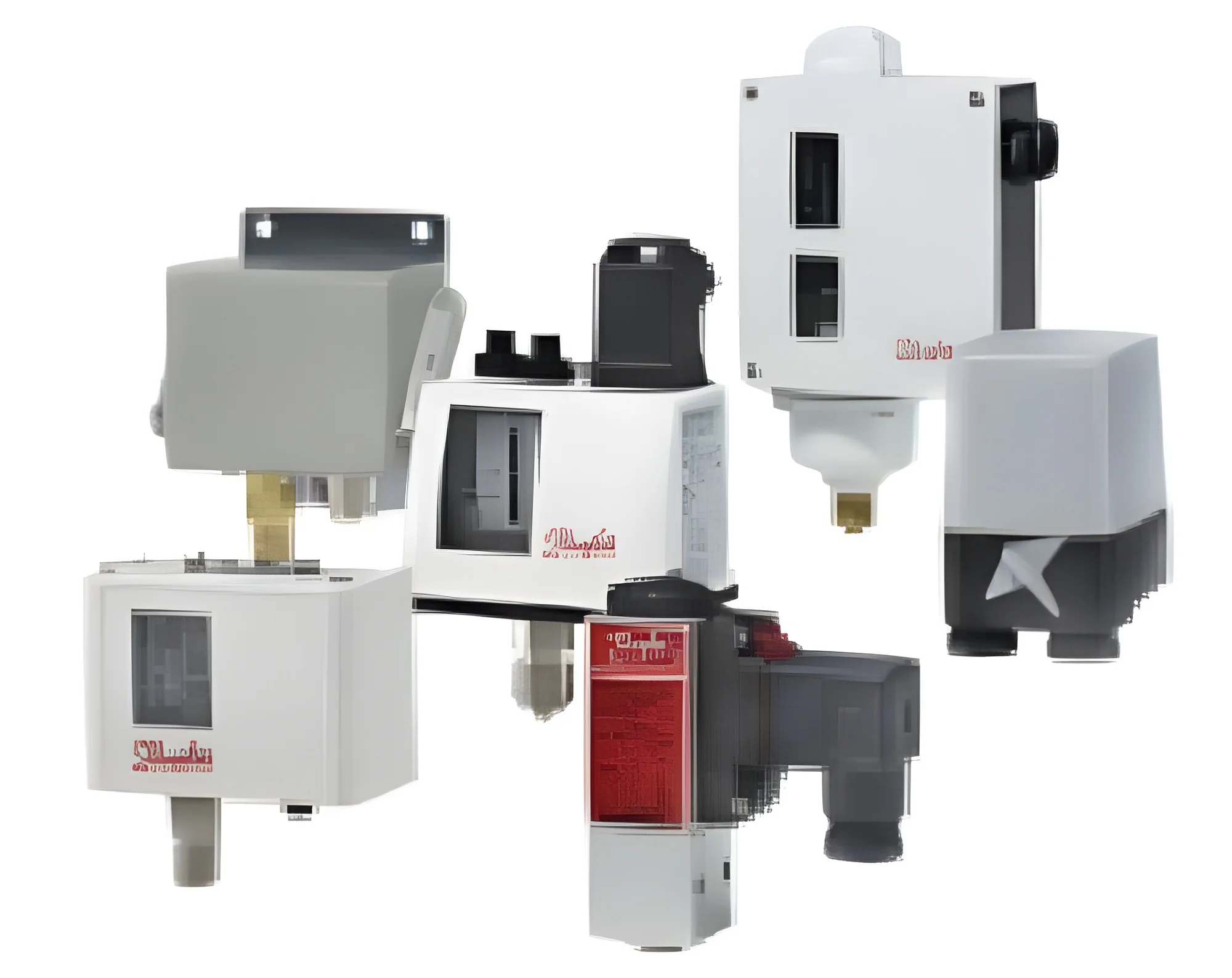
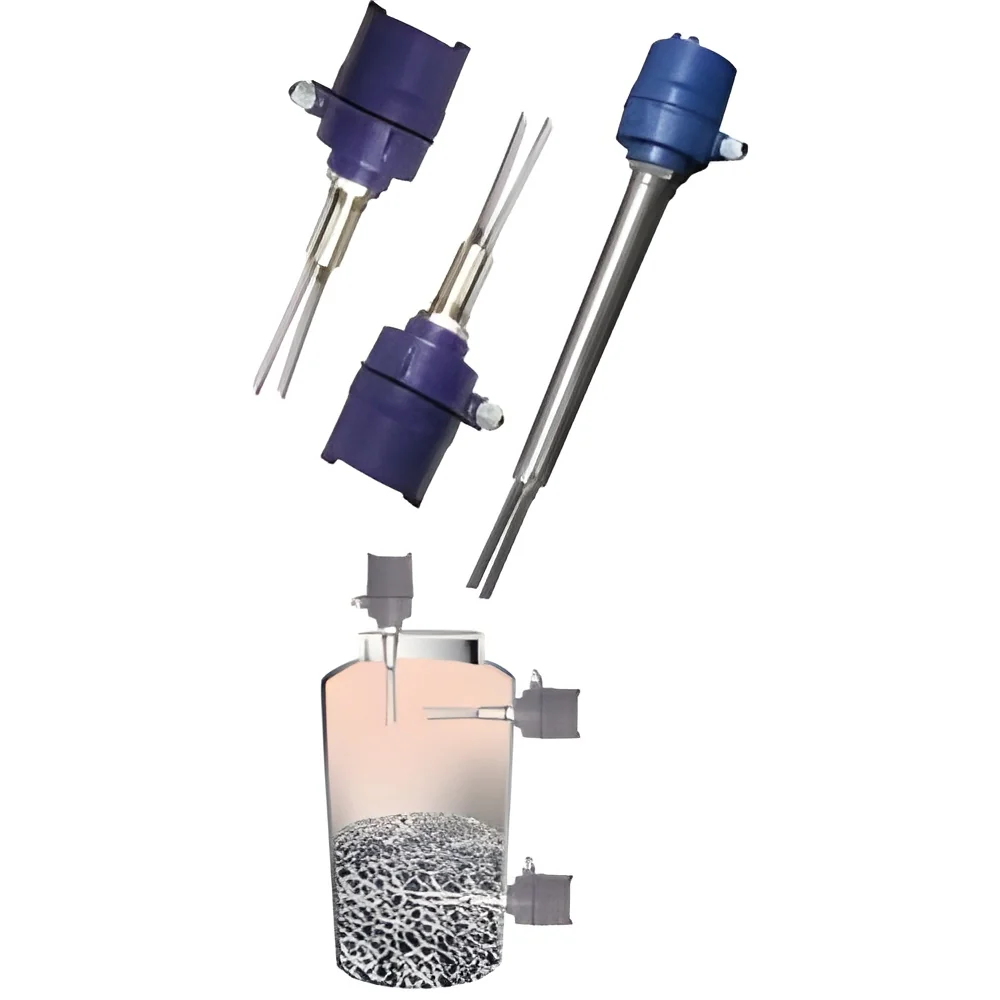
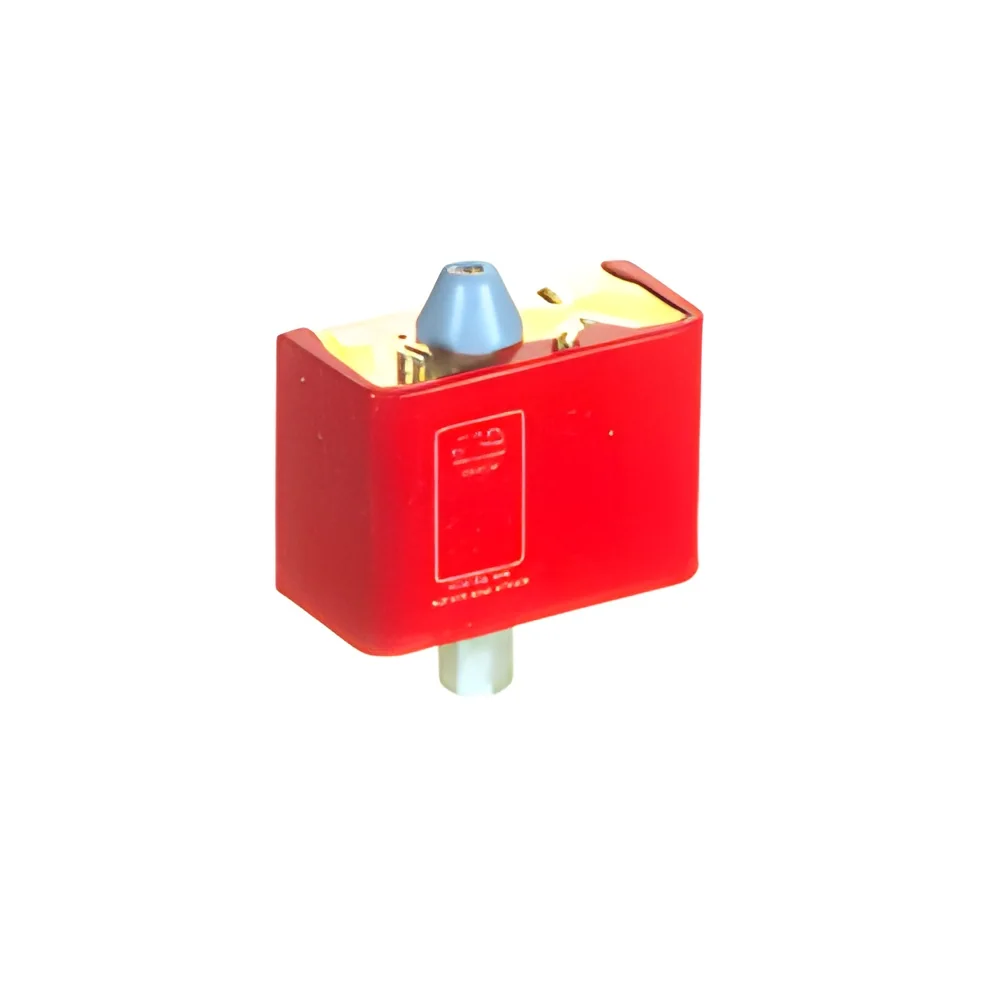
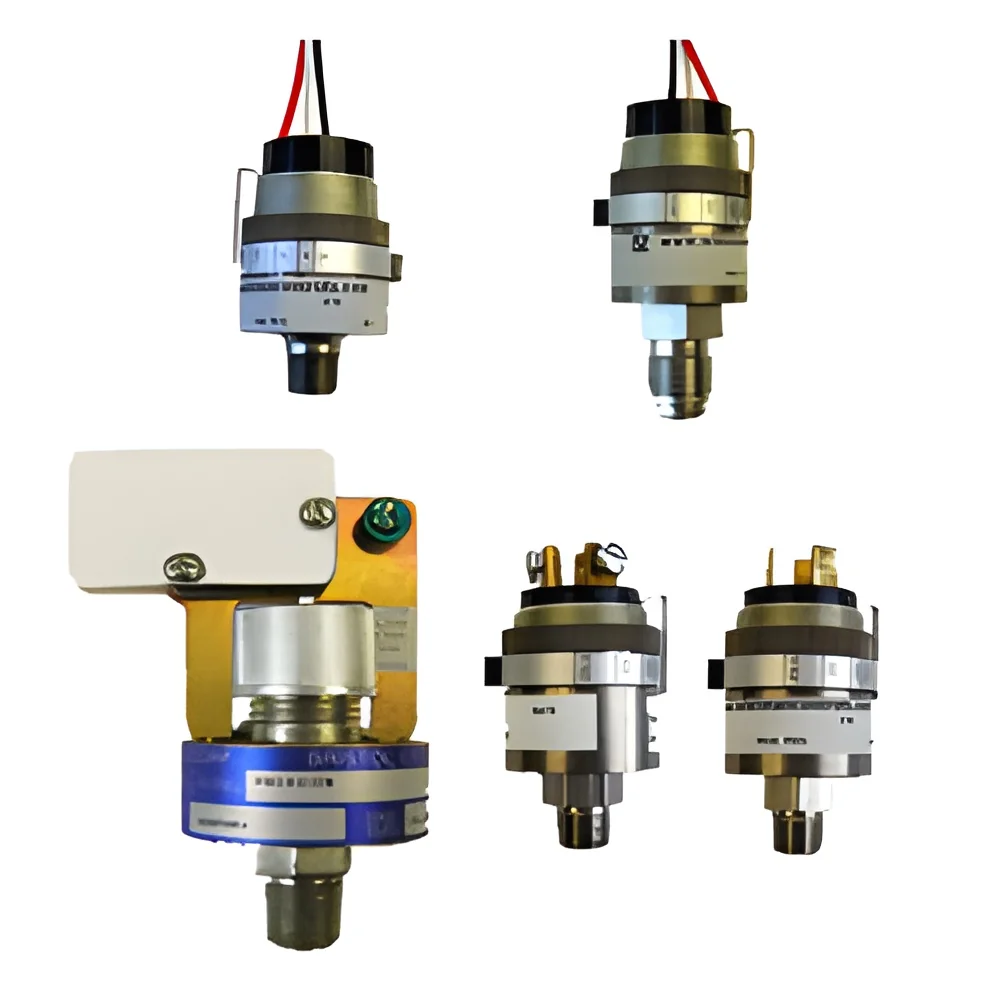
What are Industrial Switches?
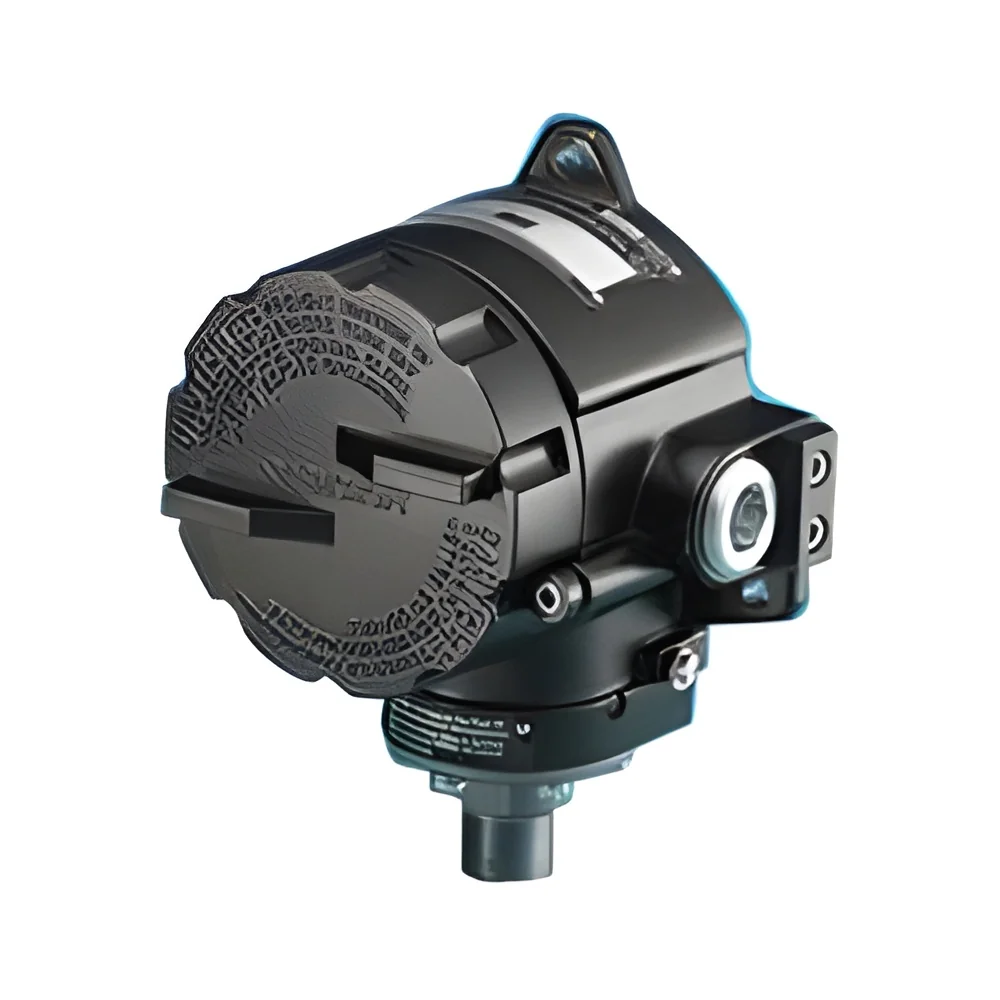
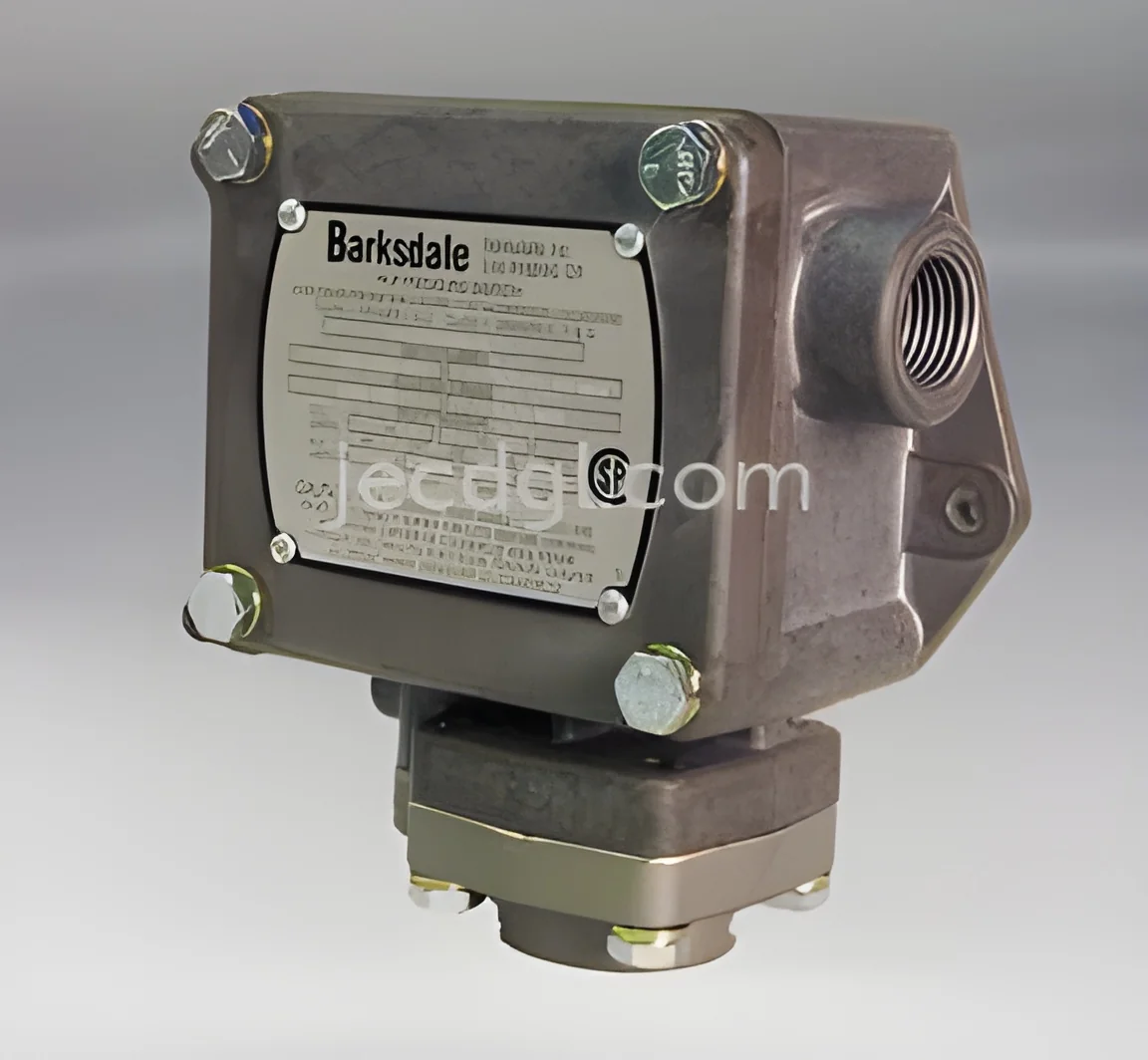
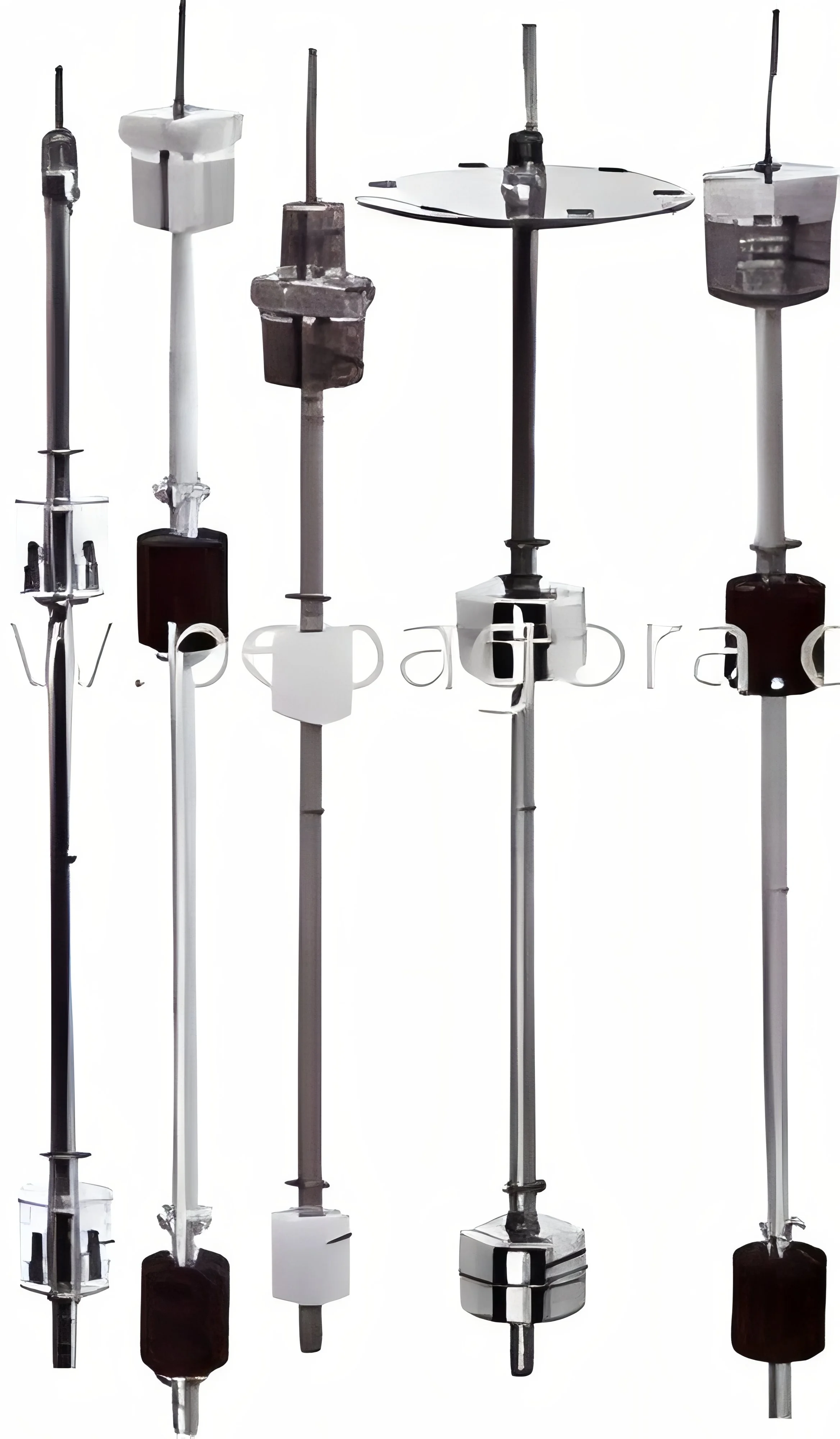
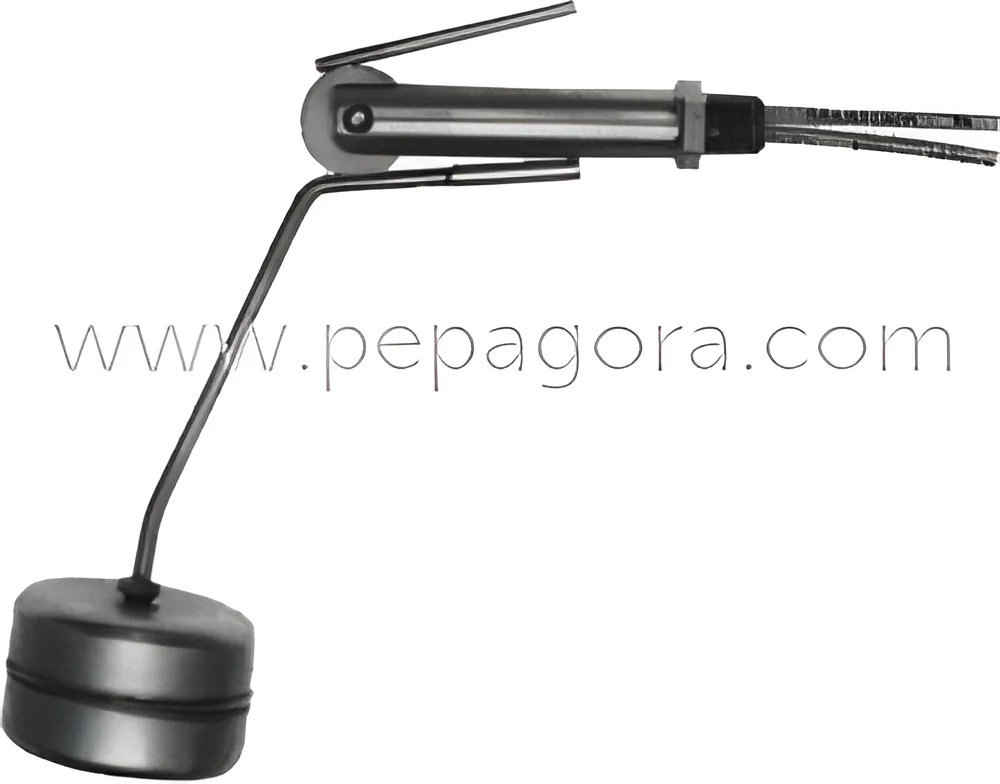
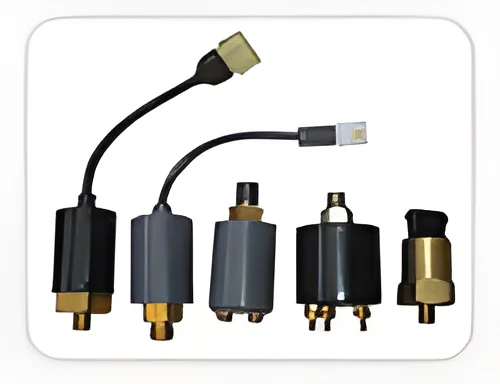
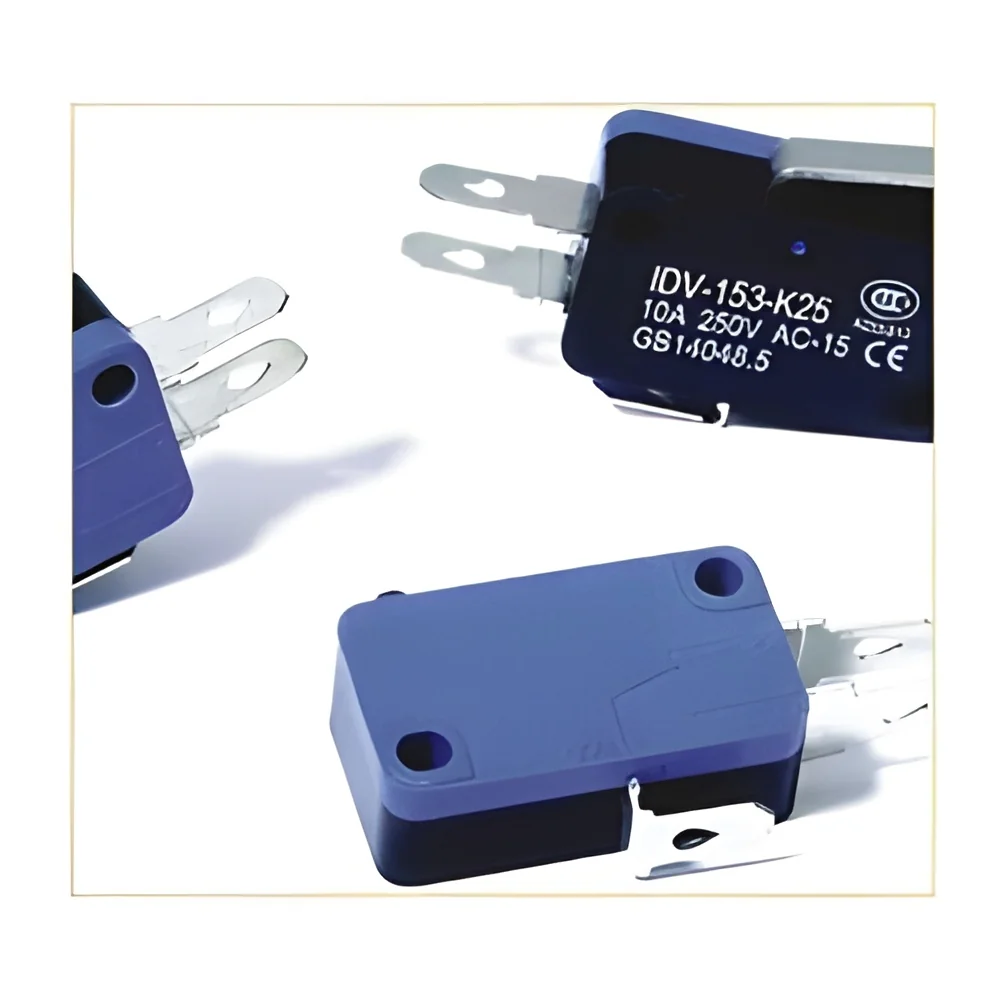
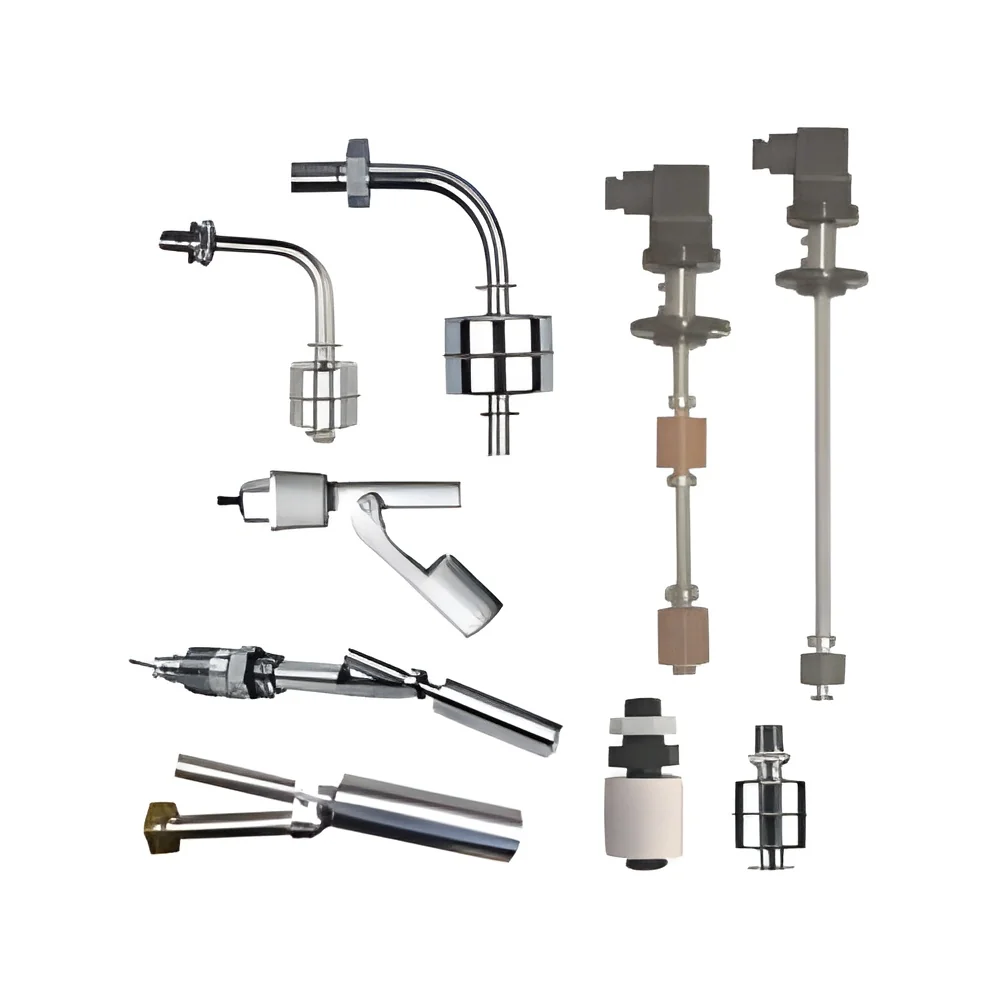
Industrial switches are essential components in various industrial settings, designed to control electrical circuits and machinery. These devices are built to withstand harsh conditions, including extreme temperatures, humidity, and vibration. Unlike standard commercial switches, industrial switches are engineered for reliability and durability, ensuring optimal performance in demanding environments.
The primary uses of industrial switches include controlling motors, lighting, and other electrical equipment in manufacturing plants, warehouses, and distribution centers. These switches are critical for maintaining operational efficiency and safety. With the increasing automation in industries, the demand for reliable industrial switches continues to grow, reflecting their importance in the industrial landscape.
In the market context, industrial switches are a vital part of the broader industrial automation sector. As industries evolve towards smart manufacturing, the need for advanced switching solutions is paramount. Companies are increasingly looking for switches that not only meet their operational needs but also comply with relevant safety and quality standards.
Key Features and Specifications
Industrial switches come with a variety of features that enhance their functionality and reliability. Understanding these specifications is crucial for selecting the right switch for specific applications.
Key specifications include:
1. Durability
- Designed to withstand harsh environmental conditions.
- Typically rated for high-impact and moisture-resistant applications.
2. Voltage Rating
- Indicates the maximum voltage the switch can handle.
- Common voltage ratings include 12V, 24V, 120V, and 480V.
3. Current Rating
- Represents the maximum current the switch can carry.
- Ratings can vary from a few amps to several hundred amps.
4. Switching Mechanism
- Types include toggle, push-button, and rotary switches.
- Each type offers different operational advantages.
5. Mounting Options
- Available in panel-mounted, surface-mounted, and DIN rail-mounted formats.
- Selection depends on installation requirements and space constraints.
6. Certification
- Many industrial switches are certified to meet industry standards such as CE.
- Certification ensures compliance with safety and quality measures.
7. Temperature Range
- Some switches are rated for extreme temperatures, ensuring functionality in various conditions.
- Typical ranges include -40°C to 85°C.
8. Protection Features
- Include IP ratings for dust and water resistance.
- Enhanced safety features to prevent electrical failures.
In summary, selecting the right industrial switch involves understanding various specifications that impact performance and reliability in specific applications.
Common Applications and Use Cases
Industrial switches are versatile and find applications in multiple sectors. Their reliability and performance make them suitable for various business needs.
1. Manufacturing: Industrial switches control machinery and equipment on production lines, ensuring efficient operations and safety.
2. Oil and Gas: In this sector, switches are used for monitoring and controlling processes in refineries and drilling operations.
3. Utilities: Industrial switches help manage power distribution and control systems within energy facilities.
4. Transportation: Used in public transit and logistics, switches are essential for controlling signals and equipment.
5. Food and Beverage: Switches are crucial for maintaining operational integrity in processing plants, adhering to strict safety standards.
6. Pharmaceuticals: Industrial switches ensure the reliable operation of equipment in controlled environments, crucial for product safety.
7. Water Treatment: These devices are used to control pumps and valves, essential for efficient water management.
Product Variants and Subcategories
Industrial switches come in various types, each designed for specific applications and environments. The diversity in product variants allows businesses to choose solutions that best meet their operational needs.
Toggle Switches: These are commonly used for manual control in various industrial applications. Their straightforward design ensures ease of use and reliability.
Push-Button Switches: Ideal for applications requiring frequent activation, push-button switches offer quick access to control functions. They are often used in control panels.
Rotary Switches: These switches allow for multiple settings and are perfect for adjusting the functionality of machinery. Their robust design ensures long-lasting performance.
Selector Switches: Used to choose between different operational modes, selector switches provide versatility in machine control.
Benefits and Advantages
Investing in high-quality industrial switches yields numerous benefits for businesses.
Key benefits include:
1. Enhanced Reliability: Industrial switches are engineered for durability, ensuring long-lasting performance even in challenging environments.
2. Improved Safety: High-quality switches reduce the risk of electrical failures, enhancing safety for operators and equipment.
3. Versatility: With various types available, businesses can select switches tailored to their specific needs.
4. Compliance: Many industrial switches meet industry standards, ensuring adherence to safety regulations and quality measures.
5. Cost-Effectiveness: Durable switches reduce the need for frequent replacements, resulting in lower long-term operational costs.
6. Easy Maintenance: Many industrial switches are designed for straightforward installation and maintenance, minimizing downtime.
Buying Guide for B2B Buyers
When sourcing industrial switches, it is essential for B2B buyers to consider several factors to ensure they make informed decisions.
1. Quality Assessment: Evaluate the quality of switches based on their durability, performance, and compliance with industry standards. Look for trusted brands and certifications like CE.
2. Supplier Verification: It is crucial to vet suppliers for their reputation, reliability, and customer reviews. A trustworthy supplier will provide consistent quality and support.
3. Pricing and MOQ: Understand the pricing structure and minimum order quantities. This helps in budgeting and ensures you meet your operational needs without overcommitting.
4. Delivery and Lead Times: Assess the supplier’s logistics capabilities. Timely delivery is vital for maintaining production schedules and operational efficiency.
5. Compliance Requirements: Ensure that the switches comply with relevant regulations and standards in your industry. This is especially important in sectors with strict safety and quality guidelines.
Compliance and Certifications
Compliance and certifications are critical when sourcing industrial switches. Many switches adhere to quality standards such as ISO 9001, which ensures consistent quality management practices.
Industry certifications like CE indicate that a product meets European safety and environmental requirements. This certification is crucial for businesses looking to operate in or export to European markets.
Safety and testing requirements are also important. Industrial switches must undergo rigorous testing to ensure they can perform reliably under various conditions.
Additionally, regional compliance considerations may apply depending on the market. Familiarity with local regulations can help businesses avoid potential legal issues and ensure product safety.
Why Source Industrial Switches from Pepagora?
Pepagora provides a trusted platform for sourcing industrial switches, offering several key advantages to B2B buyers.
Verified Supplier Network: Pepagora's supplier network consists of thoroughly vetted companies, ensuring that buyers receive high-quality products and reliable service.
Streamlined RFQ Process: The quotation system simplifies the procurement process, allowing buyers to request quotes from multiple suppliers quickly and efficiently.
Trade Assurance and Support: Buyers benefit from trade assurance programs designed to protect their investments and ensure satisfactory transactions.
Regional Coverage: Pepagora's services extend across India, the GCC, and Southeast Asia, providing access to a wide range of suppliers and products tailored to meet diverse industrial needs.
This combination of features makes Pepagora a valuable resource for businesses looking to source industrial switches effectively and confidently.

 IN
IN