
 IN
Electrical Sockets
17 products available
What are Electrical Sockets?
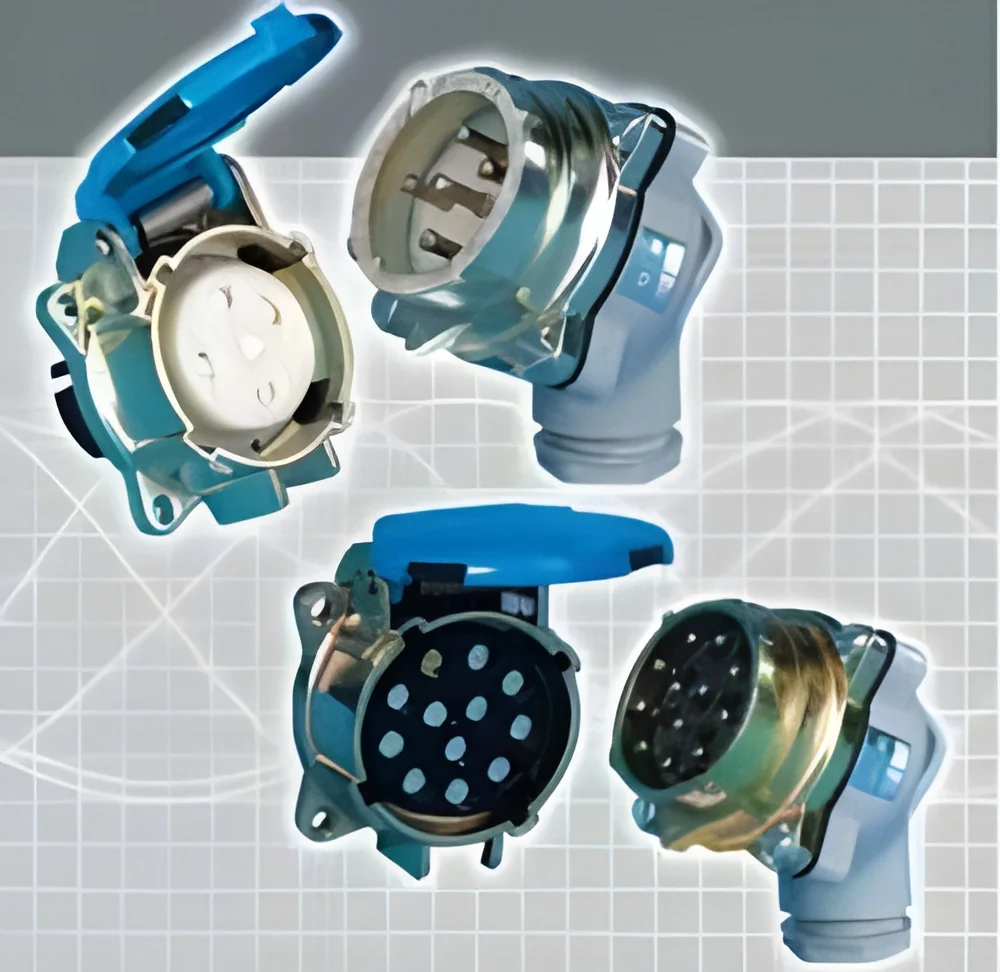
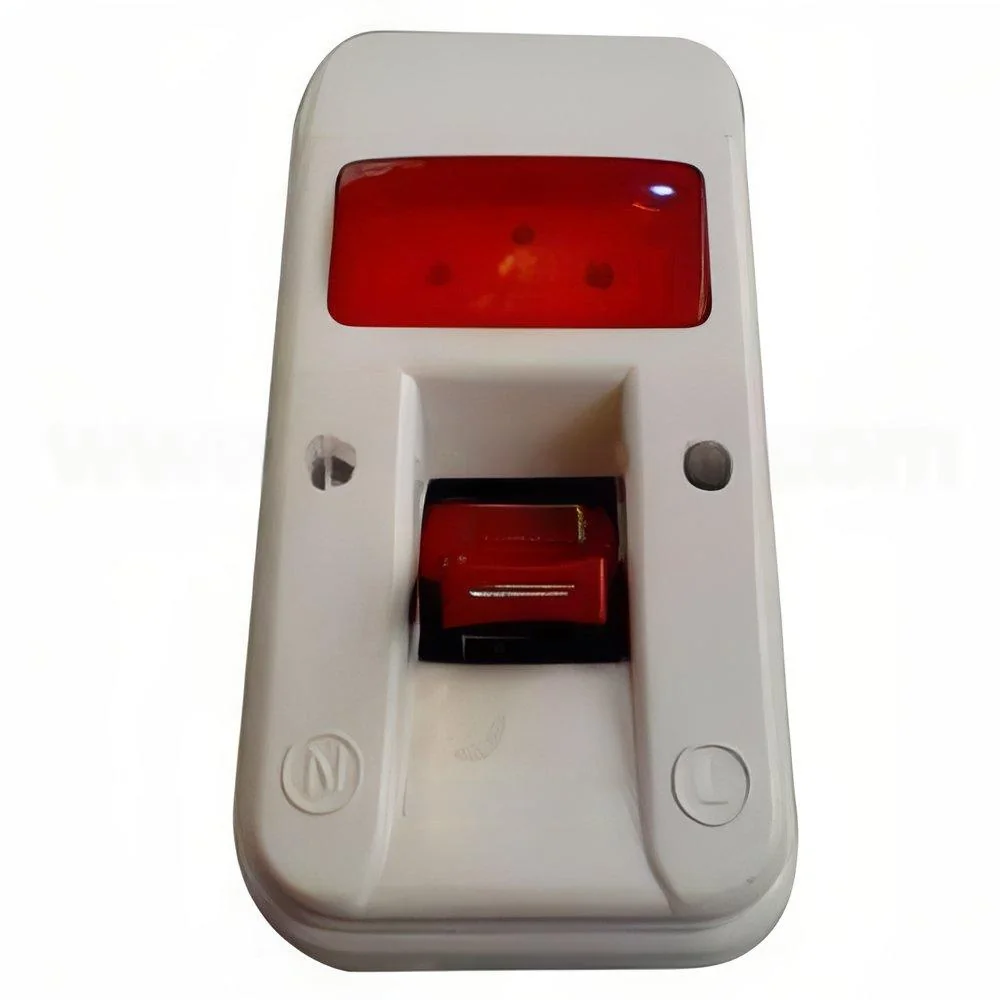
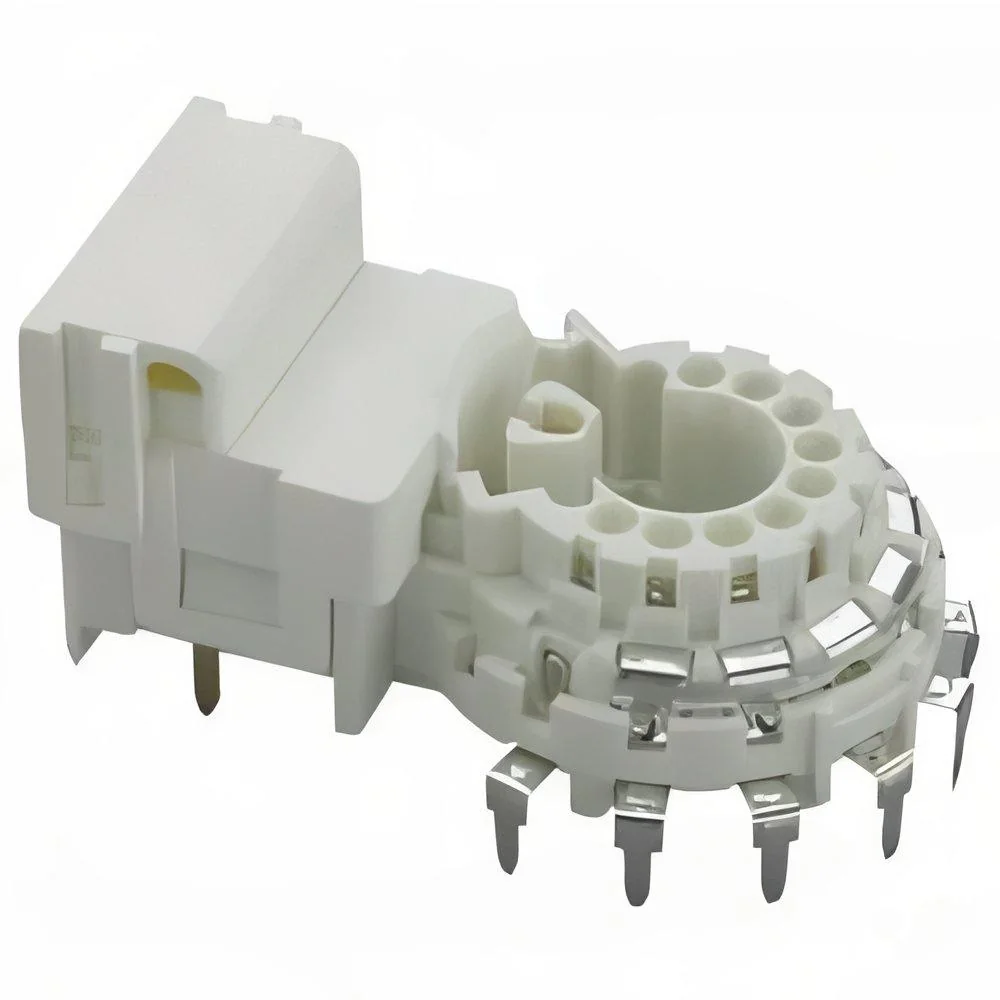
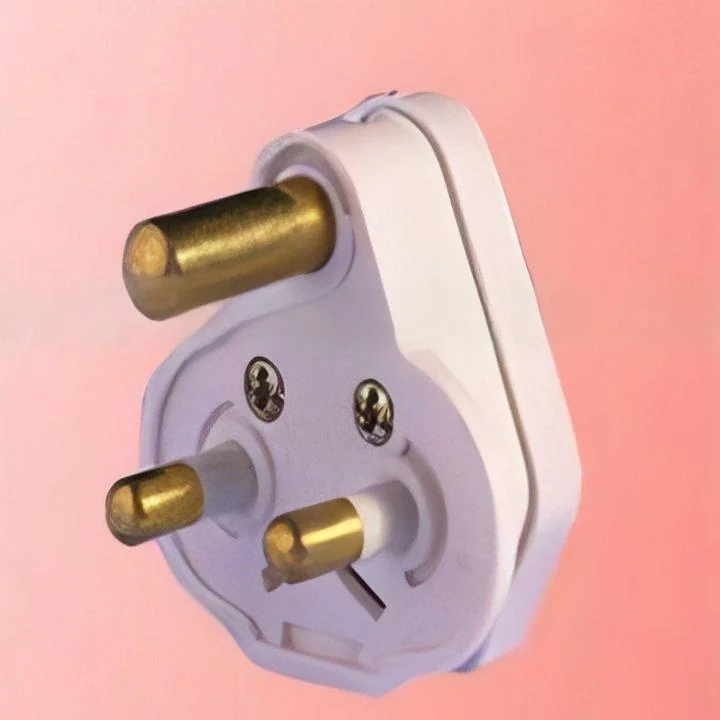
Electrical sockets are devices that provide a connection point for electrical appliances to access power from an electrical supply. They are essential components in both residential and commercial settings, allowing users to plug in various electrical devices, such as computers, chargers, and machinery. Sockets can come in different shapes and sizes, accommodating various plug types and voltage requirements, which makes them versatile for different applications.
In business environments, electrical sockets are integral to the operation of equipment and tools essential for daily activities. They facilitate the safe and efficient distribution of electricity, which is critical in industries such as manufacturing, construction, and office management. The growing demand for energy-efficient solutions has led to advancements in socket technology, ensuring that they are not only functional but also compliant with safety standards. This relevance is further emphasized by the increasing integration of smart technology into electrical systems, making sockets a focal point in modern electrical design.
Key Features and Specifications
Electrical sockets feature a variety of characteristics that cater to different requirements across industries. Understanding these specifications is crucial for selecting the right socket for your needs.
Key specifications include:
1. Voltage Rating
- Indicates the maximum voltage the socket can handle.
- Common ratings include 110V, 220V, and 240V.
2. Current Rating
- Specifies the maximum current the socket can carry safely.
- Typical ratings range from 10A to 16A.
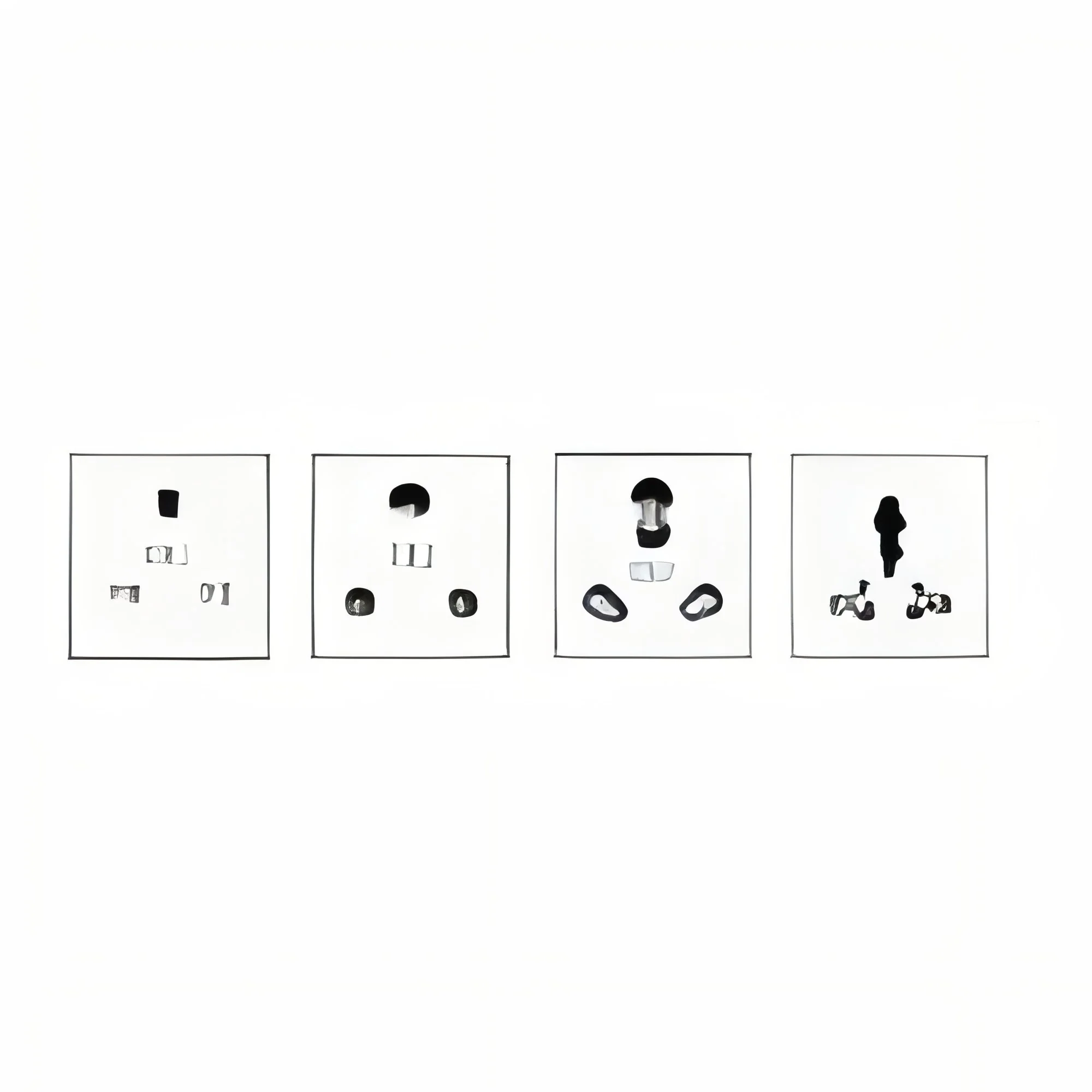
3. Socket Type
- Refers to the configuration of the socket which can vary by region.
- Examples include Type A, B, C, and D.
4. Material Composition
- Describes the materials used in the socket construction.
- Common materials include thermoplastic and metal.
5. Safety Features
- Includes features such as surge protection and child safety shutters.
- Enhances user safety and protects connected devices.
6. Installation Type
- Indicates how the socket is mounted, either surface or flush-mounted.
- Affects installation flexibility and aesthetics.
7. Compliance Standards
- Refers to adherence to industry safety standards, such as CE certification.
- Ensures reliability and safety in use.
In summary, these specifications provide essential information to help buyers select the appropriate electrical sockets for their specific applications.
Common Applications and Use Cases
Electrical sockets are utilized across various sectors, showcasing their versatility and importance.
1. Residential: In homes, electrical sockets are used for everyday appliances, including televisions, refrigerators, and computers, ensuring household functionality.
2. Commercial: In offices, sockets facilitate the operation of computers, printers, and other electronic equipment that are vital for business operations.
3. Industrial: In manufacturing plants, heavy machinery and tools require specialized sockets to ensure safe and efficient operation of equipment.
4. Healthcare: Hospitals utilize electrical sockets for medical devices and equipment, emphasizing the need for reliability and safety in critical environments.
5. Hospitality: Hotels and restaurants depend on electrical sockets for kitchen equipment, lighting, and guest services, enhancing operational efficiency.
6. Education: Schools and universities use sockets in classrooms and laboratories to power educational tools and technology for learning.
7. Retail: In retail spaces, sockets are essential for powering display lighting, point-of-sale systems, and other electronic devices that enhance customer experience.
Product Variants and Subcategories
Electrical sockets come in various designs and configurations to suit different needs and environments.
Standard Socket
This is the most common type, used in household and commercial settings. Features include multiple outlets and compatibility with various plug types, making it versatile for everyday use.
Smart Socket
These sockets incorporate technology that allows for remote control and automation. They can be integrated into smart home systems, enabling energy management and enhanced convenience.
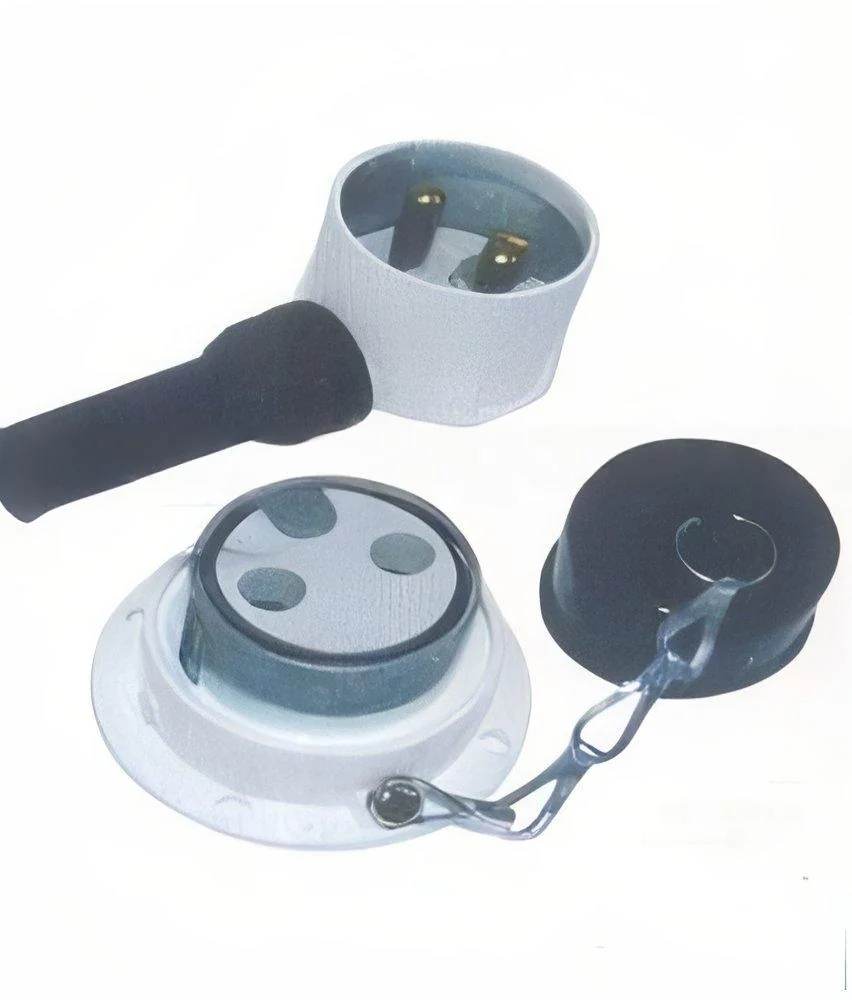
Weatherproof Socket
Designed for outdoor use, these sockets are resistant to moisture and dust. They are ideal for gardens, patios, and industrial environments where exposure to the elements is a concern.
Surge-Protected Socket
These sockets include built-in surge protection to safeguard connected devices from voltage spikes. They are particularly useful in areas prone to electrical fluctuations.
Benefits and Advantages
Choosing the right electrical sockets offers numerous advantages that can enhance safety and efficiency.
1. Enhanced Safety: Electrical sockets with safety features minimize the risk of electrical shocks and device damage, ensuring a safer environment.
2. Energy Efficiency: Modern sockets can include energy-saving technology that reduces power consumption, contributing to lower utility costs.
3. Versatility: With various types available, electrical sockets can accommodate a wide range of devices, making them suitable for diverse applications.
4. Reliability: High-quality sockets ensure consistent power delivery, reducing downtime and maintenance costs associated with faulty electrical connections.
5. Ease of Installation: Many sockets are designed for quick and easy installation, saving time and labor costs during setup.
6. Compliance Assurance: Sockets that meet industry standards provide peace of mind, ensuring they are safe and efficient for use in any setting.
Buying Guide for B2B Buyers
When sourcing electrical sockets, it is essential to consider several factors to ensure the right choice.
1. Quality Assessment: Assess the quality of sockets by reviewing manufacturer specifications and customer feedback. Look for certifications that indicate compliance with industry standards.
2. Supplier Verification: Vet suppliers by checking their credentials, past performance, and reputation in the industry. Reliable suppliers should provide transparency and assurance of product quality.
3. Pricing and MOQ: Consider the pricing structure and minimum order quantities (MOQ) offered by suppliers. Compare costs across multiple suppliers to ensure you receive competitive pricing.
4. Delivery and Lead Times: Inquire about delivery schedules and lead times to ensure that your business operations are not disrupted. Reliable suppliers should have clear logistics processes.
5. Compliance Requirements: Ensure that the sockets meet relevant compliance and regulatory standards specific to your region and industry. This will help avoid legal issues and ensure safety.
Compliance and Certifications
Electrical sockets must adhere to various compliance standards and certifications to ensure safety and reliability. One of the primary standards is ISO 9001, which focuses on quality management systems. This certification indicates that manufacturers maintain high-quality production processes.
Another important certification is CE marking, which signifies that the product meets European safety, health, and environmental protection standards. This is crucial for businesses operating in or exporting to Europe.
Safety and testing requirements are also vital. Sockets must undergo rigorous testing to ensure they can handle specified voltage and current ratings without risk of failure. Additionally, regional compliance considerations should be taken into account, as different areas may have unique regulations governing electrical products.
Why Source Electrical Sockets from Pepagora?
Pepagora provides a trusted platform for sourcing electrical sockets, offering several key advantages to B2B buyers.
Verified Supplier Network: Pepagora boasts a network of thoroughly vetted suppliers, ensuring that buyers have access to high-quality products from reliable manufacturers.
Streamlined RFQ Process: The platform features an efficient Request for Quotation (RFQ) system, enabling buyers to easily compare prices and specifications from multiple suppliers, saving time and effort in the purchasing process.
Trade Assurance and Support: Pepagora offers trade assurance to protect buyers against potential issues, along with dedicated support to assist with any inquiries or challenges during the procurement process.
Regional Coverage: With a strong presence in regions like India, the GCC, and Southeast Asia, Pepagora facilitates access to a diverse range of suppliers and products, catering to the needs of businesses in various locations.

Frequently Asked Questions
What are Electrical Sockets?
Electrical sockets are devices that provide a point of connection for electrical devices to access the power supply. They allow users to plug in appliances and equipment, ensuring a secure and reliable electrical connection.
What are the different types of Electrical Sockets?
There are several types of electrical sockets, including standard wall sockets, USB sockets, and multi-socket extensions. Each type is designed for specific applications and compatibility with various plug types.
How do I choose the right Electrical Sockets?
Choosing the right electrical socket involves considering the voltage and current ratings required for your devices, as well as the socket type that matches your plugs. Additionally, assess the installation environment to determine if specialized features, such as weatherproofing, are needed.
What are the standard specifications for Electrical Sockets?
Standard specifications for electrical sockets typically include voltage ratings, current ratings, and safety certifications. Common voltage ratings in India are 230V, and current ratings can range from 6A to 16A, depending on the socket type.
What is the price range for Electrical Sockets?
The price range for electrical sockets can vary significantly based on type, brand, and features. Generally, basic models may start from INR 50, while high-end or specialized sockets can go up to several thousand rupees.
What quality standards apply to Electrical Sockets?
Electrical sockets must comply with quality standards such as ISI certification in India, which ensures safety and reliability. Additionally, adherence to international standards like IEC can be important for certain applications.
Where can I find Electrical Sockets suppliers in India?
You can find electrical sockets suppliers in India through online B2B marketplaces like Pepagora, trade shows, and local electrical supply stores. These platforms often feature a variety of manufacturers and product offerings.
Can Electrical Sockets be customized?
Yes, many manufacturers offer customization options for electrical sockets, allowing businesses to specify features such as color, design, and additional functionalities. Customization can be particularly beneficial for branding or specific application needs.
What is the typical minimum order quantity for Electrical Sockets?
The typical minimum order quantity (MOQ) for electrical sockets can vary by supplier, but it often ranges from 100 to 500 units. It's advisable to check with specific manufacturers for their MOQ requirements.
What is the typical lead time for Electrical Sockets?
The typical lead time for electrical sockets can vary depending on factors such as the supplier's location and order size. Generally, lead times can range from 2 to 6 weeks for standard orders, while customized orders may take longer.
Why Businesses Trust Pepagora
Thousands of companies trust Pepagora to source smarter and sell faster
Expand Your Sales Globally

Source Smarter,Grow Faster
