𝗪𝗵𝗮𝘁 𝗮𝗿𝗲 𝗜𝘀𝗼𝗹𝗮𝘁𝗼𝗿𝘀 & 𝗖𝗵𝗮𝗻𝗴𝗲𝗼𝘃𝗲𝗿 𝗦𝘄𝗶𝘁𝗰𝗵𝗲𝘀?
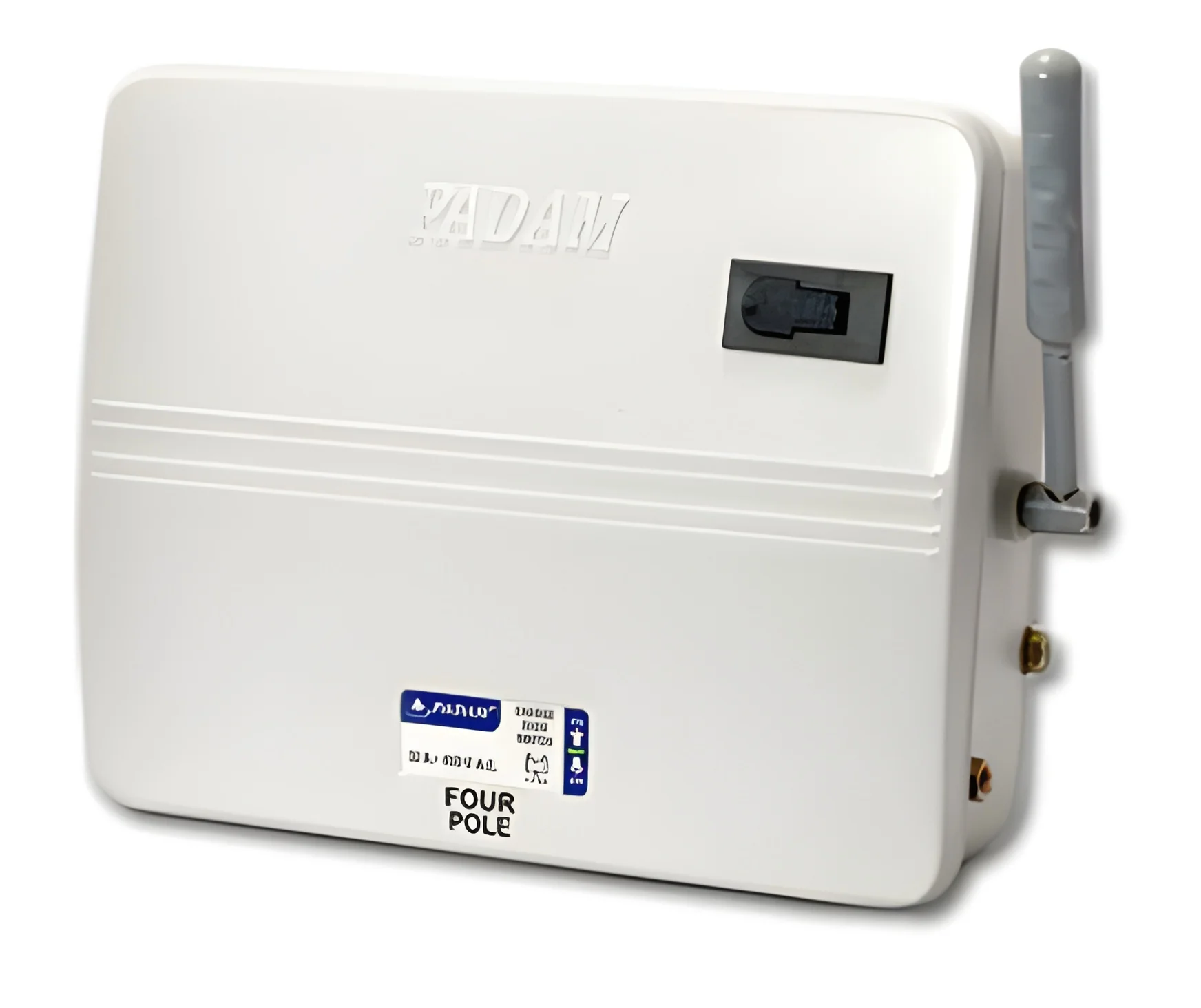
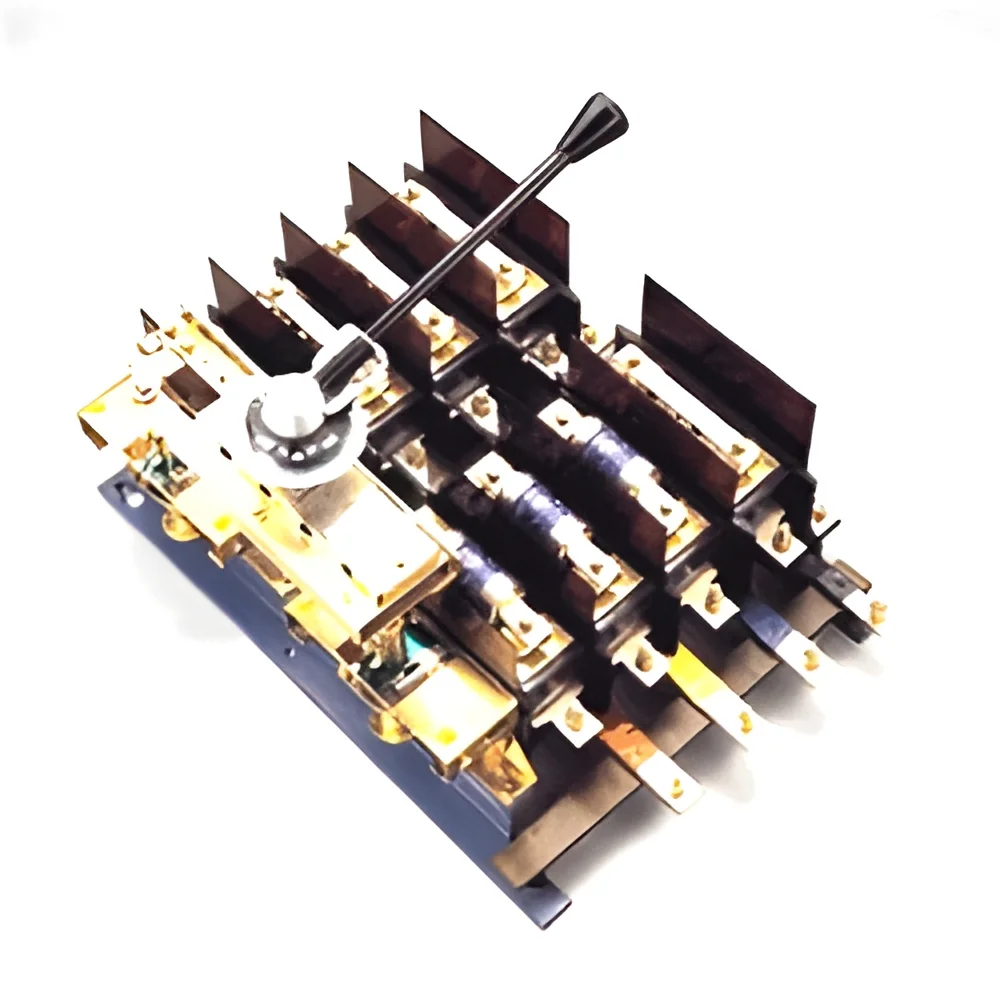
Isolators and changeover switches are critical components in electrical systems, designed to ensure safety and operational efficiency. An isolator is a switch that isolates a part of the circuit, allowing maintenance or inspection without the risk of electrical hazards. Changeover switches, on the other hand, facilitate the switching between two power sources, ensuring uninterrupted power supply to critical systems.
These devices are widely used in various industrial applications, including manufacturing plants, commercial buildings, and data centers. They play a crucial role in ensuring that electrical systems can be safely serviced while providing seamless transitions between power sources. The demand for isolators and changeover switches is on the rise, driven by the increasing reliance on electrical systems across industries.
In the current market, the relevance of isolators and changeover switches cannot be overstated. As industries continue to evolve and expand, the need for reliable and safe electrical management becomes paramount. With advancements in technology, these components are being designed to meet stringent safety standards and operational requirements, making them indispensable in modern electrical installations.
𝗞𝗲𝘆 𝗙𝗲𝗮𝘁𝘂𝗿𝗲𝘀 𝗮𝗻𝗱 𝗦𝗽𝗲𝗰𝗶𝗳𝗶𝗰𝗮𝘁𝗶𝗼𝗻𝘀
Isolators and changeover switches come with various features and specifications that enhance their performance and reliability. Understanding these specifications is essential for selecting the right product for your needs.
Key specifications include:
1. Voltage Rating
- Indicates the maximum voltage the device can handle.
- Common ranges include 230V, 400V, and 690V.
2. Current Rating
- Specifies the maximum continuous current the switch can carry.
- Typical ratings range from 16A to 1250A.
3. Number of Poles
- Refers to the number of circuits the switch can control.
- Available in single-pole, double-pole, and three-pole configurations.
4. Switching Mechanism
- Describes how the switch operates, such as manual or motorized.
- Manual switches are typically easier to operate, while motorized switches offer automation.
5. Enclosure Type
- Indicates the protection level of the device against environmental factors.
- Options include IP20, IP54, and IP67 ratings.
6. Material Construction
- Refers to the materials used, which can affect durability and performance.
- Common materials include thermoplastic and metal enclosures.
7. Safety Features
- Includes features such as interlocks and indicator lights.
- Enhances operational safety and visual confirmation of switch status.
8. Compliance Standards
- Specifies adherence to industry standards such as CE certification.
- Ensures that devices meet safety and performance regulations.
In summary, selecting the right isolator or changeover switch involves understanding these key features and specifications to ensure compatibility with your electrical systems.
𝗖𝗼𝗺𝗺𝗼𝗻 𝗔𝗽𝗽𝗹𝗶𝗰𝗮𝘁𝗶𝗼𝗻𝘀 𝗮𝗻𝗱 𝗨𝘀𝗲 𝗖𝗮𝘀𝗲𝘀
Isolators and changeover switches are used across various industries, providing essential functionality in electrical management.
1. Manufacturing: In manufacturing plants, these switches are employed to isolate machinery for maintenance and to switch between power sources for uninterrupted operation.
2. Commercial Buildings: In commercial settings, isolators are vital for ensuring safety during electrical maintenance, while changeover switches allow seamless transitions between main and backup power supplies.
3. Data Centers: In data centers, isolators and changeover switches are crucial for maintaining uptime and ensuring that backup systems are ready to activate when needed.
4. Utilities: Utility companies use these switches to manage power distribution and ensure safety during maintenance operations.
5. Telecommunications: In telecommunications, isolators help protect sensitive equipment from electrical faults while enabling safe servicing of systems.
6. Renewable Energy: In renewable energy installations, such as solar farms, changeover switches are used to switch between grid power and generated power, enhancing system reliability.
7. Transportation: In transportation systems, isolators are used in rail and road infrastructure to ensure safe electrical management during maintenance activities.
𝗣𝗿𝗼𝗱𝘂𝗰𝘁 𝗩𝗮𝗿𝗶𝗮𝗻𝘁𝘀 𝗮𝗻𝗱 𝗦𝘂𝗯𝗰𝗮𝘁𝗲𝗴𝗼𝗿𝗶𝗲𝘀
Isolators and changeover switches come in various types, each designed to meet specific operational needs.
Manual Changeover Switches: These switches allow operators to manually switch between power sources. They are often used in residential and small commercial applications for ease of use and simplicity.
Automatic Changeover Switches: These switches automatically switch to backup power sources during outages. They are commonly used in critical applications like hospitals and data centers where constant power supply is essential.
Isolator Switches: Designed for isolating parts of electrical circuits during maintenance, these switches prevent accidental energization and enhance safety during inspections.
Load Break Switches: These switches allow for the disconnection of electrical loads while ensuring safety during operation. They are often used in industrial settings where load management is critical.
𝗕𝗲𝗻𝗲𝗳𝗶𝘁𝘀 𝗮𝗻𝗱 𝗔𝗱𝘃𝗮𝗻𝘁𝗮𝗴𝗲𝘀
Isolators and changeover switches offer several benefits that enhance operational efficiency and safety.
1. Safety Assurance: These devices provide a critical safety mechanism by isolating electrical circuits during maintenance, reducing the risk of electrical hazards.
2. Reliable Power Management: Changeover switches ensure a seamless transition between power sources, minimizing downtime and maintaining operational continuity.
3. Enhanced System Flexibility: The ability to switch between multiple power sources allows businesses to optimize their energy usage and costs.
4. Durability: Many isolators and changeover switches are built to withstand harsh industrial environments, ensuring long-term reliability.
5. Compliance with Standards: Sourcing certified products ensures adherence to industry standards, enhancing safety and performance.
6. User-Friendly Operation: Many models are designed for easy operation, facilitating quick and safe switching between circuits.
𝗕𝘂𝘆𝗶𝗻𝗴 𝗚𝘂𝗶𝗱𝗲 𝗳𝗼𝗿 𝗕𝟮𝗕 𝗕𝘂𝘆𝗲𝗿𝘀
When sourcing isolators and changeover switches, several key factors should be considered to ensure the right choice for your business.
1. Quality Assessment: Evaluate the quality of the switches by checking for certifications and compliance with industry standards. High-quality switches will have a longer lifespan and better performance.
2. Supplier Verification: Vet suppliers by reviewing their reputation, customer feedback, and history of service. A reliable supplier will provide quality products and support.
3. Pricing and MOQ: Analyze the cost of switches and understand the minimum order quantities (MOQ) to ensure that your budget and inventory requirements align.
4. Delivery and Lead Times: Consider the logistics involved in sourcing the switches, including delivery times and shipping options. Ensure that suppliers can meet your deadlines.
5. Compliance Requirements: Familiarize yourself with any regulatory requirements that may apply to your industry. Ensure that the products you source meet these standards.
𝗖𝗼𝗺𝗽𝗹𝗶𝗮𝗻𝗰𝗲 𝗮𝗻𝗱 𝗖𝗲𝗿𝘁𝗶𝗳𝗶𝗰𝗮𝘁𝗶𝗼𝗻𝘀
Isolators and changeover switches must adhere to several quality standards and certifications to ensure safety and reliability in operation. Relevant standards include ISO 9001, which outlines quality management principles, and CE marking, which indicates compliance with European safety regulations.
Safety and testing requirements are crucial in ensuring that these devices can operate effectively under various conditions. Manufacturers often conduct rigorous testing to verify performance and reliability.
Additionally, regional compliance considerations may vary based on local regulations. It is essential to understand and comply with these requirements to ensure safe operation and market acceptance.
𝗪𝗵𝘆 𝗦𝗼𝘂𝗿𝗰𝗲 𝗜𝘀𝗼𝗹𝗮𝘁𝗼𝗿𝘀 & 𝗖𝗵𝗮𝗻𝗴𝗲𝗼𝘃𝗲𝗿 𝗦𝘄𝗶𝘁𝗰𝗵𝗲𝘀 𝗳𝗿𝗼𝗺 𝗣𝗲𝗽𝗮𝗴𝗼𝗿𝗮?
Pepagora provides a trusted platform for sourcing isolators and changeover switches, offering several key advantages for B2B buyers.
Verified Supplier Network: We connect buyers with a network of verified suppliers, ensuring that the products sourced meet industry standards and quality requirements. This verification process helps mitigate risks associated with sourcing.
Streamlined RFQ Process: Our platform features a streamlined Request for Quotation (RFQ) process, allowing buyers to easily obtain quotes from multiple suppliers. This efficiency saves time and helps in making informed purchasing decisions.
Trade Assurance and Support: Pepagora offers trade assurance, providing buyers with a level of protection during transactions. Our support team is available to assist with any queries or issues, ensuring a smooth sourcing experience.
Regional Coverage: With a focus on regions like India, the Gulf Cooperation Council (GCC), and Southeast Asia, Pepagora helps buyers connect with suppliers in their geographic area, enhancing accessibility and reducing shipping costs.
Through these advantages, Pepagora stands out as a reliable partner for sourcing isolators and changeover switches in the B2B marketplace.

 IN
IN