
 IN
Hazardous Goods Storage
1 products available
What are Hazardous Goods Storage?
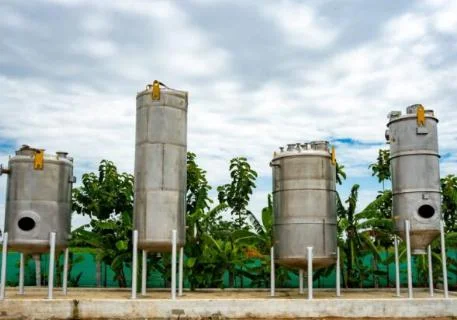
Hazardous goods storage refers to specialized facilities and equipment designed to safely store materials that pose risks to health, safety, or the environment. These materials can include chemicals, flammable substances, corrosive materials, and toxic agents. The primary goal of hazardous goods storage is to minimize the risk of accidents, spills, and exposure, ensuring compliance with safety regulations.
Businesses across various sectors utilize hazardous goods storage to safeguard their operations and meet regulatory requirements. Industries such as manufacturing, pharmaceuticals, and construction often deal with hazardous materials and must implement stringent storage solutions. These storage systems are not only essential for protecting employees and the environment but also play a crucial role in maintaining operational efficiency and avoiding costly penalties due to non-compliance.
The relevance of hazardous goods storage continues to grow in today's market, driven by increasing regulatory scrutiny and heightened awareness of environmental issues. As companies strive to adhere to safety standards and sustainability practices, the demand for effective hazardous goods storage solutions is expected to rise. This trend presents significant opportunities for suppliers and manufacturers in the industrial sector.
Key Features and Specifications
When evaluating hazardous goods storage solutions, it is important to understand their key features and specifications. These features ensure that the storage systems operate effectively and safely, providing peace of mind to businesses dealing with hazardous materials.
Key specifications include:
1. Material Composition
- Typically constructed from durable, corrosion-resistant materials
- Designed to withstand harsh environmental conditions
2. Capacity
- Available in various sizes to accommodate different volumes of hazardous materials
- Specifications may vary based on the specific application and industry requirements
3. Ventilation Systems
- Equipped with built-in ventilation to prevent the buildup of harmful gases
- May include filters to ensure air quality is maintained
4. Secondary Containment
- Features secondary containment systems to mitigate leaks and spills
- Complies with environmental regulations to protect surrounding areas
5. Fire Resistance
- Designed to resist ignition and limit fire spread
- Compliant with fire safety regulations and standards
6. Accessibility
- Designed for easy access while ensuring security
- May include locking mechanisms to limit access to authorized personnel
7. Customization Options
- Available with customizable features to meet specific business needs
- Options may include shelving, lighting, and monitoring systems
8. Compliance Standards
- Must meet relevant industry standards and regulations
- Certifications may include CE marking and adherence to ISO standards
In summary, understanding these specifications is crucial for businesses looking to invest in hazardous goods storage solutions that prioritize safety and compliance.
Common Applications and Use Cases
Hazardous goods storage solutions find applications across various industries that handle dangerous materials.
1. Manufacturing: Facilities often store chemicals and solvents used in production processes, necessitating secure and compliant storage options.
2. Pharmaceuticals: These facilities require safe storage for active pharmaceutical ingredients (APIs) and hazardous waste, ensuring compliance with health regulations.
3. Oil and Gas: Companies in this sector utilize hazardous goods storage for flammable liquids and chemicals, implementing strict safety measures to protect personnel and the environment.
4. Construction: Construction sites frequently store hazardous materials such as paints, adhesives, and solvents, necessitating well-designed storage solutions.
5. Agriculture: Farmers and agricultural businesses store pesticides and fertilizers, requiring safe containment to minimize risks to human health and the environment.
6. Laboratories: Research facilities often deal with toxic substances and chemicals, necessitating specialized storage to ensure safety and compliance.
7. Transportation: Companies involved in the transportation of hazardous goods require secure storage during transit to prevent accidents and ensure regulatory compliance.
Product Variants and Subcategories
Hazardous goods storage solutions offer a range of variants to accommodate diverse needs.
Portable Storage Units: These units are designed for temporary storage on-site, allowing flexibility for businesses that require mobility. They are equipped with safety features and can be customized for specific hazardous materials.
Fixed Storage Solutions: Designed for permanent installations, these solutions provide robust safety features and are typically larger in size. They can be customized with shelving, ventilation, and security systems to meet stringent storage requirements.
Walk-in Containers: These storage solutions allow easy access for employees and can accommodate larger volumes of hazardous materials. They are equipped with safety features and can be customized to meet specific industry needs.
Chemical Storage Cabinets: Ideal for smaller quantities of hazardous materials, these cabinets offer secure storage and are often used in laboratories or workshops.
Benefits and Advantages
Investing in hazardous goods storage solutions offers numerous benefits for businesses handling hazardous materials.
Key benefits include:
1. Enhanced Safety: Proper storage minimizes the risk of accidents, spills, and exposure, protecting employees and the environment.
2. Regulatory Compliance: These storage solutions help businesses comply with safety regulations, reducing the risk of fines and legal liabilities.
3. Improved Efficiency: Well-organized storage systems streamline operations, making it easier for employees to access materials safely and efficiently.
4. Environmental Protection: Effective hazardous goods storage mitigates environmental risks associated with spills and leaks, supporting sustainability initiatives.
5. Customization: Many storage solutions can be tailored to specific business needs, ensuring that requirements are met.
6. Long-term Cost Savings: Investing in proper storage can reduce potential costs associated with accidents, fines, and non-compliance.
Buying Guide for B2B Buyers
When sourcing hazardous goods storage solutions, several factors should be considered to ensure the best purchase decision.
1. Quality Assessment: Evaluate the materials and construction of storage solutions to ensure durability and safety. Look for products made from corrosion-resistant materials that meet industry standards.
2. Supplier Verification: Vet suppliers to ensure they have a reputation for quality and compliance. Check for certifications and customer reviews to confirm their credibility.
3. Pricing and MOQ: Understand the pricing structure and minimum order quantities (MOQ) to ensure that it aligns with your budget and needs. Compare quotes from multiple suppliers for the best deal.
4. Delivery and Lead Times: Consider the logistics of delivery and lead times to ensure that your storage solutions arrive when needed. Discuss timelines with suppliers to avoid disruptions.
5. Compliance Requirements: Familiarize yourself with local and industry-specific regulations regarding hazardous goods storage. Ensure that selected solutions meet these compliance standards to avoid legal issues.
Compliance and Certifications
Hazardous goods storage solutions must adhere to various quality standards and regulations to ensure safety and reliability.
Relevant quality standards include ISO 9001, which focuses on quality management systems, ensuring that manufacturers maintain high-quality production processes. Additionally, HACCP (Hazard Analysis and Critical Control Points) is essential for food-related industries, ensuring that hazardous materials do not compromise food safety.
Industry certifications such as CE marking indicate compliance with European health, safety, and environmental protection standards. This certification is crucial for businesses operating in regions where these standards are mandatory.
Safety and testing requirements are also critical for hazardous goods storage solutions. Manufacturers must conduct rigorous testing to ensure that storage systems can withstand potential hazards, such as fire, chemical spills, and environmental conditions.
Regional compliance considerations should not be overlooked, as various regions have specific regulations and guidelines governing hazardous materials. Businesses must ensure that their storage solutions comply with these local regulations to avoid penalties and ensure safe operations.
Why Source Hazardous Goods Storage from Pepagora?
Pepagora provides a trusted platform for sourcing hazardous goods storage with several key advantages.
Verified Supplier Network: Pepagora connects businesses with a network of verified suppliers, ensuring that all storage solutions meet high standards of quality and compliance. This network reduces the risk of sourcing from unreliable vendors.
Streamlined RFQ Process: The platform features a user-friendly request for quotation (RFQ) system that simplifies the procurement process. Buyers can easily compare options and receive tailored quotes from multiple suppliers.
Trade Assurance and Support: Pepagora offers trade assurance to protect buyers during the sourcing process. This includes support for any issues that may arise, ensuring a smoother transaction experience.
Regional Coverage: With a broad geographic reach across India, the GCC, and Southeast Asia, Pepagora enables businesses to find local suppliers that understand regional compliance requirements and can deliver solutions efficiently.
By choosing Pepagora, businesses can ensure they are sourcing hazardous goods storage solutions that prioritize safety, compliance, and quality.



Frequently Asked Questions
What are Hazardous Goods Storage?
Hazardous Goods Storage refers to the safe and compliant storage of materials that pose risks to health, safety, or the environment. These materials can be chemicals, flammable substances, or toxic agents that require specific handling and storage measures.
What are the different types of Hazardous Goods Storage?
There are various types of Hazardous Goods Storage, including flammable liquid storage cabinets, acid storage cabinets, and explosion-proof containers. Each type is designed to meet the specific requirements of different hazardous materials, ensuring safety and compliance with regulations.
How do I choose the right Hazardous Goods Storage?
Choosing the right Hazardous Goods Storage involves assessing the type of hazardous materials you need to store, their quantities, and the specific safety regulations applicable to your industry. It is also important to consider the storage environment and accessibility requirements.
What are the standard specifications for Hazardous Goods Storage?
Standard specifications for Hazardous Goods Storage typically include fire resistance ratings, spill containment capabilities, and ventilation requirements. Additionally, storage units must comply with local and national safety regulations governing hazardous materials.
What is the price range for Hazardous Goods Storage?
The price range for Hazardous Goods Storage can vary widely based on factors such as the type of storage unit, its capacity, and the materials used in its construction. Generally, prices can start from a few thousand Indian Rupees and go up to several lakhs for specialized units.
What quality standards apply to Hazardous Goods Storage?
Quality standards for Hazardous Goods Storage often include compliance with ISO standards, local safety regulations, and industry-specific guidelines. These standards ensure that storage solutions are reliable, durable, and safe for use with hazardous materials.
Where can I find Hazardous Goods Storage suppliers in India?
You can find Hazardous Goods Storage suppliers in India through B2B marketplaces like Pepagora, industry trade shows, and online directories. It is advisable to check the suppliers' credentials and customer reviews to ensure quality and reliability.
Can Hazardous Goods Storage be customized?
Yes, many manufacturers offer customization options for Hazardous Goods Storage to meet specific requirements. Customizations can include size adjustments, additional safety features, or specialized coatings to withstand particular chemicals.
What is the typical minimum order quantity for Hazardous Goods Storage?
The typical minimum order quantity (MOQ) for Hazardous Goods Storage varies depending on the supplier and the type of storage unit. It can range from a single unit for standard products to larger quantities for custom or specialized storage solutions.
What is the typical lead time for Hazardous Goods Storage?
The typical lead time for Hazardous Goods Storage can range from a few days to several weeks, depending on the availability of the product and any customization required. It is advisable to confirm lead times with the supplier at the time of order placement.
Why Businesses Trust Pepagora
Thousands of companies trust Pepagora to source smarter and sell faster
Expand Your Sales Globally

Source Smarter,Grow Faster
