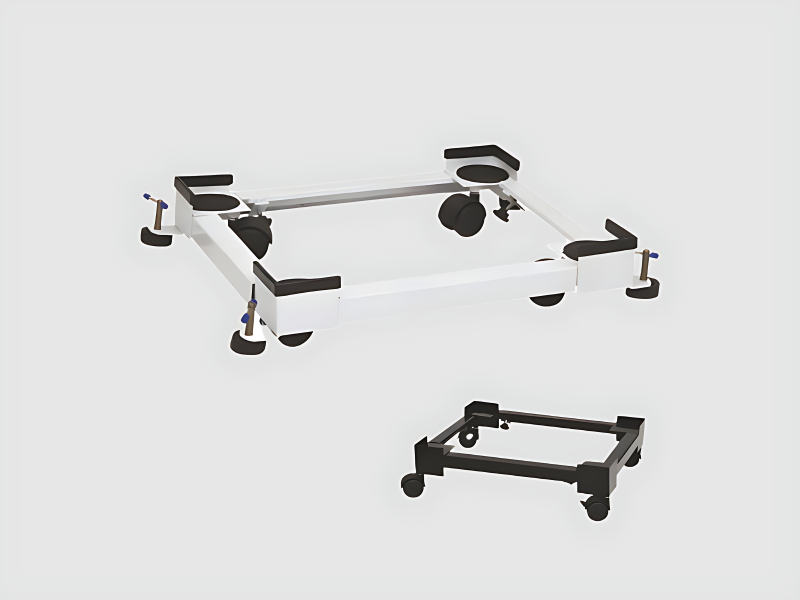
What are Hanging Racks & Hooks?
Hanging racks and hooks are essential organizational tools used for storing and displaying a variety of items in both commercial and industrial settings. These products are designed to efficiently utilize vertical space, allowing businesses to keep their environments tidy and organized. They come in various designs, materials, and load capacities to accommodate different needs and applications.
In business applications, hanging racks and hooks are commonly found in warehouses, retail stores, workshops, and manufacturing facilities. They are used to hold tools, equipment, merchandise, and other materials securely. By providing clear visibility and easy access to items, these products enhance operational efficiency and safety. The demand for hanging racks and hooks is prevalent across multiple industries, driven by the need for improved workspace management and inventory control.
Key Features and Specifications
Hanging racks and hooks feature a range of specifications that cater to different operational needs. Understanding these specifications helps businesses select the most suitable products for their requirements.
Key specifications include:
1. Load Capacity
- The maximum weight the rack or hook can hold
- Typically ranges from 50 to 500 pounds, depending on the design
2. Material Construction
- Common materials include steel, aluminum, and plastic
- Each material offers different durability and weight characteristics
3. Finish Type
- Options include powder-coated, galvanized, or stainless steel
- Finishes enhance corrosion resistance and aesthetic appeal
4. Installation Type
- Can be wall-mounted, ceiling-mounted, or freestanding
- Installation type affects space utilization and accessibility
5. Hook Design
- Variations include straight, curved, or adjustable hooks
- Different designs accommodate various hanging needs
6. Dimensions
- Available in multiple sizes to fit different spaces
- Common lengths range from 24 to 72 inches
7. Adjustable Features
- Some racks offer adjustable heights or widths
- Flexibility allows for customization based on specific needs
8. Safety Features
- Includes rounded edges and secure locking mechanisms
- Enhances user safety and prevents accidental drops
In summary, understanding the key features and specifications of hanging racks and hooks is essential for businesses to make informed purchasing decisions.
Common Applications and Use Cases
Hanging racks and hooks serve diverse industries, providing tailored solutions for specific applications.
1. Retail: In retail environments, hanging racks are used to display clothing, accessories, and promotional items. They enhance visibility and encourage customer interaction with products.
2. Warehousing: Warehouses utilize heavy-duty hooks and racks to store tools, pallets, and inventory. This organization maximizes space and improves inventory management.
3. Manufacturing: In manufacturing settings, hanging racks keep tools and equipment organized and readily accessible. This setup streamlines workflow and enhances productivity.
4. Hospitality: Hotels and restaurants use hanging racks for storing kitchen utensils, cleaning supplies, and linens. This organization helps maintain cleanliness and efficiency in service areas.
5. Automotive: Automotive shops use hanging racks and hooks for tools and parts organization. This ensures that mechanics can quickly find the equipment they need, reducing downtime.
6. Construction: In construction sites, hanging racks are essential for storing safety gear and tools. This aids in maintaining safety standards and efficient operations.
7. Healthcare: Hospitals and clinics use racks for organizing medical supplies and equipment. This ensures quick access to necessary items, improving patient care.
Product Variants and Subcategories
Hanging racks and hooks are available in a variety of designs and functionalities, allowing businesses to choose products that best fit their needs.
Heavy-Duty Hanging Racks
These racks are designed to hold substantial weight and are made from robust materials. Ideal for industrial settings, they are perfect for storing heavy tools and equipment.
Wall-Mounted Hooks
These hooks are fixed to walls and are perfect for maximizing vertical space. They are commonly used in retail for displaying items and in workshops for organizing tools.
Adjustable Hanging Racks
These racks can be customized in height and width, making them versatile for various applications. They are useful in settings where storage needs may change frequently.
Mobile Hanging Racks
Equipped with wheels, these racks can be easily moved around. They are ideal for environments where flexibility and mobility are essential, such as in event spaces or warehouses.
Benefits and Advantages
Hanging racks and hooks offer several advantages that enhance operational efficiency and organization.
1. Space Optimization: These products make use of vertical space, allowing businesses to store more items in a smaller footprint.
2. Improved Accessibility: Items stored on hanging racks and hooks are easily visible and accessible, which increases productivity and reduces search time.
3. Enhanced Safety: Proper organization prevents clutter and reduces the risk of accidents in the workplace.
4. Increased Durability: Many hanging racks and hooks are made from high-quality materials designed to withstand regular use, ensuring longevity.
5. Customization Options: Various designs and sizes allow businesses to tailor their storage solutions to their specific needs.
6. Cost-Effective Solution: Investing in hanging racks and hooks can lead to improved efficiency and organization, translating to cost savings in the long run.
Buying Guide for B2B Buyers
When sourcing hanging racks and hooks, it is important for buyers to consider several factors to ensure they make the right choice.
1. Quality Assessment: Evaluate the materials and construction quality. Look for products with good reviews or certifications that indicate durability and reliability.
2. Supplier Verification: Conduct thorough research on potential suppliers. Ensure they have a proven track record and offer reliable customer service.
3. Pricing and MOQ: Understand the pricing structure and minimum order quantities. Compare quotes from different suppliers to find the best value.
4. Delivery and Lead Times: Confirm the expected delivery times and ensure they align with your business needs. Timely delivery is critical for maintaining inventory levels.
5. Compliance Requirements: Ensure that the products meet any relevant industry standards and regulations. This may include safety certifications or environmental considerations.
Compliance and Certifications
Hanging racks and hooks may be subject to various compliance and certification standards, ensuring they meet safety and quality requirements.
Relevant quality standards such as ISO 9001 emphasize the importance of quality management systems. Compliance with these standards ensures consistent product quality and reliability.
The CE marking indicates that a product meets European safety and health requirements. This certification is crucial for businesses operating within or exporting to the European market.
Safety and testing requirements must be adhered to, ensuring that the racks and hooks can safely support their intended loads. Manufacturers should provide test results or certifications to verify compliance.
Regional compliance considerations may vary, so it is important for buyers to understand local regulations that may impact the use and sourcing of hanging racks and hooks.
Why Source Hanging Racks & Hooks from Pepagora?
Pepagora provides a trusted platform for sourcing hanging racks and hooks, offering several key advantages to B2B buyers.
Verified Supplier Network: Pepagora boasts a robust network of verified suppliers. Each supplier undergoes a thorough vetting process, ensuring buyers can trust the quality and reliability of their products.
Streamlined RFQ Process: The request for quotation (RFQ) process is designed for efficiency. Buyers can easily submit their requirements and receive competitive quotes from multiple suppliers, simplifying the sourcing process.
Trade Assurance and Support: Buyers can benefit from trade assurance programs that protect their purchases. Dedicated support teams are available to assist with any inquiries or issues that may arise during the sourcing process.
Regional Coverage: Pepagora serves a wide geographic area, including India, the GCC, and Southeast Asia. This regional focus allows buyers to tap into local suppliers and services, enhancing their sourcing experience.

 IN
IN

 India
India