
 IN
Generator Control Panels
9 products available
What are Generator Control Panels?
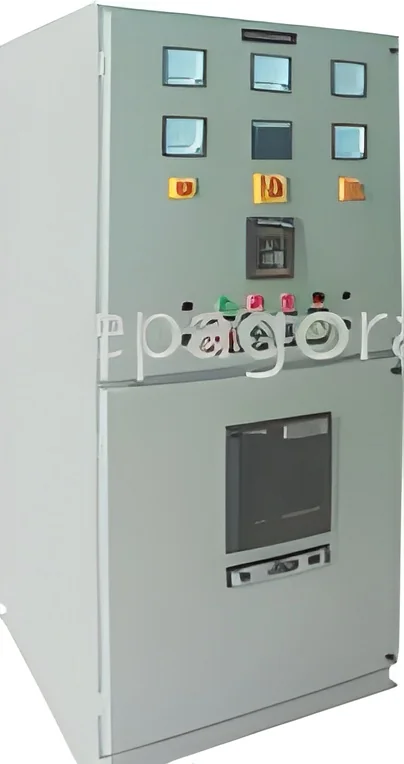
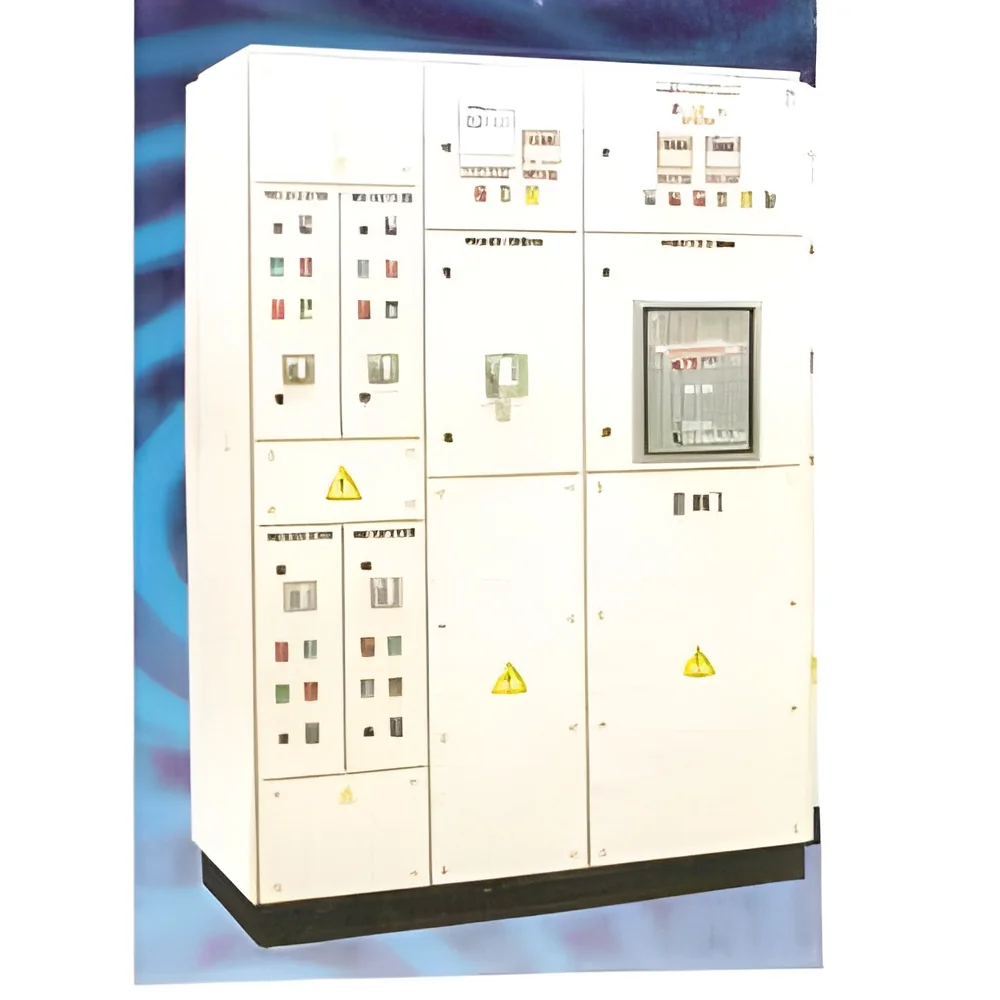
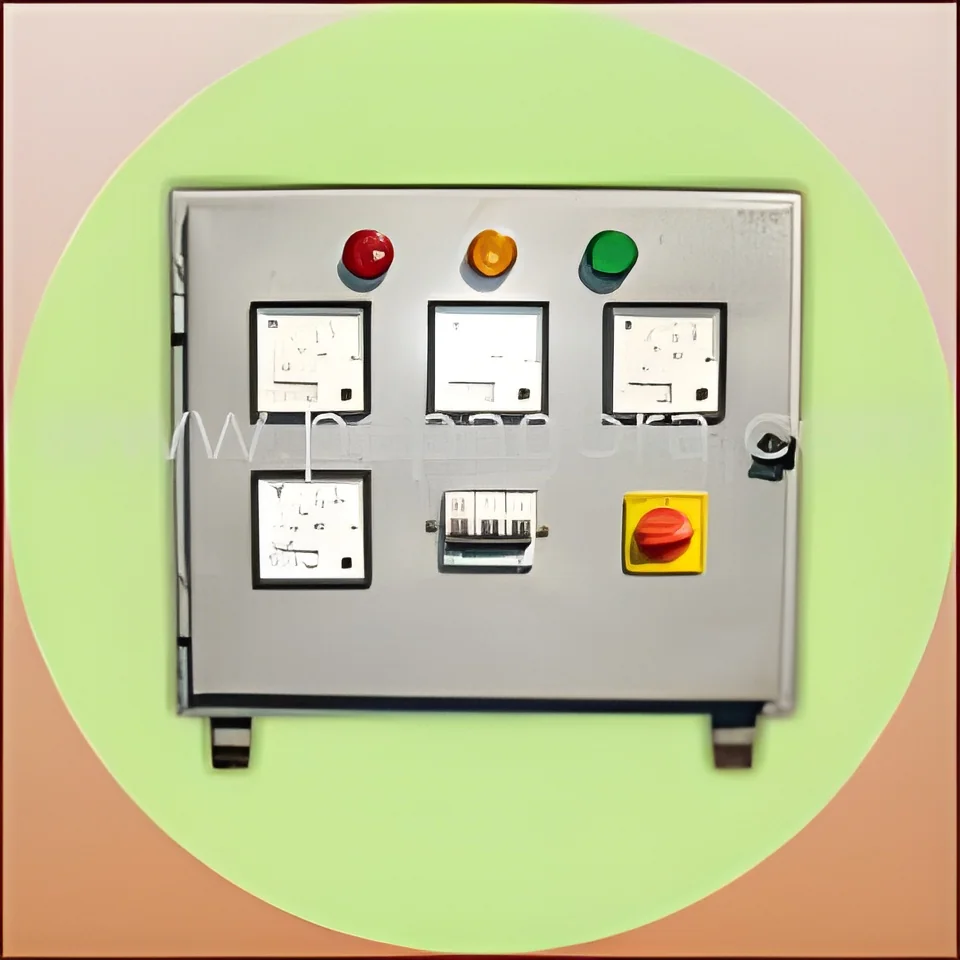
Generator control panels are essential systems designed to manage the operation of generators. They serve as the interface between the generator and the user, allowing for efficient monitoring and control of generator functions. These panels typically include components such as circuit breakers, meters, and alarm systems, which contribute to the overall functionality and safety of generator operations.
The primary uses of generator control panels span various industries, including construction, telecommunications, and manufacturing. They are crucial for ensuring that backup power is readily available during outages, thus protecting critical operations. Businesses rely on these panels to manage power distribution, monitor performance, and provide alerts in case of operational issues. The relevance of these panels is highlighted in a market where reliable power supply is paramount, making them a vital part of modern infrastructure.
Key Features and Specifications
Generator control panels come equipped with several features and specifications that enhance their functionality and reliability. Understanding these specifications helps businesses make informed purchasing decisions.
Key specifications include:
1. Monitoring Features
- Real-time monitoring of generator performance
- Display of key metrics such as voltage, frequency, and current levels
2. Circuit Protection
- Built-in circuit breakers to prevent overloads
- Safety mechanisms to protect against faults
3. Communication Interfaces
- Options for remote monitoring and control via network connections
- Compatibility with various communication protocols
4. Alarm and Notification Systems
- Visual and audible alarms for operational anomalies
- Notifications for maintenance requirements
5. User Interface
- Intuitive controls for easy operation
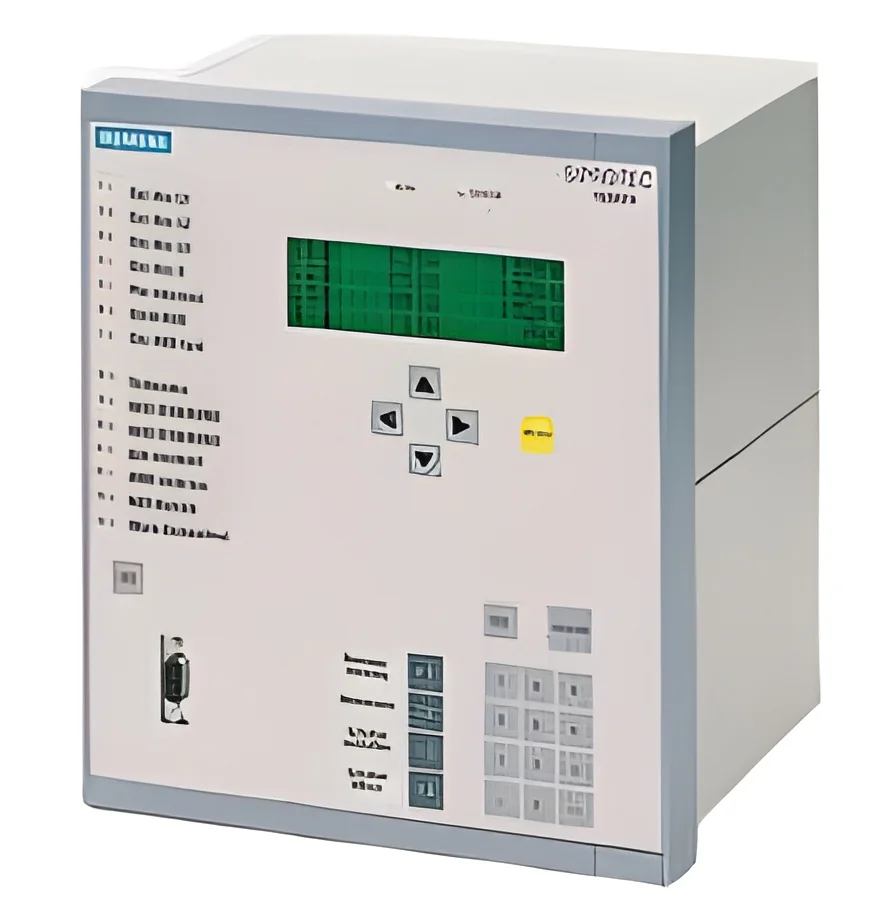
- LCD displays for clear visibility of operational data
6. Durability Standards
- Designed to withstand harsh environmental conditions
- Compliance with relevant industrial standards
7. Customization Options
- Availability of tailored solutions to meet specific requirements
- Modular designs for adaptability to various applications
8. Power Source Compatibility
- Support for different generator types and configurations
- Flexibility in voltage ratings and phase configurations
In summary, generator control panels feature a range of specifications that ensure optimal performance, safety, and user-friendliness.
Common Applications and Use Cases
Generator control panels are used across various sectors to ensure reliable power management and operational continuity.
1. Construction: In the construction industry, these panels manage temporary power supplies for tools and equipment, ensuring work can continue uninterrupted during power outages.
2. Telecommunications: In telecommunications, generator control panels are crucial for maintaining power to communication networks, safeguarding against downtime that could affect service delivery.
3. Manufacturing: Manufacturing facilities utilize generator control panels to manage backup power for machinery, which is vital for production processes and minimizing losses during power interruptions.
4. Healthcare: In healthcare settings, these panels ensure that critical medical equipment remains operational during outages, supporting patient care and safety.
5. Data Centers: Data centers rely on generator control panels to provide continuous power to servers and networks, protecting sensitive data and maintaining service reliability.
6. Agriculture: In agricultural operations, these panels support power needs for irrigation systems and equipment, critical for maintaining productivity.
7. Hospitality: Hotels and resorts use generator control panels to ensure uninterrupted power supply for guests, enhancing the customer experience.
Product Variants and Subcategories
Generator control panels come in various configurations to meet diverse operational needs.
Standard Control Panels
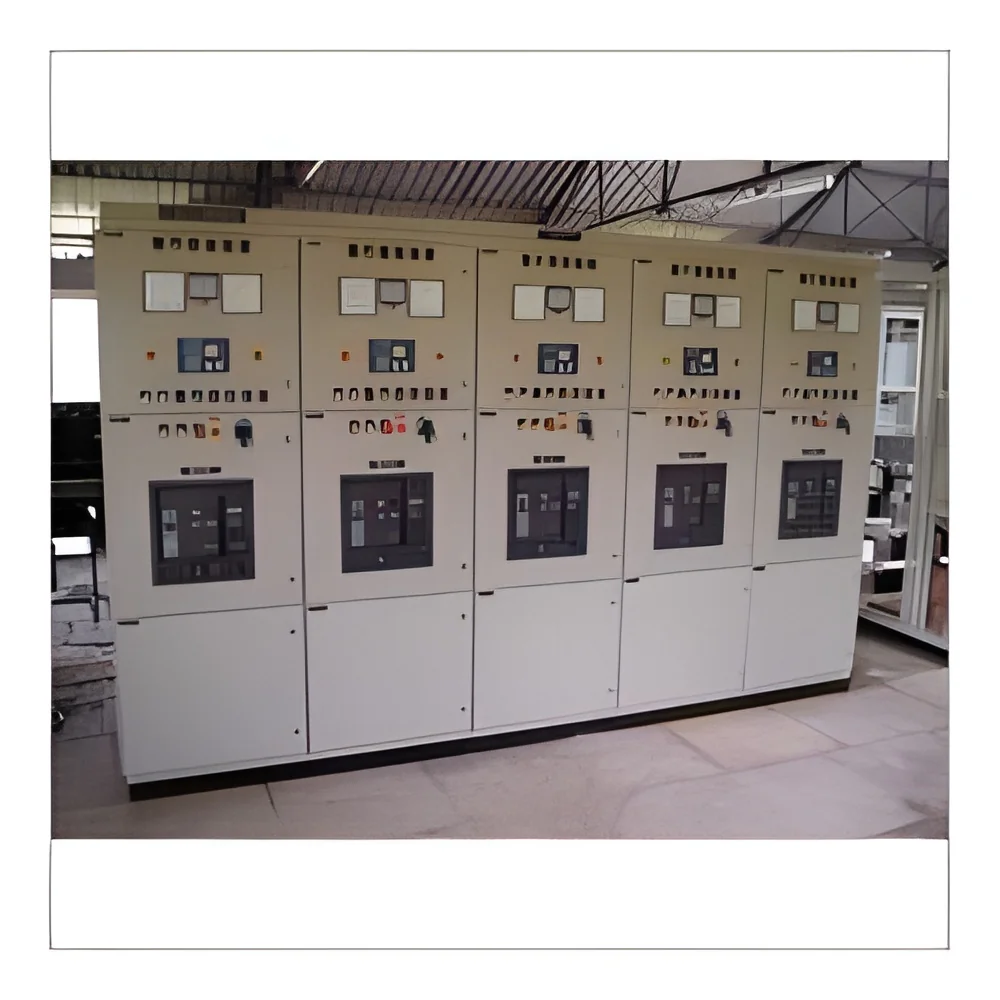
These panels are designed for general applications and include basic monitoring and control features suitable for a wide range of environments. They are often used in small to medium-sized power systems.
Advanced Control Panels
These panels offer enhanced features such as remote monitoring capabilities and advanced alarms. They are ideal for larger operations where complex power management is required, particularly in industrial settings.
Automatic Transfer Switch Panels
These specialized panels facilitate automatic switching between the main power supply and backup generators. They are essential in critical applications where seamless power transfer is necessary.
Benefits and Advantages
Generator control panels provide numerous advantages that enhance operational efficiency and safety.
1. Enhanced Reliability: They ensure a consistent power supply, minimizing the risk of downtime and operational disruptions.
2. Improved Safety: Integrated safety features protect both equipment and personnel, reducing the likelihood of accidents related to power failures.
3. Streamlined Operations: User-friendly interfaces and monitoring capabilities allow for easier management and oversight of generator functions.
4. Cost-Effectiveness: By preventing power outages, these panels can save businesses money associated with lost productivity and equipment damage.
5. Customization: The ability to tailor panels to specific needs allows businesses to optimize their power management solutions.
6. Compliance Assurance: Many panels meet industry standards and certifications, helping businesses adhere to regulatory requirements.
Buying Guide for B2B Buyers
When sourcing generator control panels, it is essential to consider several key factors to ensure you select the most suitable option.
1. Quality Assessment: Evaluate the quality of the panels by reviewing manufacturer specifications and industry certifications. Look for panels that meet recognized standards for reliability and performance.
2. Supplier Verification: Conduct thorough research on potential suppliers, checking their reputation and customer reviews. A verified supplier is crucial for ensuring product quality and support.
3. Pricing and MOQ: Understand the pricing structure and minimum order quantities. This will help you budget effectively and negotiate better terms.
4. Delivery and Lead Times: Consider logistics and the expected delivery timelines. Reliable suppliers should provide clear information on lead times to ensure timely project execution.
5. Compliance Requirements: Ensure that the panels comply with relevant regulations and safety standards. This is critical to avoid legal and operational issues in the future.
Compliance and Certifications
Generator control panels must adhere to various quality standards and certifications to ensure safety and reliability. Compliance with ISO 9001, for instance, indicates that the manufacturing process meets international quality management standards.
In addition to ISO certification, many generator control panels are CE certified, signifying compliance with European safety standards. This certification is particularly important for businesses operating in or exporting to Europe.
Safety and testing requirements are also critical. Panels should undergo rigorous testing to ensure they can withstand environmental and operational stresses. Regional compliance considerations may vary, so it is essential to be aware of local regulations governing electrical equipment.
Why Source Generator Control Panels from Pepagora?
Pepagora offers a trusted platform for sourcing generator control panels with several key advantages that cater to B2B buyers.
Verified Supplier Network: Pepagora maintains a network of verified suppliers, ensuring that buyers can find high-quality products from reputable manufacturers. This verification process helps mitigate risks associated with sourcing.
Streamlined RFQ Process: The platform simplifies the request for quotation (RFQ) process, allowing buyers to easily compare prices and specifications from multiple suppliers. This transparency aids in making informed purchase decisions.
Trade Assurance and Support: Buyers benefit from trade assurance programs that protect their transactions. Pepagora provides support throughout the purchasing process, ensuring that buyers have access to assistance when needed.
Regional Coverage: With a strong presence in India, GCC, and Southeast Asia, Pepagora offers extensive regional coverage for sourcing generator control panels. This geographic reach allows businesses to tap into diverse markets while ensuring timely delivery and support.

 India
 India
 India
 India
 India
 India
 India
 India

 India
Frequently Asked Questions
What are Generator Control Panels?
Generator Control Panels are critical components designed to manage and control the operation of generators. They provide essential functions such as monitoring, starting and stopping the generator, and protecting it from faults.
What are the different types of Generator Control Panels?
There are various types of Generator Control Panels, including automatic and manual control panels. Automatic control panels manage generator operations without human intervention, while manual panels require operator input for control.
How do I choose the right Generator Control Panels?
Choosing the right Generator Control Panels involves assessing your specific power requirements, the type of generator you have, and the functionalities you need. It's also important to consider the compatibility of the panel with your generator model.
What are the standard specifications for Generator Control Panels?
Standard specifications for Generator Control Panels typically include voltage ratings, current ratings, protection features, and communication interfaces. It's essential to refer to the manufacturer's guidelines for specific technical details.
What is the price range for Generator Control Panels?
The price range for Generator Control Panels can vary significantly based on features and specifications, generally falling between INR 5,000 to INR 50,000 or more. Customization and brand reputation can also affect pricing.
What quality standards apply to Generator Control Panels?
Generator Control Panels must adhere to various quality standards such as ISO certifications and IEC standards. Compliance ensures safety, reliability, and performance in different operating conditions.
Where can I find Generator Control Panels suppliers in India?
You can find Generator Control Panels suppliers in India through online B2B marketplaces like Pepagora.com, industry trade shows, and manufacturer directories. It's advisable to check reviews and ratings to ensure reliability.
Can Generator Control Panels be customized?
Yes, Generator Control Panels can often be customized to meet specific operational requirements. Customization options may include additional features, enhanced protection mechanisms, and tailored interfaces.
What is the typical minimum order quantity for Generator Control Panels?
The typical minimum order quantity (MOQ) for Generator Control Panels can vary by supplier, but it usually ranges from 1 to 10 units. Larger orders may also provide opportunities for better pricing.
What is the typical lead time for Generator Control Panels?
The typical lead time for Generator Control Panels can range from 2 to 6 weeks, depending on factors such as customization, supplier location, and order volume. It's recommended to confirm lead times with the supplier during the ordering process.
Why Businesses Trust Pepagora
Thousands of companies trust Pepagora to source smarter and sell faster
Expand Your Sales Globally

Source Smarter,Grow Faster
