
 IN
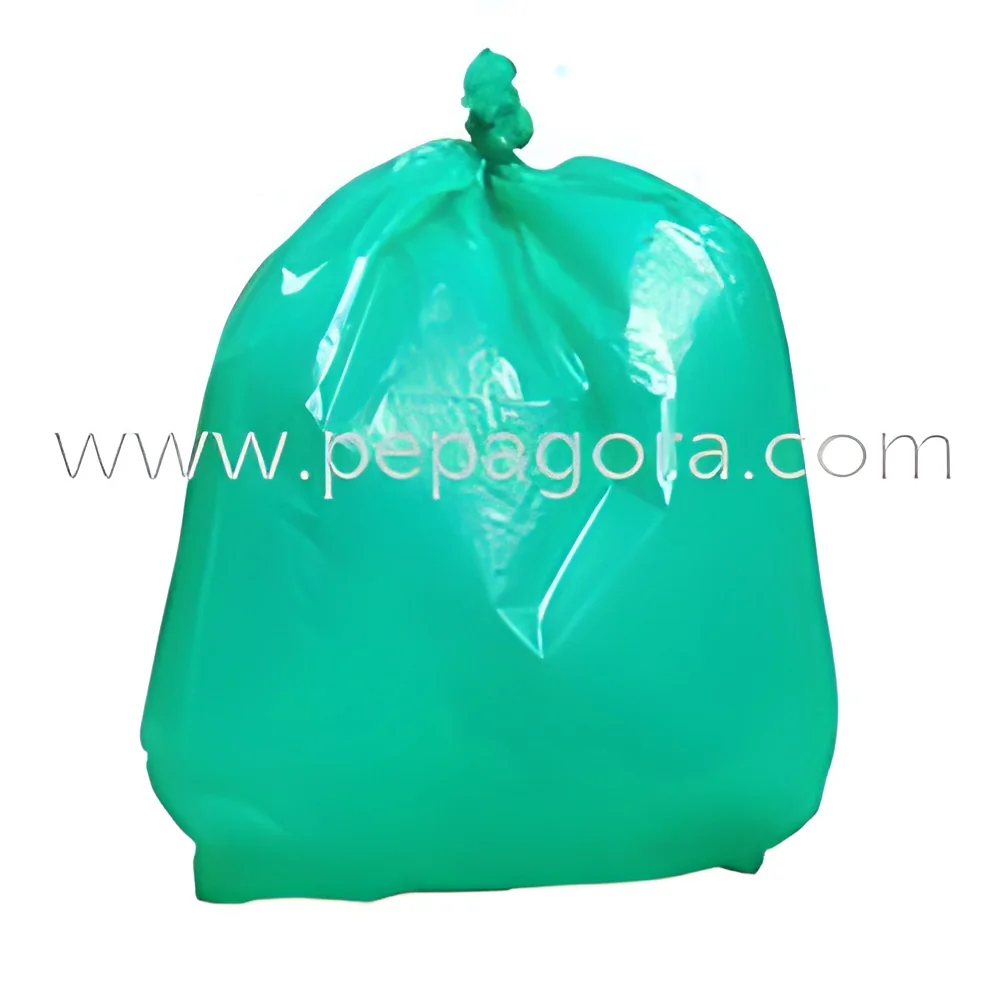
INGarbage Bags (Biodegradable, Black, Color-coded)
35 products available
Key Features and Specifications
Common Applications and Use Cases
Product Variants and Subcategories
Benefits and Advantages
Buying Guide for B2B Buyers
Compliance and Certifications






 India
India

 India
India
 India
India
 India
India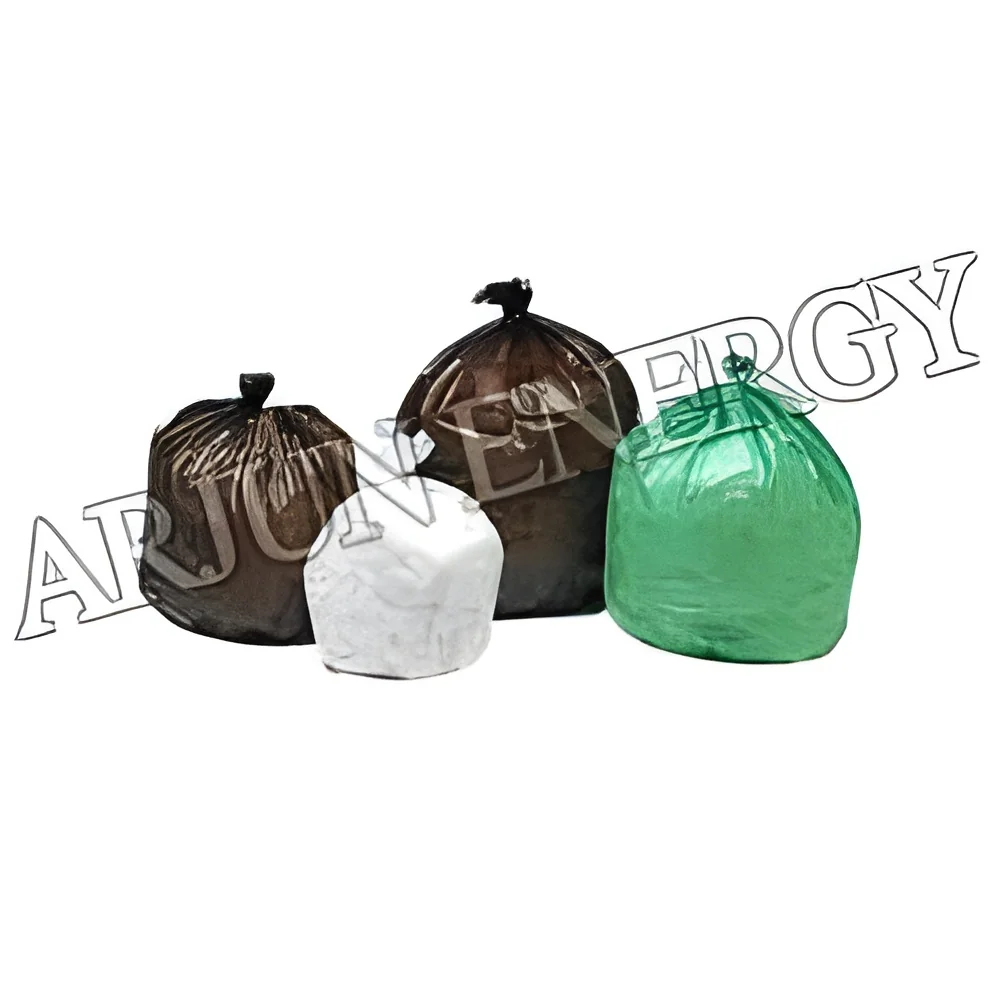
 India
India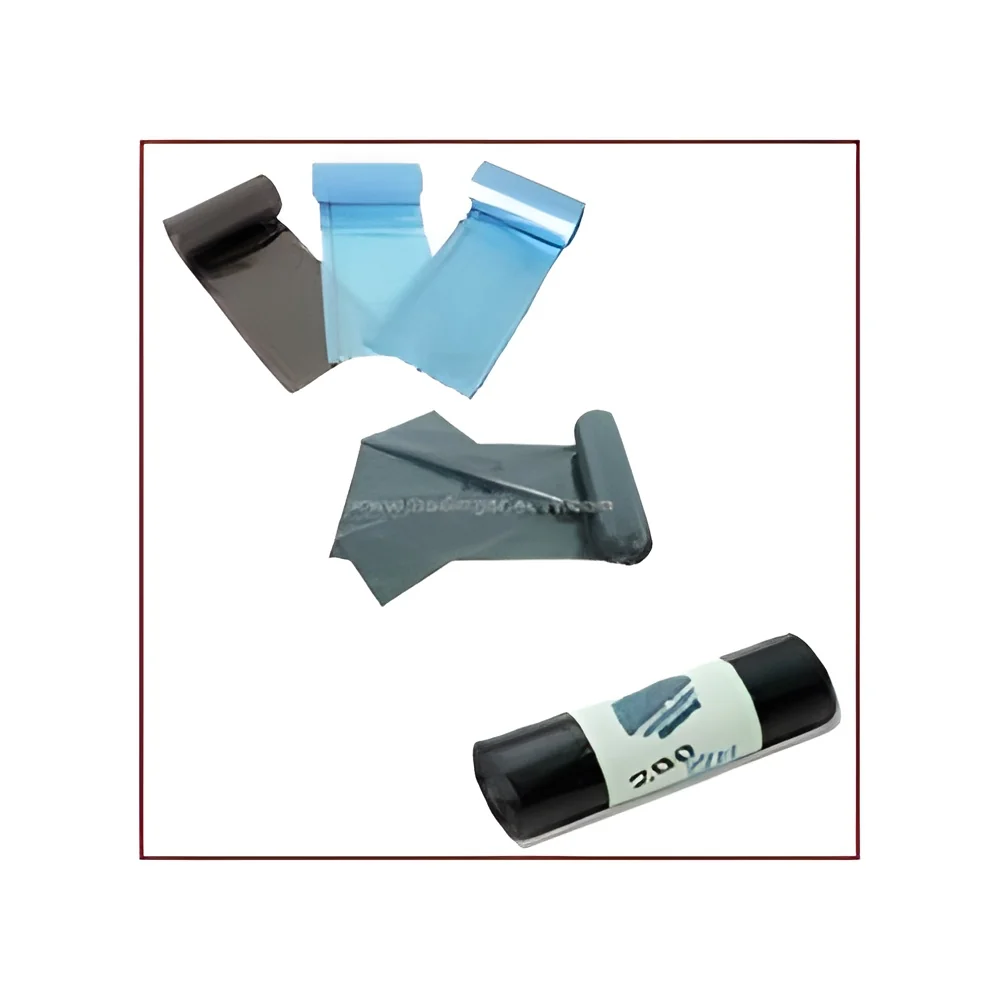
Frequently Asked Questions
What are Garbage Bags (Biodegradable, Black, Color-coded)?
Garbage Bags (Biodegradable, Black, Color-coded) are waste disposal bags designed to contain and manage waste efficiently. Biodegradable bags are made from materials that decompose naturally, while black bags are typically used for general waste, and color-coded bags are meant for segregating waste types for recycling and disposal.
What are the different types of Garbage Bags (Biodegradable, Black, Color-coded)?
The different types of Garbage Bags include biodegradable bags, which break down over time; black bags, commonly used for general waste; and color-coded bags that help in waste segregation. Color-coded bags may include options for recyclable materials, organic waste, and hazardous waste, promoting effective waste management.
How do I choose the right Garbage Bags (Biodegradable, Black, Color-coded)?
Choosing the right Garbage Bags involves considering the type of waste you will be disposing of, the capacity needed, and the environmental impact of the bag material. It's essential to assess whether biodegradable options are suitable for your needs or if traditional black or color-coded bags are more appropriate for your waste management practices.
What are the standard specifications for Garbage Bags (Biodegradable, Black, Color-coded)?
Standard specifications for Garbage Bags often include size, thickness, weight capacity, and material composition. For biodegradable bags, it's crucial to check certifications that indicate their ability to decompose effectively, while black and color-coded bags should meet durability standards for holding various types of waste.
What is the price range for Garbage Bags (Biodegradable, Black, Color-coded)?
The price range for Garbage Bags can vary widely based on type, size, and material quality. Generally, biodegradable bags may be priced higher due to their eco-friendly properties, whereas black and color-coded bags are usually more affordable, with prices typically ranging from a few rupees to several hundred rupees per roll or pack.
What quality standards apply to Garbage Bags (Biodegradable, Black, Color-coded)?
Quality standards for Garbage Bags include compliance with ISO certifications, ensuring that they are safe for use and effective in waste containment. Biodegradable bags should also meet specific environmental standards to confirm their decomposition capabilities, while black and color-coded bags must demonstrate strength and puncture resistance.
Where can I find Garbage Bags (Biodegradable, Black, Color-coded) suppliers in India?
You can find suppliers of Garbage Bags (Biodegradable, Black, Color-coded) in India through B2B marketplaces like Pepagora.com, trade shows, and industry directories. It is recommended to research and compare suppliers based on their product range, quality, and customer reviews.
Can Garbage Bags (Biodegradable, Black, Color-coded) be customized?
Yes, many manufacturers offer customization options for Garbage Bags, including size, color, and printing. Customizable features can help businesses promote their brand while effectively managing waste according to specific requirements.
What is the typical minimum order quantity for Garbage Bags (Biodegradable, Black, Color-coded)?
The typical minimum order quantity (MOQ) for Garbage Bags can vary by supplier but generally ranges from 500 to 1,000 bags per order. Larger orders may be required for wholesale pricing or custom designs.
What is the typical lead time for Garbage Bags (Biodegradable, Black, Color-coded)?
The typical lead time for Garbage Bags is usually between 2 to 4 weeks, depending on the supplier and whether the bags are customized. It's advisable to confirm lead times with the supplier before placing an order to ensure timely delivery.
Why Businesses Trust Pepagora
Thousands of companies trust Pepagora to source smarter and sell faster
Expand Your Sales Globally

Source Smarter,Grow Faster
