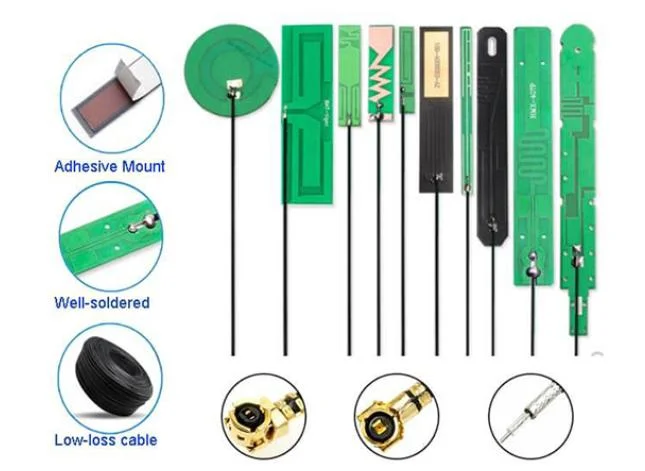
What are Flexible PCBs?
Flexible printed circuit boards, or flexible PCBs, are a type of electronic circuit that can bend and twist without breaking. Unlike traditional rigid PCBs, they utilize flexible materials such as polyimide or polyester, making them suitable for applications where space and weight are critical. These boards allow for complex designs that can fit into smaller or irregularly shaped devices, enhancing the overall performance and functionality of electronic products.
Flexible PCBs are widely used across various industries, including consumer electronics, automotive, medical devices, and telecommunications. They are integral in applications such as smartphones, wearable technology, and advanced medical equipment, where compactness and adaptability are essential. The growing trend towards miniaturization in electronic devices has significantly increased the demand for flexible PCBs, making them a crucial component in modern manufacturing processes.
As industries continue to evolve and innovate, flexible PCBs remain highly relevant. The market for these products is expanding, driven by advancements in technology and the increasing adoption of flexible electronics in various sectors. The flexibility and versatility of these circuit boards not only provide design freedom but also improve the operational efficiency of electronic devices, solidifying their position in the future of electronics.
Key Features and Specifications
Flexible PCBs come with a variety of features and specifications that cater to different applications. Their unique properties make them suitable for a broad range of electronic devices.
Key specifications include:
1. Material Type
- Common materials include polyimide and polyester.
- These materials provide flexibility and durability.
2. Layer Count
- Flexible PCBs can range from single-layer to multi-layer designs.
- Layer count affects the complexity and functionality of the circuit.
3. Thickness
- The thickness of the substrate can vary, typically between 0.1 mm to 0.5 mm.
- Thinner boards allow for greater flexibility and compact designs.
4. Minimum Trace Width
- Trace widths can be as small as 0.1 mm.
- Smaller traces enable higher density layouts.
5. Operating Temperature Range
- Flexible PCBs can operate in temperatures ranging from -40°C to 150°C.
- This range allows for use in various environments.
6. Surface Finish
- Common finishes include ENIG (Electroless Nickel Immersion Gold) and OSP (Organic Solderability Preservative).
- The finish affects solderability and durability.
7. Bend Radius
- Minimum bend radius typically ranges from 5 mm to 10 mm.
- A smaller bend radius allows for tighter design configurations.
8. Compliance with Standards
- Many flexible PCBs comply with industry standards such as CE.
- Compliance ensures reliability and safety in applications.
In summary, the features and specifications of flexible PCBs are designed to meet the demands of modern electronics, providing flexibility, durability, and performance.
Common Applications and Use Cases
Flexible PCBs serve a multitude of industries, each benefiting from their unique properties and adaptability.
1. Consumer Electronics: These boards are used in smartphones and tablets, allowing for compact and lightweight designs that enhance portability.
2. Automotive: Flexible PCBs are utilized in advanced driver-assistance systems (ADAS) and infotainment systems, contributing to the modernization of vehicle electronics.
3. Medical Devices: In medical technology, flexible PCBs are found in portable diagnostic equipment and wearable health monitors, enabling more efficient patient care.
4. Telecommunications: Flexible PCBs support high-frequency applications in communication devices, ensuring signal integrity in a compact form factor.
5. Aerospace: In aerospace applications, these boards meet stringent weight and space requirements, playing a critical role in avionics and satellite systems.
6. Industrial Equipment: Flexible PCBs are used in various industrial machinery for control and monitoring systems, enhancing operational efficiency.
7. Robotics: In robotics, these boards allow for intricate designs and flexibility, contributing to the development of advanced robotic systems.
Product Variants and Subcategories
Flexible PCBs come in various forms to suit different applications and requirements.
Single-Sided Flexible PCB
This variant features one conductive layer and is ideal for simple circuit designs. It is commonly used in consumer electronics where space is limited.
Double-Sided Flexible PCB
With conductive layers on both sides, this variant allows for more complex designs. It is often used in applications requiring increased functionality and performance.
Multi-Layer Flexible PCB
These PCBs consist of multiple layers of circuitry, suitable for advanced electronic applications. They are typically used in high-density devices where space optimization is crucial.
Rigid-Flex PCB
Combining rigid and flexible materials, rigid-flex PCBs are used in applications needing both stability and flexibility, such as in medical devices and aerospace technology.
Benefits and Advantages
Flexible PCBs offer several advantages that make them an attractive choice for manufacturers.
Key benefits include:
1. Space Efficiency: Their flexible nature allows for compact designs, making them suitable for small electronic devices.
2. Lightweight: Flexible PCBs are significantly lighter than traditional rigid boards, contributing to overall product weight reduction.
3. Design Freedom: The adaptability of flexible PCBs enables innovative designs that can fit into unconventional spaces.
4. Enhanced Durability: These boards are resistant to vibration and bending, leading to longer product lifespans.
5. Improved Performance: Flexible PCBs can reduce signal loss and enhance electrical performance in high-frequency applications.
6. Cost-Effectiveness: The ability to integrate multiple functions into a single board can lower overall manufacturing costs.
Buying Guide for B2B Buyers
When sourcing flexible PCBs, it is important for buyers to consider several key factors to ensure they receive the best product for their needs.
1. Quality Assessment: Evaluate the manufacturing process and materials used. Ensure adherence to quality standards, as this impacts performance and reliability.
2. Supplier Verification: Conduct thorough background checks on suppliers. Look for experience, reputation, and customer feedback to ensure reliability.
3. Pricing and MOQ: Understand pricing structures and minimum order quantities. This can affect your budget and overall procurement strategy.
4. Delivery and Lead Times: Discuss logistics and lead times with suppliers. Reliable delivery schedules are crucial for project planning.
5. Compliance Requirements: Ensure that the products meet industry-specific compliance and certification standards to avoid regulatory issues.
Compliance and Certifications
Compliance and certification are critical factors for flexible PCBs. Relevant quality standards, such as ISO 9001, ensure that manufacturing processes meet international benchmarks for quality management. Additionally, certifications like CE indicate that the product complies with European safety and health requirements.
Safety and testing requirements are also vital. Flexible PCBs must undergo rigorous testing to ensure they can withstand various environmental conditions and operational stresses. This includes assessments for temperature extremes, humidity, and mechanical stress.
Regional compliance considerations are essential, particularly for companies operating in multiple markets. Understanding local regulations can help avoid potential legal issues and ensure that products can be marketed effectively across different regions.
Why Source Flexible PCBs from Pepagora?
Pepagora provides a trusted platform for sourcing flexible PCBs, emphasizing quality and supplier reliability. With a verified supplier network, Pepagora ensures that buyers can connect with manufacturers who meet stringent quality standards and have a proven track record in the industry.
The streamlined RFQ process simplifies the way businesses request quotations, allowing for quick comparisons and informed decision-making. This efficiency is crucial for companies looking to expedite their procurement processes.
Trade assurance and support are additional benefits offered by Pepagora. Buyers are protected through various measures that ensure they receive the products as specified, enhancing confidence in the purchasing process.
Finally, Pepagora's regional coverage extends across India, the GCC, and Southeast Asia, making it easier for businesses to find suitable suppliers within their geographic area. This broad reach facilitates better sourcing options tailored to local market needs.

 IN
IN

 India
India