
 IN
Flatbed Scanners
8 products available
What are Flatbed Scanners?
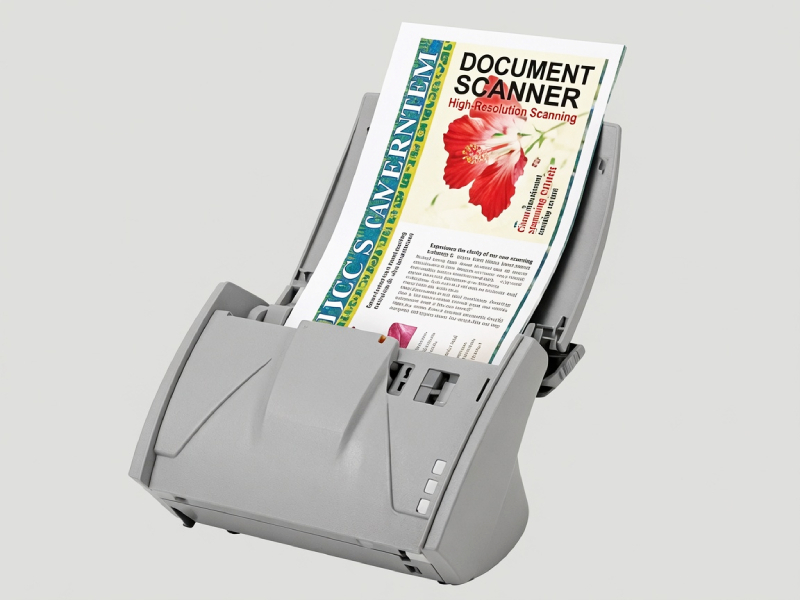
Flatbed scanners are imaging devices that capture the visual data of documents and images by placing them on a flat glass surface. These scanners utilize a moving optical array that reads the material being scanned and converts it into a digital format. They are widely known for their high-resolution capabilities, making them suitable for a variety of scanning tasks, from simple document archiving to high-quality image reproduction.
In the business world, flatbed scanners are commonly used for digitizing photographs, books, artwork, and other materials that require precise detail. Their versatility allows businesses to streamline their operations by converting physical documents into digital formats for easier storage and sharing. They are essential tools in industries such as graphic design, education, healthcare, and legal services, where accurate document reproduction is paramount.
The relevance of flatbed scanners in today’s market stems from the increasing need for digital documentation and efficient data management. As businesses continue to embrace paperless solutions, the demand for high-quality scanning equipment remains strong. This trend highlights the importance of flatbed scanners in facilitating smoother workflows and enhancing productivity across various sectors.
Key Features and Specifications
Flatbed scanners come equipped with several features that enhance their functionality and usability. Understanding these specifications is crucial when selecting the right scanner for your business needs.
Key specifications include:
1. Optical Resolution
- Determines the clarity and detail of scanned images.
- Common ranges are from 600 to 4800 DPI.
2. Color Depth
- Refers to the number of bits used to represent the color of a single pixel.
- Typically ranges from 24-bit to 48-bit color depth.
3. Scanning Speed
- The time taken to complete a scan.
- Measured in pages per minute (PPM), with average speeds around 10-20 PPM.
4. Maximum Document Size
- The largest dimensions of documents or images that can be scanned.
- Standard sizes include A4 and legal formats.
5. Connectivity Options
- The ways in which the scanner can connect to computers and networks.
- Options may include USB, Wi-Fi, or Ethernet connections.
6. Software Compatibility
- Refers to the types of software that can work with the scanner.
- Many flatbed scanners are compatible with various operating systems and scanning software.
7. Power Consumption
- The amount of energy the scanner uses during operation.
- Energy-efficient models typically consume less than 30 watts.
8. Physical Dimensions and Weight
- Refers to the size and portability of the scanner.
- Most flatbed scanners are designed to fit on standard office desks.
These features and specifications ensure that flatbed scanners meet diverse scanning needs across various industries.
Common Applications and Use Cases
Flatbed scanners are versatile tools that serve multiple industries and applications.
1. Graphic Design: In this field, professionals use flatbed scanners to digitize artwork and photographs, allowing for detailed editing and reproduction.
2. Education: Schools and universities utilize flatbed scanners for archiving documents, books, and research materials, facilitating easier access and sharing among students and faculty.
3. Healthcare: Medical facilities employ flatbed scanners to digitize patient records and imaging documents, improving efficiency and compliance with regulations.
4. Legal Services: Law firms depend on flatbed scanners for scanning contracts, legal documents, and evidence, ensuring accurate digital records for case management.
5. Archiving and Preservation: Museums and libraries use flatbed scanners to digitize historical documents and artifacts, preserving them for future generations while making them accessible.
6. Photography: Professional photographers utilize flatbed scanners to convert film negatives and slides into digital formats, enhancing their portfolios and marketing efforts.
7. Printing Services: Printing companies often use flatbed scanners to prepare client materials for printing, ensuring high-quality output.
Product Variants and Subcategories
Flatbed scanners come in various models, each designed to cater to specific needs and applications.
High-Resolution Scanners
These scanners are designed for users who require exceptional detail, such as photographers and artists. They typically offer optical resolutions of up to 4800 DPI, allowing for fine detail capture.
Compact Portable Scanners
Ideal for users with limited workspace, these lightweight scanners provide portability without sacrificing quality. They are often used by professionals on the go.
Wide-Format Scanners
These models are suitable for scanning larger documents, such as blueprints and maps. They accommodate oversized materials, making them valuable in engineering and architectural firms.
Benefits and Advantages
Flatbed scanners offer numerous advantages that enhance productivity and efficiency in various industries.
1. High Image Quality: Flatbed scanners deliver superior image clarity and detail, making them ideal for professional use where quality is critical.
2. Versatility: They can scan a wide range of materials, from documents to fragile items, accommodating diverse scanning needs.
3. User-Friendly: Most models are designed with intuitive interfaces, making them easy to operate for users of all skill levels.
4. Durability: Built to withstand regular use, flatbed scanners often have robust designs that ensure longevity and reliability.
5. Time Efficiency: With fast scanning speeds, these devices help businesses quickly digitize large volumes of documents, improving workflow.
6. Cost-Effective: Investing in a flatbed scanner can reduce paper costs and storage needs by facilitating a paperless environment.
Buying Guide for B2B Buyers
When sourcing flatbed scanners, several factors should be considered to ensure the right choice for your business.
1. Quality Assessment: Evaluate the scanner's image quality, resolution, and color accuracy. High-quality scans are essential for professional applications.
2. Supplier Verification: Research potential suppliers to confirm their reliability and reputation. Look for reviews and testimonials to gauge their trustworthiness.
3. Pricing and MOQ: Understand the pricing structure and any minimum order quantities (MOQ) required. This information helps budget effectively and ensures you get the best value.
4. Delivery and Lead Times: Inquire about shipping options and estimated delivery times to ensure that the scanners arrive when needed.
5. Compliance Requirements: Check for any industry-specific regulations or certifications, such as CE, that the scanners must adhere to for legal and operational compliance.
Compliance and Certifications
Flatbed scanners are subject to various compliance standards and certifications that ensure quality and safety.
Quality standards such as ISO 9001 focus on maintaining effective quality management systems, which are crucial for manufacturers of flatbed scanners. Adhering to these standards guarantees that the products meet customer and regulatory requirements.
Industry certifications like CE indicate that the scanners comply with European health, safety, and environmental protection standards. This certification is essential for market acceptance in Europe and other regions.
Additionally, safety and testing requirements are vital to ensure that scanners operate safely under specified conditions. Manufacturers must conduct thorough testing to confirm that their products meet these safety benchmarks.
Regional compliance considerations may vary based on geographic location. Buyers should be aware of local regulations that may affect the import and use of flatbed scanners.
Why Source Flatbed Scanners from Pepagora?
Pepagora provides a trusted platform for sourcing flatbed scanners with several key advantages.
Verified Supplier Network: Pepagora connects buyers with a network of verified suppliers, ensuring that the sources of flatbed scanners are reputable and reliable. This verification process helps mitigate risks in purchasing.
Streamlined RFQ Process: The platform offers a streamlined request for quotation (RFQ) system, allowing buyers to request quotes from multiple suppliers easily. This process saves time and enables comparison of pricing and features.
Trade Assurance and Support: Pepagora offers trade assurance programs that protect buyers during transactions, providing an added layer of security and support throughout the purchasing process.
Regional Coverage: With a presence in India, the Gulf Cooperation Council (GCC), and Southeast Asia, Pepagora ensures that buyers from various regions can access quality flatbed scanners tailored to their specific needs. This wide geographic reach enhances convenience and accessibility for all users.


 India
 India
Frequently Asked Questions
What are Flatbed Scanners?
Flatbed scanners are imaging devices that capture documents and images by placing them on a flat surface. They use a stationary scanning head that moves beneath a glass plate to digitize the material, making them suitable for scanning books, photographs, and other flat objects.
What are the different types of Flatbed Scanners?
Flatbed scanners can be categorized into several types, including standard flatbed scanners, which are versatile for various media, and specialized scanners, like photo scanners designed for high-resolution image capture. Some also come with additional features such as automatic document feeders (ADFs) for batch scanning.
How do I choose the right Flatbed Scanners?
To choose the right flatbed scanner, consider factors such as scanning resolution, color depth, and connectivity options. Additionally, assess the intended use, whether for home, office, or professional purposes, and check for features like size compatibility and software support.
What are the standard specifications for Flatbed Scanners?
Standard specifications for flatbed scanners typically include optical resolution (measured in DPI), color depth, and scanning speed. Common resolutions range from 600 DPI to 4800 DPI, while color depth may vary from 24-bit to 48-bit, affecting the quality of scanned images.
What is the price range for Flatbed Scanners?
The price range for flatbed scanners can vary significantly based on features and specifications. Basic models may start from around INR 5,000, while high-end professional scanners can cost upwards of INR 50,000 or more.
What quality standards apply to Flatbed Scanners?
Flatbed scanners should adhere to quality standards that ensure accurate color reproduction, sharpness, and minimal distortion. Manufacturers often comply with international standards such as ISO for image quality and performance, ensuring reliability and consistency.
Where can I find Flatbed Scanners suppliers in India?
You can find flatbed scanner suppliers in India through online B2B marketplaces, trade shows, and industry directories. Websites like Pepagora.com provide a platform to connect with various manufacturers and suppliers across the country.
Can Flatbed Scanners be customized?
Yes, flatbed scanners can often be customized based on specific requirements. Customizations may include features like software integration, specialized scanning capabilities, or modifications in design to suit particular business needs.
What is the typical minimum order quantity for Flatbed Scanners?
The typical minimum order quantity (MOQ) for flatbed scanners can vary by supplier and model. Generally, MOQs can range from 1 unit for retail purchases to larger quantities for bulk orders, which could be defined by the manufacturer.
What is the typical lead time for Flatbed Scanners?
The typical lead time for flatbed scanners depends on factors such as supplier location and order volume. Generally, lead times can range from a few days to several weeks, especially for customized or bulk orders.
Why Businesses Trust Pepagora
Thousands of companies trust Pepagora to source smarter and sell faster
Expand Your Sales Globally

Source Smarter,Grow Faster
