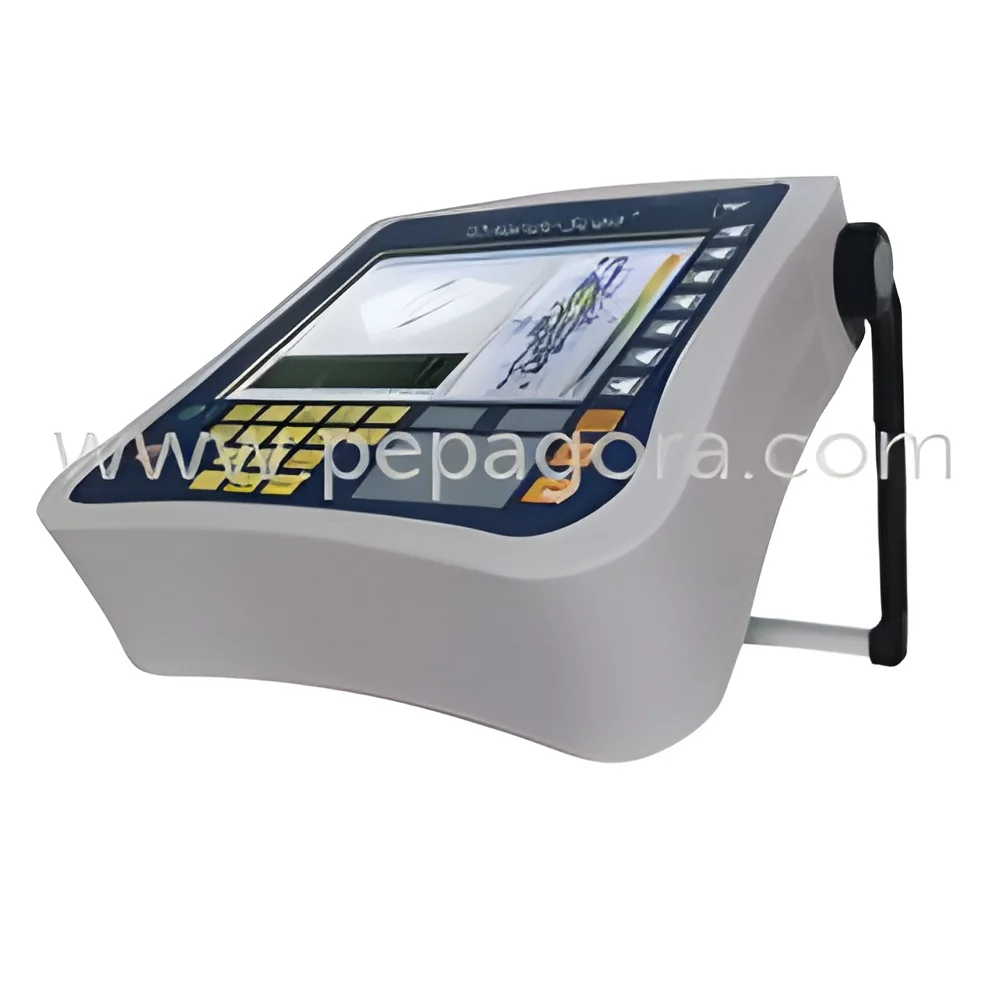
What are Portable Scanners?
Portable scanners are compact devices designed to digitize physical documents quickly and efficiently. They allow users to scan various types of documents, including receipts, contracts, and photographs, making it easy to convert paper information into digital files. Their lightweight design and battery-powered options make them ideal for on-the-go use, catering to professionals who require mobility without compromising functionality.
These devices find primary applications in numerous business environments, including offices, retail, and fieldwork scenarios. Portable scanners enhance workflow efficiency by facilitating easy document sharing and storage. They are particularly valuable for businesses that handle a significant volume of paperwork, such as legal firms, accounting agencies, and real estate companies. As industries increasingly embrace digital transformation, the demand for portable scanning solutions continues to rise, solidifying their relevance in today's market.
Key Features and Specifications
Portable scanners come equipped with several features tailored to meet various business needs. Understanding these specifications is essential for selecting the right device for your organization.
Key specifications include:
1. Scanning Resolution
- Determines the clarity and quality of scanned images.
- Common ranges include 300 to 1200 DPI.
2. Scan Speed
- Refers to how quickly a scanner can process documents.
- Typical speeds range from 10 to 30 pages per minute.
3. Connectivity Options
- Indicates how the scanner connects to other devices.
- Options may include USB, Wi-Fi, and Bluetooth.
4. Document Size Compatibility
- Defines the maximum dimensions of documents the scanner can handle.
- Usually accommodates A4, letter, and legal sizes.
5. Battery Life
- Important for portable use without constant charging.
- Average battery life ranges from 300 to 600 scans on a full charge.
6. Weight
- Reflects the scanner's portability.
- Most portable scanners weigh between 0.5 to 2.5 pounds.
7. Software Integration
- Shows compatibility with various document management systems.
- Often includes OCR (Optical Character Recognition) capabilities for text conversion.
8. Storage Options
- Indicates how scanned documents can be stored.
- May include internal memory or SD card support.
These specifications help users assess which portable scanner best fits their operational needs.
Common Applications and Use Cases
Portable scanners serve a wide range of industries and applications, making them versatile tools for modern businesses.
1. Healthcare: In the medical field, portable scanners are used for digitizing patient records and insurance documents, enhancing the efficiency of data management.
2. Legal: Law firms utilize portable scanners to quickly digitize case files and evidence, streamlining document retrieval and sharing.
3. Retail: Retail businesses often use portable scanners to manage inventory, allowing for quick scanning of receipts and product details.
4. Education: Educational institutions leverage these scanners for digitizing student records, course materials, and research documents.
5. Real Estate: Real estate agents frequently use portable scanners to capture signed contracts and property documents during client meetings.
6. Field Services: Technicians in the field can use portable scanners to document service records or customer signatures on-site, improving service delivery and record-keeping.
Product Variants and Subcategories
Portable scanners come in various models to accommodate different user requirements.
Compact Portable Scanners
These are ultra-lightweight and designed for ease of transport. They often come with basic features suitable for general document scanning.
Wireless Portable Scanners
These models provide seamless connectivity and allow for remote scanning without the need for physical connections to computers. Ideal for professionals who work in multiple locations.
High-Resolution Portable Scanners
Targeted for users needing superior image quality, these scanners support higher DPI settings, making them suitable for detailed graphics and archival purposes.
Benefits and Advantages
Investing in portable scanners offers several advantages for businesses.
1. Increased Efficiency: Portable scanners streamline the document handling process, allowing for quick digitization and organization of paperwork.
2. Enhanced Flexibility: Their lightweight nature enables users to scan documents anywhere, improving accessibility and convenience.
3. Cost Savings: By reducing the need for physical storage and paper, businesses can save on filing supplies and office space.
4. Improved Collaboration: Digital documents can be easily shared among team members, enhancing collaboration and communication.
5. Environmental Impact: Using portable scanners contributes to a paperless environment, aligning with sustainability goals.
6. Enhanced Security: Digital documents can be encrypted and backed up, reducing the risk of loss compared to physical files.
Buying Guide for B2B Buyers
When sourcing portable scanners, several factors need consideration to ensure the right choice.
1. Quality Assessment: Evaluate the build quality and performance of the scanner. User reviews and test reports can provide insights into durability and reliability.
2. Supplier Verification: Research potential suppliers to confirm their credibility. Look for established brands and check for customer feedback.
3. Pricing and MOQ: Compare prices among different suppliers, keeping in mind the minimum order quantity. This can help in budgeting effectively.
4. Delivery and Lead Times: Inquire about the expected delivery times and logistics involved. Ensure that the supplier can meet your timeline requirements.
5. Compliance Requirements: Check for any regulatory standards or certifications that the scanners must meet for your industry. This ensures that the products are safe and reliable.
Compliance and Certifications
Portable scanners must adhere to various compliance and certification standards to ensure quality and safety.
ISO 9001 is a key standard that indicates a commitment to quality management systems. Manufacturers that meet this standard demonstrate consistent quality in their processes.
CE certification is crucial for products sold in Europe, ensuring they comply with safety, health, and environmental protection standards. This certification allows for wider market access.
Safety and testing requirements may vary by region, making it important for buyers to verify that scanners meet local regulations.
Finally, regional compliance considerations are essential for ensuring that the product is suitable for specific markets, particularly in diverse regions like India and Southeast Asia.
Why Source Portable Scanners from Pepagora?
Pepagora provides a trusted platform for sourcing portable scanners, offering numerous advantages for B2B buyers.
Verified Supplier Network: Pepagora ensures that all listed suppliers undergo a rigorous verification process. This builds trust and confidence in the sourcing process.
Streamlined RFQ Process: The platform simplifies the request for quotation process, allowing buyers to receive competitive offers quickly and efficiently from multiple suppliers.
Trade Assurance and Support: Pepagora offers buyer protection through trade assurance policies. This ensures that transactions are secure and that buyers receive the products as promised.
Regional Coverage: With a strong presence in India, the GCC, and Southeast Asia, Pepagora provides extensive market reach, enabling businesses to find suitable suppliers in their regions.

 IN
IN