What are Inkjet Printers?
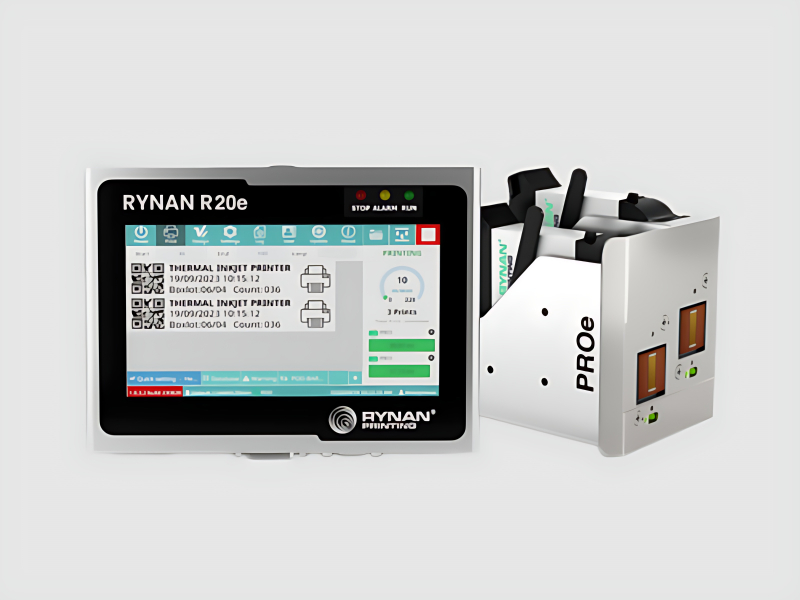
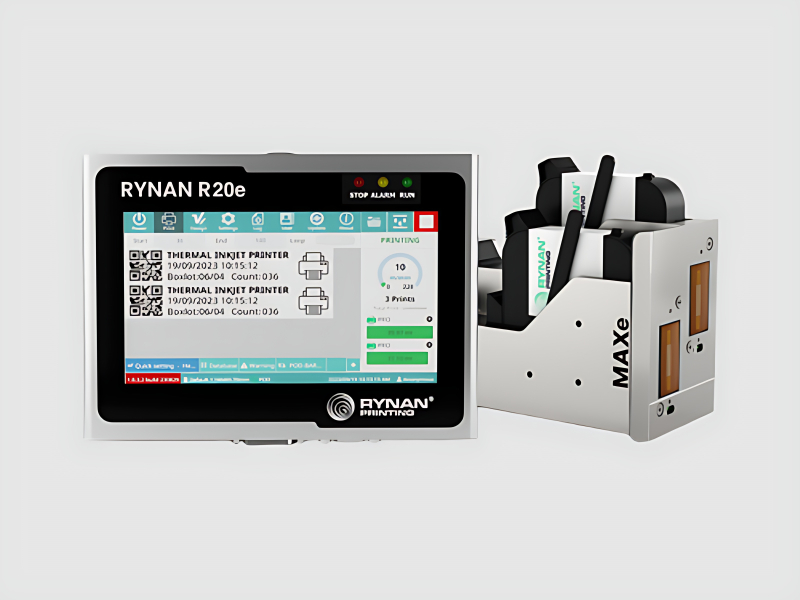
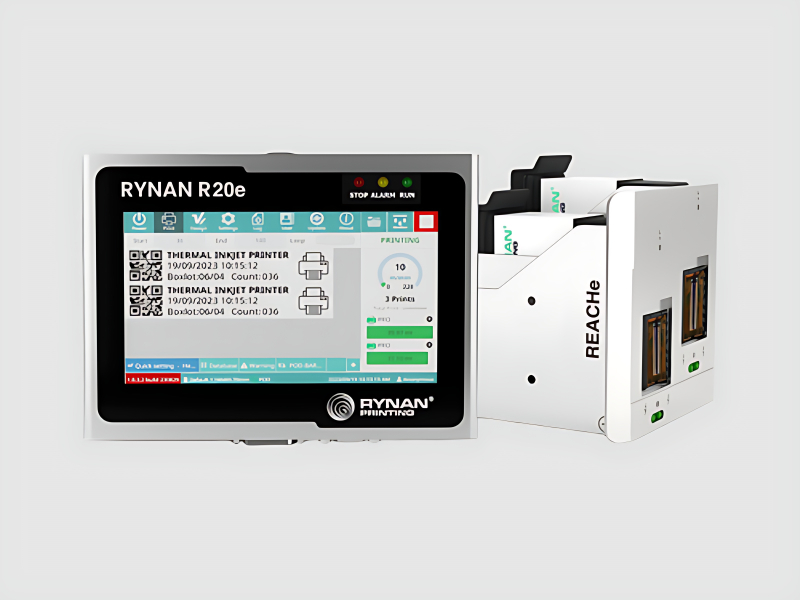
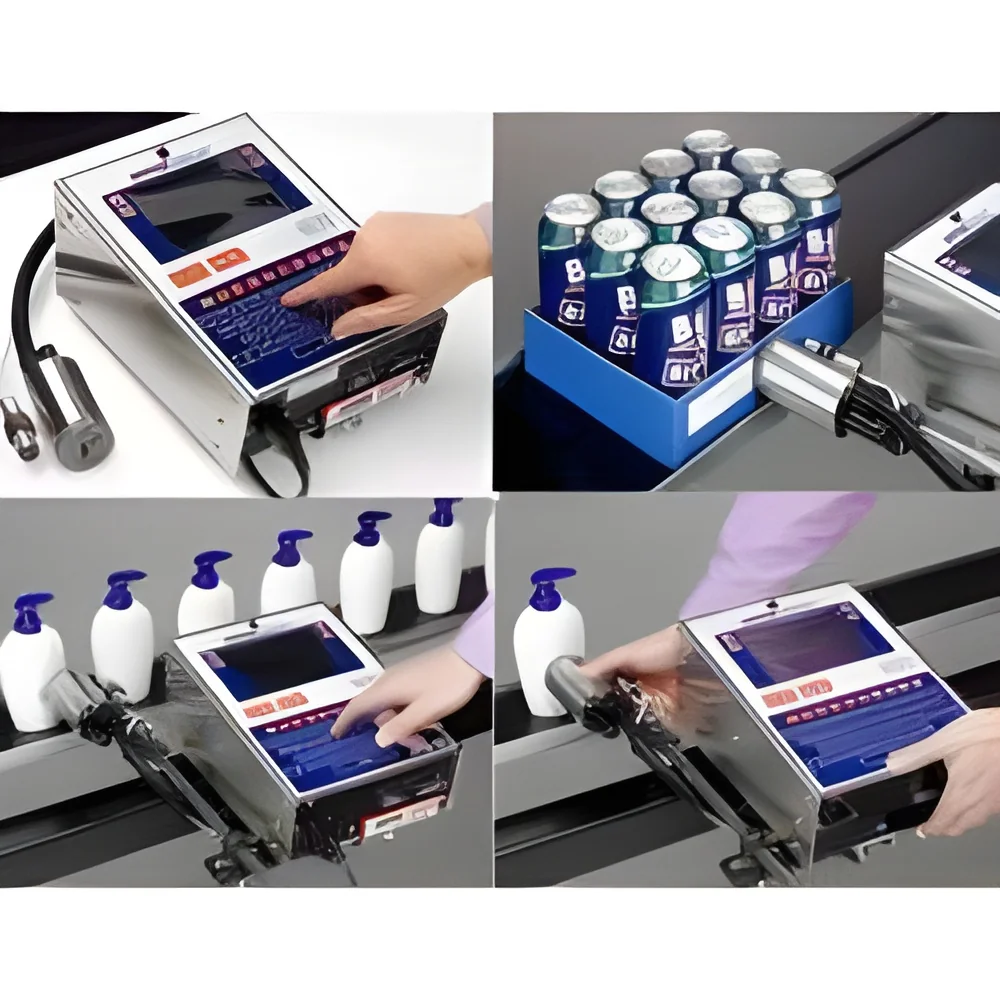
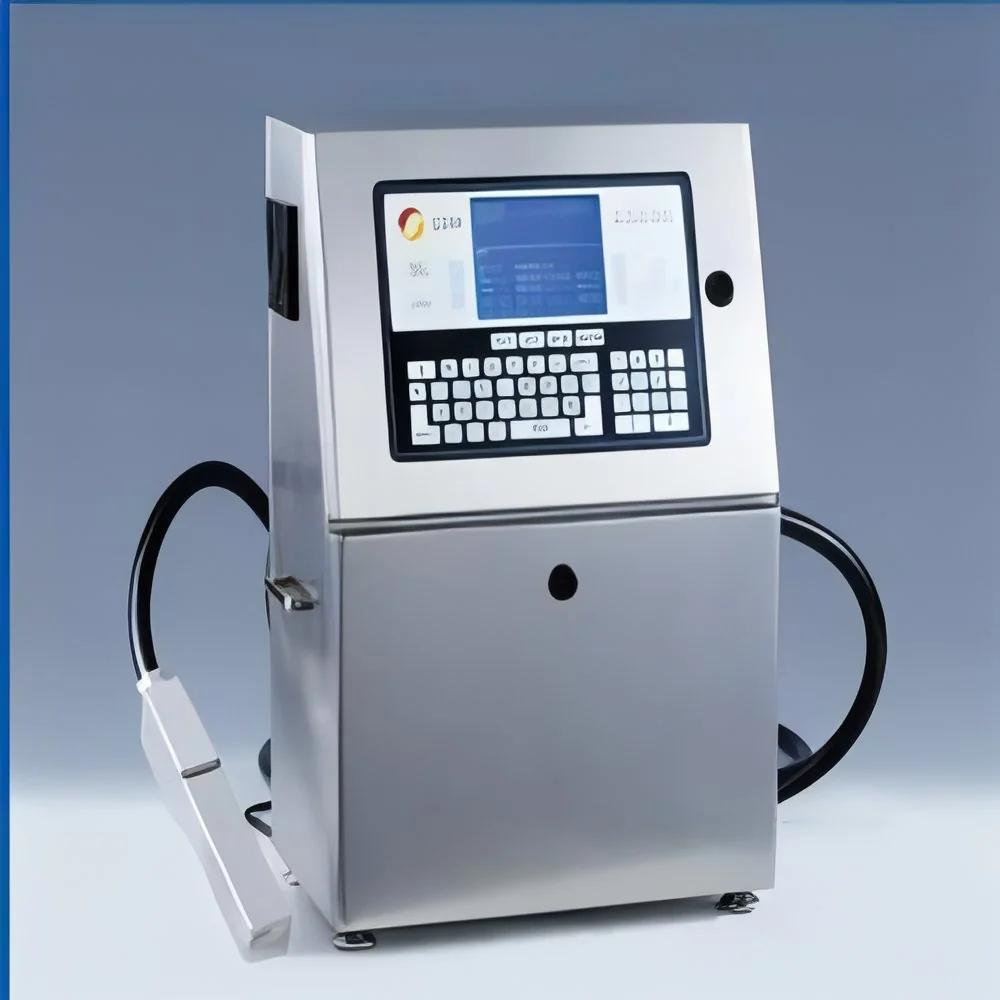
Inkjet printers are versatile printing devices that use tiny droplets of liquid ink to create images and text on various media. They operate by propelling microscopic droplets of ink onto paper, allowing for high-resolution printing. This technology enables inkjet printers to produce detailed graphics and vibrant colors, making them suitable for a range of printing tasks. These printers can handle different paper sizes and types, providing flexibility to users.
In the business environment, inkjet printers are commonly used for producing marketing materials, labels, reports, and photographs. Their ability to print on various surfaces makes them ideal for industries that require colorful and high-quality outputs, such as graphic design, photography, and education. Inkjet printers are also increasingly relevant in sectors that demand fast turnaround times and low-volume printing, which can be beneficial for small to medium-sized enterprises.
As the market for inkjet printers continues to grow, manufacturers are innovating with features that enhance speed, efficiency, and print quality. The technology is evolving, catering to the needs of businesses that seek cost-effective solutions without compromising on quality. In this competitive landscape, the choice of an inkjet printer can significantly impact productivity and operational effectiveness.
Key Features and Specifications
Inkjet printers come equipped with a variety of features and specifications that cater to different printing needs. These specifications ensure that businesses can select the right printer based on their operational requirements and budget.
Key specifications include:
1. Print Resolution
- The quality of the printed output is defined by the print resolution, typically measured in dots per inch (DPI).
- Common resolutions range from 300 DPI for standard documents to 4800 DPI for high-quality photo prints.
2. Print Speed
- Print speed indicates how quickly a printer can produce pages, measured in pages per minute (PPM).
- Standard inkjet printers can offer speeds from 10 to 30 PPM, depending on the complexity of the document.
3. Connectivity Options
- Inkjet printers may feature various connectivity options, including USB, Ethernet, and wireless capabilities.
- Wireless connectivity allows for printing from multiple devices, enhancing convenience in a busy office setting.
4. Paper Handling
- This specification includes the types of media the printer can handle, such as glossy paper, envelopes, and labels.
- Many inkjet printers support multiple paper sizes, from standard letter size to larger formats.
5. Ink System
- The type of ink system used, either dye-based or pigment-based, affects durability and color vibrancy.
- Some models feature individual ink cartridges, reducing waste and costs.
6. Operating Cost
- This refers to the overall cost of ownership, including ink replacement and maintenance.
- Efficient models minimize ink consumption while maintaining print quality.
7. User Interface
- The ease of use is often determined by the printer's interface, which can include touch screens or physical buttons.
- A user-friendly interface can improve workflow efficiency.
8. Size and Weight
- The physical dimensions and weight of the printer can impact its placement in an office environment.
- Compact models are available for smaller workspaces, while larger printers may offer additional features.
In summary, understanding these specifications helps businesses make informed decisions when selecting an inkjet printer that aligns with their operational needs.
Common Applications and Use Cases
Inkjet printers are used across various industries, providing tailored solutions for specific printing needs.
1. Marketing and Advertising: Businesses utilize inkjet printers to produce eye-catching brochures, flyers, and promotional materials that require high-quality color reproduction.
2. Graphic Design: Designers rely on inkjet printers for proofing and producing high-resolution images, ensuring that colors and details match their digital designs accurately.
3. Education: Schools and universities use inkjet printers for printing educational materials, including handouts, presentations, and posters, which often require vibrant visuals.
4. Photography: Professional photographers depend on inkjet printers to create high-quality prints of their work, as these printers can reproduce fine details and a wide color spectrum.
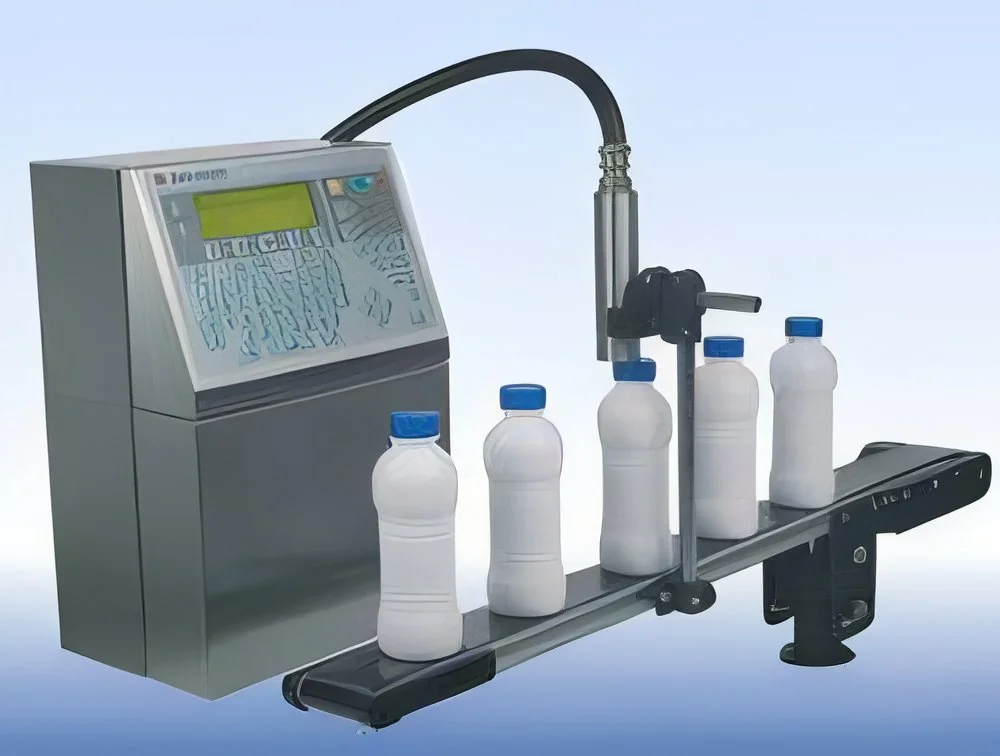
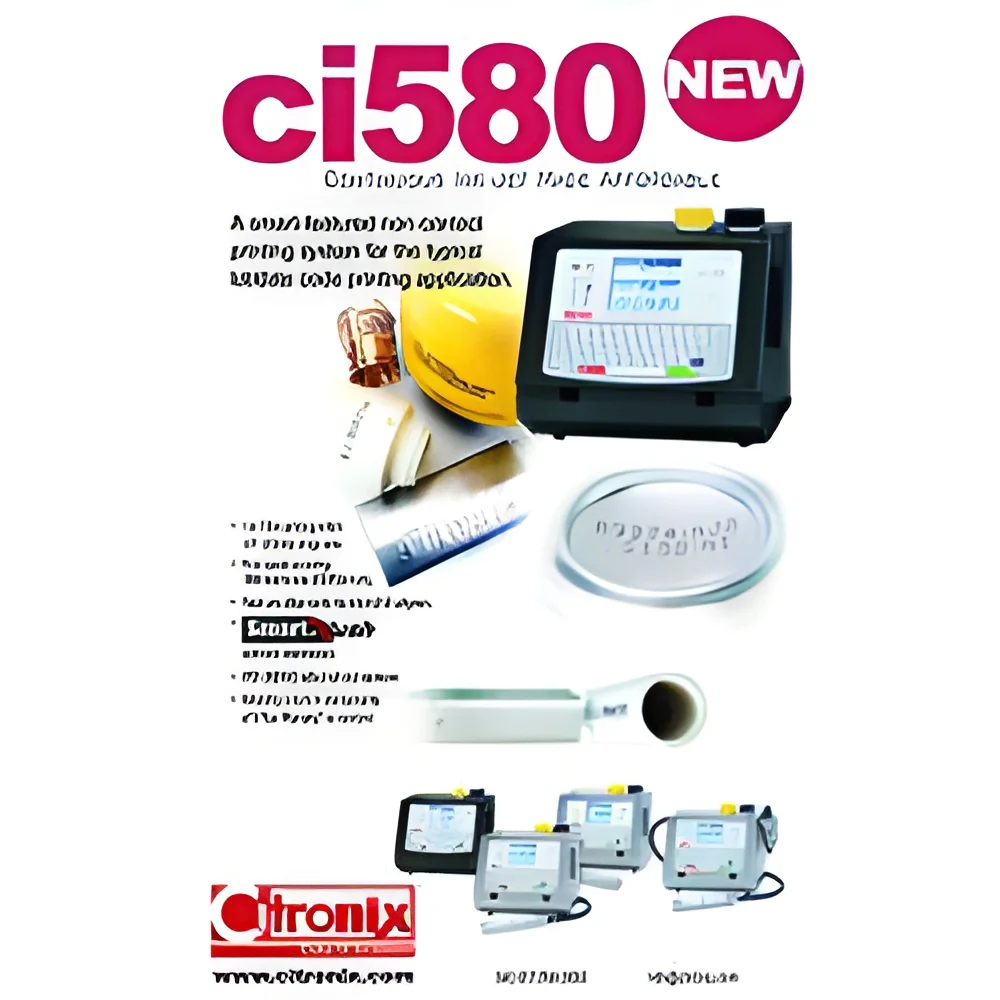
5. Labeling: Various industries, including manufacturing and logistics, use inkjet printers for producing labels that require precise printing, barcodes, and product information.
6. Retail: Retail businesses often print in-store signage, price tags, and promotional materials using inkjet printers, contributing to effective customer engagement.
7. Healthcare: Medical facilities utilize inkjet printers for printing patient labels, reports, and educational materials, ensuring clarity and ease of use in critical environments.
In summary, inkjet printers serve a broad spectrum of applications, making them an essential tool across multiple sectors.
Product Variants and Subcategories
Inkjet printers come in various types, each designed to meet specific printing demands.
Single-Function Inkjet Printers
These printers are dedicated solely to printing, offering high-quality output. They are ideal for businesses that require exceptional print quality without the need for additional functions like scanning or copying.
Multifunction Inkjet Printers
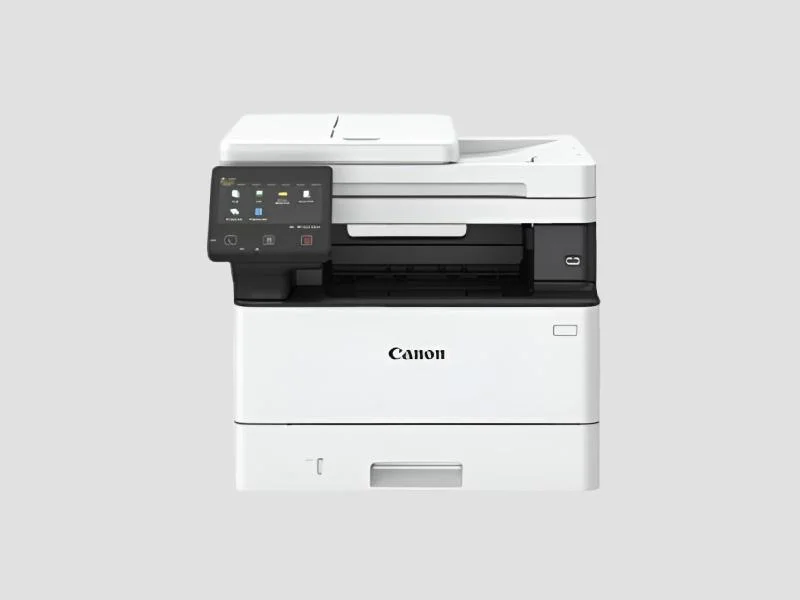
Multifunction models combine printing, scanning, copying, and faxing capabilities, making them suitable for small to medium-sized offices that need a versatile solution in one device.
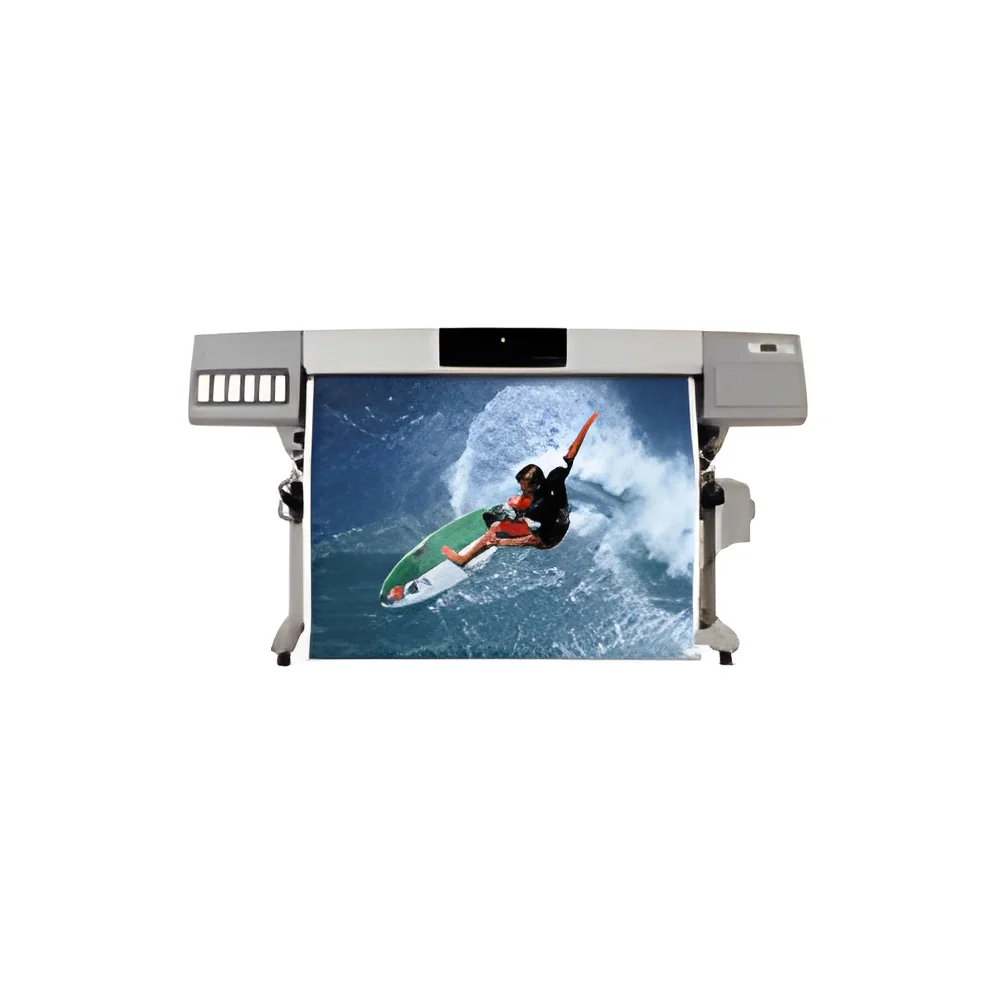
Wide-Format Inkjet Printers
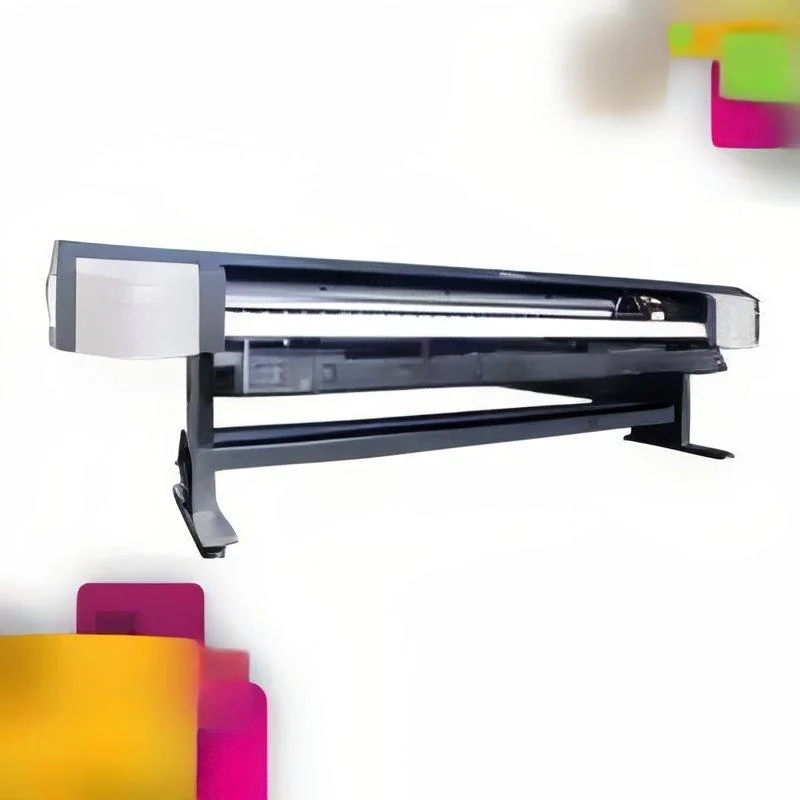
These printers can handle larger media sizes, making them perfect for printing banners, posters, and other large-format graphics. They are widely used in advertising and event planning.
Photo Inkjet Printers
Specialized for high-quality photo printing, these printers often have additional color cartridges to improve color accuracy and detail, making them popular among photographers and graphic designers.
Benefits and Advantages
Inkjet printers offer numerous advantages that make them a preferred choice for many businesses.
Key benefits include:
1. High-Quality Printing: Inkjet printers provide exceptional color accuracy and detail, making them suitable for professional applications.
2. Cost-Effective for Low Volumes: These printers are often more affordable upfront compared to laser printers, making them ideal for businesses with low to moderate printing needs.
3. Versatile Media Handling: Inkjet printers can print on various media types and sizes, allowing for creativity in marketing and presentation materials.
4. Compact Design: Many inkjet models are designed to save space, making them a practical choice for smaller offices or workspaces.
5. Easy to Use: With user-friendly interfaces and simple setup processes, inkjet printers are accessible for users of all skill levels.
6. Environmentally Friendly Options: Some inkjet printers use eco-friendly inks and reduce waste through efficient ink usage, appealing to environmentally conscious businesses.
In summary, the benefits of inkjet printers make them an advantageous choice for various business applications.
Buying Guide for B2B Buyers
When sourcing inkjet printers, several factors should be considered to ensure a suitable purchase.
1. Quality Assessment: Evaluate the print quality based on resolution, color accuracy, and durability of the prints. Reviewing samples from suppliers can help in determining suitability.
2. Supplier Verification: Vet potential suppliers to ensure they are reputable and provide reliable products. Checking customer reviews and certifications can aid in this process.
3. Pricing and MOQ: Understand the cost per unit and any minimum order quantities required. Comparing prices across different suppliers can help in finding the best deal.
4. Delivery and Lead Times: Inquire about the expected delivery times and logistics involved in shipping the printers. Timeliness is crucial to maintaining operational efficiency.
5. Compliance Requirements: Ensure that the printers meet any relevant industry standards and regulations. This may include quality certifications and safety standards.
In summary, careful consideration of these factors can lead to a successful purchase of inkjet printers that meet business needs.
Compliance and Certifications
Inkjet printers are subject to various compliance and certification standards that ensure quality and safety.
Relevant quality standards such as ISO 9001 are crucial for manufacturers to ensure consistent quality management. Compliance with these standards indicates a commitment to maintaining high-quality products.
Additionally, industry certifications like CE are essential for ensuring that products meet safety and environmental requirements. This certification is particularly important for businesses operating within the European market.
Safety and testing requirements must also be adhered to, ensuring that printers are safe for use in various environments. Manufacturers typically conduct rigorous tests to confirm that their products meet these necessary standards.
Regional compliance considerations may vary according to local regulations. Businesses should be aware of any specific certifications or safety requirements relevant to their region to ensure compliance.
In summary, understanding compliance and certification requirements is vital for businesses sourcing inkjet printers to guarantee quality and safety.
Why Source Inkjet Printers from Pepagora?
Pepagora provides a trusted platform for sourcing inkjet printers, offering several key advantages to businesses.
Verified Supplier Network: Pepagora has a robust network of verified suppliers, ensuring that buyers have access to reliable manufacturers and products. This network reduces the risk of sourcing from unverified sources.
Streamlined RFQ Process: The platform simplifies the request for quotation process, allowing buyers to easily compare offers from multiple suppliers. This efficiency saves time and helps in making informed purchasing decisions.
Trade Assurance and Support: Pepagora offers trade assurance, protecting buyers from potential disputes and ensuring that transactions are secure. This support builds confidence in the sourcing process.
Regional Coverage: With a presence in regions such as India, the GCC, and Southeast Asia, Pepagora connects buyers with suppliers across various markets. This geographical reach enhances the sourcing experience for businesses looking for inkjet printers.
In summary, sourcing inkjet printers from Pepagora provides businesses with a reliable and efficient solution for their printing needs.

 IN
IN