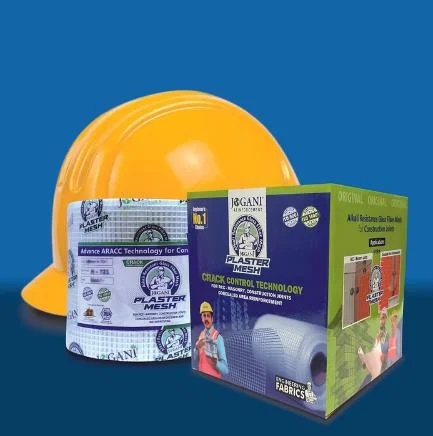
𝗪𝗵𝗮𝘁 𝗮𝗿𝗲 𝗙𝗶𝗯𝗲𝗿 𝗠𝗲𝘀𝗵 𝗥𝗼𝗹𝗹𝘀?
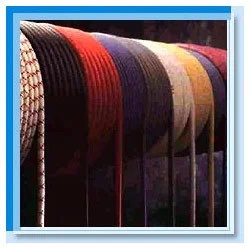
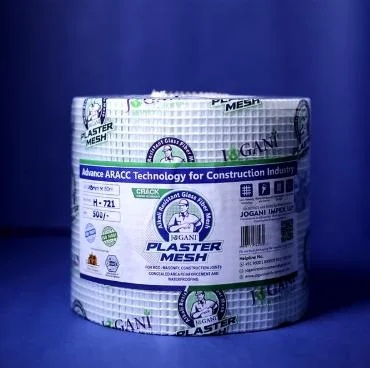
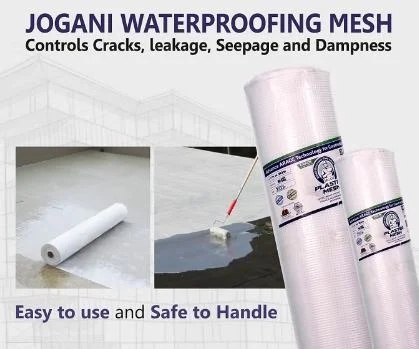
Fiber mesh rolls are a type of reinforcement material made from synthetic fibers, designed to enhance the structural integrity of various applications. These rolls are typically used in construction and industrial projects to provide additional support and durability to concrete, plaster, and other materials. The fibers within the mesh help to distribute stress and prevent cracking, making them an essential component in modern construction techniques.
The primary uses of fiber mesh rolls include reinforcing concrete slabs, walls, and pavements. They are commonly employed in both residential and commercial construction for applications such as flooring, driveways, and slabs. Additionally, fiber mesh rolls find their place in other sectors like industrial flooring, precast concrete products, and in the manufacturing of composite materials. The increasing demand for durable and sustainable building materials has boosted the relevance of fiber mesh rolls in the construction industry.
As the construction industry evolves, the use of fiber mesh rolls is becoming more prominent due to their effectiveness in improving material performance and reducing maintenance costs. The market for fiber mesh is expanding as companies seek innovative solutions to meet the demands of modern construction while ensuring compliance with safety and environmental standards.
𝗞𝗲𝘆 𝗙𝗲𝗮𝘁𝘂𝗿𝗲𝘀 𝗮𝗻𝗱 𝗦𝗽𝗲𝗰𝗶𝗳𝗶𝗰𝗮𝘁𝗶𝗼𝗻𝘀
Fiber mesh rolls are characterized by several key features that make them suitable for a variety of applications. Their specifications are essential for ensuring that they meet the requirements of specific projects.
Key specifications include:
1. Material Composition
- Typically made from synthetic fibers such as polypropylene or polyethylene.
- Provides excellent tensile strength and flexibility.
2. Roll Dimensions
- Available in various widths and lengths to accommodate different project needs.
- Common widths range from 1 meter to 2 meters; lengths can vary from 50 meters to 100 meters.
3. Fiber Thickness
- Fiber thickness can vary, generally ranging from 0.5 mm to 1.5 mm.
- Thicker fibers offer enhanced strength and durability.
4. Mesh Size
- Mesh openings are typically between 6 mm and 25 mm.
- Smaller openings provide more reinforcement.
5. Weight
- The weight of fiber mesh rolls can vary based on the fiber density and roll size.
- Common weights range from 50 grams per square meter to 150 grams per square meter.
6. UV Resistance
- Many fiber mesh rolls are treated for UV resistance to prevent degradation.
- This feature is essential for outdoor applications.
7. Chemical Resistance
- Some fiber mesh rolls are designed to withstand exposure to various chemicals.
- Suitable for industrial applications where chemical exposure is a concern.
8. Compliance Standards
- Many products meet industry standards such as CE certification.
- Compliance ensures safety and quality for end-users.
Fiber mesh rolls provide a versatile solution for reinforcing materials while addressing the specific needs of various applications.
𝗖𝗼𝗺𝗺𝗼𝗻 𝗔𝗽𝗽𝗹𝗶𝗰𝗮𝘁𝗶𝗼𝗻𝘀 𝗮𝗻𝗱 𝗨𝘀𝗲 𝗖𝗮𝘀𝗲𝘀
Fiber mesh rolls serve a wide range of industries due to their versatile applications.
1. Construction: Fiber mesh rolls are commonly used to reinforce concrete structures. They help improve tensile strength, reduce cracking, and enhance the overall durability of floors, pavements, and walls.
2. Industrial Flooring: In industrial settings, fiber mesh rolls are utilized to create robust flooring solutions. They are integrated into the concrete mix to withstand heavy loads and resist wear and tear.
3. Precast Concrete: Fiber mesh rolls play a vital role in the production of precast concrete products. They ensure consistent quality and performance, making them ideal for elements like beams and panels.
4. Agriculture: In agricultural applications, fiber mesh is used in soil stabilization projects. It helps prevent erosion and enhances the durability of agricultural structures.
5. Transportation: Fiber mesh rolls are utilized in constructing roads and highways. They provide reinforcement to asphalt layers, improving longevity and reducing maintenance.
6. Landscaping: In landscaping projects, fiber mesh can be used to stabilize soil and control erosion in slopes and embankments.
7. Water Management: Fiber mesh rolls are employed in the construction of retaining walls and embankments to provide stability and prevent soil displacement.
𝗣𝗿𝗼𝗱𝘂𝗰𝘁 𝗩𝗮𝗿𝗶𝗮𝗻𝘁𝘀 𝗮𝗻𝗱 𝗦𝘂𝗯𝗰𝗮𝘁𝗲𝗴𝗼𝗿𝗶𝗲𝘀
Fiber mesh rolls come in various forms to cater to different industry needs. Each variant is designed to enhance specific performance characteristics.
Standard Fiber Mesh
This variant is designed for general construction applications. It provides reliable reinforcement for concrete and is suitable for a wide range of projects.
High-Strength Fiber Mesh
This variant is engineered for applications requiring enhanced strength and durability. It is ideal for heavy-duty industrial flooring and high-stress environments.
UV-Resistant Fiber Mesh
Designed for outdoor applications, this variant offers protection against UV degradation. It is suitable for use in exposed environments.
Chemical-Resistant Fiber Mesh
This variant is formulated to withstand harsh chemical environments. It is commonly used in industrial settings where exposure to chemicals is prevalent.
𝗕𝗲𝗻𝗲𝗳𝗶𝘁𝘀 𝗮𝗻𝗱 𝗔𝗱𝘃𝗮𝗻𝘁𝗮𝗴𝗲𝘀
Fiber mesh rolls offer numerous advantages that make them an attractive choice for businesses.
Key benefits include:
1. Enhanced Durability: Fiber mesh rolls improve the lifespan of concrete and other materials by reducing cracking and wear over time.
2. Cost-Effective: By minimizing the need for maintenance and repairs, fiber mesh rolls can lead to significant cost savings in the long run.
3. Easy Installation: Fiber mesh rolls are simple to install, allowing for quicker project completion and reduced labor costs.
4. Versatile Applications: These rolls are suitable for a variety of industries and applications, enhancing their value for businesses.
5. Improved Safety: The use of fiber mesh rolls can contribute to safer structures by reinforcing materials and reducing the risk of failure.
6. Environmentally Friendly: Many fiber mesh products are made from recyclable materials, aligning with sustainable building practices.
𝗕𝘂𝘆𝗶𝗻𝗴 𝗚𝘂𝗶𝗱𝗲 𝗳𝗼𝗿 𝗕𝟮𝗕 𝗕𝘂𝘆𝗲𝗿𝘀
When sourcing fiber mesh rolls, it is important for B2B buyers to consider several key factors to ensure they select the right product for their needs.
1. Quality Assessment: Evaluating the quality of fiber mesh rolls is crucial. Buyers should look for products that meet industry standards and have reliable certifications.
2. Supplier Verification: It is essential to vet suppliers thoroughly. Buyers should check for customer reviews, industry reputation, and compliance with safety standards.
3. Pricing and MOQ: Understanding the pricing structure and minimum order quantities is important for budgeting. Buyers should compare prices across different suppliers to ensure they receive competitive offers.
4. Delivery and Lead Times: Buyers should inquire about delivery schedules and lead times to ensure timely project completion. Reliable logistics are critical in maintaining project timelines.
5. Compliance Requirements: Buyers must be aware of any regulatory requirements related to fiber mesh rolls. Ensuring compliance can prevent potential legal issues and ensure product safety.
𝗖𝗼𝗺𝗽𝗹𝗶𝗮𝗻𝗰𝗲 𝗮𝗻𝗱 𝗖𝗲𝗿𝘁𝗶𝗳𝗶𝗰𝗮𝘁𝗶𝗼𝗻𝘀
Fiber mesh rolls must adhere to relevant quality standards and certifications to ensure safety and performance. Key standards include ISO 9001, which focuses on quality management systems, and CE certification, indicating compliance with European safety directives.
Industry-specific regulations may also apply, depending on the application of the fiber mesh rolls. For instance, products used in food processing environments must meet HACCP standards to ensure safety.
Safety testing is crucial for fiber mesh rolls. Manufacturers should conduct tests to assess the tensile strength, chemical resistance, and UV stability of their products. Additionally, regional compliance considerations may vary, with different countries having specific regulations that govern the use of construction materials.
𝗪𝗵𝘆 𝗦𝗼𝘂𝗿𝗰𝗲 𝗙𝗶𝗯𝗲𝗿 𝗠𝗲𝘀𝗵 𝗥𝗼𝗹𝗹𝘀 𝗳𝗿𝗼𝗺 𝗣𝗲𝗽𝗮𝗴𝗼𝗿𝗮?
Pepagora provides a trusted platform for sourcing fiber mesh rolls, offering numerous advantages for B2B buyers.
Verified Supplier Network: Pepagora connects buyers with a network of verified suppliers. Each supplier undergoes rigorous vetting to ensure quality and reliability, providing peace of mind for purchasers.
Streamlined RFQ Process: The platform simplifies the request for quotation (RFQ) process, enabling buyers to easily compare offers from multiple suppliers. This efficiency helps in making informed decisions quickly.
Trade Assurance and Support: Pepagora offers trade assurance for buyers, ensuring protection against potential issues during transactions. The platform provides reliable support throughout the purchasing process.
Regional Coverage: With a strong presence in regions like India, the GCC, and Southeast Asia, Pepagora facilitates access to a wide range of suppliers. This regional coverage ensures that buyers can find the right products locally while benefiting from competitive pricing.
In conclusion, Pepagora is a valuable resource for businesses seeking quality fiber mesh rolls, with a focus on supplier reliability and customer support.

 IN
IN

 India
India