𝗪𝗵𝗮𝘁 𝗮𝗿𝗲 𝗙𝗮𝗶𝗿 𝗧𝗿𝗮𝗱𝗲 𝗖𝗹𝗼𝘁𝗵𝗶𝗻𝗴 𝗘𝘅𝗽𝗼𝗿𝘁𝗲𝗿𝘀?
Fair Trade Clothing Exporters are businesses that specialize in the production and distribution of clothing that meets Fair Trade standards. These exporters prioritize ethical practices, ensuring that workers receive fair wages, work in safe conditions, and are treated with respect. Fair trade principles also encompass environmental sustainability, promoting the use of organic materials and reducing waste in the production process.
These exporters play a crucial role in connecting consumers and retailers with ethically sourced clothing. Businesses that partner with Fair Trade Clothing Exporters can market their products as socially responsible and environmentally friendly, appealing to a growing segment of consumers who prioritize ethical consumption. The relevance of Fair Trade in the clothing industry continues to rise as awareness of labor rights and environmental issues increases.
With the global market increasingly shifting towards sustainable practices, Fair Trade Clothing Exporters are positioned to meet the demands of conscientious consumers and businesses alike. The rise of e-commerce has further facilitated access to these exporters, allowing for a wider distribution of ethically produced clothing.
𝗞𝗲𝘆 𝗙𝗲𝗮𝘁𝘂𝗿𝗲𝘀 𝗮𝗻𝗱 𝗦𝗽𝗲𝗰𝗶𝗳𝗶𝗰𝗮𝘁𝗶𝗼𝗻𝘀
Fair Trade Clothing Exporters offer several key features and specifications that are important for B2B buyers to consider. These specifications ensure that the products meet industry standards while aligning with ethical practices.
Key specifications include:
1. Ethical Sourcing
- All materials are sourced from certified suppliers adhering to Fair Trade standards.
- Ensures transparency in the supply chain.
2. Labor Practices
- Exporters guarantee fair wages and safe working conditions for all workers involved in production.
- Compliance with local labor laws and international labor standards.
3. Environmental Standards
- Use of organic and sustainable materials in clothing production.
- Commitment to minimizing environmental impact through eco-friendly practices.
4. Customization Options
- Ability to customize designs to meet specific buyer requirements.
- Flexibility in order sizes and product variations.
5. Quality Control
- Rigorous quality assurance processes to maintain high product standards.
- Regular audits and inspections of production facilities.
6. Delivery Timelines
- Clear timelines for production and shipping to ensure timely delivery.
- Options for expedited shipping based on buyer needs.
7. Certifications
- Compliance with industry standards such as CE certifications.
- Adherence to quality standards like ISO.
8. Communication and Support
- Dedicated customer support to assist buyers throughout the purchasing process.
- Effective communication channels for order updates and inquiries.
In summary, these specifications highlight the importance of ethical sourcing and production practices, making Fair Trade Clothing Exporters a reliable choice for businesses seeking sustainable clothing solutions.
𝗖𝗼𝗺𝗺𝗼𝗻 𝗔𝗽𝗽𝗹𝗶𝗰𝗮𝘁𝗶𝗼𝗻𝘀 𝗮𝗻𝗱 𝗨𝘀𝗲 𝗖𝗮𝘀𝗲𝘀
Fair Trade Clothing Exporters serve a diverse range of industries, providing ethically produced garments that meet various needs.
1. Retail Fashion: Retailers can source trendy and stylish clothing that appeals to consumers looking for sustainable fashion choices. Fair trade garments often attract eco-conscious shoppers.
2. Corporate Apparel: Businesses seeking to provide uniforms or promotional clothing can partner with Fair Trade exporters to ensure their employee apparel aligns with corporate social responsibility initiatives.
3. Nonprofit Organizations: Many nonprofits use Fair Trade clothing as part of their fundraising efforts, selling ethically sourced apparel to support their missions.
4. Educational Institutions: Schools and universities are increasingly looking for sustainable options for spirit wear and branded merchandise, making Fair Trade clothing a suitable choice.
5. Event Merchandising: Fair Trade exporters can provide custom apparel for events, ensuring that merchandise aligns with values of sustainability and ethical production.
6. Sports and Activewear: Companies producing sports apparel can benefit from the ethical sourcing of materials that Fair Trade exporters offer, appealing to health-conscious and environmentally aware consumers.
7. Home Goods and Accessories: In addition to clothing, many Fair Trade exporters offer home textiles and accessories, allowing for a comprehensive range of ethically produced products.
𝗣𝗿𝗼𝗱𝘂𝗰𝘁 𝗩𝗮𝗿𝗶𝗮𝗻𝘁𝘀 𝗮𝗻𝗱 𝗦𝘂𝗯𝗰𝗮𝘁𝗲𝗴𝗼𝗿𝗶𝗲𝘀
Fair Trade Clothing Exporters offer a variety of product options to meet the diverse needs of their clients. The range of clothing types ensures that businesses can find suitable products for their specific target markets.
Casual Wear
Casual wear includes everyday clothing items such as t-shirts, shorts, and dresses. These garments are designed for comfort and style, making them popular among consumers looking for relaxed fashion options.
Activewear
Activewear encompasses clothing designed for physical activities, such as yoga pants, sports bras, and workout tops. These items often utilize breathable and stretchable materials, appealing to fitness enthusiasts.
Formal Wear
Formal wear options include suits, dresses, and business attire. Fair Trade exporters provide ethically produced garments suitable for corporate settings and special occasions, catering to businesses and individuals seeking elegant options.
Children's Clothing
Children's clothing is also available, featuring playful designs and comfortable fits. These garments are made with child-friendly materials, ensuring safety and comfort for younger consumers.
𝗕𝗲𝗻𝗲𝗳𝗶𝘁𝘀 𝗮𝗻𝗱 𝗔𝗱𝘃𝗮𝗻𝘁𝗮𝗴𝗲𝘀
Partnering with Fair Trade Clothing Exporters offers numerous advantages for businesses looking to incorporate ethical practices into their supply chains.
Key benefits include:
1. Ethical Branding: Businesses can enhance their brand image by offering products that align with ethical values, appealing to socially conscious consumers.
2. Market Differentiation: Fair Trade clothing sets businesses apart from competitors who may not prioritize ethical sourcing, attracting a niche market.
3. Consumer Loyalty: Many consumers are willing to support brands that demonstrate a commitment to fair trade practices, fostering customer loyalty.
4. Quality Assurance: Fair Trade exporters maintain high standards of quality, ensuring that the products meet or exceed buyer expectations.
5. Sustainability: Sourcing from Fair Trade exporters contributes to environmental sustainability through responsible production practices.
6. Community Support: By choosing Fair Trade, businesses help support communities and workers involved in the production process, contributing to social development.
𝗕𝘂𝘆𝗶𝗻𝗴 𝗚𝘂𝗶𝗱𝗲 𝗳𝗼𝗿 𝗕𝟮𝗕 𝗕𝘂𝘆𝗲𝗿𝘀
When sourcing Fair Trade Clothing Exporters, it is essential for buyers to consider several critical factors to ensure a successful partnership.
1. Quality Assessment: Evaluate the quality of products through samples and past performance. Look for certifications that indicate adherence to industry standards.
2. Supplier Verification: Conduct thorough research on potential suppliers, checking references and reviews to verify their reputation and reliability.
3. Pricing and MOQ: Understand the pricing structure and minimum order quantities (MOQ) required by exporters. Balance cost considerations with the ethical sourcing of materials.
4. Delivery and Lead Times: Inquire about the logistics of shipping and potential lead times for orders, ensuring that timelines align with business needs.
5. Compliance Requirements: Be aware of any regional compliance needs and ensure that suppliers meet relevant regulations and standards.
𝗖𝗼𝗺𝗽𝗹𝗶𝗮𝗻𝗰𝗲 𝗮𝗻𝗱 𝗖𝗲𝗿𝘁𝗶𝗳𝗶𝗰𝗮𝘁𝗶𝗼𝗻𝘀
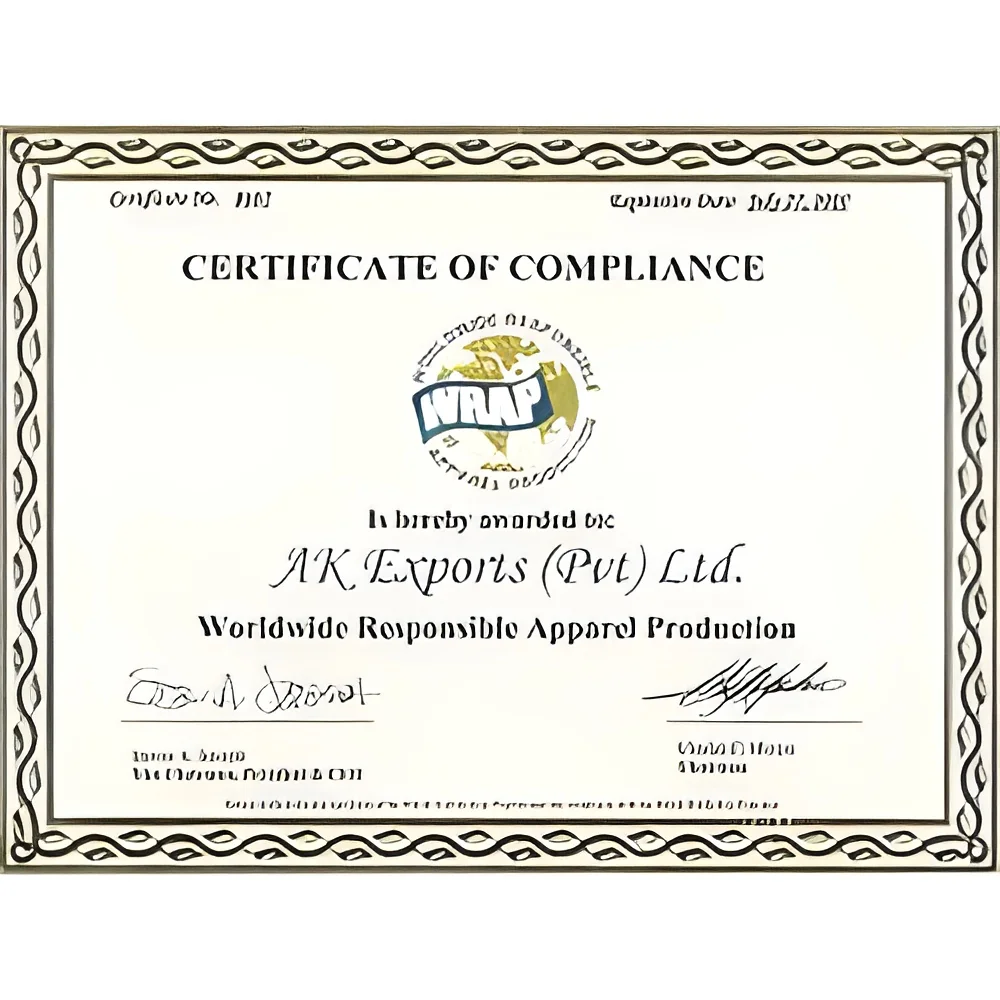
Fair Trade Clothing Exporters adhere to various compliance and certification standards that ensure the quality and ethical nature of their products. Key standards include ISO 9001, which focuses on quality management systems, and CE marking, indicating conformity with health, safety, and environmental protection standards.
Additionally, safety and testing requirements are crucial for ensuring that clothing meets market expectations. This includes testing for harmful substances and ensuring durability. Exporters must be aware of regional compliance considerations, which may vary by market and impact the ability to sell products in specific areas.
Compliance with these standards not only guarantees the quality of the clothing but also assures buyers that they are sourcing from responsible and ethical suppliers.
𝗪𝗵𝘆 𝗦𝗼𝘂𝗿𝗰𝗲 𝗙𝗮𝗶𝗿 𝗧𝗿𝗮𝗱𝗲 𝗖𝗹𝗼𝘁𝗵𝗶𝗻𝗴 𝗘𝘅𝗽𝗼𝗿𝘁𝗲𝗿𝘀 𝗳𝗿𝗼𝗺 𝗣𝗲𝗽𝗮𝗴𝗼𝗿𝗮?
Pepagora provides a trusted platform for sourcing Fair Trade Clothing Exporters, offering several key advantages that streamline the buying process.
Verified Supplier Network: Pepagora connects buyers with a network of verified suppliers committed to Fair Trade practices. This network ensures that businesses can source products with confidence, knowing they are dealing with reputable exporters.
Streamlined RFQ Process: The Request for Quotation (RFQ) process on Pepagora is designed to be straightforward, allowing buyers to quickly obtain quotes from multiple suppliers. This efficiency saves time and enables better decision-making.
Trade Assurance and Support: Buyers benefit from trade assurance programs that protect their interests throughout the purchasing process. Pepagora offers support to resolve any issues that may arise, ensuring a smooth transaction.
Regional Coverage: With a strong presence in India, the GCC, and Southeast Asia, Pepagora facilitates access to a diverse range of Fair Trade Clothing Exporters. This geographic reach allows businesses to find suitable suppliers that meet their specific needs and preferences.

 IN
IN