What are Fair Trade School Uniforms?
Fair Trade School Uniforms are garments produced under fair trade principles, ensuring that the workers involved in their production are treated ethically and paid fairly. These uniforms are designed for students in educational institutions, providing a standard attire that promotes equality and a sense of belonging among students. By sourcing materials and manufacturing processes that prioritize social responsibility, Fair Trade School Uniforms help foster sustainable practices within the textile industry.
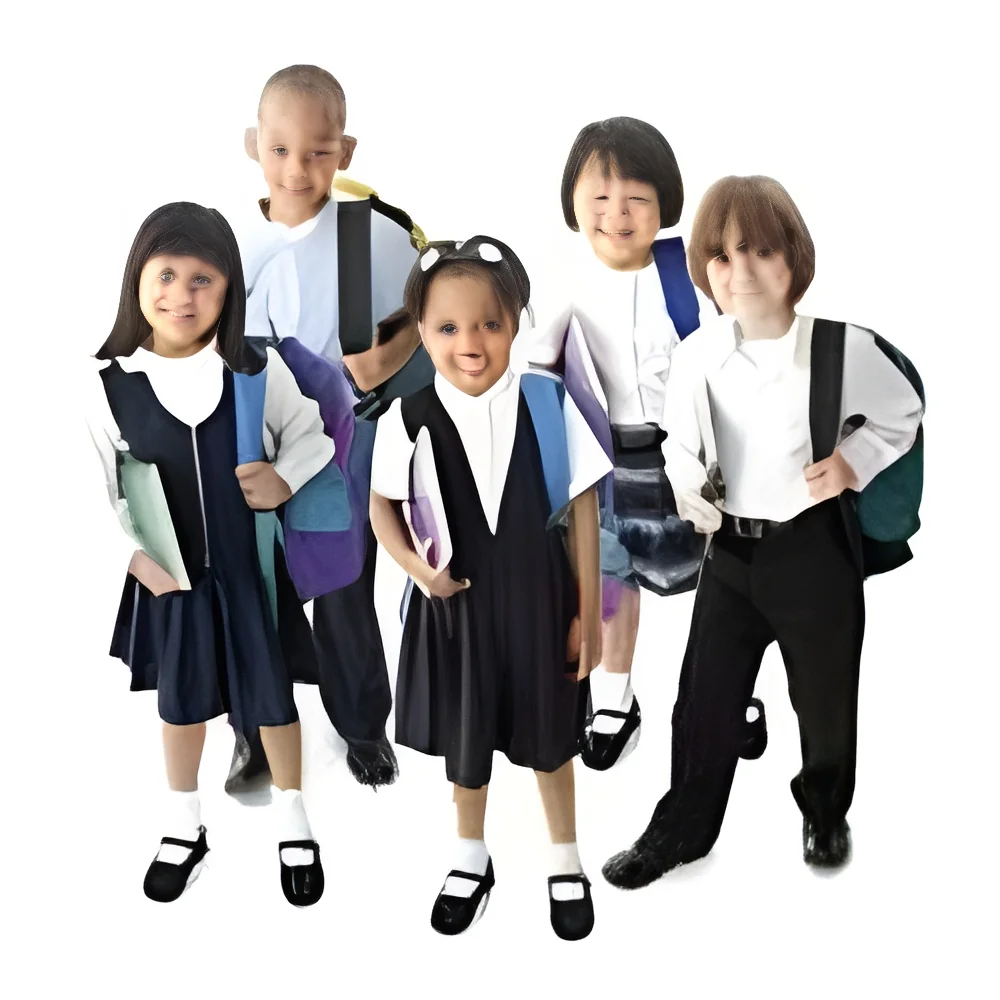
These uniforms are primarily used in schools, ranging from primary to secondary education. They are often mandated by educational institutions to create a uniform appearance among students, which can enhance school spirit and reduce peer pressure regarding clothing choices. Businesses involved in the manufacturing and supply of these uniforms cater not only to educational institutions but also to organizations advocating for ethical sourcing and sustainable practices in apparel.
In today's market, there is a growing demand for ethically produced clothing, including school uniforms. This trend reflects a broader awareness among consumers and institutions about the importance of sustainability and fair labor practices. Organizations are increasingly seeking partnerships with suppliers who can provide Fair Trade School Uniforms, thus supporting ethical practices while meeting their uniform needs.
Key Features and Specifications
Fair Trade School Uniforms come with a range of features and specifications that ensure quality and compliance with fair trade standards. The emphasis on ethical production methods makes these uniforms a responsible choice for educational institutions.
Key specifications include:
1. Fabric Quality
- Made from high-quality, sustainable materials
- Typically includes organic cotton or recycled polyester
2. Ethical Production
- Manufactured in certified fair trade factories
- Ensures fair wages and safe working conditions
3. Durability
- Designed to withstand daily wear and tear
- Colorfastness and shrink resistance
4. Customization Options
- Available in various colors and styles
- Option for school logos and insignias
5. Size Range
- Offers a comprehensive size range for all students
- Inclusive sizing to accommodate diverse body types
6. Eco-Friendly Practices
- Utilizes environmentally friendly dyes and processes
- Promotes reduced carbon footprints in production
In summary, Fair Trade School Uniforms provide a responsible choice for educational institutions that prioritize ethical sourcing and sustainability while ensuring quality and comfort.
Common Applications and Use Cases
Fair Trade School Uniforms serve a variety of industries and settings, demonstrating their versatility and appeal.
1. Educational Institutions: Schools use these uniforms to promote a sense of community and equality among students, ensuring that all children have access to the same attire.
2. Non-Profit Organizations: Many non-profits advocate for sustainable practices and use Fair Trade School Uniforms as a means to support ethical labor while providing uniforms to students in need.
3. Summer Camps: Camps often require uniforms for staff and campers, and Fair Trade options provide a responsible choice that aligns with their values.
4. Sports Teams: Some schools and organizations opt for Fair Trade uniforms for their sports teams, ensuring that athletes are outfitted in ethically produced gear.
5. Community Programs: Local initiatives that provide educational support may use Fair Trade uniforms as part of their efforts to promote sustainability and social responsibility.
6. International Schools: Institutions with diverse student bodies may choose Fair Trade uniforms to reflect their commitment to global citizenship.
In conclusion, Fair Trade School Uniforms are applicable in multiple contexts, making them a versatile choice for various organizations.
Product Variants and Subcategories
Fair Trade School Uniforms offer a diversity of options to cater to different needs and preferences in educational settings.
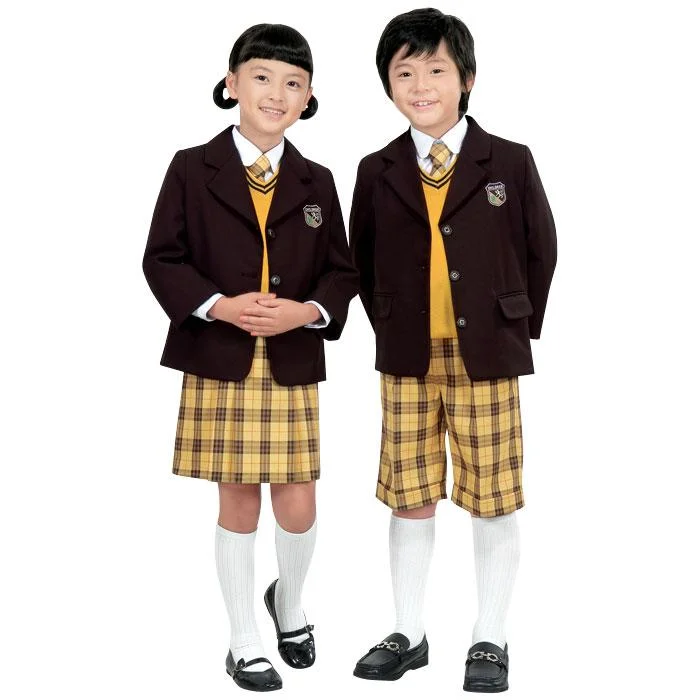
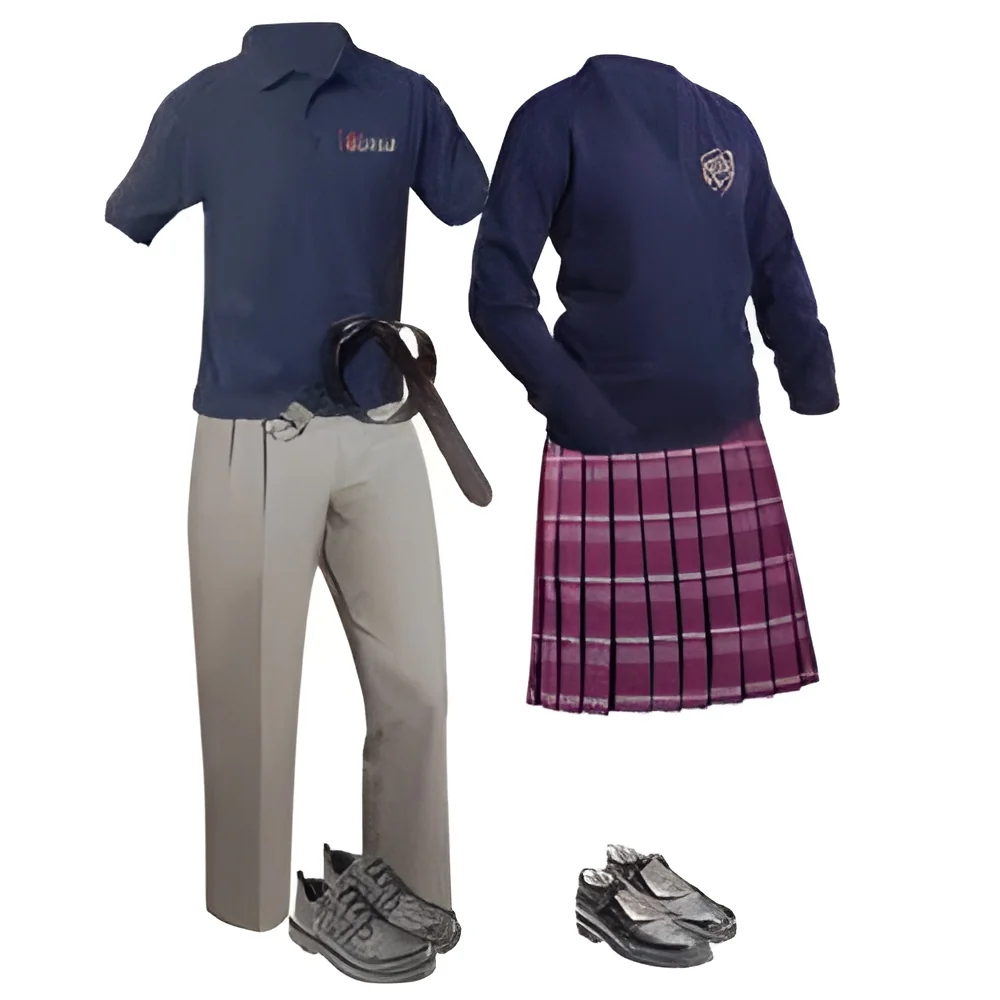
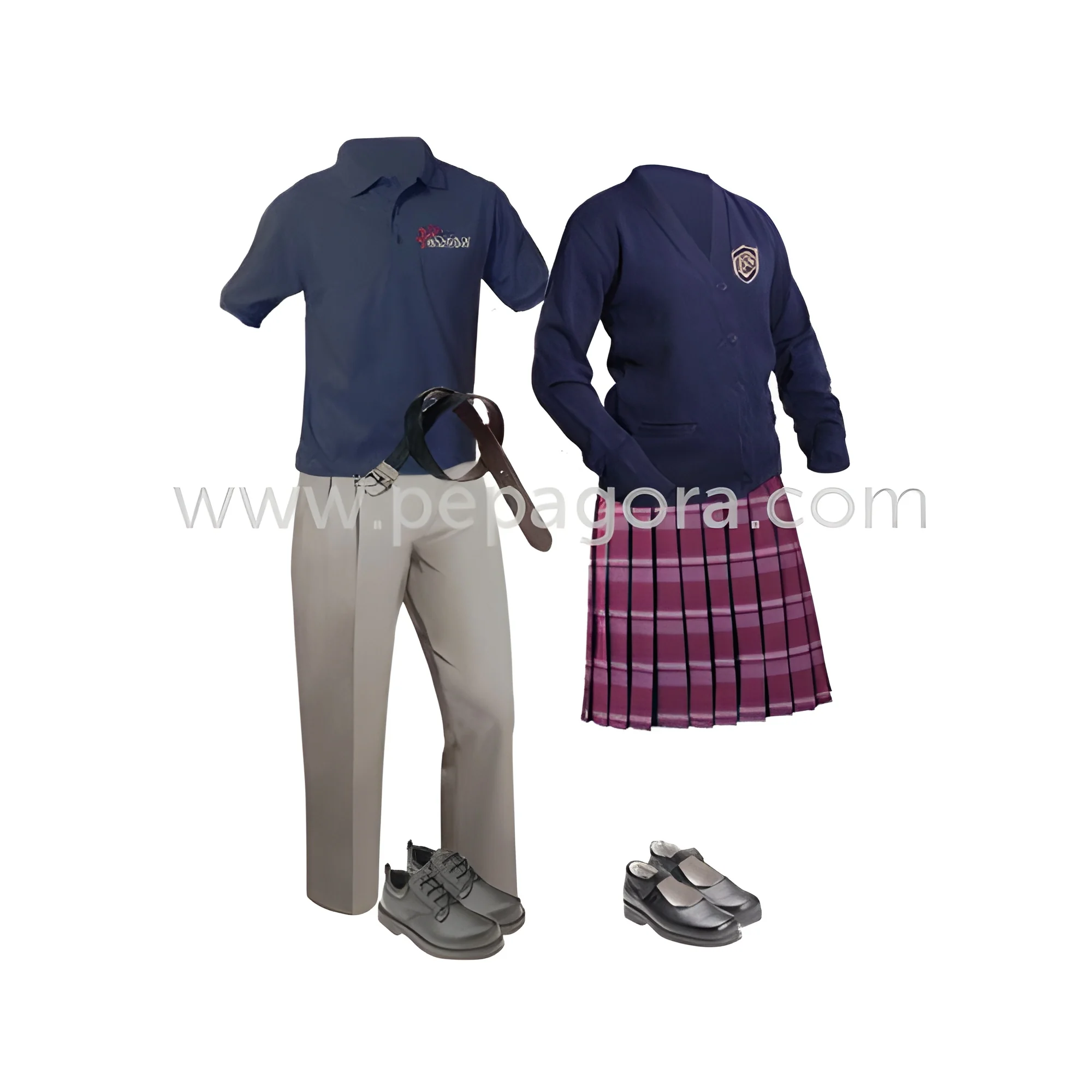
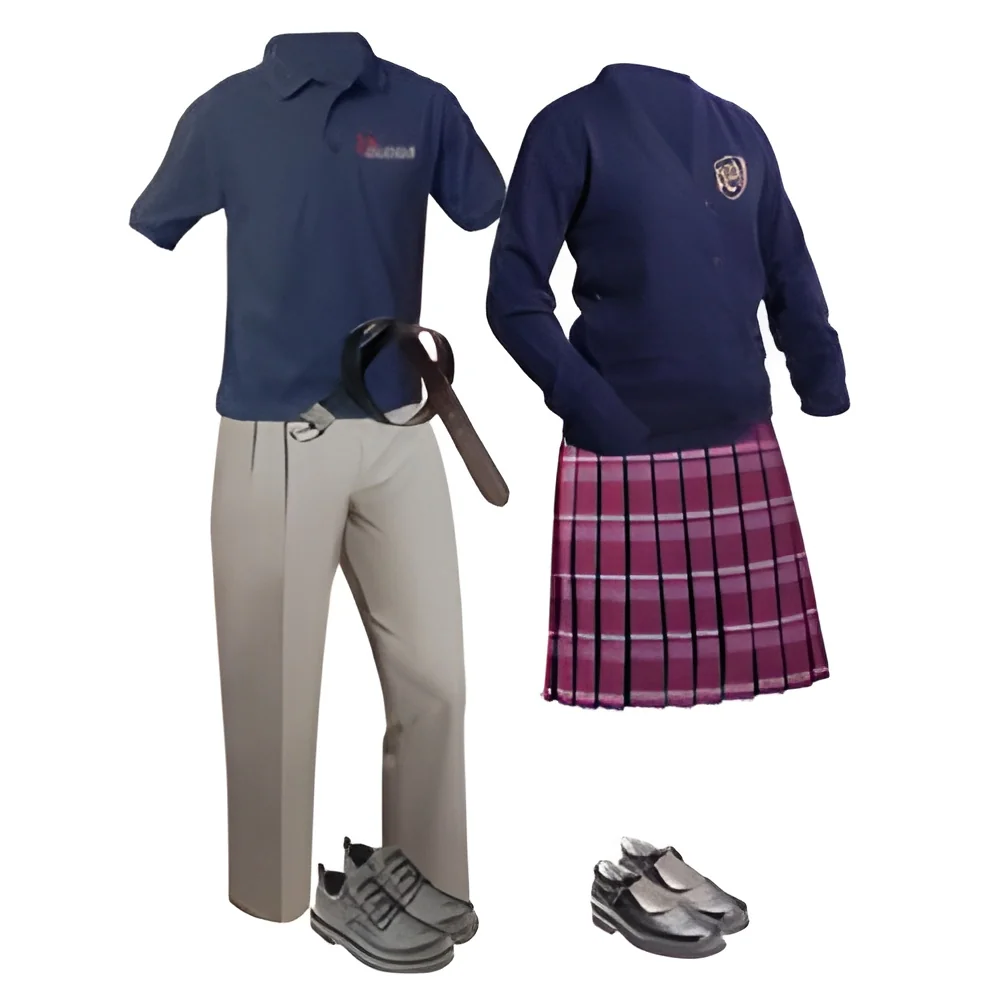
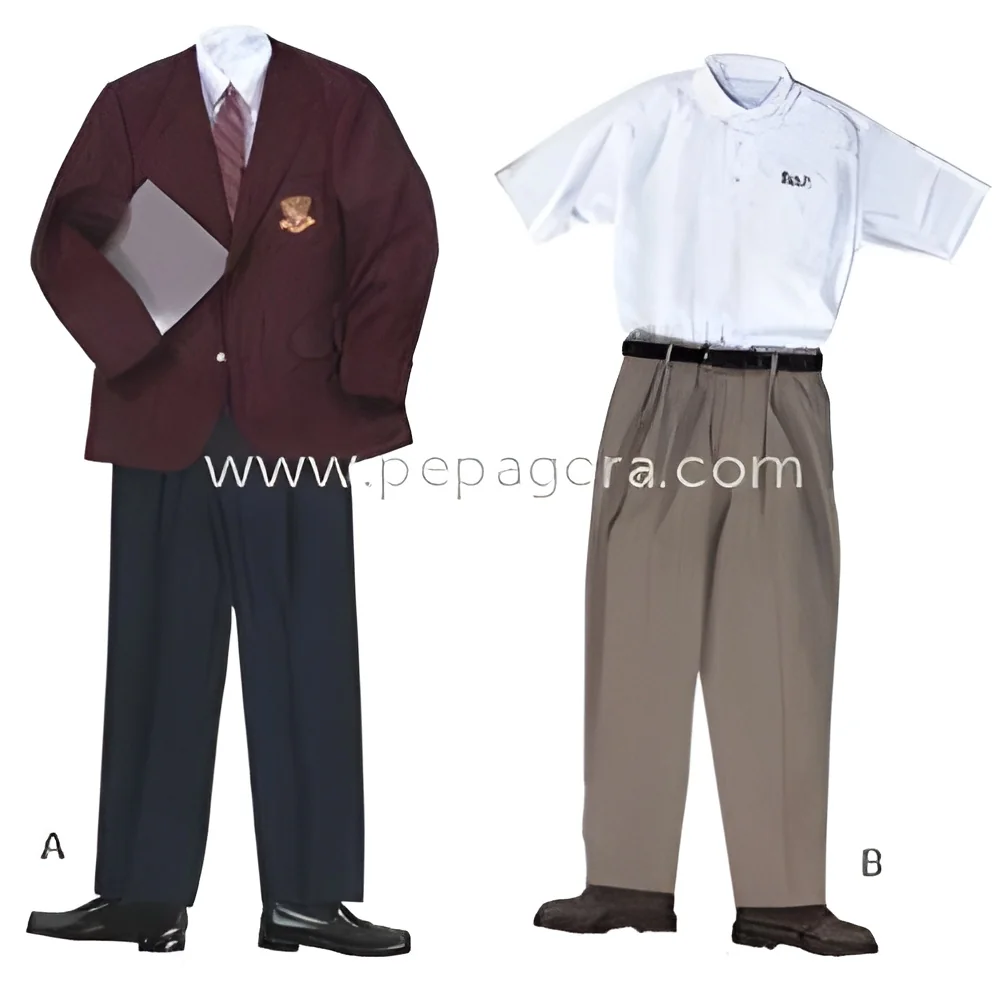
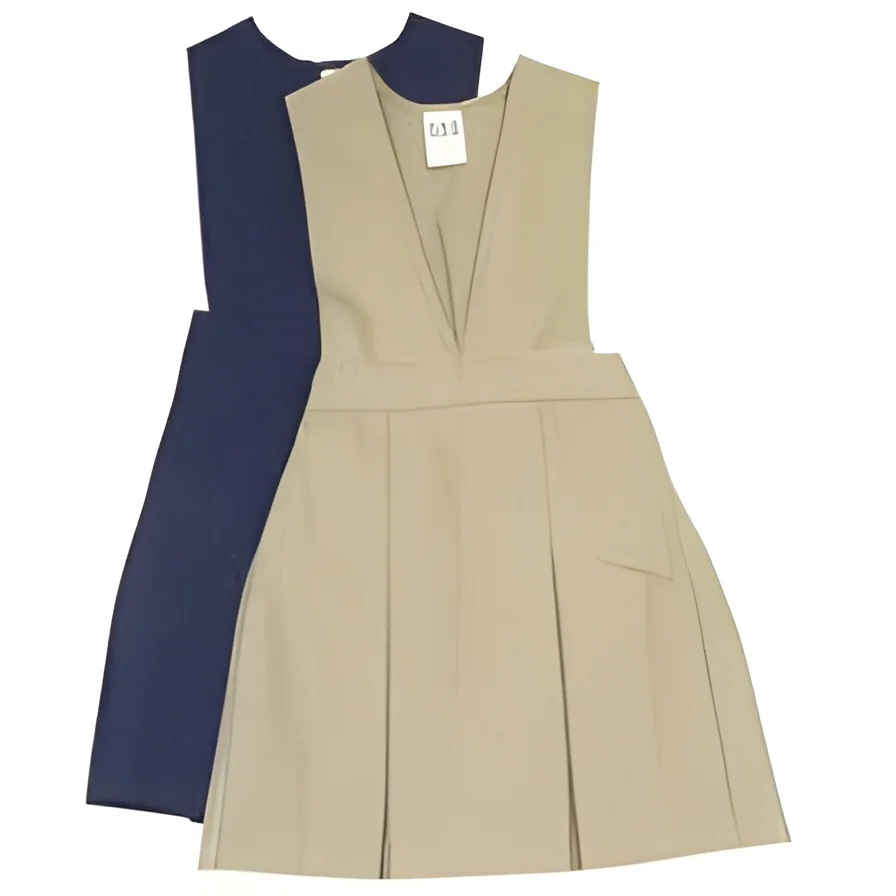
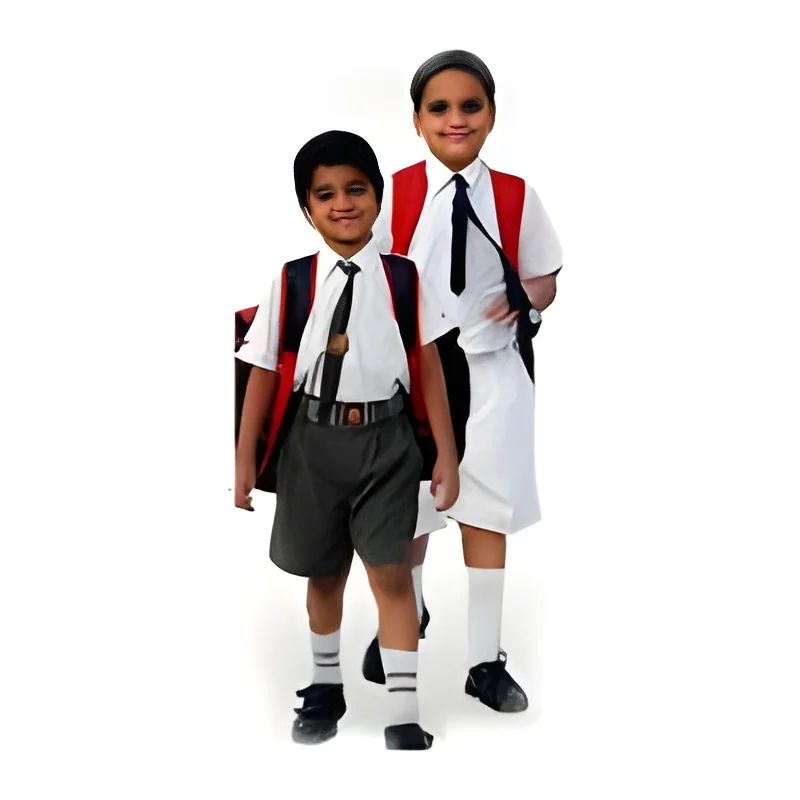
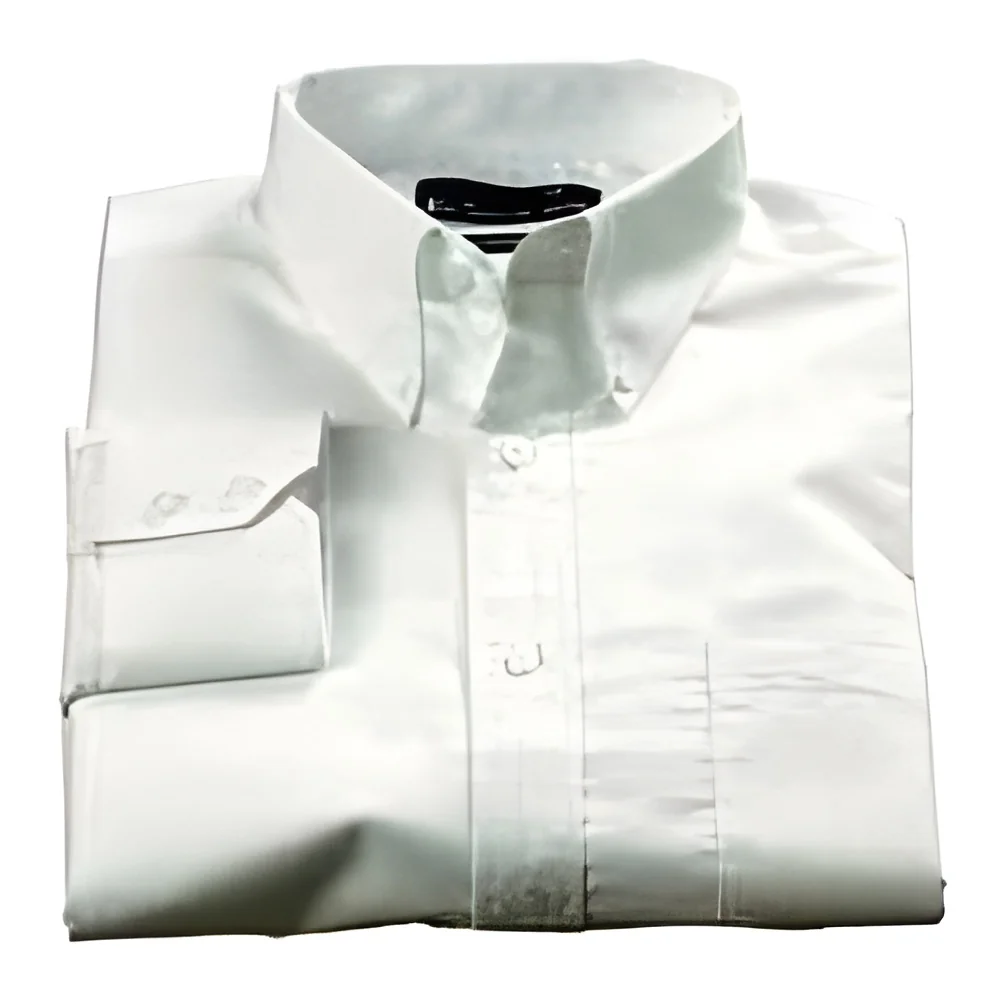
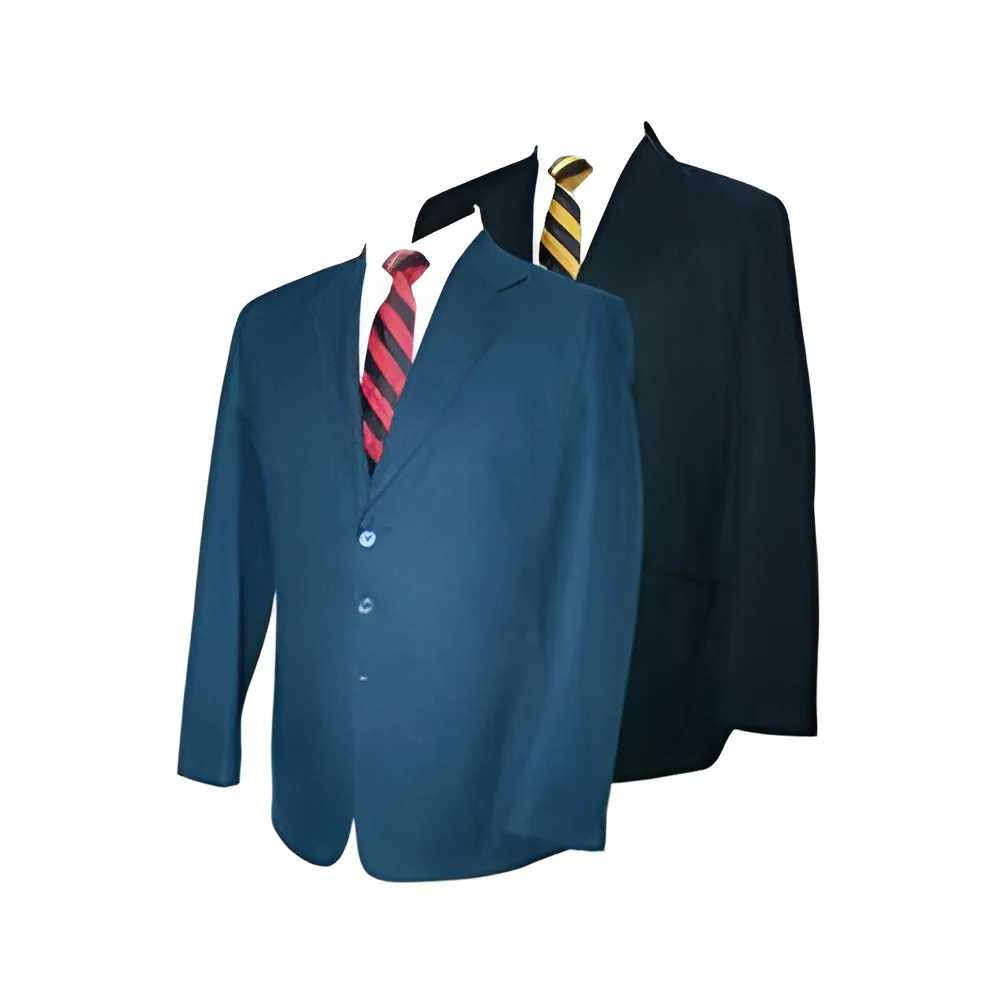
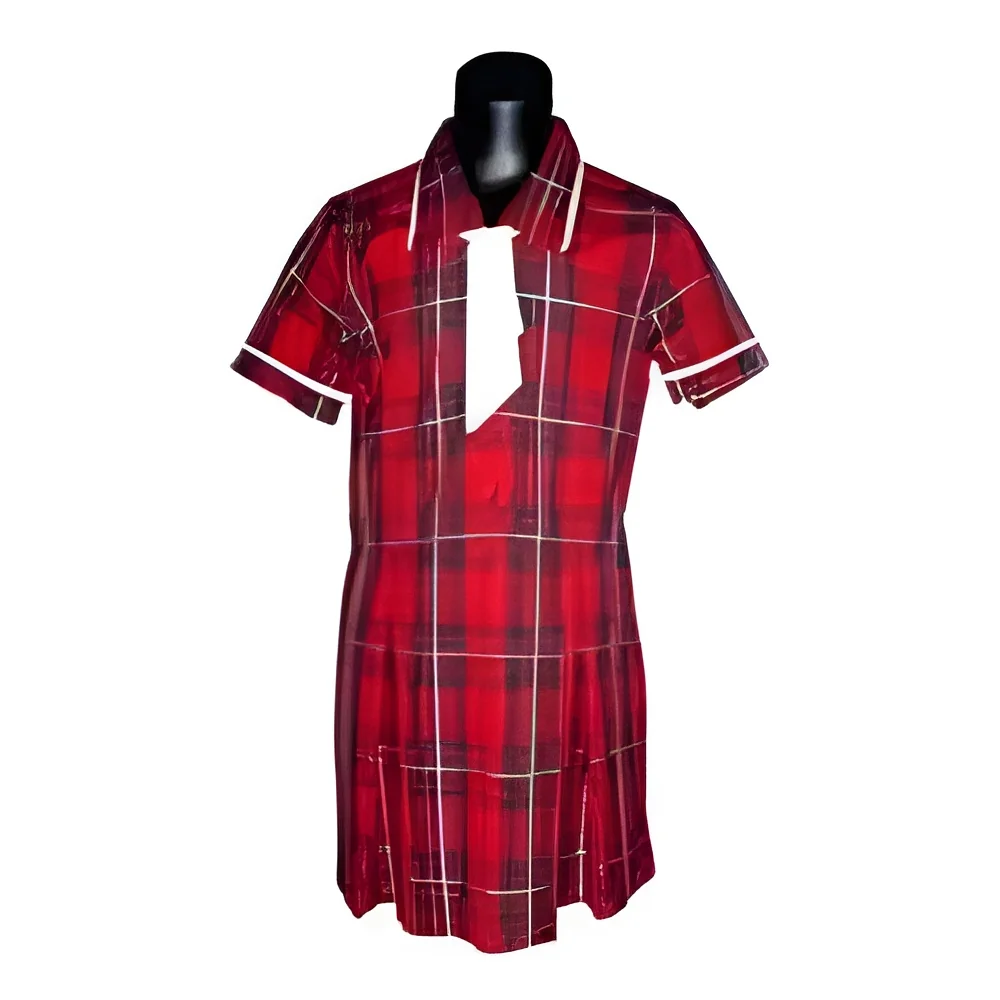
Traditional Uniforms: These are classic designs that include polo shirts, dress shirts, and trousers suitable for everyday school wear. They emphasize comfort and practicality while adhering to fair trade principles.
Activewear Uniforms: Designed for physical education classes, these variants include moisture-wicking materials and flexible designs to accommodate active movements. They ensure that students remain comfortable during physical activities.
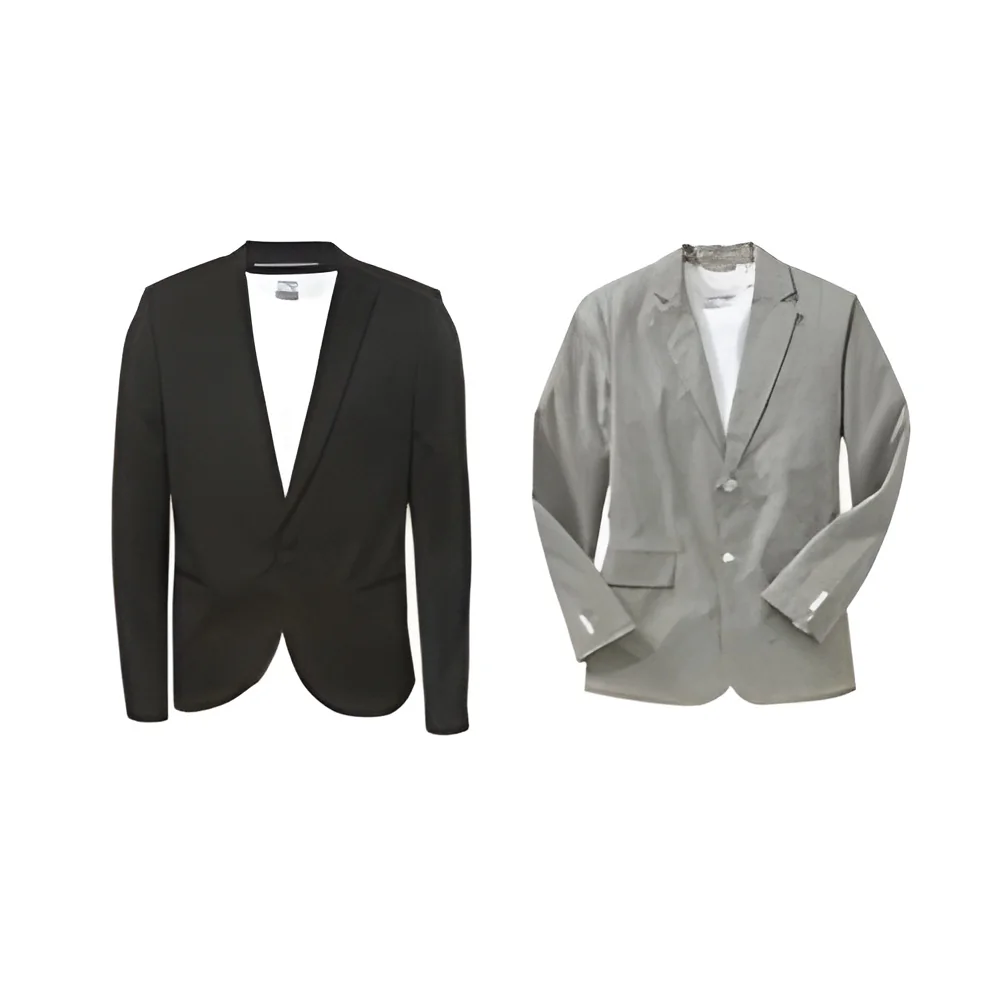
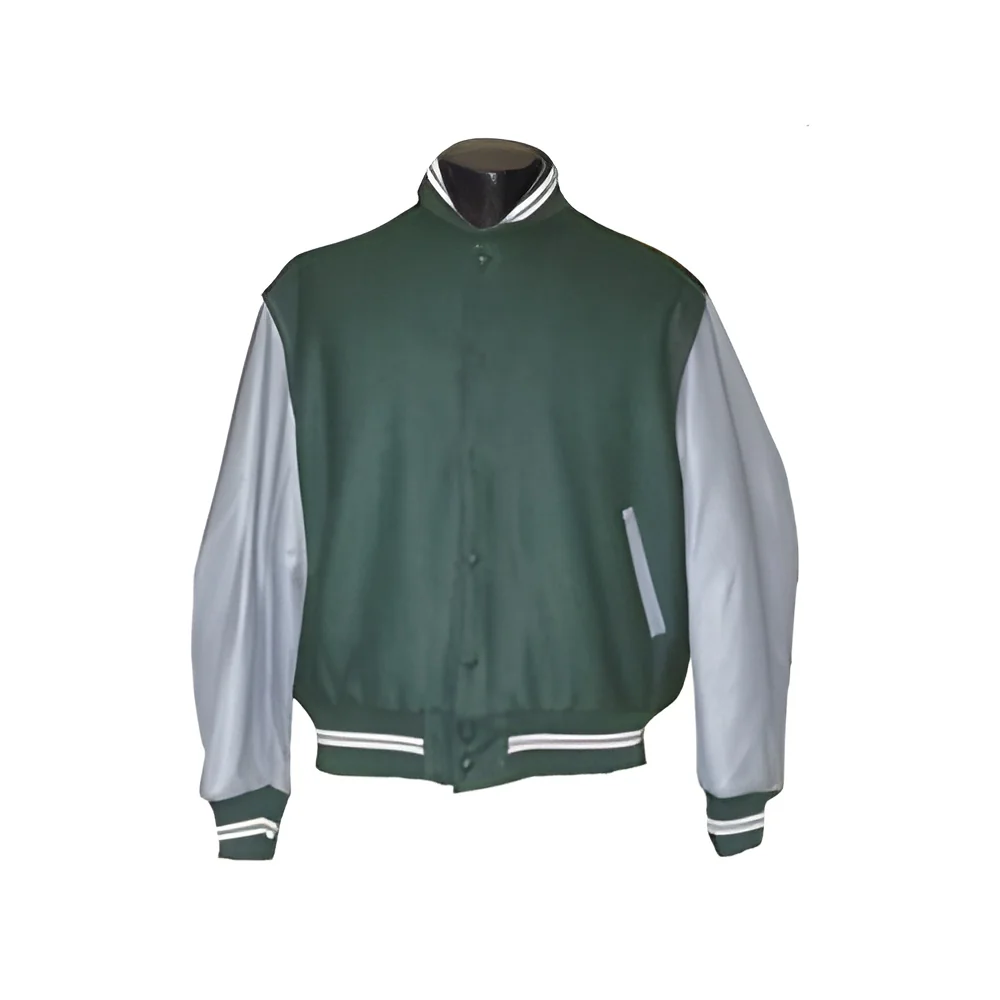
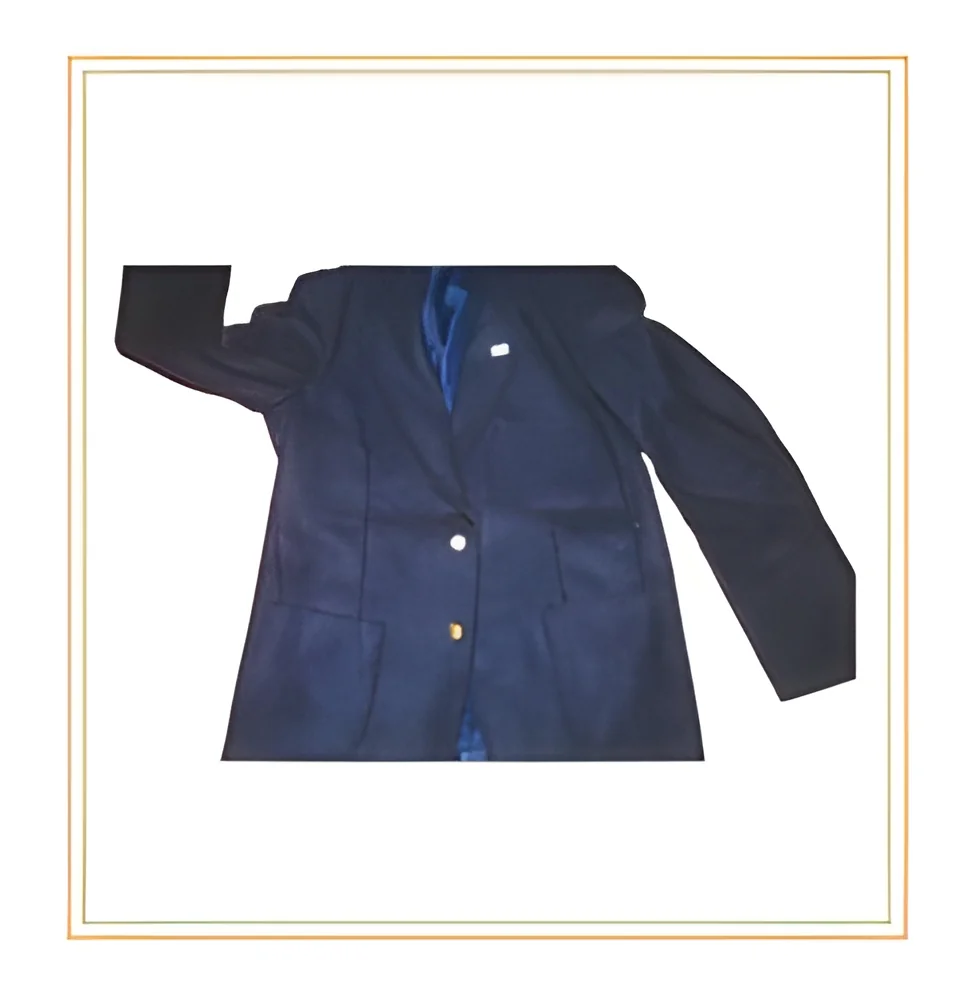
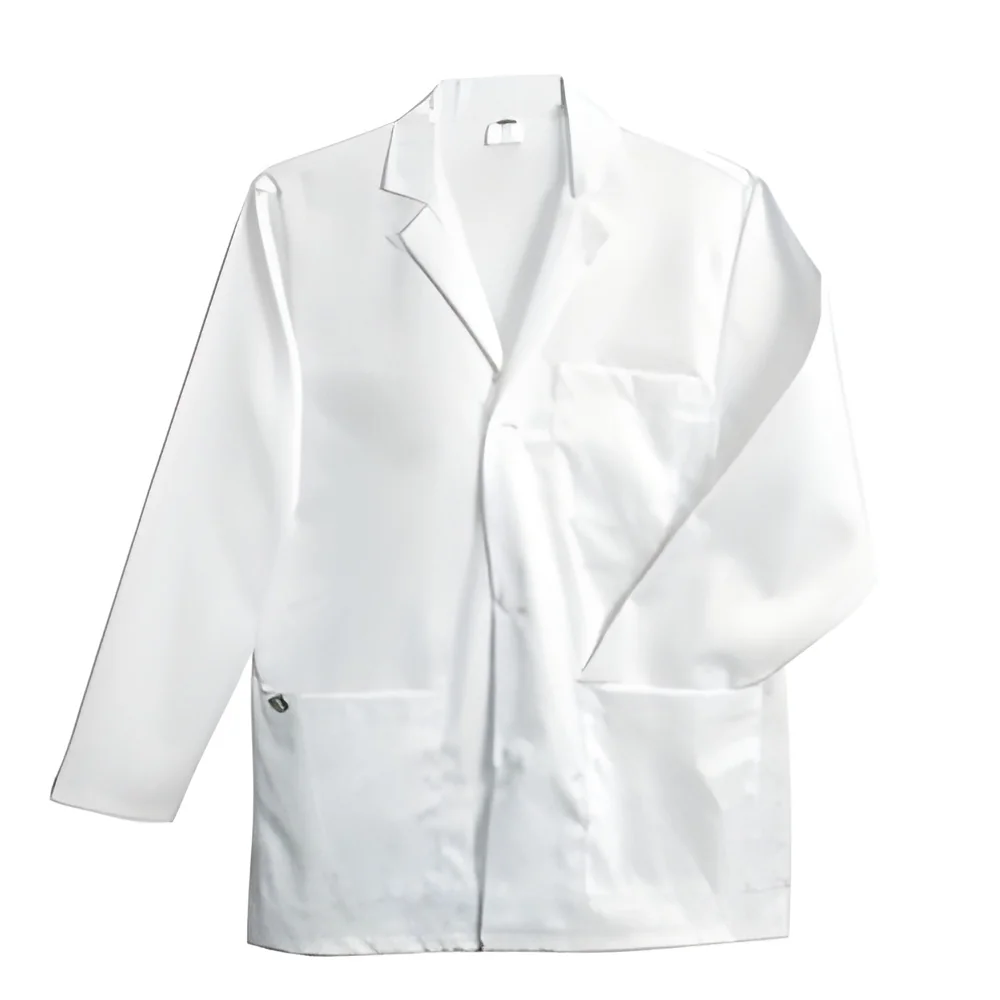
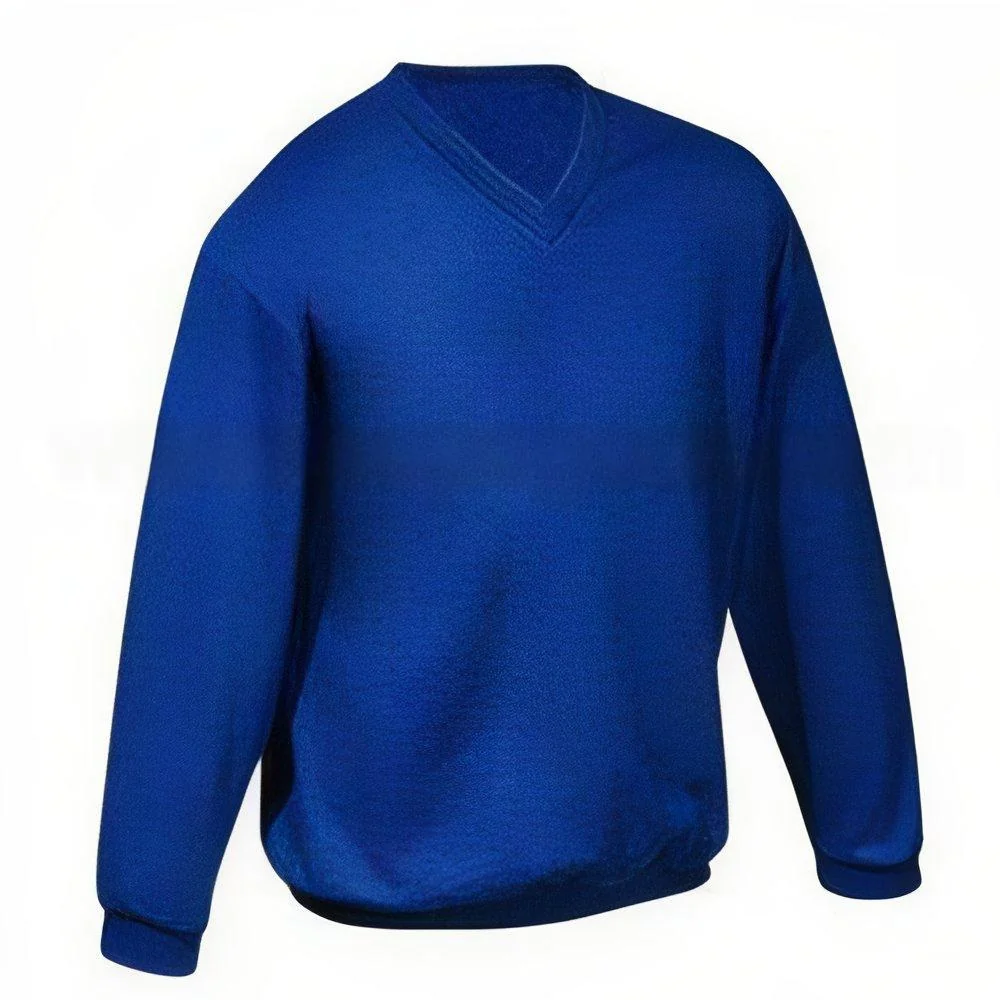
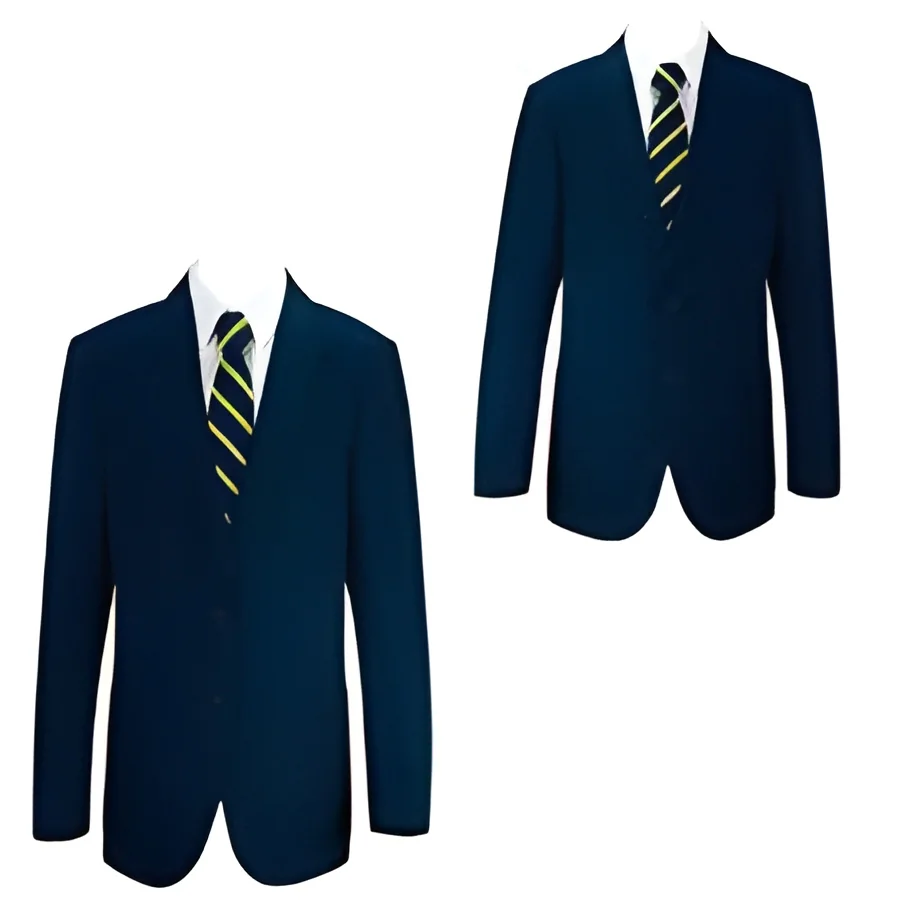
Winter Uniforms: Offering additional warmth, these uniforms include sweaters, jackets, and long-sleeve options made from sustainable fabrics. They provide comfort during colder months while maintaining ethical production standards.
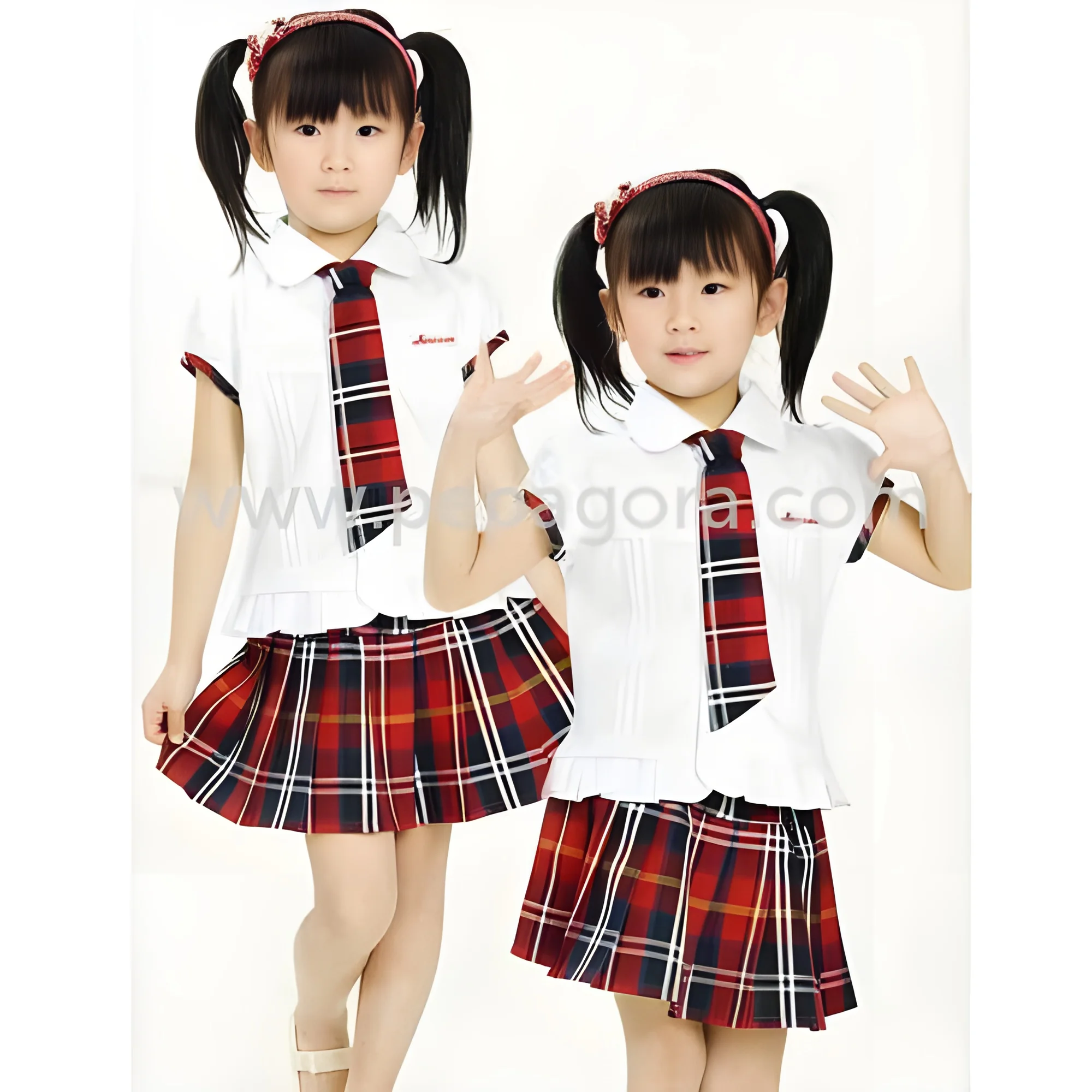
Accessories: Fair Trade options also extend to accessories such as ties, belts, and caps. These items can be customized to match the school's colors and branding.
Benefits and Advantages
Sourcing Fair Trade School Uniforms presents numerous benefits for educational institutions and organizations.
Key benefits include:
1. Ethical Sourcing: Ensures that workers are treated fairly and paid a living wage, aligning with corporate social responsibility goals.
2. Environmental Sustainability: Promotes the use of eco-friendly materials and processes, reducing the overall environmental impact of garment production.
3. Quality Assurance: Designed for durability and comfort, ensuring that uniforms can withstand the rigors of daily use while remaining comfortable for students.
4. Customization Flexibility: Offers various customization options, allowing schools to incorporate logos and colors that reflect their identity.
5. Positive Brand Image: Schools that adopt Fair Trade practices enhance their reputation as socially responsible institutions, attracting stakeholders who value ethical considerations.
6. Community Support: Purchasing Fair Trade School Uniforms contributes to the support of local communities and economies, fostering a sense of global citizenship among students.
Buying Guide for B2B Buyers
When sourcing Fair Trade School Uniforms, B2B buyers should consider several critical factors to ensure they make informed purchasing decisions.
1. Quality Assessment: Evaluate the fabric and construction quality of the uniforms. Look for certifications that indicate adherence to ethical and sustainable production practices.
2. Supplier Verification: Vet suppliers to ensure they are genuinely certified under fair trade standards, confirming their commitment to ethical labor practices.
3. Pricing and MOQ: Understand the pricing structure and minimum order quantities. This will help in budgeting and aligning with procurement plans.
4. Delivery and Lead Times: Consider logistics and the supplier's ability to meet delivery timelines, especially for bulk orders required at the start of school terms.
5. Compliance Requirements: Ensure that the uniforms meet any local regulations regarding school attire or safety standards, especially if they are to be used in specific environments.
Compliance and Certifications
Fair Trade School Uniforms are subject to various compliance standards and certifications that enhance their credibility and quality assurance. Relevant quality standards include ISO 9001, which focuses on quality management systems, ensuring that manufacturers adhere to high production standards.
Additionally, compliance with CE certification indicates that the products meet European safety and health requirements, making them suitable for the international market.
Safety and testing requirements are also crucial, particularly for uniforms intended for physical education or outdoor activities. These uniforms must undergo rigorous testing to ensure they can withstand varying conditions while providing safety and comfort.
Regional compliance considerations are essential as different regions may have specific regulations regarding production processes and labor practices. Ensuring compliance with these regional standards helps protect buyers from potential legal issues.
Why Source Fair Trade School Uniforms from Pepagora?
Pepagora offers a trusted platform for sourcing Fair Trade School Uniforms, providing several key advantages for B2B buyers looking to make responsible purchasing decisions.
Verified Supplier Network: Pepagora has established a network of verified suppliers who adhere to fair trade standards. This ensures that buyers have access to high-quality uniforms that are produced ethically.
Streamlined RFQ Process: The platform features an efficient Request for Quotation (RFQ) system, allowing buyers to easily compare options and receive competitive pricing from multiple suppliers.
Trade Assurance and Support: Pepagora offers buyer protection measures, ensuring that transactions are secure and that buyers have access to support throughout the procurement process.
Regional Coverage: The platform has a strong presence in key markets, including India, the GCC, and Southeast Asia, providing buyers with a wide range of sourcing options tailored to their regional needs.
In conclusion, sourcing Fair Trade School Uniforms through Pepagora not only meets ethical standards but also supports businesses in making informed, responsible choices for their uniform needs.

 IN
IN