𝗪𝗵𝗮𝘁 𝗮𝗿𝗲 𝗙𝗮𝗶𝗿 𝗧𝗿𝗮𝗱𝗲 𝗖𝗹𝗼𝘁𝗵𝗶𝗻𝗴?
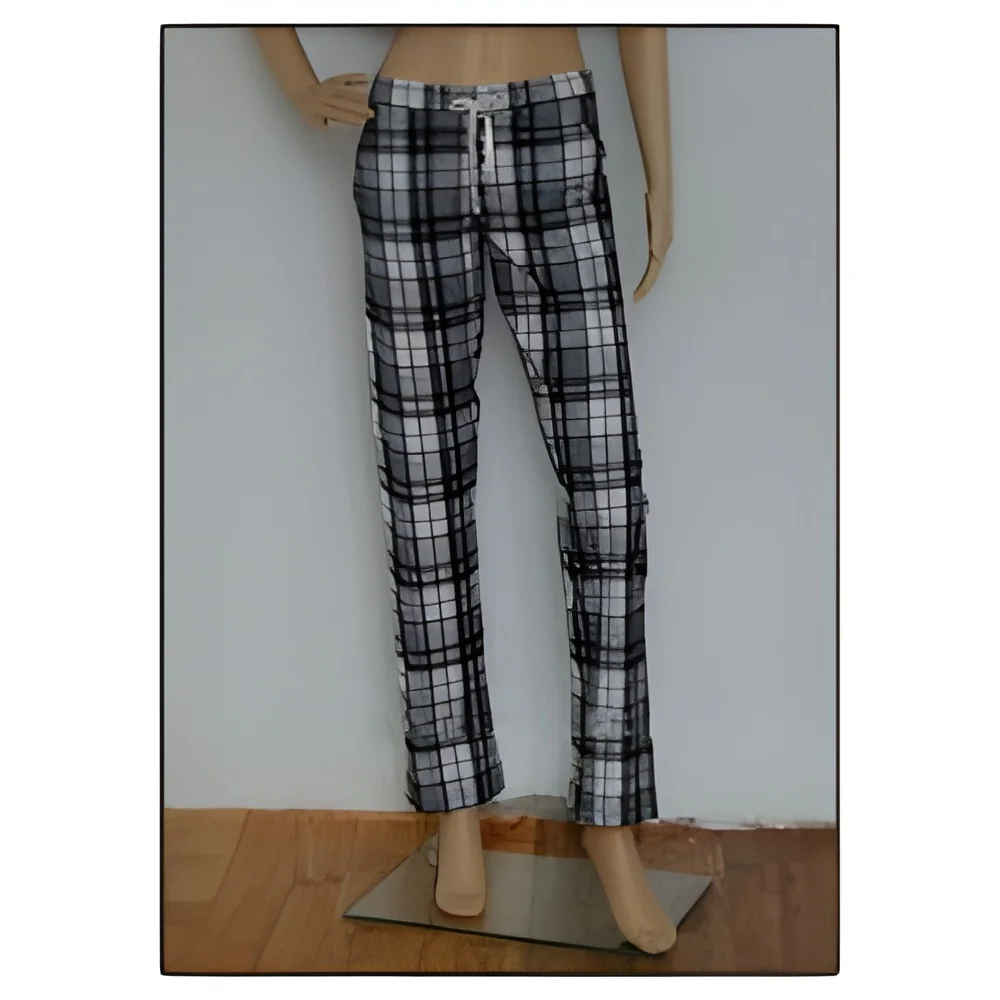
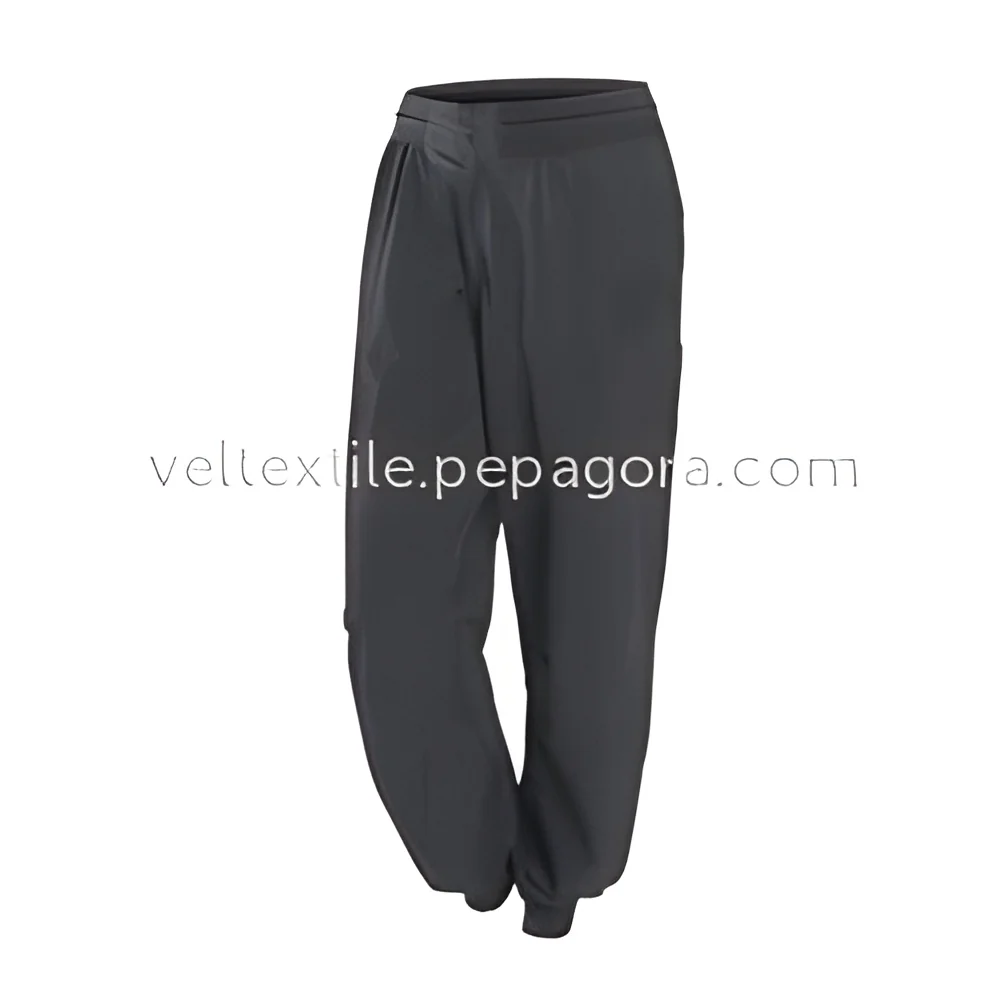
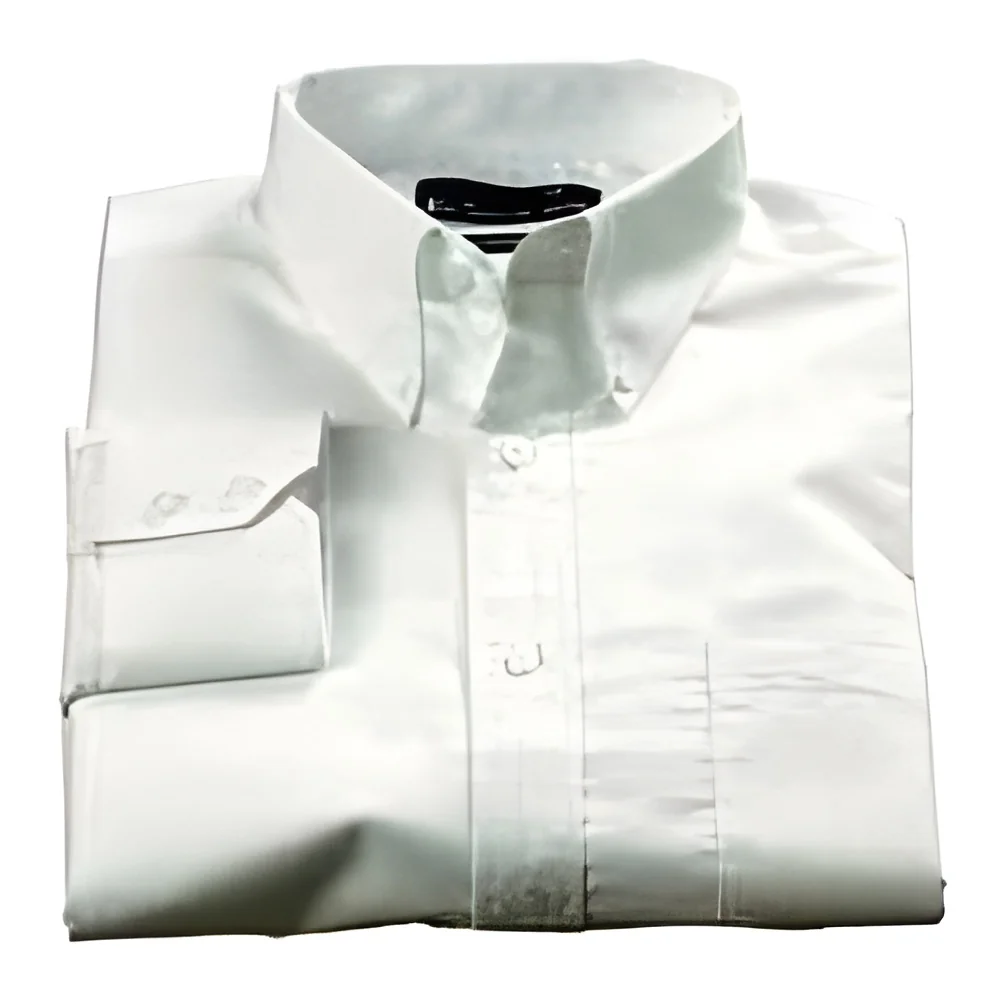
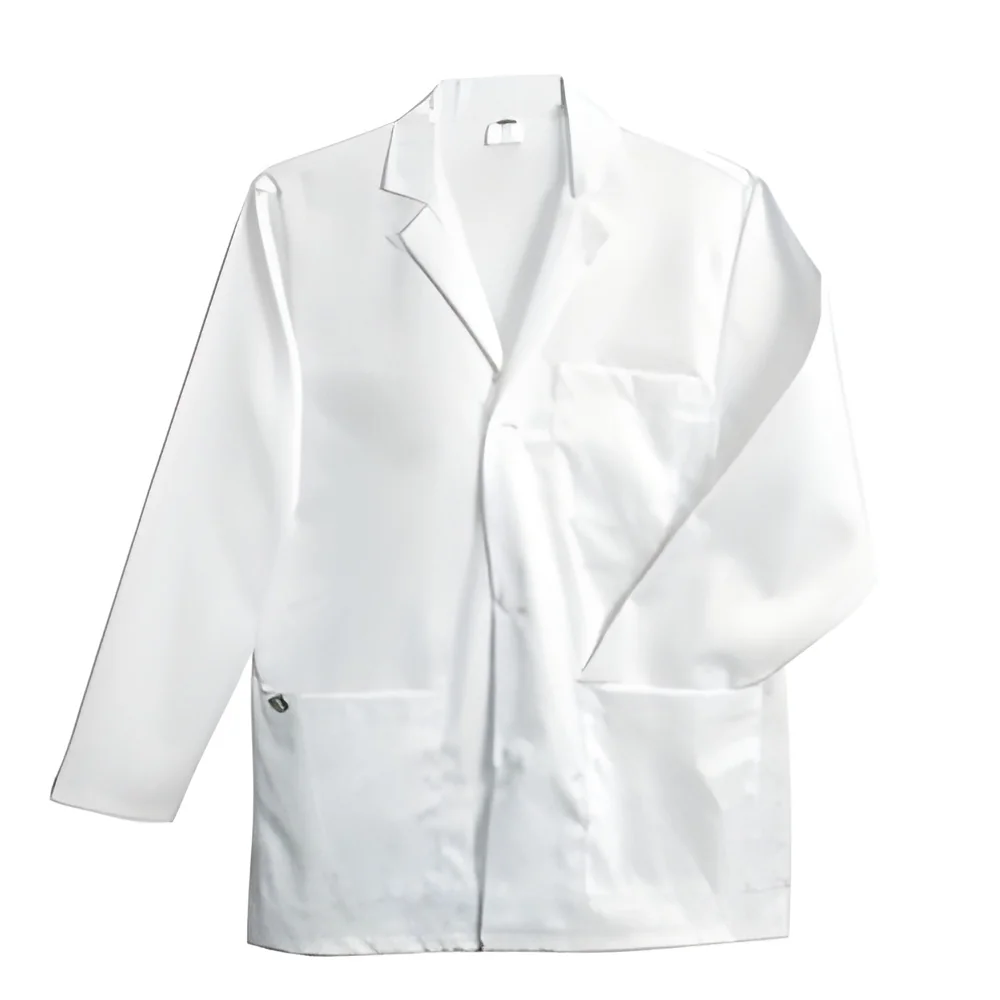
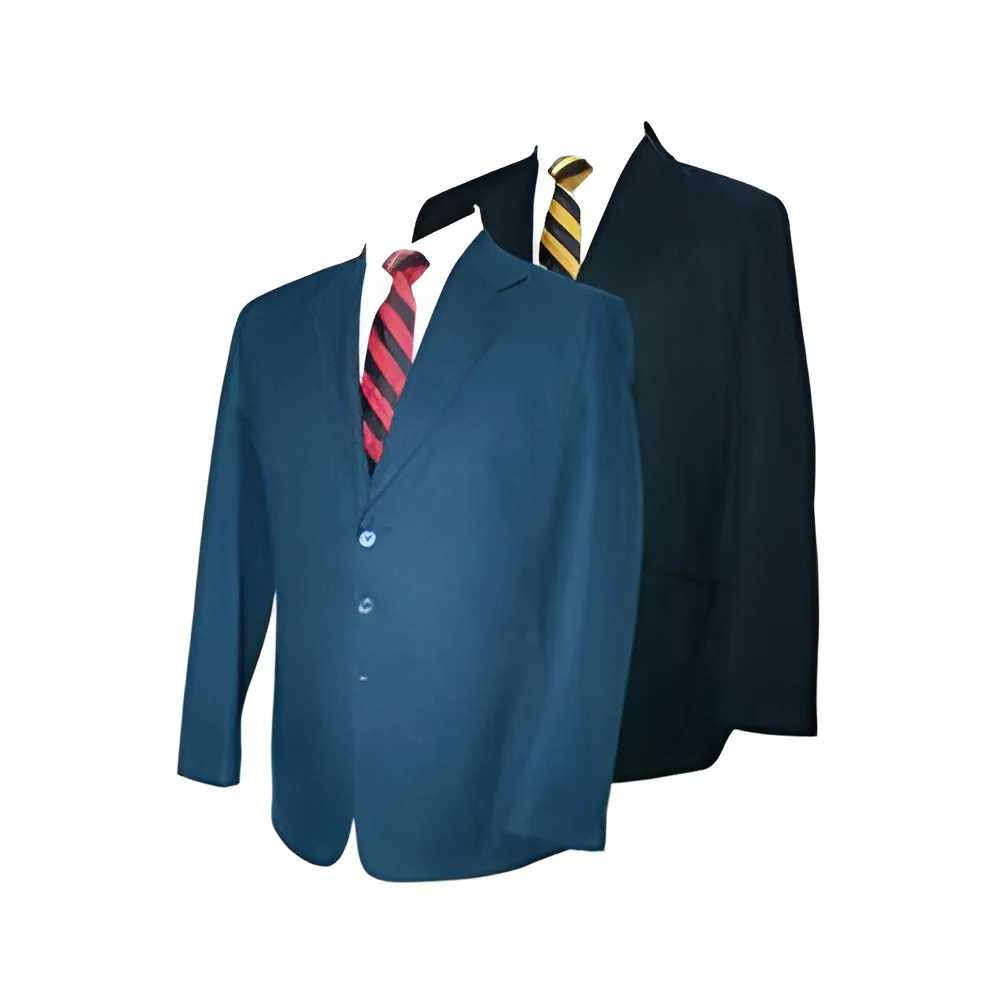
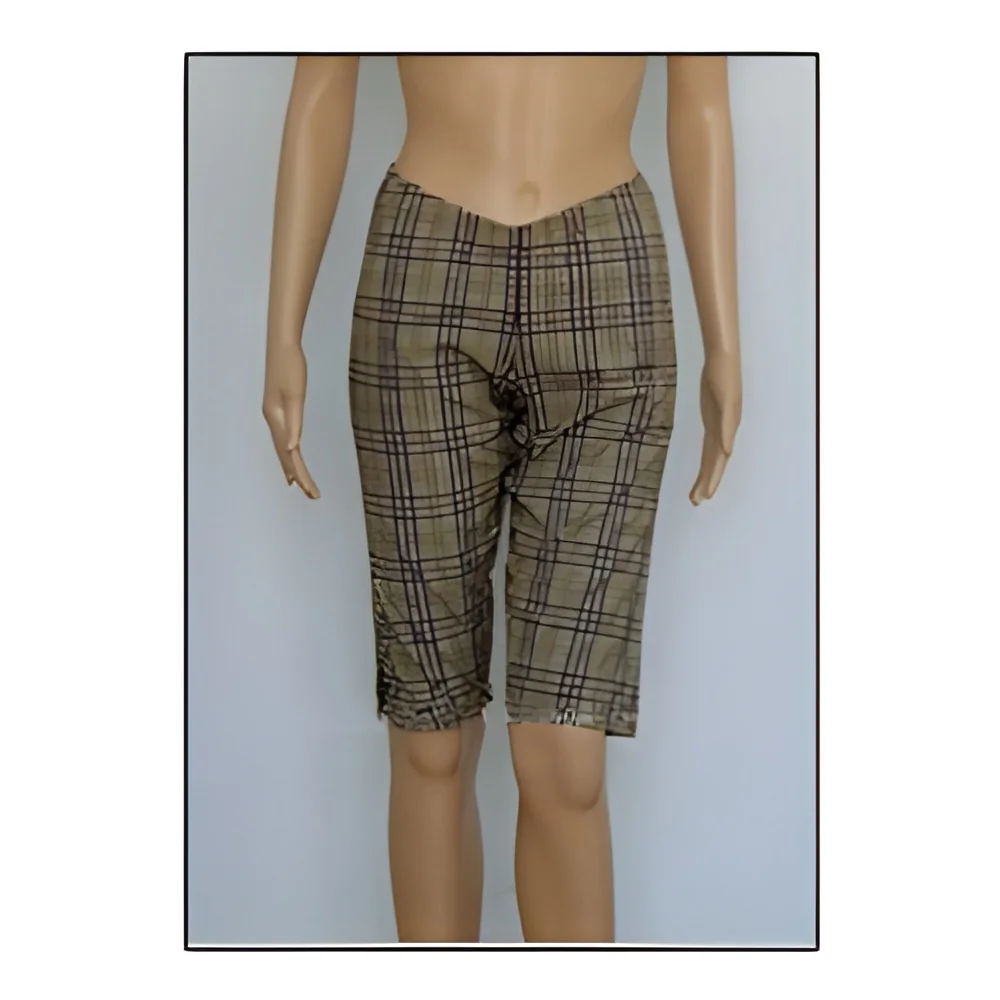
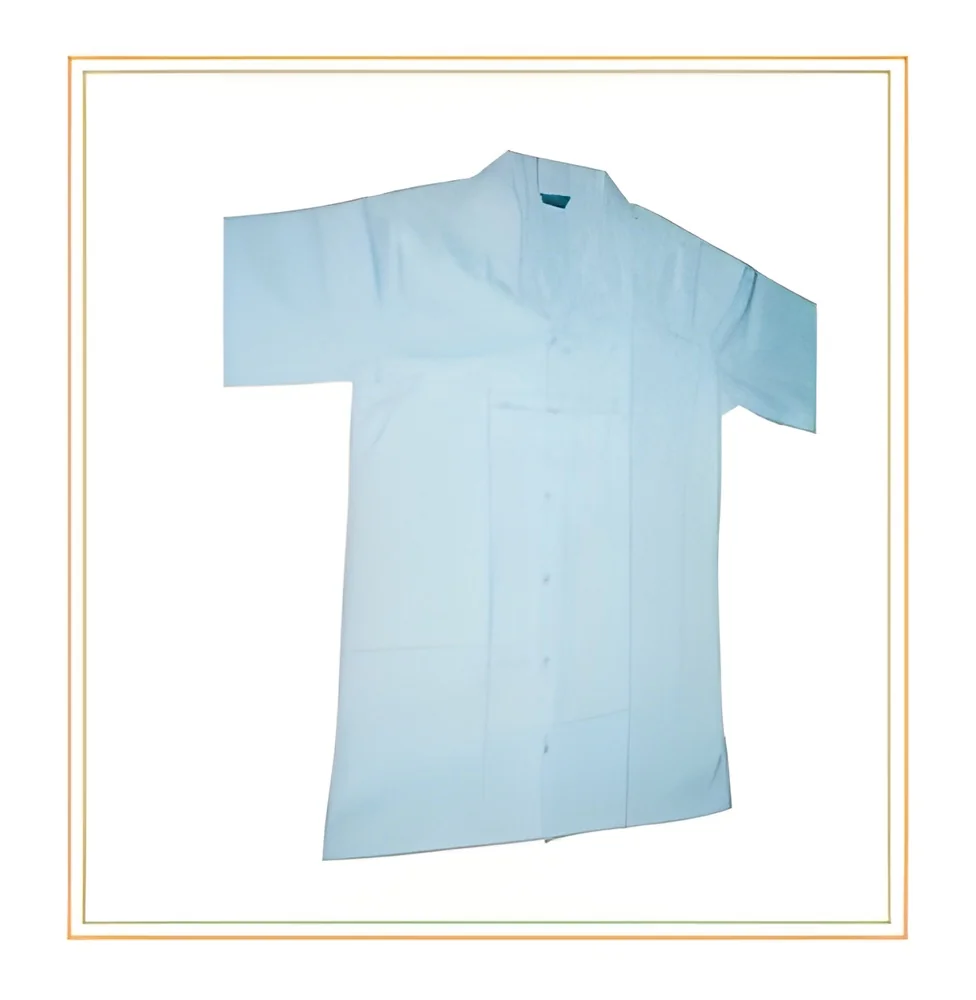
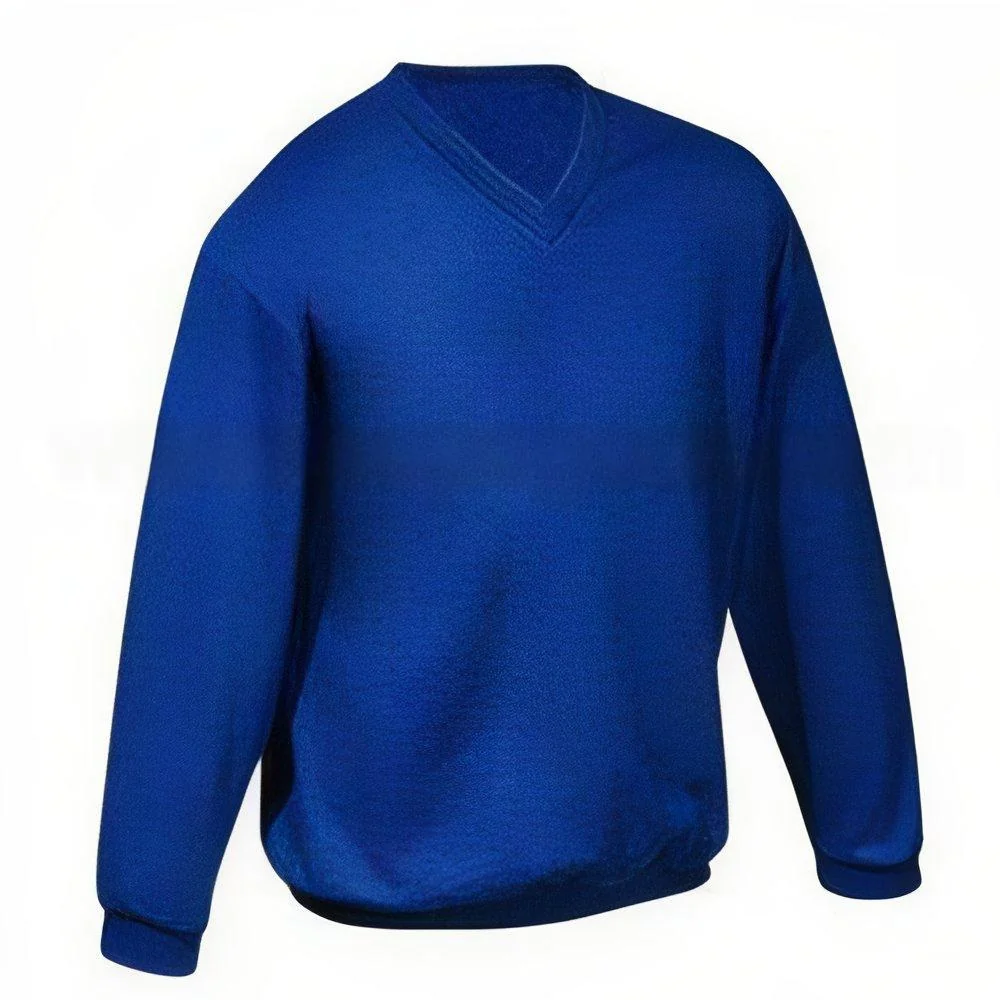
Fair Trade Clothing refers to garments produced under fair labor conditions, ensuring that workers receive equitable wages and work in safe environments. This approach emphasizes ethical production practices, sustainable sourcing, and a commitment to social responsibility. Fair Trade Clothing is often made from organic or eco-friendly materials, and the production process typically supports local communities by promoting fair trade principles.
These garments are commonly used by businesses that prioritize ethical practices in their supply chains. Retailers, fashion brands, and corporate organizations often incorporate Fair Trade Clothing into their offerings to cater to socially conscious consumers. In recent years, the demand for such clothing has surged, reflecting a growing awareness of environmental and ethical issues in the fashion industry. As more companies adopt sustainable practices, Fair Trade Clothing has become increasingly relevant in the global marketplace.
𝗞𝗲𝘆 𝗙𝗲𝗮𝘁𝘂𝗿𝗲𝘀 𝗮𝗻𝗱 𝗦𝗽𝗲𝗰𝗶𝗳𝗶𝗰𝗮𝘁𝗶𝗼𝗻𝘀
Fair Trade Clothing offers various features that differentiate it from conventional garments. These specifications are vital for businesses looking to align with ethical sourcing standards while meeting consumer demands.
Key specifications include:
1. Materials
- Typically made from organic cotton, recycled polyester, or other eco-friendly fibers.
- Ensures minimal environmental impact during production.
2. Labor Standards
- Adheres to fair labor practices, including fair wages and safe working conditions.
- Certification by recognized Fair Trade organizations.
3. Environmental Practices
- Utilizes sustainable production techniques.
- Reduces carbon footprint through eco-conscious sourcing.
4. Customization Options
- Many suppliers offer customization for branding and specific design needs.
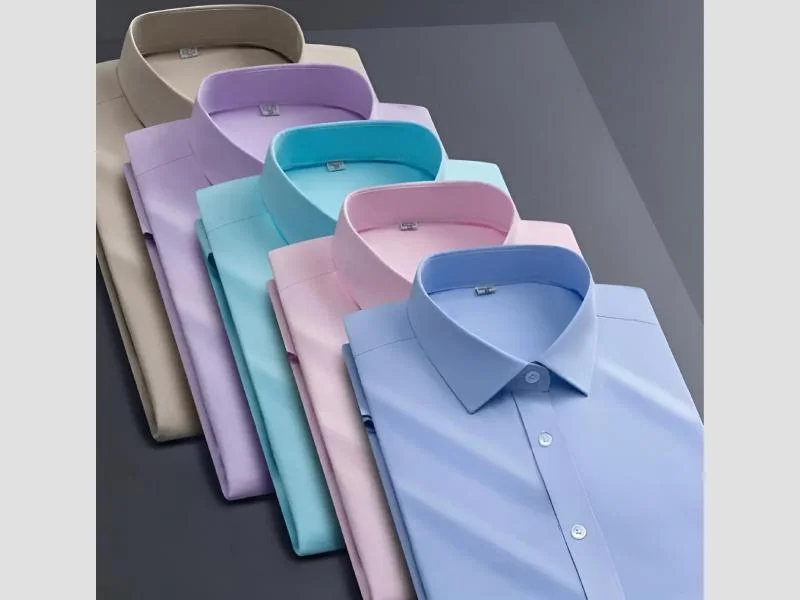
- Flexibility in sizes, colors, and styles to meet diverse market demands.
5. Certifications
- Often carries certifications like CE for safety and quality assurance.
- Compliance with international standards for ethical production.
6. Minimum Order Quantities (MOQ)
- Varies by supplier, typically starting from small batches to large-scale orders.
- Allows businesses of all sizes to engage in Fair Trade practices.
7. Lead Times
- Production timelines vary but are generally longer than conventional clothing due to ethical sourcing methods.
- Suppliers provide estimated delivery times based on order size and complexity.
8. Regional Sourcing
- Many Fair Trade Clothing items are sourced from specific regions known for ethical production.
- Supports local economies and communities.
In summary, Fair Trade Clothing stands out due to its commitment to ethical production, sustainability, and social responsibility. Businesses can leverage these specifications to align with consumer values and enhance their brand reputation.
𝗖𝗼𝗺𝗺𝗼𝗻 𝗔𝗽𝗽𝗹𝗶𝗰𝗮𝘁𝗶𝗼𝗻𝘀 𝗮𝗻𝗱 𝗨𝘀𝗲 𝗖𝗮𝘀𝗲𝘀
Fair Trade Clothing finds its place in various industries, catering to a wide range of needs.
1. Retail Fashion: Many fashion retailers include Fair Trade Clothing in their product lines to appeal to consumers who prioritize ethical shopping.
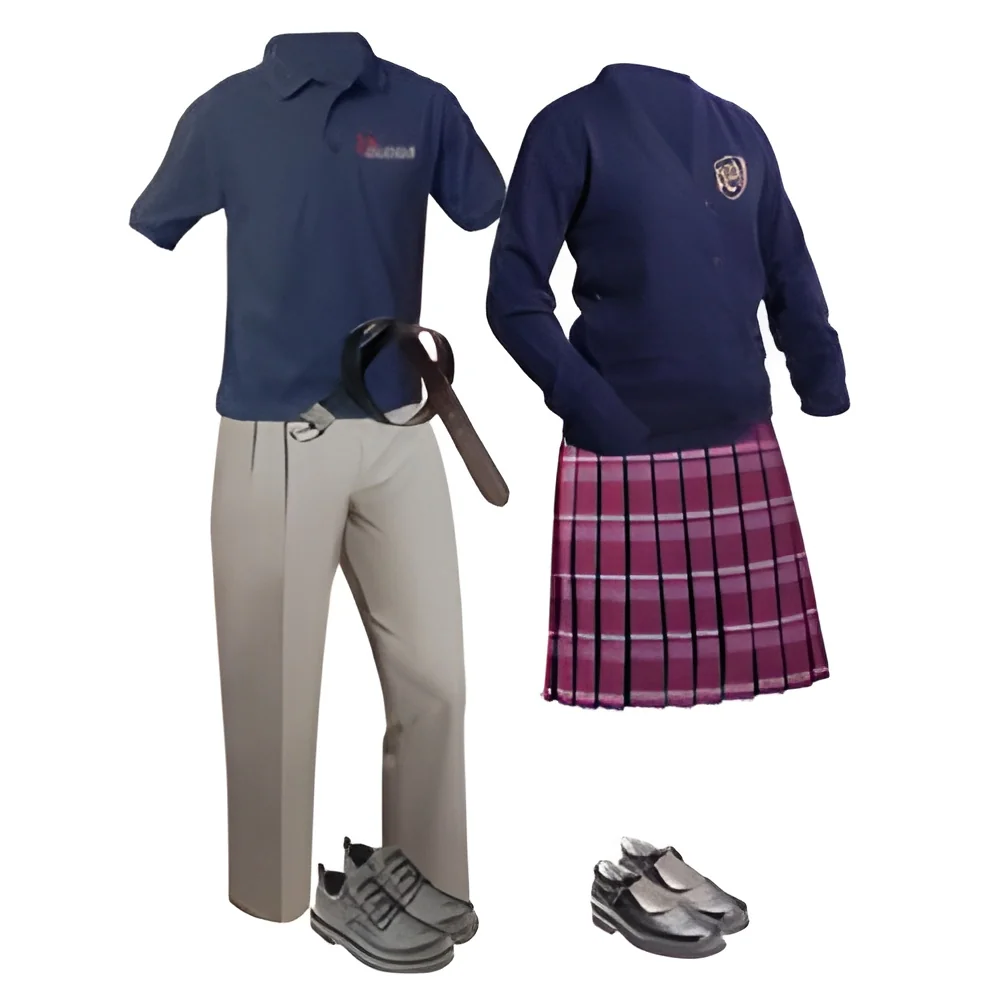
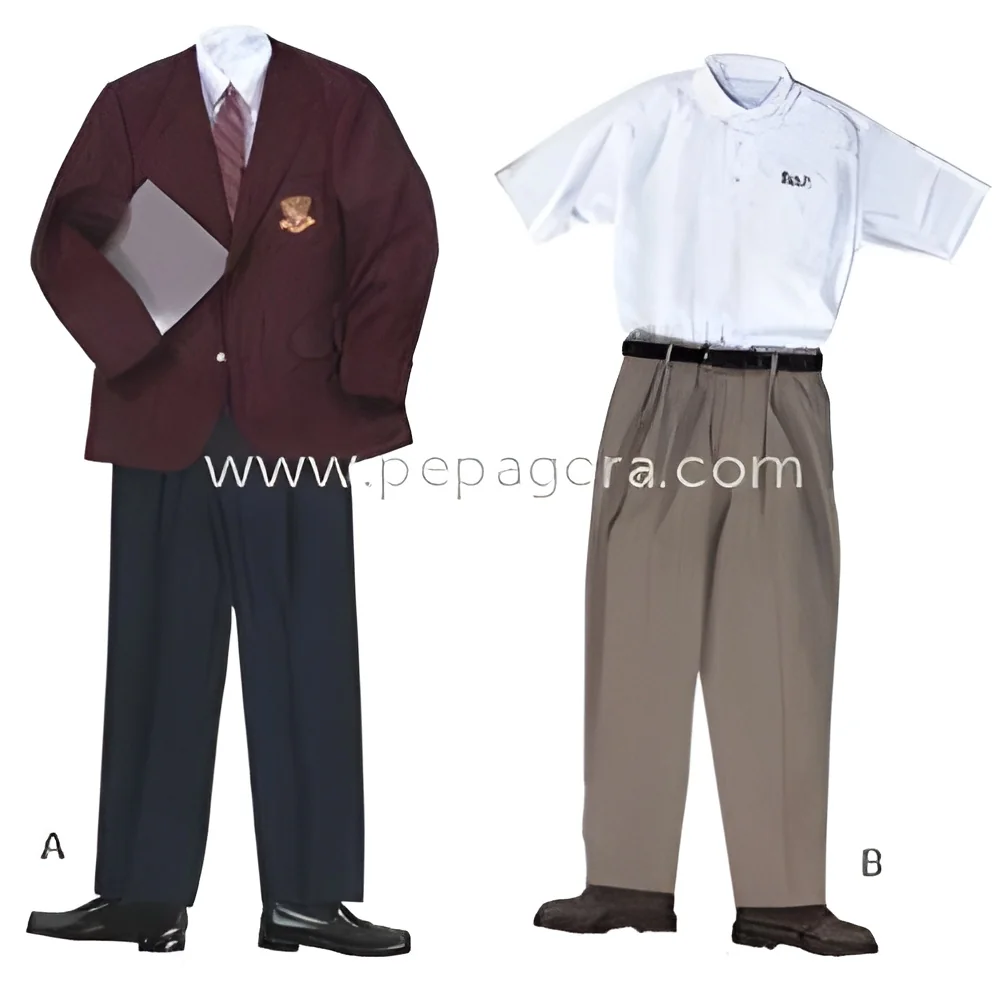
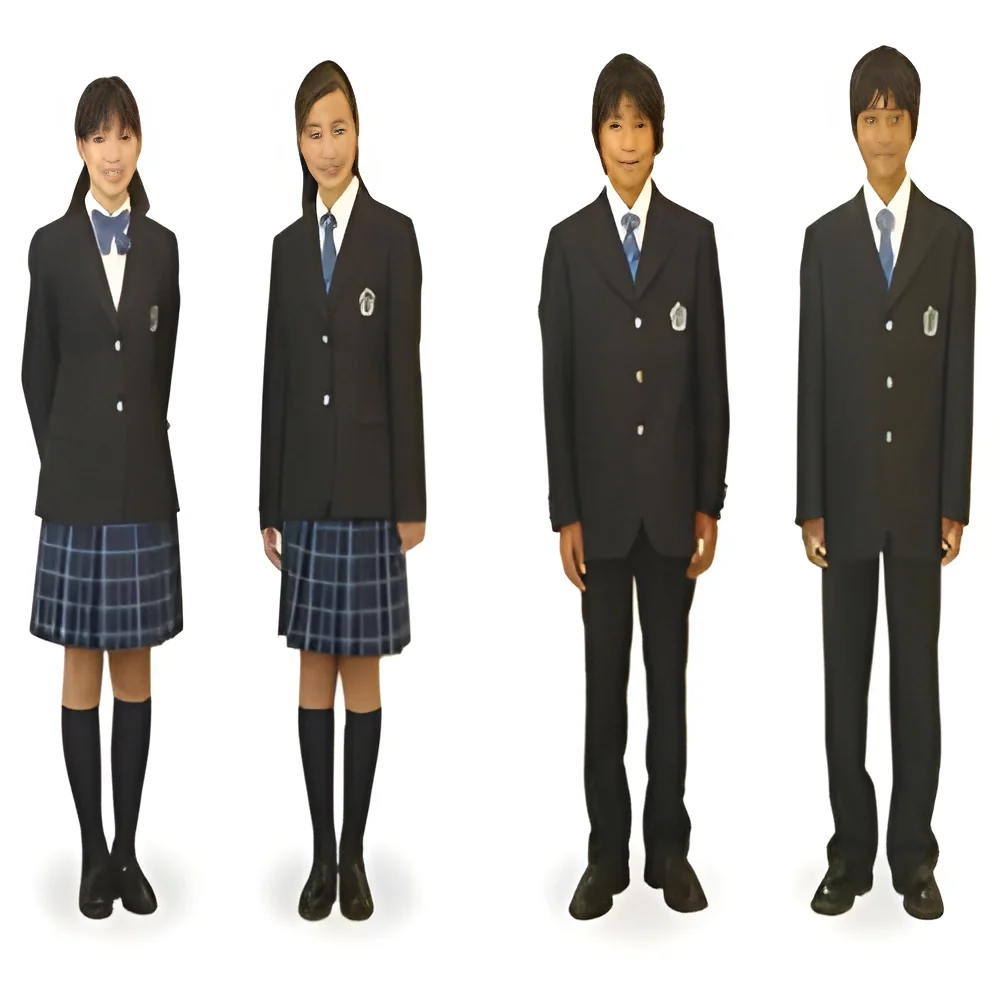
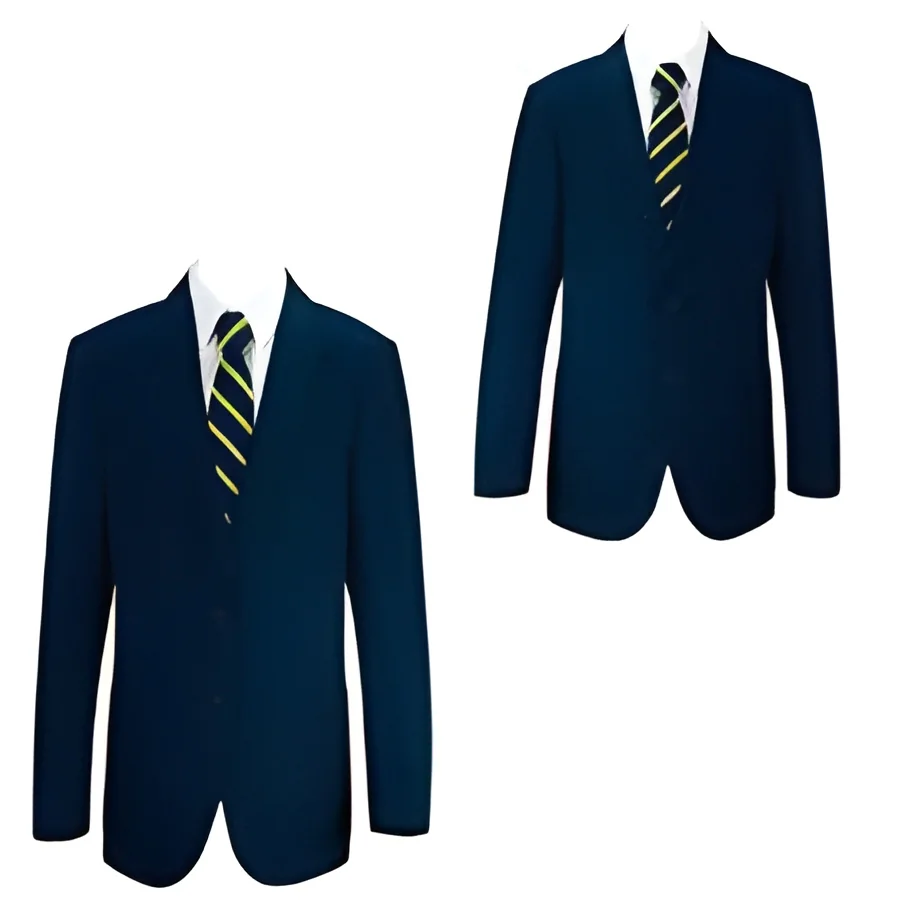
2. Corporate Apparel: Companies seeking to enhance their corporate social responsibility initiatives often choose Fair Trade Clothing for uniforms and promotional wear.
3. Non-Profit Organizations: Many NGOs support Fair Trade practices and use these clothing items for fundraising events or as part of their mission to promote ethical consumption.
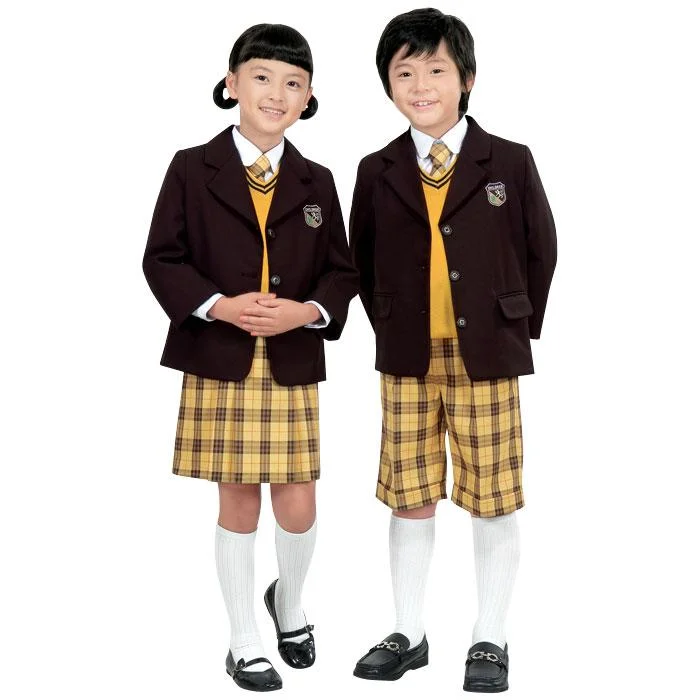
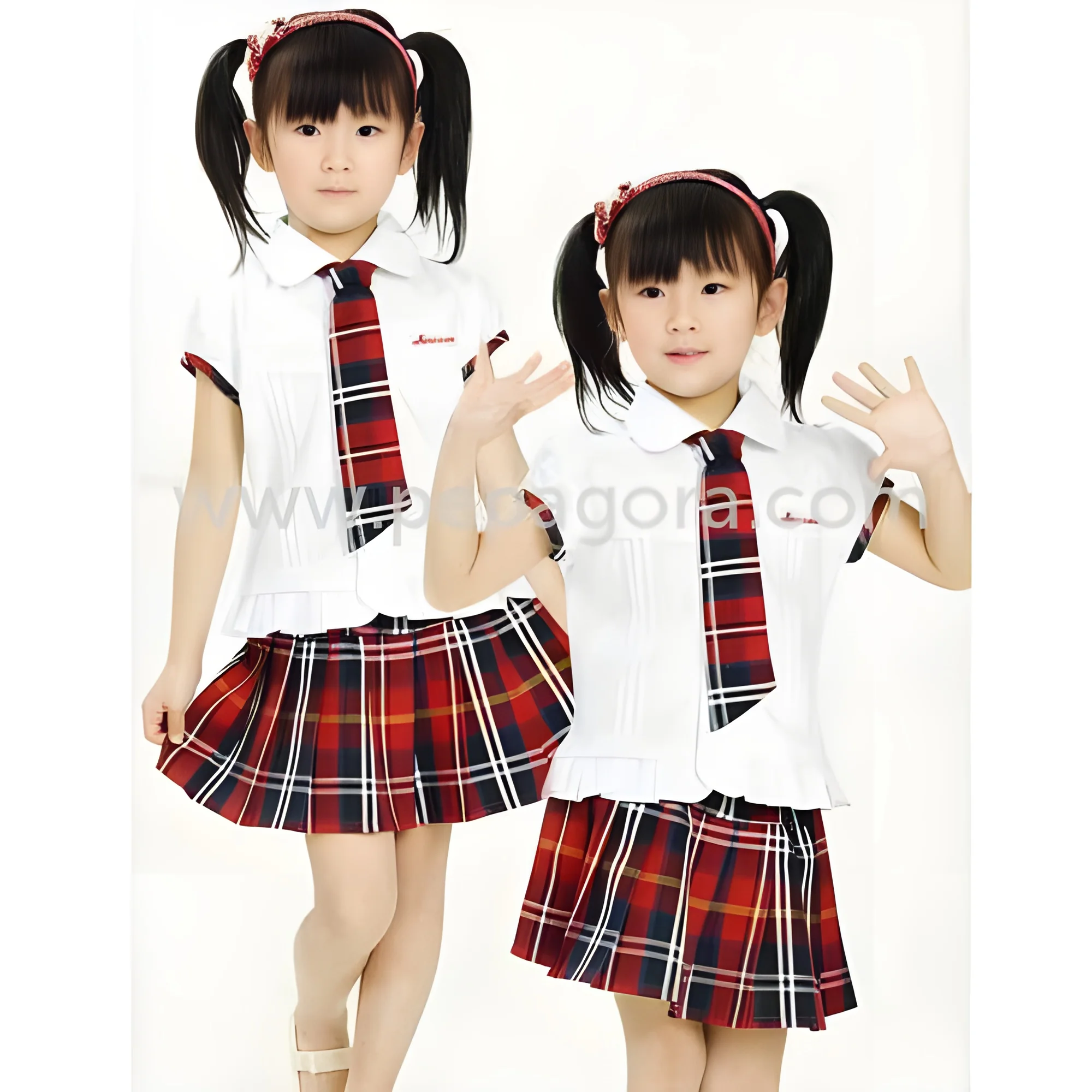
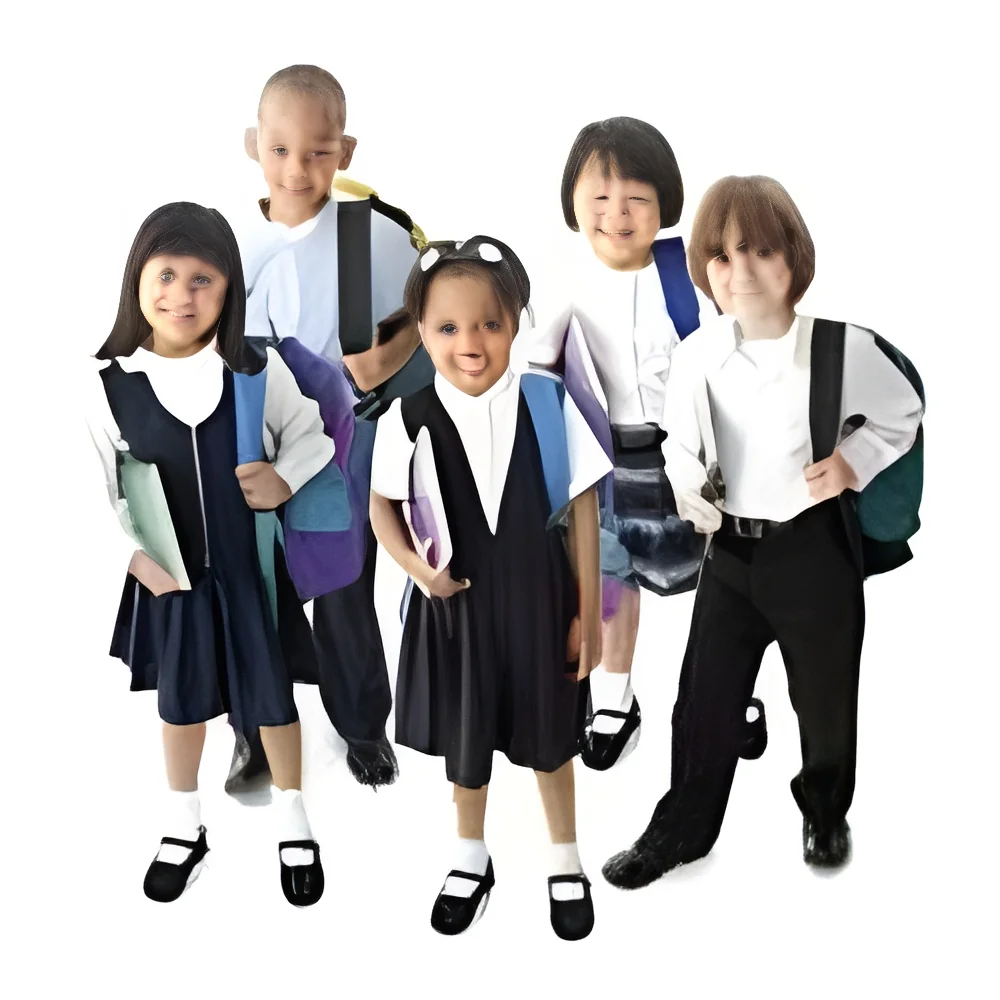
4. Educational Institutions: Schools and universities may adopt Fair Trade Clothing for branded merchandise, promoting awareness of sustainability among students.
5. Outdoor and Sportswear: Brands focusing on eco-friendly outdoor gear often incorporate Fair Trade Clothing to align with their environmental values.
6. Event Merchandise: Fair Trade Clothing is utilized in festivals and events to promote sustainability and ethical consumerism among attendees.
7. Gift Shops: Many gift shops stock Fair Trade Clothing as part of their commitment to ethical sourcing and to attract socially conscious customers.
𝗣𝗿𝗼𝗱𝘂𝗰𝘁 𝗩𝗮𝗿𝗶𝗮𝗻𝘁𝘀 𝗮𝗻𝗱 𝗦𝘂𝗯𝗰𝗮𝘁𝗲𝗴𝗼𝗿𝗶𝗲𝘀
Fair Trade Clothing encompasses a variety of product types, catering to diverse consumer preferences and market needs.
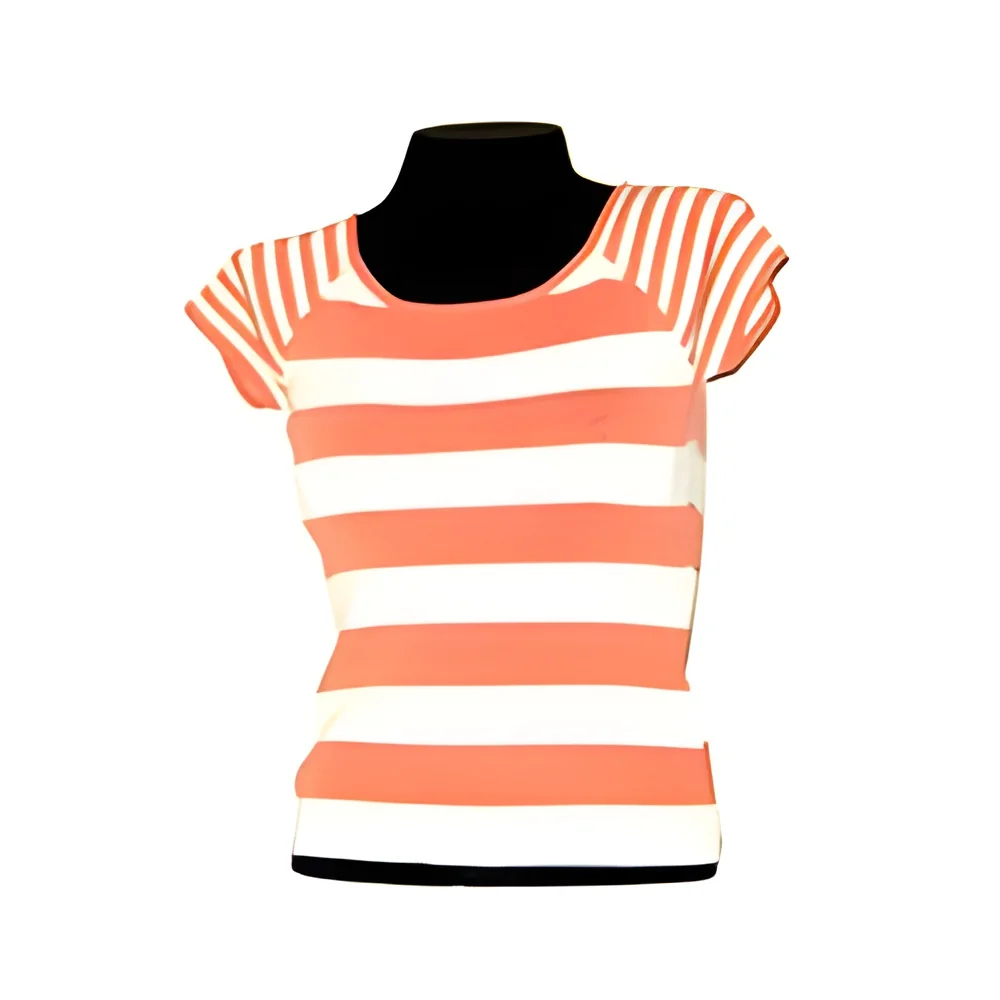
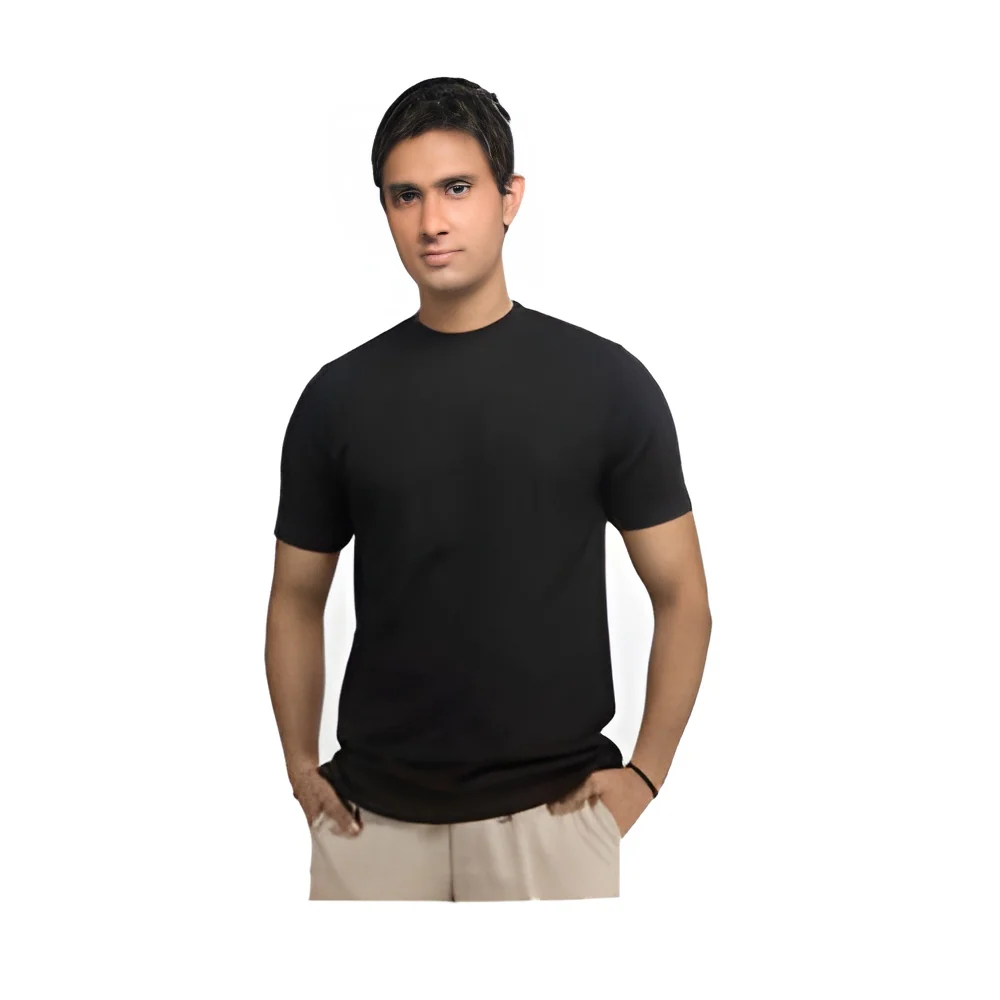
T-shirts
Fair Trade T-shirts are made from organic cotton and come in various styles and sizes. They are ideal for casual wear and promotional events, offering both comfort and a commitment to ethical production.
Hoodies
Fair Trade hoodies provide warmth and style while ensuring that the production process adheres to fair labor practices. These garments are popular among youth and are often used for team apparel or casual outings.
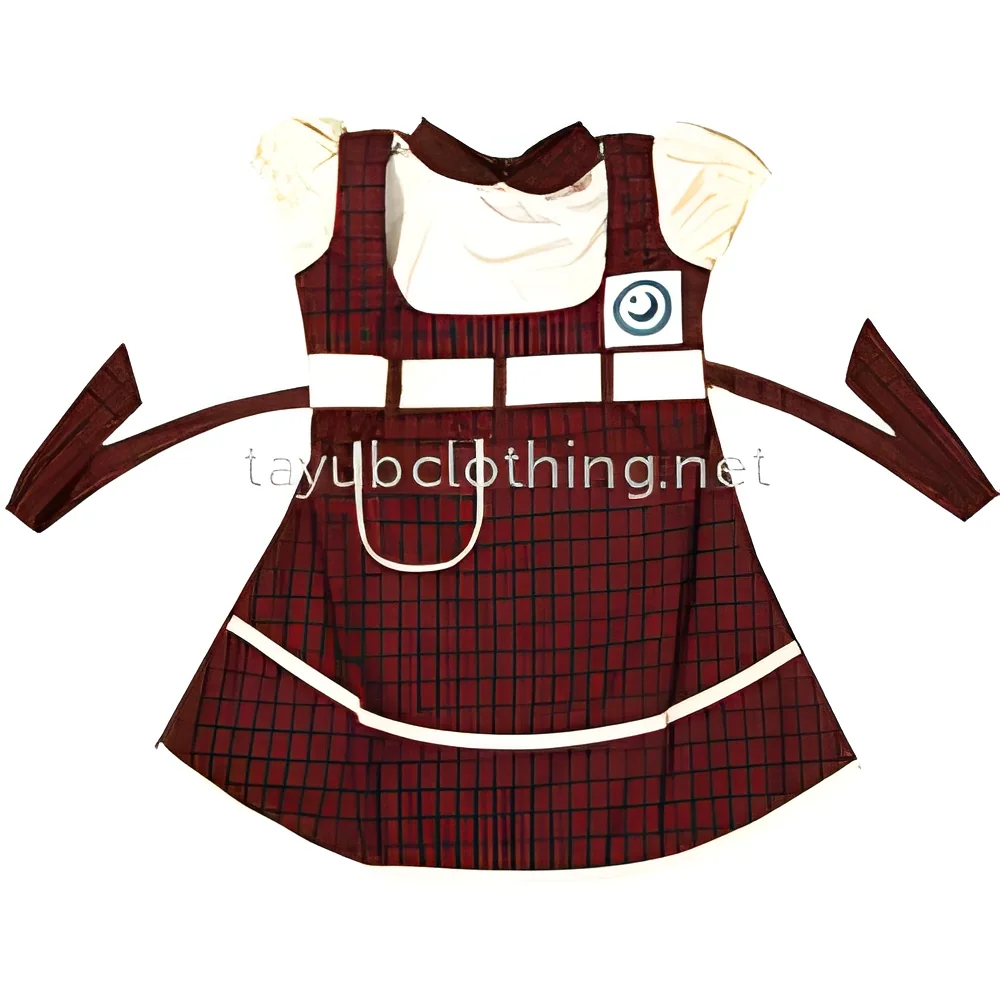
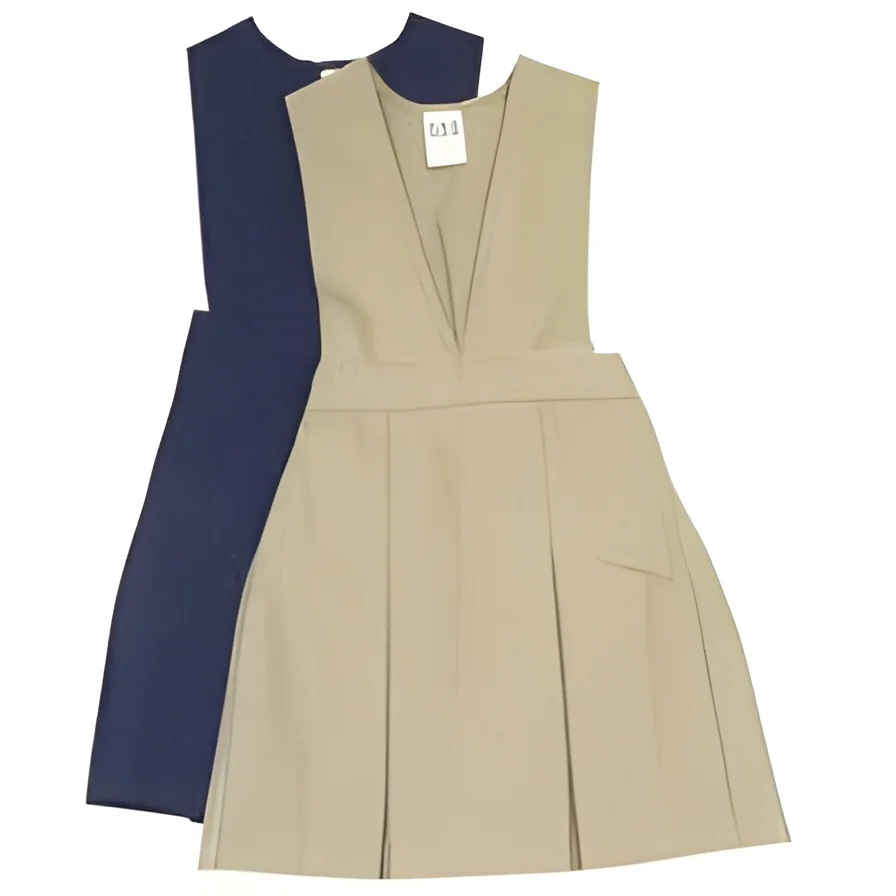
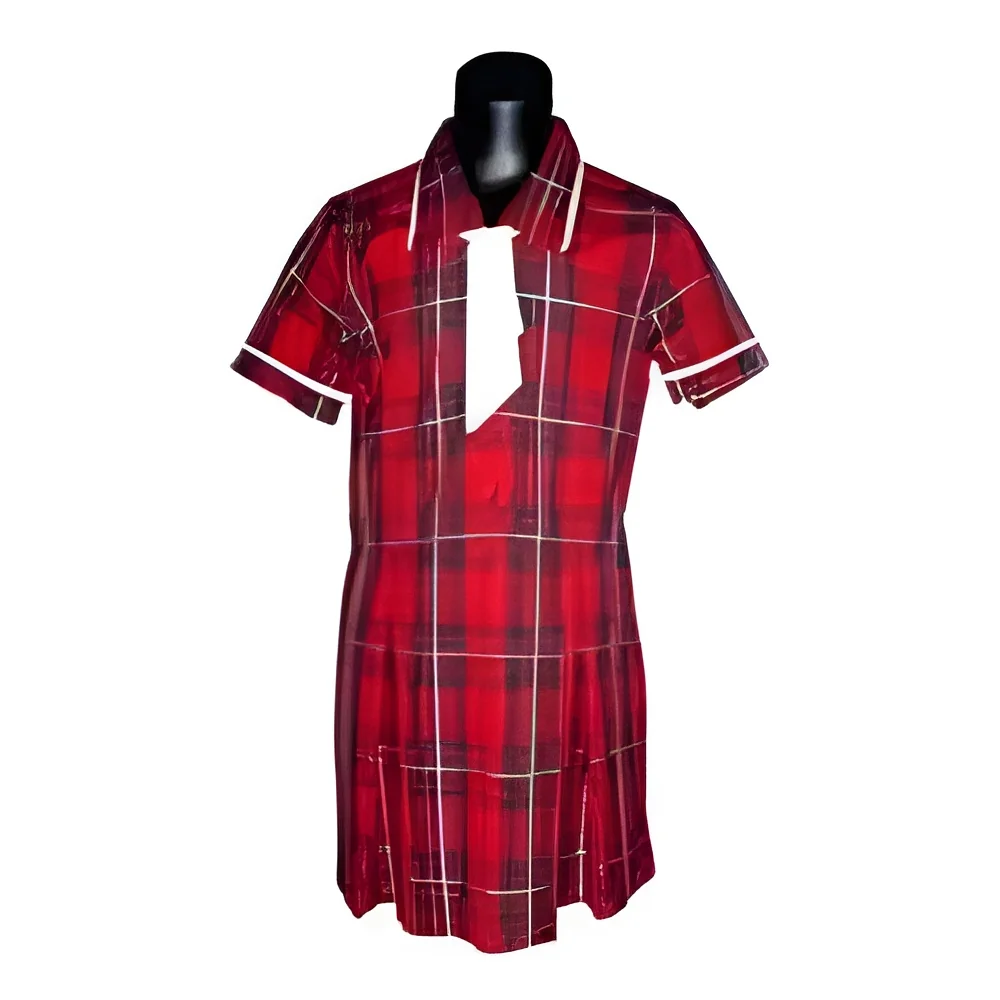
Dresses
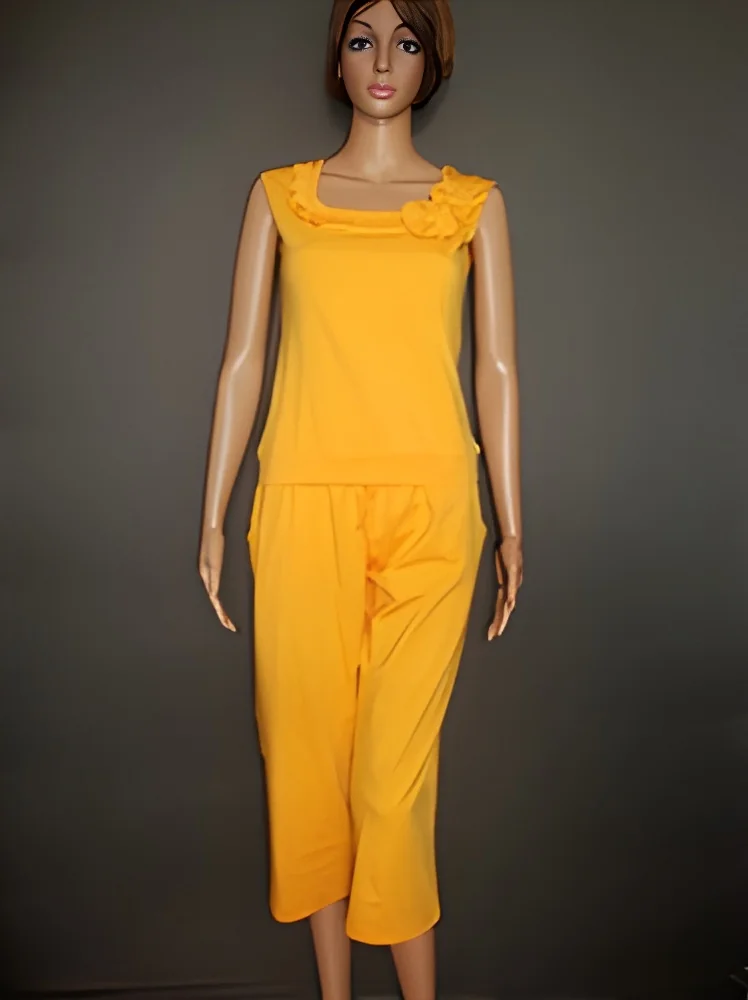
Fair Trade dresses are designed for both everyday wear and special occasions. They reflect a blend of contemporary fashion and ethical standards, appealing to consumers who value sustainability.
Activewear
This category includes Fair Trade leggings and sports tops made from eco-friendly materials. These garments cater to health-conscious consumers looking for sustainable options in their workout gear.
𝗕𝗲𝗻𝗲𝗳𝗶𝘁𝘀 𝗮𝗻𝗱 𝗔𝗱𝘃𝗮𝗻𝘁𝗮𝗴𝗲𝘀
Sourcing Fair Trade Clothing offers numerous advantages for businesses and consumers alike.
1. Ethical Assurance: Companies can confidently market their products as ethically sourced, appealing to socially conscious consumers.
2. Brand Loyalty: By committing to Fair Trade practices, businesses foster brand loyalty among customers who prioritize sustainability.
3. Quality Products: Fair Trade Clothing often boasts high-quality materials and craftsmanship, leading to durable and long-lasting garments.
4. Positive Community Impact: Supporting Fair Trade initiatives helps improve the livelihoods of workers and their communities, contributing to social equity.
5. Compliance with Regulations: Sourcing Fair Trade Clothing aids businesses in meeting regulatory requirements related to ethical sourcing and labor practices.
6. Market Differentiation: Offering Fair Trade products sets businesses apart in a competitive market, attracting a niche audience focused on ethical consumption.
𝗕𝘂𝘆𝗶𝗻𝗴 𝗚𝘂𝗶𝗱𝗲 𝗳𝗼𝗿 𝗕𝟮𝗕 𝗕𝘂𝘆𝗲𝗿𝘀
When sourcing Fair Trade Clothing, companies should consider several key factors to ensure they make informed purchasing decisions.
1. Quality Assessment: Evaluate the quality of materials and craftsmanship. Look for garments that have been certified by recognized Fair Trade organizations to ensure ethical compliance.
2. Supplier Verification: Conduct thorough research on potential suppliers. Check for certifications and reviews to confirm their commitment to Fair Trade principles.
3. Pricing and MOQ: Understand the pricing structure and minimum order quantities. Fair Trade Clothing may have higher upfront costs; however, consider the long-term benefits of ethical sourcing.
4. Delivery and Lead Times: Inquire about production timelines and delivery schedules. Fair Trade Clothing may require longer lead times due to ethical production practices.
5. Compliance Requirements: Familiarize yourself with any regional regulations regarding ethical sourcing. Ensure your suppliers meet these compliance standards.
𝗖𝗼𝗺𝗽𝗹𝗶𝗮𝗻𝗰𝗲 𝗮𝗻𝗱 𝗖𝗲𝗿𝘁𝗶𝗳𝗶𝗰𝗮𝘁𝗶𝗼𝗻𝘀
Fair Trade Clothing is governed by various quality standards and certifications that ensure ethical production and safety.
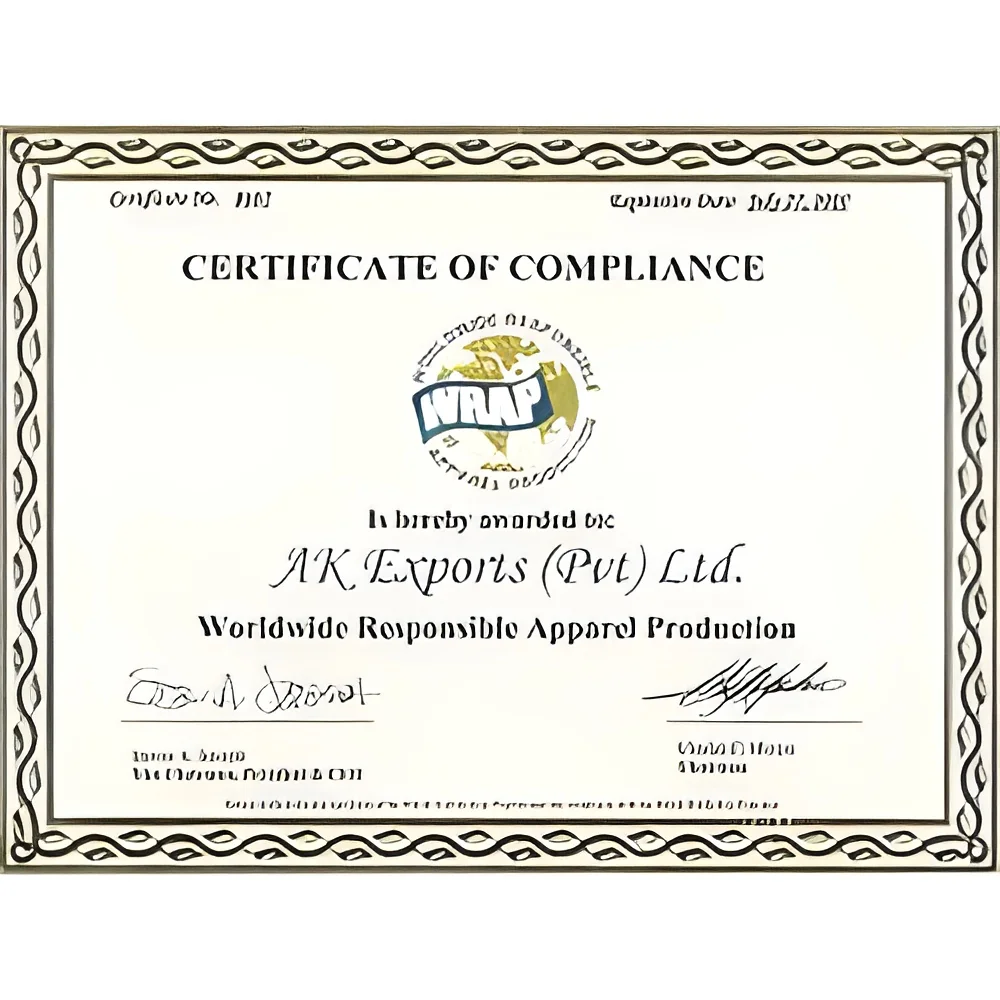
ISO 9001 is a relevant quality standard that emphasizes effective quality management systems. Companies that comply with this standard can demonstrate their commitment to providing high-quality products while adhering to strict operational procedures.
HACCP and GDP are also important considerations in sectors where food safety and product integrity are essential. While these standards primarily apply to food and pharmaceuticals, they reflect the broader commitment to quality assurance that can extend to clothing production.
The CE certification is crucial for Fair Trade Clothing, ensuring that products meet European safety, health, and environmental protection standards. This certification is vital for companies exporting clothing items to European markets.
Additionally, businesses should be aware of regional compliance considerations, as different countries may have specific regulations governing labor practices and environmental impact. Adhering to these regulations not only ensures legal compliance but also enhances brand reputation in the marketplace.
𝗪𝗵𝘆 𝗦𝗼𝘂𝗿𝗰𝗲 𝗙𝗮𝗶𝗿 𝗧𝗿𝗮𝗱𝗲 𝗖𝗹𝗼𝘁𝗵𝗶𝗻𝗴 𝗳𝗿𝗼𝗺 𝗣𝗲𝗽𝗮𝗴𝗼𝗿𝗮?
Pepagora provides a trusted platform for sourcing Fair Trade Clothing, offering several key advantages that benefit B2B buyers.
Verified Supplier Network: Pepagora boasts a comprehensive network of verified suppliers committed to Fair Trade practices. This assurance allows businesses to source high-quality, ethically produced clothing with confidence.
Streamlined RFQ Process: The platform features a streamlined request for quotation (RFQ) system, enabling buyers to easily connect with suppliers and obtain competitive pricing for their orders.
Trade Assurance and Support: Pepagora offers trade assurance, providing buyers with protection throughout the sourcing process. This support helps mitigate risks associated with international trade.
Regional Coverage: With a strong presence in India, the GCC, and Southeast Asia, Pepagora facilitates access to Fair Trade Clothing suppliers across diverse regions. This geographic reach allows businesses to tap into various markets while supporting local economies.
By choosing Pepagora for Fair Trade Clothing sourcing, businesses can enhance their supply chains with ethically produced garments while fostering a commitment to sustainability and social responsibility.

 IN
IN