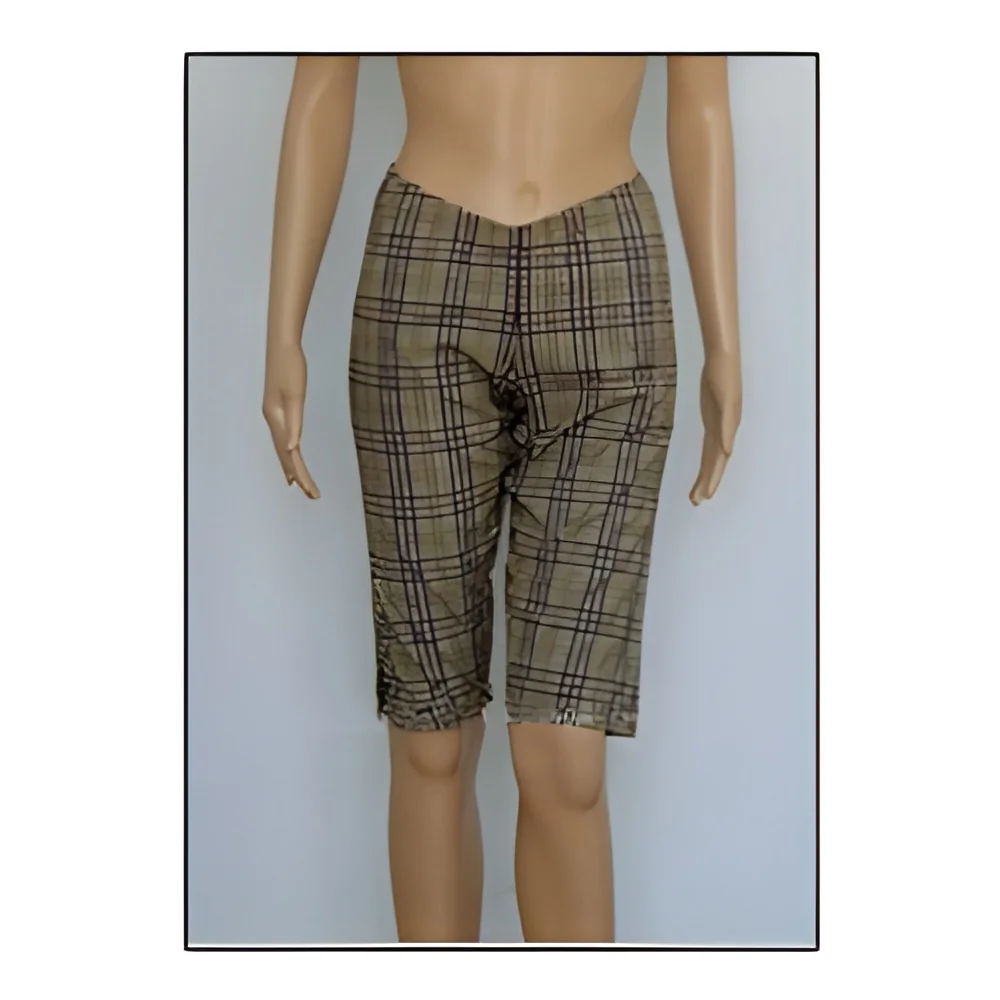
𝗪𝗵𝗮𝘁 𝗮𝗿𝗲 𝗙𝗮𝗶𝗿 𝗧𝗿𝗮𝗱𝗲 𝗖𝗲𝗿𝘁𝗶𝗳𝗶𝗲𝗱 𝗖𝗼𝘁𝘁𝗼𝗻 𝗔𝗽𝗽𝗮𝗿𝗲𝗹?
Fair Trade Certified Cotton Apparel represents a category of clothing made from cotton that meets specific ethical and environmental standards. These products are sourced from farmers and manufacturers who adhere to fair trade principles, ensuring fair wages, safe working conditions, and sustainable farming practices. The certification process involves rigorous auditing to guarantee compliance with these principles, promoting social justice and environmental stewardship in the supply chain.
The primary uses of Fair Trade Certified Cotton Apparel span various sectors, including fashion, retail, and corporate branding. Businesses increasingly rely on these garments to align with consumer demand for ethically produced products. By offering Fair Trade Certified options, companies can enhance their brand reputation and appeal to socially conscious consumers. This segment of the apparel market is gaining traction as more businesses recognize the importance of sustainability and ethical sourcing.
In the context of the industry, Fair Trade Certified Cotton Apparel is becoming increasingly relevant as consumer awareness and demand for ethical products rise. With growing competition and consumer expectations, businesses that prioritize ethical sourcing can differentiate themselves in a crowded market. This shift not only benefits consumers and workers but also contributes to a more sustainable future for the apparel industry.
𝗞𝗲𝘆 𝗙𝗲𝗮𝘁𝘂𝗿𝗲𝘀 𝗮𝗻𝗱 𝗦𝗽𝗲𝗰𝗶𝗳𝗶𝗰𝗮𝘁𝗶𝗼𝗻𝘀
Fair Trade Certified Cotton Apparel is characterized by several key features and specifications that highlight its quality and ethical standards. Understanding these specifications is crucial for B2B buyers looking to invest in sustainable apparel.
Key specifications include:
1. Ethical Sourcing
- Ensures that all cotton is sourced from certified fair trade farms.
- Supports fair wages and working conditions for farmers.
2. Environmental Standards
- Adheres to sustainable farming practices that minimize pesticide use.
- Promotes organic farming methods where possible.
3. Quality Control
- Undergoes rigorous testing to meet quality and safety standards.
- Ensures durability and comfort for end-users.
4. Certification
- Products carry Fair Trade Certified labels to verify compliance.
- Audited regularly to maintain certification status.
5. Supply Chain Transparency
- Offers traceability from farm to finished product.
- Provides detailed information on sourcing practices.
6. Consumer Awareness
- Engages consumers through educational initiatives about fair trade.
- Increases brand loyalty through ethical commitments.
7. Social Impact
- Contributes to community development projects funded by fair trade premiums.
- Fosters gender equality and empowerment among workers.
In summary, Fair Trade Certified Cotton Apparel not only provides quality clothing but also ensures a positive impact on communities and the environment.
𝗖𝗼𝗺𝗺𝗼𝗻 𝗔𝗽𝗽𝗹𝗶𝗰𝗮𝘁𝗶𝗼𝗻𝘀 𝗮𝗻𝗱 𝗨𝘀𝗲 𝗖𝗮𝘀𝗲𝘀
Fair Trade Certified Cotton Apparel serves a diverse range of industries that prioritize ethical and sustainable practices.
1. Fashion Retail: Retailers are increasingly incorporating Fair Trade Certified garments to meet consumer demand for ethically sourced fashion, establishing a competitive edge in the market.
2. Corporate Branding: Companies are utilizing Fair Trade Certified apparel for uniforms and promotional items, enhancing their corporate social responsibility profiles while providing employees with high-quality clothing.
3. Educational Institutions: Schools and universities are adopting Fair Trade Certified apparel to promote ethical values among students and staff, often through merchandise and sportswear.
4. Nonprofits and NGOs: Organizations focused on social justice and sustainability use Fair Trade Certified Cotton Apparel to reinforce their mission and engage supporters through ethically produced merchandise.
5. Eco-Friendly Brands: Businesses that specialize in sustainable products often source Fair Trade Certified clothing to align with their environmental commitment and attract like-minded customers.
6. Health and Wellness: Some health-focused brands incorporate Fair Trade Certified apparel into their product lines, emphasizing the importance of ethical sourcing in promoting overall well-being.
7. Outdoor and Sportswear: Companies producing outdoor gear and sportswear are increasingly turning to Fair Trade Certified Cotton to meet the demand for sustainable and durable clothing options.
𝗣𝗿𝗼𝗱𝘂𝗰𝘁 𝗩𝗮𝗿𝗶𝗮𝗻𝘁𝘀 𝗮𝗻𝗱 𝗦𝘂𝗯𝗰𝗮𝘁𝗲𝗴𝗼𝗿𝗶𝗲𝘀
Fair Trade Certified Cotton Apparel comes in various styles and options to meet different consumer preferences and business needs.
T-shirts
These garments are designed for everyday wear, featuring comfortable fits and various colors. They often serve as promotional items for businesses and events, showcasing a commitment to sustainability.
Hoodies
Fair Trade Certified hoodies offer warmth and style, making them popular for casual wear and brand promotions. Their ethical production appeals to consumers looking for both comfort and conscience.
Tote Bags
These reusable bags are perfect for shopping and daily use. Made from Fair Trade Certified cotton, they promote sustainability while reducing plastic waste.
Pajamas
Fair Trade Certified cotton pajamas provide comfort for sleepwear, ensuring that consumers can relax in ethically made clothing. These items often come in various patterns and styles.
𝗕𝗲𝗻𝗲𝗳𝗶𝘁𝘀 𝗮𝗻𝗱 𝗔𝗱𝘃𝗮𝗻𝘁𝗮𝗴𝗲𝘀
Investing in Fair Trade Certified Cotton Apparel offers numerous benefits for businesses and consumers alike.
Key benefits include:
1. Ethical Production: Ensures that all apparel is made under fair labor conditions, enhancing brand reputation and consumer trust.
2. Environmental Responsibility: Supports sustainable farming practices that reduce environmental impact, appealing to eco-conscious consumers.
3. Quality Assurance: Fair Trade standards ensure that products are of high quality, leading to higher customer satisfaction and repeat purchases.
4. Market Differentiation: Companies can stand out in a competitive market by offering ethically sourced products, attracting a growing demographic of socially conscious buyers.
5. Positive Social Impact: Purchasing Fair Trade Certified garments contributes to community development and empowerment, promoting social justice.
6. Transparency: Offers traceability in the supply chain, allowing consumers to know where and how their products are made.
𝗕𝘂𝘆𝗶𝗻𝗴 𝗚𝘂𝗶𝗱𝗲 𝗳𝗼𝗿 𝗕𝟮𝗕 𝗕𝘂𝘆𝗲𝗿𝘀
When sourcing Fair Trade Certified Cotton Apparel, it is essential for businesses to consider several factors to ensure a successful procurement process.
1. Quality Assessment: Evaluate the quality of materials and craftsmanship. Look for certifications and reviews that validate the product's standards.
2. Supplier Verification: Vet potential suppliers to ensure they are genuinely certified and adhere to fair trade principles. Request documentation and references to confirm their practices.
3. Pricing and MOQ: Understand the pricing structures and minimum order quantities set by suppliers. Compare costs to ensure you are getting value for your investment.
4. Delivery and Lead Times: Inquire about logistics and expected delivery times. Ensure that suppliers can meet your timeline to avoid disruptions in your supply chain.
5. Compliance Requirements: Be aware of any regional or industry-specific compliance requirements related to fair trade and ethical sourcing. Ensure that your suppliers can meet these standards.
𝗖𝗼𝗺𝗽𝗹𝗶𝗮𝗻𝗰𝗲 𝗮𝗻𝗱 𝗖𝗲𝗿𝘁𝗶𝗳𝗶𝗰𝗮𝘁𝗶𝗼𝗻𝘀
Fair Trade Certified Cotton Apparel adheres to various quality standards and certifications that ensure ethical and sustainable practices.
Relevant quality standards include ISO 9001, which focuses on quality management systems, and HACCP, which addresses food safety in the context of agricultural production. While specific standards for apparel may vary, adherence to these principles is crucial.
Industry certifications such as CE indicate compliance with European safety standards, which can be essential for apparel sold in those markets.
Safety and testing requirements are paramount to ensure that apparel produced is free from harmful substances and safe for consumers. Rigorous testing processes help maintain these safety standards throughout the production cycle.
Additionally, regional compliance considerations may vary, necessitating a thorough understanding of local regulations and practices to ensure that all Fair Trade Certified Cotton Apparel meets necessary legal requirements.
𝗪𝗵𝘆 𝗦𝗼𝘂𝗿𝗰𝗲 𝗙𝗮𝗶𝗿 𝗧𝗿𝗮𝗱𝗲 𝗖𝗲𝗿𝘁𝗶𝗳𝗶𝗲𝗱 𝗖𝗼𝘁𝘁𝗼𝗻 𝗔𝗽𝗽𝗮𝗿𝗲𝗹 𝗳𝗿𝗼𝗺 𝗣𝗲𝗽𝗮𝗴𝗼𝗿𝗮?
Pepagora provides a trusted platform for sourcing Fair Trade Certified Cotton Apparel with several key advantages.
Verified Supplier Network: Pepagora has established a rigorous supplier verification process, ensuring that all partners meet Fair Trade standards. This gives buyers confidence in the ethical sourcing of their apparel.
Streamlined RFQ Process: The platform offers an efficient request for quotation system that simplifies the procurement process. Buyers can easily compare options and make informed purchasing decisions.
Trade Assurance and Support: Pepagora provides buyer protection through trade assurance, ensuring that transactions are secure and that products meet agreed-upon specifications.
Regional Coverage: With a strong presence in India, the GCC, and Southeast Asia, Pepagora connects buyers with suppliers across diverse markets, facilitating access to a wide range of Fair Trade Certified Cotton Apparel options. This geographic reach allows businesses to find the best fit for their sourcing needs while supporting ethical practices globally.

 IN
IN