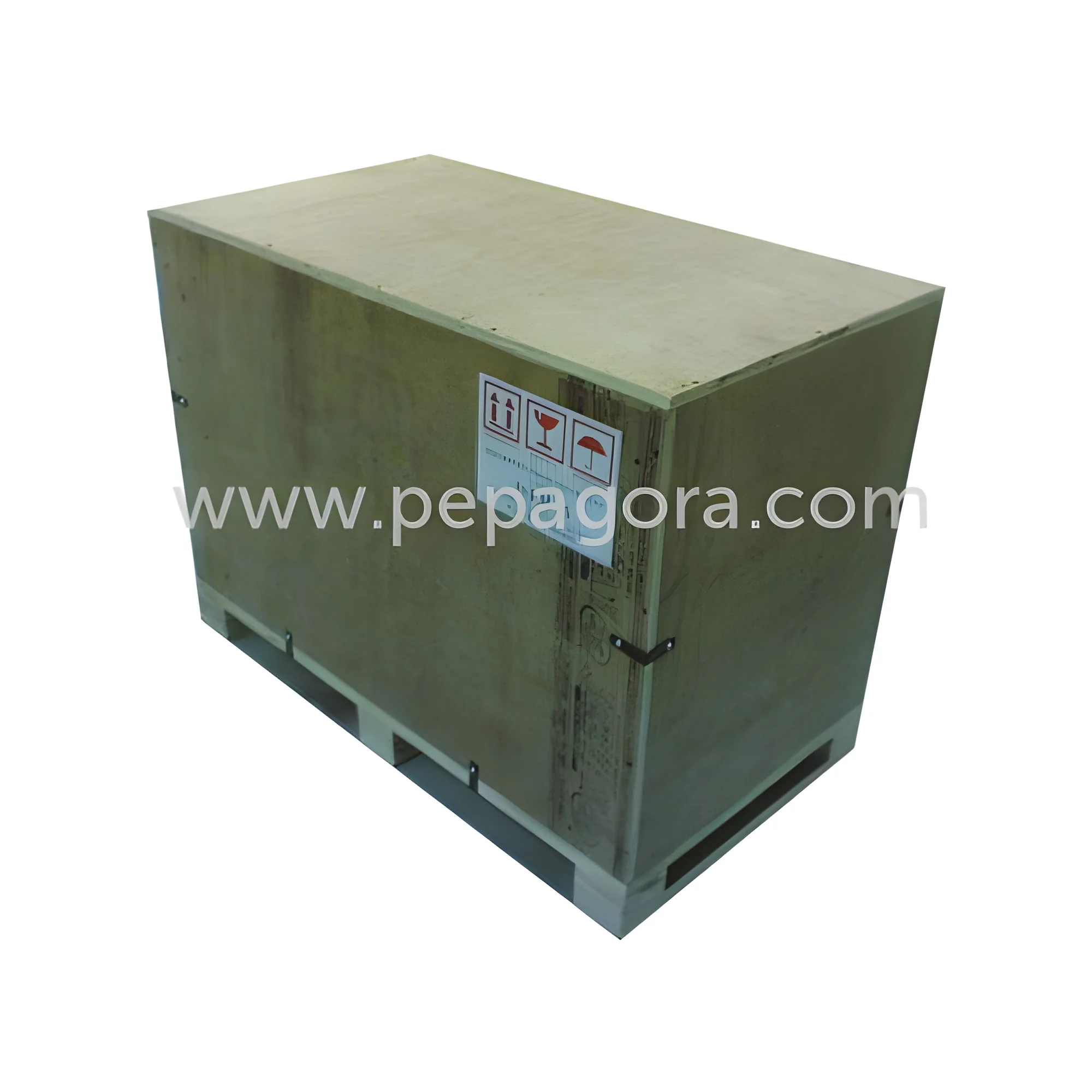
What are Exporters of Thermoformed Packaging?
Exporters of thermoformed packaging specialize in producing and distributing packaging solutions made from thermoplastic materials. This process involves heating plastic sheets until they become pliable and then forming them into specific shapes using molds. The resulting packaging is lightweight, durable, and versatile, making it suitable for various applications across multiple industries.
Thermoformed packaging is primarily used for food, consumer products, electronics, and medical devices. Its ability to be customized in terms of size, shape, and design makes it an attractive option for businesses looking to enhance their product presentation and protection. Many companies utilize thermoformed packaging for trays, clamshells, blisters, and other containers that require secure and efficient storage.
In recent years, the demand for thermoformed packaging has grown significantly, driven by the rise in e-commerce and the need for sustainable packaging solutions. As businesses seek innovative ways to package their products while minimizing environmental impact, exporters of thermoformed packaging play a crucial role in the supply chain, ensuring that companies have access to high-quality, compliant, and efficient packaging options.
Key Features and Specifications
Thermoformed packaging offers a range of features that cater to various industrial needs. Understanding these specifications is essential for businesses looking to source the right packaging solutions.
Key specifications include:
1. Material Type
- Commonly made from PET, PVC, PS, and PLA.
- Each material has unique properties suitable for specific applications.
2. Thickness Range
- Typically ranges from 0.3 mm to 3 mm.
- Thickness impacts durability and rigidity.
3. Customization Options
- Available in various shapes and sizes based on client specifications.
- Custom printing and branding can be incorporated.
4. Barrier Properties
- Varies based on material choice; options for moisture and oxygen barriers.
- Essential for food packaging to extend shelf life.
5. Temperature Resistance
- Capable of withstanding varying temperatures depending on the material used.
- Important for products that require refrigeration or heating.
6. Recyclability
- Many thermoformed products are recyclable, promoting sustainability.
- Recyclability depends on the type of plastic used.
7. FDA Compliance
- Products intended for food contact typically meet FDA regulations.
- Ensures safety and suitability for food packaging.
8. Lead Time
- Generally ranges from 2 to 6 weeks, depending on order size and complexity.
- Important for planning inventory and supply chain logistics.
In summary, understanding the features and specifications of thermoformed packaging is crucial for businesses to select the right solutions that meet their operational needs and compliance requirements.
Common Applications and Use Cases
Thermoformed packaging serves various industries, each benefiting from its unique characteristics and adaptability.
1. Food Industry: Thermoformed trays and containers are widely used for packaging fresh produce, meats, and prepared meals. These solutions help maintain product freshness and extend shelf life.
2. Consumer Products: Many companies utilize thermoformed packaging for electronics, toys, and household goods. The clear visibility and protective nature of this packaging enhance customer appeal and product safety.
3. Medical Devices: Thermoformed packaging is critical in the medical sector for packaging surgical instruments and devices. Its sterility and secure design ensure safety and compliance with health regulations.
4. Automotive: Components and parts are often packaged using thermoformed solutions to protect them during transport. This reduces the risk of damage and maintains quality.
5. Pharmaceuticals: Thermoformed blisters are commonly used for packaging tablets and capsules. This ensures product integrity and provides tamper-evidence for consumer safety.
6. Cosmetics: The beauty industry often relies on thermoformed packaging for containers that showcase products effectively while providing protection.
7. E-commerce: The rise of online shopping has led to increased demand for thermoformed packaging that can protect products during transit, ensuring they arrive in pristine condition.
Product Variants and Subcategories
Thermoformed packaging comes in various forms, each tailored to specific applications and industry needs.
Clamshell Packaging
Clamshells are robust, hinged packaging solutions that provide excellent visibility and protection for products. They are commonly used for retail items, allowing consumers to see the merchandise while keeping it secure.
Blister Packs
Blister packs are designed to hold products securely in place while providing visibility. They are often used for pharmaceuticals and consumer goods, ensuring that items are tamper-proof and safely stored.
Trays
Thermoformed trays are versatile and can be used for a variety of applications, including food packaging and product displays. Their design allows for easy stacking and transportation.
Benefits and Advantages
Sourcing thermoformed packaging offers several benefits that can enhance business operations.
1. Customization: Thermoformed packaging can be tailored to fit specific product dimensions, enhancing branding and ensuring product safety.
2. Cost-Effectiveness: The lightweight nature of thermoformed packaging often results in lower shipping costs and reduced material usage, leading to overall savings.
3. Protection: This type of packaging provides excellent protection against physical damage, moisture, and contamination, preserving product integrity.
4. Eco-Friendliness: Many thermoformed materials are recyclable, supporting sustainability initiatives and appealing to environmentally conscious consumers.
5. Efficient Production: The thermoforming process allows for rapid production times, enabling businesses to respond quickly to market demands.
6. Versatility: Thermoformed packaging can be adapted for various industries, making it a flexible solution for different product types.
Buying Guide for B2B Buyers
When sourcing exporters of thermoformed packaging, several factors should be considered to ensure the right fit for your business needs.
1. Quality Assessment: Evaluate the quality of materials used and the manufacturing process. Look for certifications that confirm compliance with industry standards.
2. Supplier Verification: Conduct thorough background checks on potential suppliers. Assess their reputation, experience, and customer feedback to ensure reliability.
3. Pricing and MOQ: Understand the pricing structure and minimum order quantities. This helps in budgeting and ensures you receive the best value for your investment.
4. Delivery and Lead Times: Inquire about logistics and lead times for orders. Reliable delivery schedules are crucial for maintaining your supply chain.
5. Compliance Requirements: Ensure that the packaging meets all regulatory requirements, especially for food and medical applications. Verify any certifications, such as CE or FDA compliance.
Compliance and Certifications
Exporters of thermoformed packaging must adhere to various compliance and quality standards to ensure product safety and reliability.
ISO 9001 is a widely recognized standard that outlines quality management principles. Adhering to this standard ensures that manufacturers consistently provide products that meet customer and regulatory requirements.
HACCP (Hazard Analysis and Critical Control Points) is crucial for food packaging. This standard focuses on identifying and controlling potential hazards in the food production process, ensuring that packaging solutions are safe for food contact.
CE certification signifies that products meet European health, safety, and environmental protection standards. This is particularly important for exporters looking to enter European markets.
Safety and testing requirements are vital for ensuring that thermoformed packaging does not pose any risks to consumers. Compliance with these standards enhances product credibility and trust.
Regional compliance considerations may vary based on local regulations. Exporters must stay informed about these requirements to ensure smooth market entry and operations.
Why Source Exporters of Thermoformed Packaging from Pepagora?
Pepagora provides a trusted platform for sourcing exporters of thermoformed packaging with several key advantages.
Verified Supplier Network: Pepagora connects businesses with a network of verified suppliers, ensuring that buyers can trust the quality and reliability of their sourcing partners. This verification process helps mitigate risks associated with supplier selection.
Streamlined RFQ Process: The request for quotation (RFQ) system on Pepagora simplifies the sourcing process. Buyers can easily submit their requirements and receive competitive quotes from multiple suppliers, enabling informed decision-making.
Trade Assurance and Support: Pepagora offers trade assurance, protecting buyers' interests throughout the transaction process. This includes support for addressing any issues that may arise, ensuring a smooth experience.
Regional Coverage: With extensive reach across India, the GCC, and Southeast Asia, Pepagora facilitates connections between buyers and exporters in these regions. This geographic diversity provides access to a wide range of packaging solutions tailored to specific market needs.

 IN
IN
 India
India